Adelheid (Heidi) LempradlView profile
Assistant Professor
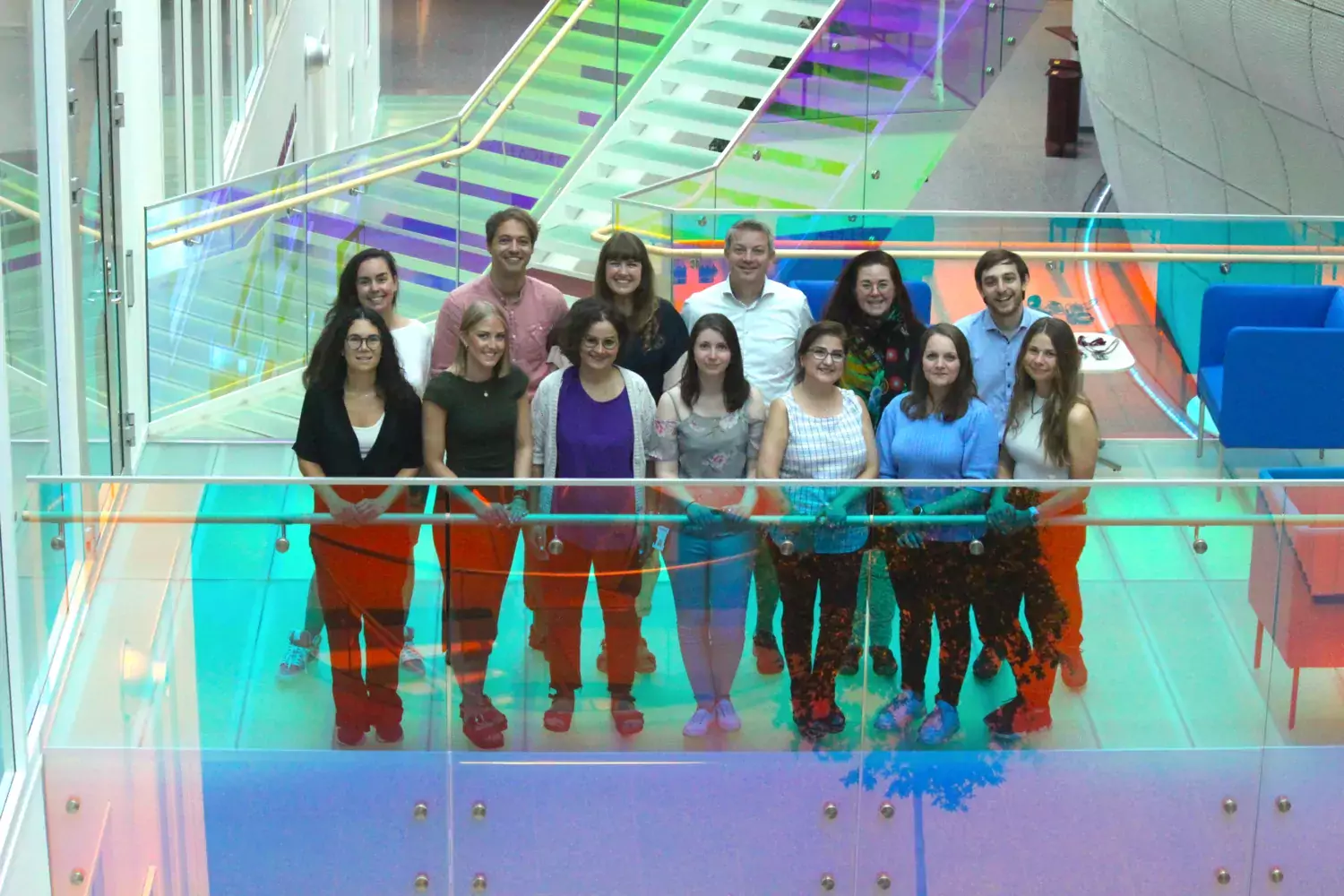
Dr. Adelheid (Heidi) Lempradl is an Assistant Professor in the Department of Metabolism and Nutritional Programming at Van Andel Institute, where she leads a research laboratory focused on understanding how parental metabolic states are transmitted across generations. Her work bridges epigenetics, metabolism, and developmental biology to uncover mechanisms of intergenerational inheritance. Dr. Lempradl's research explores how environmental factors like diet impact future generations through epigenetic mechanisms. Her laboratory investigates molecular pathways that underlie phenotype transmission across generations, with particular focus on how parental nutrition affects offspring health. She was the first to demonstrate that paternal diet reprograms offspring metabolism in Drosophila and identified the first epigenetic signature of obesity conserved across species. Her recent publications reveal trends in early embryonic metabolism, transgenerational epigenetic inheritance, metabolic programming, and the identification of distinct cell subtypes relevant to metabolic diseases. Her work spans from fundamental mechanisms in Drosophila models to mammalian systems and human relevance. 2002 DOC-fFORTE Ph.D. Fellowship from the Austrian Academy of Sciences Nominated for the Helmholtz Young Investigator Diabetes (HelDi) Award in 2018 Keynote address at SETAC/iEOS Joint Topic Meeting on Environmental and (Eco) Toxicological Omics and Epigenetics Dr. Lempradl mentors several postdoctoral fellows and graduate students including Alix Booms, Eduardo Perez-Mojica, April Rickle, Ellen Stirtz, and Krittika Sudhakar. Her laboratory works closely with the Van Andel Institute Graduate School and collaborates extensively with researchers at Max Planck Institute. The Lempradl Laboratory is part of Van Andel Institute's comprehensive metabolism and nutrition research program launched in 2018.