Aleksandar Milosavljevic is a Professor and holds the Henry and Emma Meyer Chair in Molecular Genetics at Baylor College of Medicine. He serves as Director of the Program in Quantitative & Computational Biosciences (QCB) and Co-Director of the Computational and Integrative Biomedical Research Center (CIBR). He is also a member of the Dan L Duncan Comprehensive Cancer Center. His research focuses on genomics, epigenomics, and bioinformatics, with a particular emphasis on cancer genomics, extracellular RNA communication, and clinical genome interpretation. Education: PhD from University of California, Santa Cruz (1990). Research interests include developing computational methods for analyzing genomic and epigenomic data, constructing biological atlases (e.g., Human Epigenome Atlas, exRNA Atlas), and advancing clinical genomic applications through projects like ClinGen. His work bridges basic science and translational medicine, with contributions to understanding tumor biology, genetic variant interpretation, and liquid biopsy technologies. Key projects include the NIH Roadmap Epigenomics Initiative, NIH Extracellular RNA Communication Consortium, and ClinGen, which developed tools like the Pathogenicity Calculator and Allele Registry. His lab collaborates widely, addressing challenges in structural genomics, stochastic epigenetic regulation, and precision medicine.
Associate Professor Ulrike Grunert is a distinguished researcher in the Faculty of Medicine and Health at the University of Sydney, where she serves in the Clinical Ophthalmology and Eye Health department at the Save Sight Institute. With over three decades of experience in visual neuroscience, her work has significantly advanced our understanding of retinal structure and function. Dr. Grunert received her PhD in Biology from Johann Wolfgang Goethe University in Frankfurt, Germany in 1985, followed by postdoctoral work at the University of Florida. She became a group leader at the Max-Planck-Institute for Brain Research before joining the University of Sydney in 1994 with a Feodor Lynen fellowship from the Alexander von Humboldt Foundation. She was awarded her Habilitation from Goethe University in 1994 and has maintained continuous research activity since then, with appointments including Lions Vision Research Fellow (2003-2009) and Honorary Principal Research Fellow at the University of Melbourne (2006). Her research focuses on the functional neuroanatomy of the mammalian retina, with special emphasis on the primate retina. Dr. Grunert's work has been instrumental in defining the neural circuitry of the eye , particularly related to retinal ganglion cells and their connections with other retinal cells and targets in the brain. Her laboratory employs advanced techniques including immunohistochemistry, confocal microscopy, and single-cell transcriptomics to investigate retinal cell types and their functional organization. Analysis of her recent publications reveals a consistent research trajectory focused on characterizing retinal cell types across primate species, with increasing emphasis on molecular markers and comparative approaches. Her work spans from fundamental cellular organization to translational applications in vision science, with particular attention to the human fovea and specialized retinal pathways. Her scientific achievements have been recognized with prestigious awards including: National Vision Research Institute Fellowship (2020) Nina Kondelos Award of the Australian Neuroscience Society (2017) Sydney Medical Foundation Fellowship (2017-2021) Lions Vision Research Fellowship (2003-2009) Dr. Grunert has successfully supervised numerous students and collaborated extensively with international researchers. Her grant portfolio includes multiple NHMRC Project Grants, ARC Centre of Excellence funding, and equipment grants supporting advanced retinal imaging. She currently leads research on retinal gene therapy delivery, mapping the human retina, and night vision pathways, often in collaboration with international partners in Italy, Japan, and the United States. Her laboratory at the Save Sight Institute maintains state-of-the-art facilities for retinal histology, confocal microscopy, and molecular analysis.
Artyom Kopp is a Professor in the Department of Evolution and Ecology at the University of California, Davis. His research focuses on molecular genetic mechanisms underlying evolutionary processes, particularly in Drosophila species. Key interests include genomic architecture, sexual dimorphism, gene regulation, and the evolutionary origins of novel traits. He leads the Kopp Lab, which utilizes genomic and developmental approaches to study how genetic changes drive morphological and behavioral adaptations. Education details are not explicitly listed, but his work emphasizes comparative genomics, phylogenetics, and developmental genetics. Research highlights include studies on de novo gene evolution, regulatory changes in sensory systems, and the genetic basis of sexual dimorphism. Notable projects involve highly contiguous genome assemblies of Drosophilidae species and single-cell analyses of developmental processes. His articles explore topics like gene expression dynamics, evolutionary innovations in Drosophila morphology, and the genomic basis of sexual traits. While no awards are listed, his contributions to Drosophila genomics and developmental evolution are significant. He advises no listed students but collaborates extensively on genomic resource development and evolutionary systems biology. The Kopp Lab (http://kopplab.ucdavis.edu/) integrates computational and experimental methods to address fundamental questions in evolutionary genetics. Current work includes dissecting the genetic pathways governing species-specific traits and understanding how regulatory changes contribute to phenotypic diversity.
Joel Parker, PhD, is an Adjunct Associate Professor in the Department of Genetics at the UNC School of Medicine, University of North Carolina at Chapel Hill. His research focuses on cancer genomics, particularly in breast cancer subtyping, biomarker development, and precision medicine. He leads studies on genetic and transcriptomic profiling to predict treatment responses and clinical outcomes in oncology. His work integrates liquid biopsy technologies, immune signatures, and genomic assays like HER2DX and TNBC-DX to improve diagnostic and therapeutic strategies. Key research areas include: Genetic drivers of therapeutic resistance in breast cancer Single-cell epigenetic and transcriptomic analysis of tumor heterogeneity Multimodal biomarker validation for personalized cancer care Immune microenvironment correlates in tumor progression Recent publications (2024-2025) emphasize: Validation of HER2DX and TNBC-DX genomic assays in clinical trials Plasma-based prediction of metastatic breast cancer outcomes Epigenetic mechanisms in melanoma and lymphoma Racial disparities in basal-like breast cancer prognosis Collaborations include the Sweden Cancerome Analysis Network (SCAN-B) and trials like NeoALTTO and TNT. No specific grants or awards are explicitly listed, though his work aligns with UNC’s broader oncology research initiatives.
Dr. Anna de Bruyn-Rybczynska is a Lecturer in Biomedical Sciences at the University of Groningen, jointly affiliated with the Faculty of Science and Engineering and Faculty of Medical Sciences. She coordinates the BSc Biology: Biomedical Sciences program and serves as major coordinator for the Numerus Fixus application process. Her research focuses on: Oncology diagnostics using transcriptome analysis Molecular biomarkers in lung cancer Non-invasive liquid biopsy techniques RNA aberrations in cancer progression Her recent publications demonstrate a strong focus on developing transcriptome-based diagnostic tools for non-small cell lung cancer, with emerging work in molecular imaging of cellular processes. Publications consistently explore oncology biomarkers and personalized medicine approaches. Dr. de Bruyn-Rybczynska advises multiple PhD students and coordinates laboratory components of the Biomedical Sciences curriculum. She leads the Education & Lab Team Biology at the Zernike Campus.
Linda S. Sher, MD, FACS is a Professor of Clinical Surgery and Chief of the Division of Clinical Research in the Department of Surgery at Keck School of Medicine of the University of Southern California. She serves as Chair of the Biomedical Institutional Review Board and Chief of the Division of Clinical Research at the Keck School of Medicine. Dr. Sher is a highly respected expert in abdominal organ transplantation, specializing in kidney, liver, and pancreas transplant surgery, including living donor transplants. Dr. Sher completed her medical education and surgical residency at Mount Sinai School of Medicine in New York, followed by fellowship training in Liver and Kidney Transplantation at the University of Pittsburgh. After her fellowship in 1988, she helped establish two liver transplant programs in Los Angeles before joining the USC program in 2001. Dr. Sher's research focuses on decreasing the side effects of immunosuppressive medications used after transplant surgery and identifying better ways to detect organ rejection. Her extensive work spans immunosuppression, chronic rejection, disease recurrence, infection prophylaxis, and hepatobiliary surgery. She has participated in and overseen over 50 research projects, contributing significantly to the development of clinical and basic science research components of the USC Abdominal Organ Transplantation Program. Analysis of Dr. Sher's recent publications reveals a strong focus on liver transplantation, tumor biology, and immune response mechanisms. Her work spans molecular pathways in liver disease, technical optimization of transplant procedures, and clinical outcomes research. Key themes include spatial transcriptomics for understanding liver disease, immune exhaustion in transplant rejection, tumor-initiating stem cells, and transfusion-free surgical strategies. Her research bridges basic science discoveries with clinical applications in transplantation medicine. Dr. Sher has maintained extensive professional society memberships throughout her career, including: American College of Surgeons (1992-2014) American Society of Transplant Surgeons (1993-2014) International Liver Transplantation Society (1993-2014) American Association for the Study of Liver Diseases (1990-2014) Western Association for Transplant Surgeons (1990-2014) As Chief of the Division of Clinical Research, Dr. Sher oversees the implementation of clinical trials for the entire Department of Surgery at Keck School of Medicine. She has been instrumental in establishing research protocols and infrastructure to support clinical investigations across surgical specialties. Her leadership has facilitated numerous grants and collaborative research initiatives focused on improving outcomes in transplantation medicine and surgical care. Dr. Sher leads research teams focused on abdominal organ transplantation, with particular emphasis on liver transplantation. Her work spans both clinical trials and basic science investigations, integrating multiple disciplines to advance the field of transplantation medicine. She is one of the original editors of Current Opinion in Organ Transplantation, contributing to the dissemination of knowledge in the field.
Yi E Zhang is a Research Professor in the Department of Pharmacology and Therapeutics at the University of Florida's College of Medicine. Her work focuses on age-related and diet-induced obesity mechanisms, particularly the role of leptin signaling in the central nervous system and reward pathways. She also investigates novel therapeutic strategies combining gene therapy and pharmacological interventions to combat obesity. Her research integrates molecular biology, neuroscience, and translational medicine to understand obesity pathophysiology and develop interventions. Dr. Zhang earned her PhD in Biochemistry and Molecular Biology from the University of Florida. She teaches courses such as Medical Pharmacology and Therapeutics I and has contributed to over 100 peer-reviewed publications, with recent work emphasizing targeted protein degraders (PROTACs) in cancer therapy, particularly targeting BCL-XL and BCL-2 proteins. Her research interests span obesity mechanisms, neuroendocrine regulation, leptin resistance, and PROTAC-based drug development. Key areas include melanocortin pathway modulation, midbrain reward circuitry, and preclinical models of dietary obesity. Current projects explore senolytic therapies and combination treatments for cancers like pancreatic and small-cell lung cancer. Dr. Zhang's recent publications highlight advancements in targeted protein degradation for oncology, including dual BCL-XL/BCL-2 degraders and synergistic regimens for drug-resistant cancers. These studies aim to overcome treatment resistance while minimizing off-target effects, particularly in leukemia, CLL, and hepatocellular carcinoma models. She is affiliated with the University of Florida's College of Medicine and conducts research in the VAMA facility (VAMA, RM E307B). Her work bridges basic science and clinical translation, addressing both metabolic disorders and cancer through innovative pharmacological approaches.
Todd C. Holmes, PhD, is a Professor in the Department of Physiology & Biophysics at the University of California, Irvine (UCI) School of Medicine. His research focuses on the structural and functional organization of neural circuits, particularly in the visual cortex and hippocampus. Dr. Holmes employs advanced techniques like laser scanning photostimulation and viral tracing to map synaptic connectivity, emphasizing the balance between excitatory and inhibitory inputs in cortical microcircuits. His work has revealed layer-specific synaptic wiring diagrams and redefined understanding of how inhibitory connections mirror excitatory pathways in the mouse visual cortex (V1). Dr. Holmes is affiliated with the UCI Center for Neural Circuit Mapping, contributing to interdisciplinary studies on Alzheimer’s disease models, optogenetic tools, and neurovascular interactions. He has secured funding from NIH grants (e.g., MH105427, R01NS095355) and collaborates on projects involving genetic engineering and high-resolution brain imaging techniques. His research extends to circadian rhythms, Drosophila neurobiology, and neuropsychiatric disorder models, leveraging transgenic approaches and behavioral analyses. Recent studies explore microglia’s role in synaptic connectivity and the application of novel viral vectors for circuit tracing.
Shyam Prabhakar is a Senior Group Leader and Associate Director at the A*STAR Genome Institute of Singapore (GIS). His research focuses on gene-regulatory mechanisms in human diseases using high-throughput omics technologies and computational methods. Key roles include leading the Laboratory of Systems Biology and Data Analytics, and contributing to initiatives like the Human Cell Atlas (HCA) and Asian Immune Diversity Atlas (AIDA). Research Interests: Transcriptional regulation in cancer, autism, and immune disorders Single-cell and spatial omics data analysis Development of algorithms for genomic data interpretation Major Achievements: First single-cell transcriptomic analysis of colorectal tumors (Nature Genetics 2017) Landmark studies on histone acetylation in autism (Cell 2016) and tuberculosis immunity (Nature Microbiology 2022) Key contributions to spatial omics tools like BANKSY (Nature Genetics 2024) Labs/Teams: Prabhakar Lab, Spatial and Single Cell Systems Platform, Human Cell Atlas initiatives.
Yenan Bryceson is a Professor in the Department of Medicine at Karolinska Institutet, specializing in immunology and hematology. He leads the Yenan Bryceson Group at the Center for Hematology and Regenerative Medicine (HERM), focusing on molecular mechanisms of hyperinflammatory disorders and cytotoxic lymphocyte function in health and disease. His research combines clinical insights with genetic and immunological studies to develop personalized treatments, particularly in cancer immunotherapy. Education: PhD in Medicine from Karolinska Institutet (2008). Research Interests: Molecular basis of immunodeficiencies, cytotoxic lymphocyte biology (NK cells and T cells), hyperinflammatory syndromes, and translational immunotherapy. His work explores how genetic defects in cytotoxic pathways lead to severe immune disorders and cancer susceptibility. Collaborations: Partnerships with institutions globally, including Moffit Cancer Center, CeMM Research Center (Vienna), and NIH, to advance understanding of immune system dysfunction and therapeutic applications. Grants: Funded by the Swedish Research Council, Wallenberg Foundation, Swedish Cancer Foundation, and Center for Innovative Medicine. Labs/Teams: The Yenan Bryceson Group includes postdocs, PhD students, and researchers investigating cytotoxic lymphocyte differentiation, immune surveillance, and genetic immunodeficiencies. Key projects involve developing NK cell therapies and understanding cytokine storm syndromes.
Jonas Frisén is a Professor of Stem Cell Research at Karolinska Institutet, Sweden, leading the Stem Cells in Tissue Homeostasis and Regenerative Medicine group within the Department of Cell and Molecular Biology. His work focuses on stem cell roles in healthy and diseased tissues, including neural, cardiac, and intestinal systems. Key methodologies include 14C dating for cell turnover analysis and spatial transcriptomics. Education: University Medical Degree, Karolinska Institutet (1991) Research Interests: Stem cell dynamics in neural, cardiac, and intestinal tissues Regenerative medicine applications for neurodegenerative and cardiovascular diseases Age-related changes in stem cell function Development of novel genomic and spatial analysis tools Publications: Recent work highlights include studies on latent cardiomyocyte regeneration in heart disease (2025), neurogenic aging trajectories (2025), and spatial immune cell receptor mapping (2023). These studies emphasize translational potential and advanced single-cell technologies. Awards & Funding: Recipient of distinguished professor grants (2023) and Wallenberg Scholar funding (2024). Notable grants include VR awards totaling SEK 660 million for KI researchers in 2023. Labs/Teams: Leads a multidisciplinary group integrating stem cell biology, genomics, and clinical applications. Collaborates with institutions like SciLifeLab and KTH Royal Institute of Technology.
Professor Johan Hartman is a leading academic and clinician at Karolinska Institutet, serving as a Professor and Senior Consultant in the Department of Oncology-Pathology. His primary role combines research leadership in precision pathology with clinical expertise in breast pathology at Karolinska University Hospital. Hartman leads a research group focused on personalized breast cancer therapy through advanced technologies like AI-driven histopathology analysis, molecular genomics, and patient-derived tumor models. Education & Qualifications: Doctoral Degree (2008), Karolinska Institutet Medical Degree (2008), Karolinska Institutet Docent (2015), Karolinska Institutet Research Focus: Hartman’s lab pioneers innovations in precision medicine, particularly in predicting treatment responses using digital pathology, AI, and genomic profiling. Key areas include tumor heterogeneity, AI tools for diagnostic accuracy, and translational research linking molecular profiles to clinical outcomes. His group has developed clinical-grade AI systems for breast cancer risk stratification and tumor characterization. Publications & Impact: With over 100 peer-reviewed articles in high-impact journals (e.g., Science, Nature Communications), Hartman’s work emphasizes breast cancer therapy prediction, immune profiling, and molecular diagnostics. Recent studies include AI-driven TIL analysis, spatial transcriptomics, and genomic heterogeneity in tumors. Awards & Recognition: 2023 Karolinska Institutet Innovation Award 2022 Athena Prize (Vetenskapsrådet) 2016 Clinical Investigator Award (Swedish Cancer Society) Grants & Collaborations: Leading projects funded by Radiumhemmets Forskningsfonder, Vinnova, and industry partnerships Co-founder of Stratipath, a KI spin-off advancing precision pathology tools Labs & Teams: Hartman’s group includes postdocs, PhD students, and clinical researchers. Key members focus on AI in pathology, tumor modeling, and translational oncology. The team collaborates internationally on initiatives like the International Immuno-Oncology Biomarker Working Group.
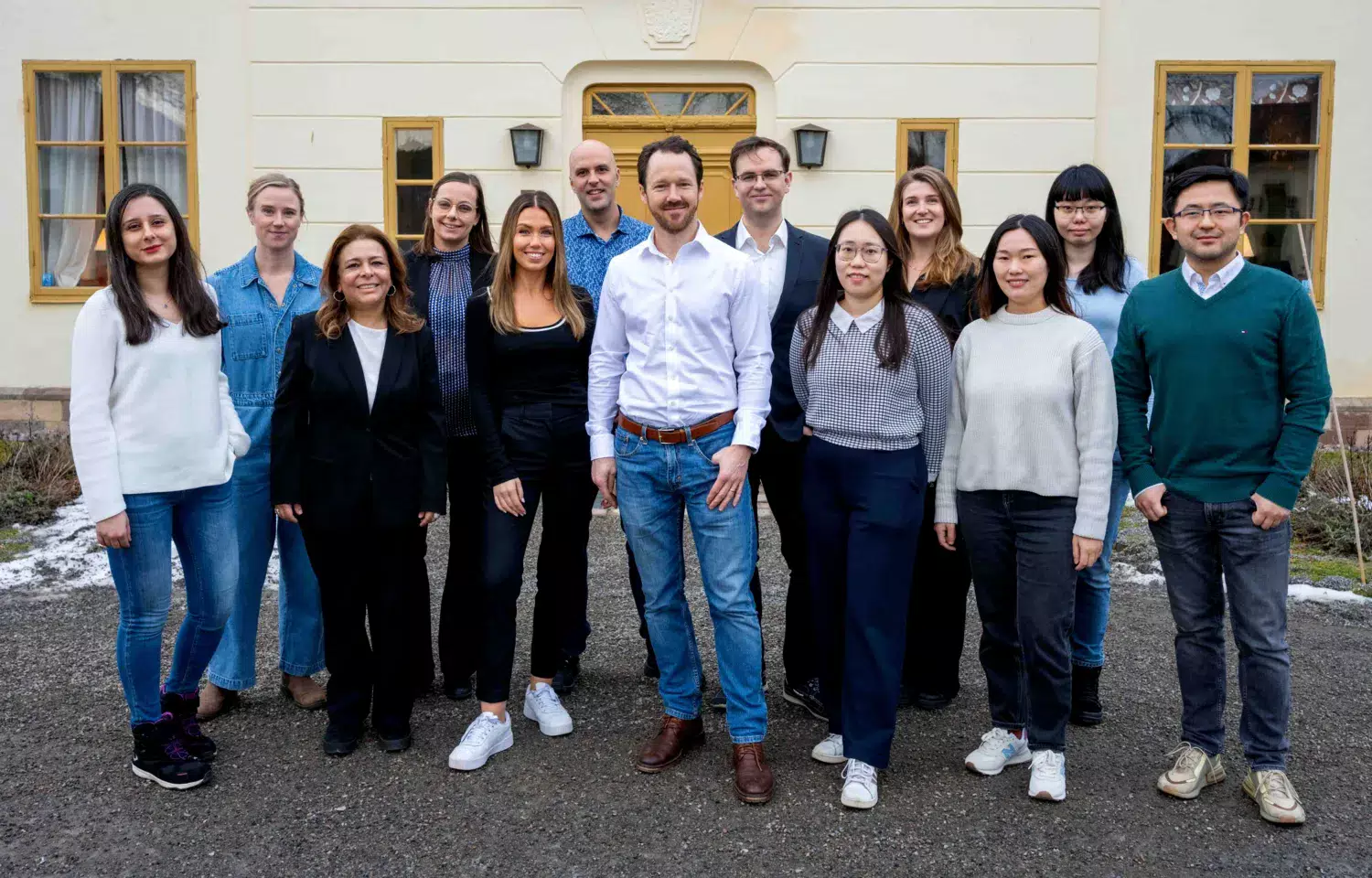
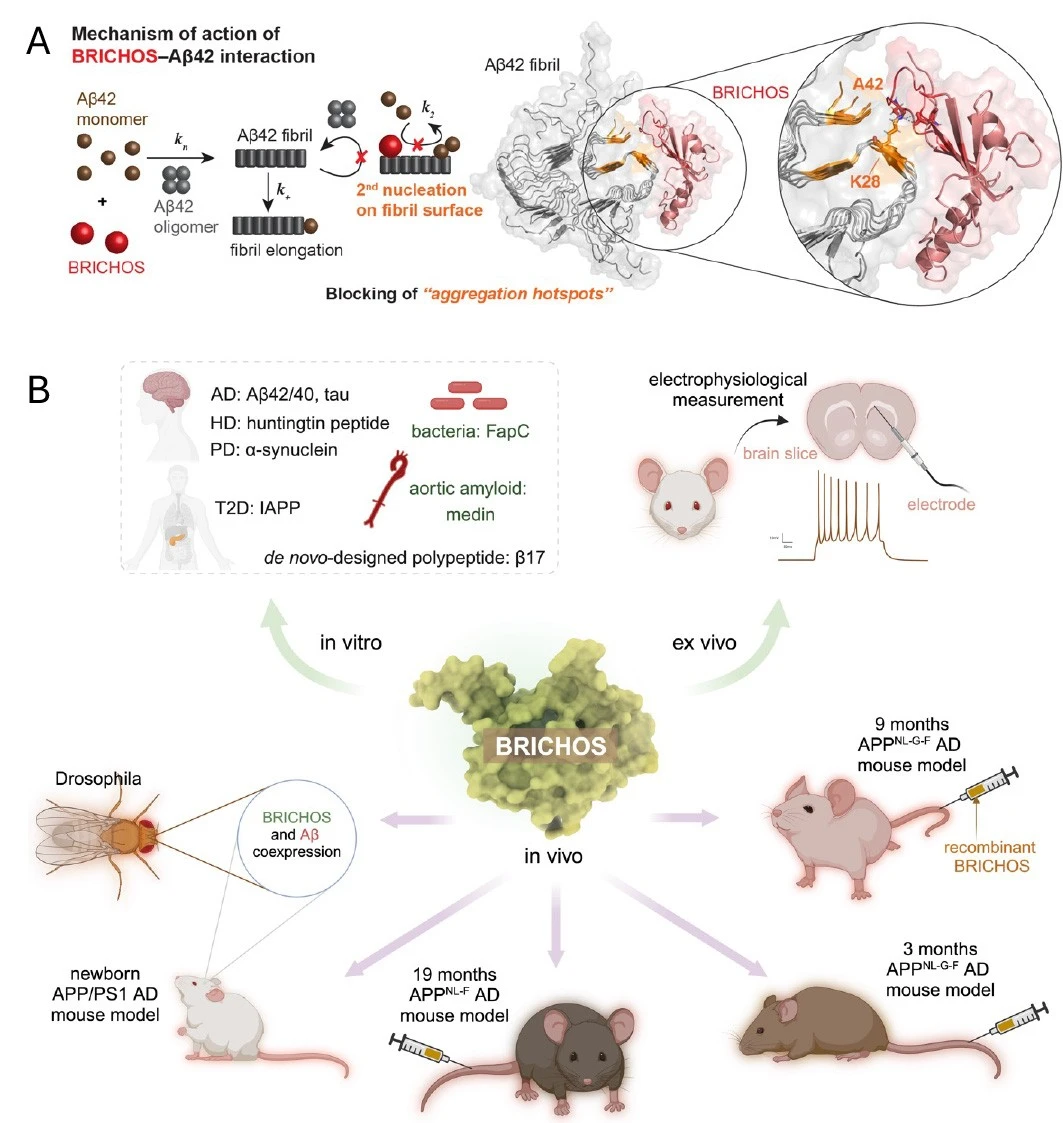
Jan Johansson is a Professor at the Department of Medicine, Huddinge, Karolinska Institutet, specializing in protein biochemistry and translational research. His work focuses on developing novel medical treatments using molecular chaperones for neurodegenerative diseases like Alzheimer’s, spider silk-based biomaterials, and synthetic surfactants for respiratory disorders. He earned his Medical Degree (1990) and PhD (1991) from Karolinska Institutet, with research spanning protein aggregation mechanisms, drug development, and biomedical applications. Education: MD from Karolinska Institutet (1990), PhD in Biochemistry (1991). Research Interests: Molecular chaperones, protein aggregation, Alzheimer’s disease, spider silk biomaterials, synthetic surfactants. Grants: Multiple projects funded by the Swedish Research Council, VINNOVA, and others, including studies on BRICHOS chaperone mechanisms and biomimetic silk production. His lab explores chaperones’ potential to cross the blood-brain barrier, combat amyloid toxicity, and deliver therapeutic agents. Notable contributions include designing synthetic surfactants for neonatal respiratory distress syndrome and elucidating spider silk’s structural basis for toughness. Collaborations with industries and academic institutions drive translational research toward clinical applications.
Jellert Gaublomme is Assistant Professor of Biological Sciences at Columbia University. His research develops and applies multi-omic technologies to study biomolecular interactions during development, physiology, and disease, with particular focus on the human microbiome in immunological, neurological, and cancer contexts. Gaublomme combines cutting-edge wet-lab techniques with computational approaches to investigate microbial communities and host-microbe interactions. Current projects include developing CRISPR-based tools for multimodal phenotyping of cells and tissues, single-cell analysis of the gut microbiome, and investigating bacteriophage roles in human health. His lab creates computational pipelines for integrative analysis of genomic, transcriptomic, and proteomic datasets. Gaublomme has developed innovative methods including nuclei multiplexing with barcoded antibodies for single-nucleus genomics and bioorthogonal labeling to track microbial activity. His work reveals how microbial community dynamics influence health outcomes in chronic diseases including cystic fibrosis and cancer.
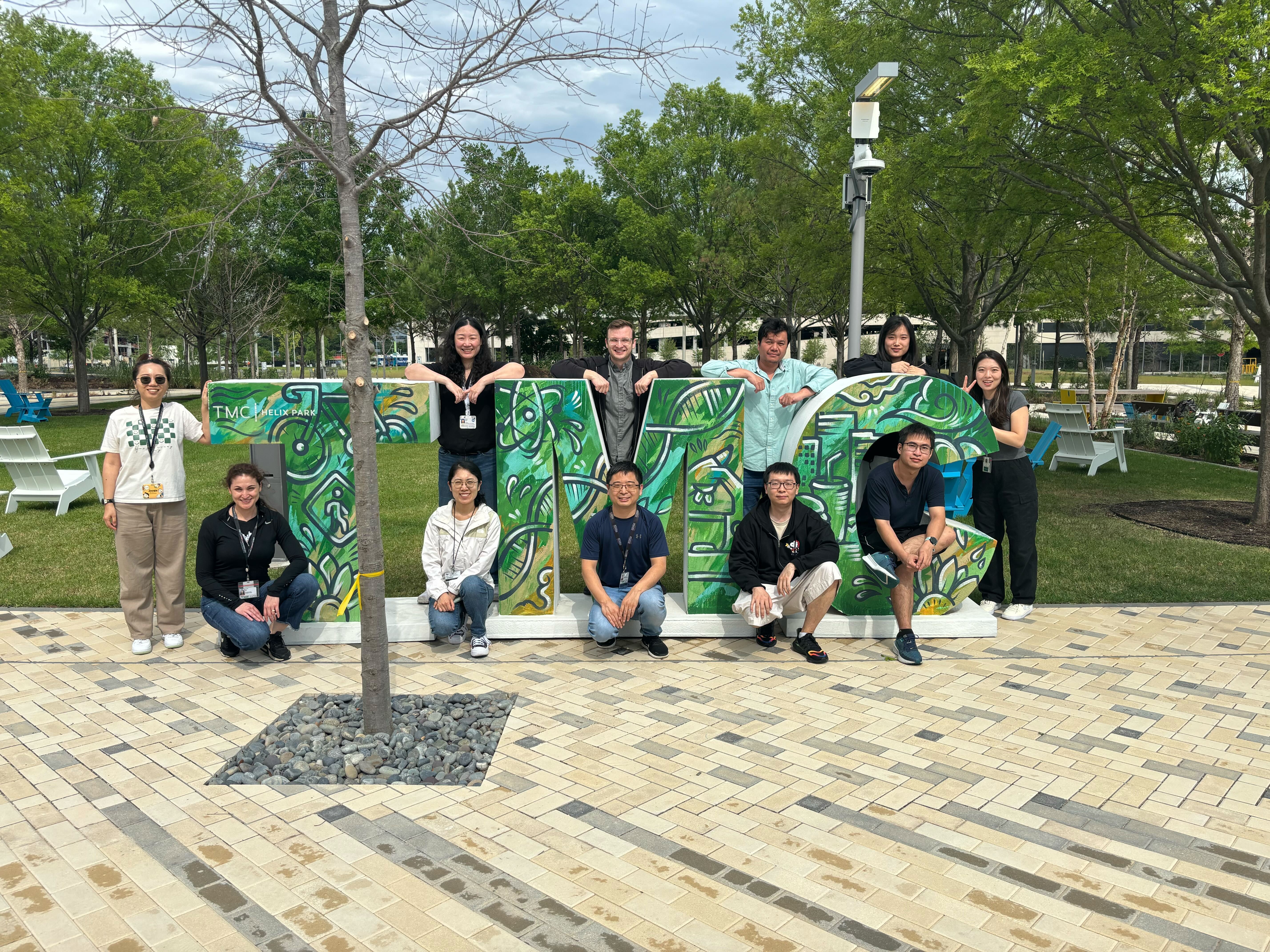
Dr. Wenyi Wang is a Professor in the Department of Bioinformatics and Computational Biology at The University of Texas MD Anderson Cancer Center. She leads the Statistical Bioinformatics Lab, focusing on advancing computational methods for cancer genomics, transcriptomics, and risk modeling. Her work integrates statistical rigor and AI to address challenges in understanding tumor heterogeneity, cancer evolution, and clinical translation. She holds adjunct professorships at Rice University and Texas A&M University. Research Interests: Multi-omic deconvolution, tumor microenvironment dynamics, cancer risk prediction using Bayesian and machine learning models, and development of tools for mutation calling (e.g., MuSE, DeMixT). Her lab’s current directions include DNA–RNA dynamics in cancer and spatial transcriptomics to map tumor architectures. Publications: Dr. Wang’s recent work includes high-impact studies on deconvolution methods (e.g., DeMixSC), TP53 mutation annotation, and clinical risk prediction models. Her lab’s tools like CliPP and DeMixNB advance precision medicine by enabling accurate analysis of tumor evolution and heterogeneity. Awards: While personal awards are not explicitly listed, her research has garnered institutional recognition, including inclusion on MD Anderson’s Wall of Science for contributions to cancer discovery. Grants and Collaborations: Collaborates with clinicians and experimental biologists to translate computational insights into clinical practice. Her lab trains students across interdisciplinary programs, emphasizing training in quantitative sciences and translational research. Labs/Teams: The Statistical Bioinformatics Lab fosters a community dedicated to bridging bioinformatics and clinical oncology, with ongoing projects supported by grants and collaborations across institutions.