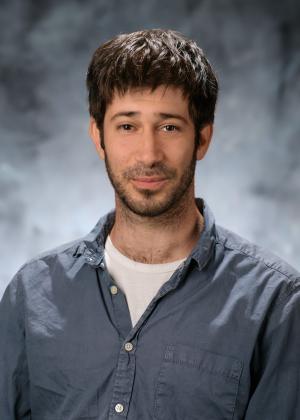
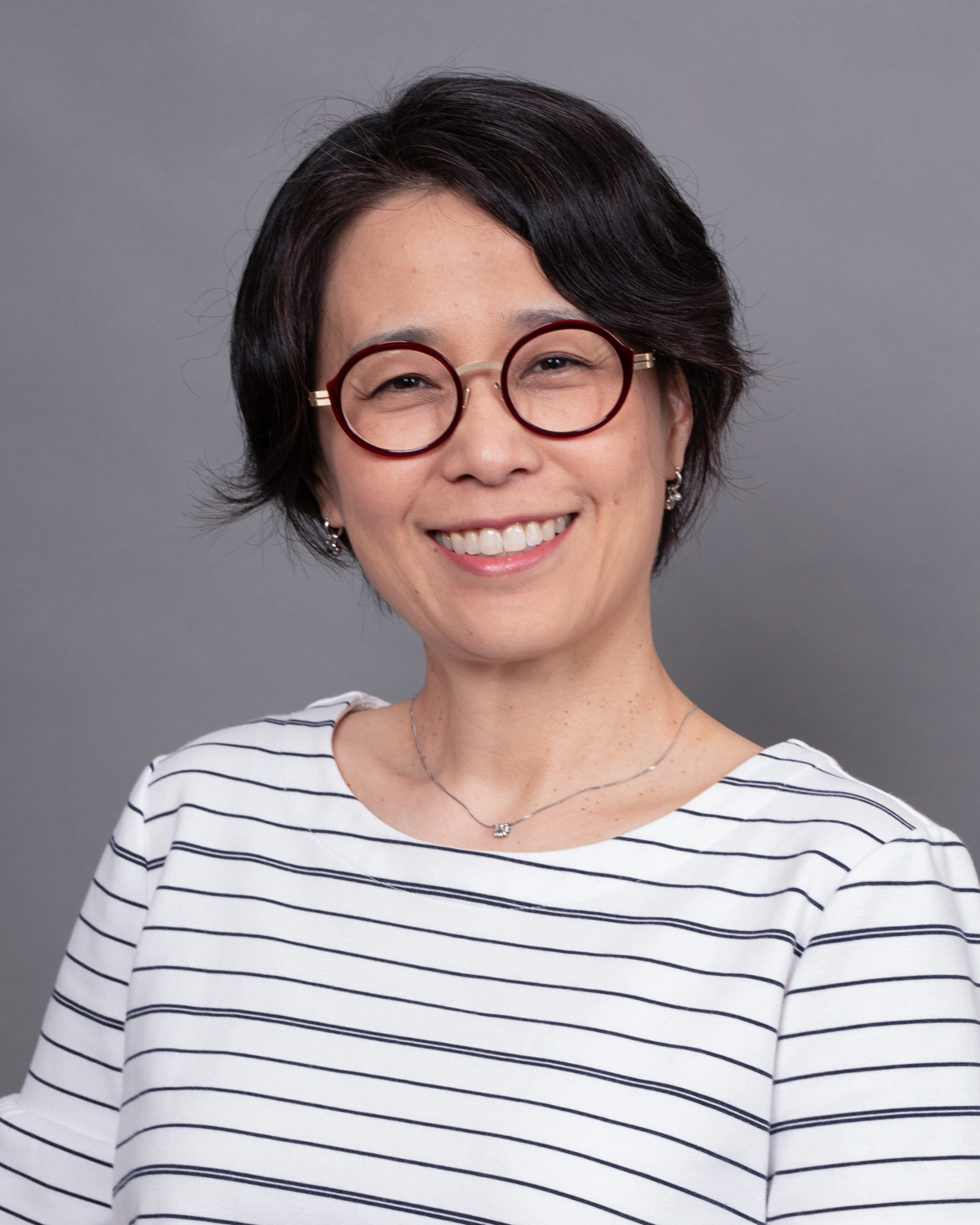
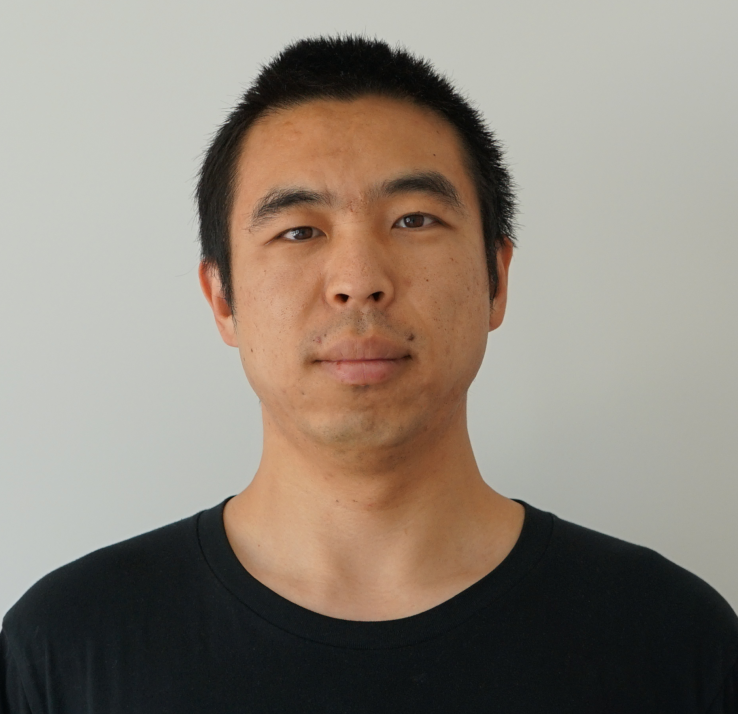
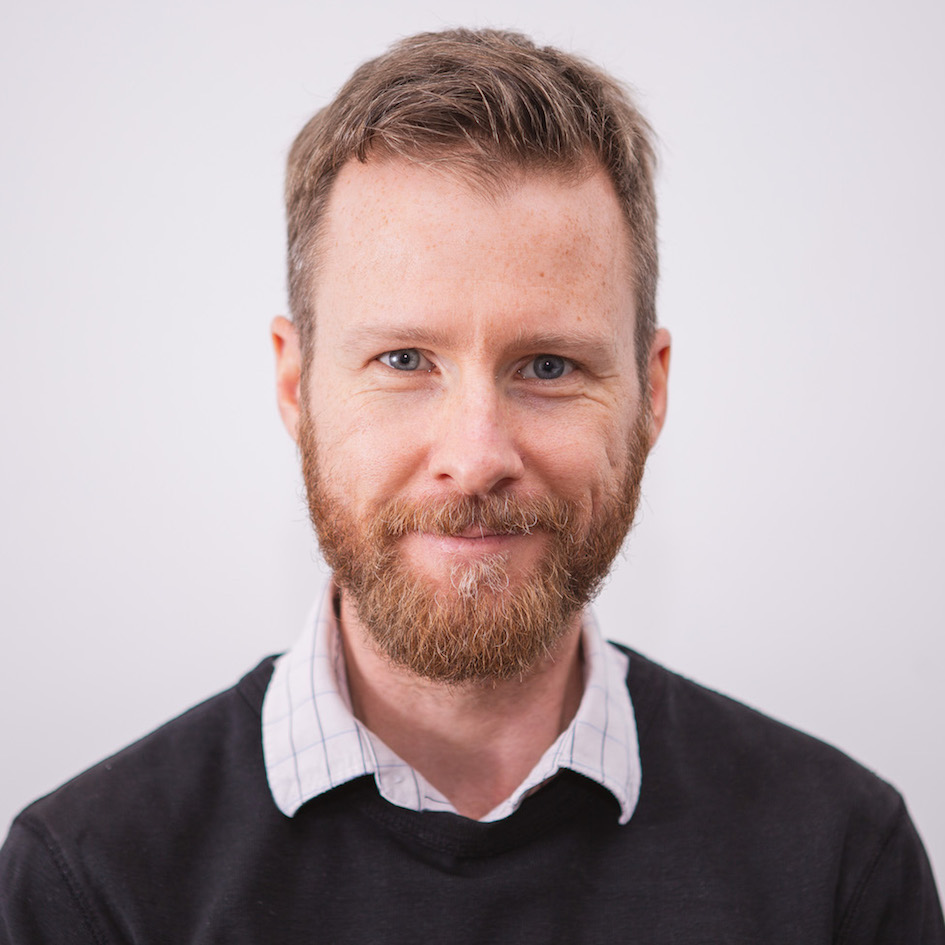
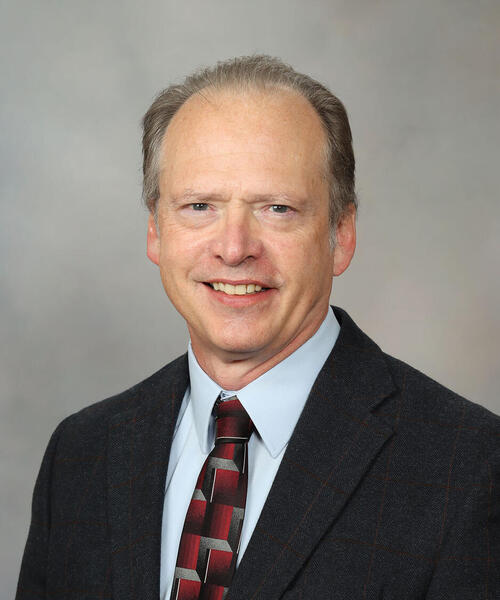
Jeremy Gaskins, PhD, is an Associate Professor in the Department of Bioinformatics & Biostatistics at the University of Louisville's School of Public Health and Information Sciences (SPHIS). He joined UofL in 2013 as an Assistant Professor, earning tenure and promotion to his current rank in 2019. His expertise lies in Bayesian statistical methods for complex data structures, including longitudinal analysis, missing data imputation, and joint modeling of mixed data types. He collaborates with researchers across multiple departments, including OB/GYN, Radiation Oncology, and Surgery. Education: Ph.D. (2013) in Statistics, University of Florida B.S. (2007) in Mathematics and Applied Mathematics, Auburn University Research Interests: Development of Bayesian methods for longitudinal and clustered data Computational strategies for complex model inference Applications in medical and public health research Missing data mechanisms and imputation techniques Teaching: PHST 661: Probability PHST 662: Mathematical Statistics Collaborations & Labs: Active collaborations with UofL medical departments on applied health research Focus on translational statistics for biomedical and public health problems
Lior Sepunaru is an Associate Professor in the Department of Chemistry and Biochemistry at the University of California, Santa Barbara (UCSB), and a member of the Center of Polymers and Organic Solids. His research focuses on bioelectronics, single-entity electrochemistry, and nano-electrochemistry, with applications in enzyme catalysis, biosensor development, and liquid-liquid phase separation phenomena. He completed his postdoctoral studies at the University of Oxford and earned his Ph.D. from the Weizmann Institute of Science. Education: Ph.D., Weizmann Institute of Science (2014) Marie Curie Research Fellowship, University of Oxford Research interests include: Electrochemical analysis of biological droplets (coacervates) and their role in protocell-like systems Single-molecule electrocatalysis and nano-scale energy conversion mechanisms Biomolecule-mediated nanoparticle synthesis and characterization Electrochemical correlative microscopy for reaction dynamics Publications highlight advancements in electrochemical sensing, catalysis, and bio-inspired materials. His lab employs cutting-edge techniques such as liquid-cell TEM and impedimetric spectroscopy to bridge macroscopic and single-entity electrochemical phenomena. Advising and grants: Guides over 20 graduate students and postdocs in interdisciplinary projects Collaborates with groups in materials science, chemical engineering, and biomolecular science Labs/Teams: Director of the Electrochemistry Lab at UCSB, specializing in bioelectrochemistry and nanoelectrochemical systems.
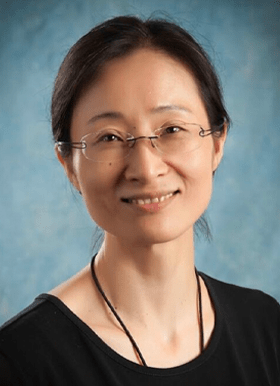
Dr. Jing Li is Associate Professor of Medicine and Director of Administrative Data Core Services at Washington University School of Medicine's Division of General Medical Sciences. Her work focuses on health data science applications in medical research. Research examines cancer genomics, tumor evolution, and microenvironment interactions using spatial transcriptomics and computational approaches. Key investigations include allele-specific aberrations in tumors, CRISPR gene drive systems, and glioblastoma signaling pathways.
Andrea Giometto is an Assistant Professor in the School of Civil and Environmental Engineering at Cornell University, part of the College of Engineering. He holds affiliations with Applied Mathematics, Biological and Environmental Engineering, and Microbiology. His research focuses on spatial growth of microbial communities, integrating statistical physics, experiments, and genetic engineering to study ecological and evolutionary processes in spatially extended systems. Education: Ph.D. in Environmental Engineering (EPFL, 2015), M.Sc. and B.Sc. in Physics (University of Padova). Postdoctoral research at Harvard University, supported by Swiss National Science Foundation fellowships. Visiting scientist at Imperial College London and Eawag, Switzerland. Research interests include microbial population dynamics, resource competition, and scaling patterns in ecosystems. Key methods involve microfluidics, evolutionary experiments, and mathematical modeling. Recent work explores how physical interactions and environmental factors shape microbial behavior and community structure. Awards: Earth Science Award (EPFL, 2016), Swiss National Science Foundation Postdoc Fellowships (2016–2018). Grants: Funded by Swiss National Science Foundation and Cornell Engineering. Labs/Teams: Leads research in microbial systems biology and evolutionary ecology at Cornell, collaborating with interdisciplinary teams in biophysics and environmental engineering.
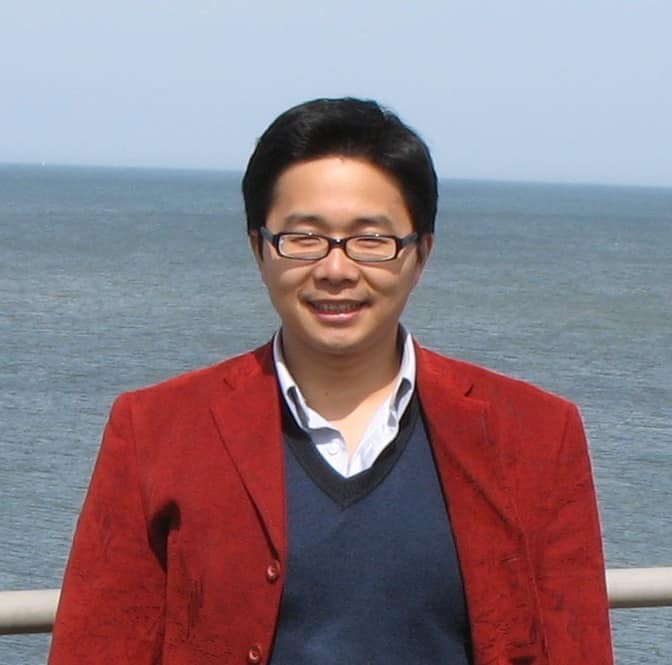
Dr. Hanqing Jin is an Associate Professor in the Mathematical Institute at the University of Oxford, specializing in Mathematical Finance and Applied Stochastic Analysis. His research focuses on investor decision-making under non-utility behavior, dynamic portfolio optimization, and stochastic control problems in financial markets. Prior to Oxford, he held an Assistant Professorship at the National University of Singapore. He has contributed to foundational work on mean-variance portfolio selection, behavioral finance, and the application of stochastic processes to financial modeling. His academic background includes extensive work on continuous-time portfolio optimization, risk management frameworks, and the intersection of behavioral economics with quantitative finance. Notable contributions include studies on optimal lockdown policies during pandemics, blockchain consensus algorithms analysis, and the development of novel biomarker detection techniques using Raman spectroscopy. Dr. Jin's research integrates advanced mathematical techniques with real-world financial challenges, bridging theoretical models with practical applications in areas such as robo-advising systems and cryptocurrency frameworks. His work on transaction cost analysis and dynamic mean-variance strategies has been widely cited in both academic and industry contexts.
Prof. Dr. Andreas Janshoff is a Full Professor (W3) of Biophysical Chemistry at the Institute of Physical Chemistry, Georg-August-University Göttingen (since 2008). He previously served as Dean of the Faculty of Chemistry in Göttingen (2013–2015). His research focuses on membrane biophysics, cell mechanics, sensor design, and single-molecule force spectroscopy. Key contributions include studies on actin cortices, cellular adhesion dynamics, and viscoelastic properties of biological systems. Education: 1987–1989: Biology studies at University of Münster 1989–1994: Chemistry studies at University of Münster (with honors) 1994–1997: PhD in Biochemistry under Prof. H.-J. Galla 1999–2001: Habilitation in Biochemistry at University of Münster Research Interests: His work integrates experimental biophysics with advanced microscopy and nanoindentation techniques to explore cell mechanics, membrane dynamics, and biomaterial interactions. Recent studies emphasize actin network rheology, collective cell migration, and protein-mediated tissue fluidity. Publications: Recent work highlights include studies on cytosolic actin isoforms’ mechanical roles (Nature Communications 2023), differential adhesion in cocultures (PNAS 2023), and vimentin viscoelasticity (Science Advances 2018). Themes emphasize quantitative biophysical analysis of cellular and molecular systems. Labs/Teams: Affiliated with the Göttingen Graduate Center for Neuroscience (GGNB), focusing on Physics of Biological and Complex Systems and Biomolecules: Structure-Function-Dynamics .
Andreas Milias Argeitis is an Associate Professor in the Faculty of Science and Engineering at the University of Groningen. He leads the Milias-Argeitis Lab within the Molecular Systems Biology research unit at the Groningen Biomolecular Sciences & Biotechnology Institute (GBB). His research focuses on integrating experimental and computational approaches to understand cellular processes, particularly the coordination between cell growth, division, and metabolic dynamics in budding yeast. Key research areas include systems biology, TOR signaling pathways, cell cycle regulation, and the application of machine learning and mathematical modeling. His lab develops advanced tools like optogenetic control systems and deep learning algorithms for cell segmentation and tracking. Recent work has revealed metabolic oscillations linked to the cell cycle and explored the role of proteins like Sch9 in TORC1-dependent signaling. Notable achievements include an NWO Vidi Grant (2018) and an ENW Science-M Grant (2023) for studying how growth drives the cell division cycle. He has over 40 peer-reviewed publications, including work in Nature Communications , Nature Metabolism , and Journal of Cell Science . His research bridges fundamental biology with technological innovations in single-cell analysis and synthetic biology. Lab activities include CRISPR/Cas9 genome editing protocols, fluorescent protein maturation studies, and the development of photo-switchable enzymes. Collaborations span biochemistry, mathematics, and engineering, reflecting his interdisciplinary approach to unraveling cellular mechanisms.
Masako Suzuki is an Assistant Professor in the Department of Nutrition at Texas A&M University, affiliated with the College of Agriculture & Life Sciences. She is a member of Texas A&M AgriLife Research and leads the Suzuki Lab (website: suzukilab.org ). Her work focuses on epigenetic mechanisms in developmental biology, nutrition, and disease, with a strong emphasis on DNA methylation dynamics, gene regulation, and cellular differentiation. Research interests include: Epigenetic impacts of vitamins (A/D) on developmental pathways Cancer epigenetics and tumor progression Kidney development and fibrosis Sex-specific neuroepigenetic responses to stress Genetic/epigenetic interactions in health disparities Recent work highlights novel findings in: Long-term epigenetic effects of prenatal vitamin deficiency Smoking-induced methylome changes in lung progenitor cells Role of MLL3 tumor suppressor in breast cancer Liver cell composition alterations from vitamin A deficiency Her research employs integrative approaches combining: Epigenomic profiling (DNA methylation, chromatin accessibility) Single-cell sequencing technologies Animal models for developmental studies Clinical samples from patient cohorts Current projects investigate: Mechanisms of epigenetic reprogramming in stem cells Epigenetic biomarkers for kidney diseases Intergenerational effects of maternal nutrition
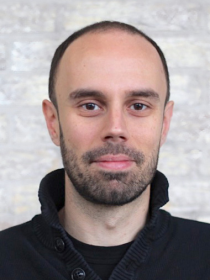
Dr. Didong Li is an Assistant Professor in the Department of Biostatistics at the Gillings School of Global Public Health , University of North Carolina at Chapel Hill. His research focuses on statistical methods for complex data, including manifold learning, nonparametric Bayesian inference, and spatial statistics, with applications in healthcare, genomics, and environmental health. He holds a PhD in Mathematics from Duke University (2020), and degrees from Beijing Institute of Technology (BS 2012, MS 2015). His research interests include dimension reduction, Gaussian processes, geometric data analysis, and network analysis. He has developed novel methods for analyzing electronic health records, single-cell RNA sequencing data, and spatial omics datasets. Notable contributions include the spherelet manifold approximation framework and the STimage-1K4M dataset. Dr. Li has received the Inaugural IMS Lawrence D. Brown PhD Student Award (2019) . He serves on the editorial board of the Journal of Machine Learning Research and organized sessions at JSM 2021-2022 on geometric Bayesian methods. His lab supports interdisciplinary collaborations, with ongoing projects in spatial transcriptomics, healthcare access analysis, and AI-driven medical informatics. Advising highlights include guiding students through successful PhD defenses (e.g., Dr. Sam Hawke, Dr. Jiawen Chen) and postdoctoral placements. His team secured a NVIDIA Academic Grant (2024) for multi-modal AI in spatial transcriptomics. The Li Lab maintains active partnerships with institutions worldwide, advancing both statistical theory and real-world applications.
Prof. Dr. Dr. Fabian Theis is a Professor of Mathematics in Systems Biology at the Technical University of Munich (TU Munich) and Director of both the Computational Health Center and the Institute for Computational Biology (ICB) at Helmholtz Munich. He specializes in applying artificial intelligence and machine learning to analyze single-cell sequencing data, modeling cellular behavior, and predicting biological outcomes in health and disease. His work bridges computational methods with clinical applications to advance personalized medicine. Education: Master's Degrees in Mathematics and Physics Doctorates in Physics and Computer Science Research interests revolve around AI-driven biological systems analysis, including cellular interaction modeling, disease mechanism prediction, and translational biomedical research. He coordinates initiatives such as the Human Cell Atlas Analysis Working Group, Single Cell Omics Germany (SCOG), and the Munich School for Data Science (MUDS). His leadership spans roles at HelmholtzAI as Science Director and as a guest scientist at global institutions like RIKEN Brain Science Institute (Japan) and FAMU/FSU (USA). Labs/Teams: Leads the Computational Health Center and chairs the Mathematical Modeling of Biological Systems program at TU Munich. Collaborates with interdisciplinary teams in AI and health research.
Dr. Robert Noble is a Senior Lecturer in Mathematics at City St George's, University of London, specializing in the evolution and ecology of cancer . His research integrates mathematical modeling with computational biology to address four key themes: systematic understanding of somatic evolution, patient-specific tumor forecasting, treatment strategies leveraging evolutionary dynamics, and disentangling ecological contributions to cancer risk. Education: DPhil in Zoology (University of Oxford, 2014) Previous Appointments: Postdoctoral roles at ETH Zurich (2017-2020) and University of Zurich (2018-2020) His methodological toolkit spans agent-based models , stochastic processes , and Bayesian data analysis , with software contributions like the ggmuller and demon packages. Recent work focuses on universal tree balance indices for biological data comparison and adaptive therapy frameworks for clinical translation. Collaborations with experimental biologists and clinicians inform his research, which has produced key insights into spatial tumor evolution , drug resistance dynamics , and clonal diversity-survival relationships . He maintains active peer-review roles for journals like PLOS Computational Biology and Nature Ecology & Evolution.
John T. Ngo is an Associate Professor in the Department of Biomedical Engineering at Boston University. He leads The Ngo Lab , focusing on developing novel technologies to study cellular function and disease through principles of evolution, chemistry, and engineering. His research emphasizes live-cell imaging, protein engineering, and advanced microscopy techniques. Education: PhD in Biochemistry and Molecular Biophysics from the California Institute of Technology Research Interests: His work spans three core areas: live-cell imaging of signal transduction , innovative labeling techniques for high-resolution imaging , and protein engineering applications in biotechnology and nanotechnology . Recent projects include developing nanobodies for intracellular antigen detection and synthetic receptors for mechanotransduction. Publications: Over 20+ peer-reviewed articles since 2013, with recent focus on drug-controlled synthetic biology circuits, tension-tuned receptors, and RNA tracking tools. His work bridges molecular engineering and biomedical applications, emphasizing cross-disciplinary innovation. Labs/Teams: The Ngo Lab at Boston University collaborates on developing next-generation tools for live-cell analysis and synthetic biology. Current projects include antiviral drug-controlled systems and high-resolution imaging probes.
Shaul Yogev is an Associate Professor in the Department of Neuroscience and the Department of Cell Biology at Yale School of Medicine. He is affiliated with the Interdepartmental Neuroscience Program and the Wu Tsai Institute, reflecting his interdisciplinary research in neuronal cell biology. PhD, Weizmann Institute of Science, Molecular Genetics Postdoctoral Training, Stanford University with Kang Shen BSc and MSc, Paris VII University, France Dr. Yogev's research focuses on the fundamental mechanisms governing neuronal architecture and transport. His lab investigates how the neuronal cytoskeleton, particularly microtubules, is organized and how this organization enables polarized cargo transport essential for synaptic maintenance over long distances. Using C. elegans as a model system, his team employs advanced live imaging and genetic tools to study microtubule nucleation, motor protein navigation, and organelle distribution. Their work has significant implications for understanding neurodegenerative diseases where axonal transport is compromised. His recent publications reveal a consistent focus on microtubule dynamics, motor-cargo interactions, and organelle transport, with key contributions to understanding mitochondrial trafficking, spectrin transport, and ER stress in neurons. These studies employ cutting-edge imaging and quantitative analysis techniques, positioning his lab at the forefront of cellular neuroscience. Human Frontiers Fellowship Haim Holzman memorial prize for academic excellence and scientific accomplishments Dr. Yogev leads an active research program with strong collaborative ties, particularly with Marc Hammarlund and Pietro De Camilli. His lab has developed novel imaging methodologies and contributed significantly to understanding how neurons maintain their complex structure and function. He is involved in graduate education through the Biological and Biomedical Sciences Program and the Interdepartmental Neuroscience Program at Yale. Dr. Yogev's work is conducted within the vibrant neuroscience community at Yale, including the Wu Tsai Institute and the Kavli Institute for Neuroscience, where his research on cytoskeletal dynamics contributes to broader efforts in understanding brain function and disease.
Michael A. Barry, Ph.D., is a Professor of Medicine at Mayo Clinic in Rochester, Minnesota, where he holds primary and joint appointments as a Consultant in the Department of Internal Medicine (Division of Infectious Diseases), Department of Immunology, and Department of Molecular Medicine. He leads the Virology, Vector and Vaccine Engineering Laboratory, focusing on developing advanced gene therapies, viral vectors, and vaccines for challenging diseases. Institution: Mayo Clinic School: College of Medicine and Science Department: Department of Internal Medicine Academic Rank: Professor Email: barry.michael@mayo.edu Education: Ph.D., Pharmacology and Toxicology, Dartmouth College Postgraduate Trainee, University of Texas Southwestern Medical Center B.S., Chemistry, Nebraska Wesleyan University Dr. Barry’s research centers on virology, gene therapy, and vaccine engineering. His lab develops in vivo molecular and viral therapies using adenovirus, adeno-associated virus (AAV), and lipid nanoparticles. Key areas include gene therapy for metabolic diseases like propionic acidemia and Alport syndrome, gene-based vaccines for HIV, influenza, Zika, and SARS-CoV-2, and oncolytic immunotherapy viruses for cancer. His team engineered a single-cycle adenovirus COVID-19 vaccine tested in Phase 1 trials (NCT04839042) and is advancing CRAd657-CD40L for melanoma clinical trials in 2025. They also work on basic virology of Ebola and pandemic influenza, leveraging findings for therapeutic development. His recent publications highlight innovations in adenoviral vector generation (FastAd toolkit), mucosal vaccine delivery, structural insights into adenovirus-blood interactions, and AAV-mediated therapies for musculoskeletal and gastrointestinal conditions. These works reflect a strong trend in translational virology and targeted therapeutics. Scientific Awards: None explicitly mentioned in the provided text. Advising and Grants: Dr. Barry has secured substantial grant funding, including from the National Institute of Allergy and Infectious Diseases (NIAID) and Congressionally Directed Medical Research Programs, for projects such as single-cycle SARS-CoV-2 vaccines, oncolytic therapies for kidney cancer, Ebola virus pathogenesis, mucosal HIV vaccines, and Zika virus vaccines. He mentors trainees and supports postdoctoral fellowships, though specific student names are not listed. His lab fosters collaboration across Mayo Clinic centers, including the Center for Individualized Medicine, Center for Regenerative Biotherapeutics, and Mayo Clinic Comprehensive Cancer Center. Labs and Teams: He directs the Virology, Vector and Vaccine Engineering Laboratory, which focuses on cell-targeted delivery, vector purification, mucosal vaccination, polymer shielding of vectors, and optical imaging for tracking. The lab employs high-throughput screening, genetic engineering, and animal imaging to optimize vector specificity and reduce off-target effects.
Hani Goodarzi, PhD , is an Associate Professor in the Department of Biochemistry and Biophysics at the University of California, San Francisco (UCSF), with dual affiliation to the Arc Institute and Helen Diller Cancer Center. His laboratory employs a systems biological framework integrating computational and experimental approaches to investigate metastatic progression in cancer and neurodegenerative diseases. Princeton University PhD in Quantitative & Computational Biology Postdoctoral Fellow, Rockefeller University (Cancer Systems Biology) NIH R01 Grants (2016–2026) Research Themes : Machine learning for in silico functional genomics Evolutionary dynamics of oncRNA regulatory modules in cancer Post-transcriptional control via tiRNA fragments and RNA methylation RNA structural element discovery using pyPAGE algorithms Scientific Recognition : Vilcek Prize for Creative Promise (2022) NIH K99/R00 Award (2015) Tri-Institutional Breakout Prize (2014) Blavatnik Regional Award (2015) Laboratory Impact : Developed Deep Generative AI for early-stage lung cancer detection Identified ENPP1 as innate immune checkpoint in breast cancer Created pyPAGE framework for gene-set enrichment analysis