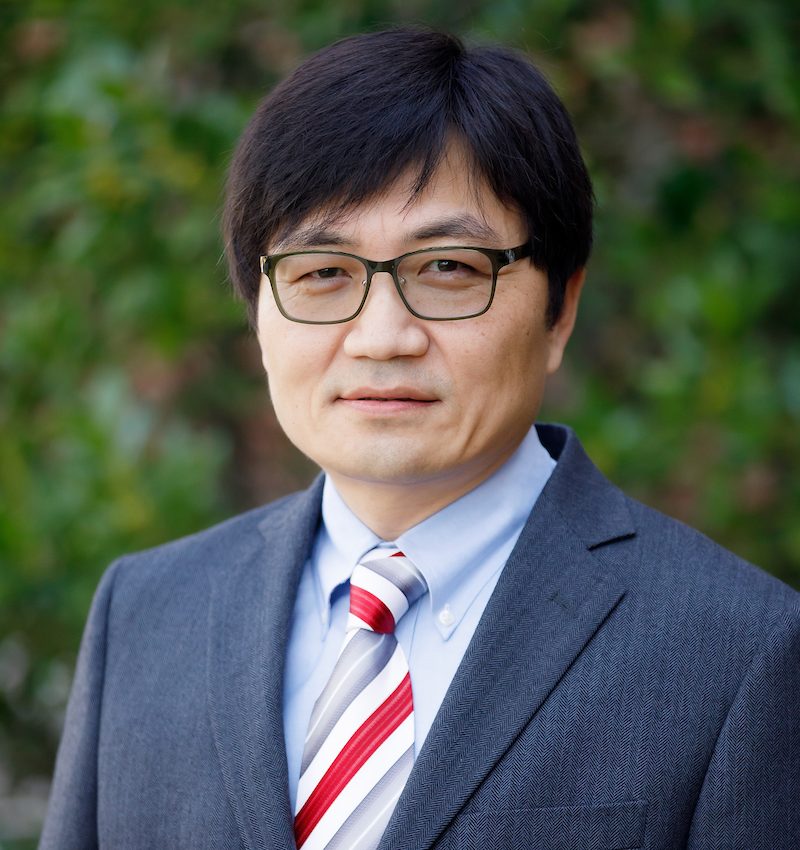
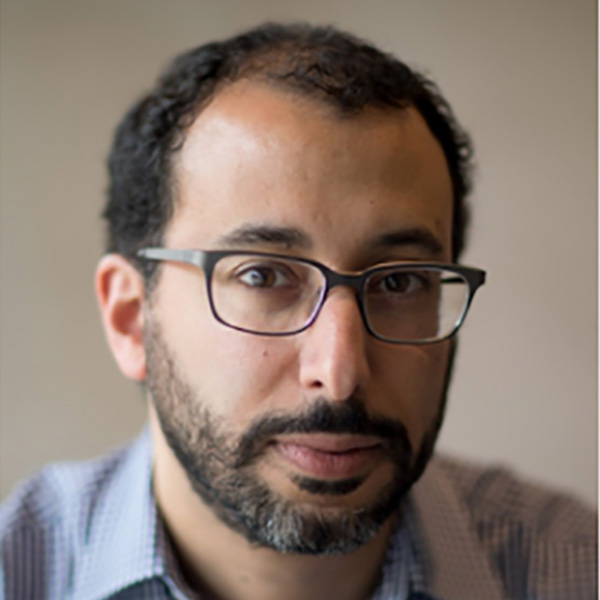
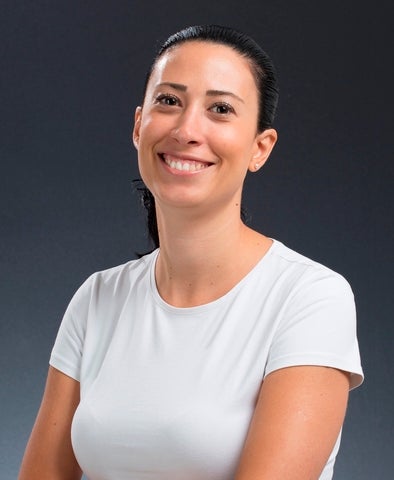
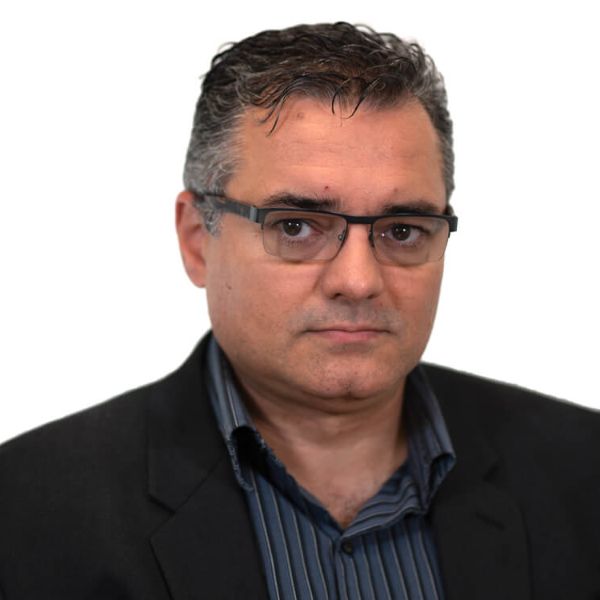
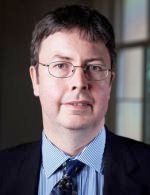
Dr. Xiaopeng Li is the Harvey D. Spangler Professor in the Department of Civil and Environmental Engineering at the University of Wisconsin-Madison, with an affiliation in the Department of Electrical and Computer Engineering. He leads the USDOT Rural Autonomous Vehicle Program and previously directed the National Institute for Congestion Reduction. He earned his B.S. in Civil Engineering from Tsinghua University (2006), M.S. in Civil Engineering (2007), M.S. in Applied Mathematics (2010), and Ph.D. in Civil Engineering (2011) from the University of Illinois at Urbana-Champaign. His research focuses on modeling and field experiments for connected, electric, and automated vehicles (CAVs), infrastructure systems analysis, and interdependent network modeling. He has pioneered physics-enhanced machine learning frameworks for vehicle control and developed simulation tools for CAV deployment. His 2025-2024 publications highlight advancements in Connected vehicle trajectory modeling Energy consumption optimization Edge computing for autonomous operations Residual learning control systems Equity analysis in AV deployment Communication technologies for V2X Awards include: TRB Best Paper Award (2025) NSF CAREER (2015) ASCE Fellow (2024) IEEE Senior Member (2022) Multiple institution-specific fellowships He has advised 15+ graduate students, secured $35M+ in grants from NSF, USDOT, and industry partners, and chairs the IEEE ITSS Emerging Transportation Technology Testing committee. His work addresses real-world AV implementation, safety validation, and sustainable transportation systems.
Dr. Hwan-Sik Yoon is an Associate Professor in the Department of Mechanical Engineering at The University of Alabama, where he focuses on applying Artificial Intelligence (AI) and Machine Learning (ML) to automotive, transportation, and manufacturing systems. His research spans modeling, simulation, and control of dynamic systems, with a strong emphasis on connected and automated vehicles (CAVs), energy-efficient routing, and sensor fusion technologies. Ph.D., Mechanical Engineering, Ohio State University, 2002 M.S., Mechanical Engineering, Ohio State University, 1998 B.S., Physics Education, Seoul National University, Korea, 1994 Dr. Yoon’s research integrates AI/ML into applications such as traffic signal control , excavator manipulator pose estimation , hybrid electric vehicle powertrain control , and factory floor safety monitoring . He is also involved in additive manufacturing , vision-based control systems , and reinforcement learning -driven automotive innovations. Recent publications highlight trends in deep reinforcement learning for vehicle energy efficiency, sensor fusion for traffic surveillance, and neural networks for dynamic system control. His work addresses challenges in multi-component failure analysis and real-time edge computing platforms . NSF Outstanding Faculty Advisor Award (2019) College of Engineering Faculty Productivity Award, Tennessee Tech University (2012) Dr. Yoon leads the Intelligent Structures and Systems Laboratory and serves as the lead CAVs faculty advisor for the University of Alabama’s EcoCAR student team, which has achieved national recognition in advanced vehicle technology competitions.
Satish C. Boregowda is a Senior Lecturer at the School of Mechanical Engineering, Purdue University in West Lafayette, Indiana. His work focuses on thermodynamics-based analysis of human physiological systems, energy systems engineering, and renewable energy integration. He is affiliated with Purdue's Mechanical Engineering department and maintains an office in POTR 322A. Education & Professional Background : While specific educational details are not provided, his long-term research contributions since 1992 indicate advanced expertise in thermodynamics, biomedical engineering, and energy systems. His career spans over three decades with continuous publication activity. Research Interests : Dr. Boregowda’s core research combines thermodynamics with human physiology, developing metrics like the Objective Stress Index (OSI) to quantify stress responses. His work also addresses energy security through renewable integration, entropy analysis in biological systems, and thermal comfort modeling. He applies constructal theory, fractional calculus, and finite element methods to model human thermal regulation and environmental interactions. Publications Trends : His articles (1992–2025) show sustained focus on: 1) Thermodynamic modeling of human stress and thermal comfort, 2) Renewable energy grid integration strategies, and 3) Advanced computational methods for physiological systems. Recent works emphasize decarbonization pathways and energy policy implications. Grants & Advising : No specific grants or advisees are listed in the provided data. His research likely involves collaborations with aerospace and environmental engineering groups given his work on thermal systems in microgravity and HVAC applications. Labs & Teams : While no specific lab affiliations are mentioned, his research aligns with Purdue’s mechanical engineering initiatives in renewable energy, biomedical engineering, and thermal systems design.
Youssef M. Marzouk is the Breene M. Kerr (1951) Professor of Aeronautics and Astronautics at MIT and co-director of the MIT Center for Computational Science and Engineering (CCSE). He is affiliated with the MIT Schwarzman College of Computing, the Statistics and Data Science Center, and the Aerospace Computational Design Laboratory. His research focuses on computational science and engineering, with an emphasis on uncertainty quantification, Bayesian modeling, data assimilation, and machine learning applied to physical systems. He holds a Ph.D. in Mechanical Engineering from MIT (2004), preceded by S.M. (1999) and S.B. (1997) degrees in Aeronautics and Astronautics from the same institution. Marzouk’s work bridges computational mathematics, statistical inference, and fluid dynamics, addressing challenges in energy systems and environmental modeling. He has received numerous awards, including the 2018 AIAA Associate Fellowship and the 2012 MIT Class of 1942 Career Development Chair. His teaching spans computational mathematics, fluid dynamics, and uncertainty quantification. Key collaborations involve the MIT CCSE and external institutions, with funding from DOE and NSF. He advises students on topics like stochastic modeling and inverse problems, and his research lab explores advanced computational methods for high-dimensional systems.
Dr. Victoria C. P. Chen is a Professor in the Industrial, Manufacturing, and Systems Engineering (IMSE) department at The University of Texas at Arlington (UTA), where she has served since 2002. She previously held positions at the Georgia Institute of Technology from 1993-2001. Dr. Chen has held several leadership roles at UTA, including Interim Department Chair (2012-2014), Director of the Center on Stochastic Modeling, Optimization, & Statistics (COSMOS) (2008-2012, and again from 2017-present), and Director of Doctoral Studies (2019-present). She was also the George & Elizabeth Pickett Professor from 2015-2017 and was inducted into the UT Arlington Academy of Distinguished Teachers in 2019. Dr. Chen is actively involved with INFORMS (Institute for Operations Research and the Management Science), where she currently serves as Secretary on the Executive Board. Dr. Chen earned her B.S. in Mathematical Sciences from The Johns Hopkins University, and her M.S. and Ph.D. in Operations Research and Industrial Engineering from Cornell University. Her academic journey includes visiting professorships at the University of Genoa, Italy, and Iowa State University. Dr. Chen's research utilizes statistical perspectives to create new methodologies for operations research problems appearing in engineering and science. Her expertise includes the design of experiments, statistical modeling, and data mining, particularly for computer experiments and stochastic optimization. Through her statistics-based approach, she has developed computationally-tractable decision-making methods for many high-dimensional complex systems. Her work spans multiple domains including sustainability, energy, water management, healthcare, and law enforcement. Specific application areas include inventory forecasting, airline optimization, water reservoir networks, wastewater treatment, air quality monitoring, green building design, nurse assignment systems, and pain management programs. Her recent publications demonstrate continued innovation in mixed integer programming for electric vehicle charging stations, vacuum ultraviolet spectroscopy prediction, and sustainable building education. Senior Member, Institute for Operations Research and the Management Sciences (INFORMS) (2024) Data Mining Prize (Lifetime Achievement Award), INFORMS Society on Data Mining (2023) College of Engineering Teaching Award, UT Arlington (2021) Third Place Award, C3.ai COVID-19 Grand Challenge (2020) Academy of Distinguished Teachers, University of Texas at Arlington (2019) George & Elizabeth Pickett Professorship (2015-2017) As an educator and mentor, Dr. Chen has advised over 25 doctoral students across diverse research topics in operations research and systems engineering. She has secured substantial research funding from multiple sources including the National Science Foundation (over $1.5 million in active projects), Environmental Protection Agency, National Institute of Justice, and industry partners like Luminant and Dallas-Fort Worth International Airport. Her current research projects focus on decision analytics for sustainable urban environments, optimization for Texas water management, and statistical methods for pain management programs. She has served as Principal Investigator or Co-PI on more than 20 externally funded research projects totaling over $3 million in funding. Dr. Chen co-founded the Center on Stochastic Modeling, Optimization, & Statistics (COSMOS) at UTA with Dr. H. W. Corley. This research center brings together faculty and students from multiple disciplines to address complex problems through advanced statistical and optimization methods. She also leads interdisciplinary research teams working on projects related to sustainable infrastructure, energy systems, and healthcare optimization, frequently collaborating with researchers from civil engineering, environmental science, and medical fields.
Professor Lynette Cheah is a leading academic in sustainable transport, holding the position of Professor and Chair of Sustainable Transport at the University of the Sunshine Coast (UniSC), Queensland, Australia. She directs the Sustainable Mobility Research Laboratory, focusing on data-driven models and digital tools to reduce transport environmental impacts. Her expertise spans smart cities, urban freight, transport modeling, and policy assessment. Educations: PhD in Engineering Systems (MIT) MSc in Management Science and Engineering (Stanford University) BSc in Civil and Environmental Engineering (Northwestern University) Research Interests: Lynette’s work integrates interdisciplinary approaches to address sustainable mobility challenges. Key areas include electric mobility, low-carbon transport infrastructure, transport equity, urban freight optimization, and climate policy. She collaborates with urban planners, computer scientists, and policymakers to translate research into real-world impact, such as leading UN climate reports and advising Singapore’s Public Transport Council (2019–2024). Publications & Awards: Lynette has authored over 70 peer-reviewed articles, including high-impact journals like Transportation Research and Nature Energy . Notable awards include the 2023 TRB Best Applied Research Paper Award and the 2020 Graedel Prize. Her work has been featured in CNN, Nature, and ChannelNewsAsia. Grants & Collaborations: Current projects include electric mobility lifecycle assessments, universal basic mobility trials, and low-carbon transport infrastructure studies. Past collaborations include foresight studies for Singapore’s 2040 urban mobility vision and material flow analyses for vehicle lightweighting. Labs & Teams: She leads the Sustainable Mobility Research Laboratory at UniSC, fostering innovation in smart city technologies and sustainable transport systems.
Canan ATILGAN is a Professor at the Faculty of Engineering and Natural Sciences, Sabanci University, Istanbul, Turkey. She has held leadership roles including Dean (2018-2020), Director of the Graduate School (2018-2020), and President of the Science Academy (2021-present). Her research focuses on computational tools for protein conformational transitions, allosteric communication, and antibiotic resistance mechanisms. Ph.D. (1996) and B.S. (1991) in Chemical Engineering from Boğaziçi University A pioneer in perturbation-response scanning and network-based protein modeling, her work bridges biophysics, structural biology, and molecular evolution. She has supervised 15 PhD and 17 MS students, emphasizing accessible computational biophysics education through workshops and seminars. Her recent publications highlight allosteric mechanisms in biosensors, β-lactam resistance via TolC dynamics, and evolutionary fitness landscapes. Awards include EMBO and Academia Europaea membership, L’Oréal Turkey Young Women Scientist Fellowship, and TÜBA-GEBİP Distinguished Young Scientist Award. President, Science Academy (2021) EMBO Elected Member (2023) TÜBA-GEBİP Distinguished Young Scientist (2004) She leads the MIDST Lab, contributes to Turkish science communication via sarkac.org, and organizes 'Dialogues in the MIDST' workshops for graduate students. Her work integrates theoretical models with experimental validation in iron transport proteins and resistance mechanisms.
Aakash Sahai is an Assistant Research Professor in the CEDC-Electrical Engineering department at the University of Colorado Denver - Denver Campus. His research focuses on advancing plasma physics, laser-plasma interactions, and nanoplasmonic technologies for high-energy particle acceleration. He is actively involved in designing novel accelerator concepts, such as nanostructure-based plasmonic accelerators capable of achieving extreme electric fields (PetaVolts/meter). His work bridges theoretical, computational, and experimental approaches to address challenges in high-gradient acceleration, plasma wakefields, and extreme nanoscience. Key research interests include laser-driven plasma acceleration, plasmonic field enhancement in nanostructures, and applications of particle beams in medical and high-energy physics. He collaborates on projects like the EuPRAXIA design study, aiming to develop compact, cost-efficient particle sources. His contributions span experimental setups, computational modeling, and innovative methodologies for radio transmission through plasmas and particle beam processing. Notable achievements include pioneering studies on relativistic surface plasmons, PetaVolt plasmonics, and optimizing laser-plasma interactions for proton/ion acceleration. His research has implications for next-generation accelerators, compact X-ray sources, and advanced plasma diagnostics. Sahai’s interdisciplinary approach integrates electrical engineering, material science, and high-energy physics to push the boundaries of accelerator technology. Advising and grants: No formal advisees or grant details listed. His work is supported by collaborations and institutional resources, including participation in national and international initiatives like Snowmass workshops. Labs/Teams: Active contributor to the EuPRAXIA consortium and affiliated with plasma physics and accelerator research groups at University of Colorado Denver.
Johanna Pirker serves as an Associate Professor at the Institute of Human-Centred Computing, Graz University of Technology, where she holds teaching authorization in Applied Computer Science. Her work bridges academic research with practical applications in interactive technologies, maintaining active consultation hours for students every Monday morning. Her research centers on human-centered computing with emphases on virtual/augmented reality systems, serious game design, and AI-driven interactive experiences. She investigates player behavior, user experience optimization, and therapeutic/educational applications of immersive technologies across diverse contexts including rehabilitation, engineering education, and social platforms. Recent 2025 publications reveal strong trends in AI integration for gaming ecosystems (toxicity detection, dialogue systems), VR-based educational tools across disciplines, and cross-cultural analyses of gaming communities. Her work consistently combines experimental user studies with novel system development to address real-world challenges. While specific grant details and student advising records aren't documented in source materials, her extensive publication output across venues like FDG and iLRN indicates active leadership in interdisciplinary collaborations focused on advancing immersive technologies for societal benefit.
Sibel Alumur Alev is an Associate Professor and Associate Chair of Graduate Studies at the University of Waterloo. Her research focuses on logistics network design, hub location optimization, and sustainable transportation systems. She actively contributes to the fields of operations research and supply chain management, with a strong emphasis on addressing uncertainty in network design and strategic infrastructure planning. Her work spans applications in autonomous mobility systems, electric vehicle charging infrastructure, healthcare logistics, and pandemic response. She has published extensively on hub-and-spoke network models, reverse logistics for environmental sustainability, and multi-period resource allocation strategies. Notable areas of interest include the integration of stochastic and robust optimization methodologies into real-world logistics challenges. Dr. Alev’s research also bridges academic and industrial needs, addressing practical problems such as optimal testing center locations during pandemics and strategic freight hub expansions. Her contributions have been featured in peer-reviewed journals and conference proceedings, reflecting her commitment to advancing both theoretical and applied aspects of logistics and operations research.
Pietro Liò is Full Professor in the Department of Computer Science and Technology at the University of Cambridge, where he leads research in Artificial Intelligence and Computational Biology as part of the AI group and the Cambridge Centre for AI in Medicine. He holds additional affiliations as Fellow and Council member of Clare Hall College, member of Ellis (European Lab for Learning & Intelligent Systems), and member of Academia Europaea. Professor Liò earned dual PhDs in Complex Systems and Non Linear Dynamics from the University of Florence and in Theoretical Genetics from the University of Pavia, Italy. His educational background bridges theoretical computer science with biological sciences, forming the foundation for his interdisciplinary research approach. His research focuses on developing Artificial Intelligence and Computational Biology models to understand disease complexity and advance personalized medicine. Current work emphasizes Graph Neural Network modeling for integrating multi-scale, multi-omics, and multi-physics data; combining deep learning with mechanistic approaches; explainability in medical AI; and developing AI-based medical digital twins and personal decision support systems. His work spans from fundamental algorithm development to clinical applications, with particular emphasis on translating computational advances into medical solutions. Analysis of his recent publications reveals strong activity in geometric deep learning , explainable AI for healthcare , and multi-omics integration , with increasing focus on clinically applicable tools that maintain both predictive power and interpretability. Member of Academia Europaea Listed among Top Italian Scientists by VIA-Academy Professor Liò has mentored over 40 PhD students and postdoctoral researchers, including notable names such as Petar Velickovic, David Buterez, and Chaitanya Joshi. His research is supported through collaborations with the Cambridge Centre for AI in Medicine and various international partnerships. He serves on departmental committees including Student Complaints and Postdoc Mentoring, and has completed equality and diversity training essentials. He leads research within the Artificial Intelligence group at Cambridge, focusing on creating computational frameworks that bridge biological complexity with clinical applications through advanced machine learning techniques.
Dr. Joseph Moore is an Assistant Professor in the Department of Mechanical Engineering at Johns Hopkins University (JHU), serving as Director of the Agile and Intelligent Robotics (AIRO) Laboratory. He is affiliated with the Laboratory for Computational Sensing and Robotics (LCSR), the Institute for Assured Autonomy (IAA), and holds a Bridging Faculty appointment in the Research and Exploratory Development Department (REDD) at JHU/APL. His research focuses on computational control, machine learning, and robotics to enable agile systems operating in complex environments. Dr. Moore previously served as Robotics Group Chief Scientist at JHU/APL, leading projects on hybrid unmanned aerial-aquatic vehicles and aerobatic fixed-wing systems. He has secured funding as Principal Investigator (PI) for ONR, DARPA, and ARL programs, particularly in post-stall maneuvering control and multi-robot coordination. His work emphasizes robust control strategies for autonomous systems in constrained environments. Research interests include aerial robotics, optimization, and learning-based control. Notable contributions involve NMPC-based systems, UAV navigation, and adaptive control for uncertain environments. His recent articles highlight advancements in swarm coordination, morphing-wing UAVs, and PAC-NMPC frameworks. Dr. Moore advises students such as Mark Gonzales and Adam Polevoy. Key grants include ONR/DARPA-funded projects on post-stall flight control and Army-funded multi-robot coordination efforts. His lab (AIRO) and collaborations (LCSR, IAA) drive applied and theoretical robotics research.
Zeljko Pantic is an Associate Professor in the Department of Electrical and Computer Engineering at North Carolina State University. He holds a Ph.D. from NC State (2013) and B.S./M.S. degrees from the University of Belgrade (1998/2007). Before joining NC State in 2019, he served as an Assistant Professor and Associate Director of the Electric Vehicle and Roadway Research Facility at Utah State University. He is actively involved in editorial roles for IEEE Transactions on Transportation Electrification and serves on the IEEE IAS Transportation Systems Committee. Education: Ph.D., Electrical Engineering, North Carolina State University (2013) M.S., Electrical Engineering, University of Belgrade (2007) B.S., Electrical Engineering, University of Belgrade (1998) Research: Dr. Pantic specializes in electrified transportation systems, wireless power transfer (WPT), power converter design, and DC microgrid technologies. His work addresses challenges in EV charging infrastructure, magnetic circuit optimization, and energy conversion principles for transportation electrification. Recent projects include autonomous wireless charging systems for UAVs, marine DC microgrids, and road-embedded DWPT solutions. Awards & Recognition: 2019 IEEE JESTPE Second Prize Paper Award 2017 Outstanding Teacher of the Year (USU) 2012 NC State Mentored Teaching Assistantship Award Advisees & Grants: While specific student names are not listed, Dr. Pantic has advised graduate students on projects spanning WPT systems, EV infrastructure, and battery management. His work has been supported by grants focusing on dynamic charging, magnetic materials, and autonomous observatory nodes. Labs & Facilities: He leads research at NC State's Electric Vehicle and Roadway facility, focusing on roadway-integrated wireless charging and high-power WPT systems. Collaborations include ocean observatory development and autonomous system integration.
Professor Gareth Roberts is a Professor in the Department of Statistics at the University of Warwick. His research focuses on Computational Statistics, particularly MCMC methods, stochastic processes, Bayesian inference, statistical privacy, and applications in infectious disease modeling and sports analytics. He leads the OCEAN project with Eric Moulines, Michael Jordan, and Christian Robert, and teaches the ST923 lecture course on advanced statistical methods. His research interests include developing efficient sampling algorithms (e.g., MCMC, PDMP), statistical methodology for missing data, and privacy-preserving statistical techniques. Recent work emphasizes high-dimensional Bayesian models, quasi-stationary Monte Carlo, and scalability of computational methods. Publications span innovations in MCMC theory, applications to epidemiology, and sports probability modeling. His work on the Zig-Zag process and stereographic MCMC demonstrates contributions to PDMP-based sampling. Collaborations include interdisciplinary projects on bacterial transmission dynamics and statistical methods for big data. He actively participates in academic leadership, including organizing courses and contributing to the statistical community through projects like OCEAN. Contact: Gareth.O.Roberts@warwick.ac.uk .
Hui Cao is the John C. Malone Professor of Applied Physics, Professor of Physics, and Professor of Electrical Engineering at Yale University. Her research focuses on mesoscopic physics, complex photonic materials, nanophotonics, and biophotonics, with experimental investigations into unconventional lasers, coherent light control, and disordered photonic systems. She leads a lab exploring applications in speckle-based imaging, deep-tissue optics, and chip-scale spectrometers. Education: Ph.D. in Physics from Stanford University (1997). Awards include the William E. Lamb Medal (2015), Guggenheim Fellowship (2013), and fellowships from the American Physical Society and Optical Society of America (2007). Research emphasizes random lasers, microcavity lasers, and wavefront shaping to control light in diffusive media. Key innovations include a disordered photonic chip spectrometer and methods to suppress nonlinear instabilities in fiber amplifiers. Awards: 12 major honors including AAAS Fellowship and multiple endowed professorships Patents: 3 core photonic technologies including random laser imaging and fiber amplifier control systems Lab Activities: Developing novel optical devices leveraging disorder and nonlinear effects