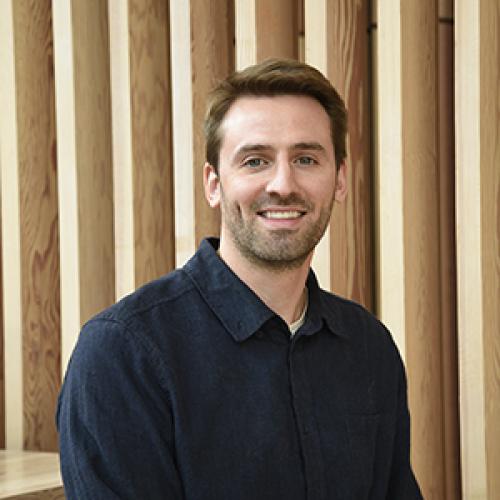
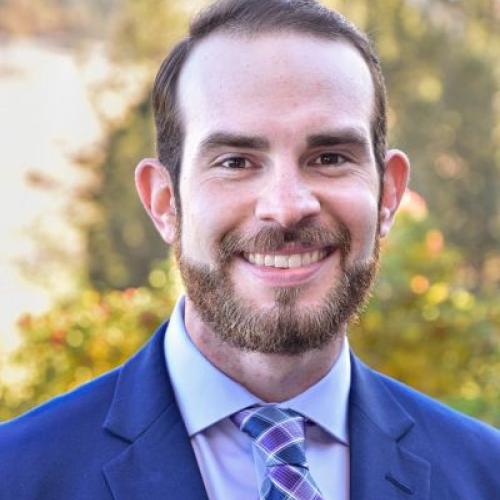
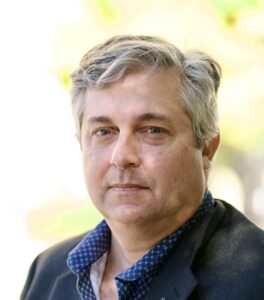
Jacob Bukoski is Assistant Professor and Director of the Forests and Climate Change graduate certificate at Oregon State University's College of Forestry. His research examines forest carbon dynamics, climate mitigation, and international forestry. Education includes: PhD in Environmental Science from UC Berkeley MS in Environmental Science from Yale University BA in Environmental Studies from UNC Chapel Hill Research focuses on carbon accumulation in forests, mangrove conservation, and climate policy integration. Teaches interdisciplinary courses on social-ecological systems and forest carbon analysis. Recent publications quantify carbon storage in global plantations and mangrove ecosystems. Current projects investigate albedo impacts on reforestation protocols and coastal conservation synergies. Directs graduate studies in Forests and Climate Change.
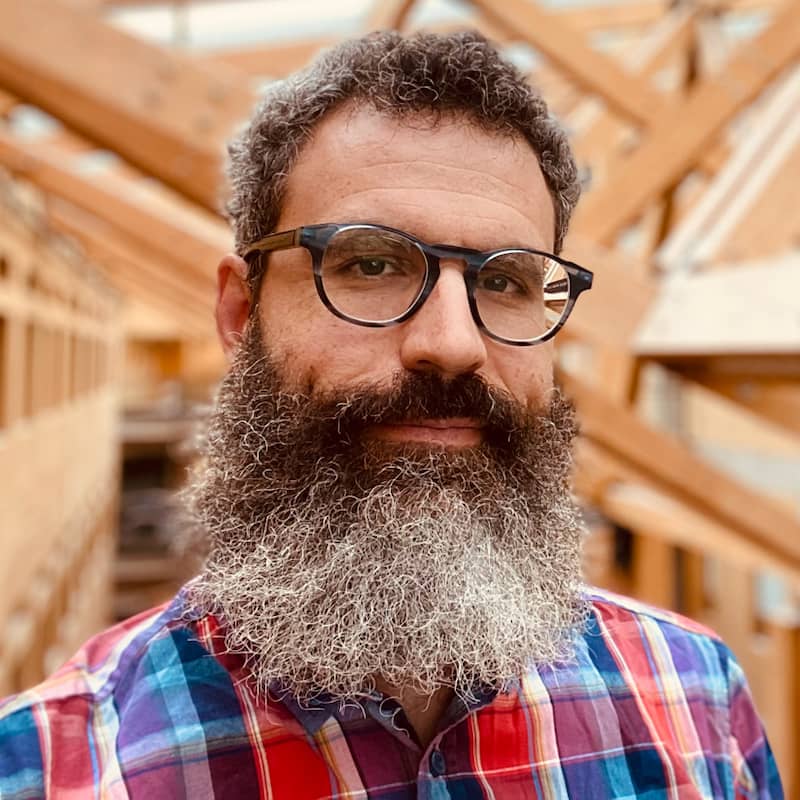
Gregory Paradis is an Assistant Professor in the Department of Forest Resources Management at the University of British Columbia (UBC) Faculty of Forestry. His research focuses on sustainable forest management, integrating operations research, mathematical optimization, and systems modeling to address complex interactions between ecosystems, industries, and society. He works with the FRESH Lab and collaborates with the Integrated Remote Sensing Studio, emphasizing ecological and economic integration in forest planning. Sustainable Forest Management Operations Research Forest Economics Data Science Risk Assessment GIS-based Methods His research spans forest inventory optimization, climate change adaptation strategies, wildfire risk modeling, and decision support systems for invasive species. He develops computational frameworks to enhance wood supply planning, carbon management, and ecological resilience. Recent work includes machine learning applications for fire safety in timber structures and automated road planning tools for wildlife conservation. Paradis’s publications highlight trends in applying optimization methods to sustainable forestry, with a focus on biodiversity, climate adaptation, and value chain innovation. He advocates for interdisciplinary approaches that bridge silviculture, industrial engineering, and data science to tackle emerging challenges in forest ecosystems. As an educator, he seeks motivated students with quantitative and creative problem-solving skills. His lab collaborates on remote sensing integration, risk assessment models, and policy-relevant forest management strategies, ensuring plans account for uncertainties like insect infestations or windthrow events.
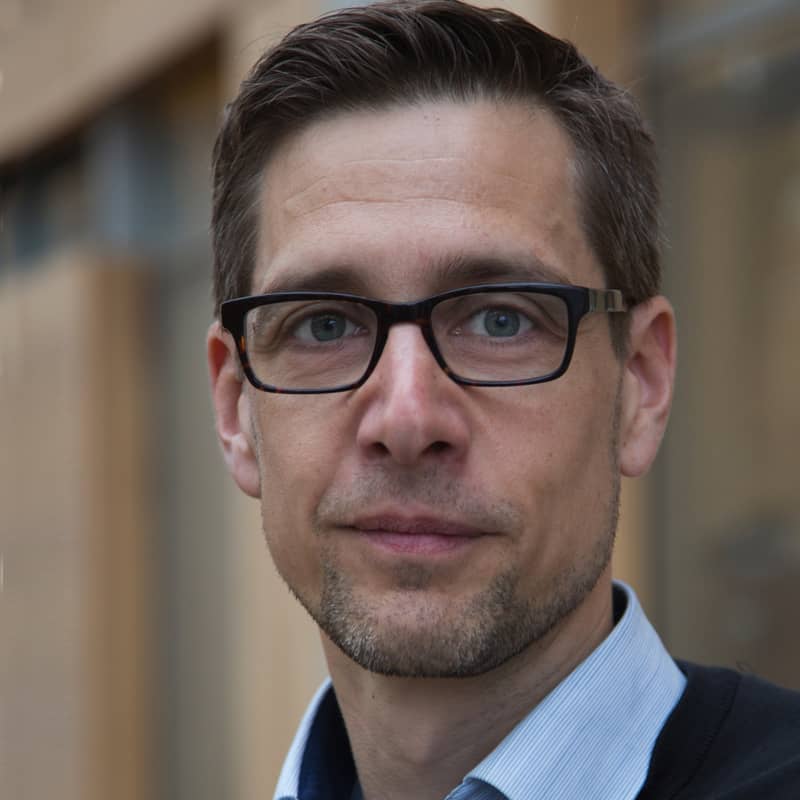
Dr. Matthew Brookhouse is a Senior Lecturer at the Fenner School of Environment & Society, part of the Australian National University's Institute for Climate, Energy & Disaster Solutions. With a PhD in Dendroclimatology from ANU, he specializes in using forest structural complexity and tree-ring analysis to understand climate interactions and ecological responses in Australian subalpine environments. Research Focus: Sub-alpine ecology, Dendrochronology, CO2 responsiveness in eucalypt species Teaching: First-year research methods with emphasis on statistical application, advanced modeling and field botany Projects: Leading collaborative snow-gum dieback research and dendrochronological monitoring initiatives His publications span 2006-2025 with recent emphasis on machine learning applications for forest monitoring, tropical tree-ring chronologies for climate change, and climate sensitivity in Australian alpine ecosystems. Key collaborations include institutions like Australian Nuclear Science and Technology Organisation and University of Canberra researchers. Current projects focus on snow-gum woodland dieback mechanisms, high-resolution dendrometric monitoring, and integrating dendrochronology with environmental policy frameworks. He maintains active supervision of research students and contributes to both undergraduate and postgraduate curriculum development.
Dominik Roeser is a Professor and Associate Dean of Research Forests & Community Outreach at the University of British Columbia's Faculty of Forestry, Department of Forest Resources Management. With over 21 years of experience in forest research and innovation, he has built a comprehensive forest operations research program since joining UBC in 2018, following his tenure as Senior Director at FPInnovations where he managed multidisciplinary teams focused on improving forest sector competitiveness and wildfire management solutions in Western Canada. Professor Roeser's research interests center on sustainable forest management and the bioeconomy, with specific expertise in forest bioproduction, supply chain design, steep slope harvesting, and biomass operations. His work through the Forest Action Lab applies diverse research methods including productivity studies, field trials, and modeling to address sustainability challenges across different operational environments. His research portfolio spans sustainable forest biomass utilization, harvesting in difficult terrain, innovative forest planning tools, operational productivity, carbon management, and community sustainability impacts from reforestation. His publication record shows a strong focus on practical applications of forest science, with recent work emphasizing wildfire management, remote sensing technologies for precision forestry, biomass energy systems, and the socio-ecological dimensions of forest management. His research increasingly integrates advanced technologies like LiDAR and drone-based systems with traditional forest operations to address contemporary challenges in sustainable forest management. Roeser has received the Recognition Award from the Canadian Forest Service (2017) for his contributions to forest science and innovation. His work demonstrates significant impact on both academic understanding and practical implementation of sustainable forest operations across North America and Europe. As an educator, Professor Roeser teaches several key courses including FOPR 264 Introduction to Forest Operations, FOPR 362 Harvesting systems and forest access, FOPR 464 Operational planning and management, and FRST 452 Coastal field school. He considers educating the next generation of forestry professionals one of his passions, bridging theoretical knowledge with practical industry applications. The Forest Action Lab, led by Professor Roeser, represents a multidisciplinary research hub applying diverse methodologies to address forestry stakeholders' needs across British Columbia, Canada, and globally. The lab's work connects academic research with industry implementation, focusing on practical solutions for sustainable forest utilization in varied operational environments.
Christian Messier is a Professor at the University of Quebec in Outaouais (UQO) in the Department of Natural Sciences and at the University of Quebec in Montreal (UQAM) in the Department of Biological Sciences. He serves as Scientific Director of the Institute of Temperate Forest Sciences (ISFORT) and holds two prestigious research chairs: the Canada Research Chair on Tree Resilience to Global Changes and the NSERC/Hydro-Québec Chair on Tree Growth Control. His academic career spans over three decades since completing his Ph.D. in forest sciences from the University of British Columbia in 1991. Dr. Messier's research focuses on two primary areas: the complex functioning of managed natural forest systems to develop management approaches that promote resilience in the face of global changes, and the study of trees and urban forests to reconcile the needs of minimizing negative impacts of trees on human infrastructure while maximizing ecosystem services. His work integrates field studies, simulation modeling, and network theory to address pressing challenges in forest ecology and management. His recent publications demonstrate a strong emphasis on urban forest resilience, functional diversity in forest ecosystems, and nature-based solutions for climate adaptation. The research shows a clear trajectory toward more applied, solution-oriented approaches that bridge fundamental ecological understanding with practical forest management applications across diverse spatial scales from individual trees to entire landscapes. Francqui Foundation Chair (Belgium) - 2020 Member of The Royal Society of Canada - 2019 Personality of the Year 'Radio-Canada/Le Droit' - 2017 Humboldt Research Award - 2016 Prix Acfas – Michel-Jurdant - 2010 Canadian Forestry Scientific Achievement Award - 2006 Dr. Messier has supervised over 40 graduate students throughout his career and currently leads multiple major research projects including the Canada Research Chair on Forest Resilience, the NSERC/Hydro-Québec Chair on Tree Growth Control, and the SylvCIT project for urban forest immunization against global change. His research has been supported by significant grants from NSERC, Canada Research Chairs program, Hydro-Québec, and other major funding agencies. He directs the Messier lab with research assistants Kim Bannon and Fanny Maure, and collaborates with numerous researchers across Canada and internationally. His team studies diverse aspects of forest ecology including soil dynamics, functional composition of tree communities, nature-based solutions for climate adaptation, and ecophysiology of maple water flow. The lab maintains strong connections with the International Diversity Experiment Network with Trees (IDENT) and other major forest research initiatives.
Charity Nyelele is an Assistant Professor in the Environmental Sciences department at the University of Virginia. Her research bridges human well-being and environmental systems, focusing on biodiversity, climate change, and ecosystem services through the lens of environmental justice and equity. Specializes in urban forestry and socio-ecological synthesis Active in climate justice, carbon sequestration, and stormwater management Nyelele's recent work integrates machine learning and social media data to map recreational ecosystem services and optimize tree planting frameworks. She has developed multi-objective decision support tools to address urban ecosystem service trade-offs and leads research in fire-driven ecosystem restoration across Western US forests. She teaches courses on Environmental and Climate Justice , Management of Forest Ecosystems , and co-instructs Politics, Science, and Values . Contact: hbt3mb@virginia.edu
Darrell Ross is a Professor in Entomology at the School of Natural Resource Sciences , North Dakota State University . Previously, he held professorial roles at Oregon State University in the Department of Forest Ecosystems and Society and served as Director of the Richardson Hall Quarantine Facility from 2006–2019. His academic journey began with a PhD in Entomology from the University of Georgia (1990), an MS in Forest Ecology from Oregon State University (1985), and a BS in Forest Science from Pennsylvania State University (1981). PhD , Entomology, University of Georgia, 1990 MS , Forest Ecology, Oregon State University, 1985 BS , Forest Science, Pennsylvania State University, 1981 Dr. Ross specializes in forest entomology, focusing on bark beetle ecology, pheromone-based management strategies, and biological control of invasive species like the hemlock woolly adelgid. His work integrates chemical ecology with forest health assessment and ecological restoration. His research emphasizes pheromone applications (e.g., MCH) for bark beetle control, predator-prey dynamics in biological control of adelgids, and habitat manipulation for pest management. Recent studies address biodegradable pheromone formulations, predator phenology for invasive species control, and post-outbreak ecological impacts on pollinators. At Oregon State University, he directed the Richardson Hall Quarantine Facility, contributing to large-scale forest protection strategies. Current work at NDSU continues his legacy in integrating chemical signaling with forest ecosystem management.
Jacob Putney is an Assistant Professor (Practice) and Extension Agent at the College of Forestry, Oregon State University , affiliated with the Forest Engineering, Resources & Management department. His work bridges academic research and practical application in forest management. Education: MS in Forest Biometrics (2019), BS in Forest Management (2016) from Oregon State University Research interests span forest biometrics, silviculture, forest health, biodiversity, and fire ecology, with a focus on nitrogen fertilization impacts and growth modeling. His expertise includes biometrics, growth/yield analysis, and sustainable forest management. Recent publications highlight mechanisms of Douglas-fir response to nitrogen fertilization and broader reforestation strategies in Oregon. While no scientific awards are mentioned, his work integrates field data with ecological modeling to enhance forest productivity.
Klaus von Gadow is a Professor with a focus on forest ecology and management. He has supervised numerous doctoral theses across diverse topics in forestry, including GIS visualization, biomass estimation, and silvicultural strategies. Research Areas : Forest Management, Ecology, Biomass Estimation, GIS Applications, Population Genetics, and Tropical Forestry. Advisory Role : Supervised 18 theses from 2000–2015, covering topics like invasive species monitoring, dry savanna ecosystems, and fire succession. Key Projects : Development of k-NN methods for biomass analysis, simulation of mixed-species forest treatment pathways, and sustainable management of tropical watersheds. Trends in Publications : Recent works emphasize ecological resilience, technical innovations in forestry machinery, and data-driven forest planning. Earlier articles focus on genetic studies and post-fire succession dynamics. Advising Legacy : His supervised research has driven advancements in forest inventory systems, silvicultural modeling, and sustainable resource use.
Dr. Rebecca Tittler is a part-time faculty member at Concordia University's Loyola College for Diversity and Sustainability, affiliated with the Department of Geography, Planning and Environment. She combines academic advising with research coordination at the Loyola Sustainability Research Centre. Ph.D. in Biology from Carleton University (2008) M.Sc. in Biology from University of Alberta (1998) B.A. in Biology from Swarthmore College (1995) Her research focuses on: Interactions between biodiversity, forest landscape structure, and human activity Sustainable boreal/mixedwood forest management Ecosystem services in urban and periurban environments Source-sink dynamics in avian populations TRIAD zoning strategies Landscape-scale ecological modeling Key publication themes include: Optimizing vegetation management under electric infrastructure Long-term forest sustainability under climate change Wildfire risk mitigation in timber supply Anthropogenic disturbance zoning TRIAD forest management applications Avian dispersal patterns Current research projects examine: Climate change impacts on Quebec's annual allowable cut Biodiversity effects of partial cuts Plantation location optimization Urban tree ecosystem services
Marjo Palviainen is an Associate Professor and University Lecturer in Silviculture at the Department of Forest Sciences, University of Helsinki, affiliated with the INAR Faculty of Agriculture and Forestry. She holds a Title of Docent. Her research focuses on silvicultural practices, ecosystem processes in boreal forests, and sustainable forest management. She supervises the doctoral programme in Sustainable Use of Renewable Natural Resources. Her research interests include biochar applications in forestry, peatland ecology, nutrient cycling, and the impacts of forest management on carbon sequestration and water quality. She actively participates in interdisciplinary projects such as PREFER, exploring climate benefits of sustainable forest nutrition management, and leads projects on biochar’s long-term effects on forest ecosystems. Dr. Palviainen has authored/co-authored over 140 publications, with recent work emphasizing biochar’s role in soil improvement, microscale heterogeneity in peatlands, and the effects of fertilization on tree growth. She has supervised doctoral candidates like Annastina Saari and Ronja Rounas. Her activities include peer reviews, invited talks (e.g., at the National University of Singapore), and leadership in research networks. She collaborates internationally, focusing on boreal and tropical peatland management, and has contributed to media discussions on sustainable forestry practices. Her lab’s efforts, such as the SUSI peatland simulator, aim to optimize drainage and fertilization strategies for environmental and economic benefits.
Paavo Kaimre is a Professor in the Chair of Forest and Land Management and Wood Processing Technologies at the Institute of Forestry and Engineering , Estonian University of Life Sciences. His work focuses on forestry economics , forest policy analysis , and sustainable forest management . Research themes include: economic evaluation of forest transformation strategies, climate-adapted forest policies, stakeholder engagement in forestry governance, and competitiveness of the Baltic forest sector. His studies often integrate decision support tools with policy frameworks and analyze long-term financial flows in forestry. He is affiliated with the Järvselja Experimental and Training Forest Centre , where he conducts economic simulations for forest management practices. His publications emphasize economic modeling, resource optimization, and the intersection of environmental policy and forestry economics.
William Peterman is an Associate Professor in Wildlife Ecology and Management at The Ohio State University. His research integrates field observation, molecular lab work, and quantitative modeling to study biodiversity responses to climate change, habitat alteration, and urbanization. He focuses on animal population connectivity, habitat restoration, and conservation strategies across spatial-temporal scales. Landscape ecology and conservation biology Population genetics and metapopulation dynamics Climate change impact on amphibians and reptiles Recent publications highlight advancements in landscape resistance modeling, hybridization effects on conservation, and climate-agroecosystem interactions. His lab emphasizes interdisciplinary methods including biophysical models and camera trap technology for biodiversity monitoring. Current students in his lab include Grant Ravary, Olivia Ruppert, Marissa Roseman, Aidan McCarthy, Jess Dong, Ryan Wagner, and Allison Williams. He has developed specialized software (ResistanceGA) and teaches courses like ENR 5370: Management of Wildlife Habitat .
Kevin Black is a Professor and Department Chair in the Department of Physics at the University of Wisconsin-Madison. His academic career includes roles as Professor at Boston University (2016–2018), and prior positions as Research Scientist and Post-Doc at Harvard University. His research focuses on high energy physics and elementary particle physics, particularly through the CMS Experiment at CERN's Large Hadron Collider. Key areas include proton-proton collisions at energy frontiers, direct searches for new particles, top quark physics, and Higgs boson studies. He has contributed to over 150 peer-reviewed publications, with recent work involving dark matter searches, Higgs self-coupling studies, and muon collider developments. Academic leadership roles include Department Chair at UW-Madison (2024–present) and Associate Chair roles at Boston University (2017–2024). His research interests span experimental particle physics with emphasis on collider-based discoveries. Recent work includes studies of jet quenching, energy-energy correlators in heavy-ion collisions, and precision measurements of the W boson mass. He collaborates extensively with the CMS Collaboration, contributing to both data analysis and detector development. Notable projects include the Muon Collider initiative, where he explores next-generation accelerator technologies. Publications reflect a focus on cutting-edge topics such as rare particle decays, LHC phenomenology, and Higgs physics. Academic leadership includes graduate program oversight and departmental administration. His work bridges theoretical predictions with experimental validation, aiming to uncover fundamental physics principles.
Prof. Dr. Hakan ŞEVİK is an Assistant Professor at the Department of Environmental Engineering, Faculty of Engineering and Architecture, Kastamonu University, Turkey. With a strong academic background in Forest Engineering, he has established himself as a prominent researcher in environmental science, specializing in heavy metal pollution monitoring, climate change impacts on forests, and the use of landscape plants as bioindicators. His research spans multiple disciplines including environmental engineering, silviculture, and forest botany, with a particular focus on urban air quality assessment and phytoremediation techniques. Dr. ŞEVİK's research primarily investigates how trees and other plants can serve as natural monitors for air pollution, particularly heavy metals. His work employs dendrochronological methods to analyze historical pollution trends through tree rings, providing valuable insights into long-term environmental changes. He has extensively studied chromium, lead, aluminum, and other metal accumulations in various tree species across urban environments in Turkey. His research also explores the impacts of climate change on forest species distribution and the physiological responses of plants to environmental stressors like UV-B radiation. His publication record demonstrates a consistent research trajectory focused on environmental monitoring and pollution assessment. The analysis of his recent articles reveals a strong emphasis on developing sustainable methods for pollution monitoring, understanding long-term deposition patterns of heavy metals, and exploring the potential of plants for phytoremediation. His work increasingly incorporates advanced analytical techniques and modeling approaches to address complex environmental challenges, particularly those related to urban air quality and climate change adaptation. Dr. ŞEVİK has supervised numerous graduate students across various environmental science topics, particularly in the areas of heavy metal pollution, landscape architecture, and sustainable agriculture. His research has been supported by multiple projects from TÜBİTAK and university-based research funds, focusing on environmental monitoring, climate change impacts, and sustainable resource management. His scientific impact is evident through his substantial publication record with over 369 publications and significant citation metrics including a Google Scholar h-index of 73.