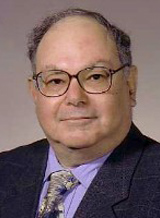
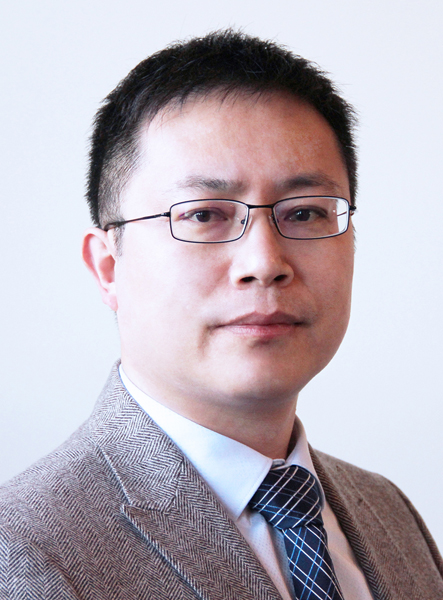
Nicolas Mathevon is a Professor at the University of Saint-Etienne and a Senior Member of the Institut universitaire de France (IUF). His research focuses on bioacoustics and animal communication, spanning from marine mammals to birds. He has held visiting positions at Hunter College (City University of New York) and the University of California, Berkeley. Education Habilitation à diriger les Recherches (2002, University of Saint-Etienne) PhD (1996, University of Lyon 1) Master's Degree (ranked 2nd, University of Lyon 1) Agrégation in Life and Earth Sciences (ranked 8th) Mathevon's research explores how animals use sound for social interactions, mate selection, and environmental adaptation. His work bridges bioacoustics, neuroethology, and behavioral ecology, with a focus on decoding vocal signals' complexity. His publications cover diverse topics including animal soundscapes, vocal memory in seals, and neural encoding of communication calls. The articles highlight interdisciplinary approaches combining neuroscience, behavioral studies, and acoustic signal analysis. Scientific Awards Prose Award for Excellence in Biological and Life Sciences, AAP (2024) Chevalier des Palmes Académiques (2017) IUF Senior Member (2015-present) IUF Junior Member (2005-2010) Mathevon has supervised 17 PhD students, 10 postdocs, and contributed to public outreach through media, documentaries, and public lectures. He leads the International Master of Bioacoustics program and serves as President of the International BioAcoustic Society.
Kristian Helin is Chief Executive and President of The Institute of Cancer Research (ICR), London, and a Professor with affiliations at the University of Copenhagen and Memorial Sloan Kettering Cancer Center. He founded/directed the Biotech Research & Innovation Centre (BRIC), Centre for Epigenetics, and Danish Stem Cell Center. His research focuses on epigenetic regulation, cancer biology, and stem cell differentiation. Education: Ph.D. Molecular Biology, University of Copenhagen (1991) M.Sc. Chemical Engineering, Technical University of Denmark (1988) Research Interests: Helin's work deciphers molecular mechanisms in cancer, emphasizing epigenetic drivers (e.g., H3K4/H3K36 methylation), transcriptional control, and therapeutic targeting. His lab identified E2F transcription factors, linked epigenetic dysregulation to leukemia/lymphoma, and develops drugs targeting kinases/epigenetic enzymes. Research spans acute myeloid leukemia, B-cell lymphoma, and solid tumors using CRISPR screens and preclinical models. Publication Trends: Recent articles (2023-2025) focus on epigenetic therapy, chromatin remodeling, and kinase signaling in cancer. Key themes include targeting NSD1/KDM5C/RIOK2 enzymes, combination therapies (EZH2/DOT1L inhibitors), and metabolic regulation in leukemia. Studies bridge basic mechanisms (enhancer regulation, insulator accessibility) with translational applications. Awards: Anders Jahre Prize (2014), ERC Advanced Grant (2011), Novo Nordisk Prize (2008) Memberships: Academia Europaea, Royal Danish Academy, EMBO Leadership: Helin co-founded EpiTherapeutics (acquired by Gilead) and leads the Epigenetics and Cancer lab at ICR. His team investigates AML pathogenesis and chromatin complexes like HUSH/NURF. Grants include ERC funding and innovation prizes.
Cao Jiannong is currently a Chair Professor and Director of the University Research Facility in Big Data Analytics at Hong Kong Polytechnic University . He has held academic roles including Assistant Professor at City University of Hong Kong and University Lecturer at the University of Adelaide and James Cook University. His research spans Cloud and Edge Computing , Parallel and Distributed Systems , Big Data Analytics , and Wireless Sensing . Ph.D. in Computer Science, Washington State University (1990) MSc in Computer Science, Washington State University (1986) BSc in Computer Science, Nanjing University, China (1982) His work focuses on solving theoretical and practical challenges in distributed computing , mobile cloud systems , and wireless sensor networks . Recent projects include coupled network embedding models for heterogeneous networks and SDN architectures for vehicular communication. His research also pioneers WiFi-based non-invasive health monitoring and fault-tolerant sensor deployment for structural health applications. Dr. Cao's publications highlight advancements in network embedding , edge computing , and WSN optimization . Key papers address multi-user computation partitioning , energy-efficient SHM systems , and consensus protocols for mobile networks. These works have been cited over 15,000 times, with an h-index of 60. Ministry of Education (China) Natural Science Award (2018) Distinguished Member, ACM (2017) Fellow, IEEE (2014) Best Paper Awards at IEEE DSAA, SMARTCOMP, and WCNC Dr. Cao has advised multiple PhD students, including Linchuan Xu and Weigang Wu , whose research on WSN-based SHM and coupled network embedding has practical impact. His leadership includes directing Hong Kong Polytechnic University's Big Data Research Facility and serving on technical committees for IEEE INFOCOM and ACM/IEEE conferences.
Gene Tsudik is a Distinguished Professor of Computer Science at the University of California, Irvine (UCI), with a career spanning over two decades. He obtained his Ph.D. in Computer Science from the University of Southern California (USC) in 1991, focusing on access control in the Internet. His research spans multiple areas including computer and network security, applied cryptography, and digital privacy, with a recent emphasis on database privacy, genomic privacy, and usable security. His notable contributions include the Inter-Domain Policy Routing (IDPR) protocol, KryptoKnight for network security, and Tree-Based Group Key Agreement protocols. He has over 210 publications and 8 patents. From 2002 to 2007, he served as Associate Dean of Research and Graduate Studies at UCI's School of Information and Computer Sciences and currently directs the UCI Secure Computing and Networking Center (SCONCE). Research Keywords : Cybersecurity, Cryptography, Privacy, Network Security, Digital Signatures, Genomic Data Protection. Scientific Awards : IEEE Fellow (2012), ACM Fellow (2014), AAAS Fellow (2016), Fulbright Senior Scholar (2007), and IFIP Fellow (2020). Professor Tsudik has supervised 18 PhD students and held visiting positions at universities across Europe and Asia. His recent publications focus on secure hardware attestation, biometric authentication, and social media data privacy.
Nori Franco serves as Professor in the Department of Physics at the University of Michigan and Chief Scientist at RIKEN's Theoretical Quantum Physics Laboratory in Japan. His dual appointments reflect his significant contributions to both American and Japanese academic communities, with continuous service at Michigan since 1990 and at RIKEN since 2002. His research spans quantum information, condensed matter physics, and quantum optics, with particular focus on light-matter interactions, superconducting qubits, optomechanics, and quantum open systems. Franco's work bridges theoretical foundations with experimental implementations, especially in circuit quantum electrodynamics and quantum computing applications. Analysis of his recent publications reveals a strong emphasis on non-Hermitian quantum systems, quantum control techniques, and applications of quantum information science to fundamental physics problems. His research group consistently produces highly cited work, with publications appearing in top journals across quantum physics and condensed matter disciplines. Scientific Awards: Charles Hard Townes Medal (2024) - sole recipient for fundamental contributions to quantum optics and quantum information processing Research Doctorate Honoris Causa from University of Messina (2024) Highly Cited Researcher for eight consecutive years (2017-2024) Member of Academia Europaea (2023) Willis E. Lamb Medal (2023) for quantum electronics research Throughout his career, Franco has secured significant research funding and mentored numerous students and postdoctoral researchers. His work has received international recognition through invitations to deliver prestigious lectures including the Stanislav Ulam Lecture and Sir Nevill Mott Lecture in 2024. His research group maintains strong collaborations across multiple continents, reflecting his global impact on quantum physics. At RIKEN, Franco leads the Quantum Information Physics Theory Research Team within the Quantum Computing Center, directing cutting-edge theoretical work that complements experimental efforts in quantum computing hardware development.
Christian Friedrich Wilhelm Becker is a full Professor at the University of Vienna, holding a position within the Faculty of Chemistry and the Department of Biological Chemistry. His research profile shows extensive activity in protein chemistry and biochemistry, with particular focus on post-translational modifications and their implications in disease mechanisms. His work bridges chemical biology, biochemistry, and biomedical applications, contributing significantly to the academic and research landscape at one of Europe's oldest and most prestigious universities. Faculty of Chemistry, University of Vienna Department of Biological Chemistry Active research leader with numerous ongoing projects Significant publication record spanning multiple disciplines Professor Becker's research primarily focuses on protein chemistry, particularly post-translational modifications and their role in protein function and dysfunction. His work spans multiple interconnected areas including ubiquitination, protein aggregation, prion protein behavior, and biomimetic approaches to protein analysis. His research has significant implications for understanding neurodegenerative diseases and developing novel therapeutic approaches. The fingerprint analysis of his work shows strong connections to biochemistry, molecular biology, and chemistry, with particular emphasis on cysteine chemistry, glycosylation, and amino acid modifications. Analysis of Professor Becker's recent publications (2021-2025) reveals a consistent research trajectory focused on protein modification techniques and their biological implications. His work shows increasing sophistication in chemical biology approaches to study protein function, with particular emphasis on ubiquitination pathways and protein aggregation mechanisms. The integration of chemical synthesis methods with biological analysis represents a hallmark of his research approach. His publications span high-impact journals in biochemistry, chemical biology, and peptide science, demonstrating the interdisciplinary nature of his contributions. Professor Becker has received notable recognition for his research contributions, most prominently the Cathay Award in 2020. This award acknowledges his significant contributions to the field of protein chemistry and chemical biology. His work appears to have practical applications in therapeutic development, particularly in the areas of targeted protein degradation and immunotherapy, which likely contributed to this recognition. Cathay Award (2020) Professor Becker leads multiple significant research projects, including 'Targeted protein degradation - from small molecules to complex organelles' (2020-2024), 'Taktira: Development of an improved, low-side-effect and sustainable immunotherapy' (2019-2023), and 'Structure Zoom: Zooming in on protein functional sites with atomic resolution' (2018-2021). These projects demonstrate substantial grant funding and collaborative research efforts across multiple institutions. His active participation in 290 recorded activities through 2025 indicates a highly engaged research program with numerous collaborators and trainees. Targeted protein degradation project (2020-2024) Taktira immunotherapy project (2019-2023) Structure Zoom project (2018-2021) Professor Becker's research environment includes a robust team of collaborators and junior researchers, as evidenced by the numerous co-authored publications and activities. His work intersects with multiple research groups studying protein function, modification, and therapeutic applications. The international collaboration network shown in his profile indicates significant engagement with researchers across multiple countries, creating a dynamic research ecosystem focused on advancing protein science and its biomedical applications.
Professor Marta Zofia Kwiatkowska is Professor of Computing Systems and Fellow of Trinity College at the University of Oxford, where she has held a faculty position since 2007. She previously served as Professor of Computer Science at the University of Birmingham (2001–2007), Reader and Lecturer at the University of Birmingham (1994–2001), and Lecturer at the University of Leicester (1986–1994). Her academic career began as Assistant Professor at the Jagiellonian University in Kraków, Poland (1980–1988). Education: BSc/MSc in Computer Science, Jagiellonian University, Kraków MA, University of Oxford PhD, University of Leicester Research Interests: Professor Kwiatkowska spearheaded the development of probabilistic and quantitative verification methods on the international stage. Her work bridges theory and practice through the PRISM model checker—the leading software tool in probabilistic model checking—used worldwide for research and teaching. Application domains include communication and security protocols , nanotechnology designs , power management , ubiquitous computing and systems biology . She investigates automated verification , temporal logics , semantic models for concurrency , real-time systems , and biological process modelling . Current grant funding exceeds £3.7 million from EPSRC, EU and ERC, including the prestigious ERC Advanced Grant VERIWARE. Scientific Awards & Honours: Fellow of the Royal Society Fellow of the ACM Fellow of the European Association for Theoretical Computer Science (EATCS) Fellow of the British Computer Society (BCS) Fellow of the Polish Society of Arts & Sciences Abroad ERC Advanced Grant VERIWARE (€2.046 M, 2010–2015) Top Cited Article Award, Theoretical Computer Science (2005–2010) Best Paper Award, QEST 2006 Doctoral Supervision & Grants: Professor Kwiatkowska actively supervises doctoral students (D.Phil. at Oxford) and post-doctoral researchers. She welcomes applications in areas aligned with her research interests, detailed here . Current students include Charlie Griffin, Daqian Shao, Matthew Yuan and Minghao Liu; past students and researchers number over twenty, many now in faculty or industry leadership roles. Laboratory & Teams: She leads the Oxford Quantitative Verification group within the Department of Computer Science. Ongoing projects include FUN2MODEL, ELSA, FAIR and the flagship PRISM probabilistic model checker. The group maintains strong collaborations with biological, robotics and engineering teams worldwide.
Dominik Schörkhuber is a PreDoc Researcher at the Vienna University of Technology (TU Wien) in the Computer Vision department. With a background in Informatics (BSc, Dipl.-Ing.), he focuses on computer vision applications for autonomous driving, robotics, and human-machine interaction. His work spans driver action recognition, pedestrian prediction, and adaptive lighting systems. Current projects: Empathic Vehicle (2024–2026), SyntheticCabin (2021–2025), SmartProtect (2020–2025) Research themes: Video transformers, synthetic data transfer learning, multi-task learning, and sensor-lighting integration Specializes in 3D sensing, nighttime driving analysis, and mobile video creation tools
Paolo Gamba is Full Professor in Telecommunications and Remote Sensing at the University of Pavia, Italy, where he previously led the Telecommunications and Remote Sensing Laboratory until 2021. He currently serves as Delegate of the Rector for international relations with USA and the Americas. Gamba is Principal Investigator for projects funded by the Italian Space Agency (ASI), Italian Ministry for External Affairs, and European Space Agency (ESA), and coordinates the School of Science and Technology for the Consortium of Italian Universities for Argentina (CUIA). His research focuses on urban remote sensing , image processing , data fusion , and Earth observation applications for physical exposure and risk management. He has pioneered work in remote sensing data analysis and telecommunications, with particular emphasis on developing methods for urban environment monitoring. Gamba holds significant leadership positions in scientific organizations: Current Editor-in-Chief of IEEE Geoscience and Remote Sensing Magazine Former President of IEEE Geoscience and Remote Sensing Society (2019-2020) Technical Chair for multiple IGARSS conferences Founding organizer of GRSS/ISPRS Joint Workshops on Remote Sensing over Urban Areas Awards & Honors: IEEE Fellow (2013) IAPR Fellow (2020) AAIA Fellow (2022) Outstanding Service Award from IEEE GRSS (2021) Multiple excellence in reviewing awards He maintains active involvement in space mission planning through membership in advisory groups for COSMO/SkyMed Constellation (ASI) and Sentinel-2 Next Generation mission (ESA). Gamba has published extensively with over 150 peer-reviewed journal articles and 300+ conference presentations.
Jiao Licheng is a Distinguished Professor and Doctoral Supervisor at Xidian University, leading the School of Artificial Intelligence and the Department of Computer Science and Technology. He holds prominent roles such as Director of the Key Laboratory of Intelligent Perception and Image Understanding (Ministry of Education) and the International Joint Research Center for Intelligent Perception and Computing. His research focuses on Artificial Intelligence, Deep Learning, Evolutionary Computation, and Remote Sensing, with significant contributions to image understanding and brain-inspired computing. Education: B.E. (1982) from Shanghai Jiao Tong University, M.E. (1984) and Ph.D. (1990) from Xi'an Jiaotong University. Postdoctoral research at Xidian University (1990–1992). Research Interests include AI, Machine Learning, Image Processing, and Big Data Analysis. His work bridges theoretical advancements and practical applications, such as medical imaging, SAR image analysis, and autonomous systems. Recent articles emphasize innovations in remote sensing, deep learning architectures, and evolutionary algorithms. Awards include IEEE Fellow, IET Fellow, and the Wu Wenjun Artificial Intelligence Outstanding Contribution Award. Labs/Teams: Key Lab of Intelligent Perception, International Joint Research Center, and leadership in national innovation bases. Active in academic societies, including editorial roles in IEEE Transactions on Cybernetics and Geoscience and Remote Sensing.
Staffan Kjelleberg is a Distinguished University Professor at Nanyang Technological University (NTU), Singapore, and Director of the Singapore National Biofilm Consortium (SNBC) and Singapore Centre for Environmental Life Sciences Engineering (SCELSE). He holds previous positions as Scientia Professor at the University of New South Wales (UNSW), Australia, and has led major research initiatives globally. His academic career spans over four decades, with roles including Head of School at UNSW and Professorships at the University of Gothenburg, Sweden. Education: BSc (Chemistry and Biology, 1975), PhD (Microbiology, 1981), and Docent (Microbiology, 1983) from the University of Gothenburg. He has authored over 384 journal papers with significant citations, reflecting his leadership in microbial biofilm research. Research focuses on microbial biofilms and microbiomes, addressing environmental sustainability, public health, and industrial applications. He employs an interdisciplinary approach to study biofilm community dynamics, matrix properties, and translational technologies for biofilm control. Key contributions include discoveries on quorum sensing inhibitors, biofilm dispersal mechanisms, and eDNA roles in biofilm structure. Honours include Fellowships from the Australian and American Academies of Microbiology, Web of Science Highly Cited Researcher status, and Editor roles for 15 international journals. He leads major programs like the Marine Climate Change Science initiative and has co-directed global research centers such as the Centre for Marine Bio-Innovation. Advising and grants: While specific student names are not listed, his extensive leadership in research programs indicates mentorship of numerous scholars. His work bridges fundamental and applied microbiology, impacting environmental and biomedical fields. Labs/Teams: Directs SCELSE and SNBC, co-founded the Centre for Marine Bio-Innovation, and collaborates internationally on biofilm and microbiome research.
Philip Poole is a Professor of Plant Microbiology at the University of Oxford's Department of Plant Sciences and Senior Research Fellow at Somerville College. His research focuses on plant-microbe interactions, nitrogen fixation, and rhizosphere microbiology. He has led major international projects including the BBSRC-NSF Synthetic Symbioses program (2014-2019) and the India-UK Nitrogen Fixation Consortium (2016-2019). With 26 grants as PI from the UK's BBSRC, he has secured over £10.5 million in funding. His work includes pioneering bacterial Lux biosensors for metabolite analysis, transcriptomics under sterile conditions, and metatranscriptomics in soil to study microbiome-plant interactions. Current projects model nitrogen fixation biochemistry in legume nodules and investigate rhizobia lifecycle transitions from rhizosphere colonization to symbiotic bacteroid differentiation. He co-directs the Oxford Centre for Plants for the 21st Century and serves on editorial/advisory boards for Microbiology UK, The Journal of Bacteriology, and Pivot Bio. His contributions include elucidating the ammonia-alanine pathway for nitrogen secretion and demonstrating symbiotic auxotrophy dependencies in bacteroids. Key achievements include developing global mutagenesis strategies (INSeq) and advancing understanding of microbial community structures in the rhizosphere. His research integrates molecular, genetic, and systems biology approaches to address global challenges in sustainable agriculture.
Olaf Steinbach is a University Professor (Univ.-Prof.) at the Institute of Applied Mathematics at Graz University of Technology. His academic career spans over three decades with continuous research activity from 1992 to the present, including publications scheduled for 2026. He serves as a project manager for several research initiatives including the Special Research Area (SFB) F90 Computational Electric Machine Laboratory, which runs from 2022 to 2026. Professor Steinbach's research interests primarily focus on Numerical Analysis and Computational Mathematics . His work centers around developing and analyzing advanced numerical methods, particularly Finite Element Methods (FEM) and Boundary Element Methods (BEM), for solving partial differential equations (PDEs) and optimal control problems. His research spans both theoretical aspects (such as error analysis, stability, and convergence) and practical applications (including electric machines, electromagnetics, and biomechanics). He has made significant contributions to space-time finite element methods, which treat time as an additional dimension in the discretization process, leading to more robust and efficient solvers for time-dependent problems. Analysis of his recent publications (2021-2026) reveals a strong focus on optimal control problems governed by partial differential equations, with particular emphasis on elliptic, parabolic, and hyperbolic PDEs. His work demonstrates a consistent pattern of developing robust numerical methods with rigorous error analysis, often incorporating regularization techniques to handle challenging constraints. The applications span computational electromagnetics (particularly electric machines), fluid dynamics, and wave propagation problems. His research increasingly incorporates advanced computational techniques including parallel computing and isogeometric analysis. Professor Steinbach has supervised numerous doctoral students and has been actively involved in organizing academic events, including summer schools on Boundary Element Methods. His collaborative network extends across multiple disciplines and institutions, reflecting the interdisciplinary nature of his work in computational mathematics. His research has been supported through multiple significant projects including DK-W1244 Doctoral Program on Partial Differential Equations, the EU CASOPT project on optimization of industrial devices, and the ongoing Special Research Area on Computational Electric Machine Laboratory. These projects demonstrate his leadership in establishing research frameworks that bridge theoretical mathematics with practical engineering applications. Professor Steinbach maintains an active research group within the Institute of Applied Mathematics, collaborating closely with researchers in computational engineering, electrical engineering, and biomechanics. His work on the Computational Electric Machine Laboratory represents a particularly strong interdisciplinary effort combining mathematical theory with electrical engineering applications.
Arthur Lesk is a Professor of Biochemistry and Molecular Biology at Pennsylvania State University since 2003. Previously, he held roles including faculty member at the clinical school of the University of Cambridge (1990–2003), group leader at the European Molecular Biology Laboratory (1987–1990), and professor of chemistry at Fairleigh Dickinson University (1971–1987). He earned a B.A. from Harvard University (1961), Ph.D. from Princeton University (1966), and M.Sc. from the University of Cambridge (1999). His research focuses on bioinformatics, genomics, protein structure, and molecular biology. He has authored 189 scientific articles, 10 books, and has an h-index of 61. Notable works include Protein Science (2021) and Introduction to Bioinformatics (2019). Lesk chairs CODATA’s Biological Macromolecules Task Group and is a Fellow of the AAAS and Royal Society of Biology. He maintains active teaching and research roles, delivering lectures globally. His contributions include advancing protein structure databases and computational methods for molecular biology. Lesk is a Life Member of Clare Hall, Cambridge, and has held visiting positions at universities in New Zealand, Australia, and Europe.
Prof. Wang Cheng-Xiang is a Professor of Wireless Communications at the Institute for Signal and System Processing (ISSS), School of Engineering and Physical Sciences (EPS), Heriot-Watt University, Edinburgh, UK since 2011. His academic journey includes roles as Deputy Head of ISSS (2014-2018), Programme Director for BEng Telecom Engineering (2015-2018), and Director for China Development Group (2006-2018). He holds a PhD from Aalborg University (2004) and prior research experience at Siemens AG and Universities in Germany, Norway, and the UK. His research focuses on applying artificial intelligence to wireless networks, 6G systems, and wireless channel modeling. He has published over 390 papers with an h-index of 57 and 13,460+ citations. Notable recognitions include IEEE/Clarivate Analytics' Highly Cited Researcher (2017-2019) and 11 Best Paper Awards. Prof. Wang serves as Executive Editorial Committee (EEC) Member for IEEE Transactions on Wireless Communications, and has held editorial roles in 10 journals. He actively organizes conferences, serving as chair for events like the IEEE World Congress on Computational Intelligence (2008) and 25th International Conference on Neural Information Processing (2018).