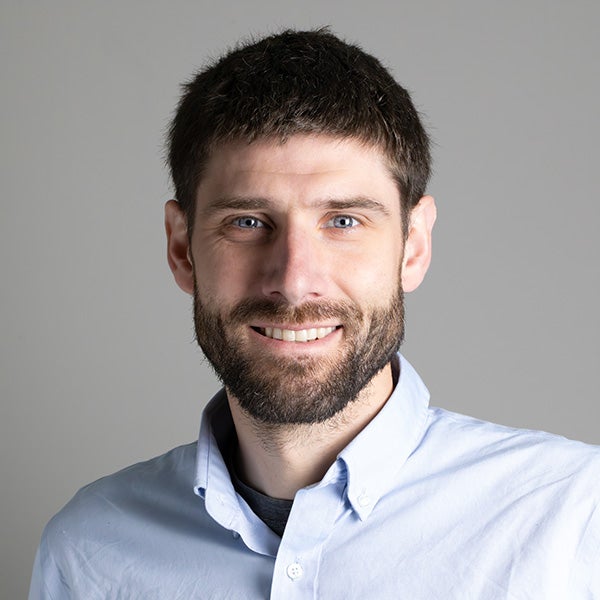
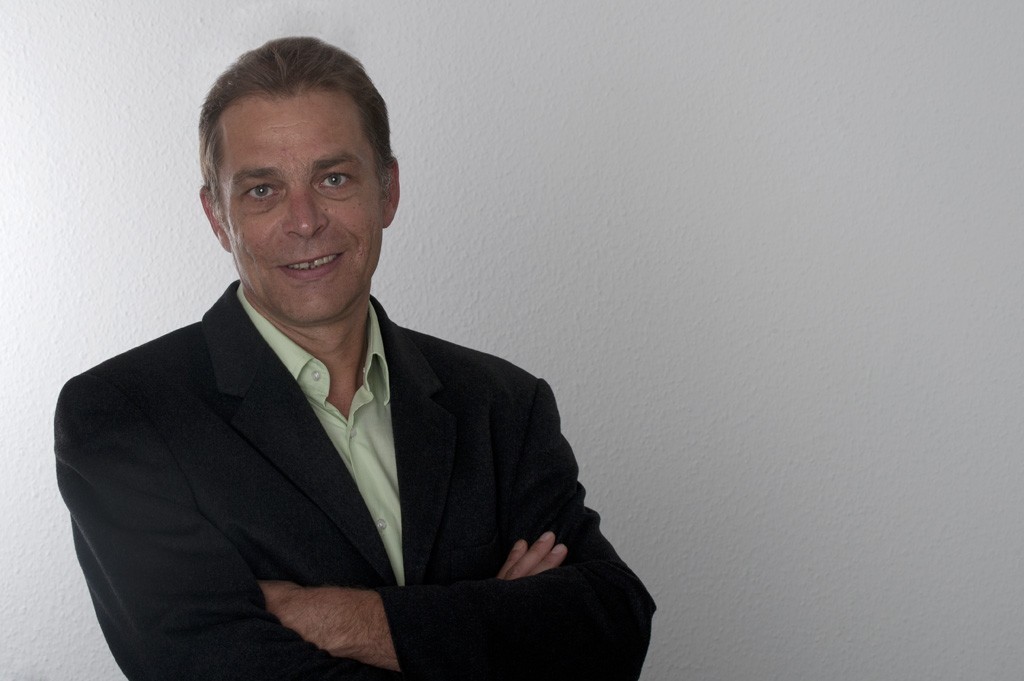
Professor Charlotte Stagg is based at the Nuffield Department of Clinical Neurosciences (NDCN) within the University of Oxford . She serves as Associate Director of the Oxford Centre for Integrative Neuroimaging and holds a Beale Fellow in Medicine position at St Hilda's College. Her research focuses on the physiological mechanisms of motor learning and stroke recovery, utilizing multimodal neuroimaging and brain stimulation techniques. Research Interests : GABA signaling, neuroplasticity, transcranial ultrasound, stroke neurorehabilitation Techniques : 7T MRI, MEG, non-invasive brain stimulation, neurochemistry Selected Scientific Awards : Wellcome Trust Senior Research Fellow Beale Fellow in Medicine, St Hilda's College Collaborations : Leads the Physiological Neuroimaging Group (PiNG), part of the Neuroplastics Collaborative Network with groups led by Heidi Johansen-Berg and Jacinta O'Shea. Current advisees include DPhil student Birtan Demirel and visiting researchers from HEC Montréal and The University of Manchester.
Maurizio Martina is a Full Professor at the Department of Electronics and Telecommunications (DET) of Politecnico di Torino. He is a member of the Interdepartmental Center PEIC - Power Electronics Innovation Center and serves as an Associate Editor for the IEEE Transactions on Circuits and Systems I (2018-2023). His research focuses include: Digital circuits and signal processing Machine learning hardware architectures RISC-V extensions and post-quantum cryptography VLSI design for edge computing and IoT Recent publications emphasize cryptographic hardware implementations (CHIMERA, Keccak co-processors), RISC-V integration methodologies, and privacy-preserving neural network frameworks. His work spans VLSI architectures for video processing, bio-inspired electronics, and error correcting codes, with applications in cybersecurity, robotics, and biomedical systems. Scientific Recognition : Premio Nazionale Innovazione (2013) Premio dei Premi (2014) He supervises 12 PhD students across cycles 35-40 in Electrical, Electronics and Communications Engineering, including: Valeria Piscopo (2024-in progress) Alessandra Dolmeta (2022-in progress) Luigi Giuffrida (2022-in progress) Walid Walid (2019-2023) As part of the VLSILAB Group , his research explores hardware accelerators for machine learning, post-quantum cryptography on RISC-V, and bio-inspired embedded systems. Teaching activities include courses on Integrated Systems Architecture and Hardware & Wireless Security at Politecnico di Torino and Università di Pavia.
Marat I. Latypov serves as Assistant Professor in the Department of Materials Science and Engineering at the University of Arizona's College of Engineering. He is also a member of the Applied Mathematics Graduate Interdisciplinary Program and leads the Materials Informatics Lab. His research spans computational materials science, sustainable alloy design, and machine learning applications for materials development. Dr. Latypov holds a PhD in Materials Science and Engineering from Pohang University of Science and Technology (POSTECH, South Korea, 2014) and a Dipl.-Ing. in Engineering Physics from Ufa State Aviation Technical University (Russia, 2011). His postdoctoral training included appointments at Georgia Tech/CNRS in France and the University of California, Santa Barbara. His research focuses on materials informatics , physics-informed machine learning , and sustainable structural alloys . Key methodologies include graph neural networks for polycrystal mechanics, vision transformers for microstructure representation, and adaptive experimental design for materials optimization. Recent work emphasizes circular economy applications through construction waste recycling and copper mine tailings valorization. Analysis of his publication record reveals strong emphasis on computational microstructure-property linkages (35% of recent work), machine learning for materials design (30%), and sustainable materials processing (25%), with growing integration of large language models for materials knowledge extraction. NSF CAREER Award (2025) : For damage control in recycled aluminum alloys ISTI Distinguished Faculty Scholar (2024) : At Los Alamos National Laboratory Novelis Hackathon First Prize (2021) : Computer vision application Acta Materialia Outstanding Reviewer (2018) Young Researcher Award (2017) : NanoSPD7 Conference Dr. Latypov advises PhD students including Herbold Fellow Zhuocheng Huang and leads projects funded by NSF and the Grantham Foundation. Current initiatives include chalcopyrite leaching optimization for copper mining and graph neural network development for fatigue prediction. His Materials Informatics Lab maintains collaborations with Los Alamos National Laboratory, MIT, and industry partners including Novelis. The lab operates at the intersection of metallurgy , machine learning , and high-performance computing , with capabilities spanning deep learning, Bayesian inference, and cloud-based computational infrastructure. Recent news highlights participation in CODAS-HEP summer school and publication of vision transformer work in Acta Materialia.
Paul J Benkeser is a Professor and Senior Associate Chair in the Wallace H. Coulter Department of Biomedical Engineering at the Georgia Institute of Technology and Emory University. He has been a member of the Georgia Tech faculty since 1985 and was a founding faculty member of the Coulter Department in 1998, serving as its first associate chair for undergraduate studies. Education: BS in Electrical Engineering from Purdue University MS in Electrical Engineering from University of Illinois at Urbana-Champaign PhD in Electrical Engineering from University of Illinois at Urbana-Champaign Research Interests: Dr. Benkeser's work spans biomedical engineering education, ultrasound applications in medicine, biomedical signal/image processing, cancer biology, and regenerative medicine. After initial research in therapeutic/diagnostic ultrasound, he shifted focus to enhancing undergraduate curricula through problem-driven learning and global experiential opportunities. Grants: His initiatives have received funding from the National Institutes of Health (NIH), National Science Foundation (NSF), Department of Veterans Affairs, and Whitaker Foundation. Professional Activities: An active ABET participant since 2002, he has served as program evaluator, EAC Commissioner, and board delegate. His affiliations include: American Institute for Medical and Biological Engineering Biomedical Engineering Society American Society for Engineering Education Senior member of IEEE
Kwanghee Jeong is a Research Fellow at the University of Western Australia , affiliated with the Fluid Science and Resources research group within the School of Engineering and Chemical Engineering Department . His work focuses on energy transport, decarbonisation technologies, and flow assurance. Education: PhD in Chemical Engineering (UWA, 2020), BSc in Mechanical Engineering (Dongguk University, 2014) Research Themes include: Flow Assurance for hydrogen, CO2, and natural gas pipelines Carbon Capture & Emissions Management (MOFs, Raman spectroscopy) Cryogenic Hydrogen Process Engineering (liquefaction, boil-off gas) Cold Energy Utilisation and Waste Heat Recovery Hydrate Formation Kinetics via Acoustic Levitation Article Trends reflect expertise in: Using Raman spectroscopy for real-time adsorption and phase transition analysis Developing Joule-Thomson loops to simulate pipeline conditions Optimizing Metal-Organic Frameworks for GHG separation Advancing hydrogen liquefaction efficiency through catalysis Addressing microplastics and hydrate nucleation via spectroscopic methods Scientific Awards : Best Poster Award (2023) - Natural Gas UWA Travel Award (2017) ARC PhD Scholarship (2016) He contributes to UN Sustainable Development Goals via decarbonisation research and has collaborated with Chevron, Woodside Energy, and Curtin University. His technical skills include Aspen HYSYS, OLGA simulations, HAZOP studies, and Differential Scanning Calorimetry (DSC).
Brandon Schmandt is a Professor in the Department of Earth, Environmental and Planetary Sciences at Rice University, where he leads research using seismology to investigate Earth systems. His work integrates interdisciplinary approaches, data science, and numerical modeling to study tectonic processes, magmatic systems, and environmental interactions. His educational background includes a PhD in Geological Sciences from the University of Oregon (2011) and a BA in Environmental Studies from Warren Wilson College (2006). Dr. Schmandt's research focuses on seismology, tectonics, volcanology, and surface processes , with emphasis on seismic imaging of subsurface structures. His group employs innovative time-series analysis and field projects to resolve geologic history and contemporary Earth dynamics, particularly examining fault zones, magmatic reservoirs, and deep convective processes. Key methodologies include dense seismic arrays and machine learning applications. Analysis of his recent publications (2023-2025) reveals dominant trends in seismic event discrimination (earthquakes vs. explosions), magmatic system imaging (Yellowstone, Cascades), and global mantle structure studies. There is strong emphasis on induced seismicity, machine learning applications, and high-resolution imaging of Earth's discontinuities using dense arrays. His distinguished honors include: Aki Award of the AGU Seismology Section GSA Donath Medal AGU Macelwane Medal Body Dr. Schmandt directs an active research group conducting field projects across diverse settings including the Raton Basin, Yellowstone, Antarctica, and the Caribbean. While specific student advisees and grant details aren't provided in available materials, his group's work involves collaborative data collection, advanced computational modeling, and development of novel seismic analysis techniques applicable to both natural and anthropogenic seismic sources. The research program maintains focus on magmatic systems beneath volcanic regions, induced seismicity mechanisms, and global mantle structure using dense node arrays and interdisciplinary approaches to address fundamental questions in Earth dynamics.
Professor Lyudmila Mihaylova is a distinguished academic at the University of Sheffield's School of Electrical and Electronic Engineering, where she holds the position of Professor of Signal Processing and Control. She has established herself as a leading researcher in the fields of signal processing, Bayesian methods, and autonomous systems, with significant contributions to particle filtering techniques for intelligent transportation systems. Her work bridges theoretical developments with practical applications across multiple domains including transportation, healthcare, and industrial automation. Prof. Mihaylova's research interests center on nonlinear filtering, sequential Monte Carlo methods, statistical signal processing, and sensor data fusion. Her work spans both theoretical advancements and practical implementations, with particular focus on high-dimensional problems including vehicular traffic flow estimation, image processing, and localization in sensor networks. She has extensive experience with various image modalities such as optical, thermal, LIDAR, SAR, and hyperspectral imaging. Her group actively develops novel methods for autonomous intelligent systems focusing on sensing, tracking, decision making, and machine learning applications. Analysis of Prof. Mihaylova's recent publications reveals a strong trend toward uncertainty quantification in machine learning models, particularly for safety-critical applications. Her work increasingly integrates traditional signal processing techniques with modern deep learning approaches, with applications spanning sewer inspection robotics, medical diagnostics (particularly sleep apnea detection), UAV swarm tracking, industrial manufacturing, and autonomous vehicle systems. A significant portion of her recent research focuses on developing robust methods that can handle incomplete or outlier-corrupted data while providing reliable uncertainty estimates. Among her notable professional achievements: President of the International Society of Information Fusion (ISIF) Senior member of the IEEE Signal Processing Society Associate Editor for IEEE Transactions on Aerospace and Electronic Systems Associate Editor for Elsevier Signal Processing Journal Prof. Mihaylova has successfully mentored numerous PhD students and postdoctoral researchers, many of whom have gone on to prominent academic and industry positions. Her research has been supported by major funding bodies including EPSRC, EU, MOD/DSTL, and industry partners, with recent projects including 'Protecting Environments with UAV Swarms' (InnovateUK, 2022-2024), 'ShiRAS: Towards Safe and Reliable Autonomy in Sensor Driven Systems' (NSF-EPSRC, 2019-2023), and 'Confident safety integration for Cobots' (Lloyd's Register Foundation, 2019-2020). Her research group follows a collaborative approach with the philosophy 'We share knowledge, we grow.' Prof. Mihaylova maintains active research collaborations with institutions worldwide and has held previous academic positions at Lancaster University (2006-2013) and University of Bristol (2004-2006), along with research visiting positions at the University of Ghent, Katholic University of Leuven, and the Bulgarian Academy of Sciences.
Dr. Kibret Mequanint is a full Professor at Western University's Department of Chemical and Biochemical Engineering, with cross-appointments in Biomedical Engineering. Holding a PhD from University of Stellenbosch and postdoctoral experience at Technical University of Darmstadt and McMaster University, his research bridges polymer science, materials engineering, and life sciences with applications in Biomaterials , Tissue Engineering , and Regenerative Medicine . His work spans both fundamental and translational research in cell-material interactions , polymer biomaterial design , and therapeutic radiation dosimeters , with technologies transferred to commercial applications. Leading scholar and educator with awards from NSERC, CIHR, and Western University Fellow of: American Institute for Medical and Biological Engineering (AIMBE), Ethiopian Academy of Sciences, International Union of Societies for Biomaterials Science and Engineering, Canadian Academy of Engineering Extensive editorial and panel service for NSERC, CIHR, and international journals His research program has produced over 170 refereed publications, focusing on conductive hydrogels , bioadhesives , and vascular tissue engineering . Recent work on endoscopy-deliverable bioadhesives and snake venom-derived hemostatic gels has attracted global media attention. He has served in leadership roles at the Canadian Biomaterials Society and university governance bodies including Senate and Board of Governors.
Prof. Dr. Axel Mecklinger is a leading cognitive neuroscientist at Saarland University , specializing in the neurocognition of memory and language through spatiotemporal brain imaging (EEG/MEG/fMRI). His career spans over three decades, with significant contributions to understanding visual working memory , associative recognition , and memory development . Key research areas: Memory binding, ERP subsequent memory effects, novelty detection, and cognitive aging Major grants: DFG Research Groups, Collaborative Research Centers, and international collaborations with the Chinese Academy of Sciences Scientific leadership: Organized conferences, edited journals, and served as speaker for research training groups His recent work explores unitization in memory formation , cross-cultural differences in memory processing , and theta neurofeedback interventions . Awards include the Early Career Award of the German Psychophysiology Society (1992) and the European Federation of Psychophysiology Societies' Federation Prize (1994). Current projects investigate the neural mechanisms of semantic surprisal and memory plasticity in aging populations.
Professor Ralf Stanewsky leads the Stanewsky Group at the Institute of Neuro- and Behavioral Biology, University of Münster. His research focuses on the molecular mechanisms of circadian rhythms in Drosophila melanogaster , particularly how environmental cues like light and temperature reset the circadian clock. The group employs genetic, molecular, histological, and behavioral approaches to study sensory pathways and their integration in central clock neurons. Member of the Multiscale Imaging Centre (MIC) and Imaging Network – Microscopy Current lab members: Ph.D. students Anna Katharina Eick, Angelica Coculla, Maia Zabel Barroso Technical assistants Regina Hube and Ume Aiman Research Themes Light and temperature synchronization of circadian clocks Temperature compensation mechanisms in biological timing Neuronal integration of environmental signals Evolutionary aspects of circadian regulation Professor Stanewsky’s work spans molecular clock components (e.g., cryptochromes, timeless gene variants) to broader ecological implications of temporal niche choice. His lab investigates how clock gene expression responds to seasonal changes and environmental stressors, while also exploring novel synchronization pathways beyond classical photoreceptors. Publication Trends Recent articles emphasize temperature-dependent clock regulation , evolutionary capacitance via Hsp90 , and non-canonical phototransduction in circadian systems. Key subfields include nuclear transport dynamics, kinase evolution, and computational modeling of periodic patterns across species. Contact Information Institute of Neuro- and Behavioral Biology, University of Münster MIC | Röntgenstraße 16, D-48149 Münster, Germany Email: stanewsky@uni-muenster.de Phone: +49 251 8321029
Prof. Dr. Matthias Weidlich is a faculty member at Humboldt University of Berlin within the Institute of Computer Science under the Faculty of Mathematics and Natural Sciences . His research focuses on Process Mining , Complex Event Processing , and Data Privacy with applications in Business Process Management and Scientific Workflows . Research Interests: Business Process Management and Process Mining Complex Event Processing and Stream Data Analysis Data Privacy and Security in Process Systems Scientific Workflow Systems and User Behavior Heterogeneous Network Embeddings Algorithm Design and Optimization Recent Publications (2023-2025) demonstrate expertise in: Efficient stream processing techniques Privacy-preserving process mining frameworks Scientific workflow analysis tools Graph neural network applications Multi-modal data integration Adaptive querying systems Contact: Office: Unter den Linden 6, 10099 Berlin Phone: 030 2093-41277 Email: matthias.weidlich@hu-berlin.de Web: hu.berlin/data
Dr. Gabriella Lindberg is an Assistant Professor in the Department of Bioengineering at the University of Oregon's Knight Campus, leading the Lindberg Lab. Her research focuses on developing bioinks, hydrogels, and bioresins to engineer musculoskeletal tissues that replicate native biological environments. She holds a PhD from the University of Otago and previously served as a Research Fellow in the Christchurch Regenerative Medicine and Tissue Engineering (CReaTE) Group. Dr. Lindberg has secured significant grants, including a New Zealand Health Research Council Emerging Researcher Grant, and has won multiple awards such as the ISBF Young Investigator Award (2019) and CMDT/MedTech CoRE awards. Her work spans collaborative projects with institutions in New Zealand, Germany, Netherlands, and Australia. Current lab members include researchers like Vinni Thoms (Lab Manager) and Tim Wheeler (Postdoctoral Scholar). The lab is recruiting for postdoctoral and graduate positions in immunomodulation for osteoarthritis and bone marrow tissue engineering. Key research platforms include biofabrication, biomaterials, and organoid development. Dr. Lindberg’s research emphasizes clinical relevance, with projects addressing patient variability and disease progression modeling. Her team explores oxygen control in 3D-printed constructs and integrates inflammatory biology with biomaterials science. The lab’s long-term goals include advancing 3D bioassembly for musculoskeletal repair and hematological disease treatments. Notable contributions include work on vitreous humor as a biomaterial, automated 3D bioassembly, and the development of photoclickable gelatin bioinks. She has mentored numerous students, including PhD candidates Axel Norberg and Bram Soliman, and supervised master’s and undergraduate researchers in tissue engineering and biofabrication techniques.
Wenfeng Zhao is an Assistant Professor in the Department of Electrical and Computer Engineering at Binghamton University. He holds a PhD from the National University of Singapore (2014) and BS/MS degrees from Huazhong University of Science and Technology (2007-2009). Prior to this role, he conducted postdoctoral research at the University of Minnesota's Biomedical Engineering Department. His research focuses on neural engineering, compressed sensing, ultra-low-power VLSI systems, and in-memory computing. Key areas include hardware security, biomedical signal processing, and energy-efficient computing architectures. His work spans applications in neural interfaces, cryptographic hardware, and IoT edge devices. Recent publications highlight advancements in block-cipher-in-memory architectures, emotion recognition via EEG analysis, and energy-efficient FPGA accelerators for neural networks. His research also addresses challenges in cryogenic memory systems and MRI-compatible neural recording devices. Zhao's contributions emphasize interdisciplinary approaches at the intersection of hardware design, signal processing, and cybersecurity. His lab develops novel solutions for low-power embedded systems and trustworthy IoT infrastructure.
René Vidal is the Rachleff & Penn Integrates Knowledge (PIK) University Professor at the University of Pennsylvania and Full Professor at Johns Hopkins University, with appointments spanning multiple departments including Electrical and Systems Engineering, Radiology, Computer and Information Science, and Statistics and Data Science. He serves as Director of the Center for Innovation in Data Engineering and Science (IDEAS) at UPenn and directs the NSF-Simons Collaboration on the Mathematical Foundations of Deep Learning. Education: PhD in Electrical Engineering and Computer Sciences from UC Berkeley (2003) Former Positions: Assistant and Associate Professor at Johns Hopkins University (2004–2015) Current Affiliations: Amazon Scholar, Affiliated Chief Scientist at NORCE Dr. Vidal’s research spans the mathematics of deep learning , sparse/low-rank representations , and trustworthy AI , with applications in computer vision and biomedical data science. His work has been recognized with prestigious honors including the IEEE Edward J. McCluskey Technical Achievement Award and Sloan Fellowship. Scientific awards include: 2021: IEEE Edward J. McCluskey Technical Achievement Award 2017: Jean D’Alembert Fellowship 2012: J.K. Aggarwal Prize 2009: ONR Young Investigator and Sloan Fellowship His lab has advised numerous PhD and MSc students, including Kyle Poe, Steven Kan, and alumni like Chong You (now at UC Berkeley) and Colin Lea (Oculus Research). He leads teams in optimization theory, adversarial robustness, and biomedical image analysis.
Mario A. Svirsky is the Noel L. Cohen Professor of Hearing Science and Professor of Neuroscience at NYU Grossman School of Medicine. He leads the Laboratory for Translational Auditory Research, focusing on auditory neural prostheses like cochlear implants and their impact on speech perception and neuroplasticity. His work bridges clinical care and scientific discovery, addressing how the brain adapts to sensory deprivation and degraded auditory input. Education: PhD in Biomedical Engineering from Tulane University (1988). Postdoctoral training at MIT and prior academic appointments at Indiana University and Purdue University before joining NYU in 2005. Research: Explores cochlear implant performance optimization, speech perception in hearing-impaired individuals, and neuroplasticity mechanisms. Collaborates with the Froemke Lab on animal models of cochlear implantation. Active in developing computational models and signal processing techniques to improve implant efficacy. Funding: Principal investigator on multiple NIH grants (e.g., R01 DC016839, R01 DC016834) and industry partnerships. His lab’s work has advanced clinical management strategies for cochlear implant users, including those with contralateral hearing aids. Labs/Teams: Directs the Laboratory for Translational Auditory Research, collaborating with multidisciplinary teams including engineers, neuroscientists, and clinical audiologists. Mentors postdocs, audiologists, and medical students in auditory research.