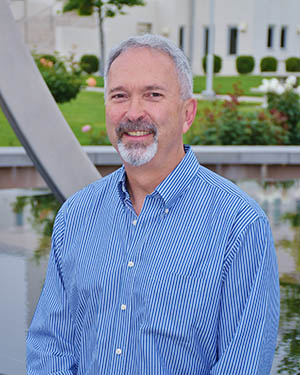
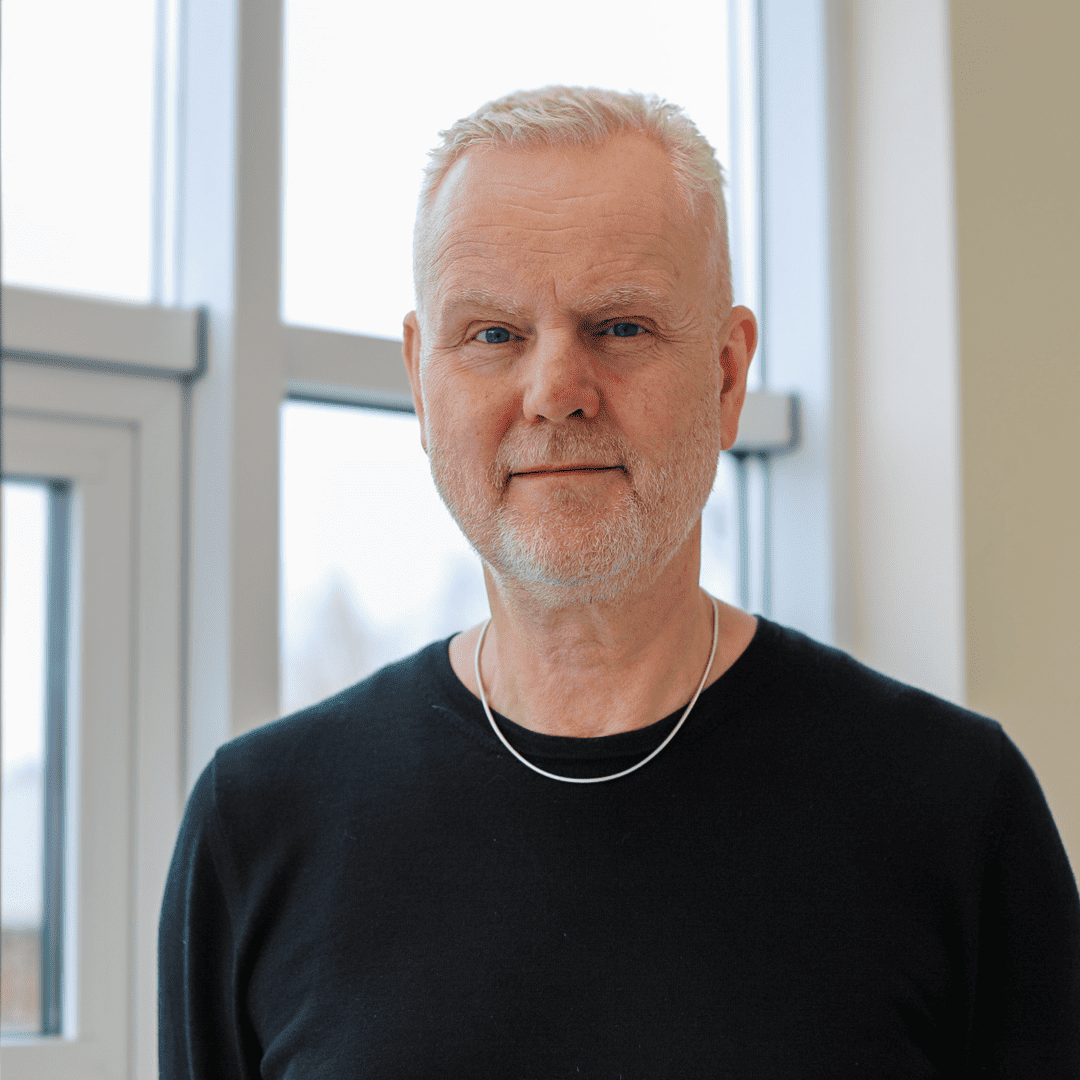
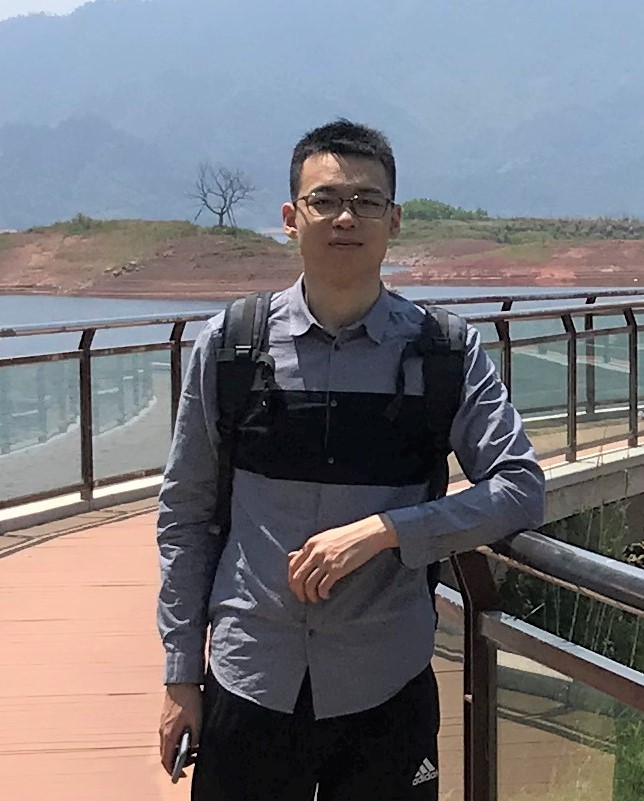
Dimitris Metaxas is a Professor in the Department of Computer Science at Rutgers University, specializing in Artificial Intelligence, Computer Vision, and Medical Imaging. His work bridges cutting-edge AI techniques with critical applications in healthcare and urban mobility. He leads research initiatives such as the Center for Accelerated and Real Time Analytics (CARTA) and has pioneered advancements in cardiac MRI reconstruction, diffusion models, and federated learning for medical data. Education: Not explicitly detailed in text, but his academic role implies doctoral training in Computer Science/Engineering. His research interests focus on medical AI applications, including automated diagnosis via imaging, generative models for healthcare data anonymization, and real-time analytics for smart cities. Notable contributions include foundational work on diffusion models (e.g., DiMSUM, SODA), medical dataset development (MedForge), and ethical AI integration in healthcare. Recent publications highlight trends in multimodal learning (e.g., sign language recognition, text-to-image generation), federated learning for medical privacy, and urban safety innovations like bicycle lane impact analysis. Awards: MICCAI Society Fellow (202?), IEEE Fellow, NIH/NASA/NSF grants totaling millions. He advises PhD students like Bingyu Xin (first place MICCAI 2024) and Meng Ye, while leading multi-institutional grants for projects like smart city micromobility systems with the Bloustein School. His lab develops tools like the CMRxRecon challenge platform for cardiac imaging and the SnapGen-V video synthesis system. Labs/Teams: CARTA Center, Medical Imaging AI Lab, Rutgers-Industry Collaboration for Urban Mobility Solutions.
Dr. Keith S. H. Wolgemuth is a full-time Associate Professor in the Department of Communication Sciences and Disorders at Loma Linda University. With 19 years of university teaching experience and over 28 years of research expertise, he focuses on audiology, auditory system anatomy, auditory processing disorders, and pediatric and rehabilitative audiology. His clinical experience spans hospitals, outpatient settings, and 24 years as a Naval Officer and audiologist, with specializations in hearing conservation and military health programs. Dr. Wolgemuth holds a Ph.D. in Communication Sciences and Disorders. He has served in key roles such as Program Director for the Undergraduate Communication Disorders Program and Coordinator for ASHA’s SIG 6 (Hearing and Hearing Loss: Research and Diagnostics). His research interests include auditory rehabilitation, underwater acoustics, and the intersection of music performance with vocal/auditory health. His research has explored topics such as noise-induced hearing loss, otoacoustic emissions in hyperbaric environments, and phonological awareness in sign language users. Notable collaborations include studies with the Office of Naval Research on hearing protector devices and diver hearing conservation. Grants include projects like the $409K Diver Worksite Noise Survey (2002-2004) and the $750K NIH-funded investigation into genetic determinants of noise-induced hearing loss (1999-2000). He has also contributed to clinical education through in-service lectures and ASHA convention leadership.
Robert Henderson is a Professor of Linguistics at the University of Arizona, with appointments in Cognitive Science and Second Language Acquisition and Teaching. His research focuses on formal semantics, particularly in indigenous languages of Mesoamerica, including Mayan languages and their sign languages. He leads and collaborates on projects such as documenting village sign languages in Mesoamerica, analyzing morphosemantics of plurality in languages like Hiaki and Seri, and developing NLP tools for Mesoamerican languages through the MesoUD initiative. His work emphasizes documentation, revitalization, and computational modeling of endangered languages. Key research areas include pluractionality, sign language documentation, and the intersection of phonetics/phonology with morphosyntax. He has secured NSF and CNRS grants for projects on Mesoamerican languages, including collaborations with institutions like Indiana University and CNRS. His methodologies integrate fieldwork, computational linguistics, and theoretical frameworks in semantics and syntax. Henderson’s recent publications address topics like incremental plurality in Hualapai, vowel deletion in Uspanteko, and the sociolinguistics of dogwhistle communication. His work bridges theoretical linguistics with applied challenges in language documentation and revitalization, particularly for endangered Indigenous languages.
Paolo Calvetti is a Full Professor of Japanese Linguistics and History of the Japanese Language at the Department of Asian and North African Studies, Ca' Foscari University of Venice. His research focuses on the diachronic evolution of Japanese, including modernization, language standardization, sociolinguistic phenomena like impoliteness strategies, honorific systems, and euphemisms. He has authored/co-authored major works such as Storia della lingua giapponese , a seminal text on Japanese language history. His studies also encompass bilingual lexicography, notably contributions to Japanese-Italian dictionary projects. Calvetti holds a scientific sector (SSD) in Japanese and Korean languages and literatures (ASIA-01/G). Research interests include East Asian linguistic contexts, the impact of technology on language (e.g., mobile phone novels), and historical language policies in Meiji-era Japan. He has published extensively on topics like orthographic evolution, dialectology, and language education strategies. His work bridges historical analysis with contemporary sociolinguistic dynamics, emphasizing Japan's linguistic identity formation. Key areas: Language History, Sociolinguistics, Pragmatics, Lexicography Notable collaborations: Giuseppe Pappalardo (co-author on Storia della lingua giapponese ), Aleksandra Jarosz Teaching: Courses on Japanese language history, linguistic analysis, and research methodologies Calvetti's publications span monographs, edited volumes, and peer-reviewed articles in journals like European Approaches to Japanese Language and Linguistics . His work is recognized for integrating philological rigor with interdisciplinary insights into Japan's linguistic and cultural evolution.
Amy Schafer is a Professor in the Department of Linguistics at the University of Hawaiʻi at Mānoa. Her research focuses on psycholinguistics, spoken language processing, and the interplay between prosody/intonation and information structure (e.g., given, new, and focused information). She investigates these phenomena across adult, child, native, non-native, and bilingual populations, primarily in English, Korean, Japanese, and Austronesian languages. Education: PhD, University of Massachusetts–Amherst Her research extends to field psycholinguistics, particularly through the HALA Project, which examines early signs of language endangerment and attrition in heritage speakers. She co-founded the College of LLL’s Language Analysis and Experimentation Laboratories (LAE Labs) in 2001, providing facilities for experimental tasks like eye-tracking and discourse processing. Currently, she explores prosody, event structure, and referential processing in Japanese- and Korean-speaking English learners. Professor Schafer teaches courses such as LING 412 (Introduction to Psycholinguistics), LING 640Y (Graduate Psycholinguistics), LING 632 (Experimental Methods), and seminars on psycholinguistics and eye-tracking methods.
Dr. Daniel Connolly is a Lecturer in Psychology at the University of Chichester. His work focuses on developmental psychology, education, and the impact of classroom environments on learning. He holds a D.Phil. in developmental psychology, with research examining Theory of Mind and Executive Function in young children. His post-doctoral work explored how interactive technology can enhance learning through social processes. He is particularly interested in how noise and acoustic conditions in schools affect cognitive processes, especially for learners with special educational needs such as visual impairment or deafness. Dr. Connolly has conducted extensive research on classroom acoustics in England, collaborating with psychologists and acousticians to identify barriers to learning caused by poor sound environments. He co-founded the Centre for Creative Research Methods at Chichester University, which focuses on innovative ways to amplify marginalized voices through creativity. Current projects include studies on well-being and personal development of children in care and their caregivers, alongside pursuing Level 1 British Sign Language qualification. His key publications address classroom noise impacts on reading, mathematics, and adolescents’ perceptions of their learning environments. He is a Senior Fellow of the Higher Education Academy and has contributed to initiatives like the 2022 BPS Community Psychology Festival. His research spans educational technology, environmental psychology, and inclusive learning strategies.
Roshan Peiris is an Assistant Professor at the School of Information, Golisano College of Computing and Information Sciences, Rochester Institute of Technology. His research focuses on creating accessible human-computer interaction systems for people with disabilities through virtual reality, haptic interfaces, and assistive technologies. Current courses taught: HCIN-600 Research Methods HCIN-700 Current Topics in HCI HCIN-797 MS HCI Directed Final Project ISTE-799 Independent Study His research explores: Accessible VR/AR for Deaf and Hard-of-Hearing individuals Thermal and vibrotactile feedback for sensory substitution Authentication methods for visually impaired users Immersive technologies for job training in neurodiverse populations Design of wearable haptic displays Biometric measurement of VR immersion Recent article trends include: Developing haptic captioning systems (2023-2025) Enhancing VR accessibility through spatial feedback (2020-2025) Creating inclusive authentication interfaces (2022-2024) Investigating olfactory and thermal haptic interfaces (2024) Evaluating assistive technologies for diverse populations (2020-2025) He collaborates with researchers across institutions in the United States, Canada, Germany, and Nigeria, with consistent publication presence at ACM SIGACCESS, CHI, and Human Factors in Computing Systems conferences.
George Papadopoulos is a Professor of Informatics at the University of Cyprus. He holds a Ph.D. from the University of East Anglia (1989) and has held academic and research roles at institutions including NCSR Demokritos, Aristotle University of Thessaloniki, and the University of East Anglia. His research focuses on Component-Based Systems, Parallel/Distributed Systems, and Cooperative Information Systems. He leads the Software Engineering and Internet Technologies (SEIT) Laboratory and has contributed to EU-funded projects like SciChallenge and AsTeRICS. Key contributions include development of adaptive middleware architectures, context-aware systems, and educational platforms such as the DIGICOMPASS training course. His work spans academic-service integration, assistive technologies for accessibility, and AI applications in healthcare and dementia care. Over 150 peer-reviewed publications reflect his expertise in software engineering, ubiquitous computing, and e-learning systems. Current roles include editorial board memberships for journals like Computing and IEEE Transactions on Education . Active in professional service through EU projects, he emphasizes interdisciplinary collaboration across computing, education, and healthcare domains.
Giorgio Rizzo is an Associate Professor of Theoretical Philosophy at the University of Salento, Italy, where he is affiliated with the Department of Humanities. He holds a PhD in Ethics and Anthropology from the University of Salento and has pursued advanced studies at Ludwig Maximilians Universität in Munich and the New School for Social Research in New York. He has been instrumental in expanding the philosophical curriculum by launching the first course on African metaphysics, ontology, and ethics at his institution in 2022. He teaches regularly at the University of Zambia and Saint Bonaventure University in Lusaka, where he also directs the African Center for Applied Phenomenology. Position: Associate Professor Institution: University of Salento Department: Department of Humanities Email: giorgio.rizzo@unisalento.it Research Centers: Co-director of the Center for Hermeneutics and Applied Phenomenology (CHAP); Director, African Center for Applied Phenomenology, Zambia Giorgio Rizzo’s academic background includes a PhD from the University of Salento (2000) with a thesis on Hannah Arendt’s faculty of judgment. He studied at Ludwig Maximilians Universität, Munich (1995–2000), and the New School for Social Research, New York (2001). He was a member of the Californian Phenomenology Circle and the American Husserl Circle during his time at the University of California, Irvine (2001–2006). Rizzo’s research spans a broad spectrum of philosophical domains, with a strong emphasis on phenomenology , particularly the works of Husserl, Heidegger, and Arendt. He has made significant contributions to the philosophy of language , especially through detailed analyses of Wittgenstein’s later work on color, time, and private language. His work in the philosophy of mind engages with figures such as Sellars, Davidson, and Searle, while also incorporating neurophenomenological perspectives. He is developing a novel theory of atmospherical perception , which bridges phenomenology with contemporary African philosophy. Additionally, he explores mathematical logic as a tool for critical thinking and democratic discourse. His recent and forthcoming publications reflect a consistent engagement with core phenomenological themes, including intentionality, spatiality, judgment, and the interplay between logic and lived experience. Articles such as “The Atmospheric Turn in Phenomenology” (2025), “Husserlian Monadology” (2024), and “Mathematics and Ontology in Alain Badiou” (2024) demonstrate his ability to synthesize continental and analytic traditions. His work often critiques reductive models in cognitive science and philosophy, advocating for a more nuanced, experientially grounded approach. Rizzo has no listed scientific awards in the provided texts. Giorgio Rizzo is actively involved in academic leadership and international collaboration. He co-edits the international journal Signs and Comprehension and co-directs the Center for Hermeneutics and Applied Phenomenology. He regularly teaches in Zambia and has established a transnational academic presence. While no specific grants or advising roles are detailed, his leadership in research centers and editorial work indicates a strong commitment to mentoring and scholarly community building. He is co-director of the Center for Hermeneutics and Applied Phenomenology (CHAP) and director of the African Center for Applied Phenomenology at Saint Bonaventure University in Lusaka, Zambia. These centers serve as hubs for interdisciplinary and intercultural philosophical inquiry, particularly focused on applying phenomenological methods to African thought and global ethical issues.
Lena Pagel is a researcher at the University of Cologne 's Department of Linguistics , specializing in phonetics and prosodic prominence. Her work bridges speech production , sign language kinematics , and multimodal communication . Research Focus: Prosodic marking strategies, articulatory adaptations in loud vs. habitual speech, coarticulation in sign language, and multimodal accommodation during dialogue Key Methodologies: Electromagnetic Articulography (EMA), kinematic analysis, multimodal data capture (audio/video/EMA) Notable Work: Co-development of the DiCE cooperative game for controlled data elicitation, systematic EMA studies in Persian and German focus types Scientific Recognition: 2023 IPA Student Award for kinematic analysis of visual prosody 2022-2026 a.r.t.e.s. Doctoral Scholarship with Mercator funding 2019 Best Poster Award at Young Female Researchers in Speech Workshop 2019 Faculty Price for Bachelor thesis on German prominence marking
Sebastien Vandenitte is a postdoctoral researcher at the University of Jyväskylä, Finland, specializing in the comparative analysis of sign and spoken languages. His work bridges linguistics and gesture studies, focusing on multimodal communication through the LSFB Corpus (French Belgian Sign Language) and FRAPé Corpus (Belgian French). He emphasizes constructed action techniques and referential strategies across modalities. Affiliation: Laboratoire de Langue des Signes de Belgique francophone Current Role: Postdoctoral Researcher Research interests include cross-modal differences in enactment, sociolinguistic aspects of sign language, and corpus-based methodologies. His projects explore how signers and speakers visualize referents, with applications to linguistic theory and multimodal data collection. Recent awards include the SofinaBoël Fellowship (2021) and recognition for public engagement in science communication. Collaborations span Belgium and Finland, with active participation in conferences and workshops on sign language studies.
Dr. Zeeshan Rana MSc, PhD, FHEA, MIET, MPEC is a Research Fellow at Cranfield University with expertise spanning Computational Fluid Dynamics , Autonomous Systems , and Artificial Intelligence Applications . His research focuses on high-speed aerodynamics , drone tracking systems , and renewable energy fluid dynamics . Education : MSc in Mechanical Engineering PhD in Computational Fluid Dynamics & Aerodynamics (Cranfield University) His work bridges hypersonic flow analysis with practical applications in Formula One aerodynamics , planetary rover navigation , and textile wastewater treatment . Recent research integrates machine learning with CFD simulations to solve complex engineering problems. Scientific trends in his publications (2025–2013) reveal consistent focus on: Computational Aerodynamics (ILES, WENO schemes, SU2 validation) Autonomous Systems (drone tracking, visual SLAM, sign language modeling) Renewable Energy (VAWT turbines, microbial fuel cells) Scientific Contributions: Fellow of the Higher Education Academy (FHEA) Member of the Institution of Engineering and Technology (MIET) Member of the Professional Engineering Community (MPEC) Current affiliations include the Digital Aviation Research and Technology Centre (DARTeC) , contributing to reinforcement learning-based surveillance and multi-sensor fusion systems for drone tracking.
Eli Raanes is a Professor at the Department of Language and Literature, Norwegian University of Science and Technology. Her work centers on special education with expertise in Norwegian Sign Language, communication accessibility for deafblind individuals, and alternative/supplementary communication methods. She holds a PhD in Applied Linguistics and is trained as an interpreter for the deaf and deafblind. Research Focus Dr. Raanes researches interaction analysis in tactile communication contexts, focusing on: Cross-signing systems and home-sign development Interpreter-mediated participation frameworks Haptic signal integration in tactile Norwegian Sign Language Historical development of Norwegian Sign Language She leads Nordic/European projects on deaf education models, interpreter training, and tactile communication methodologies for deafblind populations. Education Background PhD in Applied Linguistics Specialized pedagogical training in audiopedagogy Certification as deaf/deafblind interpreter and guide Rehabilitation sciences training
Mathias Müller is a postdoctoral researcher at the University of Zurich, where he works on sign language translation and natural language processing (NLP) with a focus on scientific integrity and accessibility. He collaborates with Sarah Ebling , Annette Rios , and others as part of the EU-funded project EASIER . His research interests span Sign language processing Scientific reproducibility Robustness of NMT systems Teaching neural machine translation (NMT) Markup technologies (XML, XSLT, etc.) Phonetics and acoustics His recent publications highlight trends in sign language translation, including multimodal approaches, gloss-based translation, and Signwriting integration. These works emphasize evaluation protocols and addressing bias in NLP systems. Scientific awards include Outstanding Paper Award at ACL 2023 Best Paper Award at AfricaNLP 2023 Best Poster Award at Swisstext 2023 He advises students like Shester and collaborates with teams on NMT system development. His work is supported by a 4-year Bridge Postdoc grant funded by the University of Zurich's Digital Society Initiative (DSI).
Jiawei Chen is a "Hundred Talent" Research Fellow at Zhejiang University's College of Computer Science and Technology, with over 60 publications in top-tier venues including WWW, SIGIR, KDD, and NeurIPS. His research focuses on advancing recommender systems through innovative approaches to debiasing, graph-based learning, and large language model integration. His educational background includes: Ph.D. in Computer Science, Zhejiang University (2017-2020) Master's in Computer Science, Zhejiang University (2014-2017) Bachelor's in Micro-electronic, University of Electronic Science and Technology of China (2010-2014) Chen's research centers on solving fundamental challenges in recommender systems, particularly addressing popularity bias through spectral analysis and causal inference. His work bridges graph mining, knowledge representation, and large language models to develop robust recommendation frameworks. Recent contributions include pioneering graph transformers for ranking optimization and counterfactual reasoning to burst filter bubbles. His influential surveys on recommendation debiasing and deep clustering have established foundational taxonomies for the field. Analysis of his 2023-2025 publications reveals three dominant trends: (1) Deepening causal approaches to bias mitigation through counterfactual interventions and distributionally robust optimization, (2) Advancing graph-based architectures with sign-aware transformers and uncertainty-aware structure learning, and (3) Integrating large language models through knowledge distillation techniques to enhance sequential recommendation. His work consistently targets high-impact solutions to popularity bias while maintaining strong theoretical grounding. His research excellence has been recognized with: Best Paper Award at WSDM 2025 for spectral analysis of popularity bias amplification Best Paper Honorable Mention at SIGIR 2023 for offline reinforcement learning in recommendation Chen actively mentors future researchers and seeks self-motivated graduate students for projects in recommendation systems, LLMs, and graph mining. His extensive service as program committee member for WWW, AAAI, KDD, and SIGIR—along with reviewing for IEEE TNNLS, TKDE, and TOIS—demonstrates significant community leadership. He has released valuable community resources including the KuaiRec and KuaiRand datasets for unbiased recommendation research. While specific lab affiliations aren't detailed, Chen maintains strong collaborative ties with researchers across institutions, particularly with Prof. Xiangnan He's group. His work frequently involves large-scale industrial datasets and open-source tools like EasyRL4Rec, indicating leadership in practical recommendation system development and community resource sharing.