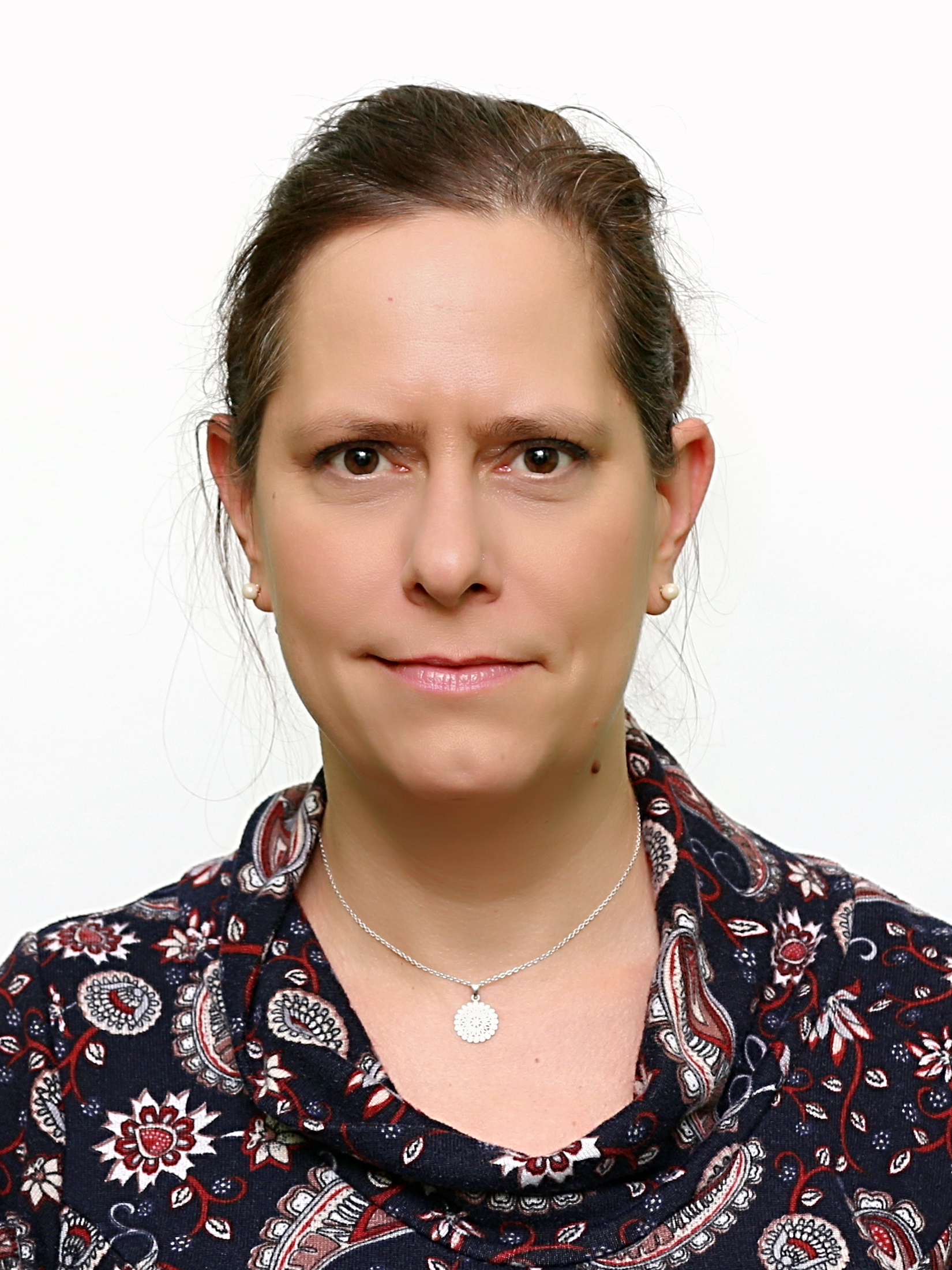
Helga Hattyár is an Assistant Professor at the Institute of Hungarian Linguistics and Finno-Ugric Studies , affiliated with the Department of Hungarian Historical Linguistics, Sociolinguistics and Dialectology at Eötvös Loránd University. She has held lecturer roles in multiple departments within the institute. Her research focuses broadly on Linguistics , Sociolinguistics , and Deaf Studies , with specific expertise in Dialectology , Language Policy , and Sign Language Studies . Her work addresses spoken language documentation, minority language rights, and sociolinguistic integration of deaf communities in Hungary. Her publications span topics like Hungarian Sign Language, language legislation, and sociolinguistic fieldwork in Budapest. Key keywords across her research include Language Acquisition , Language Rights , and Finno-Ugric Linguistics . She maintains formal academic contact via hattyar.helga@btk.elte.hu and is based at 1088 Budapest, Múzeum körút 4/A (Room A/238).
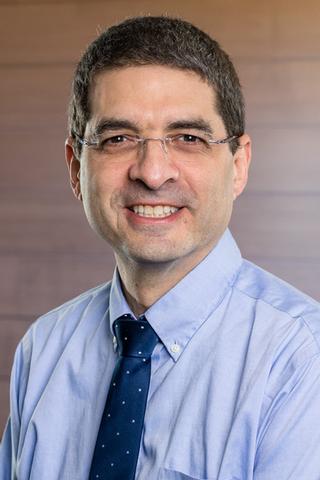
Steven L. Barnett, MD is a Professor in the Department of Family Medicine and Department of Public Health Sciences at the University of Rochester School of Medicine and Dentistry. He joined the UR Department of Family Medicine faculty in 2002 in the research division and serves as Director of the CDC-funded Rochester Prevention Research Center: National Center for Deaf Health Research. Dr. Barnett is also the Program Director for the NIH-funded Rochester Bridges to the Doctorate program and was previously medical director (2002-2015) of Strong Connections, the University of Rochester Medical Center's Telehealth Sign Language Interpreter Services Program. Dr. Barnett's primary academic focus is health and healthcare research with populations of Deaf American Sign Language (ASL) users and people with hearing loss, their families and communities. His research spans health disparities, community-based participatory research, health communication, sign language interpretation services, and health equity for deaf populations. He has pioneered approaches to accessible health surveillance and interventions specifically designed for deaf communities, with particular attention to weight management, mental health, and preventive services. Dr. Barnett's publication record demonstrates consistent focus on deaf health research, with recent work examining weight management interventions for deaf sign language users (Deaf Weight Wise trial), occupational health of sign language interpreters, suicidal behaviors among deaf college students, and community-based participatory research methods. His work consistently addresses communication barriers, cultural adaptations, and health equity issues affecting deaf communities. His numerous awards include the 11th Annual Dr. David Satcher Community Health Improvement Award (2020), Community Advocate Award (2015), and Award for Excellence in Research Addressing Cardiovascular Health Equity (2014). Additional recognition includes multiple teaching awards and honors for mentoring medical students and supporting deaf scholars. As Director of the CDC-funded Rochester Prevention Research Center: National Center for Deaf Health Research, Dr. Barnett leads a major research initiative focused on deaf health disparities. His NIH-funded Rochester Bridges to the Doctorate program supports deaf and hard-of-hearing students pursuing doctoral degrees. Dr. Barnett has also been instrumental in developing Strong Connections, a pioneering telehealth sign language interpreter service that operated from 2002-2015.
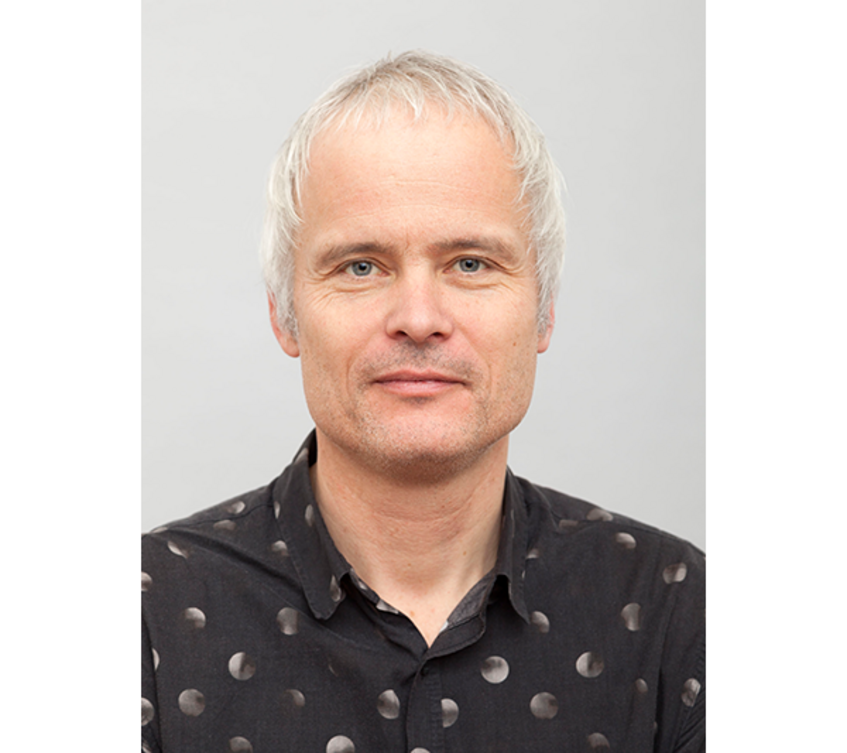
Prof. Macid Ayhan MELEKOĞLU is a Professor in the Department of Educational Sciences at Bogazici University's Faculty of Education. He serves as the Chair of the Department of Educational Sciences, Director of the Assistive Technology and Education Laboratory for Individuals with Visual Disabilities (GETEM), Advisor for Students with Disabilities, Chair of the Individuals with Disabilities Commission, and Chair of the Department of Social Policy at Boğaziçi University's Institute for Graduate Studies in Social Sciences. His educational background includes a BA from Selçuk University (2001), and both MA and PhD from University of Wisconsin-Madison (2005, 2009) in Special Education. Prior to his current position at Bogazici University (since February 2024), he worked at Eskişehir Osmangazi University and Muğla University. During his career, he has held various leadership positions including Department Chair of Special Education Department (2012-2018, 2020-2024) and director of Eskişehir Osmangazi University Research Center for Special Education Services (2012-2019). Prof. MELEKOĞLU's research focuses on learning disabilities, including dyslexia, dyscalculia, and dysgraphia. His work explores inclusive education practices, teacher training for special education, and interventions for students with specific learning disabilities. He has developed several assessment tools and intervention programs, including the Oral Reading Skills and Comprehension Test-II (SOBAT®-II) and the Repeated Reading and Visual Comprehension Program (TOGAP). His publication record demonstrates consistent focus on understanding and addressing the needs of students with learning disabilities across various educational contexts. His recent work examines self-determination learning models, multi-component reading interventions, and science instruction strategies for students with learning disabilities, showing his commitment to evidence-based practices that improve educational outcomes. Prof. MELEKOĞLU is actively involved in policy and practice related to special education in Turkey, having served on the Students with Disabilities Commission of the Higher Education Council of Turkey (2015-2018) and continuing this work as Chair of the Individuals with Disabilities Commission at Bogazici University. He has authored numerous books on special education topics, including "Mathematics difficulties - Dyscalculia: Diagnosis and intervention" (2022), "Dysgraphia - writing difficulties: Diagnosis and intervention" (2021), and "Teaching Turkish in special education" (2021), demonstrating his comprehensive approach to addressing specific learning disabilities across different domains. His laboratory work through GETEM focuses on assistive technology applications for individuals with visual disabilities, reflecting his commitment to practical solutions that support diverse learners and his understanding that disability support requires both specialized interventions and inclusive approaches.
Laura Lomas , Professor of American Studies and English at Rutgers University, Newark , specializes in Latina/o/x literary and cultural theory , translation studies , and 19th century Afro-Caribbean diasporic critique . She has held leadership roles including Director of Women's and Gender Studies Program and Founding Faculty Director of the Cuba study abroad initiative. Her research on transnational Latina/o/x identities and postcolonial translation dynamics has garnered support from the National Endowment for the Humanities and Fulbright Foundation, with affiliations at institutions including the University of Texas-Austin and Hostos Review editorial board. Ph.D. in English and Comparative Literature, Columbia University B.A. in English and Religion, Swarthmore College Her research interests span: Latina/o/x literary history (e.g., Cambridge History of Latina/o American Literature) Decolonial theory in Martí's New York-based writings Transnational feminist discourse (as seen in Meridians and Cuban Studies) Borderlands cultural production (Small Axe and Trasvesía journals) 19th-century U.S. imperial critique through Martí's poetry Language politics in the 2000 U.S. Census Recent publications focus on Julia de Burgos's Afro-Latina modernism , Lourdes Casal's critical race theory , and Martí's anti-imperialist aesthetics . Scientific Awards & Grants 2022-23 Fulbright Distinguished Scholar, Brazil 2019 Choice Outstanding Academic Title 2009 Modern Language Association Prize Multiple NEH and Mellon Foundation grants Lomas contributes to editorial leadership as Associate Editor of Signs: Journal of Women in Culture and Society and advisory roles for the Recovering the U.S. Hispanic Literary Heritage Project . Her interdisciplinary courses include Latina/o/x Literature and Culture and Transatlantic Feminist Theories .
Dr. Georgiana Cristina Dobre is a Scientific Associate at the Chair of Human-Centered Artificial Intelligence within the Faculty of Applied Computer Science , University of Augsburg , Germany. Her research focuses on Deep Learning , Affective Computing (including Multimodal Emotion Recognition , Trustworthiness Recognition ), and Sign Language Recognition using advanced paradigms like contrastive learning and self-supervised learning . She also explores applications of Generative AI and Large Language Models in Human-Computer Interaction and Natural Language Processing . Dr. Dobre has received multiple scientific awards, including the National Price ‘El futuro de las TIC - Beca 2023’ from Huawei (2023) for STEAM women talent, 3rd position in Best Student Journal Paper at Red Temática en Tecnologías del Habla (2022), and a Finalist in the U.P.M. ‘Three Minute Thesis’ Challenge (2023). She has been awarded research grants for international collaborations and presentations, such as at IberSPEECH 2022 and during a 3-month research stay at Universiti Sains Malaysia (2022). Her work contributes to projects like FORSocialRobots , BIGEKO , and TherapAI , emphasizing Human-Centered AI and Emotion Recognition in multimedia contexts. Contact: Email cristina.dobre@uni-a.de | Phone: +49 821 598 2341 | Office: Universitätsstraße 6a, 86159 Augsburg, Germany.
Annalena Aicher is a Scientific Associate at the Chair of Human-Centered Artificial Intelligence within the Institute of Computer Science, Faculty of Applied Computer Science, University of Augsburg. Her work focuses on argumentative dialogue systems, conversational AI, and multimodal interfaces. Research Interests Argumentative Dialogue Systems Conversational AI User Modeling Cognitive Biases Multimodal Interfaces Sign Language Recognition Recent Article Trends Her publications center on dialogue systems for argumentation, filter bubble modeling, user engagement metrics, and multimodal interaction frameworks. Key subfields include natural language processing, affective computing, and AI ethics. Projects FORSocialRobots BIGEKO TherapAI BEA (Building Engaging Argumentation) MindBot DIGISTA
Stina Klein is a Scientific Associate at the Chair of Human-Centered Artificial Intelligence within the Institute of Computer Science at the University of Augsburg 's Faculty of Applied Computer Science . Her research focuses center on Human-Computer Interaction , Human-Robot Interaction , and Cobot Error Management in Industry , with applications in social robotics, affective computing, and multimodal systems. Research Interests Human-Computer Interaction Human-Robot Interaction Cobot Error Management in Industry Affective Computing Sign Language Recognition Media Memorability Teaching Lecture: Human-Computer Interaction (Summer 2025) Lecture + Exercise: Human-Robot Interaction (Summer 2025) Research Projects Open Topics for Theses & Projects FORSocialRobots KodiLL
Krupa Shandilya serves as Associate Professor of Sexuality, Women's and Gender Studies at Amherst College, where she contributes significantly to South Asian literary studies, feminist theory, and postcolonial scholarship. Her academic work bridges literary analysis with contemporary political and social movements in South Asia. Her educational background includes a Ph.D. in English from Cornell University (2009), a B.A. in English with minors in Latin and Women's Studies from the University of Rochester (2004), and an earlier B.A. in English from the University of Mumbai (St. Xavier's College, 2002). Shandilya's research spans South Asian literary traditions across multiple languages including Urdu, Bengali, Hindi, and English, with particular focus on how literature intersects with social reform movements, gender politics, and religious identity. Her work examines revolutionary Urdu poetry, feminist film theory, and representations of minority communities in contemporary India. She approaches literary analysis through feminist, postcolonial, and critical theory frameworks, emphasizing the political dimensions of cultural production. Her scholarly output reveals consistent engagement with themes of Muslim identity, gender politics, cinema, and social justice movements in South Asia. The articles demonstrate evolving focus from comparative literary analysis of 19th century novels toward contemporary issues including protest movements, queer identity, and right-wing politics in India. Her work increasingly connects historical literary traditions to current political struggles, particularly examining how poetry and cinema function as sites of resistance. Shandilya has made significant contributions through her monograph Intimate Relations: Social Reform and the Late Nineteenth Century South Asian Novel (Northwestern University Press, 2017), which offers a comparative analysis of Bengali and Urdu literature. She is currently working on Urdu Poetry and Politics in Contemporary India , examining revolutionary Urdu poetry in progressive Bombay cinema and public protests. Her translation work includes M.H. Ruswa's The Madness of Waiting and poetry by Urdu modernist Miraji. Her teaching interests align closely with her research, encompassing South Asian literature across multiple languages, feminist theory, postcolonial studies, and South Asian cinema. Her publications appear in leading journals including Signs: Journal of Women in Culture and Society , Modern Fiction Studies , Gender and History , and New Cinemas .
Jun-Seok Oh is a Professor in the Department of Civil and Construction Engineering at Western Michigan University. He holds a Ph.D. in Civil Engineering from the University of California, Irvine, and degrees in Urban and Transportation Engineering from Hanyang University in Seoul, South Korea. He is a licensed Professional Engineer and Professional Traffic Operations Engineer®. His research focuses on transportation safety, smart mobility systems, and the integration of advanced technologies like machine learning and AI into transportation infrastructure. Dr. Oh's work emphasizes pedestrian and bicycle safety, smart city initiatives, and data-driven solutions for traffic management. He has conducted extensive studies on crash analysis using NLP and deep learning, safety performance functions for non-motorized users, and the impact of autonomous vehicles on urban infrastructure. His research also addresses equity in transportation access, particularly for older adults and vulnerable populations, and explores the effectiveness of traffic control systems like countdown signals and roundabouts. Key projects include developing decision support tools for livable communities, assessing the safety of mini-roundabouts, and evaluating the influence of smart devices on traffic signage utility. His studies frequently involve collaborations with local governments and agencies, producing actionable insights for policy and infrastructure design. Dr. Oh has led research projects funded by state and federal agencies, including studies on bicycle passing laws, adaptive traffic control systems, and the safety implications of raised freeway speed limits. His contributions span over 50 peer-reviewed articles and technical reports, reflecting a strong commitment to advancing transportation engineering through interdisciplinary innovation.
Julianne Kinney serves as an Adjunct Faculty member within the Languages Department at Minnesota State University, Mankato, specializing in American Sign Language instruction. Her primary teaching responsibilities include delivering foundational courses AMSL 101 (American Sign Language I) and AMSL 102 (American Sign Language II), designed to equip students with essential communication skills and cultural competence in Deaf communities. Her academic focus centers on pedagogical approaches to American Sign Language acquisition, with emphasis on immersive language learning and Deaf cultural literacy. She cultivates inclusive classroom environments that bridge linguistic theory with practical communication strategies, addressing unique challenges in visual-gestural language education while fostering cross-cultural understanding among hearing students. No scientific awards or honors were documented in the available institutional records. Information regarding student advising, research grants, or laboratory affiliations is not publicly disclosed in university directories. Her professional engagement appears focused exclusively on undergraduate course instruction without indication of graduate supervision or externally funded research initiatives.
Wolfram Pichler serves as an Associate Professor at the University of Vienna's Institute of Art History within the Faculty of History and Cultural Studies. He holds office in room 3F.02.02.A and maintains active academic engagement with recent lectures delivered as late as September 2023. His academic career spans over two decades with significant contributions to image theory, art historical methodology, and the study of visual representation. Education: Studied art history and philosophy in Vienna and Munich Doctorate at University of Vienna (2000) Habilitation at University of Vienna with thesis 'Art Historical Contributions to Image Theory' (2015) Pichler's research centers on image theory, theory and history of drawing, and art since approximately 1750. His work explores topological approaches in art history, examining how spatial concepts inform visual representation. He has made significant contributions to Caravaggio studies, Goya scholarship, and contemporary art analysis, particularly regarding Bruce Nauman's work. His theoretical framework bridges philosophical inquiry with concrete art historical analysis, developing concepts like image-space, visual topology, and the relationship between hand and mind in artistic creation. He approaches art history as a theoretical challenge that requires rethinking conventional methodologies through engagement with thinkers like Louis Marin and Aby Warburg. Analysis of Pichler's recent publications reveals consistent engagement with fundamental questions of image theory while expanding into specialized areas. His work demonstrates a trajectory from broader theoretical frameworks toward increasingly precise analytical tools for examining specific artistic phenomena. The publications show strong interdisciplinary connections between philosophy, mathematics (particularly topology), and art historical practice. Recurring themes include the materiality of images, spatial representation, and the conceptual frameworks necessary for understanding visual phenomena across historical periods. Pichler has established himself as a significant organizer of academic discourse through founding the 'Society for Cultural Studies and Image Theory' in 1996 and conceiving numerous conferences including 'The Field of Painting' (2010), 'Rethinking Primitivism' (2010), and the 33rd International Wittgenstein Symposium (2010). His teaching since 1996 has covered art since 1750, image theory, and specialized seminars on Caravaggio, Goya, and drawing theory. He has held prestigious fellowships at Harvard University, the Max Planck Institute, Getty Research Institute, and Warburg House, demonstrating international recognition of his scholarly contributions. His academic infrastructure includes organization of the lecture series 'Literalness as a critical procedure of modernity' and 'Forms of Reflection,' bringing together prominent scholars like Wolfgang Kemp and Werner Hofmann. Pichler's work with Aby Warburg's Mnemosyne Atlas reconstruction represents significant contribution to art historical methodology through engagement with this foundational visual research project.
Dr. Patrick Rosenburg serves as a Research Fellow in Reading Development at the Institute of Cognitive Neuroscience, University College London (UCL), and holds a Part-Time Senior Lecturer position at the University of Wolverhampton since September 2023. His work bridges cognitive neuroscience and educational linguistics with a focus on deaf learners. His research spans child language acquisition, bilingual education, and sign language systems (ASL/BSL), emphasizing text comprehension assessment and development in deaf children. Key interests include language assessment methodologies, interpreting/translation frameworks, and educational linguistics for specialized populations. His 2020 publication introduced a novel ASL text comprehension assessment tool, reflecting interdisciplinary trends merging cognitive science with practical educational applications for deaf communities. This work establishes connections between reading development research and clinical linguistics. Rosenburg holds Qualified Teaching Status from The Teaching Regulation Agency (active since 2015) and offers expertise in teaching provision, consultancy, and conference speaking within his specialized domains.
Elisabeth Taunton is a Researcher at the Deafness, Cognition and Language Research Centre (DCAL) within the Faculty of Brain Sciences at University College London (UCL), working under Professor Mairéad MacSweeney on a Wellcome Trust-funded longitudinal study examining how visual inputs—lipreading, fingerspelling, and British Sign Language (BSL)—influence reading development in deaf children. She holds a 1st Class Honours BSc in Physiology from the University of Aberdeen and an MSc in Physiotherapy from King’s College London. During the Covid-19 pandemic, she established her own physiotherapy and Pilates business and qualified as a Lipreading Tutor with the City Lit. Taunton's research integrates her lived experience as a profoundly Deaf individual who uses speech, lipreading, and BSL to investigate literacy acquisition in deaf populations. Her work emphasizes applying cognitive and linguistic research to improve educational outcomes across the deaf lifespan, with particular focus on visual communication modalities. She actively collaborates with deaf community organizations including Leeds Deaf Club, RNID, GB Deaf Women’s Football, UK Deaf Sport, Mary Hare School, and Reading Deaf Centre to advance deaf wellbeing and education nationally and internationally.
Dr Adam Schembri is a Professor of Linguistics in the Department of Linguistics and Communication at the University of Birmingham, where he has worked since January 2016. He teaches sociolinguistics, language and gesture, and linguistic diversity modules on BA and MA programmes. His educational background includes: Bachelor of Arts (English Literature), University of Sydney, 1988 Diploma in Education (English/English as a Second Language), Sydney College of Advanced Education, 1989 Master of Letters (Linguistics), University of Sydney, 1992 Diploma in Interpreting (Australian Sign Language/English), Sydney Institute of Technical and Further Education, 1996 PhD (Linguistics), University of Sydney, 2002. Title: “Issues in the analysis of polycomponential verbs in Australian Sign Language (Auslan)” Dr Schembri's research centers on sign language linguistics, especially Australian Sign Language (Auslan) and British Sign Language (BSL). He investigates sociolinguistic variation, gesture studies, and linguistic diversity, with particular focus on how grammar relates to iconicity, language age, and social structure in deaf communities. His 2016-2024 publications reveal consistent exploration of sign language phonetics, syntax, and sociolinguistics through cross-linguistic corpus studies. Key trends include analyzing indicating verbs across sign languages, measuring lexical variation against social structures, and examining co-speech gestures in bilingual contexts, demonstrating methodological rigor in both theoretical and applied frameworks. Dr Schembri has not been mentioned to have received any scientific awards in the provided text. He has supervised PhD students researching Russian Sign Language morphology and interpretation between African-American Vernacular English and ASL, with current supervision spanning co-speech gestures in bilinguals, sign language variation in Algeria, and grammars of Kufr Qassem and Nepali Sign Languages. He leads the ERC SignMorph project and an ARC Linkage Project on Auslan learners while collaborating on the BSL Syntax Project. His collaborative work involves the Centre for Corpus Research, DCAL Research Centre at UCL, Deaf Rainbow UK, and the Association of British Sign Language Teachers and Assessors.
Jan-Bernd Elpert is Professor of Philosophy at Philosophical-Theological College Münster (PTH Münster) since 2008 and visiting professor at PTH Benediktbeuern/KSFH Munich. He holds concurrent memberships in the Benedictine Academy Salzburg (since 2017) and the European Academy of Sciences and Arts (Class VII: World Religions, 2015). His academic journey spans ecclesiastical institutions across Germany, Africa, and Italy. His educational background includes: Licentiate and Doctoral Studies in Philosophy (1992-2000) at Pontificia Università Gregoriana (Rome) and LMU Munich, specializing in Renaissance Philosophy Doctorate summa cum laude from Pontificia Università Gregoriana (2000), awarded the Bellarmin Medal Elpert's research centers on Renaissance philosophy with emphasis on Nicholas of Cusa and Capuchin intellectual history. His work bridges theological and philosophical traditions, examining language philosophy, religious epistemology, and cross-cultural missionary practices. Key contributions include editing Cusanus manuscripts and analyzing Saint Lawrence of Brindisi's theological legacy, revealing persistent themes of unity, tolerance, and the interplay between faith and reason across historical contexts. His publication trends demonstrate deep engagement with Nicholas of Cusa across three decades, evolving from textual analysis (1990s) to contemporary applications (2010s). Recent works explore Capuchin mission history in Africa and Pacific Islands, reflecting interdisciplinary expansion into anthropological and postcolonial studies while maintaining core focus on philosophical theology. Notable recognitions include: Election to European Academy of Sciences and Arts (2015) Bellarmin Medal for doctoral excellence (2000) No formal student advisement or grant information is documented in available sources. His institutional affiliations include the Benedictine Academy Salzburg where he contributes to interreligious dialogue initiatives, though specific laboratory or team structures are not referenced in the provided materials.