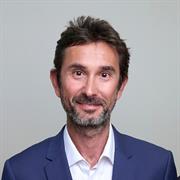
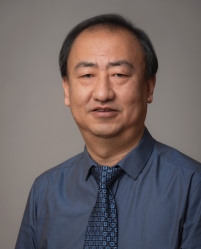
Dr. Andrey Molotnikov is an Associate Professor in Additive Manufacturing and Director of the RMIT Centre for Additive Manufacturing at RMIT University's School of Engineering. His expertise spans additive manufacturing, computational materials science, and multi-material 3D printing. He leads a research team of 8 academics, multiple postdocs, and 10 PhD students, focusing on innovations like multi-material printing, high entropy alloys, and in-process quality assurance. Key research themes include architectured materials, computational modeling of solidification processes, and fatigue analysis of additively manufactured components. His work has resulted in over 80 publications (h-index 29) and several patents, with industry collaborations driving technology adoption. Recent publications (2022–2025) emphasize advancements in laser-based processes, defect detection via machine learning, and biomedical applications of additive manufacturing. He actively supervises research projects on topics such as hierarchical lattice structures and hybrid materials, supported by ARC grants and industry partnerships. Dr. Molotnikov’s labs and teams prioritize cross-disciplinary collaboration, aiming to bridge computational modeling with practical manufacturing solutions. His research addresses challenges in material compatibility, process optimization, and structural integrity of AM components.
Professor Yun-Bao Jiang is a full Professor in the Department of Chemistry, College of Chemistry and Chemical Engineering, Xiamen University, China. Since obtaining his PhD from the same university in 1990 he has built an internationally recognized research programme in supramolecular photochemical sensing, chiral amplification and single-molecule fluorescence spectroscopy, publishing >200 papers and accumulating >7 000 citations. Education BS 1984 – Xiamen University MS 1987 – Xiamen University PhD 1990 – Xiamen University (Advisor: Prof. Chen Guozhen) Research interests Jiang’s group develops photo-induced electron/proton-transfer systems for fluorescence sensing and biomolecular recognition. Core themes include: (i) signal amplification via controlled aggregation; (ii) chiral induction, memory and amplification in helical supramolecular polymers; (iii) single-molecule detection by fluorescence correlation spectroscopy; and (iv) designer chemosensors for saccharides, amino-acids, anions and heavy-metal ions. Recent work Recent articles (2022-2025) exploit π-conjugated molecular tubes, Ag(I)-thiol coordination polymers and peptide-derived azamacrocycles to create unprecedented anti-S-shaped CD-ee correlations, heterochiral β-turn scaffolds and 2-D supramolecular arrays, pushing the envelope of chiral sensing and optical imaging. Honours & awards Ministry of Education Natural Science Second Prize Chinese Chemical Society Young Chemist Award China Youth Science & Technology Award (5th) Fok Ying-Tong Young Teacher Award Fujian “Yunsheng” Youth Science & Technology Award State Council Special Government Allowance Humboldt Foundation Fellowship Volkswagen Foundation Research Grant Fellow of the Royal Society of Chemistry (2014) Grants & advising He currently leads three ongoing NSFC projects (2023-2026) on sub-nanometre Ag + -thiol coordination polymers, 2-D π-tube arrays and precision construction of multi-level chiral materials. A 30-member team (post-docs, PhD and Master candidates) operates in four contiguous laboratories (Rooms 531-538) equipped with home-built nanosecond lifetime spectrometers, FCS setups and modern synthetic facilities. Editorial & outreach roles Jiang serves on the editorial/advisory boards of ACS Sensors , Supramolecular Chemistry , Photochem. Photobiol. Sci. , Analytical Chemistry and several Chinese journals, and is a council member of the Chinese Chemical Society.
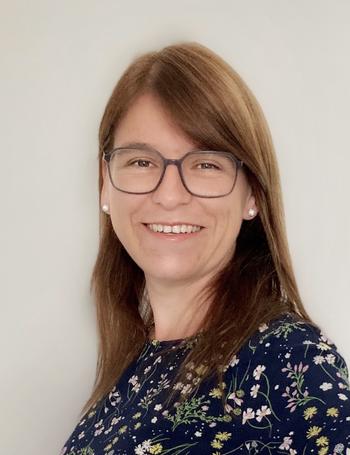
Anne Seidlitz is a Professor of Pharmaceutical Technology at the Free University of Berlin since October 2024, previously holding the same position at Heinrich Heine University Düsseldorf (2021-2024). Affiliated with the Institute of Pharmacy , she leads the Seidlitz Pharmaceutical Technology Group , focusing on solid dosage forms and biorelevant drug release studies using 3D printing and hydrogel compartments . Doctorate in Pharmaceutical Technology (Greifswald, 2009) Habilitation in Natural Sciences (Greifswald, 2015) Qualified Person under German Medicines Act (AMG) Visiting Professorships: Hamburg, Jena Research Interests: Formulation development for implants , intravitreal injections , and subcutaneous delivery systems , with emphasis on biorelevant dissolution testing under physiological flow/movement conditions. Her group pioneers 3D-printed drug delivery devices and custom hydrogel models for vitreal , ear canal , and vascular implants . Publication Trends: Recent articles focus on thermal stability of steroids during extrusion, individualized implant design , and hydrogel compartments for non-oral dissolution testing . Key collaborations include EUFEPS Network and APV (Association for Pharmaceutical Process Engineering). Scientific Involvement: Member of EUFEPS Network on Bioavailability Scientific Council, German Federal Chamber of Pharmacists Active in APV (Arbeitsgemeinschaft für Pharmazeutische Verfahrenstechnik) Student Supervision: Mentored 24+ theses including 3D-printed tablets , implant coatings , and vitreal drug distribution . Collaborates with institutions in Düsseldorf , Jena , and Hamburg .
Luigi Manfredi is a Senior Lecturer and Principal Investigator at the University of Dundee's Respiratory Medicine and Gastroenterology department. He completed his PhD and Post-Doc at the Biorobotics Institute in Pisa, Italy, before joining Dundee in 2011 as Project Coordinator for the ERC-funded CODIR project and Co-Investigator for CARPE. His research focuses on developing soft materials and endorobots for GI tract screening and treatment. Key achievements include winning the Surgical Innovation Award (2013) and Dundee Venture Competition (2020) for low-cost colonoscope proposals. Education: PGCAPHE Fellowship Module with Advance HE (2022–2024). Research expertise spans actuators, colonoscopy technologies, bio-inspired robotics, and shape-memory alloys. He has led projects like SoftEn (EPSRC-funded) and Softech High Growth Phase 1. Over 56 publications highlight contributions to medical robotics and endoscopic innovation. Recent work emphasizes ergonomics in robotic endoscopy, monocular depth estimation for autonomous colonoscopy, and AI-driven solutions for colorectal screening. Editorial roles include Frontiers in Robotics and AI. Active collaborations involve global institutions, focusing on self-supervised depth estimation and lumen detection technologies.
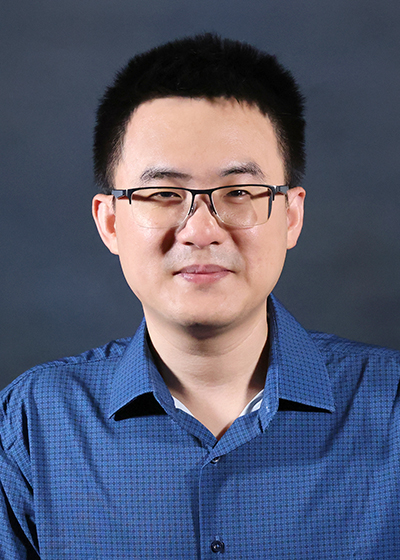
Dr. Xiong Yi is an Assistant Professor at the School of System Design and Intelligent Manufacturing (SDIM) at Southern University of Science and Technology (SUSTech) in Shenzhen, China. He leads the Computational Design and Fabrication (CoDeFab) research group, focusing on the integration of computational design methods with advanced manufacturing technologies, particularly in the field of additive manufacturing. Dr. Xiong has established himself as a leading researcher in computational design for additive manufacturing, with a strong international research background spanning Europe and Asia. Dr. Xiong's educational journey includes: Doctor of Science (DSc) in Engineering Design and Production from Aalto University, Finland (2012-2016) Master of Science (MSc) in Machine Automation from Tampere University of Technology, Finland (2010-2012) Bachelor of Engineering (BEng) in Mechanical Engineering from Hubei University of Technology, China (2006-2010) Dr. Xiong's research primarily focuses on computational design and fabrication methodologies, with particular emphasis on design for additive manufacturing (DfAM), intelligent manufacturing systems, and smart materials. His work bridges the gap between theoretical design principles and practical manufacturing constraints, developing novel approaches for the production of complex engineered products. He has pioneered research in continuous fiber-reinforced composite additive manufacturing, developing innovative process planning and optimization techniques that enable the production of high-performance structural components. His research in electrothermally controlled origami and 4D printing of smart materials represents cutting-edge work at the intersection of materials science, mechanical engineering, and computational design. Dr. Xiong's recent publications reveal a strong focus on continuous fiber-reinforced composites, with significant contributions to 4D printing, metamaterials, and intelligent process planning. His work integrates computational design with manufacturing constraints, creating novel approaches for topology optimization, toolpath planning, and structural design that consider both performance requirements and manufacturability limitations. The research demonstrates increasing sophistication in materials science applications, particularly in programmable materials and multi-functional structures. Dr. Xiong has received multiple prestigious awards for his research contributions, including: Best Presentation Award at the 24th Chinese Conference on Mechanisms and Machine Science (IFToMM CCMMS2024) Best Presentation Award at the International Conference on Frontiers of Additive Manufacturing Research (RAAM 2024) Best Paper Award at the International Conference on Design for 3D Printing (ICD3DP 2023) PhD Scholarship from Aalto University (2016) Research Travel Grant from the International Association for Vehicle System Dynamics (IAVSD) (2013) National Scholarship from the Ministry of Education (2008) As a dedicated educator and mentor, Dr. Xiong serves as a PhD supervisor at SUSTech and has successfully guided students who have gone on to pursue advanced studies and careers at prestigious institutions including Hong Kong Polytechnic University, Beihang University, DJI Innovations, and Singapore's A*STAR research institute. His research is supported by multiple competitive grants, including key projects from the National Key R&D Program of China, the National Natural Science Foundation of China, and provincial and municipal funding agencies. Dr. Xiong also serves on the editorial board of the Journal of Engineering Design and as a guest editor for Composites Communications, contributing to the advancement of his field through scholarly service. Dr. Xiong leads the CoDeFab research group, which maintains a strong collaborative culture focused on 'design leading manufacturing, manufacturing driving design, and digital-intelligent integration.' The group has developed several advanced manufacturing platforms, including multi-axis continuous fiber-reinforced composite additive manufacturing systems, smart composite additive manufacturing platforms, and multifunctional soft matter open manufacturing platforms. With a focus on practical applications and innovation, the CoDeFab group actively collaborates with industry partners and has established a joint laboratory to bridge academic research with industrial implementation.
Yingbin Hu is an Assistant Professor in the Industrial and Systems Engineering Department at Mississippi State University (MSU), part of the Bagley College of Engineering. Prior to joining MSU in 2024, he held an Assistant Professor position at Miami University. His educational background includes a Ph.D. in Industrial Engineering from Texas Tech University (2019), an M.S. in Manufacturing Engineering from the University of Texas-Rio Grande Valley (2015), and a B.S. in Mechanical Engineering from Shandong University (2013). Dr. Hu’s research focuses on additive manufacturing, materials processing, and advanced machining, with specializations in composite materials, laser-assisted manufacturing, and ultrasonic vibration techniques. His work has yielded over 70 peer-reviewed publications in journals like Composites Part B: Engineering and Additive Manufacturing , along with patents and conference contributions. He received the Miami University Junior Faculty Scholar Award and serves as an associate editor for Materials and guest editor for multiple journals. His research interests include: (1) additive manufacturing of composites, ceramics, and biomaterials; (2) ultrasonic vibration-assisted laser additive manufacturing; (3) laser alloying of metallic materials; and (4) rotary ultrasonic machining of hard materials. His contributions bridge fundamental material science with advanced manufacturing processes. Lab Affiliation: The AIM Laboratory (Additive Manufacturing & Innovation) Professional Memberships: SME, ASME, IISE Dr. Hu’s work emphasizes sustainable and high-performance material systems, with applications in biomedical engineering, aerospace, and advanced manufacturing. His recent articles explore 4D printing, functional graded ceramics, and acoustic field-assisted additive manufacturing techniques.
Professor Hongbin Li is a Professor and Canada Research Chair in the Department of Chemistry at the University of British Columbia. His research program focuses on single molecule biophysical chemistry, biomaterials, and protein engineering. He leads an active research group investigating the mechanical properties and conformational dynamics of elastic proteins using advanced single molecule techniques. Professor Li received his B.Sc in Polymer Engineering from Tianjin University, China in 1993. He earned his Ph.D. in Polymer Chemistry and Physics from Jilin University, China in 1998 under the supervision of Profs. Jiacong Shen, Xi Zhang and Hermann E. Gaub. During his doctoral studies, he was a visiting PhD student at Ludwig-Maximilians-Universität München, Germany (1996-1997) working with Prof. Hermann E. Gaub. Following his Ph.D., he completed a Research Fellowship at Mayo Medical Center, USA (1999-2002) with Prof. Julio M. Fernandez. Professor Li's research program centers on understanding the mechanical properties and conformational dynamics of elastic proteins at the single molecule level. His laboratory combines protein engineering with single molecule atomic force microscopy (AFM) and computational approaches to rationally design and engineer proteins with tailored mechanical properties. Using AFM as their primary tool, his team directly manipulates proteins one molecule at a time to measure mechanical properties and monitor folding/unfolding trajectories in real time. His research spans four main directions: (1) Protein Mechanics and Engineering, where they design proteins with specific mechanical properties; (2) Single Protein Folding/Unfolding Dynamics, investigating folding mechanisms at the single molecule level; (3) Protein-based Biomaterials, designing biomaterials with tailored mechanical properties for biomedical applications; and (4) Polymer physical chemistry using single molecule AFM. His work bridges fundamental protein mechanics with practical applications in biomaterials design. Professor Li has received numerous prestigious awards recognizing his contributions to biophysical chemistry and protein engineering: 2020: AAAS Fellow (the American Association for the Advancement of Science) 2012: Changjiang Guest Chair Professorship (Jilin University, China) 2011: JILA Visiting Fellowship (JILA and University of Colorado, Boulder) 2011: Alexander von Humboldt Fellowship (Technical University of Munich, Germany) 2010: JILA Distinguished Short-term Visiting Fellow 2010: Charles McDowell Award for Research (UBC) 2006: Michael Smith Foundation for Health Research Career Investigator Award 2005: Peter Wall Institute for Advanced Studies Early Career Award (UBC) Professor Li has mentored numerous graduate students and postdoctoral fellows throughout his career at UBC. His research has been supported by multiple grants, including his Canada Research Chair position which he has held continuously since 2004. His work bridges chemistry, physics, and biology, attracting funding from diverse sources including the Natural Sciences and Engineering Research Council of Canada (NSERC), the Michael Smith Foundation for Health Research, and international collaborations. His laboratory maintains strong connections with research groups worldwide, particularly in China and Germany, reflecting his international research profile. Professor Li leads an active research group within the Department of Chemistry at UBC that combines expertise in protein engineering, single molecule biophysics, and biomaterials science. His laboratory is equipped with state-of-the-art atomic force microscopes and optical trapping systems, enabling cutting-edge single molecule studies. The group maintains close collaborations with researchers in the Michael Smith Laboratories and other interdisciplinary centers at UBC, fostering a highly collaborative research environment focused on understanding protein mechanics and developing novel protein-based materials.
Dr. Mingfeng Wang is a Senior Lecturer in Robotics and Autonomous Systems at Brunel University London, affiliated with the Department of Mechanical and Aerospace Engineering within the College of Engineering, Design and Physical Sciences. His research focuses on specialized robotic systems including continuum, legged, soft, precision farming, and miniaturized robots. Chartered Engineer (CEng) with Engineering Council UK Fellow of the Higher Education Academy (FHEA) Member of IEEE, IEEE-RAS, IMechE, and IFToMM Editorial roles: Associate Editor of International Journal of Advanced Robotic Systems (JCR-Q3); Associate Editor of Frontiers in Robotics and AI (JCR-Q2); Editor of Information Processing in Agriculture (JCR-Q1), Biomimetic Intelligence and Robotics (JCR-Q1), and STEM Education Research expertise includes: Continuum Robotics : Design of extra-slender continuum robots (diameter-to-length ratio Legged Robotics : Parallel mechanism-based biped and hexapod robots for extreme environments Miniaturized Robotics : Active locomotion and drug delivery in capsule endoscopes Soft Robotics : Compliant end-effectors and bio-inspired designs Precision Farming : Laser weeding systems and agricultural automation Key scientific awards: BRIEF award (2022) TAROS Best Paper Post Nomination (2022) IFToMM Asian-MMS Best Paper Award (2014) Recent publications focus on: Cochlear implant surgery robotics Passive compliance in train fluid servicing Snake-biomimetic sealing surfaces Parallel kinematic manipulators Capsule endoscope image enhancement Professional services include conference organization (TAROS 2023/2024 Steering Committee; TAROS 2024 Programme Chair) and journal refereeing for IEEE-ASME Transactions on Mechatronics and Scientific Reports.
T. Randall Lee is the Cullen Distinguished University Chair and NSM Associate Dean for Research in the Department of Chemistry at the University of Houston. He holds a joint appointment in the William A. Brookshire Department of Chemical and Biomolecular Engineering. He earned his Ph.D. in Chemistry from Harvard University in 1991 and completed a postdoctoral fellowship at Caltech. His research focuses on nanoparticle synthesis, self-assembled monolayers (SAMs), biomedical materials, and photocatalytic systems. Key projects include developing magnetic nanoparticles for hyperthermia therapy, antifouling coatings, and smart drug delivery systems. His work spans collaborations with chemical engineers, physicists, and biomedical researchers to advance materials science and energy applications. Education: Ph.D., Harvard University, 1991 B.A., Rice University, Magna Cum Laude, 1985 NIH Postdoctoral Fellow, California Institute of Technology, 1991–1993 Research interests emphasize organic and materials research chemistry, with six core areas: fluorinated thin films, complex organic interfaces, biologically active surfaces, nanoparticle manipulation, polymer science, and catalysis. His group employs advanced techniques like AFM, SEM, and sum frequency generation spectroscopy. Current projects include SAM-based biomedical applications and plasmonic nanoparticle systems. Labs and teams collaborate on interdisciplinary projects, such as nanocomposites for energy harvesting and environmental remediation. Future work aims to expand applications in cancer therapy and sustainable materials.
Kelly Burke is an Associate Professor and Department Head at the University of Connecticut’s College of Engineering. She holds a Ph.D. in Polymer Science from Case Western Reserve University (2010). Her research focuses on synthesizing functional polymeric materials, including liquid crystalline materials, stimuli-responsive polymers, and biocompatible biomaterials for medical and sustainability applications. She has held leadership roles such as Director of the Polymer Science Program (2021–2024) and previously served as an Assistant Professor (2014–2021) and Postdoctoral Scholar (2010–2013) at Tufts University. Burke has received prestigious awards, including the NIH MIRA (2022) and NSF CAREER (2020) awards. Education: Ph.D., Case Western Reserve University, 2010 Research Interests: Her lab explores liquid crystalline polymers for shape-memory applications, biopolymers like silk for medical devices, and materials to modulate inflammation. Projects include biodegradable linkers in liquid crystalline networks and functionalized silk surfaces for drug delivery. Research areas span biomaterials engineering, sustainable polymers, and regenerative medicine. Publications: Her work spans liquid crystalline materials, silk-based adhesives, and biomedical applications. Recent studies include 3D-printed silk constructs for tissue engineering and electrocaloric polymers for energy applications. Awards: National Institutes of Health Maximizing Investigators’ Research Award (2022) American Chemical Society Young Investigator Award (2022) National Science Foundation CAREER Award (2020) Grants & Labs: Leads the Burke Laboratory for Polymeric Materials, focusing on advanced materials for medical and sustainable uses. Her NSF and NIH grants support research into shape-memory polymers and biomaterials for chronic disease modulation. Labs/Teams: The Burke Lab collaborates on projects involving silk fibroin conjugates, electrocaloric materials, and biocompatible composites. Facilities include advanced characterization tools for polymer synthesis and biomaterial testing.
Professor Luyi Sun is a faculty member at the University of Connecticut in the Department of Chemical and Biomolecular Engineering. He earned his Ph.D. from The University of Alabama in 2004 and has held academic positions at Texas State University and Texas A&M University before joining UConn. Current research focuses on multi-functional nanostructured materials for structural, environmental, and energy applications. Specializes in polymer nanocomposites, wearable electronics, soft robotics, and stimuli-responsive materials. Develops green science solutions using biomass-derived materials and novel polymer processing techniques. Recent publications highlight advancements in 4D printing of polymers, MXene-based flexible electronics, and defect engineering in photocatalysts. His work spans nanoscale design for energy storage, flame-retardant coatings, and self-assembled nanosheets for dielectric performance. Awards include Fellow of the National Academy of Inventors, Morand Lambla Award, and Composites Educator of the Year. Professional memberships span American Chemical Society (ACS), American Institute of Chemical Engineers (AIChE), and Society of Plastics Engineers (SPE). 2021 Fellow of the National Academy of Inventors 2020 Morand Lambla Award (Polymer Processing Society) 2018 Composites Educator of the Year (SPE) 2016 Fellow of the Royal Society of Chemistry and SPE His lab develops scalable methods like rotational coating and doctor-blade-assisted casting for thin nanocomposite films. Research includes bio-inspired mechanochromisms, superhydrophilic silica coatings, and enzyme-linked microneedle patches for diabetic wound healing. Current projects explore 4D-printed nerve guidance conduits, dual photo-mechano-responsive materials, and sustainable phase change materials for thermal energy storage.
Dr. Matthieu Gresil is a Senior Lecturer in both the Department of Materials Science and Engineering and the Department of Mechanical and Aerospace Engineering at Monash University. He joined Monash in 2020 and leads the Circular Plastic Research Node within the Faculty of Engineering, focusing on advancing sustainable materials and recycling technologies. His expertise spans multifunctional composites, vitrimers, bio-based materials, and structural health monitoring. Gresil holds a PhD from École Normale Supérieure of Cachan (2009), with postdoctoral experience at the University of South Carolina and the University of Manchester. Education: BSc in Physics, University of Nantes (2004) MSc in Physics (Matter and Materials), University of Nantes (2006) PhD in Physics/Materials, École Normale Supérieure of Cachan (2009) Research Interests: Multifunctional composites (health monitoring, self-healing) Vitrimers and bio-based polymers Nanocomposites and recycling technologies Bio-inspired morphing materials via 3D printing and nanotechnology Grants and Projects: "Vitrimer composites - a new material for Defence applications" (2025–2026) "Developing vitrimers: next generation reusable plastics" (2024–2027) "Recycled Materials for Tram Stop Platforms" (2021–2024) Labs and Roles: Leads the Circular Plastic Research Node, fostering collaboration on sustainable materials and circular economy initiatives.
Goong Chen is a Professor at Texas A&M University (TAMU) within the College of Arts & Sciences. His research focuses on Control Theory, Applied Mathematics, and interdisciplinary applications in computational mechanics, fluid dynamics, and quantum systems. He holds a Ph.D. from the University of Wisconsin (1977) and a B.S. from National Tsing-Hua University (1972). His research interests span computational biomechanics, forensic modeling, nanofluidics, and mathematical physics. Recent work includes modal analysis of animal motion, crash mechanics of aircraft, and forensic reconstruction of disasters. He has contributed to theoretical advancements in PDEs, nonlinear dynamics, and quantum computing. Chen’s articles address cutting-edge topics like thermoelastic plates, Volterra equations, and DFIM systems. He has pioneered numerical methods for complex systems using OpenFOAM and finite element techniques. His computational models have been applied to real-world scenarios such as submarine implosions and chemical warfare forensics. No academic awards are explicitly listed, but his extensive publication record reflects significant contributions to applied mathematics and engineering. He leads research teams focused on interdisciplinary challenges in computational science and engineering.
Dr. Yasmine Abdin serves as an Assistant Professor in the Department of Materials Engineering within the Faculty of Applied Science at the University of British Columbia (UBC). Her research focuses on advancing polymer matrix composite materials through innovative digital simulation and probabilistic design methodologies. Her academic credentials include: B.Sc. from KU Leuven M.Sc. from KU Leuven Ph.D. from KU Leuven Dr. Abdin's research program centers on overcoming limitations in composite material durability through probabilistic design frameworks and multi-scale modeling. She integrates finite element analysis, machine learning, and Industry 4.0 technologies to predict structural reliability under stochastic service conditions, with emphasis on damage tolerance, manufacturing-process-structure relationships, and optimization of carbon fiber production from sustainable precursors like lignin and asphaltenes. Her recent publications (2023-2025) demonstrate strong focus on sustainable composite manufacturing, including carbon fiber production from renewable resources, 4D printing of shape memory polymers, flax fiber-reinforced composites, cellulose nanofibril modification, and fatigue behavior analysis. Key thematic trends include the convergence of digital twin technologies with composite manufacturing, sustainable precursor development, and the application of machine learning to enhance modeling efficiency in structural reliability prediction. Information regarding doctoral students, research grants, laboratory facilities, or scientific awards was not provided in available sources.
Julianna Abel is an Associate Professor in the Department of Mechanical Engineering at the University of Minnesota and serves as the Director of the Design of Active Materials and Structures Lab. Her research focuses on smart materials, wearable technology, and biomedical applications of shape memory alloys (SMAs). Research Interests : Smart materials, aerospace structures, medical devices, and consumer product design. Laboratory : Design of Active Materials and Structures Lab Her recent work explores multifunctional active yarns, dynamic compression garments, and SMA-based textiles for medical and aerospace applications. Articles highlight themes of thermomechanical actuation, textile engineering, and wearable systems. Scientific Awards : NSF CAREER Award (2020) She has contributed extensively to soft robotics, medical compression devices, and hierarchical active textile architectures.