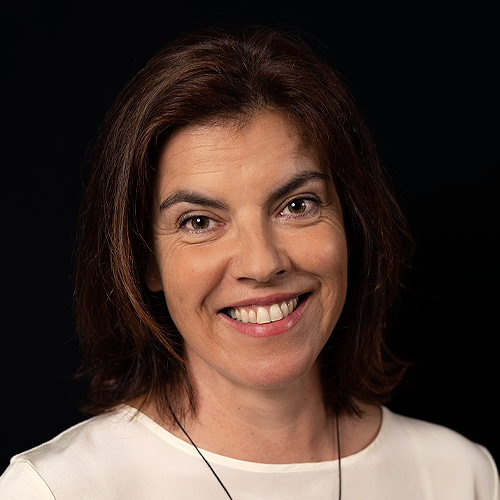
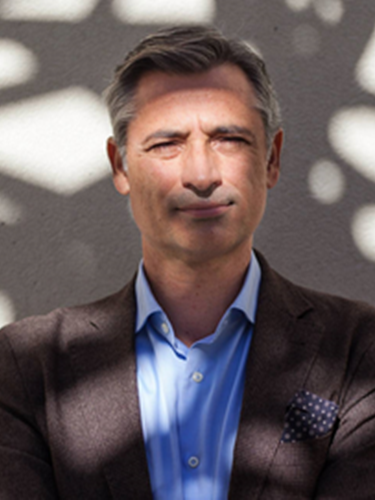
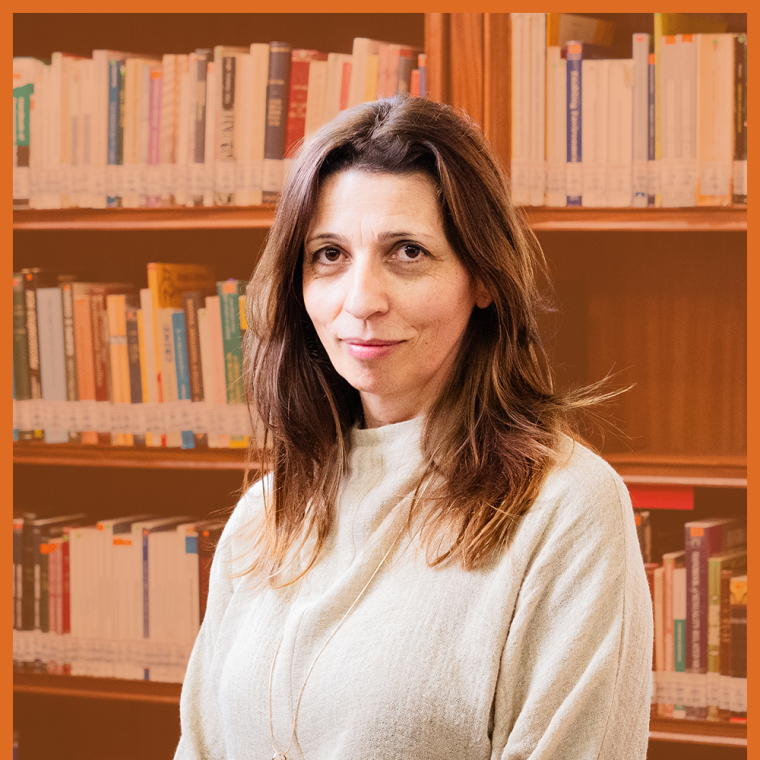
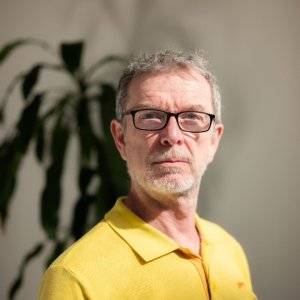
Ana Alexandra Carvalheira is an Assistant Professor at the School of Psychology and Behavioral Sciences, affiliated with ISPA – Instituto Universitário (email: acarvalheira@ispa.pt). Her research focuses on the psychology of sexuality, sexual problems and dysfunctions, and sexuality in aging. Research Interests: Psychology of sexuality Sexual problems and dysfunctions Sexuality in aging
Carlos Alberto Poiares is a Professor at Universidade Lusófona in Lisbon, Portugal, affiliated with the School of Psychology and the Department of Forensic Psychology. He holds a PhD in Psychology, an Aggregate Title in Educational Sciences – Social Education, and a Bachelor’s degree in Law, reflecting his interdisciplinary expertise in psychology and legal systems. His educational background includes: Bachelor’s degree in Law PhD in Psychology Aggregate Title in Educational Sciences – Social Education Dr. Poiares specializes in forensic psychology, with a strong focus on juvenile delinquency, psychopathy, aggression, testimony credibility, and the psychological factors influencing judicial sentencing. His research explores non-legal motivations in sentencing, domestic and elderly abuse, and the development of risk prevention programs for youth and vulnerable populations. He has extensively studied narcissism, self-esteem, and behavioral adjustment in forensic and school contexts. The analysis of his recent publications (2011–2022) reveals a consistent emphasis on psychometric validation of psychological instruments in Portuguese populations, forensic assessment tools, and interdisciplinary research bridging psychology, law, and criminology. His work spans clinical, social, and legal domains, with increasing attention to ethical and procedural aspects in public defense and expert testimony. He has supervised over 65 master’s and doctoral theses, primarily in forensic psychology, indicating a significant role in academic mentoring and research guidance. His students have explored topics such as juvenile delinquency, sentencing psychology, domestic violence, and intervention programs. Carlos Alberto Poiares is actively involved in research dissemination through book chapters and journal articles, with recent contributions to judicial psychology and deviant behavior. His work is associated with the university’s research portal (PURE) and he holds an ORCID identifier (0000-0002-0633-3530), affirming his scholarly presence.
Patricia M. Pascoal is a Clinical Psychologist and sex therapist affiliated with the University of Coimbra through her academic background and research collaborations. She holds a European Doctorate in Clinical Psychology and is accredited by the Portuguese Association of Behavioral Psychotherapy as a psychotherapist and supervisor. Her work spans institutions like the School of Psychology and Life Sciences and partnerships with the European Society for Sexual Medicine . Bachelor's and Master's in Cognitive-Behavioral Clinical Psychology (University of Coimbra) European Doctorate in Clinical Psychology (2012) Her research focuses on sexual distress , body dissatisfaction , cognitive distraction , and mental health in diverse populations including LGB+, pregnant women, and transgender individuals. She employs qualitative studies , mediation models , and thematic analysis in her work. Recent publications include studies on: CBT-transdiagnostic online interventions for LGB+ populations Transgender healthcare training impacts Body image and sexual satisfaction relationships She has received scientific awards such as: Best Reviewer (2016) Outstanding Reviewer (2017) Mediation Model Research Award (2018) Her professional activities include: Organizing conferences in sexual medicine Editorial work in psychological journals Leadership roles in international associations
Dr. José Alberto Ribeiro-Gonçalves serves as a Researcher within the Health Team at ISPA - University Institute of Psychological, Social and Life Sciences, specializing in Clinical Psychology with a focus on aging populations. His institutional affiliation centers on interdisciplinary health research addressing critical gaps in senior care. His primary research investigates mental and physical health dynamics in older adults, with concentrated expertise in sexuality and intimate relationships during later life, alongside resource development for older sexual minorities navigating stigma and discrimination. Additional scholarly pursuits encompass geriatric disease management, sexual function/dysfunction analysis, lifespan narrative studies, and sleep quality assessment in geriatric contexts. Recent publications (2019-2024) reveal consistent methodological emphasis on Portuguese LGBTQ+ seniors, utilizing life course frameworks to examine resilience pathways, community connectedness, and double-stigma impacts on health outcomes. Cross-cutting themes include structural ageism, minority stress, and culturally tailored mental health interventions within Iberian aging populations. Dr. Ribeiro-Gonçalves operates within ISPA's Health Team, collaborating extensively with researchers like P.A. Costa and I. Leal on nationally contextualized studies. His work demonstrates strong institutional integration through co-authored publications and active engagement with geriatric mental health discourse in Portuguese academic circles.
Jorge Alexandre Gaspar Oliveira is an Associate Professor at Lusófona University's School of Psychology and Life Sciences in Lisbon, Portugal. He coordinates the Master's programs in Applied Neuropsychology, Cognitive Science, and Education, and serves as Vice-Director of the Master's programs in Cybertherapy and Neurocognitive Rehabilitation. He also leads the psychology branch of the Erasmus Mundus Joint Master in Cyberspace Behavior and E-Therapy. His educational background includes a PhD in Clinical Neuropsychology from the University of Salamanca in Spain, a DEA (Diploma de Estudios Avanzados), and a Bachelor's degree in Psychology. He has received recognition for his doctoral thesis at the University of Salamanca. Oliveira's research focuses on the application of virtual reality and serious games in neuropsychological assessment and rehabilitation. His work spans cognitive rehabilitation for dementia, stroke recovery, substance use disorders, and anxiety conditions. At HEI-Lab (Digital Human-Environment Interaction Lab), he investigates how technology can enhance therapeutic outcomes through immersive environments and biofeedback systems. His recent publications demonstrate a strong emphasis on developing ecologically valid assessment tools and interventions that translate to real-world functioning. Analysis of his 15 most recent publications reveals a consistent pattern of innovation in virtual reality applications across multiple domains of psychological intervention. His work bridges clinical psychology with technological innovation, particularly in creating adaptive VR environments that respond to user physiological data. The publications span clinical applications for diverse populations including police officers, elderly individuals with dementia, patients with brain injuries, and those with substance use disorders. Award for thesis at University of Salamanca Oliveira has supervised over 30 Master's dissertations and 3 doctoral theses, demonstrating his commitment to academic mentorship. His research extends beyond traditional academic boundaries through ImmersiveLives, a spin-off company he co-founded that likely translates his research into practical applications. He serves on the Ethical and Deontological Committee for Scientific Research (CEDIC) at Lusófona University's School of Psychology and Life Sciences, reflecting his engagement with research ethics. His work on health literacy, as seen in the 2022 Portuguese population study, shows his contribution to public health initiatives beyond clinical psychology. At HEI-Lab: Digital Human-Environment Interaction Lab, Oliveira leads a research team developing and testing virtual reality applications for cognitive assessment and rehabilitation. His projects often involve interdisciplinary collaboration across psychology, computer science, and healthcare fields, creating comprehensive intervention approaches that combine technological innovation with clinical expertise.
Cátia Margarida Dos Santos Pereira De Oliveira is an Assistant Professor at Lusófona University, where she teaches Clinical and CBT curricular units in Master's and PhD courses. She is a cognitive-behavioral psychologist, supervisor, and sex therapist with 20 years of private practice experience and is the Director of the Psychology Service at Lusófona University. PhD in Clinical Psychology (2013) from University of Aveiro Master's in Clinical Psychology (2008) from University of Trás-os-Montes e Alto Douro Undergraduate in Psychology (2004) from University of Coimbra Her research focuses on sexual health, particularly sexual pain and dysfunction, with a strong emphasis on cognitive-behavioral therapy, mindfulness, and biopsychosocial variables. She leads the HEI-Lab: Digital Human-Environment Interaction Lab at Lusófona and collaborates with Porto University's Research Group in Human Sexuality. Recent publications highlight her work on mindfulness applications for sexual distress, biopsychosocial correlates of sexual pain, and digital interventions for sexual health. She contributes to editorial boards of The Journal of Sexual Medicine and the Journal of Sex Research. Grant for PhD and postdoc studies on biopsychosocial variables in sexual pain She supervises 2 PhD and 7 Master’s students, serves on scientific committees of international sexuality congresses, and provides clinical supervision for master students in internships. Her teaching roles span transdiagnostic approaches, online interventions, and third-wave CBT techniques.
Pedro Nobre serves as Full Professor of Psychology and Director of the Faculty of Psychology and Educational Sciences at the University of Porto. He is immediate Past-President of the World Association for Sexual Health (WAS), former Director of the Center for Psychology (CPUP), and ex-Director of the Doctoral Program in Human Sexuality at the same institution. His research specializes in: Clinical Sexology - Psychological factors of sexual dysfunctions and evidence-based treatments Sexual Health Models - Development of the Cognitive-Emotional Model of Sexual Dysfunction Neuropsychophysiological Correlates - Brain-body interactions in sexual function Psychosocial Predictors - Sociocultural determinants of sexual well-being As Principal Investigator, he secured over €1.2 million in competitive funding and founded the Laboratory for Research in Human Sexuality (SexLab) in 2009. He maintains global influence through roles as WAS-World Health Organization focal point and developer of the World Database on Sexual Health.
Patricia Cristina da Silva Figueiredo is affiliated with the School of Psychology and Life Sciences and the Faculty of Psychology and Education at the University of Porto. Her research focuses on Psychopathy and callous-unemotional traits Adolescent behavioral disorders Self-regulation and empathy mechanisms Psychometric validation of forensic tools Hormonal biomarkers in antisocial behavior Recent work explores the mediating role of self-regulation in aggression and trauma-related pathways to sexual violence perpetration. She has authored 27 research outputs and 5 press/media features, including systematic reviews and meta-analyses on psychopathy, empathy, and neuroendocrine factors. Notable trends include interdisciplinary applications of psychometrics to criminology and forensic psychology. Scientific contributions include: Meta-analytic frameworks for psychopathy research Validation of empathy scales for forensic populations Investigations into hormonal biomarkers (e.g., estradiol, DHEA) Systematic reviews on adolescent antisocial behavior Intervention program evaluations for trauma-related conduct issues
Maria Helena Rodrigues Moreira is an Associate Professor with Habilitation in Sports Science at the University of Trás-os-Montes and Alto Douro, where she has been employed since 2001. She progressed from Assistant Professor to her current position starting in July 2021, specializing in Exercise and Health within Sport Sciences. Her academic career spans over two decades at the same institution, demonstrating significant commitment to her field. Dr. Moreira's research primarily focuses on women's health across the lifespan, with particular emphasis on postmenopausal populations. Her work explores the intersection of physical activity, body composition, and health outcomes, with growing interest in green exercise and nature-based interventions. She investigates how environmental contexts for physical activity influence health metrics, quality of life, and psychological wellbeing in aging women. Analysis of her recent publications reveals a strong thematic focus on postmenopausal health, with consistent examination of how physical activity interventions affect body composition, cardiovascular markers, mental health, and quality of life. Her research increasingly incorporates ecological and environmental perspectives, particularly examining how natural settings for exercise influence outcomes beyond traditional gym-based approaches. The Meno(s)Pausa+Movimento project appears to be a significant ongoing research initiative. Dr. Moreira has secured substantial research funding through multiple competitive grants, primarily from Portuguese funding agencies (Fundação para a Ciência e a Tecnologia), European programs (Interreg, Erasmus+), and national sports institutes. Her projects often involve international collaborations across European institutions, focusing on physical activity promotion, health monitoring systems, and transnational research initiatives related to aging populations. She actively collaborates with researchers across multiple institutions, frequently appearing as a co-author with colleagues from Portugal and Spain. Her work appears in reputable journals across exercise science, women's health, and environmental health domains, demonstrating interdisciplinary reach while maintaining a consistent focus on her core research interests in women's health and physical activity.
Patrícia M. Pascoal is an Invited Assistant Professor at Universidade Lusófona and Faculty of Medicine in Lisbon, where she has coordinated multiple academic programs including the undergraduate degree in Psychology, the Master in Clinical and Health Psychology, the PhD in Clinical Psychology, and the Master in Sexology. She is a licensed cognitive-behavioral psychotherapist (CBT), CBT psychotherapy supervisor, and sex therapist with extensive clinical experience in public mental health services. Her educational background includes a European PhD in Clinical Psychology, a Master's in Psychology with a focus on Clinical Cognitive-Behavioral and Systemic Psychology, and a Master's in Film and Television Studies. She has also earned numerous specialized certifications in Cognitive-Behavioral Psychotherapy, Sexology, Clinical Sexology, and Advanced Methods of Data Analysis. Dr. Pascoal's research focuses on emotional, psychological, and interpersonal factors associated with sexual health and problems, with particular attention to neglected topics such as positive outcomes in sexuality and lay people's meanings of sexual concepts, as well as underserved populations including LGB+ individuals, BDSM practitioners, and emerging adults with chronic illness. Her work employs diverse methodologies including World Café, Thematic analysis, and psychometric studies across various samples such as health professionals, emerging adults, adults, and couples. Her recent publications demonstrate a strong focus on transdiagnostic approaches to sexual distress, the impact of digital media on sexuality, transgender healthcare, and the intersection of mental health with sexual wellbeing. These works reflect her commitment to addressing gaps in sexual health research and clinical practice through innovative methodologies and attention to marginalized populations. Best Reviewer Award Outstanding Reviewer Award Deputy Editor in Chief of Sexual Medicine (open access) Editorial board member of The Journal of Sex Research Dr. Pascoal actively mentors the next generation of researchers, having supervised 9 PhD theses (nationally and internationally) and over 40 Master's theses. She previously coordinated the clinical sexology service at the Faculty of Psychology at the University of Lisbon for 9 years, which supported clinical research and trained emerging clinicians and researchers. She currently leads two funded projects as Principal Investigator, including an internet-delivered intervention for sexual distress. She maintains active involvement in professional organizations and research networks, including the European Sex research network EUROSEX, two Cost Actions (Researcher Mental Health and European Network of Sexual Medicine), and serves as Vice-chair of the Special Interest Group on Worry Rumination and Negative Repetitive Thinking at the European Association for Behavior and Cognitive Therapy.
Alexandra De Moura Coelho is an Assistant Professor in the Department of Psychology at ISPA - Instituto Universitário's School of Psychology and Behavioral Sciences. Her work focuses on grief-related phenomena and palliative care communication. Research Interests Grief Anticipatory Grief Grief Therapy Communication in Palliative Care Her academic contributions appear to align with broader psychological research trends, though specific publications aren't listed in the available data. The center's research environment emphasizes interdisciplinary approaches to psychological science.
Dr Ford Hickson serves as Associate Professor in the Department of Public Health, Environments and Society within LSHTM's Faculty of Public Health and Policy. With over three decades of research experience, he directs the MSc Public Health program and teaches core modules including Principles of Social Research, Alcohol/Tobacco/Drugs, Social Epidemiology, Health Promotion, and Sexual Health. His educational background includes a BSc in Psychology (1988), PhD in Authority, HIV and Sex between Men in England (Portsmouth University, 2008), and a BA in Opera Studies (Rose Bruford College, 2014). He co-curates the Global Queer Cinema Club and actively participates in LSHTM's LGBTQ+ Network. Hickson's research focuses on HIV/STI prevention among men who have sex with men (MSM), with particular expertise in sexual behavior patterns, chemsex, and gender/sexuality variable measurement. His work bridges epidemiological analysis with community-based interventions, emphasizing digital health solutions like the safetxt STI prevention program. Current projects address improvements in sex, gender, and sexuality variables within public health datasets. His publication portfolio shows consistent thematic focus across 135+ works, with recent outputs emphasizing mental health intersections (2025), chemsex coordination frameworks (2024), and digital intervention effectiveness (2023). The research demonstrates strong methodological diversity spanning qualitative analysis, Bayesian spatial modeling, and randomized controlled trials. Senior Fellowship of Higher Education Authority (2024) Co-authorship of England's national HIV prevention strategy "Making It Count" (1998) Leadership in National Gay Men's Sex Survey (1997-2008) European MSM Internet Survey coordination (2010, 2017) Hickson advises PhD candidates and serves on multiple committees including the Office for National Statistics' Sexual Identity Project Expert Research Group. His grant portfolio features the Taiwan-UK Sex Gender and Sexuality Health Network (ESRC-funded) and HIV prevention tool development projects. He maintains active collaboration with Sigma Research (integrated into LSHTM in 2011) and contributes to European public health initiatives through the Antimicrobial Resistance Centre and Centre for Evaluation.
Inês Margarida Matos Tavares is a researcher at the Faculty of Psychology and Education, University of Porto, and affiliated with HEI-Lab (Digital Laboratories of Environments and Human Interactions). Her work focuses on psychology, sexual well-being, and dyadic relationships, with particular emphasis on mindfulness, parenthood transitions, and systematic reviews. Current affiliations: University of Porto, HEI-Lab Research areas: Sexual psychology, interpersonal dynamics, and parental transitions Her research explores how empathic accuracy, perceived stress, and relational factors influence sexual satisfaction and dysfunction in couples. She leads scoping and systematic reviews, often analyzing dyadic diary studies to understand psychological and interpersonal dimensions of sexual health. Recent publications highlight longitudinal associations in parental couples, empathic dynamics in sexual well-being, and evidence-based guidelines for sexual medicine. These studies integrate mindfulness, mental health, and quality-of-life metrics. She actively participates in academic collaborations, including the Erasmus Mundus EMSEX program and a visiting researcher role at Malmö University. Her activities include organizing conferences, editorial work, and oral presentations at international events like the World Meeting on Sexual Medicine.
Cátia Margarida dos Santos Pereira de Oliveira is a Clinical Psychologist, Sex Therapist, and Assistant Professor at Lusófona University of Porto. She holds a PhD in Clinical Psychology from the University of Aveiro and a Psychology degree from the University of Coimbra. Her research focuses on Female and Male Sexuality , Sex Therapy , and Mindfulness , conducted at the Human Sexuality Research Laboratory Unit (SexLab) and Digital Human-Environment Interaction Lab (HEI-Lab) . Key themes include cognitive factors, comorbidity, positive/negative affect, and sexual distress. 2025: 4 publications 2024: 2 publications 2023: 2 publications She is a full member of the Psychology Center of the University of Porto (CPUP) , the Portuguese Order of Psychologists , and participated in the 27th Congress of the World Association for Sexual Health (April 2025).
Filipa Pimenta serves as an Integrated Member of the Health Team at ISPA - Instituto Universitário in Portugal. Her academic work focuses on the intersection of psychological and physical health, with particular emphasis on women's health issues across the lifespan. She maintains active research collaborations across multiple international institutions, contributing to trans-national studies in her field of expertise. Dr. Pimenta's primary research interests encompass three interconnected domains: menopause , obesity/eating behavior , and internet/smartphone addiction . Within menopause research, she investigates representations, symptom assessment, psychological interventions for vasomotor symptoms, and health promotion during the menopausal transition. Her obesity-related work examines weight maintenance factors and successful weight loss strategies, including trans-national studies. She also explores food literacy development, food addiction in adolescents, and parental supervision of children's internet use. Her methodological approach combines both quantitative and qualitative techniques to provide comprehensive insights into these complex health issues. Analysis of her recent publications (2023-2025) reveals a strong emphasis on urinary incontinence, menopause-weight interactions, and cognitive-behavioral weight management interventions. Her work frequently employs mixed-methods approaches, psychometric validation, and cross-cultural comparisons. Several ongoing projects focus on the ME-WEL (Menopause and Weight Loss) initiative, developing digital interventions for weight management in postmenopausal women and exploring the psychological aspects of weight maintenance. Dr. Pimenta actively contributes to the development and validation of research instruments, with particular focus on menopause representations, eating behaviors, and sexual health measures. Her work spans multiple countries, demonstrating commitment to cross-cultural understanding of health issues. Her research program includes significant work on psychometric validation of instruments and trans-cultural adaptation of measurement tools. She supervises research projects related to food literacy (FOODLIT trials), menopause representations, and internet addiction in adolescents. Current projects include digital interventions for promoting food literacy and sustainability behaviors in adults, as well as exploring parental supervision of children's internet use.