Angela Book is a Professor in the Department of Psychology at Brock University. She holds a Ph.D. from Queen’s University and specializes in Forensic Psychology, with a focus on psychopathy and its relationship to victim selection, emotion perception, and deceptive behavior. Her research explores how psychopathic traits influence vulnerability judgments and social manipulation. She is affiliated with Brock’s Psychology Department and has contributed extensively to forensic assessment methodologies and youth psychopathy research. Education: Ph.D. in Psychology, Queen’s University Research Interests: Forensic Psychology, psychopathy, emotion perception, victim selection, deception detection, vulnerability assessment. Grants & Advising: No specific grants or advisee records explicitly mentioned in the provided text. Labs/Teams: Not explicitly detailed in the text, though her work aligns with forensic and clinical psychology research groups at Brock.
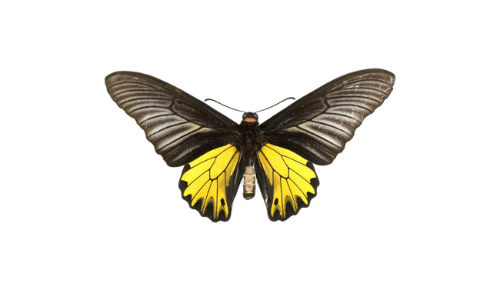
Teresa Bonacci is an Associate Professor in the Department of Biology, Ecology and Earth Sciences at the University of Calabria (UNICAL), where she conducts research and teaches in zoology with a focus on entomology. She is also the Scientific Director of the Zoology Museum within the university's museum system (SIMU). Her academic affiliations include membership in the PhD School of Life Science and Technology and leadership roles in degree program coordination. Laurea in Natural Sciences, University of Calabria PhD in Animal Biology, University of Calabria Socrates/Erasmus Scholarship, University of Kiel, Germany Research Grant (Assegno di ricerca), SSD BIO/05, University of Calabria National Scientific Qualification for Full Professor (I fascia) Her research spans applied and medico-veterinary entomology, forensic entomology, and conservation biology. She investigates saproxylic beetles (e.g., Cucujus spp.), pollinators (bees, flies, beetles), and insect behavior, especially in forensic contexts such as post-mortem interval estimation and myiasis. Her work integrates taxonomy, morphology, ecology, and chemical signaling, often in collaboration with chemists, legal experts, and conservation agencies. She has published extensively in high-impact journals, with over 80 scientific publications and strong citation metrics. The most recent articles reflect a multidisciplinary trend, combining taxonomy, forensic science, biodiversity monitoring, and veterinary entomology. Topics include the discovery of new insect species in Italy, the role of beetles in decomposition, insect damage in cultural heritage, and myiasis in domestic and wild animals. These works highlight her expertise in both fundamental zoological research and practical applications in forensics and conservation. Scientific Contributions: Over 80 scientific publications Scopus h-index: 15; Google Scholar h-index: 20 Key researcher in saproxylic beetle conservation Pioneer in forensic entomology studies in Southern Italy Active collaborator with legal and medical institutions She supervises numerous PhD and master's students and has directed over 90 theses. Her teaching responsibilities include courses in Zoology, Entomology, Forensic Entomology, and Medical-Veterinary Entomology. She is deeply involved in student mentorship, thesis supervision, and academic service, including examination boards and curriculum development. She also leads biodiversity monitoring projects in Calabrian national parks and has contributed to the development of machine learning tools for insect identification. Her research team collaborates with national and international institutions, including the CNR, University of Milan, and forensic pathology units. She leads projects on bioindicators, insect-plant interactions, and the impact of climate change on mountain species. The Zoology Museum under her direction supports both research and public outreach.
Professor Lars E. Eriksson is a Registered Nurse with a PhD in Nursing and an MSc in Chemistry, currently serving as a part-time Professor in Nursing at the School of Health and Medical Sciences, City St George's, University of London, and as a full Professor in Nursing at Karolinska Institutet, Stockholm, Sweden, where he leads the Lars E. Eriksson Research Group. His academic journey began with a UC in Nursing in 1985, followed by over a decade of clinical work in hematology, immunology, and HIV care in Stockholm, before transitioning into research and academia. His research is centered on biobehavioral and translational nursing, particularly focusing on health and quality of life among individuals with chronic conditions such as HIV, cancer, and long-term infections. Key areas include disease-related stigma, symptom research, patient-reported outcomes, and biomarker development. He is Principal Investigator for a lung cancer biomarker project funded by the Swedish Research Council and the Swedish PI for the H2020 Magnet4Europe project on mental health in healthcare workplaces. His recent publications show a strong trend in using mixed methods to explore end-of-life communication, death literacy, sexual and reproductive health after cancer, and stigma in chronic illness. He frequently employs patient-reported outcomes, online focus groups, and web-based interventions, often in collaboration with international partners. His work bridges clinical practice, nursing science, and public health. Scientific Awards and Memberships: British HIV Association (BHIVA) National HIV Nurses Association (NHIVNA) Swedish Society of Nursing Swedish Society of Medicine Swedish Society of Medical Microbiology Lars Eriksson has advised numerous PhD and Master’s students, primarily on topics related to quality of life, stigma, and chronic illness. He teaches postgraduate modules including MSc Dissertation, Advanced Practice Dissertation, and Sexual and Reproductive Health. He is affiliated with the Centre for Health Services Research and the Centre for Public Health Research at City St George's.
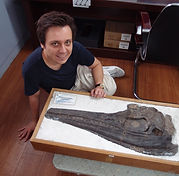
Daniel J. Field is Professor of Vertebrate Palaeontology in the Department of Earth Sciences and the Strickland Curator of Ornithology at the University of Cambridge Museum of Zoology. He is a Fellow of Christ's College, Cambridge, where Charles Darwin studied as an undergraduate, and serves as the founding director of the Darwin-Hamied Centre at Christ's College. Field also maintains research associate positions at the Denver Museum of Nature and Science and the Natural History Museum (London). Field is an evolutionary biologist and palaeontologist whose research focuses on deciphering the origins of modern avian biodiversity using fossil, anatomical, and molecular data. His work spans multiple themes including clarifying how birds survived and diversified following the mass extinction of non-avian dinosaurs, studying the evolutionary histories of major living bird groups, and understanding the evolutionary origins of distinctive biological features such as the modern bird skull. In 2020, his team announced the discovery of Asteriornis maastrichtensis (the 'Wonderchicken'), the oldest-known modern bird fossil and an early relative of the group that gave rise to living chickens and ducks. Field's publication record shows consistent research output across multiple areas of avian evolution, with recent work focusing on avian palate evolution, skeletal pneumaticity, developmental patterns in bird skulls, and the evolutionary relationships among major bird groups. His research integrates cutting-edge techniques including CT scanning, geometric morphometrics, and phylogenetic analysis to address fundamental questions about vertebrate evolution. Field leads an active research group comprising postdoctoral researchers, PhD students, and master's students from around the world. His lab has produced significant work on topics including the evolution of flightlessness in ratites, the developmental underpinnings of avian morphological diversity, and the phylogenetic relationships among major bird lineages. The lab maintains strong international collaborations and has been instrumental in training the next generation of evolutionary biologists and palaeontologists. Field is passionate about natural history and science outreach, and enjoys photographing Earth's vertebrate biodiversity in the field. His work bridges the gap between traditional palaeontology and modern evolutionary biology, contributing significantly to our understanding of how modern bird diversity arose from their dinosaurian ancestors.
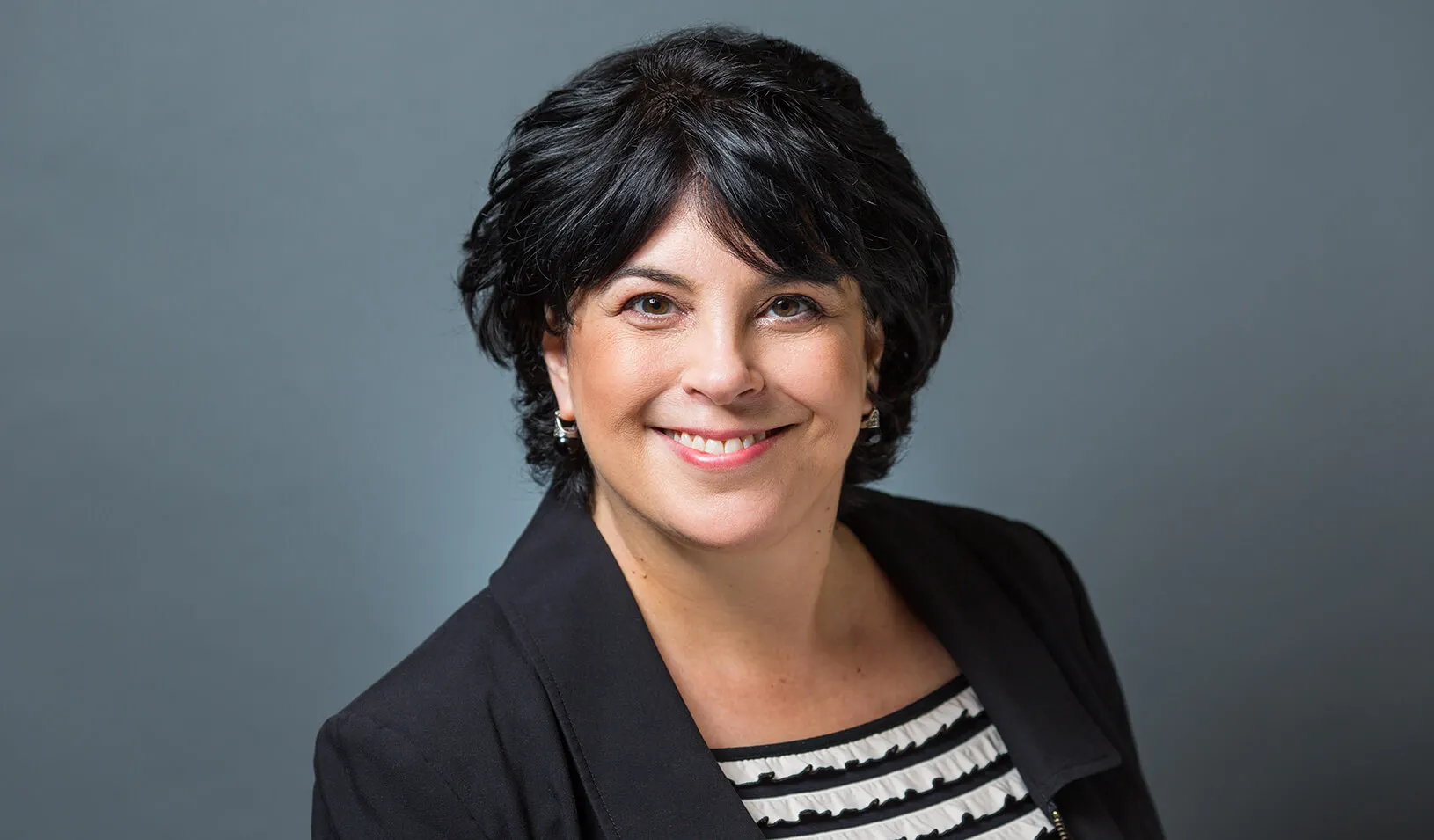
Michele Gelfand is a Professor of Organizational Behavior at the Stanford Graduate School of Business and Professor of Psychology by courtesy at Stanford University . She is renowned for her research on cross-cultural organizational behavior, negotiation, conflict management, and cultural psychology. Her work explores the concept of tight and loose cultures and their impact on global leadership, organizational dynamics, and societal responses to threats. PhD in Social and Organizational Psychology, University of Illinois, Urbana-Champaign (1996) Her research spans interdisciplinary approaches, integrating computational methods, neuroscience, and behavioral science to understand cultural evolution and its multilevel consequences. She has led groundbreaking studies on the effects of cultural tightness-looseness on political polarization, pandemic responses, and corporate mergers. Recent publications highlight her work on social norm dynamics, threat-driven cultural adaptation, and the psychological underpinnings of political and terrorist ideologies. Her articles frequently appear in top journals such as Science , Nature Human Behaviour , and Proceedings of the National Academy of Sciences . Notable scientific awards include the 2020 Katzell Award , 2016 Diener Award , and 2011 Anneliese Maier Research Award . She has also been elected to the National Academy of Sciences and the American Academy of Arts and Sciences . Gelfand’s Culture Lab at Stanford investigates topics like cultural norms, revenge, forgiveness, and diversity. She actively mentors postdoctoral researchers and serves as an editor for the Oxford Handbook of Cross-Cultural Management . Her executive education programs focus on global leadership and negotiation strategies.
Dr Thomas White is a Senior Lecturer and ARC Discovery Early Career Fellow at the School of Life and Environmental Sciences, University of Sydney. He leads the Sensory and Evolutionary Ecology (SEE) Lab, focusing on understanding how organisms gather and exchange information to solve ecological challenges. His research spans adaptive evolution, communication systems, and the ecological consequences of sensory interactions, with particular emphasis on insects and invertebrates. Current research themes include predator-prey deception (e.g., spider lures), pollinator behavior, and the ethics of invertebrate welfare. He coordinates courses such as LIFE4000 and BIOL2033, integrating field experiments, modeling, and meta-analysis. Notable awards include the ARC DECRA Fellowship and grants from the Hermon Slade Foundation. His lab actively collaborates on interdisciplinary projects, including software tools for color analysis (e.g., pavo package in R). Students advised include Georgie Brennan, Kristin Hubakk, and Rui Shi, exploring topics like pollination systems and spider communication. Key Projects: Nocturnal pollination resilience, invertebrate sociality, and defensive displays Grants: ARC DECRA (2020), Australia & Pacific Science Foundation (2024) Labs/Teams: Sensory and Evolutionary Ecology (SEE) Lab at University of Sydney
Lohsnah Jeevanandam is a Senior Lecturer at the National University of Singapore, serving as Director of the Clinical Programme and Graduate Clinical Admissions Coordinator. Education: Doctor of Clinical Psychology (D.Clin.Psych) from the University of Queensland Bachelor of Arts with Honors (BA Hons) from the University of Sydney Her research specializes in developmental disabilities, dual diagnosis, behavioral modification, and parenting programmes. She has published on Singapore-specific applications including sexuality development in intellectual disability contexts, ethical frameworks for psychological practice, and PERMA model applications in organizational settings. Her 2021 publications demonstrate interdisciplinary integration of clinical psychology with positive psychology and ethics, emphasizing culturally relevant approaches in Singaporean contexts and human resources applications.
Catherine White Berheide is the Tisch Family Distinguished Professor and Professor of Sociology at Skidmore College , focusing on work and occupations, organizations, and women's studies. She holds a Ph.D. and M.A. from Northwestern University and a B.A. from Beloit College . Education Ph.D., M.A. – Northwestern University B.A. – Beloit College Her research explores faculty work-life balance, gender disparities in academia, pandemic impacts on academic productivity, and household labor dynamics. Key themes include: Faculty well-being during crises Gendered division of labor Family-friendly institutional policies Academic career barriers for women Intersectional analysis of race and gender in teaching Recent work analyzes: Emotional labor disparities during remote teaching Career trajectory obstacles in liberal arts colleges Gendered work-life conflict patterns She has contributed to curriculum development through Senior Seminar in Sociology and studies institutional diversity initiatives.
Edward H. Hagen is a Professor of Evolutionary Anthropology at Washington State University, Vancouver. He holds a BA in Mathematics from UC Berkeley and a Ph.D. in Anthropology from UC Santa Barbara (1999). His postdoctoral work was at Humboldt University, Berlin, under Peter Hammerstein. Since 2007, he has been at WSU, leading the Bioanthropology Lab. His research integrates evolutionary approaches to medicine, focusing on substance use, mental health, child development, and leadership evolution. Key themes include evolutionary medicine, signaling theory in depression/suicidality, and the role of pharmacological plant use in human evolution. He has conducted fieldwork in the Central African Republic, Ecuador, and India. Hagen's work spans theoretical models (e.g., depression as bargaining signals) and empirical studies (e.g., tobacco use and helminth infection in hunter-gatherers). He has secured over $387,000 in grants, including NSF funding for projects on leadership, child signals of need, and smoking behavior. His lab explores topics like music's evolutionary roots (credible signaling hypothesis) and predator deterrence. He is active in academic discourse, critiquing popular theories like Dunbar's social bonding hypothesis for music evolution. His publications span evolutionary psychology, anthropology, and medical journals, emphasizing interdisciplinary approaches.
William O'Donohue, Ph.D., is a Professor in the Department of Psychology at the University of Nevada, Reno (UNR), within the College of Science. He holds advanced degrees in both clinical psychology (Ph.D., SUNY Stony Brook) and philosophy (M.A., Indiana University). His research focuses on forensic psychology, sexual assault, evidence-based practice, and the philosophy of psychology. He has directed a NIJ-funded clinic for 27 years, providing free services to victims of sexual abuse, and secured over $3 million in grants. He has authored 90 books and 300+ publications, serving on key committees like the APA's DSM revision panel. Education: Ph.D. in Psychology, SUNY Stony Brook (1986) M.S. in Psychology, SUNY Stony Brook (1982) B.S. in Psychology, University of Illinois (1979) M.A. in Philosophy, Indiana University (1988) Research Themes: His work critically examines forensic interviewing protocols, ideological bias in psychology, and the scientific validity of therapeutic practices. He advocates for procedural justice in psychological practice and challenges social justice movements' methodological rigor. Grants & Clinical Work: His clinic's NIJ grant supports free services for sexual abuse victims. He has consulted for the U.S. military and legal professionals on evidence-based practices. Labs/Teams: Operates a long-term clinical research program focused on forensic assessment and victim support through his UNR clinic infrastructure.
Dr. Han Du is an Associate Professor in the Department of Psychology at the University of California, Los Angeles (UCLA). He holds a PhD from the University of Notre Dame and leads the Du Research Lab. His methodological expertise includes Bayesian statistics, longitudinal data analysis, structural equation modeling, meta-analysis techniques, and machine learning applications in psychological research. Dr. Du's substantive research applies quantitative methods to developmental, clinical, cognitive, educational, and health psychology. His recent publications focus on transgender adolescent stress assessment, LGBTQ+ mental health in military contexts, social network interventions for HIV prevention, and minority stress theory applications. He teaches advanced statistical methods and supervises graduate students in quantitative psychology.
Dr. Monika Dacka is an Assistant Professor at the Department of Developmental Psychology, Faculty of Social Sciences, John Paul II Catholic University of Lublin. Her research focuses on personality development, procrastination behaviors, moral intelligence, and psychosocial challenges across life stages. Academic Rank: Assistant Professor Institution: John Paul II Catholic University of Lublin Key Research Areas: Developmental Psychology, Personality Psychology, Adolescent Risk Behaviors Her recent work examines time perception in digital contexts, the quarter-life crisis, and moral development in young adults. She actively reviews for journals like Annales Universitatis Mariae Curie-Skłodowska and Seminare. Poszukiwania naukowe . Dr. Dacka supervises master's theses on topics spanning adolescent procrastination, helicopter parenting, and social media challenges. She contributes to educational workshops on judicial mediation, forensic psychology, and pandemic-era coping strategies. Notable projects include the adaptation of the Developmental Crisis Questionnaire (DCQ-12) and participation in international conferences on Kazimierz Dąbrowski's psychological theories. Her publications address chronic fatigue in adolescents, sexual abuse prevention, and health behavior transformations.
Ka I Ip is an Assistant Professor at the Institute of Child Development , University of Minnesota. As director of the D.A.N.C.E. Lab , Dr. Ip employs multimodal methods including neuroimaging, cortisol assays, and cross-cultural experiments to study emotion regulation and developmental psychopathology. PhD in Developmental Psychology (University of Michigan) Susan Nolen-Hoeksema Postdoctoral Fellow (Yale University) Research focuses on how cultural contexts and early adversity shape emotional development, with particular attention to racial-ethnic minorities and immigrant families . His work applies findings to social policy reform and health equity initiatives. Recent publications analyze neighborhood socioeconomic impacts on brain development , discrimination effects in bilingual adolescents , and cortisol dynamics in immigrant families . Key journals include Biological Psychiatry and Developmental Psychology . APA Editor’s Choice Article (2024) Yale Health Equity Research Finalist (2022) Accepting PhD students for Fall 2026. Collaborates with teams in neuroimaging , cross-cultural research , and pediatric biomarker studies .
Prof. Dr. Harald Tauchmann is a Professor of Health Economics at Friedrich-Alexander University Erlangen-Nuremberg (FAU), where he has held a faculty position since 2013. He is affiliated with the School of Business, Economics and Social Sciences, specifically within the Department of Economics. Prof. Tauchmann also participates in multiple research focus areas at FAU, including 'Insurance and Risk' and 'Work in Transition,' demonstrating his interdisciplinary approach to health economics. Prof. Tauchmann received his education at Heidelberg University and the University of Manchester, UK, where he studied economics, political science, and sociology. He graduated in 1998 and completed his doctorate at the Interdisciplinary Institute for Environmental Economics (University of Heidelberg) in 2003. Prior to joining FAU, he worked as a research associate at the Rhineland-Westphalian Institute for Economic Research (RWI) in Essen from 2003 to 2012 and headed a junior research group at the health economics research center CINCH at the University of Duisburg-Essen. His research expertise lies in empirical health economics, with a particular emphasis on health insurance choice and competition, as well as individual health behavior. He has made significant contributions to understanding obesity, health shocks, mental health care payment systems, and thyroid diagnostics through his extensive publication record. His methodological work includes developing specialized Stata modules for econometric analysis, which have been widely adopted by researchers in the field. Prof. Tauchmann's scholarly work demonstrates a consistent focus on applying rigorous econometric methods to pressing health policy questions. His research portfolio shows particular strength in causal analysis of health behavior, especially regarding obesity interventions, health insurance market dynamics, and the economic consequences of health shocks. His recent publications (including several forthcoming in 2025) indicate continued scholarly productivity and relevance to current health policy debates. From March 2021 to April 2022, Prof. Tauchmann served as chairman of the German Society for Health Economics, highlighting his leadership and recognition within the national health economics community. His email contact is harald.tauchmann@fau.de for professional inquiries.
Prof. Dr. Susanne Foitzik is a Professor of Evolutionary Biology at Johannes Gutenberg University Mainz since 2010, where she leads the Evolution & Behavioral Ecology of Ants research group at the Institute of Organismic and Molecular Evolution (IOME). Previously, she was Professor in Behavioral Ecology at LMU Munich (2004-2010) and Assistant Professor in Zoology at the University of Regensburg (2000-2004). She earned her PhD in Biology from Julius Maximilian University, Würzburg in 1998. Her research integrates approaches from behavioral ecology through genomics to epigenetics, focusing on ants as model organisms to study complex social behaviors. Host-parasite coevolution and social parasitism in ants Molecular mechanisms underlying division of labor Reversal of the fecundity-longevity trade-off in social insects Gene regulation in phenotypic plasticity Evolution of chemical communication systems Analysis of her recent publications (2022-2025) reveals a strong focus on molecular mechanisms of social behavior, with particular emphasis on host-parasite interactions, epigenetic regulation of behavior, and genomic adaptations in social insects. Her work increasingly combines transcriptomic, proteomic, and functional genomic approaches to understand the molecular basis of social evolution. Among her notable scientific achievements: Speaker of Research Training Group 2626 GenEvo: Gene Regulation in Evolution (2019-present) Speaker of EES Master Program funded by VW foundation (2007-2010) DAAD Fellow at State University of New York (1992-93) Prof. Foitzik has supervised numerous PhD students and postdocs, including Maide Macit, Tom Sistermans, and Marcel Caminer. Her research is supported by multiple DFG-funded projects investigating host-parasite coevolution, the role of gene regulation in division of labor, and parasite interference in host gene expression. She serves as Handling Editor for Biology Letters and previously served on the editorial board of Insectes Sociaux. Her research group operates within the Institute of Organismic and Molecular Evolution (IOME) at Mainz, with laboratory facilities at the Biozentrum I. The group collaborates extensively with researchers across Germany and internationally, including partnerships with institutions in Frankfurt, Freiburg, Bristol, and Tel Aviv.