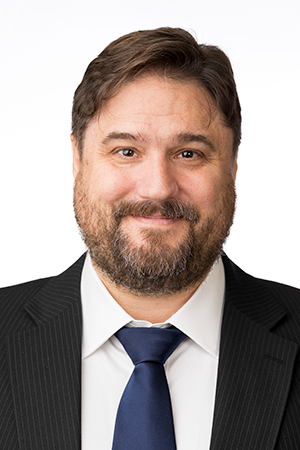
Dr. Eli Strauss is a behavioral ecologist and Assistant Professor in the Department of Integrative Biology at Michigan State University , where he is establishing a lab focused on the evolution and ecology of social behavior. He co-directs the Mara Hyena Project , a long-term study of hyena behavior and ecology in Kenya. His research spans dominance hierarchies, longitudinal studies of animal societies, and computational methods for analyzing social dynamics. He has developed tools like the DynaRankR R package for inferring longitudinal dominance hierarchies and DomArchive for compiling dominance data. His work addresses challenges such as mismatched timescales in behavioral studies and demographic drivers of hierarchy dynamics, often using spotted hyenas as a model species. Dr. Strauss is currently recruiting lab members for graduate student, postdoc, and technical roles, with lab establishment planned for late 2025–Fall 2026. His publications reflect interdisciplinary interests in behavioral ecology, animal societies, and data-driven approaches to understanding dominance and social networks.
Michaela D.E. Meyer is a Professor in the Department of Communication Studies at Christopher Newport University (CNU), specializing in critical media studies, LGBTQ+ issues, and television/film analysis. Her research bridges interpersonal communication, gender and sexuality studies, and emerging adulthood narratives. Ph.D. in Communication, Ohio University M.S. in Journalism, Ohio University Ph.B. in International Studies, Miami University Her research focuses on intersectional representation in media , LGBTQ+ narratives , and relational aggression in film . She employs narrative and autoethnographic methods to critique political ideologies in popular culture, such as neoliberalism in Fixer Upper and feminist critiques in Glee and Shondaland . Michaela’s recent articles explore themes like disability discourses in Korean television , feminist film auteur theory , and nostalgia in streaming reboots . These works highlight identity politics , gender representation , and media’s role in social discourse . Paul Boaze Prize, Ohio University (2025) Outstanding Panel Award in Sexuality and Gender Identity, Central States Communication Association (2025) Faculty Excellence Award in Undergraduate Research Mentorship, CNU (2025) James W. Chesebro Award for Scholarly Distinction, Sexual Orientation and Gender Identity Caucus of CSCA (2021) She has mentored undergraduate research and contributed to critical media pedagogy , with grants and service awards reflecting her commitment to diversity and inclusion in academia. Her full scholarship and honors are detailed in the scientific_awards section.
Emily D. Gottfried, PhD, is an Associate Professor at the Medical University of South Carolina (MUSC) in the Department of Psychiatry and Behavioral Sciences, College of Medicine. She serves as Director of the MUSC Sexual Behaviors Clinic and Lab (SBCL) and CPSPD Student Education & Research, conducting forensic evaluations, physiological sexual arousal assessments, and mentoring students. She is licensed in South Carolina and Georgia, and a National Register Health Service Psychologist. Bachelor’s in Psychology, San Diego State University Master’s in Psychology, Teachers College, Columbia University PhD in Clinical Psychology, Florida State University Her research focuses on sex offender risk assessment , malingering detection (PPG/VPP technology), female offender psychology , and forensic evaluation validity . Recent work includes dimensional personality models and QAnon-related threat analysis . She has published extensively on psychopathy , penile/vaginal plethysmography , and mental health court outcomes . Notable publication trends include Forensic validity of symptom detection tools Psychopathy in female offenders Technology's role in sexual behavior assessment Telehealth adaptation during pandemics MMPI-2-RF applications in correctional settings Psychological factors in civil commitment She leads ongoing funded studies on female sexual arousal and police officer behavioral outcomes , operating at the intersection of forensic science and clinical psychology .
Jonathan Santo is a Professor of Psychology at the University of Nebraska at Omaha (UNO), where he serves as Director of the Graduate Developmental Psychology Program and as a faculty member in the Office of Latino/Latin-American Studies. His research explores peer relations, cultural differences in self-esteem, and classroom-level influences on child and adolescent development, with a focus on improving school environments and fostering positive social interactions. ORCA Faculty Fellow His research spans broad areas including Developmental Psychology , Social Support Systems , and Cross-Cultural Peer Dynamics , with specific attention to peer victimization , self-continuity , school climate , and developmental trajectories in Brazilian and Colombian youth . Recent publications analyze topics like hikikomori experiences , friendship security , and HPA axis dysregulation in adolescents. Scientific awards include the ORCA Faculty Fellow recognition. His work often involves longitudinal assessments of peer relationships cross-cultural comparisons (Brazil, Colombia, China, Nigeria, Singapore, U.S.) policy-focused blog posts on family separations and school interventions
University of North Carolina at Chapel HillUnited States
Dorothy L. Espelage is the William C. Friday Distinguished Professor of Education at the University of North Carolina at Chapel Hill, affiliated with the School of Education's Applied Developmental Science and Special Education (ADSSE) department. She holds joint appointments in Human Development and Family Science (HDFS) and School Psychology, and leads the Diverse and Resilient Educators Advised through Mentorship (DREAM) initiative. Her research focuses on translating empirical findings into prevention programs targeting bullying, teen dating violence, and school safety. Dr. Espelage advises U.S. Congress on anti-bullying legislation and has secured over $15 million in external funding. Education: Ph.D. in Counseling Psychology (1997), Indiana University M.S. in Clinical Psychology (1993), Radford University B.S. in Psychology (1991), Virginia Commonwealth University Research Interests: Prevention science, social-emotional learning interventions, bullying and cyberbullying prevention, school-based suicide prevention, and addressing violence against educators. Her work emphasizes policy development and community engagement, with a focus on marginalized youth such as LGBTQ+ adolescents and students with disabilities. Key Contributions: Developed evidence-based programs like Sources of Strength and DIAL (Disability Anti-Bullying Training). Authored influential books including Bullying in North American Schools and Handbook of Bullying in Schools . Her recent studies explore racial disparities in bullying-suicidality links and violence against school staff. Awards & Recognition: Lifetime Achievement Award (APA Division 17, 2023) 2023 BRNET-WABF Career Award Invited speaker at White House Bullying Summit (2011) Advising & Grants: Mentor for early-career researchers through the DREAM program. Current grants focus on school climate improvement, anti-bullying teacher training, and mental health equity initiatives. Collaborates with CDC, NIH, and NIJ on dissemination efforts. Labs & Teams: Leads transdisciplinary teams at UNC and previously at University of Illinois Urbana-Champaign (Gutgsell Professorship) and University of Florida. Engaged in global anti-bullying advocacy through organizations like the World Anti-Bullying Forum.
Jacqueline Woerner is Associate Professor in Sociology and Psychology at the University of Central Florida, where she directs the Social Theory, Relationships, and Interpersonal Violence Exposure (STRIVE) Lab. Her research examines the intersection of gender-based violence, substance use, and health risk behaviors. Education includes: PhD in Social Psychology from Wayne State University BS in Psychology from Appalachian State University Her NIH-funded research investigates how violence victimization relates to health behaviors through motivational frameworks. Current projects examine technology-facilitated sexual violence on dating apps and alcohol's role in intimate partner cyber abuse. She employs diverse methods including surveys, experiments, and daily diaries. As member of the Violence Against Women Faculty Cluster, she develops prevention strategies addressing sexual violence and health disparities. Funded projects include NIJ grants examining transitional housing models for domestic violence survivors. Honors include Rising Star Award for undergraduate mentoring and multiple teaching awards. She serves on editorial boards for Psychology of Violence and leads NIH-funded projects on dating app-facilitated violence.
Chitra Raghavan is a tenured full professor and clinical psychologist at John Jay College of Criminal Justice, CUNY. She serves as Professor of Psychology, Director of the Forensic Mental Health Counseling Program, and Coordinator of Victimology Studies in Forensic Psychology. Her expertise spans trauma and abuse, human trafficking, intimate partner violence, and forensic evaluations. She holds a Ph.D. in Community and Clinical Psychology from the University of Illinois (1998) and a B.A. from Smith College (1992). Education: 2000: Postdoctoral Fellowship, Yale University School of Medicine 1998: Ph.D., University of Illinois at Urbana-Champaign 1995: M.A., University of Illinois at Urbana-Champaign 1992: B.A., Smith College (Magna Cum Laude) 1990–1991: Université Paris V (Smith Junior Year Abroad) Research Interests: Coercive control, sex trafficking, trauma bonding, multicultural assessment, and integrating Eastern psychological principles into forensic practice. She has authored over 50 articles and two books on gender justice, domestic violence, and self-determination in Muslim communities. Media and Awards: Named “New York’s New Abolitionists” (2014) by the New York State Anti-Trafficking Coalition Featured in The New York Times , MSNBC, and podcasts like Prevention is Now and Schein On . Teaching and Outreach: Teaches courses across BA, MA, and PhD programs in forensic psychology, trauma, and gender studies. Leads study abroad programs in Bali (cultural self-study) and Morocco (gender and feminism in non-Western contexts). Collaborates with Dr. Jennifer Pipitone on pedagogy and global psychology education. Labs/Teams: Active in research partnerships and case law contributions, including shaping New York State rulings through expert testimony (e.g., 2018 case law).
Dr. Ara J. Schmitt is a Professor of School Psychology and Associate Dean for Research and Faculty Advancement at Duquesne University's School of Education. He holds a Ph.D. from Illinois State University (2001) and a B.S. from the University of Illinois at Urbana-Champaign (1996). His research focuses on neuropsychological assessment, evidence-based interventions for learning disabilities, school-based chronic illness management, and bullying dynamics. Dr. Schmitt has authored numerous peer-reviewed articles, book chapters, and textbooks, including Patterns of Learning Disorders (2006) and Theory and Cases in School-Based Consultation (2020). Education: Ph.D., School Psychology, Illinois State University (2001); B.S., Psychology, University of Illinois (1996) Professional Roles: Associate Dean for Research, School Psychology Program Director, Adjunct Faculty Collaborator His research interests emphasize applied interventions in schools, including neurocognitive assessments, concussion management, and bullying prevention. He has pioneered studies on Taped Problems Intervention adaptations for remote learning and explored cognitive predictors of bullying behavior in adolescents. Recent work addresses socially responsive evaluation practices in health psychology and disparities in concussion awareness among athletes and parents. Dr. Schmitt has advised over 20 graduate students and contributed to national initiatives like the CCTC 2020 guidelines for health psychology training. His work bridges clinical practice and education, particularly in supporting students with chronic illnesses and neurodiverse needs.
Ian Gilby is an Associate Professor at the School of Human Evolution and Social Change, Arizona State University. His research focuses on the social behavior, ecology, and cognition of wild chimpanzees, particularly within the context of long-term studies at Gombe National Park, Tanzania. Gilby investigates topics such as cooperative hunting, dominance hierarchies, social bonding, and the influence of ecological factors on primate behavior. His work bridges primatology, evolutionary biology, and conservation science, with a strong emphasis on understanding the adaptive strategies of chimpanzees in complex social environments. Key themes in Gilby’s research include the evolution of cooperation, reproductive strategies, and the ecological drivers of social behavior. He has contributed significantly to studies on chimpanzee aggression, hunting tactics, and the role of vocal communication in group coordination. His findings highlight the intricate relationship between social structure, ecological conditions, and individual success in primate communities. Notably, Gilby is involved in the Gombe Chimpanzee Project, analyzing long-term datasets to address questions about data sharing in conservation science and the impacts of environmental changes on wildlife. While no formal awards or grants are explicitly mentioned in the provided texts, his extensive publication record underscores his expertise in primate behavior and ecology.
Dr. Christian End is an Associate Professor in the School of Psychology at Xavier University. He earned his B.S. from Xavier University in 1996 and his Ph.D. from Miami University in 2002. Dr. End has been teaching at Xavier since 2004, following a previous position at the University of Missouri–Rolla. He serves as co-Faculty Academic Representative for the athletic department and founded a research lab studying social media's psychological impacts. Dr. End's research explores social identity frameworks in sport fan behavior (aggression, self-presentation, conformity) and investigates interpersonal consequences of social media use. His work also addresses prejudice toward marginalized groups (adopted individuals, childless persons, welfare recipients) and spans communication dynamics and romantic relationships. His publications demonstrate consistent focus on social perception and prejudice mechanisms, with recent work examining religion's relationship to longevity, societal views on childlessness, depression-related stigma, sport fan superstitions, employment discrimination, media influences on aggression, and attitudes toward LGBTQ+ athletes. Methodologies include experimental designs and survey-based analyses across diverse populations. Dr. End teaches courses emphasizing psychology's scientific foundations, including: Research Methods & Design I/II (with labs) Social Psychology Orientation to the Major Senior Comprehensive Review Advanced Research Design Social Aspects of Behavior He actively mentors undergraduate and graduate researchers, regularly accompanying students to regional conferences where they present award-winning work. His laboratory facilitates investigations into social media's psychological effects and sport fan behavior.
Paul D. Hastings is a Professor of Psychology at the University of California, Davis, and former Chair of Psychology and Interim Dean of the School of Education. He directs the Healthy Emotions, Relationships and Development Laboratory (HERD Lab) at the Center for Mind and Brain (CMB) and holds affiliations with the Center for Poverty Research and Institute for Global Nutrition. His educational background includes: Ph.D. in Applied Developmental Psychology, University of Toronto M.A. in Experimental Psychology, University of Toronto B.S. in Faculty of Science, McGill University Post-doctoral training, University of Waterloo Professor Hastings' research examines developmental trajectories of physiological, social, and emotional functioning from childhood to adulthood. He investigates how cultural/socioeconomic conditions (context), family/peer relationships (nurture), and biological systems (nature) interact to shape adaptive outcomes like empathy and social competence, as well as maladaptive outcomes including depression, anxiety, and aggression. His international work spans Bangladesh, Canada, Chile, Ghana, India, Jordan, and multiple U.S. states. Recent publications reveal strong trends in adolescent mental health, physiological regulation (particularly parasympathetic activity), and pandemic impacts. Key themes include suicidal behavior prediction through inflammatory markers, prosocial development linked to physiological regulation, cross-cultural parenting effects, and socioeconomic influences on developmental psychopathology. His scientific recognition includes: Fellow of the Association for Psychological Science UC Davis Distinguished Graduate and Postdoctoral Mentorship Award (2022) Professor Hastings has secured major grants from the National Science Foundation, National Institute of Mental Health, MacArthur Foundation, and Lego Foundation. He actively mentors graduate students and leads collaborative international research projects. His lab conducts fieldwork across diverse cultural contexts to examine how structural inequities impact neurobiological development and mental health outcomes. The HERD Lab, directed by Professor Hastings, integrates psychophysiological methods with developmental science to explore how biological and social systems interact in shaping emotional and relational development across the lifespan.
Paul H. White is an Associate Professor of Social Psychology in the Department of Psychology at the University of Utah, where his research centers on the three 'P's': persuasion, prejudice, and performance, investigating motivational drivers of human behavior. His educational background: B.A., Berea College (1989) Ph.D., Northeastern University (1993) Post-doctoral training, Ohio State University (1993-1995) Dr. White's persuasion research examines how source/target characteristics (race, gender, sexual orientation) impact message processing and attitude change, including 'stealing thunder' dynamics. His prejudice work investigates subtle bias through intergroup models incorporating stigmatized groups' perspectives, while his performance studies explore evaluation effects, social underachievement ('letting up'), and stereotype threat mitigation. Analysis of his publications reveals sustained focus on stereotype threat, intergroup relations, and environmental behavior across cross-cultural contexts, with consistent application of social psychological theory to real-world problems in education and sustainability. Dr. White currently mentors three graduate students: Logan Call (admitted 2020) Emma Franklin (2022) Brittany Clark (2022) He directs the Persuasion, Prejudice, and Performance (PPP) Lab, which serves as the primary research environment for experimental and applied investigations into his three core research areas.
Stephen D. Benning is an Associate Professor in the Department of Psychology at the University of Nevada, Las Vegas. His research focuses on the psychophysiology of emotion and personality, particularly the two-factor model of psychopathy (fearless dominance vs. impulsive antisociality) and its implications for emotional processing, reward systems, and risk-taking behavior. He has developed novel psychophysiological measures like the postauricular reflex to study positive emotion in psychopathology. Education: Ph.D. in Clinical Science and Psychopathology Research (University of Minnesota, 2006) Employment: UNLV (2012–present); Vanderbilt University (2006–2012) His work spans psychopathy, autism, depression, and schizophrenia, with a focus on translating animal models to human studies. He has secured multiple NIH grants, including NIMH R21 awards for hedonic processing in depression and autism. His lab (PEPlab) explores intersections of personality, emotion, and morality, particularly in Las Vegas’ unique context. Recent publications highlight his contributions to misophonia, moral decision-making, and behavioral risk assessment. He emphasizes open science practices and methodological rigor, advocating for alpha justification and replication studies. Awards include the UNLV Outstanding Teaching and Mentoring Award (2024) and the Howell Award for Undergraduate Research (2000). Scientific Awards: Outstanding Teaching and Mentoring Award (UNLV, 2024) Howell Award for Excellence in Undergraduate Research (Rice University, 2000) National Merit Scholar (1996–2000) Volunteer Service Award (Walk-In Counseling Center, 2004) Student Poster Award (Society for Psychophysiological Research, 2003)
Ximena Arriaga is a Professor in the Department of Psychological Sciences at Purdue University. Her research focuses on intimate partner violence, adult attachment dynamics, and social psychological factors in interpersonal relationships. She teaches courses in experimental methods and social psychology, and leads the ARCC Lab (Aggression, Relationships, and Coping Collaborative). Ph.D. from University of North Carolina at Chapel Hill Research interests span three domains: Intimate Partner Violence : Examines victim/perpetrator justification mechanisms, social support responses, and longitudinal impacts. Attachment Theory : Studies relationship security during life transitions (e.g., parenthood) and contextual influences like the COVID-19 pandemic. Social Dynamics : Investigates confrontation scenarios, trust mechanisms, and interdependence theory applications. Her 2019-2025 publications reveal methodological diversity, combining experimental designs, longitudinal analysis, and machine learning techniques to study relational patterns. Themes include violence normalization, coping trajectories, and contextual factors shaping relationship outcomes.
Lisa D. Brush is a Professor in the Department of Sociology at the University of Pittsburgh, holding a core faculty appointment in the Gender, Sexuality, and Women's Studies Program. She is affiliated with the Kenneth P. Dietrich School of Arts and Sciences, contributing to its interdisciplinary academic environment. Her primary contact is lbrush@pitt.edu . Dr. Brush's research focuses on the intersection of gender, poverty, and public policy, particularly examining how welfare systems and institutional frameworks impact women experiencing domestic violence. She explores themes such as the rhetoric of self-sufficiency, racial disparities in welfare-to-work transitions, and the historical construction of narratives about single mothers. Her work bridges feminist theory with empirical analysis, critiquing policy outcomes and advocating for systemic change. Her articles reveal a persistent engagement with welfare reform's consequences for marginalized groups, the dynamics of domestic violence in economic contexts, and gendered governance structures. Key topics include the relationship between employment and domestic abuse, the role of protection orders in earning stability, and the ethical dimensions of violence research. She has also analyzed how historical discourse shapes contemporary understandings of gender roles and social policy. No scientific awards or grants are explicitly mentioned in the provided texts. Dr. Brush has no listed advisees or students. She is not associated with any labs or teams in the available information. Her work emphasizes interdisciplinary collaboration within the Dietrich School and the Gender, Sexuality, and Women's Studies Program.