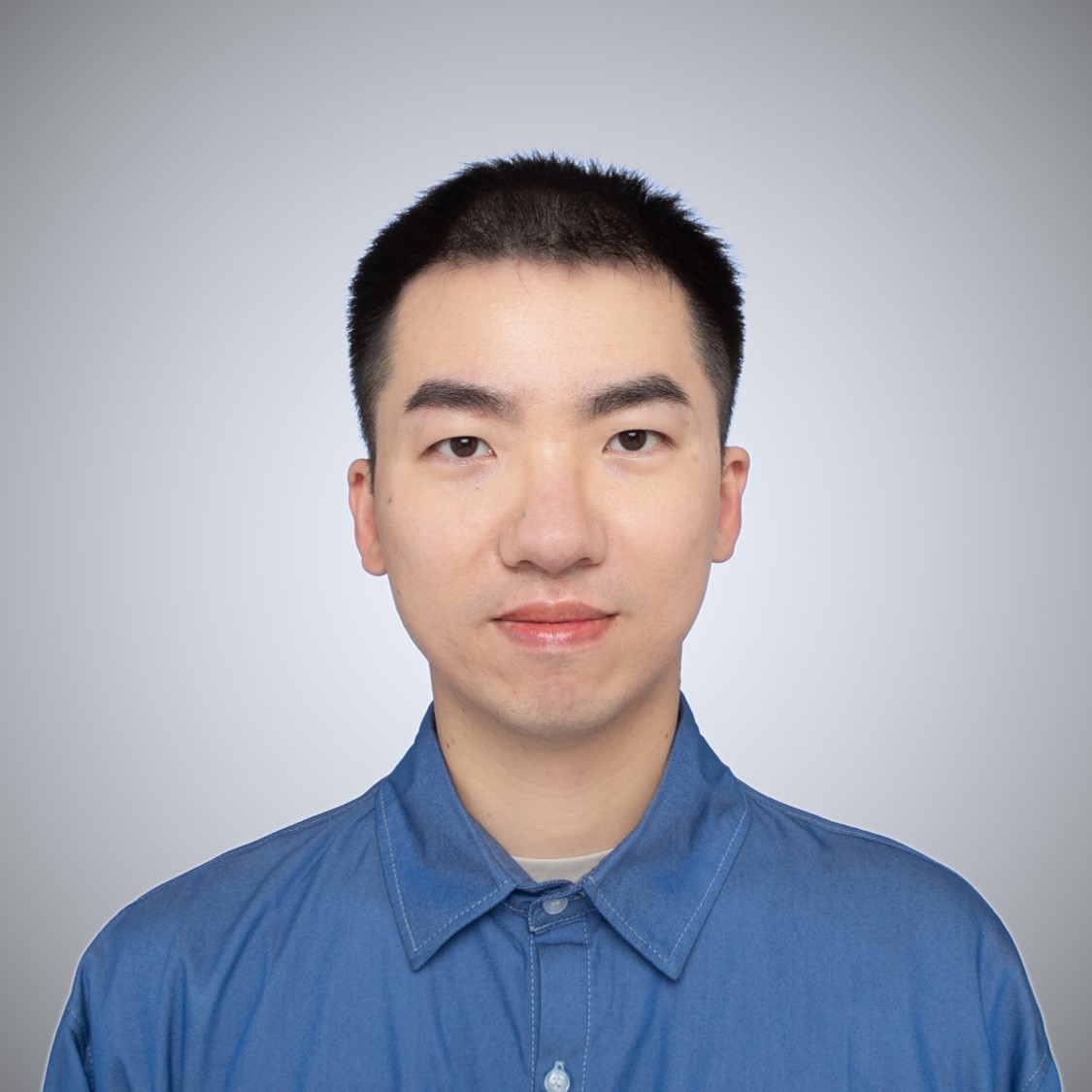
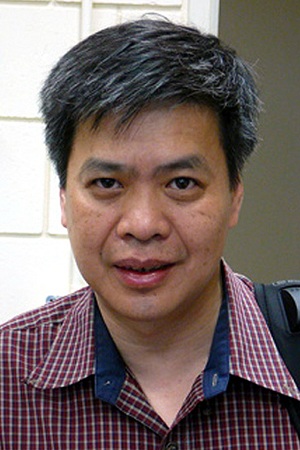
Dr. Arno Onken is a Lecturer (Assistant Professor) in Data Science for Life Sciences at the School of Informatics, University of Edinburgh, where he is also affiliated with the Institute for Adaptive and Neural Computation. He leads a research group focused on developing machine learning and statistical methods for modeling neural activity and analyzing large-scale neuroscience data. His work bridges artificial intelligence and computational neuroscience. His research interests lie at the intersection of machine learning, statistics, and neuroscience. He develops flexible probabilistic models such as copulas and Gaussian processes, deep learning architectures like Vision Transformers for brain activity prediction, and matrix/tensor factorization techniques for dimensionality reduction in neural datasets. His group aims to uncover interpretable structure in complex neural recordings and understand how behavior and cognition are encoded in population activity. The recent publications reflect a strong trend in combining modern deep learning with classical statistical modeling to analyze large-scale neural recordings. His work spans from foundational methods in copula modeling and information theory to applications in predicting visual cortex responses and modeling brainstem-hippocampus interactions across sleep states. The research has been published in top venues including NeurIPS, CVPR, eLife, and PLoS Computational Biology. Dr. Onken actively supervises PhD students and has developed several open-source scientific software packages, including the Mixed Vine Toolbox and Population Spike Train Factorization Toolbox. He teaches core courses in Machine Learning and Pattern Recognition and Data Mining and Exploration at the University of Edinburgh.
Peter Huxley is a Professor of Mental Health Research and Chair in Mental Health Research at the School of Health Sciences, Bangor University. His work focuses on mental health, social inclusion, quality of life, and healthcare integration. He leads several research projects addressing gaps in mental health services, including collaborative care models (e.g., PARTNERS2), the digital divide among individuals with severe mental illness, and social prescribing policies. His research spans global health contexts, with studies in low- and middle-income countries such as Sri Lanka and Hong Kong. Key research interests include self-harm prevention, mental health policy, and cross-cultural measurement of social inclusion using tools like the Social & Community Opportunities Profile (SCOPE). He has led over 30 international projects, including studies on healthcare pathways (Goldberg-Huxley model), economic evaluations, and mindfulness interventions for care home staff in Wales. Projects: "In Wales, are contemporary models of front-line social care for people with recurrent mental ill health fit for purpose?" (2023–2027) "Improvement and innovation in public mental health services care delivery using a new digital platform (DIALOG+)" (2023–2024) "Is there a Covid psychosis?" (2020–2021) Collaborations: Partnerships in Hong Kong, Poland, Brazil, and Sri Lanka, focusing on mental health equity and service integration. Grants: Multiple UK and international grants supporting his work on social inclusion, healthcare policy, and digital health. Huxley’s work aligns with UN Sustainable Development Goals, particularly those addressing health and well-being (Goal 3) and reducing inequalities (Goal 10). His research outputs emphasize translating findings into actionable policies and service improvements.
Prof. ZHUANG Yizhou is an Assistant Professor in the Department of Geography at Hong Kong Baptist University. His research focuses on weather and climate extremes, climate change attribution, and land-atmosphere coupling. With a Ph.D. in Meteorology from Peking University and extensive postdoctoral experience at UCLA, he brings significant expertise in atmospheric sciences to his academic role. Dr. Zhuang's educational background includes: 2019-2024: Postdoctoral Scholar, University of California, Los Angeles (UCLA), USA 2017: Visiting Graduate Researcher, University of California, Los Angeles (UCLA), USA 2015-2017: Visiting Research Scholar, University of Texas at Austin, USA 2013-2019: Ph.D., Meteorology, Peking University, China 2009-2013: B.S., Atmospheric Sciences (Remote Sensing Focus), Nanjing University of Information Science and Technology, China Dr. Zhuang's research spans multiple critical areas in climate science. His work on weather and climate extremes examines phenomena like wildfires, droughts, and floods. In climate change attribution , he investigates the human influence on extreme weather events, with several publications in PNAS demonstrating how anthropogenic warming has altered drought mechanisms and fire risks. His research on land-atmosphere coupling explores the complex feedback mechanisms between Earth's surface and the atmosphere. Additionally, he applies machine learning techniques and remote sensing technologies to analyze cloud formations and precipitation patterns. Analysis of Dr. Zhuang's recent publications reveals a consistent focus on drought mechanisms and fire weather risk in western North America. His work frequently employs advanced statistical methods like self-organizing maps and canonical correlation analysis to understand complex climate phenomena. A notable trend is his investigation of how anthropogenic climate change is fundamentally altering the nature of droughts, shifting from precipitation-deficit dominated to temperature-driven events, with significant implications for water resource management. Dr. Zhuang has received several prestigious awards for his research contributions: JIFRESSE Outstanding Leadership/Service Award, UCLA, 2023 Richard P. and Linda S. Turco Exceptional Research Publication Award, UCLA, 2023 China Scholarship Council (CSC) Joint Ph.D. Scholarship, 2015-2017 As an academic mentor, Dr. Zhuang supervises graduate students, with evidence of at least one student (G. Wang) whose work has been published under his supervision. He serves as a reviewer for numerous high-impact journals including Proceedings of the National Academy of Sciences (PNAS), Earth's Future, and Geophysical Research Letters. Additionally, he has mentored students in the UCLA Joint Institute for Regional Earth System Science and Engineering (JIFRESSE) Summer Internship Program, with his mentee Annie Rosen winning the 2024 Best JSIP Presentation Award. Dr. Zhuang maintains an active research group, as indicated by his personal website www.zhuangyz.org. His team focuses on climate extremes, attribution studies, and land-atmosphere interactions, with ongoing projects examining drought mechanisms, fire weather risks, and precipitation variability across different regions of the United States, particularly the western states and Great Plains.
Jie Peng, Ph.D., is a Professor and Vice-Chair for Graduate Affairs in the Department of Statistics at the University of California, Davis. Her research focuses on statistical methodologies with applications in genomics, neuroimaging, and functional data analysis. She holds a Ph.D. from Stanford University and is actively involved in advancing statistical theory and its practical implementations in biomedical and computational sciences. Education Ph.D. in Statistics, Stanford University Research Interests Dr. Peng’s work spans several key areas including graphical models, high-dimensional inference, and neuroimaging analysis. She develops innovative statistical tools for analyzing complex biological data, such as tumor genomics and brain connectivity patterns derived from diffusion MRI. Her research emphasizes the interplay between theoretical statistics and real-world applications in healthcare and precision medicine. Professional Contributions She serves as an Associate Editor for the Journal of Computational and Graphical Statistics and has contributed to numerous high-impact publications. Her methods have been applied to identify biomarkers in ovarian cancer and to study brain lateralization using Human Connectome Project (HCP) data. Dr. Peng also leads efforts in developing computational frameworks for spatial transcriptomics and dynamic network modeling.
Dr. Andy Nguyen is a Senior Lecturer in Structural Engineering at the University of Southern Queensland, within the School of Engineering. He is an active researcher and educator, specializing in the Structural Health Monitoring (SHM) of critical civil infrastructure such as bridges, buildings, and transport tunnels. Bachelor of Engineering (BEng), NUCE, 1999 Master of Engineering (MEng), NUCE, 2003 Doctor of Philosophy (PhD), Queensland University of Technology (QUT), 2014 Dr. Nguyen's research is at the forefront of integrating advanced technologies into civil engineering. His primary focus is on developing and deploying sophisticated SHM systems that utilize sensors, data analytics, and machine learning to provide real-time insights into the structural integrity of ageing infrastructure. His work aims to enable proactive maintenance, extend the lifespan of structures, and enhance public safety. He has successfully implemented monitoring systems on major bridges and high-rise buildings in Queensland and New South Wales, with systems capable of even detecting distant earthquake events. His research interests span Structural Health Monitoring, Machine Learning for Engineering, Damage Detection, Finite Element Model Updating, Sustainable Building Materials like bamboo, and the application of AI for automated condition assessment of transport infrastructure. The analysis of his recent publications reveals a strong and consistent research trajectory centered on the application of data-driven and AI methods to solve practical problems in civil infrastructure. His work frequently combines signal processing techniques (like Stockwell Transform) with deep learning models for tasks such as crack detection in concrete and pavement. He also conducts significant research on model updating for complex structures like cable-stayed and arch bridges, using vibration data and optimization algorithms. The integration of machine learning for overload classification and the development of cost-effective, automated monitoring systems are key trends in his recent output. Advanced Queensland Fellow (2024-2027) Dr. Nguyen is actively involved in research supervision and collaboration. He is currently supervising several postgraduate students on projects related to AI-powered condition assessment, bamboo as a sustainable building material, and railway track design. He receives research funding from the Queensland Government through his Advanced Queensland Fellowship. His research has direct practical applications, as evidenced by his public engagement, such as writing for The Conversation on safeguarding ageing bridges, and his work with the Australian Network of Structural Health Monitoring. Dr. Nguyen's work embodies the development of a next-generation 'Living' Laboratory for engineering education, where research, teaching, and real-world infrastructure monitoring are integrated. His current projects involve creating smart, automated fault detection systems and advancing 'digital twin'-based monitoring platforms for infrastructure.
Timothy Menzies is a full Professor in the Department of Computer Science at North Carolina State University's College of Engineering. He serves as the director of the Irrational Research lab (mad scientists r'us) and holds editorial positions as editor-in-chief of the Automated Software Engineering journal and associate editor for IEEE Transactions on Software Engineering. With over 300 publications and more than 24,000 citations, Menzies is a globally recognized leader in software engineering research. Menzies' research focuses on developing computer systems that make optimal decisions with minimal data, specializing in artificial intelligence, intelligent agents, data sciences, analytics, and software engineering. His pioneering work in data-driven, explainable, and minimal AI for software systems has redefined defect prediction, effort estimation, and multi-objective optimization. He is particularly known for his contributions to empirical software engineering, emphasizing transparency and reproducibility. As the co-creator of the PROMISE repository, he helped establish modern empirical software engineering by demonstrating that small, interpretable AI models can outperform larger, more complex ones. Menzies' recent publications reveal several key trends in his research: a growing emphasis on ethical considerations in AI deployment, particularly in sensitive domains like legal systems; continued innovation in software analytics with a focus on hyperparameter optimization tailored specifically for software engineering tasks; exploration of causal relationships in software analytics; and development of techniques that work effectively with limited data, including landscape analysis, surrogate learning, and active learning approaches. Mining Software Repositories Foundational Contribution Award (2017) Carol Miller Graduate Lecturer Award (2016) IBM Faculty Award (2016, 2017) ACM Fellow (2025) ASE Fellow (2024) IEEE Fellow Professor Menzies has advised 24 Ph.D. students throughout his career, with recent completions including Andre Motta (April 2025) and Xueqi Yang (October 2024). His research has secured over $19 million in funding from prestigious agencies including NSF, DARPA, and NASA, as well as industry partners like Meta, Microsoft, and IBM. Current grants focus on improving machine learning model efficiency, adapting empirical software engineering methods to computational science, vulnerability detection, and software analytics at scale using transfer learning across 10,000+ GitHub projects. Menzies has developed innovative approaches to help developers navigate the challenges of AI implementation while maintaining ethical standards and practical effectiveness. As director of the Irrational Research lab, Menzies leads a team focused on creating AI tools that are not only intelligent but also fair, transparent, and trustworthy. The lab's work emphasizes practical applications of AI in software engineering while addressing the human factors involved in developer-AI collaboration. Current projects include developing methods for better fuzzing with L3harris, improving vulnerability detection through smart pruning techniques, and creating AI platforms for workforce empowerment through credential gap diagnostics.
Professor Tomasz Kapitaniak is a distinguished academic in the field of nonlinear dynamics and theoretical mechanics. He serves as a Professor of Theoretical and Applied Mechanics and Head of the Division of Dynamics at the Faculty of Mechanical Engineering, Technical University of Lodz, Poland. His career spans over three decades at the university, where he has made significant contributions to the understanding of nonlinear systems, chaos theory, and mechanical oscillations. Professor Kapitaniak holds advanced degrees in both mechanics and applied mathematics from the Technical University of Lodz and the University of Lodz. His educational background includes: M.Sc. in mechanics, Faculty of Mechanical Engineering, Technical University of Lodz (1982) M.Sc. in applied mathematics, Faculty of Mathematics, Physics and Chemistry, University of Lodz (1985) Ph.D. in mechanics, Faculty of Mechanical Engineering, Technical University of Lodz (1985) D.Sc. in mechanics, Faculty of Mechanical Engineering, Technical University of Lodz (1988) Professor of technical science, title given by the President of Poland (1995) His research focuses on nonlinear dynamics, with particular emphasis on mechanical oscillations, stability, bifurcations and chaos, stochastic dynamics, and applications of nonlinear dynamics in mechanical engineering. Professor Kapitaniak is renowned for his work on the development of methods for controlling chaos without feedback, identification of new types of bifurcations, synchronization mechanisms in coupled mechanical oscillators, and explaining the origin of randomness in mechanical systems. His research has evolved from fundamental theoretical work to increasingly applied studies involving complex networks, biological systems, and engineering applications. Professor Kapitaniak has published over 300 scientific papers in renowned journals, cited over 8,000 times. His work exhibits a consistent focus on understanding complex nonlinear phenomena across various physical systems. The trend in his recent publications shows continued exploration of synchronization phenomena, extreme events in dynamical systems, and applications of nonlinear dynamics to biological, mechanical, and physical systems. His most recent work demonstrates a growing interest in multistability, chimera states, and the prediction of tipping phenomena in complex systems. Among his notable scientific achievements and distinctions are: Election as a member of the Polish Academy of Sciences (corresponding member in 2013, ordinary member in 2019) Election to Academia Europaea in 2021 Honorary doctorates from Saratov State University (Russia, 2001) and Lublin University of Technology (Poland, 2014) Multiple prestigious fellowships including the British Council Fellowship (1989), King Abdul Aziz Award Fellowship (1990), and Fulbright Fellowship (1997) Editorial roles including Associate editor of Chaos, Solitons and Fractals since 1990 and member of editorial boards of several other prestigious journals Throughout his career, Professor Kapitaniak has been actively involved in mentoring the next generation of researchers, having supervised numerous PhD students including Jerzy Wojewoda, Anton van Wyk, Barbara Błażejczyk-Okolewska, Andrzej Stefański, Andrzej Kozłowski, and Przemysław Szumiński. He has secured significant research funding from various national and international sources including the Ministry of Science and Higher Education (Poland), Deutscher Akademischer Austauschdienst, The Royal Society of London, and others. His research team has maintained strong international collaborations with institutions worldwide, including universities in the United States, United Kingdom, Germany, Brazil, Russia, and Ukraine. He leads the Division of Dynamics at the Technical University of Lodz, which serves as a hub for research in nonlinear dynamics, mechanical oscillations, and related fields. The division maintains strong international collaborations with institutions worldwide and continues to produce cutting-edge research in the field of nonlinear dynamics and its applications.
Zheng (Tracy) Ke is an Associate Professor of Statistics at Harvard University. She holds a Ph.D. from Princeton University (2014) and a B.S. from Tsinghua University (2009). Her research focuses on high-dimensional statistics, machine learning, social network analysis, text mining, and bioinformatics. Notable contributions include advancements in network data analysis (e.g., SCORE normalization), text analysis methodologies, and statistical genetics pipelines. Dr. Ke has received prestigious awards such as the COPSS Emerging Leader Award (2024) and the Sloan Research Fellowship (2023). She has organized major conferences like the Workshop on Statistical Network Analysis and Beyond (2024) and contributed to the MADStat dataset analyzing statisticians' co-authorship networks. Her research interests span theoretical and applied domains, with a focus on developing scalable algorithms and rigorous statistical frameworks for complex data. Recent work emphasizes challenges like severe degree heterogeneity in networks and rare/weak signal detection in high-dimensional settings. Dr. Ke is an Associate Editor for the Journal of the American Statistical Association and actively collaborates on interdisciplinary projects.
Dr. Margreet Vogelzang is a Lecturer in Psychology at Newcastle University and an affiliated researcher at Theoretical and Applied Linguistics within the Faculty of Modern and Medieval Languages and Linguistics at the University of Cambridge. Based at the English Faculty Building, 9 West Road, Cambridge, CB3 9DP, and affiliated with Trinity College at Cambridge, she maintains a dual institutional presence that reflects the interdisciplinary nature of her work. Her research program combines neuroscientific, psychological, linguistic, and statistical methodologies to investigate language and cognitive processing across the lifespan. She specializes in multilingual syntactic and semantic processing, employing both written and spoken language paradigms with offline (comprehension, judgments) and online (eye-tracking, EEG, fMRI) measures. Her work examines how hearing loss, socio-linguistic variables, and developmental conditions like autism spectrum disorder influence language processing mechanisms. Analysis of her recent publication record reveals three dominant research trajectories: (1) bilingualism effects on cognitive flexibility in autistic children, (2) neural and cognitive mechanisms of sentence processing in individuals with hearing loss, and (3) computational modeling of pronoun interpretation across diverse populations. These strands demonstrate her consistent focus on bridging theoretical linguistics with cognitive neuroscience to address practical questions about language processing variability. Dr. Vogelzang actively supervises several graduate students including Alexander Cairncross, Andromachi Tsoukala, and Chara Triantafyllidou, and serves as course contact for Li16: Psychology of language processing and learning at Cambridge. Her teaching portfolio includes psycholinguistics, neurolinguistics, cognitive science, and research methods, reflecting her methodological expertise across experimental and computational approaches.
Duong H. Phong is a Professor of Mathematics at Columbia University, specializing in complex geometry and geometric analysis. He earned his Ph.D. from Princeton University (1977) under Elias M. Stein. His research focuses on nonlinear partial differential equations, Kähler-Ricci flow, and mathematical physics. He has advised over 25 doctoral students, including notable figures like Jian Song and Tristan Collins. Phong serves as Editor-in-Chief of Mathematics Research Letters and sits on editorial boards for journals such as Annals of PDE and Asian Journal of Mathematics . He organizes conferences on analysis and geometry, including the 2013 Analysis, Complex Geometry, and Mathematical Physics event. His teaching includes advanced courses on complex analysis and Riemann surfaces. Phong collaborates internationally and maintains active research in geometric evolution equations, Calabi-Yau manifolds, and boundary value problems in statistical mechanics.
Summer Rupper is a Professor at the School of Environment, Society & Sustainability at the University of Utah, where she has held her position since July 2019. Her research focuses on understanding the interactions between climate, glaciers, and water resources, with particular emphasis on high mountain regions including High Mountain Asia, the Himalayas, and polar regions. She leads multiple research projects examining glacier dynamics, hydrological processes, and climate change impacts on water security for downstream populations. BS in Geology from Brigham Young University (2001) MS in Geology from University of Washington (2004) PhD in Earth and Space Sciences from University of Washington (2007) Professor Rupper's research spans physical geography, environmental geoscience, and climate change science, with specific expertise in glaciology, hydrology, and atmospheric sciences. Her work integrates field measurements, remote sensing, and numerical modeling to understand glacier dynamics, snow processes, and water resource availability in mountainous regions. She has particular expertise in High Mountain Asia, where glaciers provide critical water resources for over a billion people. Her research addresses fundamental questions about glacier response to climate change, hydrological partitioning, and the implications for water security in vulnerable regions. Her recent publications demonstrate a consistent focus on understanding glacier dynamics, hydrological processes, and climate interactions in mountainous regions. The work spans multiple methodologies including remote sensing analysis, numerical modeling, statistical approaches, and field-based measurements. Key themes include glacier melt contributions to river systems, precipitation patterns in complex terrain, snow density modeling, and the impacts of climate change on water resources in High Mountain Asia and polar regions. Her research often integrates multiple data sources and approaches to address complex questions about cryospheric processes and their societal implications. Superior Research Award (2024, CSBS, University of Utah) G.K. Gilbert Award for Excellence in Geomorphic Research (2022) Outstanding Utah Higher Education Science Teacher (2021) Top Researcher Award, Celebrate U showcase (2017) Antarctic Service Medal (2010, USAF) Professor Rupper actively mentors graduate students through thesis research courses at both the PhD and Master's levels, as well as individual projects. She has secured significant research funding from multiple federal agencies including NSF, NASA, and USAID, with current projects examining climatic controls on Antarctic ice sheets, glacier dynamics in High Mountain Asia, and historical glacier changes. Her collaborative work extends across international boundaries, working with scientists in Pakistan, Bhutan, and other regions to address shared water security challenges. She also engages in community outreach through workshops with school districts and science teacher associations to communicate climate science to broader audiences. Professor Rupper participates in multiple collaborative research teams including the NASA High Mountain Asia Team (HiMAT), where she contributes expertise in glacier dynamics and hydrology. She serves on several scientific committees including the NSF Ice Core Facility Sample Allocation Committee and the American Geophysical Union Cryosphere Section Fellows Committee. Her research often involves interdisciplinary teams combining expertise in glaciology, hydrology, remote sensing, and climate modeling to address complex questions about mountain water systems under changing climate conditions.
David Barrett is a Professor and Associate Chair for Education-Personnel & Curriculum at the Department of Mathematics , University of Michigan . His research focuses on complex analysis , projective duality , and function theory on complex domains . Education: Ph.D., University of Chicago (1982) Barrett's work explores the interplay between holomorphic function theory and geometric properties of complex hypersurfaces , particularly through the Leray transform and Bergman projection . He investigates projective duality and Levi-flat hypersurfaces , often collaborating with researchers like Luke Edholm and Dusty Grundmeier. His 15 most recent publications highlight advancements in complex geometry , harmonic analysis , and integral operator theory , with notable contributions to Bergman kernel behavior, holomorphic extension , and duality on complex domains . The work spans topics such as Fourier modes , conformal metrics , and topological properties of Levi-flat surfaces .
Miroslav Bulíček is an Associate Professor at the Mathematical Institute of the Faculty of Mathematics and Physics, Charles University in Prague, Czech Republic. He has been with Charles University since 2006, progressing from Researcher to Senior Assistant Professor (2012-2021) and currently serving as Associate Professor since January 2022. He is also a Senior Researcher at the University Center for Mathematical Modeling, Applied Analysis and Computational Mathematics (MathMac) since 2014. His educational background includes a habilitation in Mathematics-Mathematical Analysis from Charles University (2021), a Ph.D. in Mathematical and Computational Modeling from Charles University (2003-2006), and a Master's degree in Mathematical modeling in physics and technology from Charles University (1998-2003). Bulíček's research focuses on Partial differential equations, Continuum thermodynamics, and Mathematical modelling . His work primarily addresses the mathematical analysis of nonlinear systems describing flows of incompressible fluids, with particular emphasis on thermodynamically compatible models, implicit constitutive relations, and viscoelastic rate-type fluids. He has made significant contributions to the understanding of existence, uniqueness, and regularity of solutions to complex fluid models, especially those describing far-from-equilibrium systems in continuum thermodynamics. His recent publications demonstrate a strong focus on advanced mathematical analysis of fluid models with applications in material sciences. The research trends show increasing sophistication in handling non-Newtonian fluids, stress-diffusion phenomena, and thermodynamically consistent models. His work bridges pure mathematical analysis with practical applications in continuum mechanics, particularly in the analysis of viscoelastic rate-type fluids with stress diffusion. NEURON Fund for Support of Science Award (2012) for the project "Qualitative analysis of incompressible Navier-Stokes-Fourier equations" Czech Mathematical Society Award for young researchers (2014) for publications during 2009-2013 Bulíček has successfully supervised multiple PhD students including Mark Dostalík, Michael Zelina, Michal Bathory, and Tomáš Los. He serves as principal investigator for the GAČR project 20-11027X "Mathematical analysis of partial differential equations describing far-from-equilibrium open systems in continuum thermodynamics" (2020-present). His research has been supported by various grants including GAČR project 18-12719S, GAČR 16-03230S, and ERC-CZ no. LL1202, demonstrating sustained funding for his research program. He is actively involved in the University Center for Mathematical Modeling (MathMac) and has organized several international conferences and workshops, including the "Modelling, partial differential equations analysis and computational mathematics in material sciences" conference in Prague (2024) and the "Mathematical Aspects of Fluid Flows" EMS School in Kácov (2024), contributing significantly to the mathematical community in fluid dynamics and partial differential equations.
Dr. Alessandro Ottazzi is a Senior Lecturer in the School of Mathematics and Statistics at the University of New South Wales (UNSW). He earned his PhD from the University of Genoa (Italy) and held postdoctoral positions at the University of Bern (Switzerland), Università di Milano-Bicocca, and Università di Trento. His research spans geometric analysis, Lie groups, sub-Riemannian geometry, and CR structures, with a focus on the interplay between algebraic topology and analytic methods. Ottazzi's work consistently explores geometric rigidity, function spaces on non-Euclidean structures, and mappings in stratified groups. Recent publications emphasize Hardy spaces, Carnot group embeddings, and measure theory on metric trees. His research demonstrates deep connections between differential geometry, harmonic analysis, and operator theory.
Professor Stefan Siebert is Head of the Department of Crop Sciences at the Agricultural Faculty of the University of Göttingen, a position he has held since October 2017. His academic career spans multiple prestigious institutions including the University of Bonn, University of Frankfurt, and University of Kassel, where he completed his doctoral studies. University of Göttingen (2017-present): Professor and Head of Crop Science/Agronomy University of Bonn (2016-2017): Temporary Head of Chair Crop Science University of Bonn (2009-2015): Habilitation in Crop Science and Resource Conservation University of Frankfurt (2004-2009): Postdoctoral Scientist University of Kassel (2002-2005): Ph.D. Student and Scientist Professor Siebert's research focuses on sustainable resource use in crop production, climate change impacts on plant growth, plant growth modeling, and drought risk assessment. His work integrates large-scale data analysis with modeling approaches to understand the complex interactions between resource use, crop management, and productivity. He has developed comprehensive datasets on water, soil, and nutrient use in agriculture and pioneered methods for analyzing irrigation systems globally. His recent publication trends reveal a strong emphasis on irrigation systems, climate change impacts on agriculture, and advanced crop modeling techniques. The analysis of his 15 most recent articles shows consistent focus on water resource management, spatial analysis of agricultural systems, and the effects of climate variability on crop production. His work frequently combines remote sensing data with ground-based measurements to create high-resolution datasets for agricultural decision-making. Professor Siebert leads several significant research projects including ZERN (Future of Nutrition in Lower Saxony, 2024-2029), Collaborative Research Center 1502 on Regional Climate Change (2022-2025), and OUTLAST (Development of a global drought hazard forecasting system, 2022-2025). He has been continuously developing and maintaining a global dataset on irrigated areas since 1997, establishing himself as a leading authority in agricultural water management. His teaching portfolio is extensive, covering scientific writing, field production exercises, general crop production, methodical work, plant biology, crop production and breeding, sustainability of production systems, and applications of data analysis to agronomy. Professor Siebert's work bridges theoretical research with practical applications in sustainable agriculture, making significant contributions to our understanding of how to maintain food security in the face of climate change.