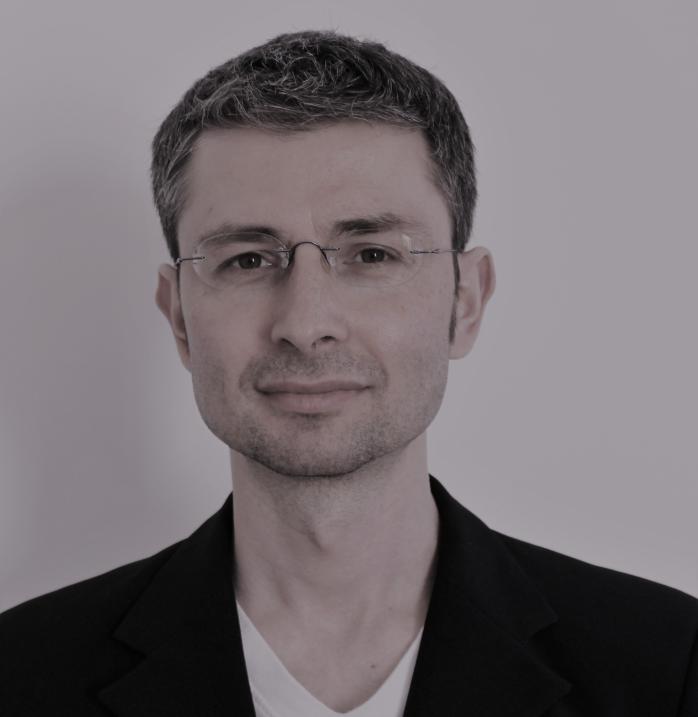
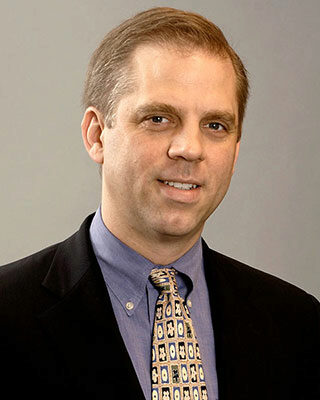
Prof. Dr. Nicki Marquardt is a Professor of Industrial and Organizational Psychology at the Rhine-Waal University of Applied Sciences , affiliated with the Faculty of Communication and Environment at the Kamp-Lintfort Campus. He has been in this role since 2010 and has played a key role in developing both the Bachelor's program in Industrial and Organizational Psychology and the English-taught Master's program in International Management and Psychology. His research and professional work focus on: Human error and error prevention Situational awareness Crew Resource Management (CRM) Safety culture Implicit cognition Business ethics He investigates how unconscious mental processes influence ethical decision-making and organizational safety, particularly in high-risk industries such as aviation, automotive, and healthcare. His recent publications highlight trends in safety culture transformation, mental readiness under stress, and the adaptation of CRM training across sectors. His work bridges experimental psychology with practical organizational interventions, emphasizing measurable improvements in human performance and safety. He has received his doctorate from Leuphana University of Lüneburg in 2009 on the topic of unconscious processes in ethical management decisions and previously contributed to research at the Institute for Experimental Business Psychology (LüneLab). He has also worked as an independent consultant, trainer, and researcher in human factors and safety culture. Prof. Marquardt actively presents at international conferences and publishes in peer-reviewed journals such as Human Factors and Ergonomics in Manufacturing & Service Industries and Journal of Business Ethics . He supports international companies in applying psychological insights to enhance performance and transform organizational cultures.
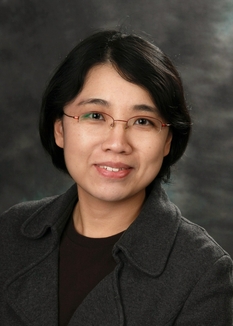
Ruth Dill-Macky serves as a Professor in the Department of Plant Pathology at the University of Minnesota, based at Stakman Hall and Borlaug Hall in St. Paul, MN. She maintains an active research program focused on cereal crop diseases with USDA Agricultural Research Service funding, collaborating directly with wheat, barley, and oat breeding initiatives to develop resistant varieties. Her academic credentials include: PhD in Botany-Plant Pathology from University of Queensland, Australia (1993) BS in Botany-Plant Pathology (Honours, First Class) from University of Queensland, Australia (1984) BS in Botany and Biochemistry from University of Queensland, Australia (1983) Professor Dill-Macky's research centers on economically devastating diseases of small grains, particularly Fusarium head blight, stem rust, and bacterial leaf streak. Her program develops resistance screening techniques, analyzes inheritance patterns of resistance traits, and conducts epidemiological studies on pathogen spread under varying environmental conditions. She prioritizes translating molecular insights into practical breeding solutions for Minnesota growers. Recent publications (2023-2025) reveal intensified focus on molecular characterization of Fusarium resistance mechanisms and Ug99 stem rust threats, alongside emerging bacterial disease challenges. Her work integrates genomics, field trials, and germplasm screening to address yield impacts from pathogens like Xanthomonas translucens, with strong emphasis on developing deployable resistance strategies for cereal production systems. Scientific awards: No specific awards documented in the provided materials She has secured 67 grants as Principal Investigator, primarily through USDA Agricultural Research Service, with active projects extending to 2026. Current work includes molecular characterization of Fusarium head blight, stem rust evaluation in oats, and bacterial leaf streak management. Her program has generated 96 research outputs and one major barley genomics dataset. Professor Dill-Macky leads a multidisciplinary research team collaborating with breeders and USDA scientists, operating field nurseries and molecular labs focused on pathogen virulence and host resistance mechanisms in cereal crops across Minnesota's agricultural landscape.
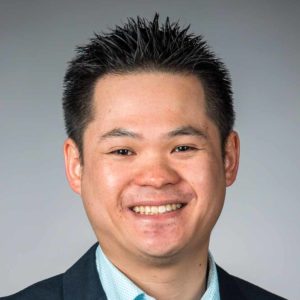
Dr. Wei Song is a Professor and the Coordinator of Software Engineering at the Faculty of Computer Science, University of New Brunswick (UNB) in Fredericton, New Brunswick, Canada. She has been with UNB since 2009, after completing her postdoctoral studies at UC Berkeley, and has established herself as a leading researcher in mobile networking and wireless communications. Her office is located in room ID419 and she can be reached at wsong@unb.ca. Education Ph.D. in Electrical and Computer Engineering, University of Waterloo (2003-2007) Postdoctoral Fellow, Department of Electrical Engineering and Computer Sciences, University of California, Berkeley (2008-2009) Research Focus Dr. Song's research spans multiple cutting-edge areas in mobile and wireless networking, with a strong emphasis on integrating artificial intelligence and machine learning techniques. Her work addresses fundamental problems in mobile social networks, Internet of Things, vehicular networks, and mobile cloud computing. She explores how cooperative intelligence and distributed AI can enhance network performance while addressing practical constraints such as energy efficiency and user incentives. Her recent work particularly focuses on intelligent edge computing, mobile crowdsensing with deep reinforcement learning, and social-aware data dissemination through device-to-device communications. She investigates how to turn decentralized mobile "crowds" into coherent working groups and how social connections can be leveraged to improve data dissemination efficiency. Publication Trends Dr. Song's recent publications (2016-2023) demonstrate a clear evolution from traditional wireless networking to AI-driven approaches. While her earlier work focused on fundamental problems in device-to-device communications and resource allocation, her recent publications increasingly incorporate deep reinforcement learning, graph neural networks, and other AI techniques to solve complex optimization problems in mobile crowdsensing and edge computing. This shift reflects broader trends in the field toward intelligent, adaptive networking solutions. Scientific Recognition Best Paper Award from IEEE ICC (2018) UNB Merit Award (2014) Best Student Paper Award from IEEE CCNC (2013) Top 10% Award from IEEE MMSP (2009) NSERC postdoctoral fellowship (2008) Best Paper Award from IEEE WCNC (2007) Professional Service and Mentoring Dr. Song serves as Senior Member of IEEE and has held significant leadership roles, including Chair of the Joint Computer and Communications Chapter of IEEE New Brunswick Section (2014-2020). She has chaired symposia at major conferences including IEEE VTC Fall 2023, 2017, and 2016. As a supervisor, she mentors graduate students in areas including intelligent edge computing and deep learning for networking, and is currently recruiting students for Winter 2024 and Fall 2025.
Dr. Alessandro Inversini is an Associate Professor at the EHL Hospitality Business School, part of HES-SO University of Applied Sciences Western Switzerland. His primary role involves teaching and researching in the Department of Global Hospitality Business, focusing on marketing, digital transformation, and sustainability within the hospitality and tourism sectors. Educational Background: No explicit educational details provided in the text. Research Interests: Explores the transformative impact of emerging technologies (e.g., AI, ChatGPT) on hospitality operations and customer experience. Advocates for regenerative and net-positive approaches to sustainability in the hospitality industry. Investigates CSR communication strategies on social media and cross-cultural dynamics in tourism reviews. Analyzes digital media’s role in B2B relationships and customer-centric frameworks. Article Trends: Recent works emphasize AI-driven changes in tourism, ethical digital transformation, and CSR practices. Key themes include regenerative hospitality, cultural review differences, and leveraging social media for transformative learning. Awards: No scientific awards explicitly listed. Advising & Grants: Guided research on regenerative hospitality in Lebanon and transformative homestay experiences in Malaysia. Contributed to international conferences like ENTER2016 and EuroCHRIE 2024. Labs/Teams: Collaborates with interdisciplinary teams on projects involving digital tools for rural development and ethical technology integration in hospitality.
Andrea Appolloni is an Associate Professor at the Department of Management and Law, University of Rome Tor Vergata. His academic career focuses on Management with emphasis on Sustainable Supply Chain Management , Digital Transformation , and Circular Economy . His research explores the intersection of technological innovation and sustainability, particularly through topics like AI in Logistics , Green Procurement , and Policy Optimization . Publications span both theoretical frameworks and empirical studies in China, Italy, and Malaysia, with a strong focus on environmental impact and organizational performance. Recent work includes digital twin applications for human-AI collaboration, blockchain integration in sustainable supply chains, and analyzing barriers to circular economy adoption. His 15 most recent articles (2025-2022) demonstrate a trend toward combining Artificial Intelligence , Operations Management , and Environmental Governance .
Noémie Jeannin is a doctoral assistant and PhD student at École polytechnique fédérale de Lausanne (EPFL), affiliated with the Laboratory of Photovoltaics and Thin Films (PV-LAB) within the School of Engineering and the Institute of Microengineering. She is a member of the Energy Doctoral Program (EDOC-EDEY) and serves as the doctoral student representative, contributing to academic governance. Her work is centered on sustainable energy systems, particularly the integration of renewable energy and transportation electrification. Her research focuses on the coupling of photovoltaic (PV) energy production with electric vehicle (EV) charging, using advanced geospatial modeling to quantify energy demand and mobility habits across Europe. She develops methodologies to assess charging flexibility and infrastructure needs, contributing to the European OPENGIS4ET project and the development of the Citiwatts open-source platform for energy transition planning. Her work spans disciplines including energy systems, smart grids, GIS, and sustainable urban mobility. The trends in her publications reveal a strong emphasis on spatial and temporal modeling of energy demand, policy-relevant analysis of electricity tariffs, and innovative solutions for grid integration of distributed energy resources. Her recent articles highlight practical applications in urban energy planning, EV charging behavior, and cost-effective alternatives to grid upgrades. Noémie is actively involved in teaching as an assistant for the course 'Energy Supply Economics and Transition (ENG-410)' and participates in academic service through her representative role. She collaborates with researchers such as A. Pena-Bello, C. Ballif, and N. Wyrsch, and her work is supported by European and institutional research initiatives. She maintains professional profiles on ORCID, Google Scholar, and LinkedIn, and her primary contact is via email at noemie.jeannin@epfl.ch. Her office is located at MC A2 208, EPFL.
Michel Gendreau is a Full Professor in the Department of Mathematics and Industrial Engineering at Polytechnique Montréal. He holds a B.Com. from McGill University, and both an M.Sc. and Ph.D. from the University of Montreal. His research focuses on operational research with applications in logistics, transportation, energy systems, and telecommunications. He is affiliated with several prestigious research centers including the Institute for Data Valorization (IVADO), the Trottier Energy Institute (IET), and the Interuniversity Research Center on Enterprise Networks, Logistics and Transport (CIRRELT). Professor Gendreau's research interests span operational research, with particular emphasis on stochastic optimization methods applied to transportation and logistics problems, energy systems management, and telecommunications. His work often addresses real-world challenges through mathematical modeling and algorithm development, with applications ranging from bike-sharing systems to emergency response planning and electricity grid management. The analysis of his recent publications reveals a strong focus on vehicle routing problems under uncertainty, maintenance optimization, and the integration of stochastic programming with machine learning techniques for improved decision making. Professor Gendreau has received numerous prestigious awards recognizing his contributions to the field of operations research. In 2022, he was named a Fellow of the International Federation of Operational Research Societies (IFORS). In 2010, he was awarded Fellow status by INFORMS (Institute for Operations Research and the Management Sciences). Most notably, in November 2015, he received the Robert M. Herman Lifetime Achievement Award from the Transportation Science and Logistics Society of INFORMS, which is considered the most prestigious distinction for operational researchers working in logistics and transportation. Throughout his career, Professor Gendreau has supervised 25 doctoral students and 18 master's students, contributing significantly to the development of the next generation of operations research experts. His research has been supported by numerous grants from organizations including NSERC (Natural Sciences and Engineering Research Council of Canada), with expertise recognized in Operational Research and Management Science (NSERC subject 1601) and Logistics (NSERC subject 1603). Professor Gendreau is actively involved in several research teams and laboratories, particularly those focused on data valorization, energy systems, and transportation logistics. His current work continues to push the boundaries of stochastic optimization and its applications to complex real-world problems, with recent publications addressing challenges in urban transportation, energy management, and emergency response systems.
Sarah Kaufman serves as Director of the NYU Rudin Center for Transportation and Assistant Clinical Professor of Public Service at New York University's Wagner Graduate School of Public Service. Her work bridges academic research and practical policy solutions for urban transportation systems, with emphasis on equity, technology, and resilience. Her research spans transportation policy, urban planning, emergency management, and climate change adaptation. Key focus areas include mobility equity (notably the "pink tax" on transportation), micromobility systems, autonomous vehicle governance, and disaster response protocols. She investigates how technology and policy can create more inclusive and resilient urban mobility networks, with particular attention to gender disparities and climate vulnerabilities. Analysis of her 15 most recent publications reveals consistent themes in transportation equity, emerging technologies, and crisis management. Her work demonstrates methodological diversity—from agent-based modeling (MATSim-NYC) to policy analysis of scooter sharing—and maintains strong practical relevance through partnerships with transportation agencies. Notable trends include the evolution of micro-mobility regulation, gender-based mobility disparities, and transportation's critical role in pandemic and extreme weather response. As Director of the Rudin Center, she leads a multidisciplinary research team that produces policy-influential reports on congestion pricing, transit innovation, and sustainable mobility. The center serves as a hub for collaboration between government agencies, industry stakeholders, and community organizations, translating academic research into actionable transportation solutions for New York City and beyond.
Benjamin Garner serves as Associate Professor of Marketing in the College of Business at the University of Central Arkansas (UCA), maintaining an active research program from his office in COB 312I. His contact information includes email bgarner3@uca.edu and phone (501) 450-5329, reflecting ongoing institutional affiliation. Dr. Garner's research centers on consumer behavior in experiential marketing contexts with three primary thrusts: Social media engagement dynamics in wine tourism and farmers' markets Authenticity construction through scarcity and sustainability messaging Innovative business education pedagogy including flipped classroom methodologies Analysis of his 2021-2025 publications reveals consistent methodological emphasis on ethnographic observation and text-mining of user-generated content across platforms like Facebook, Instagram, and Twitter. His work uniquely bridges agricultural marketing contexts with digital communication strategies, particularly examining how language structures influence consumer perceptions of authenticity. No scientific awards or student advising information appears in available records. Similarly, grant funding details and laboratory affiliations remain undocumented in the provided materials, though his publication output indicates sustained research activity across multiple scholarly domains.
Peter Bui is a Teaching Professor in the Computer Science and Engineering department at the University of Notre Dame , located within the College of Engineering. He teaches courses such as Data Structures, Systems Programming, and Ethical and Professional Issues, while also managing the core Elements of Computing programming sequence for the Computing & Digital Technologies minor. Education: Ph.D. in Computer Science and Engineering from University of Notre Dame (2012) His research interests span systems programming, operating systems, parallel computing, cloud computing, distributed computing, programming languages, compilers, and web services . He actively integrates these domains into his teaching and extracurricular work with the Linux Users Group. Recent publications highlight his work in distributed computing frameworks , including the development of tools like WorkQueue and Madeup for scalable scientific workflows and 3D printing integration. Projects such as ROARS and Weaver demonstrate his focus on robust data management and workflow automation. Outside academia, he stewards the Linux Users Group , engages with open-source communities, and balances personal interests like gaming in RuneScape with family time.
Jovan Stojkovic is an incoming Assistant Professor at the Department of Computer Science at the University of Texas at Austin, set to join in Fall 2026. Prior to his appointment at UT Austin, he will spend a year at Meta working with the AI and Systems Co-design group. His research focuses on cloud computing and datacenters, with particular emphasis on cloud-native workloads and machine learning inference. Education: PhD in Computer Science from the University of Illinois at Urbana-Champaign, advised by Professor Josep Torrellas Undergraduate studies at the School of Electrical Engineering, University of Belgrade, Serbia, where he was recognized as the best student of the Computer Engineering and Information Theory Department every year from 2017-2020 Research Interests: Jovan's research focuses on cloud computing and datacenters , with two primary domains: Cloud-native workloads , such as microservices and serverless computing. He investigates how to co-design novel hardware platforms and software systems that deliver orders-of-magnitude improvements in performance, energy efficiency, and resource utilization for these emerging workloads. Machine Learning (ML) inference , particularly large language models (LLMs). His work addresses the challenges of ML inference through smart scheduling, workload placement, and system-level configuration tuning to reduce energy, power, and thermal overheads while maintaining performance and accuracy guarantees. Publication Trends: Jovan's publications demonstrate a strong focus on optimizing cloud infrastructure for emerging workloads. His research spans across serverless computing, microservices, and large language model inference. A clear trend emerges in his work: addressing the performance, energy efficiency, and resource utilization challenges of modern cloud workloads through innovative hardware-software co-design approaches. His most recent work shows increasing focus on LLM inference optimization, particularly in the areas of thermal management, power efficiency, and scheduling for many-adapter environments. Awards and Honors: HPCA Best Paper Award (2025) IEEE MICRO Top Picks Honorable Mention (2024) 6 patents with IBM and Microsoft on: Serverless systems, Processor overclocking in the cloud, and Energy-efficient LLM inference W. J. Poppelbaum Memorial Award (2025) for hardware and architecture innovation Mavis Future Faculty Fellowship (2024–2025) Invited to present at 11th Heidelberg Laureate Forum (2024) Kenichi Miura Award (2022) for excellence in High Performance Computing Multiple student travel grants to ISCA, MICRO, ASPLOS, and HPCA Advising and Grants: Jovan is actively seeking prospective PhD students for his research group at UT Austin. His research has been supported through collaborations with major tech companies including IBM, Microsoft, and Meta. His six patents with IBM and Microsoft demonstrate the practical impact of his research in serverless systems, processor overclocking, and energy-efficient LLM inference. His work on serverless computing (MXFaaS, EcoFaaS) and LLM inference optimization has received significant recognition in top-tier computer architecture conferences. Research Groups: During his PhD at UIUC, Jovan worked with Professor Josep Torrellas on cloud infrastructure research. He has collaborated extensively with researchers at IBM Research (particularly Hubertus Franke) and Microsoft (particularly Íñigo Goiri and Ricardo Bianchini). His upcoming position at UT Austin will establish his independent research group focused on cloud computing and datacenter systems. His year at Meta working with the AI and Systems Co-design group will further strengthen his expertise in AI infrastructure.
David K. Musto serves as the Ronald O. Perelman Professor in Finance at the Wharton School of the University of Pennsylvania, where he has held faculty positions since 1995 and currently directs the Stevens Center for Innovation in Finance. His career includes a significant tenure as Senior Financial Economist at the Securities and Exchange Commission (2005-2007) and prior industry experience at Roll & Ross Asset Management. His academic credentials include a BA from Yale University (1987) and a PhD from the University of Chicago (1995). Professional development encompasses systems consulting and programming roles prior to doctoral studies. Professor Musto's research centers on capital markets, consumer credit, and financial intermediation , with substantial contributions to understanding consumer financial services, mutual funds, and crisis dynamics. His work uniquely bridges theoretical models with empirical analysis of market behaviors, particularly examining how social objectives integrate with financial mechanisms in impact investing and how liquidity constraints propagate during systemic stress. Recent publication trends reveal a strategic shift toward interdisciplinary finance, connecting traditional market analysis with social impact frameworks. His studies demonstrate how private contracts adapt to dual financial-social goals and how liquidity feedback loops amplify during crises - insights directly applicable to regulatory design and financial innovation. While no specific individual awards are documented, his endowed professorship and leadership of the Stevens Center represent significant institutional recognition of scholarly impact. Through the Stevens Center, Musto actively mentors students via initiatives like Philadelphia high school partnerships and teen-developed financial literacy apps. His teaching spans undergraduate, MBA, and executive programs including Capital Markets, Strategic Equity Finance, and the Fintech Revolution certificate he directs. The Stevens Center operates as a nexus for financial innovation under Musto's direction, developing practical tools for underserved communities while advancing research on fintech, financial literacy, and inclusive market structures through industry-academia collaborations.
Dina Dechmann is Group Leader at the Max Planck Institute of Animal Behavior, Department of Migration in Radolfzell, Germany. She leads the Ephemeral Resource Adaptations Research Group, focusing on how animals adapt to fluctuating resource availability through behavioral, morphological, and physiological strategies. Her educational background includes: Ph.D. in Animal Behavior from University of Zürich (2005) MS in Systematics & Ecology from ETH Zürich (1999) Habilitation at University of Konstanz (2018) Dr. Dechmann identifies as a classical behavioral ecologist with a passion for evolution, increasingly focusing on how resource distribution in time and space influences animal adaptations. Her research examines movement patterns (particularly in flying foxes and bats), energetics, information transfer during foraging, and morphological adaptations like wing shape. A significant focus involves seasonal phenological changes, especially in brain structure, as seen in her work on Dehnel's Phenomenon in shrews. She is actively involved in the ICARUS satellite tracking initiative to monitor bat migration. Her recent publications reveal consistent themes across animal behavior, neuroecology, and conservation biology. The work demonstrates sophisticated integration of field studies with molecular and physiological approaches, particularly in studying how animals navigate resource ephemerality. Key trends include bat migration patterns, brain plasticity in response to seasonal changes, and methodological innovations in wildlife tracking. Her research bridges fundamental behavioral ecology with practical conservation applications, especially regarding common bat species. Dr. Dechmann mentors a diverse international team including postdocs, doctoral students, and technical staff. Her group maintains strong collaborations across European institutions and with international partners, particularly in Panama where some field studies occur. While specific grant details aren't provided, her work on the ICARUS initiative and extensive publications suggest substantial research funding. The Ephemeral Resource Adaptations Group operates as a small, international team focused on resource distribution challenges for animals. Current projects examine migration as an adaptation to seasonal change, hibernation energetics in climate change contexts, social information sharing for ephemeral resources, alternative wintering strategies in small mammals, and impacts of research methodologies on animal behavior.
Bhushan Gopaluni is a Professor in the Department of Chemical and Biological Engineering at the University of British Columbia, where he also serves as Associate Dean for Education and Professional Development in the Faculty of Applied Science. He holds associate faculty positions in multiple interdisciplinary institutes including the Institute of Applied Mathematics, Institute for Computing, Information and Cognitive Systems, Pulp and Paper Center, and Clean Energy Research Center. He previously held the Elizabeth and Leslie Gould Teaching Professorship from 2014 to 2017. Education: Ph.D. in Chemical Engineering, University of Alberta (2003) Bachelor of Technology in Chemical Engineering, Indian Institute of Technology, Madras (1997) Research Interests: Professor Gopaluni's research spans several critical areas at the intersection of chemical engineering, machine learning, and process control. His primary focus includes the development of advanced process control strategies using reinforcement learning and machine learning techniques. He has made significant contributions to battery technology research, particularly in capacity estimation and remaining useful life prediction for lithium-ion batteries. His work also encompasses sustainable energy systems, industrial process monitoring, fault diagnosis, and the application of digital twin technology in chemical processes. His research methodology emphasizes the integration of data-driven approaches with fundamental process understanding, leading to practical solutions for complex industrial challenges. This includes the development of interpretable machine learning models for industrial applications, real-time optimization strategies, and advanced monitoring systems for process industries. Publications and Research Impact: Professor Gopaluni's recent publications demonstrate a strong focus on cutting-edge applications of machine learning in chemical engineering. His work prominently features battery technology and energy systems, with multiple papers addressing lithium-ion battery capacity estimation and management. He has also contributed significantly to process control applications, including drilling process monitoring, greenhouse gas reduction in marine transport, and renewable carbon tracking in biofuel processing. His research extends to advanced computational methods including deep learning, reinforcement learning, and causal discovery in industrial processes. Awards and Recognition: Killam Teaching Prize (University of British Columbia) Dean's Service Medal (University of British Columbia) D.G. Fisher Award in Process Control (Canadian Society for Chemical Engineers) Elizabeth and Leslie Gould Teaching Professor (2014-2017) Professional Service and Editorial Roles: Professor Gopaluni currently serves as Associate Editor for three prestigious journals: Journal of Process Control, The Journal of Franklin Institute, and Results in Control and Optimization. His service to the academic community extends through his role as Associate Dean for Education and Professional Development, where he oversees educational initiatives across the Faculty of Applied Science. Industry Experience: From 2003 to 2005, Professor Gopaluni worked as an engineering consultant at Matrikon Inc. (now Honeywell Process Solutions), where he designed and commissioned multivariable controllers for British Columbia's pulp and paper industry and implemented controller performance monitoring projects across oil & gas and chemical industries.
Anastasios Zafeiropoulos serves as Assistant Professor at Harokopio University of Athens, specializing in Spatial Data Management and Analysis within the Postgraduate Studies Program for “Applied Geography and Spatial Management” (Direction C: Geoinformatics). His academic role encompasses teaching “Spatial Databases” and advancing research at the intersection of geospatial technologies and distributed computing systems. His research program focuses on Spatial Databases, Internet of Things (IoT), Cloud/Edge Computing, and 6G Network Orchestration, with significant extensions into Knowledge Graph applications for Sustainable Development Goals (SDGs) and socio-emotional learning in education. Key innovations include the EduCardia methodology for student competency assessment and frameworks for climate vulnerability analysis using knowledge graphs. Analysis of his 2024-2025 publications reveals three dominant thrusts: (1) AI-driven orchestration of 6G services across the computing continuum using reinforcement learning; (2) Knowledge Graph applications for SDG interlinkage analysis and materials science; (3) EU-funded IoT/Edge Computing project ecosystems. His work consistently bridges theoretical networking concepts with practical sustainability and educational applications. Dr. Zafeiropoulos actively contributes to EU-funded initiatives in IoT and Edge Computing standardization, particularly through AIOTI WG Standardisation. His project portfolio includes NEPHELE multi-cloud ecosystem development and O-RAN slice admission control research, demonstrating strong industry-academia collaboration in next-generation networking. He leads the development of innovative tools including Palindrome.js for distributed system visualization and the EmoSocio open-access emotional intelligence model, reflecting his commitment to translating research into practical educational and environmental solutions.