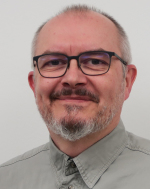
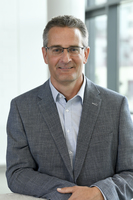
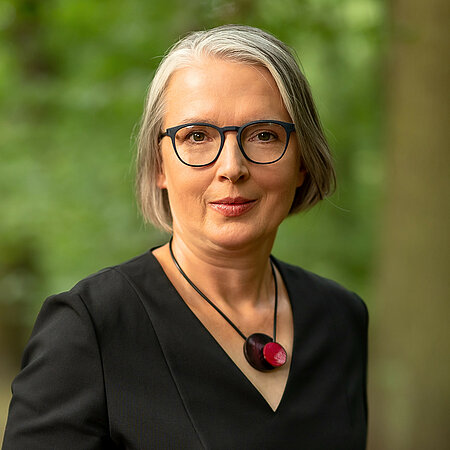
Dr. Steffen Bender is an Adjunct Professor and Chair of the coasts, cities and regions department at the Climate Service Center Germany (GERICS), part of Helmholtz-Zentrum Hereon. He holds a PhD from LMU Munich and completed his qualification as a university lecturer in applied geology at Ruhr-Universität Bochum. Education: Chemistry & Geology at Heidelberg/Kiel, PhD in geology at LMU Munich, lecturer qualification at Ruhr-Universität Bochum Affiliation: Climate Service Center Germany (GERICS), Helmholtz-Zentrum Hereon Academic role: Adjunct Professor at Ruhr-University Bochum (since 2003) His research focuses on: Climate change impacts on urban areas and critical infrastructure Climate impacts on terrestrial water systems Development of climate services for municipal adaptation Recent research trends include: Digital twins for resilient cities Flood regulating ecosystem services under climate change Cascading effects in critical infrastructure networks Integration of water-energy-land nexus with climate services Climate modeling for entire city regions Key projects involve the GERICS-Stadtbaukasten (urban climate adaptation toolkit) and co-development of the PALM-4U urban climate model. He has contributed to transboundary water management and climate risk governance frameworks.
Ricardo Alonso serves as Associate Professor of Management at the London School of Economics and Political Science since 2014. His academic journey includes prior appointment as Assistant Professor of Finance and Business Economics at the University of Southern California following completion of his PhD at Kellogg School of Management in 2007. His educational background features an MS in Electrical Engineering and Computer Science from Universidad Politecnica Madrid, preceding his transition from industry to academia. Professional experience includes significant management roles at Telefonica across Europe and the United States, where he participated in launching greenfield operators in Central America and e-commerce platforms. Professor Alonso specializes in the economics of organizations with particular focus on information structures and incentive mechanisms within corporate environments. His research bridges theoretical economics with practical organizational challenges, examining how information flows and incentive systems shape corporate decision-making processes. Key contributions appear in top-tier journals including the American Economic Review , Review of Economic Studies , and RAND Journal of Economics . His publication record demonstrates consistent focus on organizational design challenges, evolving from foundational work on recruitment (2015) and expert persuasion (2017) to contemporary data analytics organization (2021). The research trajectory reveals increasing attention to digital transformation challenges while maintaining core methodology in information economics. While no formal awards are documented in available materials, his work maintains strong recognition through publication in premier economics journals. His industry background provides distinctive perspective on practical implementation of theoretical frameworks. Professor Alonso's advising activities and research grants are not explicitly detailed in available sources, though his publication record suggests active mentorship of junior researchers. His industry experience likely informs practical applications of theoretical work within corporate settings. Current research appears centered on data analytics organization and persuasion dynamics, suggesting continued exploration of information flow challenges in modern corporate environments.
Peter Kießling is a Scientific Staff member at the University of Leipzig 's Didactics of Computer Science department. Since January 2021, he has contributed to research and teaching, with a focus on didactic patterns, digital education tools, and AI integration in programming instruction. PhD in Computer Science Education (University of Leipzig, 2025) 2. Staatsexamen in Computer Science Teacher Training (2021) 1. Staatsexamen in Higher Secondary Education (Mathematics & Computer Science, 2019) His research explores didactic templates/patterns for computer science instruction, media didactics , and digital teaching materials . Recent work analyzes AI-based educational scenarios and programming task support systems. Kießling collaborates on projects like the M.I.T.-Schulnetzwerk (since 2023) and UndiMes (2019-2023), focusing on digital education in Saxony. His publications emphasize modular teaching frameworks and simulation-based learning. As a lecturer, he teaches modules including Didaktik der Informatik - Grundlagen , Physical Computing , and Grundlagen digitaler Lehr-Lernszenarien , covering both theoretical and practical aspects of computer science teacher training.
Prof. Dr. Alexander Sczyrba is a Professor at Bielefeld University, serving as group leader of the Computational Metagenomics Group within the Faculty of Engineering. He holds multiple leadership positions including head of the Computational Metagenomics group at the Center for Biotechnology (CeBiTec), head of Bielefeld University Bioinformatics Services (BiBiServ), and head of Cloud Computing at the Institute for Bioinformatics Infrastructure (BIBI). His work bridges bioinformatics, microbiology, and data science to address challenges in analyzing complex microbial communities. Prof. Sczyrba specializes in computational approaches to study the 'microbial dark matter' - over 99% of microbial species that cannot be grown in pure culture. His research focuses on developing high-throughput computational techniques for analyzing massive metagenomic datasets, such as the cow rumen metagenome project (over 500 Gbp of sequence data) conducted in collaboration with the DOE Joint Genome Institute. From this dataset, his team identified more than 27,000 putative carbohydrate-active genes and assembled 15 uncultured microbial genomes. Analysis of his recent publications (2023-2025) reveals a strong emphasis on developing computational infrastructure for metagenomics research, with particular focus on cloud-based workflows, data submission standards, and integration with national research data infrastructure. His work demonstrates interdisciplinary applications across environmental engineering, biogas production, soil science, and clinical settings, reflecting the collaborative nature of modern bioinformatics research. Prof. Sczyrba actively mentors researchers and collaborates with institutions including the DOE Joint Genome Institute. He is developing new tools specifically designed for metagenomic assembly challenges that standard genome assembly tools cannot handle due to the complexity of mixed microbial communities. His work on single cell genomics focuses on automated bioinformatic pipelines to address coverage bias introduced by amplification techniques. He is a key contributor to Bielefeld University's Microbiology in a data-driven world (MDDW) focus area, which brings together researchers from biology, medicine, chemistry, and technology faculties to leverage bioinformatics and biotechnology strengths for studying and improving microbiomes. His office is located at UHG M3-111, and he teaches courses including 'Application-oriented analysis of post-genome datasets' and 'Parallel and Distributed Computing'.
Victoria Degeler is an Assistant Professor at the Informatics Institute of the University of Amsterdam . Her research focuses on reasoning and decision-making systems for smart environments, activity recognition, digital twins, and sustainable computing applications in energy/water management. Member of the Intelligent Data Engineering Lab Part of the Complex-Cyber Infrastructures group Active in the Data Science Centre She bridges academia and industry, with prior roles at Airbus, Cupenya, and academic positions at National University of Ireland Galway, Delft University of Technology, and University of Groningen. Her work includes peer-reviewed publications, patents, and coordination of Horizon Europe/NWO research projects. Recent research trends include distributed digital twins (e.g., the DDTclean project), graph neural networks for activity recognition , and quality-aware complex event processing in IoT systems. She contributes to sustainable computing practices across the computing continuum. Best Demonstration Award Best Student Paper Award EIT Manufacturing grant EIT Climate grant AMS Institute grant NWO-funded DDTclean project As a PhD supervisor , she leads projects on event-based communication algorithms for distributed digital twins and mentors startups in the Rockstart AI Accelerator . She serves as a program committee member for conferences like ECML-PKDD and CIKM , and reviews projects under the Horizon Europe framework.
Dr. Katrina M. Waters is a Distinguished Chief Scientist & Laboratory Fellow at the Pacific Northwest National Laboratory (PNNL) with joint faculty appointments at Oregon State University and the University of Washington. With over 25 years of experience, she leads groundbreaking research at the intersection of environmental exposures, infectious diseases, and human health through systems biology, bioinformatics, and computational toxicology approaches. Her work has established her as a national and international leader with more than 150 publications and significant contributions to major research programs including the DOE's National Virtual Biotechnology Laboratory program on COVID-19 transmission, the NIEHS Superfund Research Program, and the NIAID Centers for Predictive Modeling of Infectious Diseases. PhD in Biochemistry, University of Wisconsin (1996) AB in Chemistry, Ripon College (1992) National Research Service Award Postdoctoral Fellowship with Thomas C. Spelsberg, Mayo Graduate School of Medicine (1997-1999) Postdoctoral Fellowship with Kevin Gaido, Chemical Industry Institute of Toxicology Centers for Health Research (1999-2001) Dr. Waters' research focuses on pathway-based biomarker discovery for environmental exposure to toxicants, high-throughput screening approaches for hazard assessment, predictive modeling of viral infections including influenza, SARS, Ebola, and West Nile virus, and the development of computational tools for integration of genomics, proteomics, and metabolomics data. Her work in machine learning, biomarker discovery, and public health has had broad translational impact by influencing toxicological risk assessments and advancing public health protection. She has pioneered approaches for multi-omics data integration and modeling to elucidate complex disease processes and identify therapeutic strategies and interventions. Analysis of Dr. Waters' recent publications reveals a strong focus on environmental health and infectious disease research, with particular emphasis on polycyclic aromatic hydrocarbons (PAHs), PFAS toxicity, viral pathogenesis, and multi-omics data integration. Her work combines community-based exposure assessment with advanced computational approaches, demonstrating a consistent trajectory of innovation in linking environmental exposures to biological outcomes. The research spans from fundamental molecular mechanisms to population-level health impacts, with increasing emphasis on data science approaches for integrating complex biological datasets. Pacific Northwest Association of Toxicologists (PANWAT) Achievement Award (2024) Election as Fellow of AAAS (2023) Election to the Washington State Academy of Sciences (2021) Secretary of Energy Appreciation Award for NVBL COVID-19 response (2021) Laboratory Fellow, PNNL (2018) Secretary of Energy Appreciation Award for Ebola Task Force (2017) As a recognized global leader, Dr. Waters has served on multiple National Academy of Sciences committees and advisory boards, including the U.S. EPA's Board of Scientific Counselors. She is a Fellow of the American Association for the Advancement of Science and has held editorial positions for prominent journals including Scientific Data and Toxicology and Applied Pharmacology. Her leadership extends to major research initiatives including the DOE's National Virtual Biotechnology Laboratory program on airborne transmission of COVID-19 and the NIEHS Superfund Research Program. She has mentored numerous researchers and students through her joint faculty appointments at Oregon State University and the University of Washington. Dr. Waters leads research teams focused on systems biology, computational toxicology, and environmental health sciences at PNNL. Her work involves multidisciplinary collaborations across national laboratories, universities, and government agencies to address complex environmental health challenges. She directs efforts in multi-omics data integration, predictive modeling of disease processes, and development of computational tools for environmental exposure assessment and risk characterization.
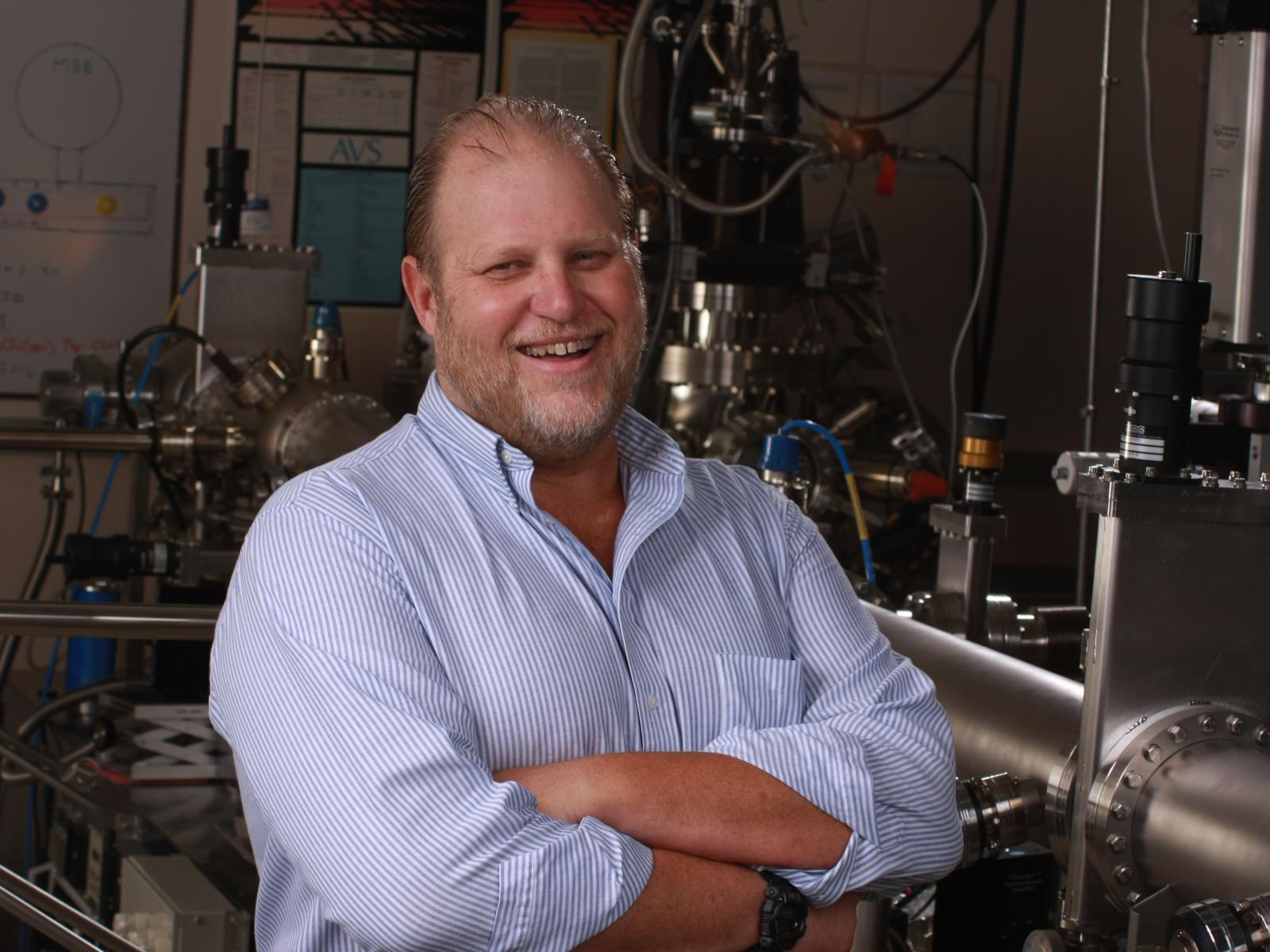
Bruce Kay is a Lab Fellow and Physicist in the Chemical Physics & Analysis division at Pacific Northwest National Laboratory (PNNL). He also serves as a Visiting Professor of Chemical Physics at the University of Liverpool, UK since 2006, maintaining an active international research collaboration. Education: B.S. in Chemistry with Mathematics minor, University of Illinois, Chicago (1976) with Honors and Highest Distinction Ph.D. in Chemical Physics, University of Colorado, Boulder (1982) Research Interests: Dr. Kay's research focuses on applying molecular-beam surface scattering techniques to investigate chemical kinetics and reaction dynamics on ice surfaces and oxide materials. His work examines complex physiochemical processes in aqueous solutions, super-cooled liquids, astrophysical environments, and at aqueous-mineral interfaces. Using thermal desorption and surface spectroscopic techniques, he probes hydrophobic and hydrophilic interactions between water and various materials to understand interphase transport and phase separation. His molecular-level studies directly support Department of Energy programs in environmental restoration, waste processing, and contaminant fate and transport. Dr. Kay's discovery of deposition angle dependent porosity in amorphous solid water films led to his development of nanoporous thin MgO films with high porosity (~90%) and surface area (~1000 m 2 /g), creating materials with enhanced chemically active binding sites for potential applications as sensors and heterogeneous catalysts. Publication Trends: Dr. Kay's recent publications (2015-2018) demonstrate continued leadership in surface science, with emphasis on molecular interactions with ice surfaces, graphene, and metal oxides like TiO 2 . His work combines experimental surface science techniques with theoretical analysis to understand adsorption, desorption, and crystallization processes at the molecular level. Key themes include supercooled liquid behavior, nanoscale water films, catalytic processes on oxide surfaces, and the development of novel instrumentation for studying these phenomena under ultrahigh vacuum conditions. Scientific Awards: Fellow of the American Chemical Society (2010) Fellow of the American Association for the Advancement of Science (2005) Fellow of the American Vacuum Society (2000) Fellow of the American Physical Society (2000) British Vacuum Council John Yarwood Medal (1991) ACS Undergraduate Award in Analytical Chemistry (1976) Professional Service: Dr. Kay has served on multiple editorial boards including the Journal of Chemical Physics (2009-2011) and Journal of Physical Chemistry (2005-2007). He held leadership positions in the American Chemical Society Physical Chemistry Division (2003-2008), co-chaired the Dynamics and Kinetics working group at the DOE-BES Workshop on Nanoscience and Catalysis (2002), and served on the International Advisory Board for Academica Sinica Institute for Atomic and Molecular Science, Taiwan (2004-2007). Laboratory Work: Dr. Kay's laboratory at PNNL develops and applies advanced molecular beam scattering instrumentation to study fundamental surface phenomena. His team's work on nanoporous MgO films represents a significant technological advancement with potential applications in catalysis and sensing. His research continues to investigate the molecular mechanisms governing surface interactions, with implications for environmental science, energy technologies, and materials design.
Prof. Dr. Ina Schiering is a Professor of Computer Science at the Institute of Information Engineering, Ostfalia University of Applied Sciences, where she has served since 2008. She holds leadership roles as project leader for "Cultural Participation in the Museum I & II" and Deputy Spokesperson of the Leibniz ScienceCampus, while also leading the Smart Forestry sub-project in the BMDV-funded 5G Smart Country real laboratory and the BMBF project KI4All on AI data protection. Educational background: Diploma in Computer Science, Christian-Albrechts Universität zu Kiel Ph.D. in Computer Science, Christian-Albrechts Universität zu Kiel Her research spans critical technology domains with emphasis on: IT Security and privacy frameworks Data protection impact assessments Interdisciplinary applications in mHealth and IoT Smart device governance Digital inclusion initiatives AI-related data protection challenges Prior industry experience includes 10 years as project manager and consultant at Sun Microsystems (1998-2008) specializing in IT service management, security, and virtualization. Current research initiatives include: Smart Forestry data governance in BMDV's 5G Smart Country real laboratory KI4All project addressing AI data protection (BMBF-funded) "Cultural Participation in the Museum" series as primary investigator
Chuanyi Li is an Assistant Professor at the Software Institute, Nanjing University, affiliated with the State Key Laboratory for Novel Software and Technology. His office is located in Room 917, Fei Yimin Building, 22 Hankou Road, Gulou District, Nanjing, China. Education: Ph.D. in Computer Science, Nanjing University (2012-2017), supervised by Professor Bin Luo Visiting Scholar at Southern Methodist University, Dallas, Texas (2016-2017), collaborating with Associate Professor Liguo Huang B.Sc. from Nanjing University (2008-2012) Research Focus: Dr. Li's work bridges Software Engineering, Natural Language Processing, and Business Process Management. He specializes in applying NLP and machine learning techniques to software engineering challenges including code summarization, program repair, code completion, and software maintenance. His research emphasizes empirical validation and practical tool development for real-world software systems. Publication Trends: Recent work (2021-2025) demonstrates strong focus on large language model applications in software engineering, including code generation, program repair, and benchmarking. Publications frequently involve empirical comparisons, dataset creation, and efficiency optimization techniques for code-related tasks. Professional Service: Active contributor to top software engineering venues (ASE, ICSE, ESEC/FSE) as author and committee member. Recent roles include Program Committee membership for ICSE 2025 Research Track and SANER 2025 Research Papers track.
Teja Kattenborn serves as Professor for Sensor-based Geoinformatics (geosense) at the University of Freiburg, Germany. With 118 publications, over 95,000 reads, and 7,103 citations, he has established himself as a leading researcher in remote sensing applications for ecological monitoring and environmental assessment. His work bridges advanced technological approaches with fundamental ecological questions, making significant contributions to understanding vegetation dynamics and forest health through innovative remote sensing methodologies. Professor Kattenborn's research focuses on integrating cutting-edge remote sensing technologies with ecological science to monitor plant species distributions, forest health, and ecosystem dynamics. His expertise spans UAV/drone imagery analysis, satellite data interpretation, and deep learning applications for vegetation mapping. He has pioneered methods to extract plant functional traits from spectral data, enabling new approaches to understanding biodiversity patterns and ecosystem responses to climate change. His work demonstrates how advanced computational techniques can transform raw remote sensing data into meaningful ecological insights about plant functioning and community composition. His recent publications reveal a strong emphasis on advancing remote sensing methodologies for ecological applications, particularly using deep learning for fine-grained plant species mapping, monitoring forest dieback and tree mortality at unprecedented scales, and retrieving plant functional traits from diverse remote sensing platforms. His research spans from centimeter-scale UAV applications to global analyses using satellite data, demonstrating both technical innovation and ecological relevance. Notably, his work increasingly addresses climate change impacts on forest ecosystems, particularly drought-induced forest dieback and its cascading effects on ecosystem services. Scientific recognition includes: Best oral presentation at the IAVS Annual Symposium 2019 Best oral presentation at the EARSel SIG Imaging Spectroscopy Workshop 2019 ARCADIS price for Geo- and environmental research Fellowship for UAV-Based beach-profile monitoring system Karl-Steinbuch-fellowship 2013 As principal investigator of the Sensor-based Geoinformatics (geosense) research group, Professor Kattenborn leads multiple collaborative projects, including participation in the ECOSENSE Collaborative Research Centre funded by the German Research Foundation (DFG). His extensive publication record with numerous co-authors across institutions indicates active mentorship of graduate students and postdoctoral researchers, though specific advisees aren't listed in the provided information. His research program appears well-funded through various national and international grants supporting innovative environmental monitoring approaches. The geosense research group develops and applies novel remote sensing techniques for environmental monitoring, with particular strengths in UAV-based systems, deep learning applications, and multi-sensor data fusion. Professor Kattenborn maintains extensive collaborations across Germany and internationally, as evidenced by his diverse publication record spanning European institutions and global research initiatives focused on forest ecology, biodiversity monitoring, and climate change impacts.
Aurélie Modde serves as a Researcher in the Department of Clinical Child and Adolescent Psychology and Psychotherapy at Free University of Berlin, actively contributing to the third-party funded STARK project (Spielerische Therapieunterstützung mit adaptivem Realitätsgrad für Kinder) since 2025. Concurrently, she is pursuing dual clinical qualifications: additional training as a child and adolescent psychotherapist at Zentrum für seelische Gesundheit der Freien Universität Berlin (since 2023) and psychological psychotherapy certification in behavioral therapy at Humboldt University Berlin (since 2022). Her academic foundation includes: Master of Science in Clinical Psychology from Julius-Maximilians-Universität Würzburg (2019-2021), thesis: "Von der Nützlichkeit eines interaktiven Forums für Brain Computer Interface Nutzende – Eine qualitative Interviewstudie" Bachelor of Science in Psychology from Julius-Maximilians-Universität Würzburg (2015-2019), thesis: "Ein Vergleich verschiedener Erfassungsmöglichkeiten von Rechtschreibkompetenz im Grundschulalter" Undergraduate exchange at University of New Mexico, USA (2017-2018) Modde's research centers on gender identity development and dysphoria in youth, with significant contributions to trans and non-binary adolescent mental health through projects like DEXTRA (Daily Experiences of Trans Adolescents), TRANS*PARENT, and GenderJourney Youth Compass. Her work uniquely bridges clinical psychology with neurotechnology, particularly in Brain-Computer Interface applications and interprofessional education frameworks. Publication analysis reveals an interdisciplinary trajectory: her 2025 BCI forum study demonstrates user-centered neurotechnology design principles, while the 2021 interprofessional education review establishes foundational models for collaborative psychology training. Both works exemplify her methodological versatility across qualitative, systematic review, and clinical intervention paradigms. No scientific awards are documented in available records. Modde currently contributes to the STARK project's development of adaptive reality therapy tools for children, though no student supervision roles are indicated. Her practical experience spans clinical placements at Fliedner Klinik Berlin (DBT unit) and PINEL Netzwerk, alongside research roles at Charité Universitätsmedizin Berlin and University of Adelaide. She operates within the Youth Advisory Board team at the University Outpatient Clinic, collaborating on gender identity research while participating in clinic partnerships focused on trans youth mental health services and parental support frameworks.
Stefanie Weidtkamp-Peters serves as an Associate Professor at the Center for Advanced imaging (CAi), Heinrich Heine University Düsseldorf, where she leads critical bioimaging research initiatives. Her work bridges plant biology, advanced microscopy, and computational data analysis, with significant contributions to the CEPLAS Cluster of Excellence on Plant Sciences. Her research focuses on: Developing and applying cutting-edge microscopy techniques including super-resolution imaging, fluorescence lifetime imaging (FLIM), and electron microscopy Quantitative analysis of protein-protein interactions in plant development and metabolism Integrating machine learning and AI for image data management and high-content screening Advancing FAIR data principles through tools like MDEmic for bioimaging metadata annotation Analysis of her publication record (2008-2024) reveals an evolving research trajectory from fundamental molecular dynamics in nuclear bodies toward increasingly sophisticated plant imaging applications. Recent work emphasizes data infrastructure development, demonstrating her leadership in establishing standardized workflows for bioimaging core facilities. Her interdisciplinary approach consistently connects plant metabolism, developmental biology, and computational image analysis. As a core faculty member of CAi, she directs a facility providing comprehensive imaging services including scanning/transmission electron microscopy, super-resolution techniques, and AI-powered image analysis. The center supports diverse plant research projects through its specialized expertise in plant tissue imaging and data science applications, particularly within CEPLAS research areas like plant-microbiota interactions and theoretical plant biology.
Prof. Dr. Sieglinde Lemke is a Senior Professor of North American Studies at the English Department of the University of Freiburg, Germany. She serves as Director of the Black Forest Writing Seminars and has held leadership roles including Executive Director of the English Department and Deputy Equal Opportunity Commissioner of the Philological Faculty. Her academic credentials include: Habilitation (2003) - "The Enigma of the Vernacular" at Free University Berlin Dissertation (1995) - "Reconsidering Modernism: Cultural Hybridity and American Art in the Early 20th Century" MA in History and English (1990) from University of Konstanz Lemke's research critically examines inequality, precarity, and representation in American culture, exploring intersections of race, class, and gender through Cultural and Literary Theory, Poverty Studies, Modernism, African-American Studies, Visual Culture, and Gender and Queer Studies. Her work investigates vernacular traditions and transnational perspectives in American literature and visual culture, with increasing attention to sustainability and digital media implications. Her publication trajectory reveals consistent focus on poverty and inequality, evolving toward transdisciplinary approaches connecting cultural studies with sustainability, digital media, and post-human concerns. Recent works demonstrate sophisticated engagement with visual representation of social issues and ethical dimensions of representing marginalized experiences across American cultural production. Her notable recognitions include: First prize for "Prekäre Räume – Straßenkampf" at Berlin State Library Hackathon (2020) Distinguished Teaching Award from Free University Berlin (2005) Boundary 2 Award by Council of Editors of Learned Journals, USA (2000) Honorary Permanent Non-Resident Fellow at Du Bois Institute, Harvard University (1995-2000) Lemke has supervised PhD candidates researching closet narratives, trauma studies, civil religion, and African American crime fiction. Her grant portfolio includes significant German Research Foundation funding for "Representations of Poverty in Contemporary America" (2011-2014), Freiburg Institute for Advanced Studies Fellowship (2010-2011), and international research opportunities at Harvard, Georgetown, and institutions worldwide. She directs the innovative Black Forest Writing Seminars summer academy and has organized numerous international conferences including "Connectivity and its Other" (2022), "From Racial Polarization to Black Liberation" (2021), and "Precarious Representations" (2018), establishing herself as a leading figure in interdisciplinary American cultural studies with global scholarly networks.
Philipp Eichhammer serves as an Assistant Professor for Security in Information Systems at the University of Passau's Faculty of Computer Science and Mathematics, where he leads research in the Chair of IT Security under Prof. Dr. Joachim Posegga. His work bridges theoretical security frameworks with practical IoT implementations, focusing on real-world system resilience. His research expertise spans Dependable Distributed Systems , Byzantine Fault Tolerance , and Fault Tolerance in IoT , with recent breakthroughs in autonomous community formation for intrusion detection across heterogeneous networks. Current projects address critical gaps in Cloud-to-Thing infrastructure monitoring and self-organizing middleware design for secure IoT service execution. Analysis of his 2019-2023 publications reveals consistent focus on IoT resilience engineering, with 40% dedicated to intrusion detection methodologies and 30% to foundational IoT security frameworks. His work demonstrates increasing industry relevance, particularly in applying distributed systems theory to edge-computing security challenges. Teaching responsibilities include Advanced IT-Security , Real Life Security (B.Sc./M.Sc.), and Security Insider Lab II , emphasizing hands-on system and application security training. Collaborative work with researchers like H.P. Reiser and J. Domaschka spans 8 major publications across venues including IEEE PRDC and ACM Computing Surveys.
Ajay Jha is an Assistant Professor in the Department of Computer Science at North Dakota State University (NDSU), where he leads the Software Testing and Maintenance (STAM) Lab. His academic journey began with industry experience, followed by graduate studies and postdoctoral research that shaped his current focus on software engineering research. His educational background includes: Ph.D. in Computer Science from Kyungpook National University (2017) Master's degree from Kyungpook National University (2013) Over five years of industry experience before graduate studies, including co-founding two startups Postdoctoral research at University of Alberta (over two years) and Kyungpook National University (three years) Dr. Jha's research focuses on software engineering, particularly in the areas of software testing, maintenance, and evolution. His work centers on mining large-scale software repositories to uncover real-world issues in software quality, reliability, and maintainability. He develops innovative tools and techniques to address challenges in regression testing, library migration, and mobile application development. His research has significant practical implications for improving software development processes and enhancing the reliability of modern software systems, particularly in mobile and Python environments. His publication record shows a clear progression from Android-focused research to broader software engineering challenges, with recent work emphasizing Python library migration and large language models for software engineering tasks. His research methodology typically involves empirical studies of real-world software repositories combined with tool development to address identified challenges. Dr. Jha is actively involved in academic service, serving on program committees for major software engineering conferences including MSR, ICSME, SANER, ASE, and ICSE. He also reviews for prestigious journals such as IEEE Transactions on Software Engineering and ACM Transactions on Software Engineering and Methodology. At NDSU, he teaches a range of courses from undergraduate to graduate level, including Mobile Software Engineering, Software Development Processes, and Software Project Planning and Estimation. He also leads graduate seminars on specialized topics like 'LLMs for Software Testing and Maintenance' and 'Code Smell and Refactoring.' He leads the Software Testing and Maintenance (STAM) Lab at NDSU, which focuses on mining software repositories to identify quality issues and developing practical tools to address software maintenance challenges. The lab's research has produced several benchmarks (PyMigBench, JTestMigBench) and tools (TRec) that have been shared with the research community.