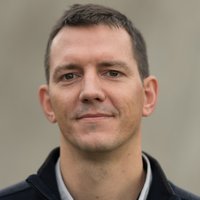
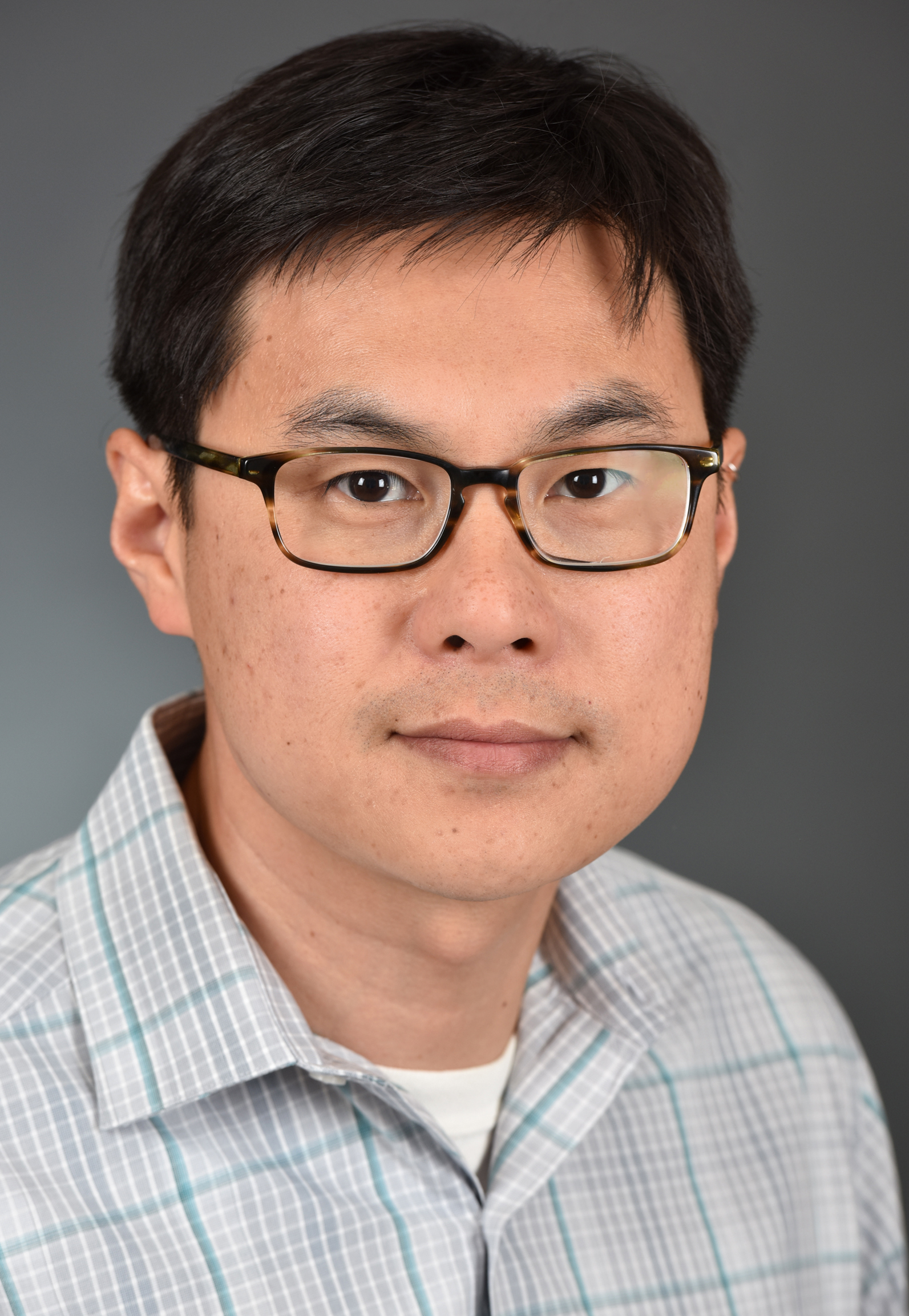
Dr. Arnaud Faille is a leading entomologist and evolutionary biologist specializing in Coleoptera, particularly ground beetles and subterranean species. He currently serves as Deputy Head of the Department of Entomology at the State Museum of Natural History Stuttgart, Germany, and has previously held research positions at institutions such as the Institute of Evolutionary Biology (IBE) in Barcelona and the Zoologische Staatssammlung München. His work bridges molecular phylogenetics with morphological systematics to study adaptation, speciation, and biogeography in cave and high-altitude ecosystems. His research interests include evolutionary biology, phylogenetics, systematics of Coleoptera, biodiversity development, cave beetle ecology, biogeography, and conservation strategies for subterranean ecosystems. He has contributed extensively to taxonomic studies of Trechini and Leptodirini tribes, emphasizing convergent evolution and endogean beetles. 2025 : Discovery of new Bryaxis species in Vietnam 2024 : Analysis of Ethiopian Trechini beetles, integrative systematics of Oxytrechus in Ecuadorian Andes 2023 : Groundbreaking studies on cave beetle biogeography, subterranean biodiversity conservation Dr. Faille has received prestigious grants, including DFG Fellowships , Humboldt Research Fellowship , and National Geographic Society funding . His work addresses critical gaps in subterranean conservation and highlights the unique evolutionary trajectories of cave-dwelling beetles.
Dr. Mathis Richter is a Postdoctoral Researcher at the Institute of Neuroinformatics (INI), part of the Faculty of Computer Science at Ruhr University Bochum, Germany. He has been affiliated with the INI since 2008, progressing from Research Assistant to Research Associate, and currently serves as a Postdoctoral Researcher since July 2018. At the INI, he contributes to both the Embodied Cognition group and the Autonomous Robotics group, led by Prof. Dr. Gregor Schöner. Dr. Richter earned his Dr.-Ing. (Ph.D. equivalent) in Engineering from Ruhr-Universität Bochum between 2011 and 2018, following an M.Sc. and B.Sc. in Applied Computer Science from the same institution. His academic journey includes an exchange year at the University of Birmingham, UK. His research centers on higher cognition, specifically concept representation, how concepts combine to form complex mental scenes, and the neural mechanisms organizing cognitive operations in time. Using Dynamic Field Theory as his primary framework, he develops mathematical models explaining how neural populations represent objects and concepts. His work demonstrates how these cognitive models connect to sensory-motor systems, often implemented on robotic platforms to validate their autonomy and functionality. Analysis of Dr. Richter's publications reveals a consistent focus on neural dynamic modeling of cognitive processes, with particular emphasis on spatial relations, language grounding, and embodied cognition. His research trajectory shows increasing sophistication in modeling complex cognitive phenomena while maintaining strong connections to robotic implementations. As an educator, Dr. Richter has taught Lab courses in Autonomous Robotics across multiple terms since Winter 2015/2016 and has delivered Lectures in Computational Neuroscience: Neural Dynamics since Winter 2018/2019. His teaching directly reflects his research expertise in neural dynamics and cognitive systems. Dr. Richter actively participates in interdisciplinary research that bridges cognitive science, neuroscience, computer science, and robotics, contributing to the INI's mission of understanding how organisms generate behavior and cognition through interaction with their environments.
Tony Cheng is an Associate Professor (non-tenure-track) at Waseda Institute for Advanced Study, Waseda University since April 2024. His interdisciplinary research bridges philosophy, cognitive science, and neuroscience with particular emphasis on the philosophical foundations of perception, consciousness, and bodily awareness. Cheng maintains an active research program with significant publications in top journals across multiple disciplines. Education Background: MSc in Psychology and Neuroscience of Mental Health from King's College London (2019-2021) PhD from University College London, Department of Philosophy (2015-2019) MPhil from University College London, Department of Philosophy (2012-2014) MA from City University of New York, Graduate Center, Department of Philosophy (2010-2012) Cheng's research focuses on transcendental arguments, bodily awareness, attention, consciousness, and perception. His work uniquely combines rigorous philosophical analysis with empirical cognitive neuroscience, creating a bridge between abstract philosophical concepts and measurable cognitive phenomena. He has made significant contributions to understanding perspectival shape perception, the relationship between tactile and visual cognition, and the epistemological foundations of consciousness studies. His recent publications reveal a clear trajectory toward increasingly interdisciplinary work that integrates philosophical methodology with empirical neuroscience. Cheng's research shows particular strength in examining Molyneux's question from both historical and contemporary perspectives, investigating how perspectival properties are represented across sensory modalities, and developing frameworks for understanding the relationship between artificial intelligence and human cognition. Scientific Awards: Scholarly Monograph Award in the Humanities and Social Sciences (2022.12) from Academia Sinica Cheng actively participates in academic leadership as Director of Logic, Methodology and Philosophy of Science and Technology (LMPST) since January 2025, and previously served as Supervisor (2022.02-2024.12) and Academic Committee Member for the Center for Traditional & Scientific Metaphysics. His teaching includes courses on Mind and Consciousness at both undergraduate and graduate levels in Waseda's School of Fundamental Science and Engineering and Graduate School of Fundamental Science and Engineering.
Wei-Chung Allen Lee, PhD, is an Associate Professor of Neurology and Neurobiology at Harvard Medical School. His research focuses on understanding how neural circuits enable behavior through functional connectomics, combining advanced imaging, machine learning, and computational modeling. The Lee Lab develops tools like X-ray holographic nanotomography and GridTape for high-resolution neural structure analysis. Key interests include circuit principles in Drosophila, cerebellar interneurons, and synaptic wiring in decision-making regions. His work explores structural-functional relationships in networks, conservation across species, and developmental constraints on neural architecture. Recent studies highlight connectomic reconstructions in Drosophila, cerebellar disinhibition mechanisms, and blood-brain barrier heterogeneity. Methodological innovations in microscopy and image restoration underscore his lab’s interdisciplinary approach. The Lee Lab is located at 220 Longwood Avenue, Boston, MA, and collaborates on large-scale neuroimaging pipelines like the Open Connectome Project.
Prof. Dr. Christian Leibold is a former faculty member of the Faculty of Biology at Ludwig-Maximilians-Universität München (LMU). His research focuses on theoretical and experimental neuroscience, particularly the hippocampal formation's role in spatial navigation and temporal coding. He investigated topics such as auditory processing, phase precession in hippocampal neurons, and the interaction between brain regions like the medial entorhinal cortex and hippocampus. Research Interests: Modeling hippocampal sequences and spatial navigation Temporal processing in auditory brainstem circuits Neuronal mechanisms of grid cells and place fields Data analysis of hippocampal activity patterns Collaborations: University of California San Diego (UCSD) Charité – Universitätsmedizin Berlin Bernstein Center for Computational Neuroscience (BCCN) Munich His work combines computational modeling with experimental approaches, addressing how neural circuits process spatial and temporal information. He contributed to understanding axonal myelination dynamics and the role of medial superior olive neurons in auditory localization.
Lee Miller is a Professor of Physiology, Physical Medicine & Rehabilitation, and Biomedical Engineering at the University of Chicago. His research focuses on understanding how the brain encodes movement commands through neural signals, with applications in developing brain-machine interfaces (BMIs) to restore motor function in paralyzed patients. His work integrates neuroscience, engineering, and computational methods to study neural networks in motor systems. Key research areas include decoding cortical signals to predict muscle activity, developing closed-loop BMIs, and investigating functional connectivity in neural circuits. Miller collaborates extensively with the Biomedical Engineering Department and the Interdepartmental Neuroscience Program (NUIN). His lab combines experimental approaches (e.g., chronic neural recordings) with computational tools to study neural dynamics and develop therapeutic technologies. Recent work emphasizes restoring hand function via cortically controlled functional electrical stimulation (FES), translating neural signals into muscle activation. His publications span neural decoding algorithms, sensory feedback systems, and the neurobiology of motor control. Miller’s contributions bridge fundamental neuroscience and clinical neuroengineering, with potential impacts on spinal cord injury rehabilitation and prosthetic control systems.
David Hedgecoth is a Professor of Music Education and Associate Director/Chair of Undergraduate Studies at The Ohio State University's School of Music. He holds a PhD from OSU and teaches courses in brass pedagogy, instrumental methods, and qualitative research. His administrative roles include curriculum committee work and advising for Phi Mu Alpha and Collegiate NAfME. He directs the Brazilian Experience education abroad program and mentors in the Sophomore Transformational Experience Program (STEP). Education: BME and MA from Florida State University (Tallahassee), PhD in Music Education from The Ohio State University. Research focuses on charter school music programs, educational policy, teacher education, and international music education. Key interests include curriculum design in alternative schools, social impact of music education, and LGBT inclusivity. Over 20 peer-reviewed and editor-reviewed publications address topics like self-guided rehearsals, post-recession curriculum recovery, and advocacy in music education journals. Awards include National Board Certification, Fulbright Scholarship, and Teacher of the Year. Serves on boards for Chamber Music Columbus, ProMusica Chamber Orchestra, and OSU's Center for Latin American Studies advisory board. Coordinates the IMMERSE sensory concert series with WOSU Public Radio. Advising includes directing education abroad programs and mentoring graduate students. Grants and partnerships involve collaborative projects with schools, orchestras, and international institutions. Maintains active roles in both classroom innovation and large-scale educational policy analysis. Labs/Teams: Brazilian Experience Abroad Program leadership, IMMERSE sensory concert coordination, and collaborative work with WOSU Public Radio.
Jonathan G. Heaney is a Lecturer in the School of Social Sciences, Education and Social Work at Queen’s University Belfast, affiliated with the Senator George J. Mitchell Institute for Global Peace, Security and Justice. He holds a PhD in Sociology & Politics from NUI Galway (2014), funded by an Irish Research Council Scholarship. His research focuses on the intersections of emotions, power, and politics, with a particular emphasis on nationalism, state dynamics, and sociological theory. He has supervised PhD students and is actively involved in academic networks, including leadership roles in the European Sociological Association's Research Network on Emotions (RN11). He also serves on editorial boards for journals like Emotions & Society and Frontiers in Sociology . Education: BA (Hons) in Sociology & Politics, Economics, National University of Ireland, Galway (2007) PhD in Sociology & Politics, NUI Galway (2014) Research Interests: His work explores political sociology of emotions, power dynamics, nationalism, and processual approaches to habitus. Current projects include The Emotional State and Embodied Nationalism , funded by a BA/Leverhulme Small Research Grant. He emphasizes interdisciplinary analyses of populism, Brexit, and social movements through an emotions lens. Teaching: Teaches core social theory modules at undergraduate and postgraduate levels, including Emotions, Power & Politics and Global Society . Developed research-led courses linking contemporary politics to emotional dynamics. Awards: BA/Leverhulme Small Research Grant (2015) Irish Research Council Postgraduate Scholarship (2008) Fellow of the Higher Education Academy (2017) Grants & Activities: Peer reviewer for ESRC, Carnegie Trust, and journals like Qualitative Sociology . Organized international conferences and workshops, including events in Edinburgh, Stockholm, and Athens. Serves on editorial boards and advisory committees for sociological organizations. Labs & Collaborations: Collaborates with institutions like the Institute of Irish Studies (QUB) and engages in interdisciplinary research networks on power and emotions.
Jennifer Grandits is a Principal Lecturer in the Department of Psychology at Clemson University, affiliated with the College of Behavioral, Social and Health Sciences. She holds a PhD in Developmental Psychology from the University of Connecticut (2013), along with a Quantitative Research Methods Certificate, MA in Developmental Psychology (2010), and dual BA degrees in Psychology and Sociology from the University of Virginia (2007). Her research focuses on autism spectrum disorder interventions, implicit biases in healthcare, and aging workforce adaptation. She teaches courses in experimental psychology and lifespan development. Key research themes include sensory-based interventions for autism, cross-cultural stigma analysis, and leveraging machine learning for predictive modeling in health contexts. Her work bridges developmental psychology with practical applications in education and clinical settings. Expertise areas: Neurodiversity, child development, applied statistics Recent projects involve collaborations with autistic communities in curriculum design Teaching responsibilities include foundational psychology courses and advanced lifespan development studies. Her CV highlights contributions to inclusive education programs and technology adoption initiatives for older adults.
Lisa Shin is Professor and Interim Chair of Psychology at Tufts University, School of Arts and Sciences. She directs the Posttraumatic Stress Disorder Neuroimaging Laboratory, utilizing fMRI and PET to investigate neural correlates of anxiety disorders. Her research examines dysfunction in amygdala, medial prefrontal cortex, and hippocampal regions in PTSD, with emphasis on biomarker development and treatment prediction. Education includes a PhD in Psychology from Harvard University and postdoctoral training at Massachusetts General Hospital. Research focuses on clinical neuroscience with specialization in trauma-related psychopathology and neuroimaging. Current investigations explore familial vulnerability to PTSD and cardiovascular comorbidities in anxiety disorders. Honors include the Association for Psychological Science Fellowship and NARSAD Young Investigator Award. Actively mentors graduate students including Julia Felicione, Madelyn Jungbluth, and Mike VanElzakker. Research funded by NIMH, NHLBI, and DoD grants examining stress pathways linking psychiatric and cardiometabolic disorders.
Rachel Ablow is a Professor of English at the University at Buffalo (SUNY), affiliated with the College of Arts and Sciences. Her research focuses on 19th-century literature and culture, particularly the Victorian era, with expertise in novel theory, medical humanities, and affective histories. She holds editorial roles for Victorian Literature and Culture and co-edits the Norton Anthology's Victorian volume. Her major publications include Victorian Pain (Princeton, 2017) and The Marriage of Minds (Stanford, 2007). Her work bridges literary analysis with interdisciplinary topics like pain narratives, legal history, and sensory studies. She has held multiple research fellowships, including from the ACLS and University at Buffalo institutes. Ablow has contributed to special journal issues on pain’s social dimensions and Victorian emotion, and her teaching spans Victorian literature, critical theory, and gender studies. She actively participates in academic organizations like the North American Victorian Studies Association.
Professor Barley Norton is a distinguished ethnomusicologist and filmmaker at Goldsmiths, University of London, where he serves as Director of the Asian Music Unit (AsMU), convenor of the MA in Music (Ethnomusicology), and leader of the Goldsmiths Gamelan Group. His academic career focuses on the music and culture of Southeast Asia, particularly Vietnam, where he has conducted extensive field research. His research interests span ethnomusicological filmmaking and theory, the cultural politics of musical practice, discourse on cultural heritage and music revival, music and religious experience, music and emotion, music and gender theory, music censorship, improvisation, and performance and modal theory. Norton's academic work is deeply informed by his practical musical engagement; during his field research in Vietnam, he learned to play the dan day and dan nguyet lutes, and he also performs Sundanese music from Indonesia on the kacapi zither and in the gamelan degung orchestra. Norton's scholarly output reveals significant trends in Southeast Asian music studies, particularly focusing on the intersection of traditional musical practices with contemporary political and social contexts. His work consistently examines how musical traditions navigate processes of canonization, heritage safeguarding, and creative innovation within rapidly changing cultural landscapes. A notable thread throughout his research is the relationship between music, ritual, and identity in Vietnamese cultural contexts, with increasing attention to environmental concerns and climate change impacts on musical heritage in his most recent work. American Musicology Society's 2014 Ruth A. Solie Award for 'Music and Protest in 1968' Commendation - Intangible Culture Film Prize at the Royal Anthropological Institute's 12th International Festival of Ethnographic Film for 'Hanoi Eclipse: The Music of Dai Lam Linh' Professor Norton has supervised numerous doctoral students including Christopher Hanby (Applied Ethnomusicology and Jèrriais language revitalization), Lin Lin (Creative Realization in the Compositional Process), Clare Salaman (Reimagining the trumpet marine), and Jasmine Hornabrook (Transnational networks in London's Tamil diaspora). His research has been generously funded by the Getty Foundation, Arts and Humanities Research Council, British Academy, and ASEASUK, supporting projects on Vietnamese music revival and audiovisual archiving. He has also undertaken consultancy work with UNESCO, the British Council, and Vietnamese cultural institutions on music heritage projects. As a key figure in the field, Norton directs Goldsmiths' Asian Music Unit, which serves as a hub for research, performance, and teaching focused on Asian musical traditions. The unit facilitates cross-cultural musical dialogue and supports field research in Asia, while the Goldsmiths Gamelan Group provides hands-on experience with Indonesian musical traditions. His leadership extends to international scholarly organizations, having served as Chair of the British Forum for Ethnomusicology (2015-2018) and as a member of the Society for Ethnomusicology Council (2017-2020).
Raviraj Nataraj is an Associate Professor in the Department of Biomedical Engineering at Stevens Institute of Technology, leading the Movement Control Rehabilitation (MOCORE) Laboratory. He holds a PhD from Case Western Reserve University (2010) and an MS from Stanford University (2003). His research focuses on integrating control systems with assistive technologies to enhance motor function recovery for individuals with neurotrauma, including spinal cord injury, stroke, and amputation. Key areas include wearable sensors, virtual reality environments, and neuroprosthetics. Education: PhD in Biomedical Engineering, Case Western Reserve University (2010) MS in Mechanical Engineering, Stanford University (2003) Research interests emphasize sensory feedback mechanisms, cognitive factors in motor rehabilitation, and the development of personalized computerized interfaces. His lab creates instrumented wearables and VR tools to improve functional movement. Recent work includes optimizing feedback modalities for upper-limb rehabilitation and studying neural responses to altered visual feedback. Notable awards include the NSF CAREER Award (2023) and Stevens’ Harvey Davis Distinguished Teaching Award. He has secured grants from NSF, Department of Veterans Affairs, and New Jersey Health Foundation for projects like ‘Personalizing sensory-driven interfaces for motor rehabilitation’. Professional roles include NIH Review Panelist and Associate Editor for Frontiers of Medical Engineering. He chairs Stevens’ Institutional Review Board and oversees BME faculty searches. The MOCORE Lab (www.mocorelab.com) collaborates on clinical solutions like the ‘Cognition Glove’ and muscle-training braces.
Dr. Michael P. Barry is the Associate Director for Translational Research and a Senior Research Fellow at the Pritzker Institute of Biomedical Science and Engineering, Illinois Institute of Technology. His work focuses on neuroprosthetic design, artificial vision systems, and low-vision rehabilitation. He earned a PhD in Biomedical Engineering from Johns Hopkins University (2018) and a B.A./M.S. in Neuroscience from the same institution (2010). His research includes pioneering contributions to the Argus II retinal prosthesis and the Intracortical Visual Prosthesis (ICVP), emphasizing psychophysical evaluations and device optimization. Dr. Barry has published over 40 peer-reviewed articles and holds a patent for spatial fitting by percept location tracking (2018). He received the Envision-Atwell Award for Low Vision Research in 2017. Key projects include managing the RES-MATCH program for IIT undergraduates and advancing thermal imaging and distance-filtering systems to enhance prosthetic vision. His work integrates neurophysiological studies, clinical trials, and software development to improve visual perception for blind individuals. Collaborations span academic institutions and industry partners like Second Sight Medical Products. Professional memberships include the Association for Research in Vision and Ophthalmology (2010–2020, 2023–2024) and the Society for Neuroscience (2019, 2023). Current research emphasizes optimizing ICVP performance through EEG recordings and electrode stability analysis, while exploring applications in mobility assistance and environmental interaction.
Kristina Backer is an Assistant Professor in the Department of Cognitive and Information Sciences at the University of California, Merced. Her research focuses on cognitive neuroscience, auditory processing, and the intersection of sensory systems with higher-order cognition. She employs methods such as EEG, fMRI, and behavioral experiments to investigate topics like bilingualism effects, neuroplasticity in aging, and multisensory integration mechanisms. Her work explores how auditory and visual systems interact, particularly in phenomena such as the McGurk illusion and the continuity illusion in musicians. She also examines how auditory cues influence motor timing and the neural mechanisms underlying attentional modulation in short-term memory. Backer’s studies often involve clinical populations, such as children with cochlear implants and older adults with hearing loss, to understand the cognitive and neurophysiological impacts of sensory deficits. Key research themes include the temporal dynamics of sensory processing, the neural basis of cross-modal perception, and individual differences in cognitive abilities linked to language experience and aging. Her experimental methods emphasize electrophysiological techniques combined with computational modeling to dissect neural correlates of perception and cognition. Backer’s publications highlight advancements in understanding auditory-motor integration, neuroplasticity in bilingualism, and the development of rapid diagnostic tools for sensory pathway assessment. Her research bridges fundamental neuroscience with clinical applications, aiming to improve rehabilitation strategies for auditory and cognitive impairments.