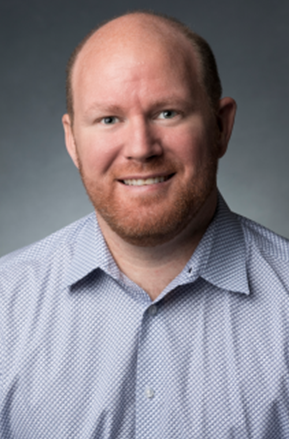
Dr. Ghaith Androwis is an Adjunct Instructor in Bio-Medical Engineering at NJIT, specializing in rehabilitation robotics and neurorehabilitation technologies. His research focuses on developing and evaluating robotic exoskeletons, myoelectric orthotics, and novel therapy tools for spinal cord injury, multiple sclerosis, and cerebral palsy rehabilitation. Current investigations include deep reinforcement learning for exoskeleton control, wearable sensor systems for motor recovery assessment, and vestibular stimulation techniques to enhance rehabilitation outcomes. He maintains clinical research partnerships with rehabilitation hospitals and conducts trials on robotic gait training and upper extremity functional recovery.
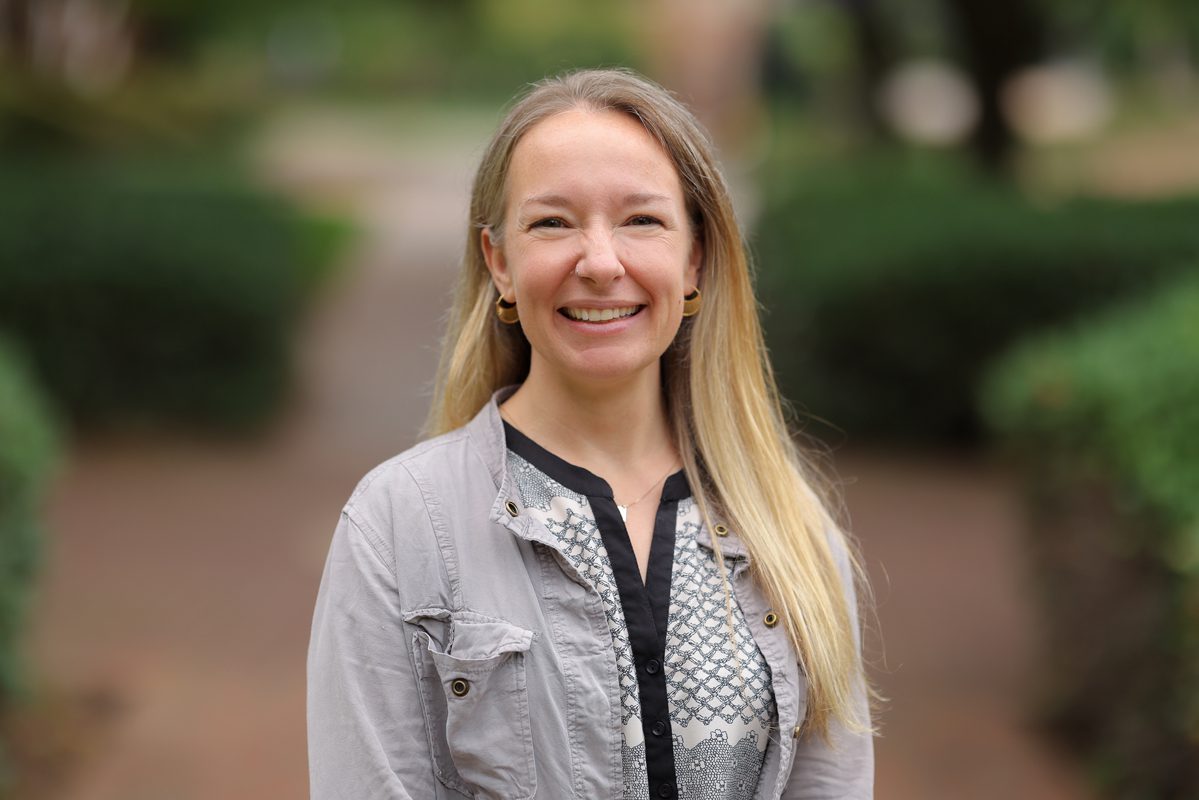
Dr. Erin R. Hahn is Professor and Department Chair of Psychology at Furman University. She earned her Ph.D. in Cognitive Development from Carnegie Mellon University and joined Furman in 2005. Her research explores developmental psychology with emphasis on environmental stewardship, moral judgments in children, and cognitive-linguistic development. Hahn's research integrates cognitive development and environmental psychology, examining how children perceive environmental ethics and develop language-action associations. Her work on childhood dietary awareness and climate change bridges psychological science with sustainability education. She directs the Furman-SC LEND undergraduate pipeline program, which provides training in developmental disabilities. Her international teaching includes programs in Africa, India, and Denmark. Awards: Alester G. Furman Award for Meritorious Advising (2018) She mentors undergraduate research and leads initiatives connecting psychological science with environmental education and disability advocacy.
Professor Trevor Darrell is a faculty member in the Department of Electrical Engineering and Computer Sciences at UC Berkeley. He leads research in computer vision, machine learning, and robotics, focusing on algorithms for visual recognition and perception-based interfaces. His affiliations include the Berkeley Artificial Intelligence Research Lab (BAIR), Berkeley Center for Responsible, Decentralized Intelligence (RDI), and the International Computer Science Institute (ICSI). Education: PhD, MIT (1996) BSE in Computer Science, University of Pennsylvania (1988) Research Interests: Professor Darrell’s work spans Artificial Intelligence , Computer Vision , Robotics , and Multimodal Learning . His recent efforts emphasize vision-language models, embodied AI, and ethical AI frameworks for healthcare and robotics. Notable Contributions: His articles in 2025 highlight advancements in multimodal generation, humanoid control, and model alignment. Trends include leveraging vision-language integration for robotics tasks and addressing AI bias and hallucination. Awards: ICML Test of Time Award (2024) ACM SIGMM Test of Time Paper Award (2024) CVPR Longuet-Higgins Prize (2024) Labs & Collaborations: Leads BAIR and RDI, advancing responsible AI and geospatial analysis through initiatives like Berkeley Deep Drive and the CITRIS People and Robots (CPAR) program.
Cynthia Moss is a Professor of Psychological and Brain Sciences at The Johns Hopkins University, where she leads a research laboratory focused on systems, cognitive, and computational neuroscience. Her work is affiliated with the Neuroscience Training Program and the Psychological & Brain Sciences graduate program. She conducts pioneering research on echolocating bats to understand spatial perception, attention, and memory in natural behaviors. Research Interests: Dr. Moss investigates how the brain integrates sensory input with motor output during complex behaviors such as flight and navigation. Her primary model system is the echolocating big brown bat, which uses biological sonar to navigate and hunt. She studies neural mechanisms in key brain regions including the hippocampus, midbrain superior colliculus, and somatosensory cortex. Her research spans spatial perception , attention , memory formation , sensorimotor integration , and tactile feedback in flight control . She employs wireless neural recordings from free-flying bats to study brain activity during natural behaviors, offering insights into 3D spatial representation and adaptive sensing. Publication Trends: Her recent publications (2021–2024) reflect a strong focus on neural coding of 3D space, multisensory integration (especially tactile and visual cues in echolocation), adaptive vocal behavior, and social communication in bats. Her work increasingly bridges neuroscience with bio-inspired engineering, as seen in studies on wing mechanoreception and computational models of auditory processing. Collaborations with institutions like Columbia University expand the scope of her tactile sensing research. Scientific Contributions: Although specific awards are not listed in the provided text, her consistent publication record in high-impact journals such as Nature Neuroscience , PNAS , Current Biology , and eLife underscores her leadership in neuroethology and systems neuroscience. Advising and Grants: Dr. Moss mentors graduate students through the Neuroscience and Psychological & Brain Sciences programs at Johns Hopkins. While specific grant details are not mentioned, her extensive research output and long-term program suggest sustained funding from federal and private sources. She has trained numerous researchers and published over two decades of influential work on bat biosonar and brain function. Labs and Teams: The Moss Lab at Johns Hopkins uses advanced techniques including multi-channel wireless neural recording, high-speed motion tracking, and acoustic monitoring to study freely behaving bats. The lab collaborates with experts in biophysics, engineering, and sensory neuroscience, forming interdisciplinary teams to explore active sensing and neural dynamics in natural contexts.
Stuart Fogel is an Associate Professor in the School of Psychology at the University of Ottawa and Director of Sleep Neuroscience at The Royal's Institute of Mental Health Research. He is also an Adjunct Professor in the Department of Psychology at Western University. His research focuses on the role of sleep in memory consolidation and cognitive function. Research Interests: His work centers on decoding the physiological signals of the brain during sleep, particularly sleep spindles, and their role in memory and cognition. He employs advanced techniques including EEG, fMRI, and combined EEG-fMRI to investigate sleep-dependent memory consolidation across consciousness states. Key areas include aging, electrophysiology, sleep disorders, motor skill acquisition, and neural circuits. His recent publications highlight trends in sleep spindles, functional connectivity during sleep, and the neural basis of consciousness, often using multimodal neuroimaging. These studies contribute to understanding how sleep supports learning and mental health. Scientific Awards: Young Scientist Award, European Sleep Research Society Young Scientist Award, Canadian Sleep Society Dr. Fogel has received funding from national and provincial agencies and plays an active role in the Canadian Sleep Society. He teaches courses such as PSY 4327: Sleep and Dreams and PSY 6991: Seminars in Psychology: Sleep and Behaviour. He plans to recruit 1–2 graduate students for his experimental program. Labs and Research Facilities: He leads research at the University of Ottawa Sleep Research Laboratory and the Sleep Research Laboratory at The Royal Ottawa Institute for Mental Health Research, where he conducts cutting-edge studies on sleep and brain function.
Gunnar Schmidtmann is an Associate Professor of Optometry and Vision Science at the School of Health Professions, University of Plymouth, where he has been employed since 2017, first as a Lecturer and promoted to Associate Professor in 2021. He holds a PhD in Vision Science from Glasgow Caledonian University and completed postdoctoral research at McGill University in Montreal, Canada. He is actively involved in teaching, research, and supervision, with a focus on visual perception and clinical vision science. Education: PhD in Vision Science, Glasgow Caledonian University, UK (2008–2013) BSc in Optometry, University of Applied Sciences, Lübeck, Germany (2005–2008) Medical School, University of Lübeck, Germany (2001–2005) Research Interests: His research spans visual neuroscience, shape perception, object recognition, visual psychophysics, and face perception. He investigates contour and curvature encoding, spatial and probability summation, peripheral vision, visual illusions, and the visual functions of patients with traumatic brain injury, stroke, and glaucoma. His work combines computational modeling with experimental psychophysics. Publication Trends: His recent articles (2023–2025) focus on sensorimotor aging, tablet-based vision testing, letter identification biases, and visual illusions such as the 'Pint Glass Illusion'. These reflect a strong trend toward developing accessible, quantitative tools for clinical and research use, while maintaining a deep theoretical interest in visual perception mechanisms. Scientific Engagement: Active member and elected committee member of the Applied Vision Association (AVA) Principal contributor to the McGill Face Database for complex mental state recognition Regular presenter at AVA and ECVP conferences Supervision and Grants: He supervises PhD students and is a Co-Investigator on an active NHS-funded project Portable Low-Cost Haptic Interfaces for Motor Injury Assessment (2025–2026). His teaching includes module leadership in Visual Perception, Human Anatomy, and Applied Quantitative Research Methods at both undergraduate and postgraduate levels. Labs and Teams: He leads research within the Eye and Vision Research Group at the University of Plymouth and collaborates with the Centre for Cognitive Neuroscience at Brunel University London. His lab focuses on psychophysical experiments and computational modeling of visual perception.
Pavan P Ramdya is an Associate Professor at EPFL's School of Life Sciences, affiliated with the Brain Mind Institute and Institute of Bioengineering. He leads the Ramdya Lab, focusing on reverse-engineering Drosophila neural systems to uncover principles of biological intelligence and inform AI/robotics. His interdisciplinary approach combines genetics, computational modeling, and neuroimaging. Education: PhD in Neurobiology from Harvard University (2009) Research spans neuroengineering , motor control , and collective behavior . Key contributions include creating NeuroMechFly (neuromechanical model of Drosophila ), mapping descending/ascending neuron networks , and developing DeepFly3D , LiftPose3D software for behavioral analysis. His work reveals how neural populations in the brain and ventral nerve cord coordinate locomotion and social behaviors. Recent publications focus on hierarchical sensorimotor control (Nature Methods 2024), neural substrates of sociability (bioRxiv 2024), and 3D pose estimation algorithms. The lab secures major grants including Kavli Exploration Awards , SNSF Eccellenza Grants , and HFSP Fellowships . Scientific Awards: Kavli Fellowship, SNSF Eccellenza Grant, HFSP Career Development Award, Wellcome Trust Fellowship, UNIL Young Investigator Award As a PhD program committee member for EDBB and EDNE , he mentors students in computational neuroscience and neuroengineering. His team has trained multiple PhD candidates including Victor Lobato-Rios and Pembe Gizem Ozdil.
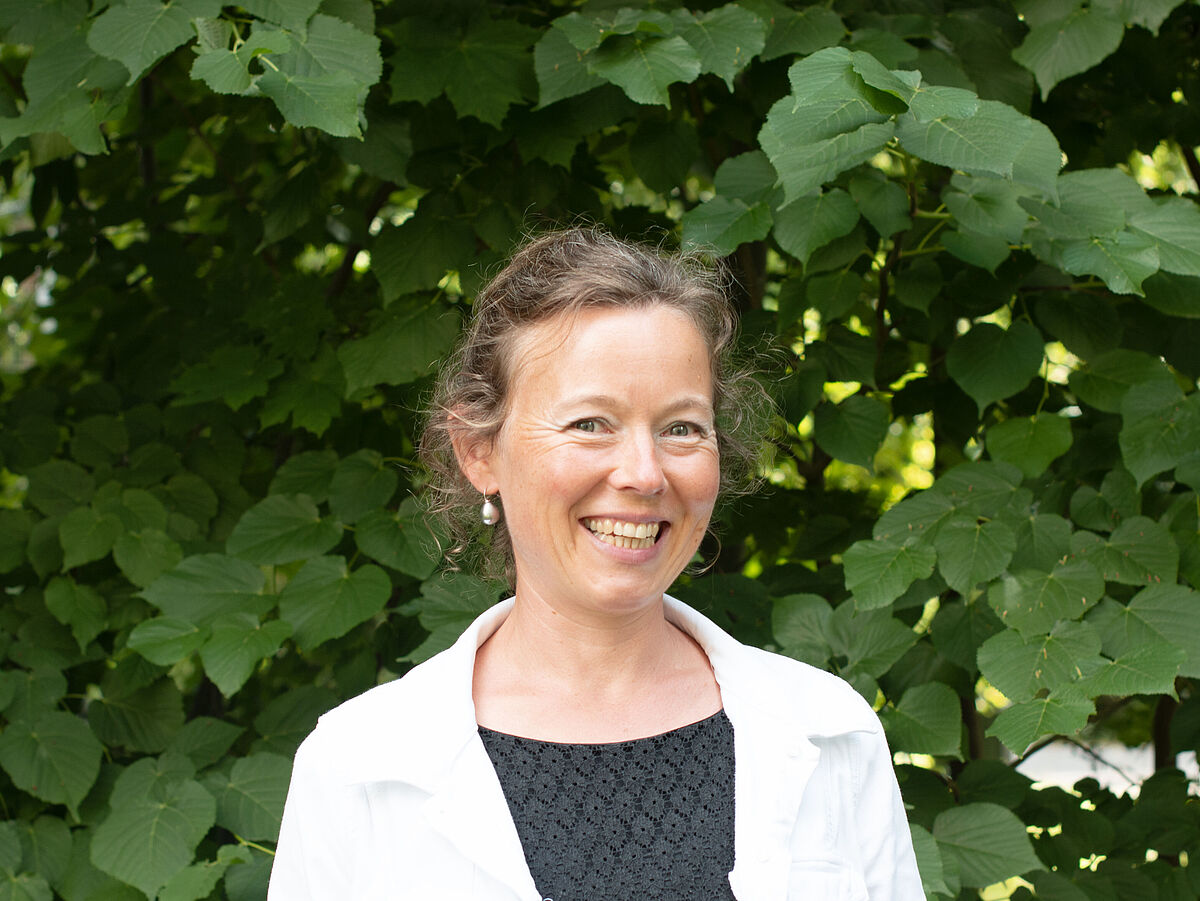
Dr. Li-Ann Leow is a Research Fellow at the Centre for Sensorimotor Performance , affiliated with the School of Psychology in the Faculty of Health, Medicine and Behavioural Sciences at the University of Queensland . She holds a PhD in Motor Learning and Parkinson's Disease from the University of Western Australia, and has held postdoctoral positions at the Brain and Mind Institute (Western University) and the University of Queensland. Research Interests : Mechanisms of sensorimotor adaptation Dopamine's role in motor learning Neurostimulation techniques (tDCS) Rhythm perception and movement disorders Implicit vs explicit learning processes Motor rehabilitation in stroke and Parkinson's Article Trends show focus on neural plasticity , auditory-motor integration , and dopaminergic modulation of motor skills. Her 2025 works highlight error-driven memory consolidation and auditory cueing effects . She explores how brain stimulation reliability affects procedural learning and decision-making in both healthy and clinical populations. Scientific Awards : Honorary Fellow, School of Psychology, University of Queensland Advisory Activities : Available for supervision in motor learning and reward-based movement research Completed supervision of projects on stroke rehabilitation and implicit motor learning
Wilson Truccolo is the Pablo J. Salame Goldman Sachs Associate Professor of Computational Neuroscience at Brown University's Carney Institute for Brain Science. His research focuses on understanding how human brain function emerges from collective neural dynamics and how neurological disorders like epilepsy result when these dynamics become pathological. He studies neural activity at multiple scales, from single neurons to large-scale brain networks. Truccolo's research interests center on collective neural dynamics, computational neuroscience, epilepsy, neuroengineering, statistical neuroscience, and theoretical neuroscience. His work integrates advanced computational methods with experimental neuroscience to model and understand brain function and dysfunction. He particularly investigates how neural networks generate normal brain activity and how this activity becomes pathological during epileptic seizures. His recent publications demonstrate a strong focus on seizure dynamics, neural network modeling, and brain-computer interfaces. His research shows consistent emphasis on understanding the computational principles underlying neural activity, with applications to both fundamental neuroscience and clinical problems like epilepsy. His work frequently involves collaboration with clinical researchers to translate computational findings into potential therapeutic approaches. Truccolo has received significant research funding, including an NIH NINDS R01 grant as Principal Investigator. His research has been published in high-impact journals including Nature Scientific Reports, PLoS Computational Biology, The Lancet Neurology, and Nature Communications. He teaches NEUR 2110 - Statistical Neuroscience at Brown University, reflecting his expertise in quantitative approaches to understanding brain function. His research program involves developing sophisticated computational models to analyze neural data across multiple spatial and temporal scales.
Matthias Fritsche is a Postdoctoral Fellow at the University of Oxford's Department of Physiology, Anatomy and Genetics (DPAG), conducting research within the Lak Lab. His work focuses on neural mechanisms of visual perception and decision-making, supported by a Rubicon Postdoctoral Fellowship from the Dutch Research Council. His primary research investigates how the brain exploits environmental temporal regularities to optimize visual perception and decision accuracy. Using integrated methodologies including psychophysics, electrophysiological neural recordings, and computational modeling, he examines perceptual decision biases, neural trace persistence in visual cortex, and dopamine-mediated signal processing in decision pathways. Recent publications reveal consistent exploration of temporal dynamics in visual processing, demonstrating how brief stimuli create enduring cortical traces, how sequential regularities induce perceptual confirmation biases, and how striatal dopamine signals mediate decisions based on temporal patterns. This work bridges computational neuroscience with cognitive psychology to explain efficient visual processing. Scientific recognition includes: Rubicon Postdoctoral Fellowship (Dutch Research Council) Current research is exclusively funded through the Rubicon Fellowship, with no teaching or advising responsibilities indicated. He operates within the Lak Lab's collaborative framework investigating neural computation in perception. The Lak Lab provides specialized infrastructure for neural recording and computational analysis, facilitating interdisciplinary research on visual cognition through close integration of experimental and theoretical approaches.
Li-Qun Zhang is a Professor in the Department of Physical Therapy and Rehabilitation Science and Department of Orthopaedics at the University of Maryland, Baltimore, and Professor in Bioengineering at the University of Maryland, College Park. His research focuses on rehabilitation robotics and neurorehabilitation for stroke survivors and children with cerebral palsy, with over 150 peer-reviewed publications spanning sensorimotor impairment diagnosis, movement training, and outcome evaluation. Education: B.S. from Tsinghua University, Beijing, China M.S. and Ph.D. in Biomedical Engineering from Vanderbilt University, Nashville, TN, USA Postdoctoral training in rehabilitation at the Rehabilitation Institute of Chicago Research Focus: Professor Zhang's work centers on developing intelligent rehabilitation devices and protocols for movement impairments. His laboratory investigates reflex and non-reflex factors in spasticity across multiple anatomical levels (multi-joint, single-joint, muscle fascicle) and explores musculoskeletal injury mechanisms. Key innovations include wearable ankle robots for acute stroke rehabilitation and real-time biomechanical assessment systems for knee osteoarthritis. Publication Trends: Recent work (2023-2017) demonstrates increasing integration of robotics with clinical rehabilitation, particularly in multi-joint proprioception assessment for stroke, wearable devices for in-bed acute stroke care, and spasticity characterization in cerebral palsy. His research consistently bridges biomechanical analysis with practical clinical translation. Awards: No scientific awards were explicitly mentioned in the source material. Research Leadership: As director of the Neuromechanics Laboratory, Zhang leads translational research efforts that convert laboratory findings into clinical rehabilitation protocols. His mentorship has produced extensive collaborative work with clinicians across orthopaedics and neurology, though specific student names and grant details were not provided in the source text. Laboratory Focus: The Neuromechanics Laboratory specializes in developing intelligent rehabilitation devices, with current emphasis on real-time feedback systems for gait training, ultrasound-based muscle assessment, and medical device innovation for neurological and orthopaedic rehabilitation.
Alexandra Moringen is a postdoctoral researcher at the Institute for Data Science , University of Greifswald. Her work bridges robotics, cognitive science, and machine learning, focusing on modeling complex cognitive behaviors and optimizing human-robot interaction with limited multimodal data. Studied Mathematics and Computer Science at Kiel University PhD in Bayesian and computational statistics at Bielefeld University Research interests include: Development of reinforcement learning (RL)-based models for haptic 3D shape exploration in robots Analysis of human haptic puzzle-solving using multimodal data (marker trajectories, joint angles, tactile sensors) AI applications in artistic creativity and sports training optimization Human-centric systems for medical training, healthy aging, and motor skill acquisition Her article trends highlight interdisciplinary innovation in robotics and education: 2021 arXiv paper on piano practice optimization with generative AI and exoskeletons 2020 PLOS ONE study on tactile sensor array efficiency in shape exploration 2016 IEEE Haptics Symposium work on sensorimotor learning in 3D displays
Elmar Rueckert is a Professor at the Cyber-Physical-Systems Institute of Montanuniversität Leoben in Austria. He previously held research roles at Graz University of Technology and Technical University of Darmstadt, focusing on robotics and machine learning. PhD in Computer Science (2014), Graz University of Technology Senior Researcher and Research Group Leader, TU Darmstadt (4 years) Assistant position (3 years) at TU Darmstadt Research interests span robotics , deep reinforcement learning , SLAM algorithms , and cyber-physical systems . His work addresses challenges in autonomous navigation, tactile response prediction, and open-source robotics platforms. Recent publications highlight applications of reinforcement learning in mobile robot navigation, SLAM failure analysis in indoor environments, and ROS-based mobile robot development. Key themes include autonomous systems , machine learning robustness , and real-time decision-making .
Zitao Zhang is a doctoral candidate at the Chair of Robotics, Artificial Intelligence and Real-time Systems at the Technical University of Munich, supervised by Prof. Alois Knoll since 2024. He previously earned his M.Eng. degree from Sun Yat-sen University under Prof. Kai Huang. His research focuses on bio-inspired robotics , particularly on achieving autonomous locomotion in quadrupedal robots using reinforcement learning and soft actuated spine mechanisms. Key areas include dynamic balance optimization, adaptive gait planning, and compliant actuation. Recent publications highlight his work on rat-inspired robots , with advancements in environmental interaction, hierarchical learning frameworks, and lateral spine flexion techniques. His projects leverage CPG controllers and model-free reinforcement learning to enhance locomotion adaptability. Interested students can contact him at zitao.zhang@tum.de for potential thesis collaborations in robotic systems.
Jimmy Dooley is an Assistant Professor in Biological Sciences at Purdue University, associated with the College of Science. He leads the Sensorimotor Development Lab focusing on how sleep-related movements drive neural activity critical for sensorimotor development. His research combines multichannel neurophysiology, optogenetics, and computational methods to study infant rats. Education: A.B. in Biology/Psychology from University of Chicago (2009); Ph.D. in Neuroscience from UC Davis (2015); Postdoc at University of Iowa (2016-2022). Research interests center on REM sleep twitches' role in motor cortex development and sensorimotor integration. His work challenges assumptions that awake-state movements are solely responsible for development, instead highlighting sleep's critical role. Recent studies explore how REM sleep twitches synchronize neural activity across brain regions during early development. Publications span sleep physiology, motor neuron activity, and developmental neuroscience. Current projects investigate REM sleep's role in cortical motor control emergence and lifelong motor learning through twitches. His lab employs advanced techniques like computer vision and machine learning for behavioral analysis. No scientific awards are listed but focuses on grants related to NIH developmental neuroscience funding. Lab location: Lilly 2-234, West Lafayette, IN.