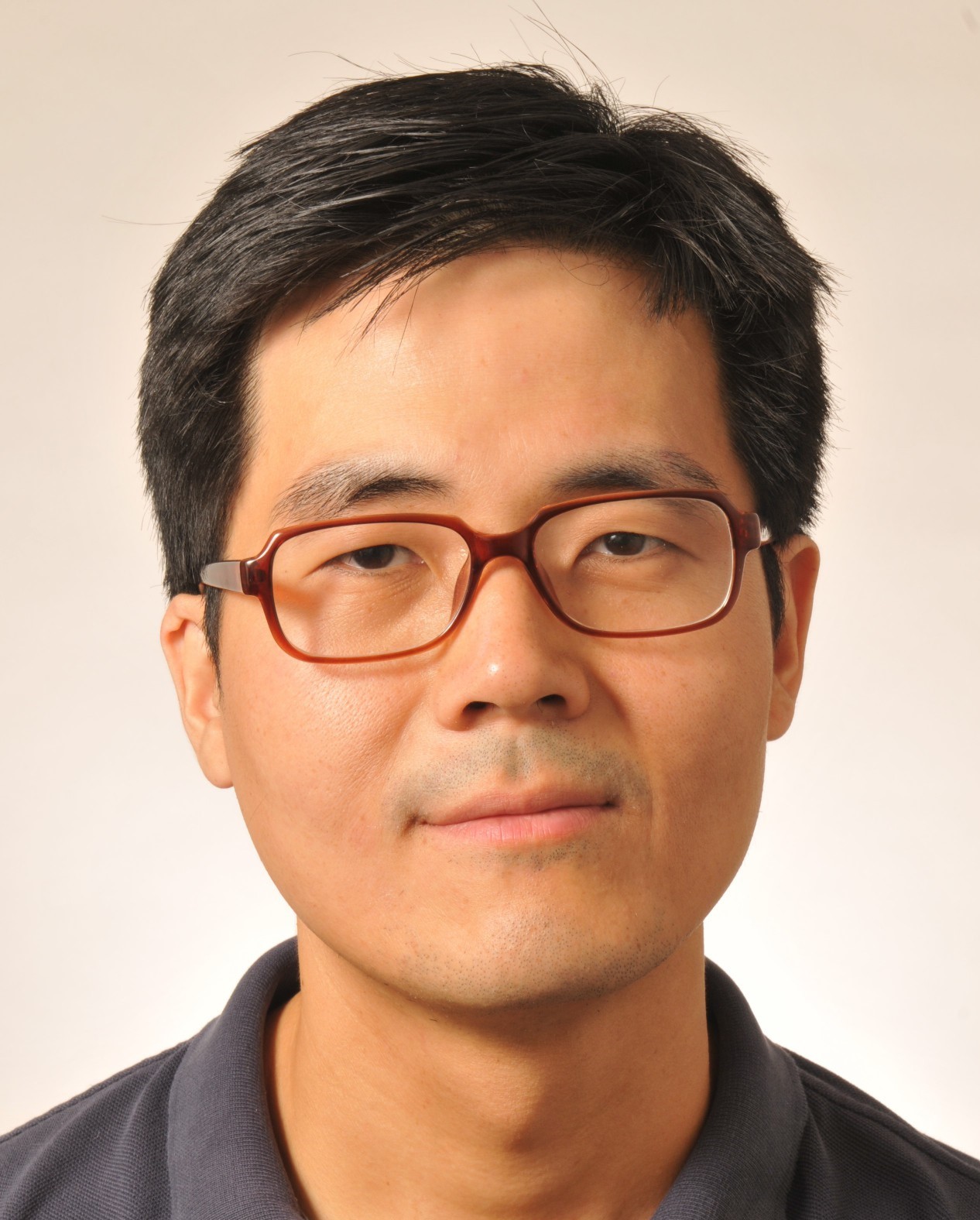
Dr. Chris Mizelle is an Assistant Professor in the Department of Kinesiology , College of Health and Human Performance , at East Carolina University (ECU) . He directs the Sensory-Motor Integration Lab (SMIL) , a cutting-edge facility equipped with high-density EEG, motion capture, and advanced computational tools. His research focuses on movement neuroscience , particularly how aging and neurological injury affect brain dynamics during motor tasks. Key projects examine limb dominance , sensory adaptation , and rehabilitation strategies for stroke patients and prosthesis users. Recent publications (2023-2017) span topics like brain-computer interfaces , balance perturbation in VR environments, and neural plasticity during motor learning. His work has been recognized with the 2018 HHP Outstanding Mentor Award . He contributes extensively to scientific service , including editorial roles for Symmetry and manuscript reviewing for journals like Brain Topography . The SMIL also investigates tool-use comprehension and sensory weighting in motor control.
Dr. Stewart Mostofsky is a Professor of Neurology at Johns Hopkins University School of Medicine and Director of the Center for Neurodevelopmental and Imaging Research (CNIR) at Kennedy Krieger Institute. With a medical degree from the Rensselaer Polytechnic Institute-Albany Medical College six-year program (1990), he completed his pediatric and pediatric neurology training at the University of Minnesota before joining Kennedy Krieger Institute in 1995. Dr. Mostofsky previously served as Medical Director of the Center for Autism and Related Disorders (CARD) at Kennedy Krieger Institute and maintains an active clinical practice focused on children on the autism spectrum. Dr. Mostofsky's research investigates the neurological basis of developmental disorders, particularly Autism Spectrum Disorder, ADHD, and Tourette Syndrome. His work combines structural and functional neuroimaging with experimental neurobehavioral paradigms to examine motor function, sensory processing, and cognitive aspects of these conditions. He has made important contributions to understanding how motor impairments in autism may relate to social and communicative deficits, and how response selection and control impairments contribute to ADHD symptoms. His recent work has identified reduced GABA-based inhibition in the supplementary motor area as associated with Tourette Syndrome severity, and he's developing novel intervention strategies including game-based approaches for autism and movement-based interventions for ADHD. With over 290 research outputs spanning from 1996 to 2025, his work has been widely cited and featured in numerous news outlets. Dr. Mostofsky's research has been supported by grants from the NIH (NINDS and NIMH), the Autism Speaks Foundation, and the Simons Foundation Autism Research Initiative. He is a member of multiple professional organizations including the American Academy of Neurology, the Child Neurology Society, and the Organization for Human Brain Mapping. His Center for Neurodevelopmental and Imaging Research (CNIR) serves as a hub for investigating brain mechanisms underlying developmental disorders, with a focus on translating research findings into practical clinical applications and intervention strategies for children with neurodevelopmental conditions.
Dr. Sang Wook Lee is an Associate Professor in the Biomedical Engineering Department of the College of Engineering, Physics, and Computing at the Catholic University of America (CUA). He directs the Neuromechanics Laboratory, affiliated with the Center for Applied Biomechanics and Rehabilitation Research (CABRR) at CUA and MedStar National Rehabilitation Hospital. His educational background includes: Ph.D. in Mechanical Engineering, University of Illinois at Urbana-Champaign (2006) M.S. in Mechanical Design and Production Engineering, Seoul National University (1999) B.S. in Mechanical Design and Production Engineering, Seoul National University (1997) Research focuses on translating biomechanical analyses into clinical rehabilitation solutions: Neuromechanics of stroke and neurological impairment Robotic exoskeletons for hand rehabilitation (e.g., CASPHEX) EMG-based movement prediction algorithms Ergonomic interventions for work-related hand disorders His scientific recognition includes: NIH R15 Grant (2024): $400,000+ for 3 years to optimize robotic training for stroke survivors Dr. Lee mentors a dynamic cohort of graduate students, with recent PhD defenses by Mada Alghamdi (2025) and Thanh Phan (2024). His lab maintains active collaborations with Johns Hopkins University and NIH researchers, producing high-impact publications in rehabilitation engineering. The Neuromechanics Laboratory develops clinically translatable technologies, emphasizing home-based solutions like the CASPHEX exoskeleton for post-stroke recovery.
Dr. Limor Avivi-Arber is an Associate Professor in the Faculty of Dentistry at the University of Toronto, specializing in Prosthodontics with a unique focus on the neuroscience of dental rehabilitation. Her work bridges clinical dentistry and fundamental neuroscience, examining how dental conditions and treatments affect brain function and neural adaptation. Dr. Avivi-Arber's research primarily centers on neuroplasticity related to orofacial functions , with specific expertise in pain neuroscience, jaw sensorimotor control, and the neurological implications of edentulism. Her publications reveal a consistent exploration of how dental occlusion changes induce cortical reorganization, providing a scientific basis for understanding patient adaptation to dental prostheses. Analysis of her publication trends (2008-2025) shows an evolving focus from basic neurophysiological mechanisms to increasingly clinically relevant applications. Her early work established foundational knowledge about face sensorimotor cortex organization, while more recent publications translate these findings into practical clinical guidance, culminating in her 2025 paper specifically addressing what general dentists should know about neuroplastic prosthodontics. Dr. Avivi-Arber maintains a significant collaborative relationship with Professor Barry J. Sessle and has contributed to international consensus efforts such as the Vancouver IADR Consensus Symposium. Her research has been published in leading journals including the Journal of Dental Research, Journal of Oral Rehabilitation, and International Journal of Prosthodontics. Her work represents a paradigm shift in understanding dental rehabilitation through a neurological lens, with direct implications for improving patient outcomes in prosthodontic treatment.
Amanda S. Therrien serves as an Assistant Professor in the Department of Rehabilitation Medicine at Sidney Kimmel Medical College, Thomas Jefferson University. Her primary research base is the Moss Rehabilitation Research Institute (MRRI) in Elkins Park, Pennsylvania, where she directs the Sensorimotor Learning Laboratory. Dr. Therrien's research program centers on the neural mechanisms underlying sensorimotor function and motor learning, with a specific emphasis on cerebellar disorders. She investigates how damage to the cerebellum impairs sensory and motor processing, utilizing a combination of behavioral experiments, computational modeling, and non-invasive brain stimulation. Her work on upper extremity movement and postural control aims to translate findings into innovative rehabilitation strategies for patients with ataxia and other movement disorders, including telehealth applications for cerebellar ataxia assessment. At the Sensorimotor Learning Laboratory, her team explores proprioception's role in motor adaptation and state estimation during movement, with recent publications addressing reinforcement learning after cerebellar damage and cerebellar dysfunction in multiple sclerosis. This research directly informs the development of targeted therapeutic interventions for sensory-motor impairments.
Dr. Stefano Silvoni is a Research Fellow in the Department of Cognitive and Clinical Neuroscience at the Central Institute of Mental Health, Mannheim, actively contributing to the “Learning and Brain Plasticity in Mental Disorder” research group. His work bridges clinical neuroscience and digital health interventions, focusing on neuroplasticity mechanisms in aging and cognitive disorders. His research spans Neuroscience , Clinical Neuroscience , and Neurorehabilitation , with specialized expertise in sensorimotor training , cognitive impairment , and digital therapeutics . Key investigations include developing adaptive home-based training systems using tablets and mobile applications to address mild cognitive impairment and frailty in elderly populations, leveraging neuroimaging to quantify cortical changes. Analysis of his 2019-2025 publications reveals a cohesive trajectory from clinical trial design to efficacy validation of sensorimotor interventions, emphasizing real-world applicability through home-based digital platforms. His work consistently integrates functional near-infrared spectroscopy (fNIRS) with clinical assessments to demonstrate neural and behavioral improvements in cognitive decline. Scientific awards: No awards or fellowships were documented in the source material. Advising and grants: The provided text contains no references to doctoral students, grant funding, or supervised research projects. Labs and teams: As a core member of the “Learning and Brain Plasticity in Mental Disorder” group, he collaborates on interdisciplinary studies combining cognitive neuroscience, geriatrics, and engineering to develop accessible interventions for mental health disorders.
Arnaud Boutin is an Associate Professor in the Faculty of Sports Sciences at the University of Paris-Saclay, where he conducts research at the intersection of behavioral neuroscience, motor learning, and sleep science. His academic journey includes postdoctoral positions at the Montreal Neurological Institute McConnell Brain Imaging Centre and the Research Center at the Geriatric Institute of the University of Montreal. Dr. Boutin's educational background and professional development include: Habilitation à Diriger des Recherches (HDR) qualification Postdoctoral training in brain imaging and functional neuroimaging Specialized training in motor control and neuroscience methodologies His research primarily focuses on understanding how sleep contributes to motor memory consolidation and how sensorimotor experiences shape neural plasticity. Dr. Boutin employs advanced neuroimaging techniques including MRI, EEG, and EMG to investigate the neural mechanisms underlying motor learning, action observation, and motor imagery. His work has significant implications for athletic performance, rehabilitation, and understanding fundamental brain processes. Recent projects have examined sleep patterns in professional athletes, particularly rugby players, and developed interventions to optimize sleep for enhanced performance and recovery. A key finding across his recent publications is that the temporal organization of sleep spindles plays a critical role in motor memory consolidation, with implications for how training schedules can be optimized. Dr. Boutin's scientific contributions have been recognized through multiple prestigious scholarships, including three awards from the Quebec Bio-Imaging Network (QBIN) and the German Academic Exchange Service (DAAD). His work has garnered significant attention in the scientific community with over 890 citations across his 54 publications. As an academic mentor, Dr. Boutin has supervised numerous graduate students and collaborated extensively with researchers across international institutions. His laboratory work focuses on the neural correlates of motor learning and the role of sleep in memory processes, with particular emphasis on how these mechanisms can be optimized in athletic contexts. Current research directions include developing evidence-based sleep interventions for athletes and investigating how conscious awareness during motor learning affects long-term performance outcomes.
Dr. DERYA DENİZ KANAN serves as a Lecturer in the Department of Physiology within the Faculty of Medicine at Niğde Ömer Halisdemir University since 2017. Previously, she held a Lecturer position at Toros University's Medical Services and Techniques Department from 2014-2017. Her academic journey includes dual doctorates in Physiology from Erciyes University (2006-2011) and Çukurova University (2005-2006), along with multiple master's degrees in Pharmacology and Biology Education. Her research spans neuroscience, physiology, and pharmacology with particular focus on epilepsy models, Alzheimer's disease mechanisms, and neurodegenerative processes. Key interests include: Behavioral changes in experimental disease models Exosome roles in neurodegenerative conditions Sex differences in neurological responses Cognitive function assessment in animal models Analysis of her 15 most recent publications reveals consistent investigation of neurological disorders using rat models, with increasing focus on molecular mechanisms like exosomes and gene-related pathways in recent years. Current research projects include: Investigation of gender effects on brain histopathology in aluminum chloride-induced Alzheimer's models (2021-present) TUBITAK-supported Applied Basic Cell Culture Techniques Course (2024-present) Completed studies on fermented pollen effects in schizophrenia models and Hypericum perforatum efficacy in Alzheimer's disease She has contributed to textbook chapters including 'Neurotransmitters' (2018) and 'Physiology of Nervous System' (2016), and co-edited 'Human Physiology for Health Sciences and Higher Schools' (2023).
Brian Schmit, PhD is a Professor and Hammes Family Endowed Chair in the Department of Biomedical Engineering at Marquette University, with a joint appointment at Medical College of Wisconsin. He serves as Associate Dean for Research in the OPUS College of Engineering and is an active researcher in neurological rehabilitation. Dr. Schmit's research focuses on neurophysiology of movement control following neurological injury, particularly spinal cord injury and stroke. His work encompasses biomechanics of gait and balance, diffusion tensor imaging applications in spinal cord disorders, and development of novel rehabilitation interventions including virtual reality and electrical stimulation approaches. With over 200 publications, his research has significantly contributed to understanding motor control mechanisms and developing evidence-based rehabilitation strategies. Analysis of his recent publications (2023-2025) reveals continued focus on advanced neuroimaging techniques, particularly diffusion MRI applications in spinal cord injury and stroke. His work increasingly integrates virtual reality approaches with traditional rehabilitation methods, and explores the relationship between cerebral oxygenation, hemodialysis, and cognitive function. His research maintains strong clinical relevance while applying sophisticated engineering principles to complex neurological problems. Outstanding Researcher Award, Marquette University College of Engineering (2005, 2017) Way-Klingler Science Fellowship (2008) College of Fellows, American Institute for Medical and Biological Engineering (2018) Outstanding Graduate Educator, Medical College of Wisconsin (2019) Hammes Family Endowed Chair in Biomedical Engineering (2020) Dr. Schmit currently leads or collaborates on multiple NIH-funded projects totaling several million dollars, focusing on locomotor recovery post-stroke, advanced MRI of spinal cord injury, and ischemic conditioning approaches to improve motor function. His research group includes collaborators from multiple institutions and disciplines, reflecting the interdisciplinary nature of his work. As Associate Dean for Research, he also plays a key role in shaping the research direction of Marquette's engineering college while maintaining an active laboratory focused on neurological rehabilitation.
Dr. William Perry is a leading neuropsychologist and academic at UC San Diego's Department of Psychiatry, holding multiple leadership positions including Vice Chair for Program Development & Operations, Co-Director of Clinical Psychiatry, and Chief Supervising Psychologist at UCSD Medical Center. He serves as Executive Director of the National Academy of Neuropsychology and is a Fellow of both NAN and the Society for Personality Assessment. His research program focuses on inhibitory processing deficits in neuropsychiatric conditions using innovative methods: Psychophysiological assessment of unmedicated psychiatric patients Longitudinal studies of information processing deficits Translational approaches bridging human and animal models Computational analysis of behavioral dynamics Major research domains include: Bipolar disorder pathophysiology Schizophrenia neurocognition Substance use comorbidities Neurocognitive impacts of HIV and HCV Endocannabinoid system functions Recent publications (2018-2025) demonstrate strong research output in: Neuropsychopharmacology of cannabis and stimulants Computational psychiatry approaches Cross-species validation of neuropsychiatric models Neurocognitive aspects of viral infections Sensorimotor processing deficits Dr. Perry has received significant scientific recognition: Fellow, National Academy of Neuropsychology Fellow, Society for Personality Assessment Principal Investigator on multiple NIH R01 grants spanning nearly 20 years He maintains active clinical programs in neuropsychological assessment and consultation-liaison psychiatry, with specialized services for pain management, transplantation, and burn patients.
Dr. Joydeep Chaudhuri is a Professor at the College of Medicine in Mt. Pleasant, Michigan, with over 25 years of international teaching experience across India, Malaysia, Finland, Canada, and the United States. He instructs medical, dental, physician assistant, physical therapy, and occupational therapy students in anatomy and medical education disciplines. His educational background includes: MS in Anatomy and Cell Biology from All India Institute of Medical Sciences, New Delhi M.B.B.S. from Regional Medical College, Imphal Dr. Chaudhuri's research spans two distinct phases: early neuroscience investigations of Fetal Alcohol Syndrome and Alzheimer's disease using animal models, and current pioneering work in medical education. His contemporary scholarship focuses on enhancing intrinsic motivation in medical students and mitigating psychological distress during cadaveric dissection. This research bridges educational theory, cognitive psychology, and anatomical sciences, producing practical interventions that transform anatomy pedagogy. Analysis of his 15 most recent publications reveals a strategic evolution toward medical education scholarship, with 2020-2022 works demonstrating rigorous evaluation of prelaboratory assignments, drawing exercises, and mental preparation protocols. These studies consistently show improved academic performance, increased engagement, and reduced anxiety among students, establishing him as a significant contributor to evidence-based anatomy education. Dr. Chaudhuri actively mentors medical and graduate students in educational research. His international collaborations across five countries provide unique cross-cultural perspectives on medical training. While no specific awards are documented, his sustained publication record in top anatomy education journals reflects scholarly impact. Current work continues to develop innovative frameworks for student motivation and psychological support in anatomical sciences education.
Vitoria Piai is a Principal Investigator specializing in language function and dysfunction at the Donders Institute for Brain, Cognition, and Behaviour, Radboud University in Nijmegen, Netherlands. With over 135 publications and 2,595 citations, her research focuses on the neural mechanisms underlying language production using electrophysiological methods including EEG and MEG. Dr. Piai's research interests center on speech production, particularly examining the temporal dynamics of lexical and phonological processing. Her work investigates how brain oscillations relate to different stages of speech planning, how cognitive control mechanisms operate during language production, and how language networks adapt following brain damage. She employs various paradigms including picture-word interference, context-driven word production, and sentence comprehension tasks to explore these questions. Analysis of her recent publications (2024-2025) reveals consistent focus on neural oscillations during speech production, particularly examining alpha and beta band activity. Her work increasingly bridges cognitive neuroscience with clinical applications, investigating language production in aging populations, individuals with aphasia, and those with neurological conditions. She frequently employs multimodal approaches, combining behavioral measures with electrophysiological recordings to provide comprehensive insights into language processing. Dr. Piai has established significant research collaborations across institutions, particularly with colleagues at Radboud University, University of California Berkeley (where she completed postdoctoral work), and various clinical centers. Her work contributes to both theoretical understanding of language production mechanisms and practical applications for language assessment and rehabilitation.
Celise Haldin is a Post-Doctoral Fellow at the Laboratoire de Psychologie et NeuroCognition (LPNC) at Grenoble Alpes University, France. Her research centers on neurocognitive mechanisms of language and speech, with emphasis on rehabilitation strategies for post-stroke aphasia and speech disorders. Her academic background includes a PhD in Cognitive Sciences, Psychology and Neurocognition (2019-2023) from Grenoble Alpes University, preceded by a Master 2 in Neuropsychology and Clinical Neuroscience (2016-2017), Master 1 in Molecular and Cellular Biology (2015-2016), and Bachelor in Biology (2012-2015), all from Grenoble institutions. She also served as a Research Engineer Assistant at LPNC from 2017-2019. Haldin's research explores neurocognitive functioning of language/speech, disorders thereof, and innovative sensorimotor rehabilitation approaches. She investigates how visual feedback of articulators and multisensory integration can enhance speech therapy outcomes in chronic non-fluent aphasia, utilizing multimodal assessment techniques including behavioral, acoustic, and neuroimaging methods. Her publication record (2016-2025) demonstrates consistent focus on aphasia rehabilitation, particularly multifactorial studies of language recovery after left-hemisphere stroke, sensorimotor therapy case reports, and neuroimaging investigations of speech production. This work bridges cognitive neuroscience, clinical linguistics, and rehabilitation science with strong translational potential. Scientific Awards: None documented in source material. Advising and Grants: No information provided regarding student supervision or research funding. She operates within the interdisciplinary framework of LPNC, contributing to cognitive neuroscience research groups focused on language processing and neurorehabilitation. Her work intersects with clinical teams specializing in stroke recovery and speech pathology at Grenoble Alpes University's medical research ecosystem.
Marc Lavoie is a full Professor of Psychology and Mental Health in the Department of Human Sciences, Letters and Communication at TÉLUQ University (since May 2023), and a research professor of Psychiatry and Neuroscience at the University of Montréal. He serves as the founding director of the Cognitive and Social Psychophysiology Laboratory at the research center of the Institut Universitaire en Santé Mentale de Montréal (CR-IUSMM), where he also holds emeritus researcher status. His academic journey spans over 25 years with significant contributions to understanding neurophysiological aspects of movement and compulsive disorders. Bachelor of Psychology (Université de Moncton, 1985-89) Masters in Psycho-Education (Université de Montréal, 1990-92) Doctorate in Biomedical Sciences, Psychiatric Sciences option (Université de Montréal, 1993-97) Post-doctorate in Neuropsychology (Université de Montréal, 1997-99) Post-doctorate in Psychophysiology (Université de Lille, France, 1999-2000) Lavoie's research focuses on cognitive psychophysiology with particular emphasis on Tourette syndrome, obsessive-compulsive disorders, and body-focused repetitive behaviors. His work investigates physiological changes following treatment, emotional regulation processes, and brain imaging correlates of these conditions. He has pioneered research on the impacts of psychotherapies on brain activity in tic disorders, bridging clinical psychology with neuroscience. His laboratory examines the relationship between brain functions, behavior, and cognition in neurodevelopmental and habit disorders using psychophysiological methods including event-related potentials and quantitative EEG. Analysis of his recent publications (2022-2024) reveals a strong focus on electrophysiological markers of treatment response in tic disorders, gender differences in Tourette syndrome, and comparative neurophysiological studies across OCD spectrum disorders. His work increasingly integrates multimodal approaches examining both temporal ('when') and spatial ('where') aspects of neural processing in these conditions. 2019 Concours des mobilités académiques et scientifiques (Université de Lille, France) 2011 Top 10 des chercheurs de l'Université de Montréal les plus cités dans les médias en 2011 (8e rang) 2003 Chercheur-boursier Junior 1 (Fonds de recherche du Québec – Santé) 2002 Bourse de chercheur invité (Fondation Nationale Alfred Kastler, France) 2000 Concours Relève-Médecine 2000 (Fondation de Louis-H. Lafontaine) Over 25 years, Lavoie has supervised more than 80 students at all graduate and undergraduate levels in psychology, neuroscience, and psychiatry. His research has been supported by major funding bodies including the Canadian Institutes of Health Research (CIHR) and the Fonds de recherche du Québec. He collaborates extensively with the Center for Studies on Obsessive-Compulsive Disorders and Tics and the TICTACTO GÉ group at CR-IUSMM. His current projects include evaluating cognitive psychophysiological treatments for Tourette syndrome and investigating theta brain rhythms in emotional regulation among schizophrenia patients. Lavoie directs the Cognitive and Social Psychophysiology Laboratory at CR-IUSMM and serves as coordinator of the Neuroscience and Mental Health research axis. He also holds leadership roles including vice-president of the Research Ethics Committee, Mental Health Section of the CIUSSS de l'est-de-l'ile-de-Montréal. His laboratory continues to be a hub for interdisciplinary research bridging clinical practice with neuroscientific investigation of compulsive and tic disorders.
Peter Christian Raffalt serves as an Associate Professor in the Department of Nutrition, Exercise and Sports at the University of Copenhagen, specializing in Movement and Neuroscience research. His work bridges biomechanics, motor control, and nonlinear dynamics with significant contributions to understanding human movement variability. His primary research focuses on biomechanics and motor control , particularly in gait analysis, postural stability, and entropy applications in physiological signals. Raffalt's work examines nonlinear dynamics in movement patterns across diverse populations including elite athletes, amputees, and individuals with neurological conditions. His methodological expertise in entropy analysis has established new standards for interpreting movement variability. Analysis of his recent publications reveals strong emphasis on nonlinear time-series analysis of movement data, particularly sample entropy applications in gait and postural control. His work demonstrates how visual cueing parameters affect stride variability structure and how inter-limb coupling functions in amputee populations. The research shows consistent methodological rigor with significant contributions to standardizing entropy calculations in biomechanics. Raffalt actively collaborates internationally with researchers from institutions including the University of Nebraska Omaha and University of Porto. His work appears in high-impact journals such as Annals of Biomedical Engineering (60+ citations for his entropy review) and Frontiers in Physiology .