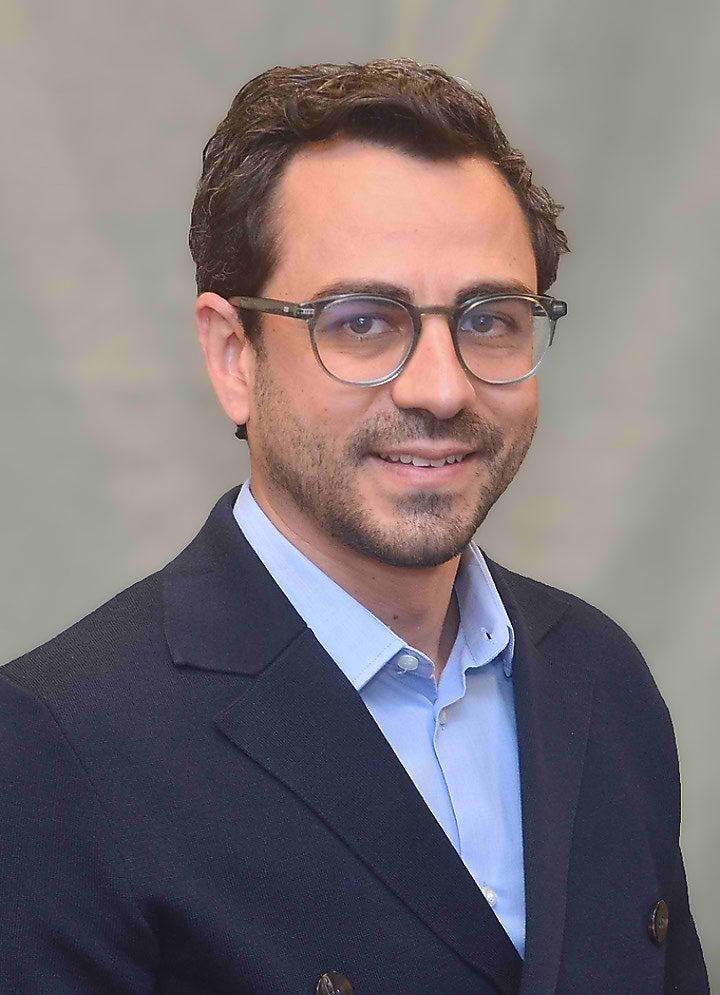
Jean-Jacques Orban de Xivry is a Professor at KU Leuven's Faculty of Movement and Rehabilitation Sciences, Department of Human Movement Sciences. He leads the Movement Control & Neuroplasticity Research Group and is a member of both the KU Leuven Brain Institute (LBI) and the KU Leuven Institute for Mobility (LIM). His academic service includes membership on the Faculty Council FaBeR, Departmental Council for Human Movement Sciences, and the Peer Review Committee for Education Portfolio. Dr. Orban de Xivry's research focuses on understanding how the brain controls movement and learns new movements through detailed kinematic analyses. His NoMAD Laboratory specifically investigates age- and disease-related effects on sensorimotor processes, with particular emphasis on proprioception, cerebellar function, motor learning, and stroke rehabilitation. His work integrates neuroimaging, robotics, and behavioral approaches to examine fundamental questions about motor control across the lifespan. Analysis of his recent publications shows a strong focus on aging-related changes in motor function, with particular attention to the cerebellum's role as a potential 'motor reserve' during aging. His research combines both basic science questions about sensorimotor control mechanisms with translational applications for stroke rehabilitation and age-related motor decline. The work spans multiple methodologies including robotic assessments, neuroimaging, and computational modeling. Dr. Orban de Xivry actively supervises numerous PhD students and postdoctoral researchers, with current projects examining proprioception in cancer patients, sensorimotor rehabilitation after stroke, and age-related changes in cerebellar function. His lab maintains strong international collaborations, particularly with Western University in Canada where he completed a sabbatical. The NoMAD Laboratory, which he directs, has grown significantly in recent years with funding from the FWO (Flemish Research Foundation) and other sources. Current major projects include ROBUUST+ (sensorimotor rehabilitation after stroke), MAeSTRO (neuro-musculoskeletal assessment and training for safe cycling in older adults), and several projects investigating proprioception across different populations. The lab maintains a strong commitment to open science practices and methodological rigor.