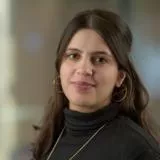
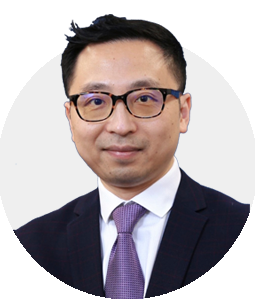
Dr. Chunyan Lai is an Associate Professor at the Department of Electrical and Computer Engineering, Concordia University. Her research focuses on electric drives, motor control, power electronics, electrified vehicles, and vehicle-to-grid solutions. She contributes to both graduate and undergraduate education through courses such as Controlled Electric Drives and Hybrid Electric Vehicle Power Systems . Research Emphasis : Electric motor drives and control systems, electrified transportation, power electronics innovations, and energy management strategies. Publications : Specializes in sensorless control techniques for Permanent Magnet Synchronous Motors (PMSM), thermal management in electric machines, and advanced energy trading frameworks for smart grids. PhD Opportunities : The Power Electronics and Energy Research (PEER) Group under Dr. Lai offers positions for developing efficient motor drives for EVs and grid-connected power converters. Collaboration : Industry-adjacent research with requirements for professional communication, patent development, and technical dissemination.
Prof. Dr.-Ing. Elisabeth Clausen is a Professor and Director of the Chair and Institute for Advanced Mining Technologies at RWTH Aachen University. She holds key roles in the Specialist Group for Raw Materials and Disposal Technology, serves as a rectorate representative, and leads the Commission for EU Research Funding. Her research spans Underground mining automation Acoustic emission diagnostics Sustainable mining systems Space resource extraction Advanced sensor technologies Her recent publications focus on autonomous mining machinery, underground communication systems, and acoustic emission analysis across 15+ studies from 2013–2025, with particular emphasis on Ultra-wideband positioning Thermographic detection Crack monitoring in planetary gearboxes Explosive atmosphere safety Mineral processing diagnostics Digitalization trends Prof. Clausen contributes to mining education reform through initiatives like CDIO™ and has developed innovative learning spaces in underground mines. She coordinates international educational labs and integrates sustainability into mining engineering curricula, with publications on Adaptive ventilation systems Mining education frameworks Future-proof mineral extraction Entrepreneurial mindset in engineering
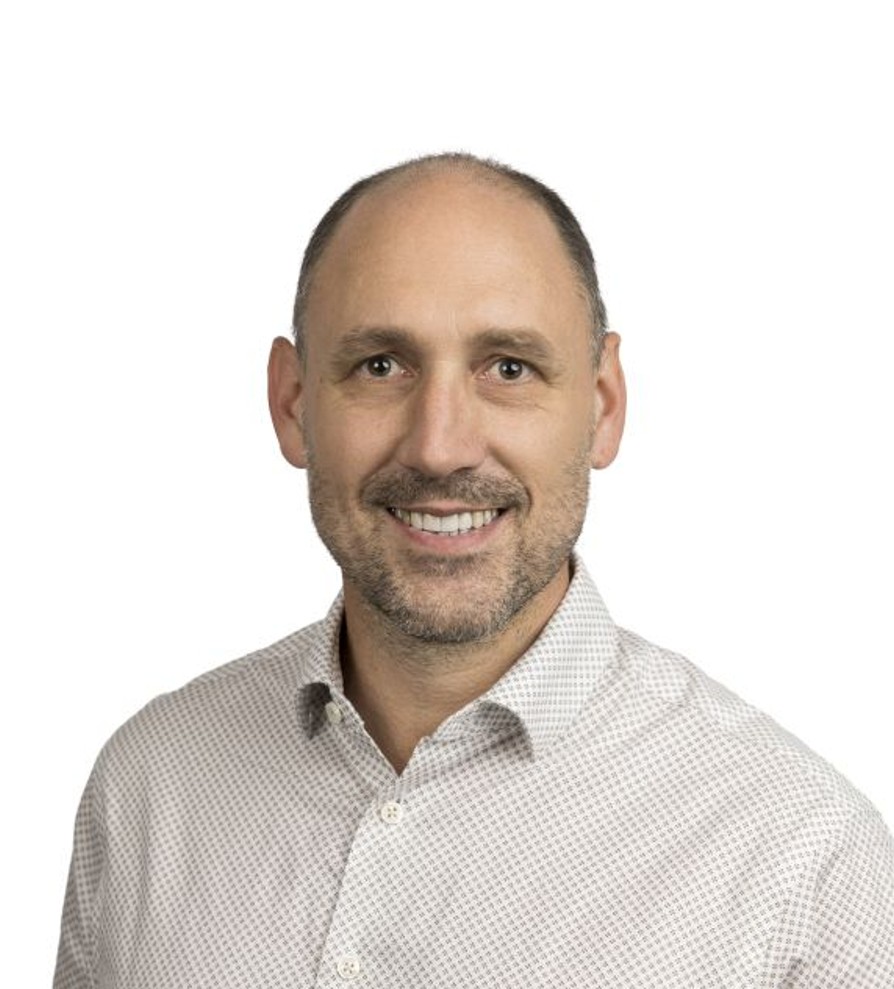
Maximilian Hilger is a doctoral researcher at the Chair of Perception for Intelligent Systems, part of the Munich Institute of Robotics and Machine Intelligence at Technische Universität München (TUM). He joined the chair in 2024 and specializes in radar perception for autonomous systems. M.Sc. in Automation Engineering (RWTH Aachen, 2023) Doctoral studies previously at AASS, Örebro University, Sweden His research focuses on radar-based localization, mapping, and introspection in challenging environments, with publications addressing 4D imaging radar SLAM, loop closure techniques, and sensor fusion methodologies. Recent work includes evaluating radar odometry algorithms and developing robust mapping systems using intensity-augmented normal distributions transform. Key research themes: Radar perception for autonomous systems SLAM robustness and introspection Occlusion-resistant localization Sensor fusion in dynamic environments He collaborates with team members including Prof. Achim Lilienthal, Valeria Salazar, and Thomas Wiedemann at TUM's Siemens Technology Center campus in Garching, Germany.
Robin Kravets is a Professor in the Department of Computer Science at the University of Illinois at Urbana-Champaign, where she leads the Mobius research group. She earned her Ph.D. in Computer Science from the Georgia Institute of Technology in August 1999. Her office is located at 3114 Siebel Center for Comp Sci, and she can be contacted via email at rhk@illinois.edu or phone at (217) 244-6026. Courses Taught: CS 438 (ECE 438) - Communication Networks CS 498 WN3 (CS 498 WN4) - Wireless IoT Lab CS 591 PH2 (CS 591 PHD) - PhD Orientation Seminar CS 591 SCH - PhD Job Search Prep CS 591 WN - Wireless Networking Seminar ECE 439 (CS 439) - Wireless Networks ENG 572 - Professional Practicum Research Focus: Dr. Kravets specializes in wireless and mobile systems, with emphasis on IoT security, energy-efficient networking, and privacy-preserving protocols. Her work addresses challenges in dense network environments, vehicular communication, and low-power devices, often leveraging probabilistic models and adaptive protocols to enhance system resilience. Publication Trends: Her recent articles (2016-present) predominantly explore wireless IoT security (e.g., MAC randomization defenses, BLE optimization) and practical applications in environmental sensing/retail. Earlier work (2007-2015) established foundations in vehicular networks, disruption-tolerant communication, and energy-aware protocols. Leadership: She directs the Mobius Group, which develops solutions for mobile and IoT systems, including projects like IVP (Illinois Vehicular Project) and contributions to standards in pervasive computing.
Prof. Dr. Helma Wennemers serves as a Full Professor at ETH Zurich's Department of Chemistry and Applied Biosciences, leading the Laboratory for Organic Chemistry. Her research group operates from HCI H 313 at Vladimir Prelog Way 1-5/10 in Zurich, Switzerland, with active teaching responsibilities including Organic Chemistry I and Chemical Biology - Peptides for the Fall 2025 semester. Her research program centers on the intersection of organic chemistry and chemical biology , with particular emphasis on collagen triple helix engineering , peptide-catalyzed asymmetric synthesis , and development of chemical tools for tissue remodeling diagnostics . Key focus areas include designing hyperstable collagen heterotrimers for fibrosis monitoring, creating fluorophore-based probes for collagen cross-linking visualization, and pioneering organocatalytic methodologies for complex heterocycle synthesis. Her group actively explores how hydrophobic modifications and proline derivatives influence collagen stability and cellular uptake mechanisms. Analysis of her 15 most recent publications (2024-2025) reveals three dominant research trajectories: (1) collagen structural engineering for biomedical applications, (2) innovative peptide/organocatalysis enabling stereoselective transformations, and (3) chemical probe development targeting tissue remodeling processes. These works consistently integrate synthetic chemistry with biological validation, demonstrating translational potential in fibrosis diagnostics and regenerative medicine. While specific grant details aren't provided in available sources, her research program clearly supports advanced laboratory infrastructure including peptide synthesis facilities and photochemical reaction systems like the ETHos photoreactor. Her group maintains strong industry and clinical collaborations evident in applications targeting liver cancer cells and prostate cancer diagnostics. The Laboratory for Organic Chemistry functions as an interdisciplinary hub where synthetic organic chemists collaborate with biologists to develop collagen-based diagnostic platforms and catalytic systems. Current projects focus on lysyl oxidase-responsive probes for real-time tissue monitoring and engineered peptide catalysts for sustainable chemical synthesis under environmentally relevant conditions.
Dr. Basak Tas is a Research Fellow at King's College London, based in the Institute of Psychiatry, Psychology & Neuroscience within the Department of Addictions Sciences. She has been working at King's since 2014, initially as a PhD student and then as a Post-doctoral Research Associate, before taking up her current role in 2021. Her work focuses on opioid overdose and related interventions, collaborating with Professor Sir John Strang and Dr. Will Lawn. Her educational background includes an undergraduate degree in Neuroscience from King's College London and an MSc in Neuroscience from the University of Edinburgh. She completed her PhD at King's College London under the supervision of Professor Sir John Strang, Dr. Caroline Jolley, and Dr. James Bell. Her PhD thesis was titled "Clinical and Laboratory Investigation into Heroin and Opioid Overdose Risk". Dr. Tas's research centers on opioid overdose mechanisms, opioid use disorder treatments, and health interventions to reduce drug-related deaths. She investigates experimental drug studies and develops wearable technologies for overdose detection. Her work aims to understand the physiological underpinnings of overdose and create practical tools for real-world overdose prevention, particularly in high-risk populations. Her recent publications (2020-2025) focus on innovative approaches to prevent opioid overdose deaths, including wearable biosensors (e.g., PneumoWave) and mHealth technologies. She explores risk factors for respiratory depression and the acceptability of detection devices among people who use opioids. Her work bridges laboratory models of overdose with clinical applications in supervised injecting facilities and community settings. Dr. Tas was awarded the following scientific award: Addictions Clinical Academic Group (CAG) Early Career Research Prize (2022) She contributes to teaching by supervising MSc Addiction Studies projects and teaching in the BSc Psychology "Addictions" and "Choices" modules. Additionally, she has been involved in public engagement, including school workshops and the art-science project "Heroin Bodies". Dr. Tas is part of the Drugs Research Group within the Addictions Department at King's, led by Professors John Strang and John Marsden. Her current work involves collaboration on projects related to opioid overdose and wearable technologies.
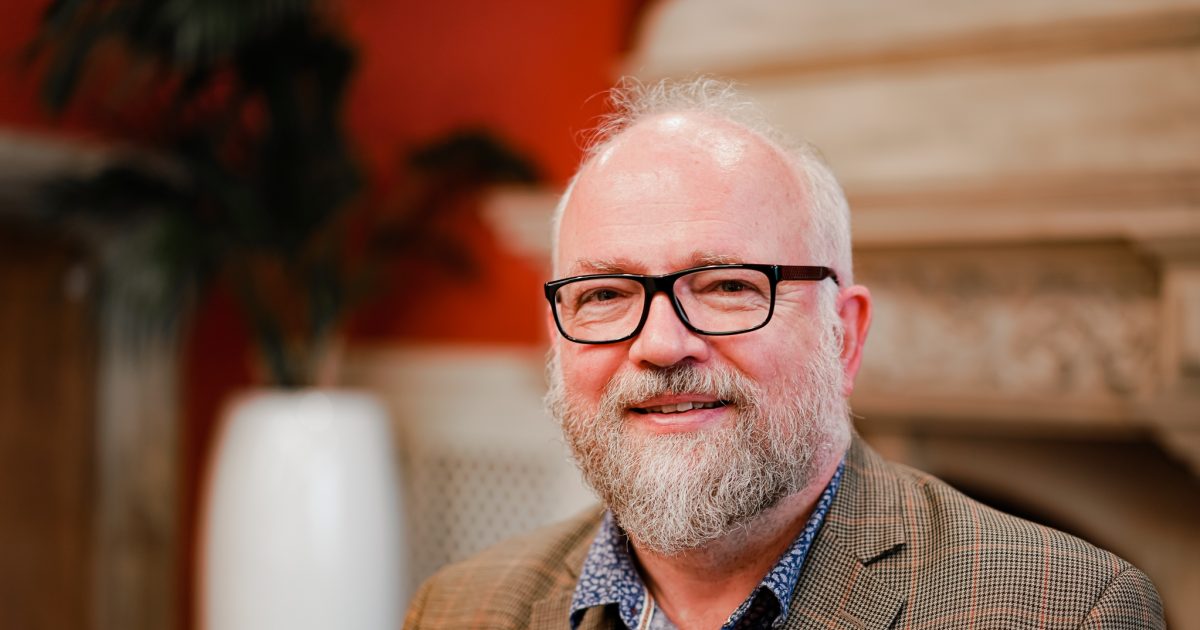
David De Roure is Professor of e-Research at the University of Oxford and Academic Director of both the Digital Scholarship initiative and the Laboratory for AI Security Research. He is also an Honorary Research Professor at the Royal Northern College of Music (RNCM), where he serves as Technical Director of the Centre for Practice & Research in Science & Music (PRiSM). His work bridges computer science, digital humanities, cybersecurity, and music through his distinctive interdisciplinary approach. De Roure received his PhD in 1990 supervised by David W Barron and Peter Henderson, with research in Lisp and distributed systems. Prior to joining Oxford in 2010, he was Professor of Computer Science at the University of Southampton and Director of the Centre for Pervasive Computing in the Environment. His career spans multiple institutions and research domains, reflecting his commitment to interdisciplinary work. De Roure's research focuses on new methods of digital scholarship, innovation in knowledge infrastructure, cybersecurity, and computational approaches to music. His work uniquely combines humanities (digital musicology), social sciences (social machines and web science), engineering (Internet of Things), and computer science (distributed systems, AI). A key theme is empowering human creativity through technology rather than replacing humans with AI. He emphasizes co-creation between humans and machines, particularly in music composition where he explores how algorithms can generate fragments for human assembly. His recent publications reveal a strong focus on AI security in IoT systems, digital scholarship methods, and the intersection of music with computational approaches. There's a clear trajectory from foundational work in social machines and web science toward current applications in cybersecurity and music-AI co-creation. His publications consistently bridge technical domains with humanistic inquiry, demonstrating his commitment to interdisciplinary scholarship that addresses real-world challenges. Fellow of the British Computer Society (FBCS) Fellow of the Institute of Mathematics and its Applications (FIMA) Fellow of the Royal Society of Arts (FRSA) Chartered IT Professional (CITP) Turing Fellow at The Alan Turing Institute (2018-2024) De Roure has co-founded three major interdisciplinary initiatives: PETRAS National Centre of Excellence for IoT Systems Cybersecurity (the world's largest socio-technical research center focused on IoT security), the Software Sustainability Institute (dedicated to improving research software), and PRiSM at RNCM. He was Director of the Oxford e-Research Centre from 2012-17 and has led numerous research projects including SOCIAM (The Theory and Practice of Social Machines), FAST (Fusing Audio and Semantic Technologies), and Transforming Musicology. The Laboratory for AI Security Research, which he directs, took its first PhD students in 2024. At Oxford, De Roure chairs the Digital Research Cluster at Wolfson College and oversees the Laboratory for AI Security Research. The PRiSM team at RNCM has produced numerous musical works and performances, including six premieres in New York in 2024. He has been involved in designing gesture recognition software used in many performances and has collaborated on public engagement projects including the Science Together project which released a Hip Hop album. His current work includes exploring Chladni Plates for new musical instrument design and developing algorithmically enhanced instruments.
Dr. Wade Smith is a Senior Lecturer within the School of Mechanical and Manufacturing Engineering at the University of New South Wales. He is an active member of the WAVES research group (Wear, Aeroacoustics and Vibration in Engineering Systems) and conducts his research in the Tribology and Machine Condition Monitoring laboratory. His primary research interests include vibration-based diagnostics of rotating machinery, prognostics of rotating machinery, gear wear monitoring and prediction, simulation and modeling of rotating machines for diagnostic applications, and signal processing of machine vibration signatures using cyclostationarity. His work has significant applications in industrial machinery health monitoring and predictive maintenance systems. Dr. Smith's recent publications demonstrate a consistent focus on advanced diagnostic techniques for rotating machinery, with particular emphasis on gear systems and bearings. His research integrates traditional mechanical engineering principles with modern signal processing and machine learning approaches to develop more effective condition monitoring solutions. He actively supervises PhD and Masters students on projects related to gear diagnostics, wear monitoring, and vibration analysis. His current research projects include gear diagnostics in planetary gearboxes using internal sensors, gear wear monitoring and prediction, sliding contact-induced vibration studies, and transmission-error-based gear diagnostics. Dr. Smith's laboratory is equipped with specialized facilities including gearbox test rigs (both planetary and parallel configurations), a rolling element bearing test rig, an engine test rig, friction rig, tribometer, high-quality microscope, and extensive instrumentation for vibration analysis. His research has attracted collaborations with institutions including Queensland University of Technology, SpectraQuest (USA), Weir Minerals, University of Technology Sydney, RWTH Aachen University (Germany), and Safran.
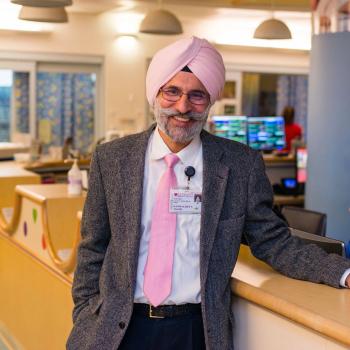
Dr. Kanwaljeet S. Anand is a dual-appointed Professor of Pediatrics (Pediatric Critical Care) and Anesthesiology, Perioperative & Pain Medicine at Stanford University School of Medicine. As director of the Pain/Stress Neurobiology Lab and Jackson Vaughan Critical Care Research Fund, he serves as Editor-in-Chief of Pediatric Research and maintains active membership in Bio-X, MCHRI, and Wu Tsai Neurosciences Institute. Rhodes Scholar with D.Phil from University of Oxford Harvard postdoctoral fellowship and Boston Children's Hospital residency Founded Harmony Health Clinic - Arkansas' largest charitable medical-dental facility A translational researcher with 30+ years of impact, Dr. Anand established the first scientific framework for infant pain perception and developed novel pain assessment methodologies. Current research focuses on: Hair biomarker analysis for stress and social affiliation (cortisol/oxytocin) Machine learning systems for objective pain detection in non-verbal infants Biopsychosocial interventions for stress reduction in disadvantaged youth Neurotoxicity mechanisms of sedatives in developing brains Global NICU opioid usage patterns through the NeoOpioid Consortium His work has yielded over 260 publications and significant advances in: Pediatric pain management protocols Neonatal stress biomarker development Critical care neurobiology insights Community health initiatives AI-driven clinical decision support systems Scientific Recognition 9th Annual 'In Praise of Medicine' Public Address, Erasmus University (2014) Nightingale Excellence Award (2016) Honorary Doctorate from University of Örebro (2019) NIH SBIB-H82 Study Section Chair (2018) Multiple IASP and American Pain Society awards Swedish Academy of Medicine's Nils Rosén von Rosenstein Award (2009) St. Jude Endowed Chairholder (2010) As mentor to Med Scholar Anjali Gupta and advisor to numerous professional bodies, Dr. Anand maintains active clinical leadership in Pediatric Intensive Care while advancing computational approaches to pain detection through collaborations with Stanford's AI researchers.
Paul Erhart is a Professor in Condensed Matter and Materials Theory at the Department of Physics, Chalmers University. He received his PhD from Technische Universität Darmstadt in 2006, followed by postdoctoral and staff positions at Lawrence Livermore National Laboratory from 2007, before joining Chalmers in 2011. His research bridges computational physics, materials science, and machine learning to tackle fundamental problems in materials design and characterization. Dr. Erhart's research focuses on computational materials science with particular emphasis on condensed matter physics, nanomaterials, and quantum materials. His work spans from developing computational methods like machine-learned potentials (GPUMD, neuroevolution potentials) to studying fundamental phenomena in perovskites, 2D materials, thermal transport, and plasmonics. He has pioneered approaches connecting simulation with experimental techniques through correlation functions and has made significant contributions to understanding phase transitions, defect physics, and electronic structure in complex materials systems. Analysis of his recent publications reveals a strong trend toward integrating machine learning with traditional computational physics methods. His work increasingly focuses on developing and applying neuroevolution potentials to study thermal properties, phase transitions, and optical phenomena in materials. There's also a clear emphasis on connecting computational results with experimental observations, particularly in neutron scattering, Raman spectroscopy, and plasmonic sensing applications. His research spans fundamental materials physics to applied areas like hydrogen sensing and sustainable materials development. Dr. Erhart has contributed to numerous software packages essential to the computational materials science community, including WulffPack for Wulff constructions, Dynasor for extracting dynamical structure factors, calorine for neuroevolution potential models, and ICET for alloy cluster expansions. His collaborative work spans multiple institutions and disciplines, reflecting the interdisciplinary nature of modern materials research. His contributions to understanding perovskite materials, thermal transport phenomena, and plasmonic systems have established him as a leading researcher in computational materials science.
Atakan Aral serves as an Associate Professor at the Faculty of Computer Science, University of Vienna, where he leads research in edge computing, distributed systems, and environmental monitoring applications. His work focuses on developing efficient and resilient computing systems for environmental applications, with particular emphasis on neuromorphic edge AI and the cloud-edge continuum. He maintains an active teaching schedule offering courses in Distributed Systems Engineering, Cloud Computing, and Practical Software Courses with Bachelor's Thesis work across multiple semesters through 2025. Dr. Aral's research interests span several critical areas in modern computing including edge computing architectures, federated learning approaches, neuromorphic computing for environmental monitoring, and resilient systems design. His work addresses fundamental challenges in resource-constrained environments, particularly focusing on latency-sensitive applications and energy-efficient computation. The interdisciplinary nature of his research bridges theoretical computer science with practical environmental applications, developing systems that can operate effectively in remote or resource-limited settings. Analysis of his recent publication trajectory reveals a clear evolution from foundational cloud computing research toward increasingly specialized edge intelligence systems. Early work focused on resource allocation and scheduling in cloud environments, while his current research emphasizes neuromorphic approaches for sustainable environmental monitoring. His publications demonstrate growing interdisciplinary collaboration, particularly with environmental scientists, and increasing focus on practical implementations of theoretical concepts in real-world monitoring systems. Dr. Aral leads significant research projects including TROCI (Towards Resilient Operation of Critical Infrastructure), an ongoing initiative, and SWAIN (Sustainable Watershed Management Through IoT-Driven AI), which ran from February 2021 to February 2024. His work spans multiple dimensions of computing systems, from hardware-aware algorithms to application-level implementations, with consistent contributions to major conferences and journals in distributed systems and edge computing. He is an active member of the Scientific Computing research group at the University of Vienna, working from Room 6.49 at Währinger Straße 29. His research environment includes collaboration with the Environment and Climate Research Hub, reflecting the interdisciplinary nature of his work that bridges computer science with environmental applications. His publications indicate strong international collaboration across European institutions and research groups.
ZHANG Li is a Professor in the Department of Mechanical and Automation Engineering (MAE) and a Professor by Courtesy in the Department of Surgery at The Chinese University of Hong Kong (CUHK). He serves as Director of the SIAT-CAS-CUHK Joint Laboratory of Robotics and Intelligent Systems. Research Focus: Small-scale robotics, magnetic slime robots, microrobotic swarms, functional materials for biomedical applications. Editorial Roles: Associate Editor/Editorial Board Member of 10 journals including IEEE T-RO, IEEE/ASME T-MECH, and Advanced Intelligent Systems. His research spans translational biomedicine and minimally invasive interventions, with publications in high-impact journals like Science Robotics , Nature series, and Science Advances . His work on artificial bacterial flagella and microrobotic swarms has been recognized in the Guinness Book of World Records (2012) and Hong Kong’s Top 10 Innovation and Technology News (2022-2024). Major Awards: Fellow of IEEE, ASME, RSC, FAAIA, and FHKIE Gold medals at Geneva (2023) and IIFME2024 Multiple IEEE conference best paper awards RGC Early Career Award (2013), RGC Research Fellow Award (2021/22) He has secured over 30 competitive grants from Hong Kong RGC, ITC, Croucher Foundation, NSFC, and Shenzhen government. His projects include META System for stroke treatment and 3D Printing of Miniature Robots for ophthalmology.
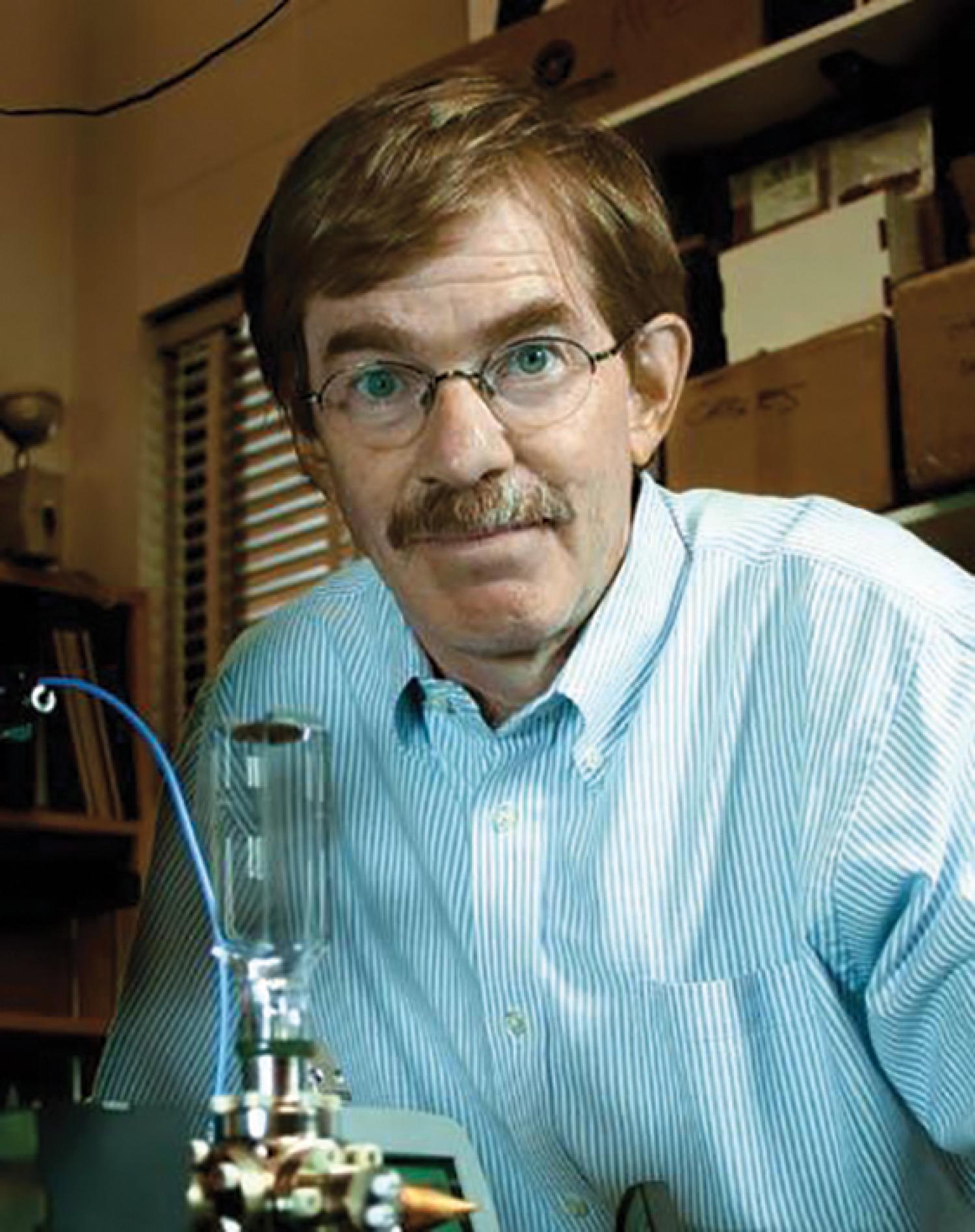
Dana Z. Anderson is a Professor and Fellow at JILA at the University of Colorado Boulder, holding the Glen Murphy Endowed Chair in the Department of Physics within the College of Engineering and Applied Science (CEAS) . His research focuses on nonlinear optics , atom optics , and optical precision measurements . Key projects include advancing atomtronics (quantum analogs of electronic systems), neutral atom quantum computing , and ultracold atom gyroscopes . He leads the Anderson Optical Physics (AOPy) group , pioneering applications like shaken lattice interferometry for space navigation and quantum sensor development . Anderson's work bridges fundamental physics and applied technologies. His group develops window atom chip technology for ultracold atom manipulation and in-situ imaging systems . Collaborations include NASA's Cold Atom Laboratory (CAL) mission for microgravity experiments on the International Space Station (ISS). Notable contributions include demonstrating matterwave transistor oscillators and optical lattice-based quantum devices . His research has been recognized in high-impact journals like Physical Review Letters and Review of Modern Physics . He actively engages in public outreach and industry partnerships , serving as Chief Strategy Officer at ColdQuanta, a quantum tech startup spun from his lab's innovations.
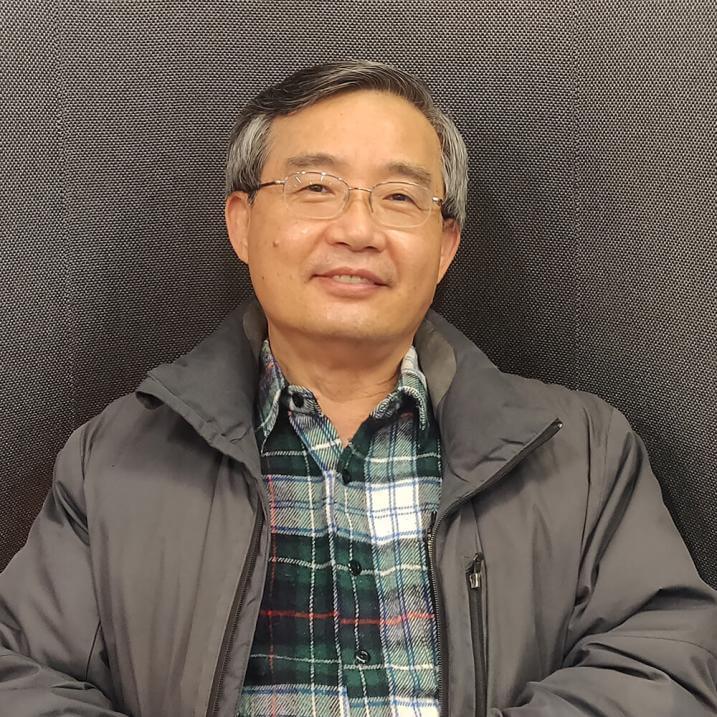
Professor Byung S. Lee is a distinguished faculty member in the Department of Computer Science at the University of Vermont's College of Engineering and Mathematical Sciences. He joined UVM in 1999 and continues to be actively engaged in teaching, research, and service. His office is located in Innovation Hall at the Burlington campus, where he maintains regular office hours and oversees his research lab. Professor Lee holds a Ph.D. from Stanford University, an MS from Korea Advanced Institute of Science and Technology, and a BS from Seoul National University. His educational background provided the foundation for his extensive career in computer science research and education. Professor Lee's research spans multiple domains within computer science, with a particular focus on database systems, data mining, and data science. His work increasingly integrates machine learning techniques with traditional database approaches, especially in the analysis of time series data. He has made significant contributions to graph theory applications, anomaly detection methods, and environmental data analysis. His research often bridges computer science with practical applications in healthcare, environmental science, transportation, and astrophysics through interdisciplinary collaborations. An analysis of his recent publications reveals a strong trend toward time series analysis and anomaly detection, particularly applied to environmental monitoring and healthcare data. His work demonstrates a consistent evolution from foundational database research to more applied machine learning approaches, with increasing emphasis on real-world problem solving across multiple scientific domains. Professor Lee has served as primary advisor for numerous graduate students across multiple cohorts, including PhD candidates, Master's students, and postdoctoral researchers. His advising portfolio reflects the breadth of his research interests, with students working on topics ranging from graph neural networks to medical informatics applications. He has also been actively involved in professional service, serving on program committees for major conferences including SAC, PAKDD, DASFAA, and CIKM. Professor Lee leads a vibrant research laboratory that focuses on cutting-edge data science methodologies and their applications. His team collaborates extensively with researchers in environmental science, hydrology, and healthcare, demonstrating the interdisciplinary nature of modern data science research. The lab maintains active projects in time series analysis, graph analytics, and environmental monitoring systems, often working with large-scale datasets from real-world applications.
Imad L. Al-Qadi is the Grainger Distinguished Chair in Engineering and Director of the Illinois Center for Transportation (ICT) at the University of Illinois at Urbana-Champaign (UIUC). He holds a Ph.D. in Civil Engineering from Penn State and has held faculty positions at Virginia Tech and Penn State. His research focuses on sustainable transportation infrastructure, pavement mechanics, and advanced materials. Al-Qadi leads initiatives like the Illinois Autonomous and Connected Track (I-ACT), a high-speed test facility for autonomous vehicles and energy harvesting systems. Key roles include: Director of ICT, advancing multimodal transportation infrastructure Pioneer of the Smart Road and full-scale pavement testing Founder of the Academy of Pavement Science and Engineering Research interests span: Highway/airfield sustainability Tire-pavement interaction Energy harvesting Electric vehicles' infrastructure impact Leadership roles include past presidency of ASCE's Transportation and Development Institute and editorship of the International Journal of Pavement Engineering. He has authored over 1,000 publications, including 390 refereed papers, and secured over 180 research grants from federal agencies and industry. Awards include NSF Young Investigator Award (1994), TRB Crum Award (2023), and 2024 Executive Leadership Fellow. His work is internationally recognized, with honorary professorships at institutions in China, Sweden, and the UK.