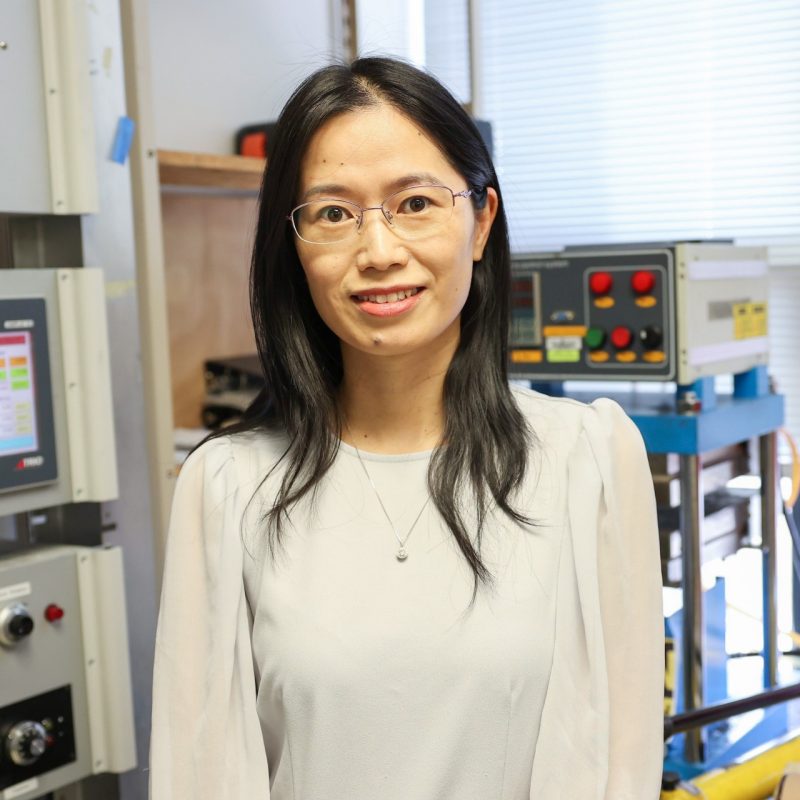
Xiaoyue Ni is an Assistant Professor at Duke University’s Thomas Lord Department of Mechanical Engineering and Materials Science, with additional appointments in Biostatistics & Bioinformatics and Electrical and Computer Engineering. They lead the Ni Lab, developing human-oriented materials intelligence through soft electronics and digital metamaterials. PhD, California Institute of Technology (2018) Research focuses on flexible electronics , mechanical metamaterials , and machine learning to create dynamic materials that sense and adapt to human physiology. Key innovations include soft wireless sensors , liquid metal actuation , and non-invasive biomarker monitoring . Recent publications (2022–2019) highlight expertise in wearable health technology , mechanical-acoustic interfaces , and programmable materials . Collaborative work spans reconstructive surgery , athlete monitoring , and thermal expansion control .
Sotiris Christodoulou is an Associate Professor at the Department of Electrical and Computer Engineering within the College of Engineering at the University of Peloponnese. He also serves as a research associate at the 'Diofantos' Institute of Computer Technology and Publishing. His academic career spans multiple institutions where he has taught graduate and undergraduate courses across seven different universities since 2004. Dr. Christodoulou earned his B.A. in Computer Engineering and Informatics from the University of Patras in 1994 and completed his PhD in Web Engineering from the same institution in 2004. His educational background established the foundation for his extensive research career focused on web technologies and applications. His primary research interests include Web Engineering, Web Application Performance Optimization, Web Code Quality, Semantic Web technologies, Hypermedia Systems, and emerging Web 2.0 and Web 3.0 technologies. His work extends to Virtual Interactive Environments, 3D and Augmented Reality applications, and Spatial Hypertext systems. Christodoulou's research bridges theoretical web engineering principles with practical applications in cultural heritage, education, and urban infrastructure systems. His research output comprises over 45 publications in international journals, book chapters, and conferences, accumulating more than 450 citations. He has participated in over 23 European and National Research and Development Projects focused on web software technology, hypermedia applications, and 3D educational and cultural applications. Professional member of ACM Professional member of IEEE Member of organizing committees for over 15 international scientific conferences Reviewer for recognized international journals (ACM, IEEE, etc.) Christodoulou has extensive teaching experience across seven universities, specializing in programming languages, web software engineering, software quality, and data management. His research projects typically combine applied research with cutting-edge technology implementation for real-world problems in large organizational information systems. He maintains regular office hours at Building K, Office K2.02 at the University of Peloponnese, with appointments available on Mondays and Thursdays.
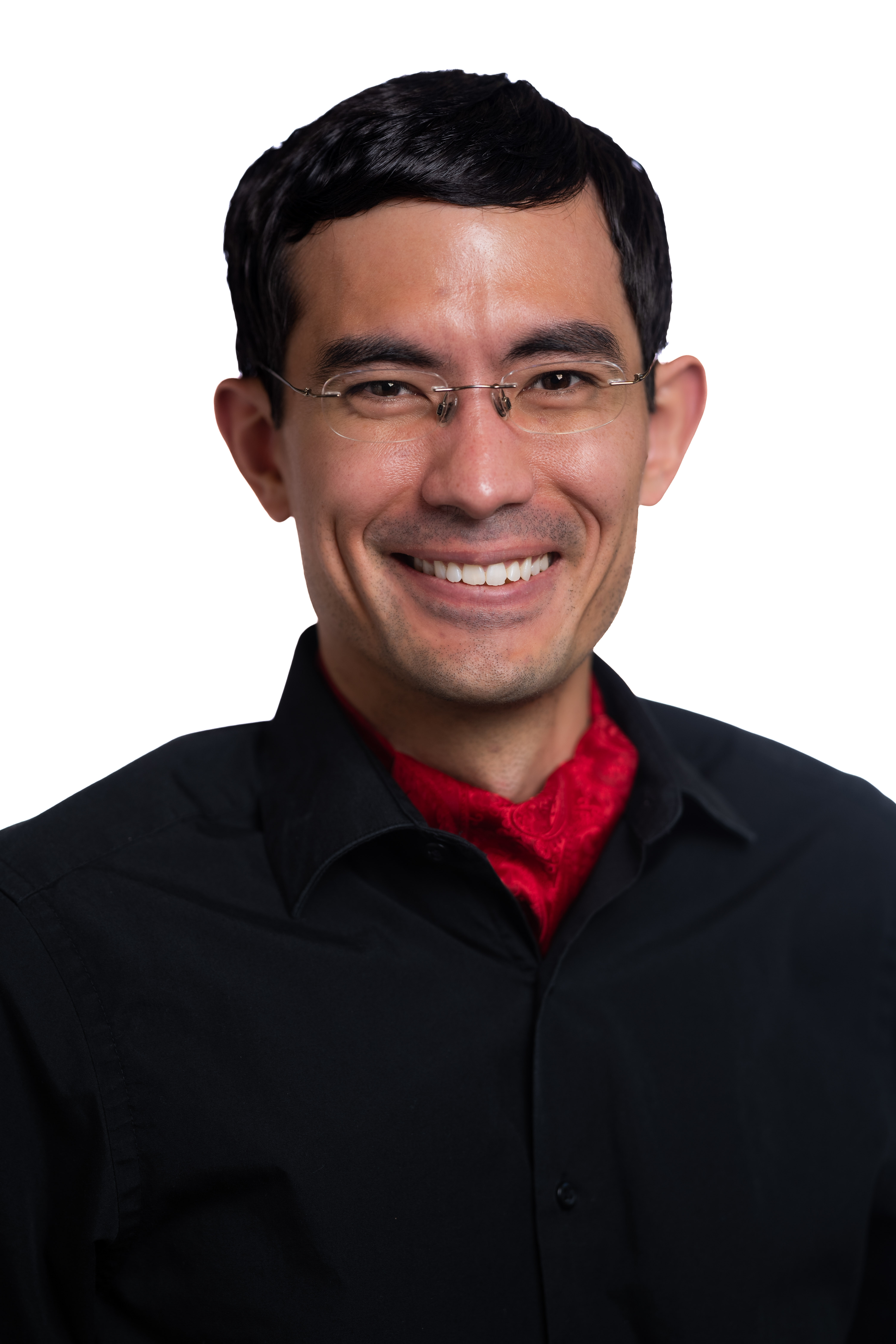
Kevin De Pauw is a postdoctoral researcher at the Department of Physiotherapy, Human Physiology and Anatomy at Vrije Universiteit Brussel (VUB). He actively contributes to 12 research projects with a focus on robotics, mental fatigue, brain physiology, and sports physiotherapy. Current projects include Brubotics, APEX, and TBrainBoost Collaboration network spans Belgium, Germany, and Netherlands Key research themes: Mental Fatigue (100%), Robotics (100%), and Prosthetics (52%) Research Interests: His work explores the intersection of brain physiology, fatigue mechanisms, and robotics applications in rehabilitation. He develops predictive musculoskeletal simulations and investigates inter-limb asymmetry in athletes. Article Trends: Recent publications show increasing focus on robot-assisted rehabilitation , brain neuroplasticity , and mental fatigue quantification . Research combines AI-driven wearable robotics with neurophysiological monitoring . Student Supervision: He mentors Master's students in topics related to Lower limb asymmetry analysis Adolescent cognition-fitness relationships Exoskeleton interface design Laboratory Affiliation: Member of Brubotics and TBrainBoost teams at VUB, working on sustainable human-centered robotics and neurocirculation enhancement technologies.
Prof. Dr. Hermann Winner is a full Professor and Head of the Institute of Automotive Engineering (FZD) at Technische Universität Darmstadt since 2002. He previously held leadership roles in predevelopment and series development at Robert Bosch GmbH (1987–2001) and served on international standards committees like ISO/TC204/WG14. Education : Diplomphysicist (1981), Westfälische Wilhelms-Universität Münster Doctorate (1987), Westfälische Wilhelms-Universität Münster (Topic: Dynamics of domain walls in metal ferromagnetic materials) Research Interests : His work focuses on automated driving systems , automotive sensor modeling , and safety validation methodologies . Key contributions include modular safety frameworks (S2I2), behavior-semantic scenery descriptions for autonomous vehicle development, and advanced driver assistance systems (PRORETA 5). He has pioneered research on lidar sensor simulation, brake wear particle emissions, and motorcycle dynamics safety. Article Trends : Recent publications (2022–2024) emphasize automated urban driving safety , semantic scenario modeling , and sensor-based localization . Earlier works (2012–2021) established foundational concepts in fail-operational architectures , collision criticality metrics , and automotive system decomposition . Scientific Awards : IEEE-ITS Institutional Award (2012) for leadership in automated driving research Labs & Projects : He leads the Institute of Automotive Engineering (FZD) at TU Darmstadt and has been integral to projects like UNICARagil (disruptive vehicle architectures), PRORETA series (collision avoidance systems), and collaborations with institutions such as the Daimler und Benz Stiftung and the Bundesanstalt für Straßenwesen.
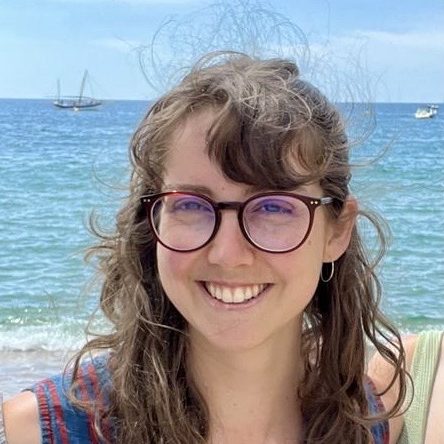
Alice Haynes is a Digital Futures Postdoctoral Fellow at KTH Royal Institute of Technology, working on the Felt Connections project under the Division of Media Technology and Interaction Design . She collaborates with Prof. Kristina Höök and Associate Prof. Iolanda Leite to create shape-changing textile interfaces that foster meaningful bodily interactions for children and adults. Education PhD in Engineering Mathematics, University of Bristol (2022) Specialization in Soft Robotics and Haptic Interfaces Her research blends soft robotics, e-textiles, and soma design to develop tactile technologies that prioritize bodily engagement over traditional visual/auditory interfaces. Current work explores: first-person design for scoliosis, symmetry-asymmetry dynamics in bodily interactions, and soma-driven methods that emphasize felt experiences. Key article trends include shape-changing textiles (SMA-actuated smocking, machine embroidery), emotional/therapeutic applications (anxiety relief, social touch), and multisensory integration (audio-tactile mappings, biosignal interaction). Scientific Contributions Recipient of Digital Futures Postdoctoral Fellowship Co-design methodologies for child-centered technology Material-driven evaluation frameworks for e-textiles Embodied interaction paradigms through haptic cushions Alice teaches Human-Computer Interaction Research Seminars (DH2632) and Media Technology and Interaction Design (DM2601) , while actively seeking Master's students for collaborative thesis work.
Atila Alvandpour serves as Professor and Head of the Integrated Circuits and Systems Division at Linköping University's Department of Electrical Engineering (ISY), concurrently holding the position of Vice Head of the Department. He joined the university in 2003 following senior research scientist roles at Intel Corporation's Circuit Research Lab (1999-2003). His educational foundation includes M.S. and Ph.D. degrees earned from Linköping University in 1995 and 1999 respectively. Alvandpour's research centers on advanced nano-scale integrated circuit design , with pioneering work in data converters (ADCs/DACs) , RF transceivers , and ultra-low-power systems . His expertise spans sensor interfaces, energy-harvesting architectures, and multi-GHz digital circuits, driving innovations for IoT and biomedical applications through novel analog/mixed-signal techniques. Recent publications (2024-2025) reveal a strategic focus on system-level integration for emerging technologies, particularly energy-efficient SoCs for wireless optical sensing, RF energy harvesting, and bio-implantable devices. This trend emphasizes circuit miniaturization, power optimization, and multi-functional integration in cutting-edge CMOS processes. No formal scientific awards are documented in the source materials. As Division Head and active researcher with 24 U.S. patents, Alvandpour leads a significant research group within the Division of Electronics and Computer Engineering (ELDA). His IEEE senior membership and editorial roles for flagship journals like IEEE Journal of Solid-State Circuits demonstrate substantial professional influence, though specific grant details remain unspecified.
Xiaoting Jia is a Professor in the Bradley Department of Electrical and Computer Engineering at Virginia Tech. Her research focuses on advanced functional fibers with applications in biomedical devices, optoelectronics, and neurotechnology. She holds affiliations including the Virginia Tech College of Engineering and maintains an active scholarly profile with collaborations in materials science and neural interfacing. Education : Ph.D., Massachusetts Institute of Technology (2011) M.S., Stony Brook University (2006) B.S., Fudan University (2004) Research Interests : Development of multifunctional fibers for neural recording and stimulation Optically and magnetically controlled power electronics Bio-inspired flexible materials and wearable sensors Neuropharmacological studies using fiber-based probes Her recent work emphasizes hybrid fiber systems combining electrical, optical, and chemical functionalities for biomedical applications. Over 150 peer-reviewed articles demonstrate contributions to neural interfaces, energy harvesting, and advanced fiber fabrication techniques. Awards and service roles are pending specific documentation. Grants & Labs : Led projects in National Science Foundation-funded neural engineering initiatives Collaborated with industry partners on fiber-optic sensor commercialization
Mario Harper is an Assistant Professor in the Department of Computer Science at Utah State University. His research emphasizes Machine Learning, Data Science, Robotics, and their intersections with Finance and Artificial Intelligence. He specializes in autonomous systems, energy-efficient robotics, and AI-driven solutions for transportation and urban sustainability. His work includes developing tools like simulators for electric vehicle systems and stealth-centric navigation algorithms inspired by biological systems. Key research areas include multi-robot coordination, reinforcement learning applications in robotics, and algorithmic approaches to environmental and economic challenges. He has contributed to projects like POSEIDON-SAT for satellite-based fishing vessel detection and electrified transportation equity analysis in urban settings. His publications span topics from trajectory planning in legged robots to AI modeling for economic systems. Beyond research, he designs interactive visualization tools to support policy decisions on sustainable transportation infrastructure. No scientific awards are explicitly listed in the provided information. Mario Harper’s advising and grants focus on robotics, energy systems, and AI applications, though specific student advisees or grant details are not detailed here. He collaborates on projects involving lab tools such as the Unknown Building Exploration Simulator (UBES) and Stealth Centric Autonomous Robot Simulator (SCARS), advancing robotic autonomy in unstructured environments.
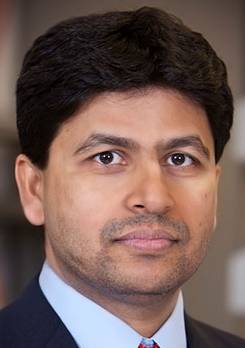
Tara Dhakal is an Associate Professor and Director of the Electrical and Computer Engineering department at Binghamton University, leading the Center for Autonomous Solar Power (CASP). He holds a BS from Tribhuvan University (Nepal), MS from Shimane University (Japan), and PhD from the University of Florida. His research focuses on renewable energy systems, particularly solar cell technologies using earth-abundant and non-toxic materials to achieve cost-effective energy solutions. Key areas include perovskite solar cells, energy storage (supercapacitors/batteries), and thin film semiconductor devices. Education: BS, Tribhuvan University MS, Shimane University, Japan PhD, University of Florida Research Interests: His work bridges material science and device engineering, emphasizing: Perovskite solar cell stability and efficiency Lead-free alternatives for photovoltaics Atomic layer deposition for thin film optimization Supercapacitor electrode materials Transparent conductors for optoelectronics Spintronic materials for multifunctional devices Awards: NSF CAREER Award (2018) for hermetic sealing of perovskite solar cells Labs/Teams: Directs the CASP center, collaborating on autonomous solar power systems. His lab focuses on scalable manufacturing processes and material innovation for renewable energy applications.
Dr. Qianbin Wang is an Assistant Professor in the Department of Biomedical Engineering at Binghamton University. He holds a Ph.D. in Material Physics and Chemistry from Beihang University (2015) and has conducted postdoctoral research at New York University, Harvard Medical School (Boston Children's Hospital), and the University of Massachusetts Amherst as a Research Assistant Professor. His research focuses on biomechanical platforms to study neural degeneration and regeneration, particularly in glaucoma and spinal cord injury models. Key projects include developing polymeric viscobeads for ocular hypertension studies, non-invasive electroretinography for early glaucoma detection, and ultrasonic gene delivery systems to bypass retinal barriers. Educational Background: Ph.D. in Material Physics and Chemistry, Beihang University (2015) Postdoctoral Training: New York University, Harvard Medical School, UMass Amherst (Research Assistant Professor) Research Interests: Mechanotransduction in neuronal systems Non-invasive bioinstrumentation for early disease detection Gene delivery for ocular applications Neuroinflammation mechanisms in glaucoma Advising & Students: Eunji Hong (non-viral gene delivery) Wenjie (biomedical imaging materials) Ian Kim (glaucoma diagnostics) Chen Lin (hydrogel contact lenses) Labs/Teams: Neuromechanics Lab at Binghamton University, focusing on interdisciplinary approaches to neurodegenerative mechanisms and therapeutic development.
Xenofon Strakosas is an Assistant Professor at Linköping University's Department of Science and Technology (ITN), affiliated with the Laboratory of Organic Electronics (LOE) within the Faculty of Science and Engineering. His research focuses on organic bioelectronics, particularly the integration of electronic systems with biological tissues. Key projects include developing conductive hydrogels for 3D bioprinting, enzymatic polymerization of organic conductors on lipid membranes, and in vivo fabrication of soft electrodes for electronic medicine. Recent breakthroughs include growing electrodes in living tissue using injectable gels and achieving precise drug delivery via proton-trapping ion pumps. Supported by a SEK 10 million donation from the Stig Wadström Foundation, his work bridges technology and biology to address neurological diseases and human-machine interfaces. His lab collaborates across disciplines, leveraging organic electronics for biosensors, neural interfaces, and sustainable energy solutions. Publications emphasize advanced materials, electrochemical platforms, and biomedical applications. Current research trends prioritize biocompatibility, in vivo compatibility, and precise control of electronic-ionic interactions. Awards and recognitions include Physics World's 2023 major breakthrough designation for electrode growth in living tissues. Future directions include scalable bioelectronic systems and next-generation medical therapies.
Giulio Fontana is affiliated with the Department of Electronics, Information and Bioengineering (DEIB) at Politecnico di Milano. His research spans robotics, artificial intelligence, and their applications in agriculture and healthcare. He contributes to benchmarking frameworks like ACRE and RoCKIn, focusing on standardized evaluation of robotic systems and AI applications. Primary Affiliation: Politecnico di Milano (DEIB) Research Focus: Robotics, AI, Agricultural Engineering, Bioengineering Fontana has pioneered benchmarking competitions such as ACRE (Agri-Food Competition for Robot Evaluation) and RoCKIn, emphasizing quantitative metrics for robotic performance. His work includes AI-driven pesticide reduction in agriculture, SLAM (Simultaneous Localization and Mapping) in autonomous robotics, and assistive devices for hospital logistics. Recent publications highlight AI-sprint for runtime management of AI applications and multimodal interfaces for robotic wheelchairs. Scientific Contributions : Coordinated design of benchmarking competitions (ACRE, RoCKIn) Developed SLAM benchmarking datasets (Rawseeds project) Innovated AI applications for sustainable agriculture Engineered assistive mobility solutions for healthcare
Benoît H. Lessard is an Associate Professor and Tier 2 Canada Research Chair in Advanced Polymer Materials and Organic Electronics at the Department of Chemical and Biological Engineering , University of Ottawa . His research focuses on developing low-cost, sustainable electronic materials and their integration into next-generation devices, emphasizing biodegradability, flexibility, and environmental compatibility. Research interests include organic thin-film transistors (OTFTs), polymer-based sensors, and nanomaterials for electronics. He leads the Lessard Research Group , fostering interdisciplinary partnerships with industry and academia. Key achievements include pioneering work on silicon phthalocyanine semiconductors and cannabinoid sensing technologies. Current affiliations: Faculty of Engineering, School of Computer Science and Electrical Engineering (collaborative). Awards: Early Career Researcher Award (2021), Glinski Prize (2020), John C. Polanyi Prize (2015). Supervision: 6 current PhD/MSc students, including Alexander Peltekoff and Nic Boileau. Publications emphasize advancements in OTFT stability, biocompatible materials, and sensor applications. Recent work explores rapid prototyping techniques and high-throughput characterization for accelerating material discovery.
George Danko is a Professor in the Department of Mining and Metallurgical Engineering at the University of Nevada, Reno (UNR), part of the Mackay School of Earth Sciences and Engineering. He holds a DSc from the Hungarian Academy of Sciences (2010) and has held academic positions since 1978, including roles at the University of Technology, Budapest and the University of Minnesota. His research focuses on thermal systems, robotics in mining, mine ventilation, and geothermal/nuclear waste management. Education: DSc (2010, Hungarian Academy of Sciences), Ph.D. (1985), Dr. Tech. (1976), and dual M.S. degrees in Applied Mathematics and Mechanical Engineering from Eotvos University and Budapest University of Technology. Research interests include robotics automation in mining, thermal-hydrologic modeling for nuclear waste repositories (e.g., Yucca Mountain), multiphase transport modeling, and mine ventilation systems. His work integrates advanced computational tools like MULTIFLUX and TOUGH2 for simulating subsurface processes. Publications highlight contributions to mine climate simulation, robotic sensor networks, and nuclear waste thermal management. His 34 peer-reviewed papers and 10 patents (e.g., coordinated joint motion control systems, multiphase transport models) reflect interdisciplinary innovation. Grants totaling $7M+ support his research in DOE-funded projects and industry collaborations like Newmont Mining. Honors include Fulbright Visiting Professorship (2008) and Sabbatical Awards (UNR). He teaches advanced mining equipment design, robotics, and subsurface transport modeling courses.
Tim Salcudean is a Professor in the Department of Electrical & Computer Engineering and School of Biomedical Engineering at the University of British Columbia, holding the Charles A. Laszlo Chair in Biomedical Engineering. His research focuses on medical robotics, teleoperation systems, and image-guided interventions, with notable contributions to ultrasound technology, needle steering, and surgical robotics. He collaborates with clinicians to advance diagnostic and therapeutic methods, particularly in prostate cancer imaging and robot-assisted surgery. Key research themes include haptic interfaces, control systems for teleoperation, and biomedical device development. His work combines robotics, control theory, and medical imaging to enhance precision and safety in surgical procedures. Notable projects involve robotic systems for medical ultrasound and adaptive control strategies for stable teleoperation under time delays. Publications span over three decades, emphasizing medical robotics, image-guided interventions, and control systems. His research has been widely cited, reflecting significant impact in both engineering and healthcare fields. Current efforts aim to integrate artificial intelligence with medical imaging to improve cancer diagnosis and treatment planning.