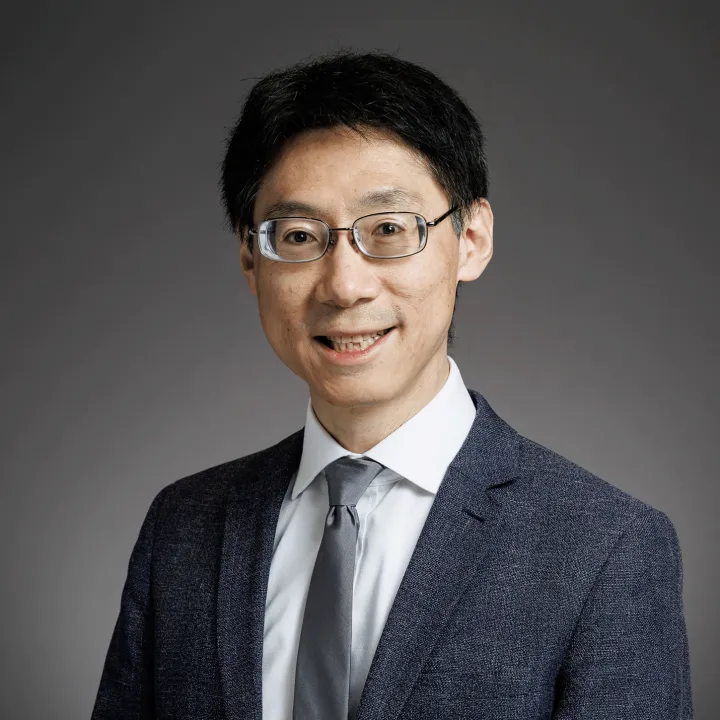
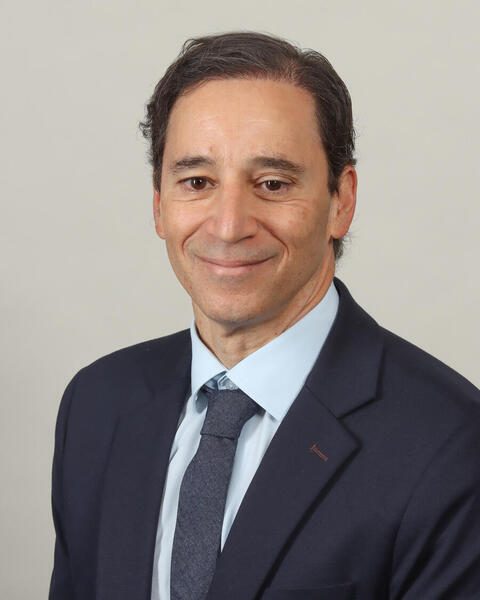
Dr. Rong Fan is the Harold Hodgkinson Professor of Biomedical Engineering and Professor of Pathology at Yale University. His research focuses on developing and applying single-cell and spatial omics technologies to study immune systems, cancer, and aging. His lab has pioneered technologies like the IsoCode microchip for high-throughput protein profiling, and spatial multi-omics platforms (e.g., DBiT-seq, spatial-ATAC-seq) to analyze tissue complexity at cellular resolution. He co-founded IsoPlexis, Singleron Biotechnologies, and AtlasXomics to commercialize these innovations. Education: PhD in Chemistry from UC Berkeley (2006), B.S. in Applied Chemistry from University of Science and Technology of China (1999). Postdoctoral training at Caltech before joining Yale in 2010. Research interests include CAR-T cell therapy optimization, spatial epigenomics, and multi-omics integration. Key achievements include discovering biomarkers predictive of CAR-T efficacy and defining spatial genomic landscapes in cancer and neuroinflammation. Awards: NSF CAREER Award, Packard Fellowship, election to AIMBE, CASE, and NAI. Serves on advisory boards for Bio-Techne and Yale Ventures. Active in training future scientists via the Yale Biomedical Engineering and Yale School of Medicine programs.
Associate Professor Fiona O'Leary is affiliated with the University of Sydney's Sydney Nursing School and the Discipline of Nutrition and Dietetics within the Faculty of Medicine and Health. She holds membership in the Charles Perkins Centre's Brain and Body, Biology of Ageing, and Healthy Food Systems research nodes. Her academic qualifications include a PhD, BSc (Hons), and a Graduate Diploma in Nutrition and Dietetics. Her research focuses on dietary assessment, malnutrition, public health nutrition, and evidence translation for healthy ageing. Notable projects include the NHMRC-funded Maintain Your Brain dementia prevention trial and secondary analysis of the Australian National Nutrition Survey. She also leads initiatives in Tanzania and Zambia addressing childhood malnutrition through poultry and crop integration. Current research projects: Maintain Your Brain trial, dietary patterns analysis, COPD supplementation, and food security initiatives in Africa. Dr. O'Leary has 33 peer-reviewed publications, primarily in ageing and dementia. She teaches Medical Nutrition Therapy and coordinates the Dietetic Professional Studies course. Awards include Advanced Accredited Practising Dietitian status. Her advisory roles include associate supervision of PhD and MPhil students in nutrition and cognitive function, oral health, and biomarker panel development.
Markus Riessland is an Assistant Professor at Stony Brook University’s Renaissance School of Medicine, part of the Empire Innovation Program focused on the Aging Brain. He holds a PhD from the University of Cologne, Germany, specializing in molecular biology, neuroscience, and neurodegenerative diseases. His research centers on cellular senescence in neurons, particularly post-mitotic dopaminergic neurons linked to Parkinson’s disease. He discovered that these neurons can undergo senescence, a process typically absent in non-dividing cells, which has implications for aging and neurodegeneration. Dr. Riessland’s lab employs stem cell models, mouse studies, and advanced sequencing techniques (TRAP-seq, RNA-seq) to investigate senescence mechanisms, identify genetic modifiers influencing neuronal vulnerability, and explore therapies to counteract senescence-driven pathology. His work bridges molecular biology and clinical implications, emphasizing translational approaches for age-related diseases. Notable achievements include an F1000 Exceptional Rating for his 2017 Cell Stem Cell paper and an AJHG Editor’s Corner Highlight for his ribosome profiling study. His research has led to insights on SATB1’s role in senescence, lipid-driven senescence in dopaminergic neurons, and midbrain inflammation in Parkinson’s. Collaborative efforts span international projects on SMA and neuroprotective modifiers like Neurocalcin Delta. While no students are listed here, his work impacts therapeutic development in neurodegenerative diseases through senolytic strategies and genetic interventions. Education: PhD in Molecular Biology from University of Cologne, Germany. Awards: F1000 Exceptional Rating (2017), AJHG Editor’s Corner Highlight (2017). Labs/Teams: Leads research on neuronal senescence mechanisms and therapeutic targets, integrating stem cell biology and systems biology approaches.
Eduardo N. Chini, M.D., Ph.D., is a Professor at Mayo Clinic with primary and joint appointments in the Department of Anesthesiology and Perioperative Medicine and the Department of Cancer Biology. He is based in Rochester, Minnesota, and leads a research program focused on NAD metabolism, aging, and their roles in diseases such as cancer, obesity, and kidney disease. Education: BS in Biology, Centro Educacional de Niteroi-RJ MD, Universidade do Rio de Janeiro PhD in Biological Chemistry, Universidade do Rio de Janeiro Fellow, Department of Physiology and Biophysics, Mayo Clinic Resident in Anesthesiology, Mayo Clinic College of Medicine Research Interests: Eduardo N. Chini's research investigates the central role of nicotinamide adenine dinucleotide (NAD) in cellular metabolism, aging, and disease. His lab has made foundational discoveries in NAD catabolism, identifying CD38 as the primary enzyme regulating NAD levels in mammals. His work explores SIRT1 regulation via CD38 and DBC1, NAD metabolism in cancer, and its implications in polycystic kidney disease. He is particularly interested in how NAD signaling influences aging, metabolic syndrome, and organ dysfunction. Recent Research Trends: His recent publications (2023–2025) reveal a strong focus on the role of CD38 in aging, immune function, and tissue metabolism. Key themes include NAD+ depletion triggering inflammatory responses, CD38 inhibition as a therapeutic strategy for cardiotoxicity and metabolic aging, and the interplay between senescence, stem cell function, and mitochondrial health. His work increasingly integrates translational models with molecular mechanisms in aging and cancer. Scientific Awards: Florida Investigator of the Year, Mayo Clinic (2024) Glenn/AFAR Breakthroughs in Gerontology Award (2007) Edward C. Kendall Award, Mayo Clinic Alumni Association (2002) Directors Award for Aging Research, Kogod Center on Aging (2018) Distinguished Scientist Seminar Series, Georgetown Medical School (2022) Grants and Leadership: Dr. Chini is a co-Principal Investigator on multiple NIH-funded grants, including projects on CD38 in scleroderma, CLL, and male reproductive aging. He is Co-Director of the Mayo Clinic Mitochondrial Care Center and Associate Director of the Robert and Arlene Kogod Center on Aging. He has served on numerous national review panels and advisory councils, including the NIH Hepatobiliary Pathophysiology Study Section and AFAR's National Scientific Advisory Council. Labs and Teams: Dr. Chini leads a research laboratory at Mayo Clinic focused on NAD metabolism and aging. His team collaborates extensively with experts in cancer biology, mitochondrial medicine, and aging research. He is affiliated with the Mayo Clinic Comprehensive Cancer Center, the Kogod Center on Aging, and the Robert M. and Billie Kelley Pirnie Translational PKD Center.
Dr. Gary K. Owens is a Professor in the Department of Molecular Physiology and Biological Physics at the University of Virginia , with a secondary appointment in the Department of Medicine, Division of Cardiology. He serves as Director of the Robert M. Berne Cardiovascular Research Center and leads groundbreaking research on vascular smooth muscle cell (SMC) dynamics in atherosclerosis. His work challenges conventional paradigms about SMC roles in plaque stability and thromboembolic events. Primary Affiliation: University of Virginia Key Titles: Robert M. Beirne Professor of Cardiovascular Research, Professor, Director of CVRC Research Themes include: Cardiovascular Biology Atherosclerosis Pathogenesis Smooth Muscle Cell Plasticity Epigenetic Regulation Inflammatory Signaling Tumor Metastasis Mechanisms Publication Trends (2015–2024) reveal expertise in Nature Medicine and Circulation studies, focusing on SMC gene regulation (Klf4/Oct4), plaque stability, and cross-talk between vascular cells and tumors. His work demonstrates that SMCs account for >80% of advanced lesion cells and that Klf4 inhibition reduces metastasis by >70%. Lab Leadership includes mentoring PhD students Anita Salamon and Victoria Milosek , alongside senior scientists and postdocs. Collaborations span with Dr. Gwen Randolph (Washington University) and Dr. Rosey Kaplan (NIH) on IL1β signaling and metastasis.
Xi-Long Zheng is a tenured Professor in the Department of Biochemistry and Molecular Biology and Department of Physiology and Pharmacology at the Cumming School of Medicine, University of Calgary. He holds additional appointments as a Member of the Libin Cardiovascular Institute and Associate Member of both the Snyder Institute for Chronic Diseases and Arnie Charbonneau Cancer Institute. His research focuses on vascular smooth muscle biology and its role in cardiovascular diseases. Doctor of Medicine, Hunan Medical University (1986) M.S. in Pharmacology, Hunan Medical University (1989) Doctor of Philosophy in Pharmacology, University of Calgary (1997) Dr. Zheng's research centers on vascular smooth muscle cell differentiation, proliferation, and phenotypic switching in vascular diseases. His laboratory investigates mechanisms of vascular smooth muscle dedifferentiation in atherosclerosis, abdominal aortic aneurysms, and vascular stiffness. Current work explores ferroptosis, epigenetic regulation (particularly BRD4), and PCSK9 functions in vascular pathologies. His studies integrate molecular, cellular, and in vivo approaches to identify novel therapeutic targets for cardiovascular diseases. Analysis of his recent publications reveals strong emphasis on cell death mechanisms (ferroptosis, cuproptosis), epigenetic regulation, lipid metabolism, and immune-vascular interactions in atherosclerosis. His work demonstrates increasing focus on translational applications targeting vascular smooth muscle phenotypic switching and plaque stability. Alberta Innovates ‒ Health Solutions Senior Scholar Award (2008-2015) Heart & Stroke Foundation New Investigator Award (2001-2006) CIHR/Hypertension Society Scholarship Award (2001-2004) Heart & Stroke Foundation Fellowship Award (1999-2001) AHFMR Independent Investigator Award (2008) Dr. Zheng serves on grant panels for Canadian Institutes of Health Research and Heart and Stroke Foundation of Canada. He is an editorial board member for Biochemical Journal and other scholarly publications. His laboratory receives funding from CIHR and NSERC for projects including smooth muscle PCSK9 in abdominal aortic aneurysm pathogenesis, smooth muscle autophagy in vascular aging, and epigenetic regulation of smooth muscle plasticity. The Zheng Lab investigates vascular smooth muscle functions across multiple organ systems including blood vessels, gastrointestinal tract, bladder, and uterus. His research has established critical mechanisms in vascular smooth muscle differentiation and cell cycle regulation, contributing over 100 peer-reviewed publications in high-impact journals including PNAS, ATVB, Diabetologia, JBC, and Hypertension.
Joseph Koopmeiners is a Mayo Professor and Division Head of the Division of Biostatistics & Health Data Science at the University of Minnesota School of Public Health. He serves as a Member of the Masonic Cancer Center and Scientific Co-director of the RapidEVAL Program within the Center for Learning Health Systems Sciences. Education: PhD in Biostatistics, University of Washington (2009) MS in Biostatistics, University of Minnesota (2004) BA in Mathematics, St. John's University Koopmeiners develops advanced statistical methods to improve cancer prevention, detection, and treatment through biomarker validation and Bayesian adaptive methods for clinical trials. His research bridges biostatistics with practical applications in oncology, tobacco control, and public health policy. He focuses on innovative trial designs including basket trials, group-sequential methods, and virtual twin approaches that enhance clinical research efficiency. His recent publications demonstrate a strong trend toward adaptive clinical trial methodology, with significant contributions to Bayesian statistics, biomarker validation, and cancer research. Koopmeiners' work spans from fundamental statistical methodology to direct applications in cancer treatment, sepsis management, and tobacco regulation. Awards: Delta Omega, Honorary Society in Public Health Koopmeiners maintains active professional engagement through multiple research collaborations and leadership roles. As Division Head, he oversees biostatistical research and educational programs while directing the RapidEVAL Program focused on learning health systems. His methodological expertise supports numerous clinical trials and public health initiatives across cancer research and other medical domains. His work connects statistical innovation with real-world health applications through the Masonic Cancer Center and Center for Learning Health Systems Sciences, where he contributes to translational research infrastructure.
Khashayarsha Khazaie, Ph.D., is a Professor of Immunology at Mayo Clinic in Phoenix, Arizona, with a primary appointment as a Consultant in the Department of Immunology and a joint appointment in Cancer Biology, Department of Research. He leads a research laboratory focused on cancer immunology, inflammation, and the tumor-microbiota-immune axis, with emphasis on gastrointestinal and gynecological malignancies. Education: Ph.D. in Genetics/Senescence, MRC, National Institute for Medical Research Doctor of Science, University of Paris V, René Descartes BSc (Hons) in Chemistry, Biology, Physics, University of Surrey Postdoctoral Research, CNRS; EMBL; National Institute for Medical Research Research Interests: Dr. Khazaie’s lab investigates regulatory T cells (Tregs), mast cells, circadian rhythms, fibrosis, and microbial-based cancer vaccines. His work explores how immune suppression and chronic inflammation promote tumor growth, particularly in colorectal and endometrial cancers. Key areas include Treg plasticity, epigenetic reprogramming, microbiota-driven carcinogenesis, and the immunology of metastasis. Recent Research Trends: His most recent publications highlight the role of circadian disruption in colon cancer, the therapeutic potential of biomaterial-enhanced Treg immunotherapy, and the use of single-cell and spatial-omics to dissect immune-related diseases. His studies integrate molecular, cellular, and systems-level approaches to understand immune dysregulation in cancer and chronic inflammation. Scientific Leadership: Director, Federation of Clinical Immunology Societies, Mayo Clinic Center of Excellence (2018–present) Associate Editor, Journal for ImmunoTherapy of Cancer (2013–present) Editorial Board, Cancer Immunology Research (2012–present) Associate Editor, Tumor Immunity, Frontiers in Immunology and Oncology (2011–present) Visiting Professor, University of Regensburg (2016); Université Paris-Est Créteil (2016) Grants and Advising: Dr. Khazaie has led multiple NIH-funded projects, including studies on Parvimonas micra-induced carcinogenesis, β-catenin in Treg expansion, and circadian disruption in colon cancer. He mentors researchers and contributes to the education of future physicians and scientists in immunology and cancer biology. His lab collaborates with Biomed Valley Discoveries and MD Anderson on clinical trials of bacterial vaccines for metastatic cancer. Laboratory and Collaborations: His laboratory operates at the interface of basic and translational science, using mouse models, clinical specimens, and multi-omics technologies. He is deeply involved in collaborative research networks, particularly in cancer immunology and microbiota studies.
Mark Tibbitt is an Associate Professor in the Department of Mechanical and Process Engineering at ETH Zürich, where he also serves as Deputy Head of the Department. His research focuses on macromolecular engineering , integrating chemical engineering, synthetic chemistry, and biology to design responsive soft materials for biomedical applications. Key areas include drug delivery, regenerative medicine, and biomaterials with tunable mechanical properties. Education: B.A. in Integrated Science and Mathematics, Northwestern University Ph.D. in Chemical Engineering, University of Colorado Boulder NIH Postdoctoral Fellow, MIT (2013–2017) Research Interests: His lab develops user-programmable materials to study biological processes and solve clinical challenges. Current projects explore stimuli-responsive hydrogels, ex situ organ perfusion, and biomaterials for tissue engineering. The Macromolecular Engineering Laboratory emphasizes interdisciplinary collaboration across engineering, chemistry, and medicine. Labs/Teams: He leads the Macromolecular Engineering Laboratory at ETH Zürich, dedicated to advancing dynamic biomaterials and their clinical translation.
Catarina M Henriques is a Senior Research Fellow at the University of Sheffield's School of Medicine and Population Health. She leads a research group focused on Telomere Biology, Ageing, and Regenerative Medicine, with affiliations to the Bateson Centre , Healthy Lifespan Institute (HELSI) , and CIMA (Centre for Integrated research into Musculoskeletal Ageing). BSc (Hons) in Molecular & Cellular Biology, University of Glasgow PhD in Immunology and Cancer, University of Lisbon (FCT Fellowship) Her research explores the interplay between telomere dysfunction, cellular senescence, and immune/stem cell regulation in tissue homeostasis decline during ageing. Using zebrafish models , she investigates how telomerase-dependent mechanisms influence multi-tissue degeneration and therapeutic rejuvenation strategies. Recent work highlights telomere dynamics in immunity, intestinal permeability, and neurodegeneration. Key publications include: 2024: Telomere length as an epigenetic trait in disease modeling 2023: p21-GFP senescence zebrafish for senolytic testing 2022: Gut leukocyte telomere dependence and retinal regeneration Her work bridges the Versus Arthritis CIMA and Bateson Centre collaborations. Scientific awards include: Sir Henry Dale Fellowship (Wellcome Trust/Royal Society) CIMA Research Fellowship Vice-Chancellor’s Fellowship She supervises postgraduate researchers and contributes to undergraduate/postgraduate education via modules on multimorbidity, reproduction, and human disease modeling. The lab employs histology, immunofluorescence, flow cytometry, and cell culture to study zebrafish tissue repair mechanisms.
Yao Wei Lu is an Assistant Professor of Medicine at the University of Southern California, affiliated with the Hastings Center for Pulmonary Research and leading the Lu Lab. Their research focuses on cardiovascular development, regeneration, and diseases, particularly investigating mechanisms underlying cardiac fibrosis, diabetic complications, and the role of non-coding RNAs in cardiovascular pathologies. Key areas include endothelial dysfunction, metabolic disorders, and molecular signaling pathways in heart disease. Research interests emphasize translational studies targeting therapies for cardiac hypertrophy, atherosclerosis, and heart failure. Dr. Lu's work integrates molecular biology, cell biology, and systems biology approaches to understand disease mechanisms and develop novel treatments. Notable achievements include the receipt of the American Heart Association (AHA) Second Century Early Faculty Independence Award in 2023. The lab's studies often involve collaborative projects on nanotherapies, epigenetic regulation, and cellular senescence. Current projects explore therapeutic inhibition of non-coding RNAs and mitochondrial dysfunction's role in cardiomyocyte regeneration.
Dr. Richard F. Loeser, Jr. is the Joseph P. Archie, Jr. Eminent Professor of Medicine and Director of the UNC Thurston Arthritis Research Center at the University of North Carolina School of Medicine. His research focuses on osteoarthritis (OA) mechanisms, particularly the role of oxidative stress, aging, and cellular signaling in joint degeneration. He has pioneered studies on redox regulation of chondrocyte signaling and integrin function, using both in vitro and rodent models. Education: Undergraduate: Virginia Tech Medical School: West Virginia University Residency/Fellowship: Wake Forest Baptist Medical Center Research interests include OA biomarkers, exercise interventions, and gut microbiota's role in joint health. His clinical work emphasizes translating basic science discoveries into therapeutic strategies, including weight loss and exercise programs for knee OA patients. He leads multidisciplinary teams studying OA phenotypes and metabolomics. Publications reflect a blend of clinical trials (e.g., START trial on strength training) and mechanistic studies on cellular senescence and Sirt6 pathways. He holds leadership roles in arthritis research and has contributed to major reviews defining OA as a systemic joint disease.
Lisa A. Lesniewski is an Associate Professor in the Division of Geriatrics at the University of Utah School of Medicine and an Adjunct Associate Professor in the Department of Nutrition and Integrative Physiology. She co-leads the Translational Vascular Physiology Lab, focusing on aging-related vascular and metabolic dysfunction. PhD (Texas A&M University) MA (Kent State University) BS (Ohio State University) Her research examines how aging modulates vascular and metabolic responses to obesity, emphasizing adipose inflammation and genetic interventions in rodent models. She explores novel pathways to counteract atherosclerosis and arterial stiffness across the lifespan. Recent publications highlight work on Arf6/mTOR signaling in insulin resistance, senolytics for vascular aging, and inflammation's role in metabolic-vascular crosstalk. Studies span lipidomics, genetic models, and pharmacological interventions. The Translational Vascular Physiology Lab secured multiple NIH grants (R01, R44) for projects on aging vascular systems and rare diseases. Collaborations include University of Colorado and University of California-San Diego alumni. Lab highlights include groundbreaking work on glycocalyx therapy, telomere dysfunction, and immune cell contributions to arterial aging. Publications appear in top journals like Aging Cell , Nature Reviews Cardiology , and Science Reports .
Dr. Wenyi Luo is an Assistant Professor of Pathology at Yale School of Medicine, specializing in Anatomic Pathology and GI Pathology. He holds roles such as Director of the Immunohistochemistry Lab and has previously served at the University of Oklahoma Health Sciences Center (OUHSC) as Assistant Professor and Surgical Pathology Rotation Director. His research focuses on liver and gastrointestinal pathology, oncology, and cellular mechanisms in diseases like hepatocellular carcinoma and pancreatic cancer. Education: MD from Peking University Health Science Center (2004), PhD in Genetics from University of Alabama Birmingham (2010), and postdoctoral training at UAB and MD Anderson Cancer Center. Board certified in Anatomic and Clinical Pathology. Research interests include cancer biology, necroptosis regulation, liver fibrosis, and therapeutic strategies for cholestasis and cholangiopathy. His work integrates molecular pathology with clinical outcomes, emphasizing translational applications. Notable contributions include studies on macrophage-cancer cell interactions in pancreatic cachexia and miRNA roles in adipogenesis. Collaborations span hepatology, oncology, and metabolic disorders. He has no listed awards but maintains an active publication record in high-impact journals like Cancer Cell and Gastroenterology . Labs/Teams: Involved in gastrointestinal and liver pathology research at Yale, contributing to interdisciplinary projects in cancer biology and liver disease mechanisms.
Nathan K. LeBrasseur, Ph.D., M.S. , is a Professor in the Department of Physical Medicine and Rehabilitation and the Department of Physiology at Mayo Clinic in Rochester, Minnesota. He holds key leadership roles including Director of the Robert and Arlene Kogod Center on Aging, Co-Director of the Mayo Clinic Paul F. Glenn Center for Biology of Aging Research, and Scientific Director of the Office of Translation to Practice. His work is central to advancing the science of aging and its clinical translation. Research Interests: Nathan K. LeBrasseur's research is dedicated to understanding the biological mechanisms of aging, with a focus on cellular senescence , skeletal muscle aging , and the development of biomarkers of biological age . His lab investigates how senescent cells contribute to physical decline, metabolic dysfunction, and frailty. A major focus is on how lifestyle factors, particularly exercise, can modulate the accumulation and clearance of senescent cells to promote resilience in older adults. Research Trends: His recent publications (2023–2025) demonstrate a strong trend towards translational and clinical research. The work spans from fundamental discoveries in cell biology (e.g., mtDNA release in senescence) to the characterization of human biomarkers for use in clinical trials. There is a clear emphasis on developing and validating tools to measure biological aging and on understanding the systemic impact of senescent cells on organs like muscle, bone, heart, and brain. His research increasingly leverages large cohort studies and aims to identify individuals who would benefit most from anti-aging interventions. Scientific Awards: Noaber Foundation Professor of Aging Research, Mayo Clinic (2024) Vincent Cristofalo Rising Star Award in Aging Research, American Federation for Aging Research (2019) Advising and Grants: Dr. LeBrasseur is a Principal Investigator (PI) on multiple major research grants, primarily from the National Institute on Aging (NIA). His funded projects include 'The Impact of Biological Mechanisms of Aging on Response Variability to Resistance Training in Older Adults (BRIO)' and the 'Biological Analysis Core.' He also serves as PI for the Vincent Cristofalo Rising Star Award and is a Co-PI on the Midwest Murine-Tissue Mapping Center. This extensive grant portfolio reflects his leadership in large-scale, collaborative aging research. Labs and Teams: Dr. LeBrasseur leads a research laboratory focused on the biology of aging at Mayo Clinic. His work is deeply integrated with major institutional centers, including the Robert and Arlene Kogod Center on Aging and the Mayo Clinic Paul F. Glenn Center. He is part of a large, collaborative network of scientists investigating cellular senescence, senolytics, and aging mechanisms, often co-authoring with leading figures in the geroscience field.