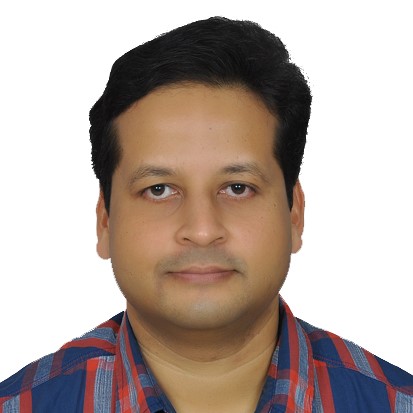
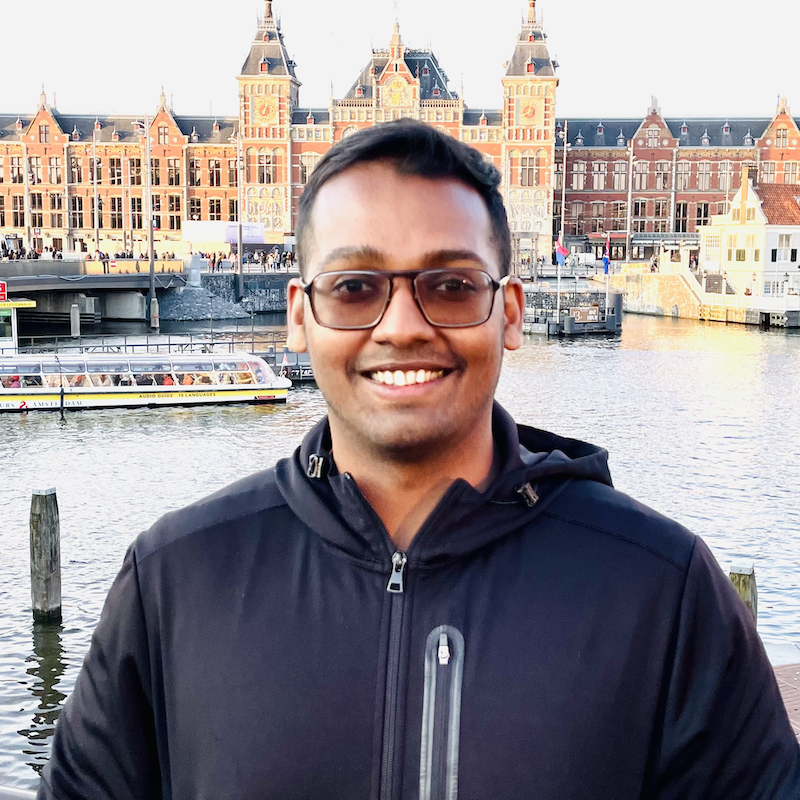
Kaushik Nayak is an Associate Professor in the Department of Electrical Engineering at the Indian Institute of Technology Hyderabad . His research spans semiconductor device physics, mesoscopic electronics, and electro-thermal effects in nanoscale transistors, with recent work on diamond MOSFETs, 2D material contacts, and thermal resistance in nano-sheet FETs. Ph.D., Indian Institute of Technology Bombay M. Tech., Microelectronics, IIT Bombay B.E., Electronics & Telecommunication, Utkal University He teaches advanced courses on semiconductor device modeling, mesoscopic electronics, and electromagnetic wave propagation. His publications focus on nanoelectronics, device variability, and high-temperature operations. Contact: knayak@ee.iith.ac.in .
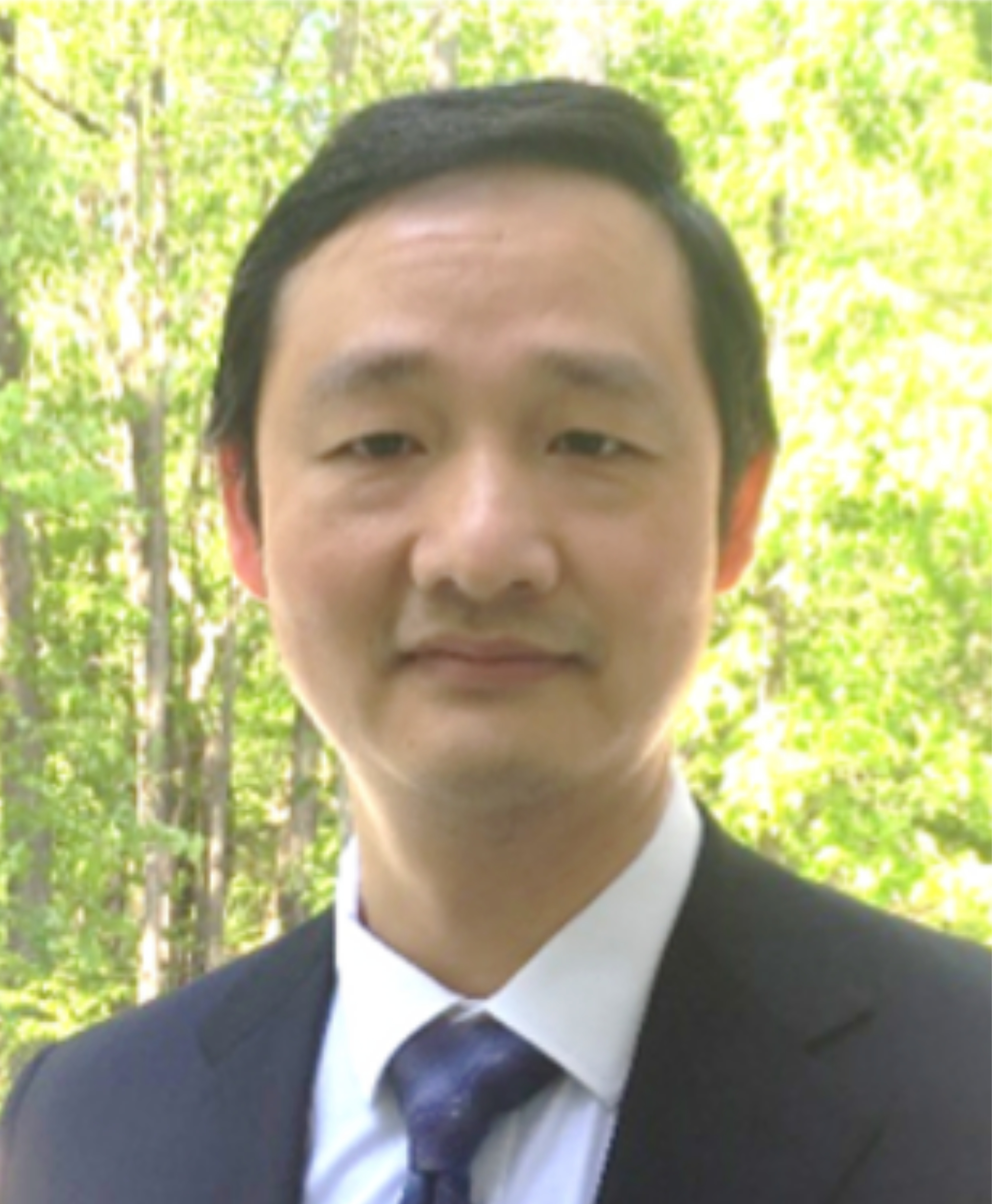
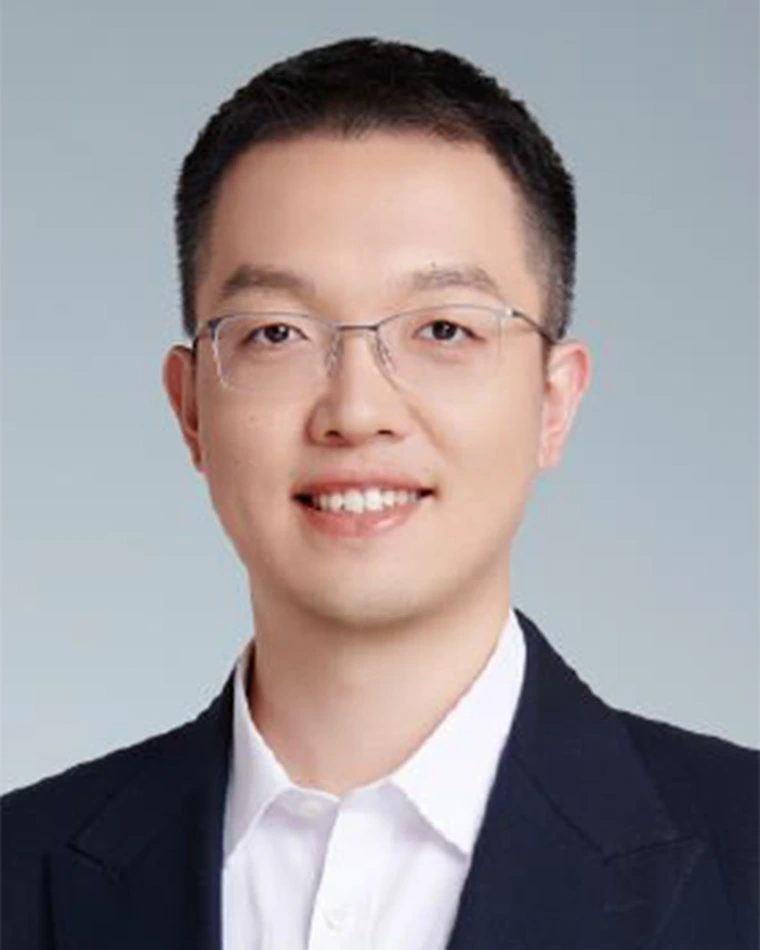
Prof. CHEN Shuming is a Tenured Professor and Doctoral Supervisor at the Department of Electronic and Electrical Engineering , Southern University of Science and Technology (SUSTech) . He has held academic positions since joining SUSTech in 2013 and was promoted to Professor in 2024. Education: PhD in Electronic and Computer Engineering (HKUST, 2012), Master in Optical Engineering (Sun Yat-sen University, 2008), Bachelor in Optoelectronics (South China University of Technology, 2005) Research Focus: Prof. Chen specializes in quantum dot light-emitting diodes (QLEDs) and organic light-emitting diodes (OLEDs) , with expertise in device engineering , device physics , and display/lighting applications . His work includes: Novel device structures (tandem, top-emitting, flexible) Charge transport and exciton dynamics Low-cost fabrication techniques (inkjet printing, laminating) Publication Trends: His recent papers address QLED stability , high-efficiency architectures , and AC-compatible devices , reflecting advancements in quantum dot technology and consumer electronics integration . Scientific Awards: Guangdong Natural Science Award (2024) Shenzhen Youth Science and Technology Award (2017) China Invention Association Innovation Award (2024) International Society for Information Display Outstanding Paper Award (2018) Advising and Grants: Prof. Chen has supervised 6 doctoral students, 5 master's students, and multiple undergraduates. He has led over 10 major projects, including National Natural Science Foundation grants and National Key R&D Program initiatives.
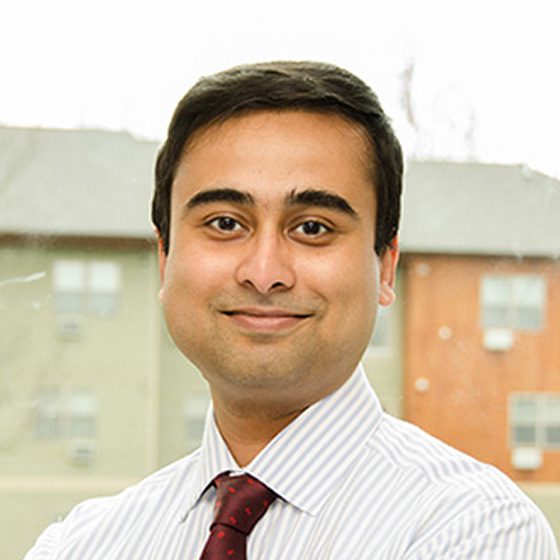
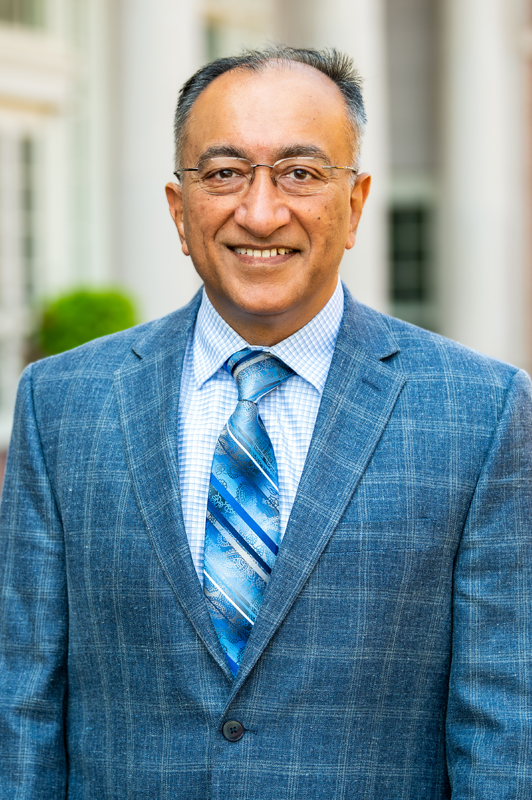
Jinsong Huang serves as Adjunct Professor in the Materials Science and Engineering department at the University of North Carolina at Chapel Hill, where he leads an interdisciplinary research group focused on perovskite-based electronic materials and devices. His laboratory, housed in Murray Hall 1115, maintains active collaborations with academia, industry, and national laboratories while training next-generation scientists and engineers for competitive job markets. Dr. Huang earned his educational credentials through a rigorous academic path: Ph.D. in Materials Science & Engineering from UCLA (2007), M.S. in Semiconductor Physics from Chinese Academy of Sciences (2003), and B.E. in Materials and Photoelectronic Physics from Xiangtan University (2000). His research program spans Perovskite Solar Cells , Photodetectors , and X-ray Imagers , with particular emphasis on fundamental material physics, device design, stability enhancement, and scalable manufacturing. The group's work bridges applied research with deep scientific understanding, focusing on high-performance, low-cost electronic materials that address critical energy and medical imaging challenges. Current projects include self-powered photon-counting detectors, bifacial perovskite modules, and all-perovskite tandem solar cells. Analysis of recent publications reveals a strategic research trajectory toward commercialization of perovskite technologies, with increasing focus on stability, scalability, and real-world performance metrics. The work spans fundamental science (defect engineering, crystal growth) to applied technologies (medical imaging detectors, flexible solar cells), demonstrating remarkable breadth while maintaining technical depth in perovskite material systems. Highly Cited Researcher 2021 in Material Science and Chemistry Principal Investigator for $1.5 million UNC System Research Opportunities Initiative (2025) Multiple student/postdoc awards including Postdoctoral Awards for Research Excellence Consistent high-impact publications in Nature, Science, and Advanced Materials Huang actively mentors students and postdocs, with notable alumni including four of the 41 Tar Heels ranked as 'highly cited researchers' in December 2023. His research group has secured significant funding including the recent $1.5 million UNC System grant for 'Ultra-High Efficiency Perovskite Tandem Solar Cells' focusing on North Carolina's energy production and reduced fossil fuel dependence. The laboratory maintains strong industry partnerships that facilitate technology transfer and real-world implementation of research findings. The Huang Research Group operates as a dynamic interdisciplinary team with scientists from chemistry, materials science, physics, and electrical engineering backgrounds. Their collaborative culture has produced numerous breakthroughs including record-efficiency perovskite modules certified by NREL, self-powered photon-counting detectors published in Nature, and lead-recycling technologies highlighted in Nature Communications. Current facilities support crystal growth, device fabrication, and advanced characterization of perovskite materials for both energy and radiation detection applications.
Hari Nair is an Assistant Professor in the Department of Materials Science and Engineering at Cornell University, part of the College of Engineering. His research focuses on the synthesis and characterization of complex oxide thin films using molecular beam epitaxy (MBE), with applications in power electronics, quantum materials, and optoelectronics. B.Tech. in Engineering Physics, Indian Institute of Technology Madras, 2006 M.S. in Electrical and Computer Engineering, The University of Texas at Austin, 2008 Ph.D. in Electrical and Computer Engineering, The University of Texas at Austin, 2013 His research interests lie at the intersection of semiconductor physics, materials synthesis, and advanced functional materials. He specializes in epitaxial strain engineering, heterostructure design, and the control of electronic and magnetic properties in oxide thin films. His vision is to leverage novel materials to enable revolutionary advances in electronic and optoelectronic devices. Analysis of his recent publications reveals a strong focus on β-Ga₂O₃ for high-power devices and ruthenate-based quantum materials such as Sr₂RuO₄ and SrRuO₃. His work spans ultra-wide bandgap semiconductors, strain-engineered phase transitions, superconductivity, and spin-orbit phenomena. Techniques include MBE growth, THz spectroscopy, and advanced electron microscopy. Notable scientific awards include: Student Paper Award, Device Research Conference (DRC), 2013 The Ben Streetman Prize for Outstanding Research in Electronic and Photonic Materials and Devices, 2013 Student Paper Award, Electronics Materials Conference (EMC), 2012 Hari Nair has advised several graduate students and postdoctoral researchers, though specific names are not listed in the provided text. His work has been supported by grants from federal agencies and institutional programs focused on advanced materials and quantum science. He is actively involved in collaborative research through centers and labs at Cornell, particularly those related to materials synthesis and characterization. He leads a research group focused on the growth and study of epitaxial thin films, working closely with the D.G. Schlom group and other collaborators in the Kavli Institute at Cornell. His lab utilizes state-of-the-art MBE systems and advanced characterization tools for probing electronic, magnetic, and structural properties at the nanoscale.
Scott Thompson is a Professor in the Department of Electrical & Computer Engineering at the University of Florida. He holds academic appointments within the College of Engineering and specializes in solid-state electronics, nanotechnology, and semiconductor device fabrication. His research focuses on advancing transistor technologies to extend Moore’s Law, including strained silicon innovations and low-power device designs. Thompson earned his BSEE (1987), MS (1988), and PhD (1992) in Electrical Engineering from the University of Florida. His industrial contributions include roles at Intel Corporation and leadership at SuVolta, recognized with the TiE 50 Top Startup Award (2014) and Semi Award North America (2008). He is an IEEE Fellow (2006) and Intel Fellow (2003). His research portfolio includes over 50 patents and publications on topics like deeply depleted channel transistors, CMOS process optimization, and strain-engineered semiconductor materials. Key themes in his work involve improving transistor performance, reducing power consumption, and advancing fabrication techniques for nanoscale electronics. Key Awards: IEEE Fellow, Intel Fellow, TiE 50 Startup Award Key Contributions: Strained silicon transistors, SuVolta startup innovations, CMOS process advancements
Matthias Bucher is a Professor at the Department of Electronics and Computer Engineering, Technical University of Crete. He specializes in analog/RF integrated circuits design, MOSFET compact modeling, and device characterization. His research focuses on nanoscale CMOS, wide-band semiconductor devices, and high-voltage MOSFETs. He leads the Electronics Laboratory and teaches courses such as Electronics II and CMOS Analog IC Design. Education: Ph.D. in Electrical Engineering, Swiss Federal Institute of Technology (EPFL), 1999 M.S. in Electrical Engineering, Swiss Federal Institute of Technology, 1993 Research Interests: Prof. Bucher’s work emphasizes charge-based compact models (e.g., EKV3), RF device modeling, and noise analysis in MOSFETs/JFETs. His contributions include open-source tools for Verilog-A modeling and parameter extraction methodologies for advanced CMOS technologies. Labs/Teams: He directs the Electronics Laboratory , focusing on nanoelectronics and high-reliability circuits. His team collaborates on semiconductor device modeling for aerospace and industrial applications. Grants/Awards: While not explicitly listed, his extensive publication record and leadership in open-source projects indicate sustained recognition in semiconductor research communities.
Tathagata Srimani is an Assistant Professor in the Department of Electrical and Computer Engineering at Carnegie Mellon University (CMU), affiliated with the College of Engineering. He previously served as a Postdoctoral Scholar in Electrical Engineering at Stanford University. His academic journey includes a Ph.D. and S.M. in EECS from MIT (2022 and 2018 respectively) and a B.Tech. in E&ECE from IIT Kharagpur (2016). Research Focus: Srimani’s work centers on nanoelectronics and transformative NanoSystems. Key areas include: Carbon nanotube field-effect transistors (CNFETs) and their monolithic 3D integration with silicon Ultra-dense 3D integration of logic and memory to address the 'memory wall' in AI/ML Technology-architecture co-design frameworks for energy-efficient computing Key Achievements: Developed first silicon fab-compatible CNFET processes (TNANO ’18, Nature ’19) Enabled CNFET RISC-V microprocessor and monolithic 3D integration with Analog Devices/SkyWater Recipient of MIT Presidential Fellowship (2016) and Morris Joseph Levin Award (2018) Teaching & Outreach: Teaches semiconductor devices and hardware design, including hands-on 'Hacker Fab' courses. Leads the NEXUS Research Group exploring heterogeneous nanomaterials (e.g., magnetic and oxide semiconductors) and thermal/power management in 3D systems. Future Directions: Expanding into probabilistic computing hardware, co-design frameworks for application-specific systems, and scaling 3D NanoSystem technologies for industrial adoption.
Jeff Zhang is an Assistant Professor in the School of Electrical, Computer and Energy Engineering at Arizona State University. He joined ASU in January 2023 after completing a postdoctoral fellowship at Harvard University. His research spans deep learning, computer architecture, embedded systems, and EDA, with particular emphasis on energy-efficient and fault-tolerant design for AI/ML systems and hardware accelerators. Education: Ph.D., New York University M.Eng., B.Eng., Hunan University Dr. Zhang's research bridges theoretical machine learning with practical hardware implementation, developing novel architectures that optimize performance, power consumption, and reliability. He has pioneered approaches for hardware acceleration of large language models, efficient sparse matrix operations, and novel memory technologies for AI workloads. His work has received multiple awards including IEEE Top Picks in Test and Reliability (2023) and IEEE Micro Best Paper Award (2022). His recent publications demonstrate a strong trend toward heterogeneous computing, with significant work in chiplet-based AI accelerators, photonic computing for AI, and 2.5D/3D integration techniques. The research spans from high-level compiler frameworks to circuit-level innovations, with a consistent theme of co-designing algorithms and hardware for optimal AI performance. His work on the SODA toolchain has been particularly influential in bridging Python to silicon. Scientific Awards: IEEE Top Picks in Test and Reliability, IEEE ITC, 2023 Best Paper Award, IEEE Micro, 2022 Best Paper Award Candidate, IEEE DATE, 2022 Best Presentation Award Nomination, ACM SIGDA DATE PhD Forum, 2020 Best Paper Award Nomination, IEEE VLSI Test Symposium, 2018 Ernst Weber Ph.D. Fellowship, New York University, 2015, 2016 Dr. Zhang actively mentors a diverse group of graduate and undergraduate students, with several alumni now working at leading technology companies including Apple, TSMC, and Ansys. His research is supported by prestigious grants from NSF, Sandia National Labs, and industry partners. He serves on technical program committees of numerous top conferences and has organized special sessions on emerging topics like Gen AI for Chip Design and LLM-Aided Design. Dr. Zhang leads a vibrant research group that collaborates extensively with industry partners and national laboratories. Current projects focus on next-generation AI hardware, including chiplet-based systems, photonic accelerators, and novel memory technologies for large language models. His group has developed several open-source tools and frameworks, including the SODA toolchain for bridging Python to silicon.
Xiaodong Yan is an Assistant Professor in the Department of Materials Science and Engineering and an affiliated faculty member in the Department of Electrical and Computer Engineering at the University of Arizona . His research bridges materials science, nanoelectronics, and quantum computing, with a focus on developing novel quantum materials and devices for next-generation computing systems. Education : BS in Physics (Peking University, China), MS in Electrical Engineering (University of Notre Dame), PhD in Electrical and Computer Engineering (University of Southern California). Postdoctoral Training : Materials Science and Engineering, Northwestern University (2021-2023). Dr. Yan’s research explores the synthesis and physics of emerging quantum materials, particularly 2D materials and van der Waals heterostructures , to create advanced devices for neuromorphic computing , quantum sensing , and low-power electronics . His work spans nanofabrication, device characterization, and algorithm integration. His recent publications in Nature and Nature Electronics highlight breakthroughs in Moiré synaptic transistors with room-temperature neuromorphic functionality and reconfigurable heterojunction transistors for machine learning hardware. These studies emphasize 2D material integration , reconfigurable electronics , and bio-mimicking systems . Scientific Awards : MHI Ph.D. Scholar, Ming Hsieh Department of ECE at USC. Dr. Yan leads the Yan Research Group , which focuses on material and device solutions for neuromorphic computing and quantum sensing . The group actively recruits graduate and undergraduate researchers.
Paul R. Genssler is a Dr.-Ing. researcher at the Chair of AI Processor Design (AI-Pro) within the Technical University of Munich (TUM), actively advancing hardware solutions for artificial intelligence under Prof. Hussam Amrouch. His work bridges computer engineering and emerging technologies, focusing on overcoming fundamental limitations in conventional computing architectures through brain-inspired paradigms. His research spans critical domains in next-generation computing: Hyperdimensional Computing for robust pattern recognition and bioinformatics applications Neuromorphic and In-Memory Computing architectures for energy efficiency Reliability engineering for emerging memory technologies (FeFET, etc.) Quantum computing support systems including cryogenic embedded electronics Machine learning-driven transistor aging prediction and mitigation Analysis of his 15 most recent publications (2023-2024) reveals a dominant trend toward hyperdimensional computing as a unifying framework for addressing reliability challenges in emerging technologies. His work consistently integrates in-memory computing techniques to bypass von Neumann bottlenecks while targeting real-world applications like genome matching and unsupervised learning. A significant portion focuses on error-resilient implementations for unreliable nanoscale devices, demonstrating exceptional cross-stack expertise from transistor physics to algorithm design. As a core member of TUM's AI Processor Design group affiliated with the Munich Institute of Robotics and Machine Intelligence (MIRMI), Genssler collaborates extensively on projects spanning cryogenic quantum control systems, FPGA-based AI resilience, and monolithic 3D integration. The team operates at the intersection of semiconductor physics, computer architecture, and machine learning, with strong industry connections evident through publications at DATE, ASP-DAC, and ICCAD.
Irem Boybat is a Researcher in the In-Memory Computing Group at IBM Research - Zurich, Switzerland, focusing on advanced AI hardware solutions. She holds a Ph.D. in Electrical Engineering from EPFL (2020) and prior degrees from EPFL and Sabanci University. Ph.D., Electrical Engineering, EPFL (2020) M.Sc., Electrical Engineering, EPFL (2015) B.Sc., Electronics Engineering, Sabanci University (2013) Her research bridges in-memory computing and AI, targeting energy-efficient hardware for deep learning and neuromorphic systems. Recent work explores analog AI accelerators, heterogeneous architectures, and scalable models for edge computing. Publications highlight cross-disciplinary innovation in materials, circuits, and system design. She has received the IBM Pat Goldberg Memorial Best Paper Award and EPFL PhD Thesis Distinction. Her invited talks span prestigious venues including the European Phase-Change Symposium, IEEE CICC, and HiPEAC. Collaborations include EU H2020 projects like MANIC and WiPLASH.
Pradeep Lall is the MacFarlane Endowed Distinguished Professor and Alumni Professor in the Department of Mechanical Engineering at Auburn University’s Samuel Ginn College of Engineering. He serves as Director of the Auburn University Electronics Packaging Research Institute (EPRI) and holds a joint courtesy appointment in the Department of Electrical and Computer Engineering. A leader in flexible hybrid electronics and harsh environment systems, Dr. Lall has built a world-renowned research program focused on additive manufacturing, electronics reliability, and sustainable materials. Ph.D. in Mechanical Engineering, University of Maryland M.B.A. in Finance and Strategy, Northwestern University M.S. in Mechanical Engineering, University of Maryland B.E. in Mechanical Engineering, Delhi College of Engineering Dr. Lall’s research centers on Flexible Hybrid Electronics (FHE) , Harsh Environment Electronics , Semiconductor Packaging , and Prognostics Health Management . His work leverages additive manufacturing techniques such as Aerosol-Jet, InkJet, and screen printing to develop conformal, robust, and sustainable electronic systems. His innovations include the Flexible Biometric Band for monitoring workers in hazardous environments and additively printed antennas for aerospace applications. His recent focus includes eliminating PFAS from electronics and developing water-based inks for eco-friendly manufacturing. The 15 most recent publications reflect a strong trend toward sustainability , additive manufacturing , and real-world applications in defense, aerospace, automotive, and healthcare. His work bridges fundamental research with industrial realization, particularly through partnerships with NextFlex and federal agencies. Themes include reliability under shock and vibration, sensor development for extreme environments, and workforce training in advanced manufacturing. Dr. Lall has received numerous scientific honors, including: SMTA Founder’s Award (2024) SEMI FlexTech R&D Achievements Award (2023) ASME Avram Bar-Cohen Memorial Medal (2022) IEEE Biedenbach Outstanding Engineering Educator Award (2020) IEEE Sustained Technical Contributions Award (2018) NSF Alex Schwarzkopf Prize (2016) Fellow of ASME, IEEE, NextFlex, and Alabama Academy of Science Dr. Lall has secured over $2 million in annual research funding from SRC, NSF, and NextFlex, leading large-scale projects on sustainable electronics and workforce development. He mentors numerous graduate and undergraduate students and leads the NSF-CAVE3 Center. As founding faculty advisor of the SMTA student chapter, he promotes student engagement in electronics manufacturing. His lab, EPRI, features a full prototyping line for additive electronics and collaborates with industry and government to advance domestic manufacturing capabilities. EPRI, under Dr. Lall’s leadership, partners with the Auburn University Research and Technology Park, the Office of Economic Development, and multiple colleges to drive technology commercialization and workforce education in electronic packaging. The institute is at the forefront of the national effort to reestablish U.S. leadership in semiconductor packaging and advanced electronics manufacturing.
Marco Pirola is a Full Professor at the Department of Electronics and Telecommunications (DET) of the Polytechnic University of Turin, Italy. He is a member of the Interdepartmental Center 'CleanWaterCenter@PoliTo' and actively contributes to research in high-frequency electronics and microwave engineering. His work focuses on power amplifiers, device characterization, and advanced microwave circuit design. Research Interests: Microwave power devices, GaN technology, 5G/mm-Wave applications, space communications, and smart pipeline monitoring systems. Awards: IEEE Fellow (since 2019), IEEE Senior Member. Recent Publications address topics like Ka-band MMIC amplifiers for SAR systems, broadband Doherty amplifiers using GaN, and harmonic analysis of current-mode power stages. His projects include STARGATE (European GaAs power architectures) and Millimetre-Wave GaN Radar for UAV detection. Teaching: He leads courses on 'Radio Frequency Integrated Circuits' and 'Advanced Devices for High Frequency Applications' at the Polytechnic University of Turin. Supervised PhD students include Wenjun Zhang and Abbas Nasri, who worked on III-V HEMT circuits and GaN power amplifiers.
Niklas Rorsman is a Research Professor at the Microwave Electronics group, part of the Department of Microtechnology and Nanoscience at Chalmers University of Technology . His work focuses on advanced semiconductor devices, particularly gallium nitride (GaN) and silicon carbide (SiC) high-electron-mobility transistors (HEMTs) for microwave and cryogenic applications. Expertise : Semiconductor device physics, microwave electronics, cryogenic transistor characterization Key Technologies : GaN HEMTs, SiC MESFETs, graphene FETs Rorsman's research investigates trapping effects, thermal management, and material optimization in GaN/SiC devices. Recent studies explore field plates for cryogenic stability, recessed ohmic contacts, and high-κ dielectric interfaces. His publications demonstrate a focus on improving device linearity, noise performance, and reliability through structural and process innovations. Selected trends in his work include: Cryogenic GaN HEMTs with superconducting Nb gates Buffer-free AlGaN/GaN heterostructures for high breakdown voltage Graphene integration for millimeter-wave communication systems Advanced SiNx passivation and gate stack engineering Contact: niklas.rorsman@chalmers.se
Mahima Gupta is an Assistant Professor in the Department of Electrical & Computer Engineering at the University of Wisconsin-Madison. Her research focuses on power electronics, motor drives, and power converter systems with applications in renewable energy integration and grid infrastructure. Her educational background includes: PhD in Electrical Engineering, University of Wisconsin-Madison (2019) MS in Electrical Engineering, University of Wisconsin-Madison (2015) BE in Electrical Engineering, Birla Institute of Technology & Science, Pilani (2011) Dr. Gupta's research spans multiple areas of power electronics with particular emphasis on Power Electronics Conversion & Control , Modular Multi-level Power Converters , and Motor Drive Systems . Her work addresses critical challenges in the application of Wide Band-gap Semiconductor Devices and mitigating Electromagnetic Interference Issues in modern power electronic circuits. Her research has significant implications for renewable energy integration, electric transportation, and next-generation power grid infrastructure, with a strong focus on efficiency, reliability, and power density optimization. Her recent publications demonstrate a cohesive research trajectory focused on high-performance power conversion systems, with particular attention to modular architectures, fault tolerance mechanisms, and innovative topologies that minimize energy storage requirements while maintaining high performance. Her work spans from fundamental converter designs to application-specific implementations for motor drives, wireless power transfer, and grid integration, showing increasing sophistication and real-world relevance. Dr. Gupta has received several prestigious awards including: Gerald Holdridge Teaching Excellence Award from University of Wisconsin-Madison (2018) Austrian Marshall Plan Scholar for Visiting Scholar position at Technische Universit¨at Graz, Austria (2016) Edward R. Felber Power Fellow from University of Wisconsin-Madison (2016) As a dedicated educator, Dr. Gupta advises graduate students through courses including ECE 699 (Advanced Independent Study), ECE 790 (Master's Research), and ECE 890 (Pre-Dissertator's Research). Her teaching portfolio also includes specialized courses like ECE 512 (Power Electronics Laboratory), demonstrating her commitment to both theoretical and practical aspects of power electronics education. Her research program has attracted significant scholarly attention, as evidenced by her productive publication record in top-tier power electronics conferences and journals.