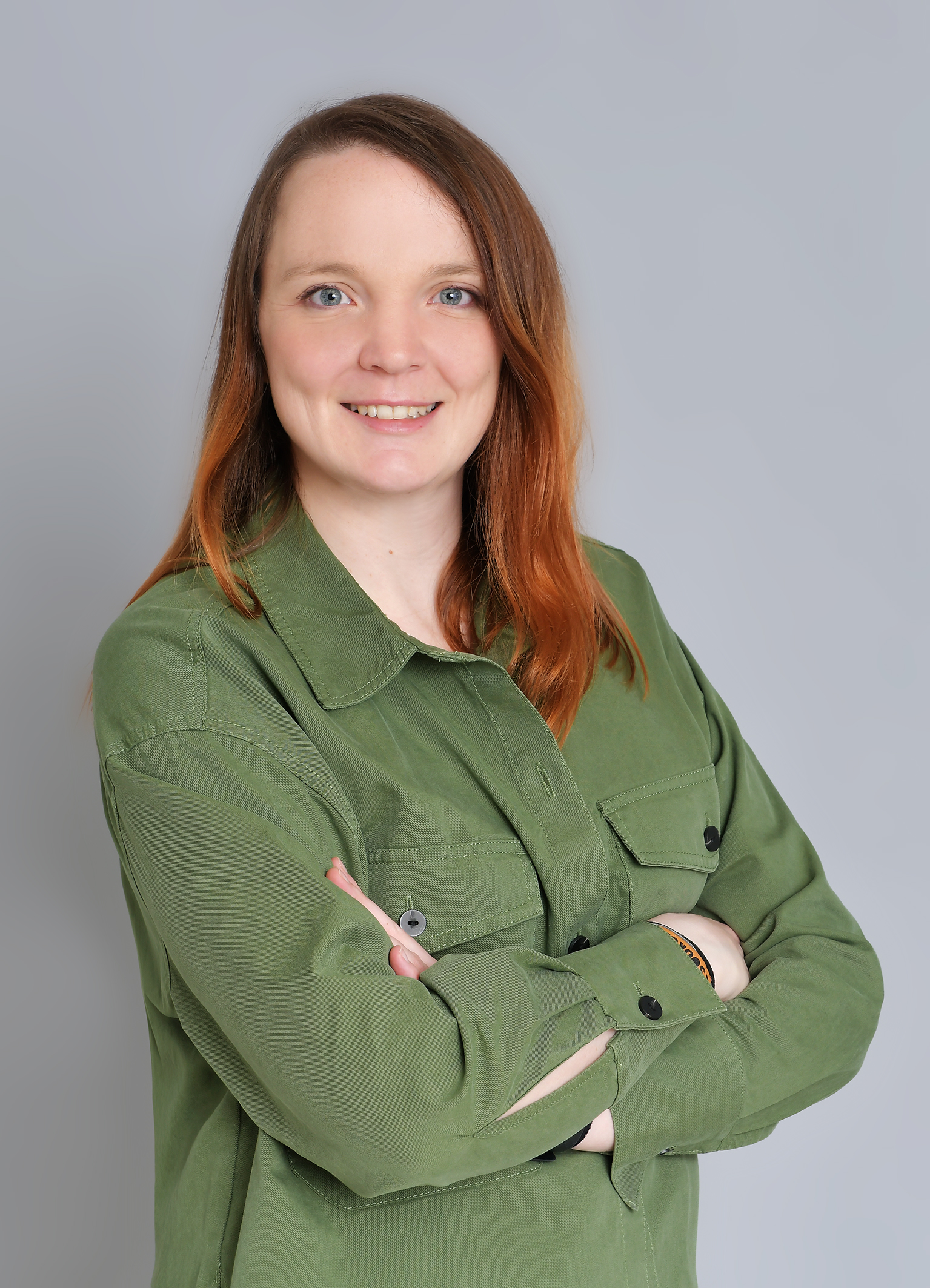
Prof. Dr. Steffi Pohl holds the Chair of Methods and Evaluation/Quality Assurance at the Faculty of Education and Psychology, Freie Universität Berlin since 2019. Previously, she was a Junior Professor (2013-2019) and researcher at institutions including Friedrich-Schiller University Jena and University of Bamberg. She earned her PhD in Psychometrics from Friedrich-Schiller University Jena (2010) and holds a Diplom in Psychology (2004) from Freie Universität Berlin. Her research focuses on advanced statistical methods in educational and psychological testing, including response time modeling, missing data mechanisms, and causal inference in assessment. She has pioneered work on test engagement detection via response patterns and log数据分析. Awards include the 2020 Psychometric Society Early Career Award and 2011 Gustav A. Lienert Dissertation Prize. Pohl serves on editorial boards of Psychometrika , Journal of Educational and Behavioral Statistics , and Zeitschrift für Psychologie . She chairs the Berlin School of Mind and Brain faculty and holds governance roles in academic senates. Her research projects include the National Educational Panel Study (NEPS) and collaborations on test design innovations. Current teaching includes advanced courses in empirical research methods, multivariate statistics, and educational measurement. She actively develops methodologies for analyzing log数据 from digital testing platforms and improving assessment reliability in large-scale studies.
Katharina Eggensperger is an Early Career Research Group Leader at the University of Tübingen , leading the AutoML for Science group within the Cluster of Excellence Machine Learning for Science . She previously completed her Ph.D. at the University of Freiburg under Frank Hutter and Marius Lindauer (2022), and actively contributes to the AutoML community through open-source tool development and competition leadership. Co-developer of AutoML.org tools Faculty member of IMPRS-IS Chair for multiple AutoML workshops/conferences (2019-2025) Her research focuses on automated machine learning (AutoML) with specific attention to: AutoML Systems Hyperparameter Optimization Tabular Machine Learning Scientific Applications of ML She has organized multiple AutoML schools and conferences, including serving as Program Chair for AutoML 2024 and Non-archival Track Chair for AutoML 2025. Her work emphasizes making machine learning accessible through automation while maintaining scientific rigor and interpretability, particularly for tabular data applications. Katharina actively recruits PhD students through IMPRS-IS and collaborates with institutions like the University of Freiburg and Cyber Valley .
Eli D. Strauss is a behavioral ecologist and Postdoctoral Researcher at the Max Planck Institute of Animal Behavior and the University of Konstanz. He will transition to an Assistant Professor position at the Department of Integrative Biology, Michigan State University in late 2025. His research focuses on the evolution of stable social systems, particularly in spotted hyenas, analyzing how individual behaviors and relationships shape group-level dynamics. Strauss employs field experiments, computational techniques, and long-term observational data to study dominance hierarchies, social inequality, and the interplay between individual experiences and collective behaviors. Research Interests : Strauss investigates how societies emerge from individual interactions, emphasizing long-term perspectives. Key themes include dominance hierarchy dynamics, social inheritance, and the ecological drivers of social behavior. His work bridges behavioral ecology with computational methods, addressing questions about social structure stability and evolutionary adaptations. Key Projects : Co-director of the Mara Hyena Project in Kenya, a long-term study on hyena behavior and ecology. Developing methodologies for longitudinal studies of dominance hierarchies, including frameworks for analyzing hierarchy dynamics across timescales. His computational tools (e.g., DynaRankR ) are widely used for dominance inference. Upcoming Initiatives : Establishing a lab at Michigan State University focusing on social behavior and collective ecology. Recruiting graduate students and postdocs to study social systems, computational ecology, and animal behavior.
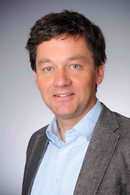
Enno Mammen is a Professor of Mathematical Statistics at Heidelberg University, leading the Institute for Applied Mathematics. His career includes roles as Chair for Mathematical Statistics at Heidelberg (2014–present), Chair for Statistics at the University of Mannheim (2003–2014), and various academic positions since 1986. He holds a PhD (1983) and habilitation (1992) from Heidelberg University. Research interests focus on nonparametric statistics, bootstrap methods, additive models, high-dimensional data, and statistical theory. Key contributions include foundational work on the wild bootstrap, penalized nonparametric estimators, and nonparametric diffusion models. He has authored over 150 papers in top journals like the Annals of Statistics and Biometrika. Current research spans Hawkes processes, neural network statistics, and non-Euclidean data analysis. He has supervised 12 PhD students since 2010, with many progressing to academic roles. Awards include the Heinz Maier Leibnitz Prize (1989) and IMS Fellowship (1998). Active in editorial roles for journals like the Annals of Statistics and Bernoulli. Major funding includes leadership of the DFG-funded Research Training Group 'Statistical Modeling of Complex Systems' (2013–2022) and collaborations with Russian institutions on stochastic differential equations.
Yi-Chi Liao is a postdoc researcher at ETH Zürich under the SIP Lab, funded by the ETH Zürich Postdoc Fellowship Programme. He holds a PhD from Aalto University (supervised by Prof. Antti Oulasvirta) and Master's/Bachelor's degrees from National Taiwan University. His research focuses on computational interaction, human-in-the-loop optimization, and biomechanical simulation. He has contributed to over 14 top-tier publications in venues like CHI, UIST, and TiiS. Education: PhD in Computer Science, Aalto University (Finland) Master's in Computer Science, National Taiwan University Bachelor's in Computer Science, National Taiwan University Research Interests: Advances in HILO frameworks for adaptive systems, human-AI co-design, and biomechanical motion simulation. His work integrates reinforcement learning, Bayesian optimization, and computational modeling to enhance interactive systems. Publications: Over 14 papers in top HCI venues, emphasizing optimization techniques, tactile interfaces, and 3D interaction. Recent work includes meta-Bayesian optimization for wrist-based interactions and real-time target inference via biomechanical simulation. Awards: CHI 2022 Honorable Mention, multiple outstanding review recognitions, and the ETH Postdoc Fellowship. He serves on program committees for CHI, UIST, and TEI. Teaching: Delivered lectures on Bayesian statistics, deep learning, and computational design at Aalto and NTU. Served as a teaching assistant for HCI and computer architecture courses. Labs: Active in the Human-Computer Interaction Lab (Saarland University), SIP Lab (ETH Zürich), and collaborations with Meta Reality Labs.
Jochen Wolf is Chair of the Evolutionary Biology Division at Ludwig-Maximilians-Universität München (LMU) and a Max Planck Fellow of the Max Planck Institute for Biological Intelligence since 2022. His research integrates evolutionary biology, genomics, and ecology to address fundamental questions about speciation, adaptation, and biodiversity across multiple biological systems. Dr. Wolf's research program applies an integrative approach to understand microevolutionary processes and genetic mechanisms underlying species divergence. His work combines large-scale genomic analyses with laboratory and field experiments to characterize genomic divergence across populations and species. Key empirical systems include natural populations of birds (particularly corvids, swallows, and cuckoos), marine mammals (pinnipeds and killer whales), plant communities, and experimental evolution in fission yeast. His research spans multiple scales from immediate microevolutionary processes to broader evolutionary patterns across time. His recent publications reveal a sophisticated integration of genomic, epigenetic, and ecological perspectives. A notable trend shows increasing focus on structural genomic variation, chromosomal rearrangements, and epigenetic mechanisms as drivers of evolutionary processes. His work demonstrates how these molecular mechanisms interact with ecological factors to shape patterns of biodiversity and adaptation. Dr. Wolf's research has gained significant recognition through publications in top-tier journals including Nature, Science, and Nature Ecology & Evolution. His groundbreaking studies on crow hybrid zones, killer whale ecotypes, and experimental evolution of speciation have been featured in prominent media outlets such as The New Yorker, The Guardian, Scientific American, and Der Spiegel, demonstrating the broad impact of his work. As Principal Investigator, Dr. Wolf actively mentors doctoral students and postdoctoral researchers, fostering the next generation of evolutionary biologists. His lab maintains strong international collaborations, particularly through affiliations with SciLifeLab in Uppsala. Research in his group is supported by multiple funding sources including German Research Foundation grants and European Union programs, enabling both fundamental research and applications to conservation biology. The Wolf lab operates within LMU's Division of Evolutionary Biology, which provides access to state-of-the-art facilities including the Leibniz Supercomputing Centre. The lab maintains strong connections with the Max Planck Institute for Biological Intelligence and SciLifeLab in Uppsala, creating a rich collaborative environment for interdisciplinary research in evolutionary genomics. This network enables comprehensive studies spanning from molecular mechanisms to ecological and evolutionary consequences across diverse biological systems.
Markus Lange-Hegermann serves as Professor of Mathematics and Data Science at Ostwestfalen-Lippe University of Applied Sciences (TH OWL) since 2018 and holds a board position at the Institute for Industrial Information Technology (inIT). His career bridges academic research and industrial applications, with expertise in translating machine learning theory into practical engineering solutions for automation and manufacturing sectors. His educational foundation includes a Diplom (Master equivalent) in Computer Mathematics from RWTH Aachen University (2004-2008) followed by a Dr. rer. nat. (PhD equivalent) in algorithmic differential algebra (2008-2014). Prior to academia, he gained industry experience at FEV GmbH as an R&D engineer (2014-2017) and P3 automotive GmbH as a Data Science Consultant (2017-2018). Lange-Hegermann's research centers on probabilistic machine learning with distinctive emphasis on physics-informed approaches. He develops Gaussian process methodologies that incorporate differential equations to model time dependencies, uncertainties, and physical constraints in industrial systems. His work enables robust data-based modeling and optimization for cyber-physical systems, with applications spanning predictive maintenance, process control, and quality assurance in manufacturing. Analysis of his 15 most recent publications (2024-2025) reveals consistent innovation in physics-integrated machine learning, particularly using Gaussian processes to solve partial differential equations and optimal control problems. The research demonstrates strong industrial applicability across domains including medical imaging, material science, automotive engineering, and brewing processes, with recurring themes of anomaly detection in time-series data and uncertainty-aware decision making. His scientific contributions have earned significant recognition: Forschungspreis TH OWL (2024) Top reviewer award at NeurIPS (2023) Outstanding reviewer award at NeurIPS (2021) Best poster award at Bosch AI CON (2019) Borchers Plakette for outstanding dissertation (2014) Springorum Denkmünze for outstanding diploma (2009) As chairman of the Data Science study program and vice chairman of undergraduate examination boards, Lange-Hegermann actively shapes academic curricula while supervising graduate theses. His governance roles include serving on professorship search committees at multiple institutions and contributing to examination regulations. He maintains active research funding through collaborations with industrial partners and reviews proposals for initiatives like It's OWL and 3IA Côte d’Azur. Lange-Hegermann leads the Mathematics and Data Sciences research group within inIT, fostering collaboration between theoretical machine learning and industrial automation. He co-founded AICOmmunityOWL and the Informatics Europe working group on Data Analysis and Reporting, while organizing machine learning reading groups and data science hackathons to bridge academic research with industrial problem-solving.
Jilles Vreeken is a Professor of Computer Science at Saarland University and tenured faculty at the CISPA Helmholtz Center for Information Security, where he leads the Exploratory Data Analysis research group. He is also an ELLIS Fellow and Faculty of the Saarbrücken Unit on AI and ML. His work bridges theoretical foundations with practical applications in causal inference, unsupervised learning, and exploratory data analysis. Dr. Vreeken's research focuses on developing theory and algorithms for answering fundamentally exploratory questions about data: "what is going on in my data?", "what causes what and how?", and "what can we learn from this model?" without making unnecessary or unjustified assumptions. He takes a principled approach based on information theory to identify what is worth knowing, then develops efficient algorithms for extracting useful interpretable results. His work spans causal inference under realistic conditions (including hidden confounding, selection bias, and non-i.i.d. data), summarizing complex data and models in understandable terms, and combining these threads to create more robust and useful models across diverse data types. His recent publications demonstrate a strong trend toward causal discovery in increasingly realistic settings, including non-stationary time series, event sequences, and scenarios with hidden confounders. He has made significant contributions to federated learning, interpretable machine learning, and pattern mining. His work consistently applies information-theoretic principles to develop methods that are both theoretically sound and practically useful for extracting insights from complex data. Dr. Vreeken has received numerous prestigious awards including: IEEE ICDM'18 Tao Li Award for Excellence in Research IEEE ICDM'18 Best Paper Award UdS-CS'15 Busy Beaver Teaching Award ACM SIGKDD'11 Best Student Paper Award ACM SIGKDD'10 Doctoral Dissertation Runner-Up Award ECML PKDD'09 Best Student Paper Award As an advisor, Dr. Vreeken has mentored numerous doctoral researchers to completion, including Dr. Osman Ali Mian, Dr. David Kaltenpoth, Dr. Boris Wiegand, Dr. Sebastian Dalleiger, Dr. Janis Kalofolias, Dr. Jonas Fischer, Dr. Alexander Marx, Dr. Panagiotis Mandros, Dr. Kailash Budhathoki, Dr. Roel Bertens, Dr. Koen Smets, and Dr. Michael Mampaey. He has secured significant research funding as PI for multiple projects including "AI for Prediction and Therapy Guidance in Acute Stroke" (HAICU, 2025-2028), "Neuro-Explicit Models of Language, Vision and Action" (RTG, DFG, 2023-2028), and "Crushing Antimicrobial Resistance using Explainable AI" (HAICU, 2021-2024). Dr. Vreeken leads the Exploratory Data Analysis (EDA) research group at CISPA, which focuses on developing theory and algorithms for discovering novel insights from data, learning inherently interpretable models, and drawing reliable causal conclusions. The group has produced numerous influential algorithms and frameworks in causal inference, pattern mining, and exploratory data analysis, with applications spanning healthcare, materials science, and cybersecurity.
Michael Nothnagel is a Professor at the University of Cologne, where he leads the Department of Statistical Genetics and Bioinformatics within the Cologne Center for Genomics (CCG). His work spans statistical genetics, genetic epidemiology, and forensic genetics, focusing on methodological development and large-scale genomic data analysis. His research interests encompass theoretical and applied statistical genetics, with emphasis on human genetic diversity, disease etiology, and forensic applications. Key areas include Y-chromosomal phylogeography, genome-wide association studies for complex diseases, development of statistical methods for variant interpretation, and forensic marker optimization. His group leverages next-generation sequencing data and specialized forensic markers to address questions in population history, disease mechanisms, and identification systems. Recent publications reveal a strong focus on computational approaches to genetic analysis, including spatial frequency interpolation for haplogroup mapping, polygenic risk score applications for behavioral traits, and advanced methods for variant classification. His work demonstrates consistent integration of statistical theory with practical applications in medical and forensic genetics, often through international collaborations like the VISAGE Consortium. Nothnagel maintains active involvement in the Cologne Center for Genomics, contributing to seminars and collaborative projects including the upcoming 34th International Genetic Epidemiology Society meeting. His research group operates at the intersection of computational biology and medicine, with particular strengths in handling complex genomic datasets and developing novel analytical frameworks for genetic epidemiology.
Yan Zhang is a scientific leader at Meshcapade and a guest lecturer at ETH Zurich's Computer Vision and Learning Group (VLG). He previously served as a postdoctoral researcher at ETH Zurich (2020-2023) and research intern at Max Planck Institute for Intelligent Systems (2018-2020). His research focuses on generative human foundation models, human motion and behavior synthesis, 3D human perception, and applications in AR/VR, embodied AI, and interactive avatars. He has pioneered methods for scene-conditioned motion generation, contact-aware reconstruction, and egocentric interaction modeling. His recent publications (2025-2020) span Real-time motor models for avatars (PRIMAL, ICCV'25) Diffusion architectures for motion (RoHM, CVPR'24) Scene-population algorithms (Odysseus, CVPR'22) Physics-aware reconstruction (EgoHMR, ICCV'23) Whole-body grasping models (SAGA, ECCV'22) Multi-modal datasets (EgoBody, ECCV'22) Scientific recognition includes the Qualcomm Innovative Fellowship Europe 2023 . He organized workshops at CVPR'25, ECCV'24, and ECCV'22, and served on senior program committees (AAAI'26) and area chairs (CVPR'25). As co-supervisor, he mentored student projects on diffusion-based hand motion capture, 3D pose estimation, body-scene interaction, and mixed reality navigation at ETH Zurich (2020-2023). His work bridges computer vision, machine learning, and computer graphics to advance human-centric AI systems.
Iason Papaioannou is an Adjunct Professor in the area of Uncertainty Quantification at the Technical University of Munich (TUM), affiliated with the Engineering Risk Analysis Group. He holds a habilitation from the TUM School of Engineering and Design and has been tenured since 2021 as an Akademischer Rat. His academic journey includes a Ph.D. in Civil Engineering from TUM (2012), an M.Sc. in Computational Mechanics (2007), and a Diploma in Civil Engineering from the National Technical University of Athens (2005). His research focuses on uncertainty quantification , reliability assessment , and Bayesian updating of engineering systems. Key areas include probabilistic modeling, machine learning applications, spatial variability analysis, and geotechnical reliability. He has pioneered methods for system reliability analysis, adaptive subset simulation, and cross-entropy-based importance sampling. Teaching responsibilities include courses such as Stochastic Finite Element Methods, Structural Reliability Methods, and Elements of Machine Learning. His work integrates advanced computational techniques with practical engineering challenges, emphasizing high-dimensional uncertainty analysis and data-driven model updating.
Hauke Heekeren is a full Professor in the Division of Biological Psychology and Cognitive Neuroscience within the Department of Education and Psychology at Freie Universität Berlin. He leads a research group focused on the neural mechanisms underlying human decision-making, emotion regulation, and social cognition, utilizing neuroimaging and computational approaches. His research interests center on understanding how the human brain processes value, makes perceptual and economic decisions, regulates emotions, and engages with social environments, including digital platforms like social media. His work integrates methods from cognitive neuroscience, psychology, and computational modeling to explore fundamental aspects of brain function. The recent publications highlight a strong trend in investigating decision-making under uncertainty, the neural valuation system, emotion regulation strategies, and the social brain. His studies frequently employ fMRI and behavioral paradigms to dissect the prefrontal-striatal and fronto-parietal circuits involved in cognition. Over time, his research has expanded from basic perceptual decisions to complex social and economic behaviors. While no specific awards are listed in the provided content, his publication record in top-tier journals such as Nature Human Behaviour , Nature Neuroscience , and PNAS reflects significant scientific impact and recognition in the field of cognitive neuroscience. As a principal investigator, he likely supervises graduate students and postdoctoral researchers, though no named students are listed. His work is supported by research grants, implied by his extensive publication output and institutional position, though specific funding sources are not detailed in the provided text. He is affiliated with the Division of Biological Psychology and Cognitive Neuroscience at Freie Universität Berlin, where he conducts research using advanced neuroimaging techniques to explore the neural basis of human behavior.
Koushik Sen is a Professor in the Department of Electrical Engineering and Computer Sciences at the University of California, Berkeley. His research focuses on developing software tools and methodologies to enhance programmer productivity and software quality, with expertise in Software Engineering, Programming Languages, and Formal Methods. Education: B.Tech from Indian Institute of Technology, Kanpur M.S. and Ph.D. in Computer Science from University of Illinois at Urbana-Champaign Research Focus: Professor Sen pioneers automated testing techniques including concolic testing and DART (Directed Automated Random Testing). His work bridges formal methods with practical software development, emphasizing bug detection, program synthesis, and AI-driven software analysis tools. Recent innovations include machine learning approaches for code recommendation and fuzzing. Publication Trends: His recent publications (2019-2023) demonstrate strong emphasis on fuzzing techniques, program synthesis, and AI/ML applications in software engineering. Notable domains include smart contract security, automated testing, and developer tooling, with frequent collaborations in top-tier conferences. Awards and Honors: NSF CAREER Award (2008) Sloan Foundation Fellowship (2011) IFIP TC2 Manfred Paul Award (2010) Okawa Foundation Research Grant (2015) Multiple ACM SIGSOFT Distinguished Paper Awards UIUC Distinguished Alumni Educator Award (2014) Leadership: Active program committee member for premier conferences (PLDI, ICSE, ISSTA) and keynote speaker. His research is supported by NSF, Okawa Foundation, and Sloan Foundation.
Professor Gesa Hartwigsen is a leading cognitive neuroscientist holding dual appointments as Professor for Cognitive and Biological Psychology at Leipzig University and Lise Meitner Research Group Leader at the Max Planck Institute for Human Cognitive and Brain Sciences (MPI CBS). She leads the Research Group Cognition and Plasticity, focusing on neural networks for higher cognitive functions, adaptive plasticity in cognition, and language network reorganization after stroke. Her educational background includes: Studies of Psychology (Dipl.-Psych., 2001-2006) at Kiel University PhD in Neurology (Dr. phil., 2007-2010) at Kiel University Habilitation in Psychology (2018) at University of Potsdam Hartwigsen's research spans cognitive neuroscience with particular emphasis on language processing, neural plasticity, and brain stimulation techniques. Her work investigates how brain networks support semantic cognition, how they adapt following neurological damage, and how they change across the lifespan. She employs advanced methodologies including transcranial magnetic stimulation (TMS), functional MRI, and concurrent TMS-fMRI to establish causal relationships in neural processing. Analysis of her recent publications reveals a strong focus on language networks, executive control mechanisms, and neural plasticity. Her work increasingly integrates advanced computational approaches with neurostimulation to understand semantic processing, speech comprehension in challenging environments, and recovery from language disorders. A significant trend is her development of methodological frameworks for concurrent TMS-fMRI, establishing new standards in the field. Her notable scientific recognition includes: ERC Consolidator Grant (2023-2027) for "The Flexible Brain: (Re-)shaping Adaptation in Semantic Cognition" NVIDIA GPU grant (Titan Xp Donation) Hartwigsen has secured substantial research funding, including multiple DFG projects as Principal Investigator. Her current DFG Research Unit (2023-2026) focuses on "Modulation of brain networks for memory and learning by transcranial electrical stimulation," where she serves as PI. She has successfully led multiple interdisciplinary projects examining language networks, neural plasticity, and brain stimulation effects. At the MPI CBS, she leads the Cognition and Plasticity research group, which investigates how brain networks support cognitive functions and adapt to challenges. Her team employs a multimodal approach combining neurostimulation, neuroimaging, and behavioral methods to understand the causal architecture of cognitive networks, particularly in language processing and semantic cognition.
PD Dr. habil. Thomas Wöhling serves as a Senior Research Scientist and Team Leader for Stochastic Modelling of Hydrosystems at the Chair of Hydrology, Dresden University of Technology's Faculty of Environmental Sciences. His research spans integrated environmental systems modeling with particular expertise in surface water-groundwater interactions, braided river systems, and vadose zone processes. Previously, he held research positions at Water and Earth System Sciences Competence Cluster in Tübingen (2010-2015) and Lincoln Environmental Research in New Zealand (2006-2010). Dr. Wöhling completed his Dipl.-Hydrol. (1999) and PhD in Hydrology (2005) at Dresden University of Technology, followed by habilitation in Stochastic Hydrology (2021). His educational background includes extensive research at the Institute of Hydrology and Meteorology at TU Dresden (1999-2005) where he developed foundational expertise in hydrological modeling. Wöhling's research focuses on integrated modeling of coupled environmental systems , particularly flow and contaminant transport in surface water-groundwater systems, nutrient and energy fluxes in soil-plant-atmosphere systems, and distributed hydrological modeling. His work emphasizes stochastic modeling and uncertainty analysis , with significant contributions to inverse modeling, model calibration, multiobjective optimization, and Bayesian model averaging techniques. He has pioneered methods for evaluating monitoring network worth and data utility for environmental models. His publication record demonstrates consistent contributions to hydrological science, with recent work (2023-2025) focusing on machine learning applications in hydrology, advanced statistical inversion techniques, and complex karst system modeling. Key trends include integration of physics-based and data-driven approaches, improved uncertainty quantification methods, and applications to climate change impacts on water resources. His work bridges theoretical advances with practical applications in New Zealand's braided rivers and European hydrological systems. STAHY Best Paper Award (2018) ASCE Journal of Irrigation and Drainage Engineering Best Reviewer Awards (2008, 2010, 2011, 2015, 2018) ASCE Journal of Irrigation and Drainage Engineering Best Paper Awards (2008, 2009) Dr. Wöhling leads the Stochastic Modelling of Hydrosystems team and has secured funding for numerous projects including Klimakonform, ISOSIM, VAMOS II, and the International Research Training Group 'Integrated Hydrosystem Modelling.' His work combines novel monitoring techniques with modeling and optimal sensor placement to improve prediction reliability for river-groundwater exchange fluxes. He collaborates extensively with international partners, particularly in New Zealand through the Lincoln Agritech's Braided Rivers program. His laboratory work focuses on combining traditional hydrological measurements with advanced computational techniques, including deep learning applications for soil surface hydrology and time-windowed Bayesian analysis for predictive modeling. The team maintains strong connections with field sites in Germany's Saxon region and New Zealand's Canterbury Plains, facilitating integrated theoretical and empirical research approaches.