California Institute of Technology (Caltech)United States
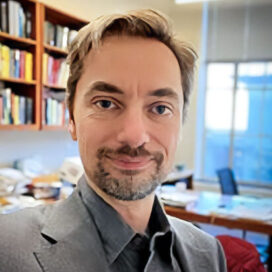
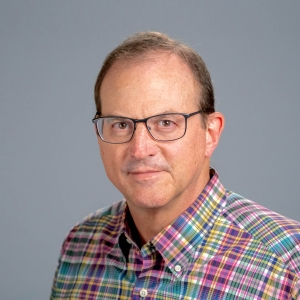
Andrew Stuart is the Bren Professor of Computing and Mathematical Sciences at the California Institute of Technology (Caltech), joining in 2016. He previously held faculty positions at the University of Warwick (1999–2016), Stanford University (1992–1999), and Bath University (1989–1992). He earned his PhD from the University of Oxford's Computing Laboratory in 1986. Professor Stuart's research focuses on applied and computational mathematics , particularly Bayesian inverse problems , data assimilation for dynamical systems , and stochastic modeling . His work bridges mathematical theory, algorithm development, and applications in geophysics, materials science, and biological systems. His recent publications emphasize operator learning , machine learning for PDEs , and uncertainty quantification . Key areas include ensemble Kalman methods , Gaussian processes , and neural operators for solving and learning from complex systems. Scientific awards include the Vannevar Bush Faculty Fellowship and election to the Royal Society of Great Britain . He advises graduate students in applied mathematics, computational science, and geophysics, including Edoardo Calvello , Hojjat Kaveh , and Florian Wolf .
Massachusetts Institute of TechnologyUnited States
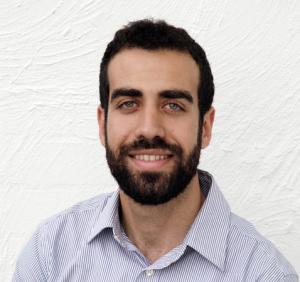
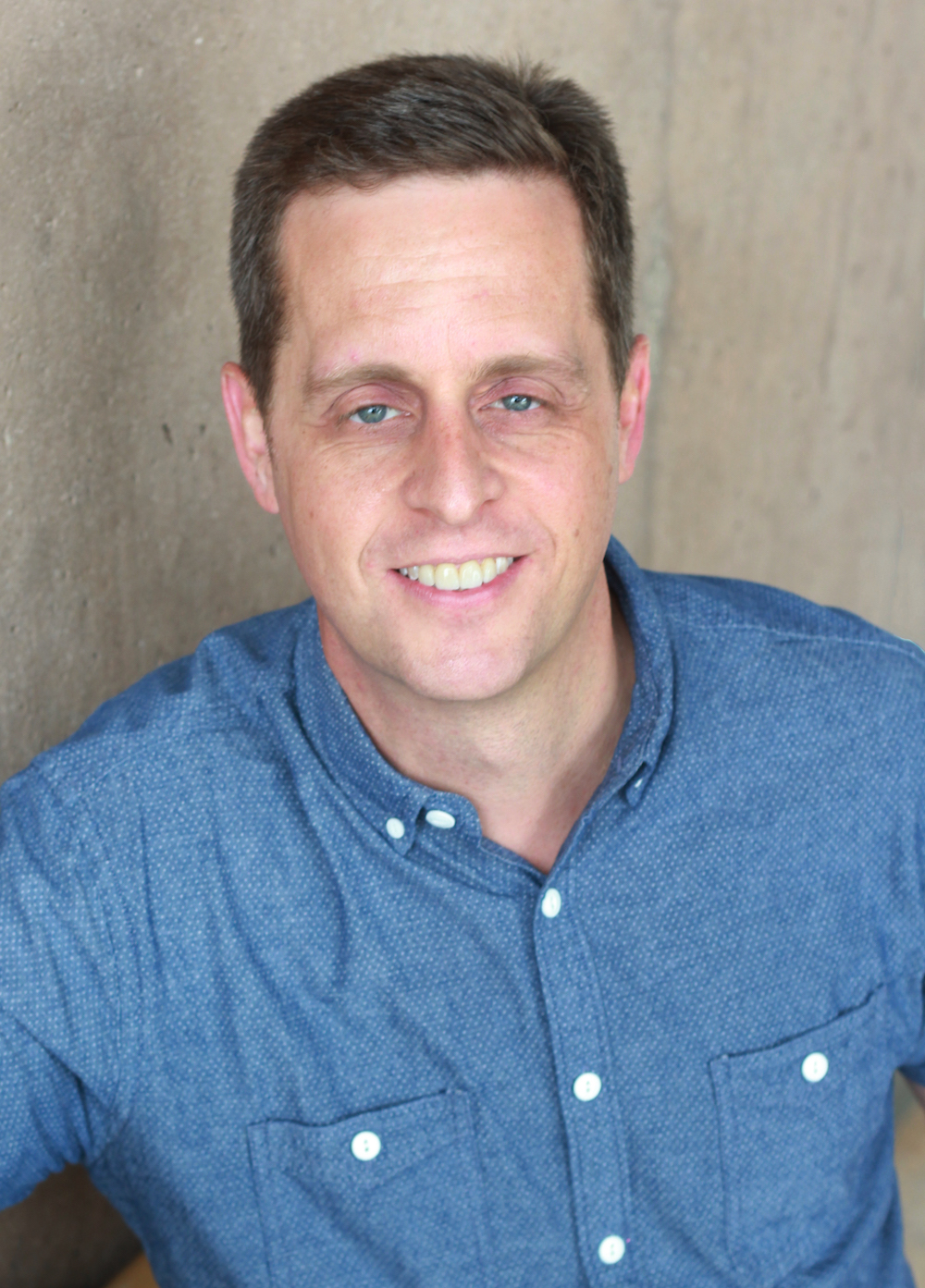
Laurent Demanet is a Professor of Applied Mathematics at the Massachusetts Institute of Technology (MIT), with a primary appointment in the Department of Mathematics and a joint appointment in Earth, Atmospheric, and Planetary Sciences (EAPS). He served as Director of MIT’s Earth Resources Laboratory from 2018 to 2024, focusing on seismic imaging and wave propagation to visualize Earth's subsurface structures. Undergraduate: Mathematical Engineering and Theoretical Physics, Université de Louvain, Belgium PhD: Applied and Computational Mathematics, California Institute of Technology (Caltech), 2006 (advisor: Emmanuel Candès, William P. Carey Prize for best dissertation in mathematical sciences) Postdoctoral: Szegö Assistant Professorship, Stanford University (2006-2009) His research centers on applied mathematics and scientific computing for geophysics, particularly inverse problems, wave propagation, and signal processing. He develops numerical algorithms and machine learning tools to analyze indirect, incomplete, and noisy data, enabling accurate subsurface modeling for environmental monitoring, carbon sequestration, hydrogen storage, and geothermal energy. His work also addresses seismic hazards induced by resource exploration and storage activities. Scientific awards and honors include: National Science Foundation CAREER Award (2012) Alfred P. Sloan Research Fellowship (2011) Air Force Young Investigator Award (2011) MIT Class of 1954 Career Development Professorship (2013-2016) As Director of MIT’s Earth Resources Laboratory and through his research group, Demanet has advanced computational methods for geophysical imaging, mentored students, and secured grants for interdisciplinary projects. His work bridges applied mathematics, computational science, and geophysics to solve pressing environmental and energy challenges. He leads research on subsurface visualization, integrating machine learning and numerical algorithms to improve seismic imaging and quantify predictive uncertainty. His lab's applications span natural hazard assessment, resource management, and sustainable energy solutions.
Dr James Helal is the Assistant Dean for Sustainability and a Lecturer in Construction Management at the Melbourne School of Design (MSD), University of Melbourne. His research focuses on integrating life cycle assessment and computational tools into the structural design of tall buildings, emphasizing embodied carbon reduction. He is recognized for developing software frameworks that automate environmental impact analysis in early-stage structural design. Dr Helal teaches materials, structures, and life cycle assessment in construction management. His pedagogical excellence has earned prestigious awards, including the Edward Brown Award for Teaching Excellence. He coordinates the construction major in the Bachelor of Design program. His research addresses structural optimization, tall building sustainability, and environmental flows. Key contributions include frameworks for reducing carbon emissions in tall building design and critiques of decorative architectural elements' environmental impact. Awards: Structures Best Research into Practice Prize (Institution of Structural Engineers) Open Award for Excellence in Teaching (Faculty of Architecture, Building and Planning) Edward Brown Award for Teaching Excellence (University of Melbourne) Advising & Grants: Coordinates construction curriculum but no explicit student advisee list is provided in texts. His work aligns with sustainability-focused research grants. Labs/Teams: Engaged with MSD’s Future Cities Practice and Construction Innovation initiatives.
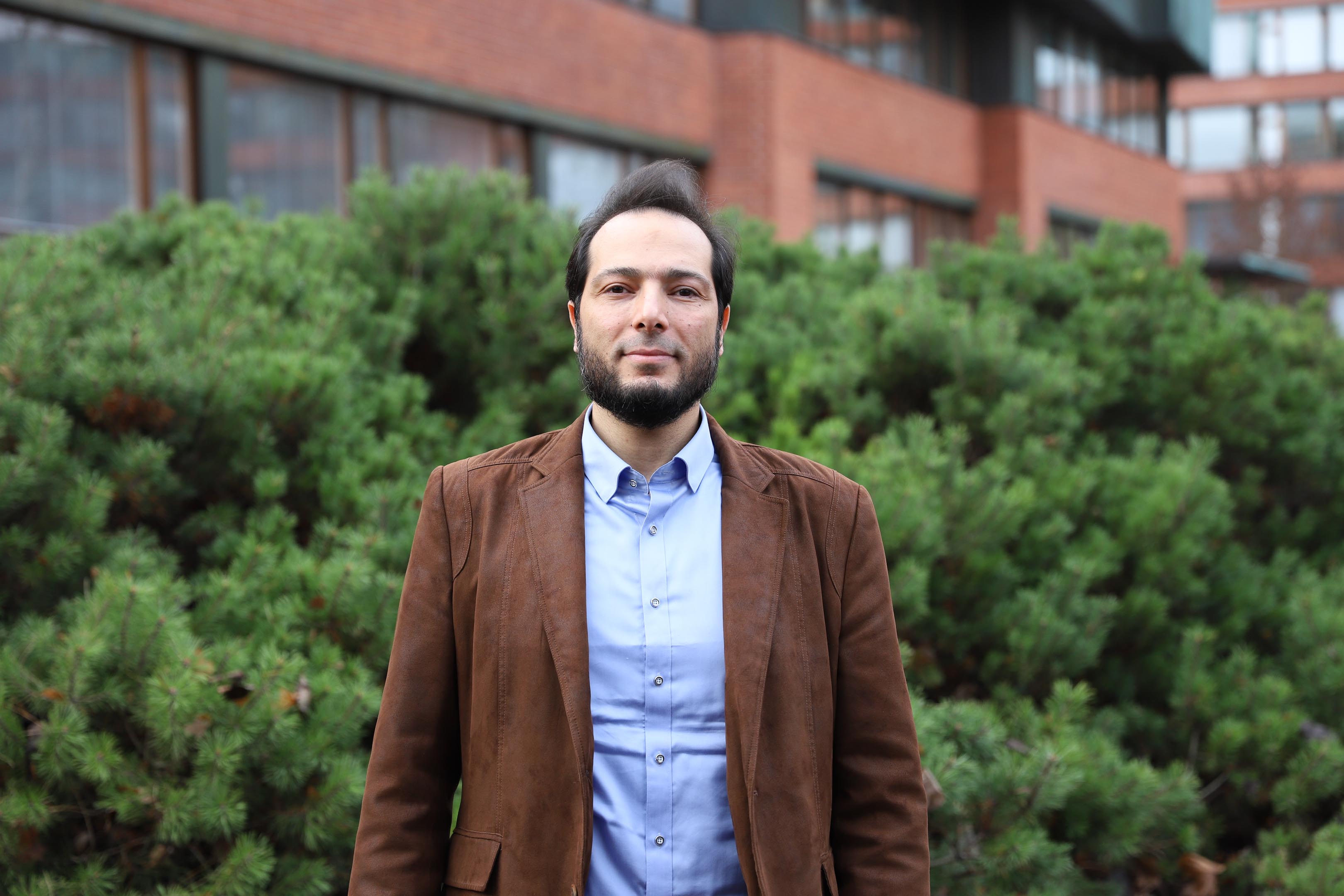
University of Illinois Urbana-ChampaignUnited States
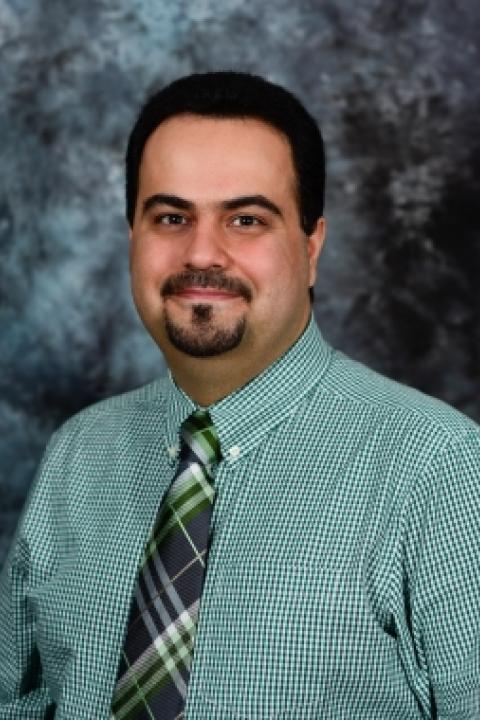
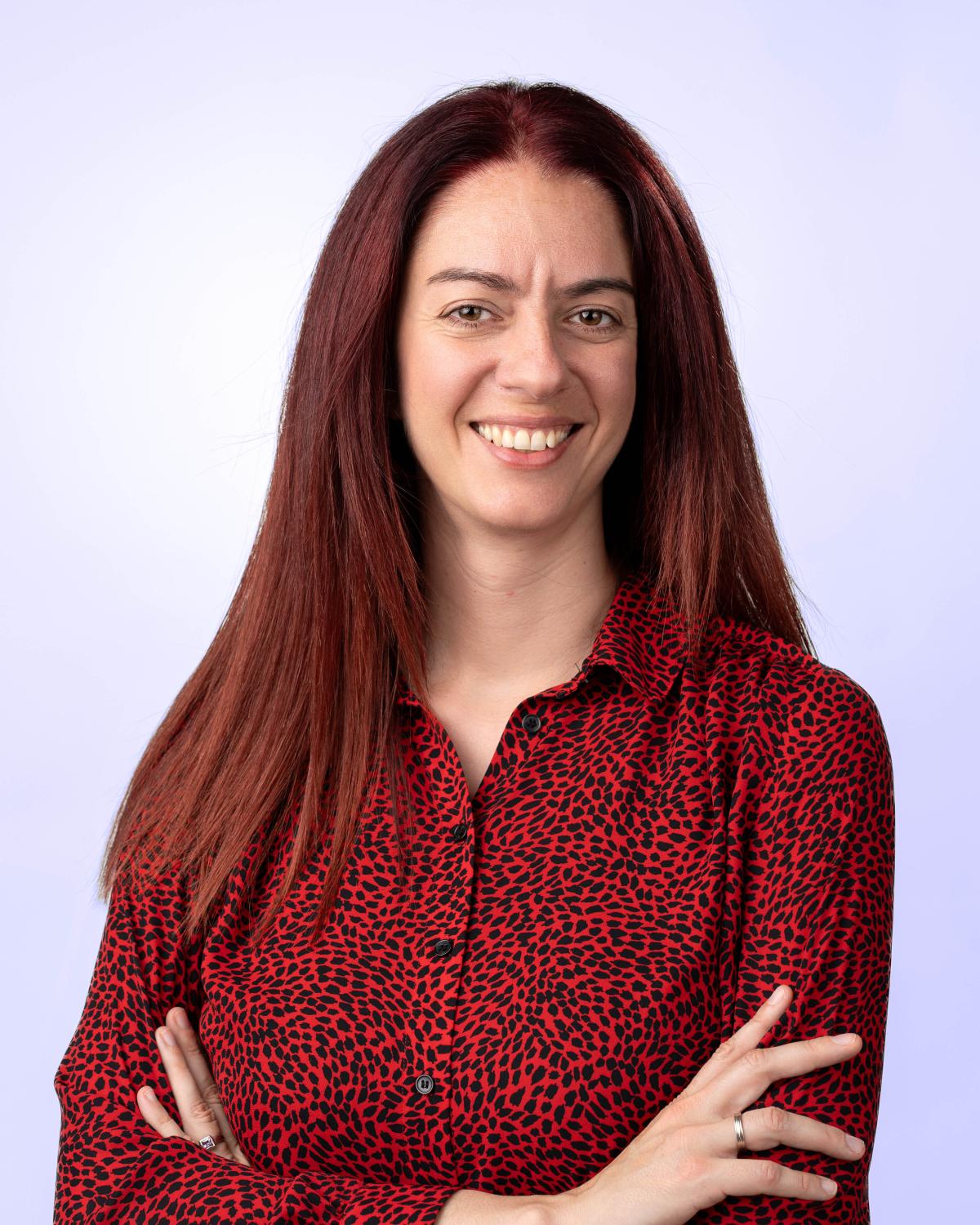
Hadi Meidani is a Clinical Associate Professor at the Carle Illinois College of Medicine , specifically within the Department of Biomedical and Translational Sciences at the University of Illinois at Urbana-Champaign . He teaches courses in Civil and Environmental Engineering, including topics like Systems Engineering & Economics , Machine Learning in CEE , and Uncertainty Quantification . Ph.D., Civil Engineering, University of Southern California (2012) M.S., Electrical Engineering, University of Southern California (2012) M.S., Structural Engineering, Sharif University of Technology (2005) B.S., Civil Engineering, K.N. Toosi University of Technology (2002) Dr. Meidani's research focuses on uncertainty quantification , scientific machine learning , and optimization under uncertainty for engineering systems. His work spans stochastic multiscale analysis , physics-informed machine learning , and model reduction techniques. His recent publications emphasize machine learning for infrastructure systems , graph neural networks , physics-informed models , and traffic assignment . Key trends include deep learning , multi-fidelity modeling , and neural operator transformers applied to metamaterial design , seismic reliability , and autonomous freight delivery .
Majid Ghayoomi is a Professor and Civil Engineering Undergraduate Coordinator in the Department of Civil and Environmental Engineering at the University of New Hampshire's College of Engineering and Physical Sciences. His research focuses on geotechnical engineering and geomechanics, particularly unsaturated soil mechanics and geotechnical earthquake engineering. He teaches courses such as Soil Mechanics, Engineering Behavior of Soils, and Geotechnical Modeling. Dr. Ghayoomi holds a Ph.D. from the University of Colorado at Boulder, an M.S. from Sharif University, and a B.S. from the University of Tehran. His research interests include bioremediation, hazards mitigation, soil-structure interaction, and materials testing. He leads the Geotechnical Modeling and Innovation lab, advancing bio-inspired solutions and remote sensing applications in geotechnical systems. His recent work emphasizes climate change impacts on seismic resilience, microbial stabilization of soils, and satellite-based soil moisture monitoring. Key contributions include studies on liquefaction mitigation, seismic site response, and infrastructure vulnerability in dynamic environments. His research spans theoretical, experimental (centrifuge modeling), and computational approaches to address complex geotechnical challenges.
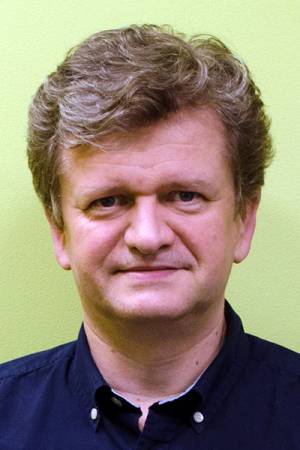
Artur W. Dubrawski is an Alumni Research Professor of Computer Science and Director of the Auton Lab at Carnegie Mellon University's School of Computer Science. He leads interdisciplinary research on Artificial Intelligence, Machine Learning, and Robotics with real-world applications in healthcare, nuclear safety, food safety, and counter-human trafficking. His work focuses on bridging gaps between data-driven AI and empirical sciences through probabilistic modeling, predictive analytics, and time-series intelligence. Lab: Auton Lab (founded 1993) Collaborations: Allegheny County Health Department, USDA, CDC, U.S. Army Research Impact: AI for wastewater-based COVID-19 forecasting, radiological inspection systems, and hospital infection detection His students and affiliates include current PhD candidates Angela Chen, Emma Erickson, Cecilia Morales, Willa Potosnak and past researchers like Benedikt Boecking (co-inventor of Interactive Weak Supervision). The lab has spun off startups like Marinus Analytics (IBM XPrize finalists) and developed open-source tools like auton-survival for survival analysis. Key Grants: $10.5M U.S. Army contract for AI-driven predictive maintenance research.
Jonathan D. Bray is the Faculty Chair in Earthquake Engineering Excellence and a Distinguished Professor of Civil and Environmental Engineering at the University of California, Berkeley . He is a globally recognized authority in earthquake and geotechnical engineering, with research spanning seismic performance of earth structures, liquefaction, ground failure, and earthquake fault rupture effects. Education: Bray earned his Ph.D. in Geotechnical Engineering from UC Berkeley (1990), M.S. in Structural Engineering from Stanford University (1981), and B.S. from the United States Military Academy (1980). Research Interests: His work focuses on earthquake engineering , geotechnical engineering , physical and numerical modeling , and environmental geotechnics . Key areas include seismic site response, liquefaction of soils, seismic slope stability, and post-earthquake reconnaissance. Contributions: Bray has developed widely used procedures for seismic slope displacement and liquefaction-induced building settlement. He created the NSF-sponsored GEER Association to capture post-earthquake data. His work has influenced seismic design codes and practices globally. Awards & Recognition: He is a member of the U.S. National Academy of Engineering and a Fellow of the American Society of Civil Engineers (ASCE) . His accolades include the Seed Medal , Terzaghi Award , Ishihara Lecture , Peck Award , Joyner Lecture , Prakash Award , Huber Research Prize , Packard Foundation Fellowship , and the NSF Presidential Young Investigator Award . Grants & Projects: Bray has led major projects funded by the NSF , California Energy Commission , U.S. Geological Survey , and Caltrans , totaling millions in research funding. Advising & Mentorship: He has supervised over 30 Ph.D. students, significantly shaping the next generation of earthquake engineers.
Erik B. Sudderth is a Professor of Computer Science and Statistics and Chancellor's Fellow at the University of California, Irvine (UCI). He leads the Learning, Inference, & Vision Group and directs multiple research centers, including the UCI Center for Machine Learning and Intelligent Systems and the HPI Research Center in Machine Learning and Data Science. He previously served as an Associate Professor at Brown University. Education: B.S. (summa cum laude) in Electrical Engineering from UC San Diego (1999), M.S. and Ph.D. in EECS from MIT (2002, 2006). His research focuses on statistical methods for scalable machine learning, Bayesian nonparametrics, probabilistic graphical models, and applications in computer vision, AI, and environmental science. Key areas include nonparametric clustering, deep generative models, and particle-based inference algorithms. Research interests span diverse topics: advancing Bayesian nonparametric models for medical time series, scalable variational inference, and AI ethics. Notable contributions include the NET-VISA seismic monitoring system (ISBA Mitchell Prize, 2014), the BNPy toolbox (NSF CAREER Award), and work on diverse particle max-product algorithms for continuous inference. Scientific awards include the NSF CAREER Award, ISBA Mitchell Prize, and recognition as one of "AI's 10 to Watch" (IEEE). He has served as editor for top journals (JMLR, IEEE PAMI) and conference chairs (NeurIPS, CVPR). His work bridges theory and practice, with applications in robotics, climate science, and healthcare. Labs/Teams: UCI Learning, Inference, & Vision Group; UCI Center for Machine Learning; CREATE Technology Center. Grants include NSF funding for visually impaired collaboration tools and soil biogeochemical modeling.
Dr. Jurgen Becque is an Associate Professor in Structural Engineering at the University of Cambridge's Department of Engineering. He specializes in cold-formed steel structures, stainless steel structural behavior, and stability analysis, with a focus on local-overall buckling interaction and innovative design methodologies. His work bridges experimental investigations with computational modeling and machine learning applications. Research Interests: Cold-formed steel structural systems Stainless steel column stability Local and overall buckling interaction Mechanics-based design optimization Machine learning for structural behavior prediction Recent publications demonstrate expertise in cross-sectional stability, connection mechanics, and composite systems like UHPC-confined stainless steel columns. His work addresses both monotonic and cyclic loading scenarios, contributing to Eurocode 3 design standards.
Prof. Eleni Chatzi is a Full Professor and Chair of Structural Mechanics at ETH Zurich's Department of Civil, Environmental and Geomatic Engineering. She holds a PhD from Columbia University (2010) and has held roles from Assistant to Full Professor at ETH since 2010. Her research focuses on intelligent structural monitoring and data-driven asset management, emphasizing nonlinear dynamics and sensor integration. Affiliations : Institute of Structural Engineering, European Academy of Wind Energy (EAWE President), Swiss Community for Computational Methods (SWICCOMAS Chair) Research interests include Structural Health Monitoring (SHM), system identification, and advanced simulation tools. She pioneered work on data-driven diagnostics and self-aware infrastructure, supported by grants like the ERC Starting Grant (2015). Awards include the 2020 Walter L. Huber Prize and 2024 SHM Person of the Year Award. Her work spans wind energy infrastructure, metamaterials for vibration control, and AI-driven structural analytics. Over 600 publications and 200k+ citations highlight her impact. She teaches computational science and structural dynamics in ETH's programs and collaborates globally on sustainable infrastructure projects.
Professor Emily So serves as Deputy Head of the School of Arts and Humanities at the University of Cambridge and directs the Cambridge University Centre for Risk in the Built Environment (CURBE). A chartered civil engineer with extensive field experience, she holds leadership roles in the Open-Oxford-Cambridge AHRC Doctoral Training Partnership and chairs the Faculty EDI Committee. Her research focuses on urban risk and resilience , particularly in earthquake-prone regions. Combining structural engineering with epidemiological approaches, she develops innovative casualty estimation models and engages directly with affected communities worldwide. Her work spans seismic safety, disaster epidemiology, and remote sensing applications for rapid damage assessment. Professor So's publication trends reveal strong emphasis on machine learning for disaster risk modeling , with recent work featuring graph neural networks, deep clustering for urban morphology, and LSTM-based population forecasting. Her research bridges engineering, social sciences, and data science to address resilience in developing nations. 2010 Shah Family Innovation Prize (Earthquake Engineering Research Institute) Fellow of the Institution of Civil Engineers (FICE) Scientific Advisory Group for Emergencies (SAGE) member advising UK government As Director of CURBE, she leads interdisciplinary collaborations with EEFIT, Global Earthquake Model (GEM), World Bank, and USGS. Her field investigations following major earthquakes inform practical solutions for vulnerable communities, notably contributing to the 2017 World Building of the Year design in China. Current work includes sabbatical research for 2025-2026 focused on decolonizing architectural approaches to disaster resilience. Professor So maintains active roles in professional organizations and international disaster response frameworks, with her CURBE team developing methodologies now implemented globally for seismic safety improvements.
Mohamed Noureldin is an Assistant Professor at the Department of Civil Engineering, Aalto University , Finland, with prior academic roles at Sungkyunkwan University, South Korea (2015–2022). His expertise lies in integrating Artificial Intelligence (AI) with Structural Health Monitoring (SHM) , Structural Digital Twin , Predictive Maintenance , and Seismic Retrofitting . Research Focus : AI-powered sustainable structural design, smart retrofitting, predictive maintenance, structural material innovation, and next-generation performance-based seismic/wind design. Industrial Experience : 20+ years in offshore/onshore structural engineering (Hyundai Heavy Industries, Samsung Engineering, Arab-Swiss Engineering Company, Zuhair Fayez Partnership). Teaching : Courses in structural analysis, seismic design, dynamics, and reinforced concrete at Aalto and Sungkyunkwan Universities. Laboratory : Leads the Structural Design AI Lab (SDAI), focusing on AI-driven resilient infrastructure. Contact : mohamed.noureldin@aalto.fi , +358504544861. His publications explore cutting-edge applications of AI, ML, and DL in seismic retrofitting, structural durability, soil stabilization, and hybrid damping systems. Collaborative work emphasizes life-cycle cost assessment and augmented reality for predictive maintenance.
Carol Smith is an Associate Professor in the Department of Soil & Physical Sciences at Lincoln University, New Zealand, where she serves as Head of Department since 2017. She has been an elected academic staff member of the Lincoln University Council from 2018-2022. Dr. Smith holds a PhD from the University of Aberdeen, an MSc from the University of Reading, and a BSc(Hons) from the University of Portsmouth, forming the foundation of her expertise in soil science and physical geography. Her research spans both fundamental and applied aspects of pedology. On the fundamental side, she investigates Quaternary pedology and paleoenvironmental reconstruction using loess stratigraphy, geomorphology, and micromorphology, which provides critical data for verifying future climate change predictive models. Applied research focuses on sustainable use of recycled organic matter and rehabilitation of degraded soils. She collaborates internationally on multidisciplinary projects involving paleoclimate reconstruction, paleoliquefaction, Antarctic soils, and viticulture. Dr. Smith is passionate about teaching and science communication, employing experiential learning methods to develop practical field skills in soil science through 'soil judging competitions' in New Zealand and Australia. Her research addresses UN Sustainable Development Goals including Life on Land (15), Climate Action (13), and Quality Education (4). Among her notable recognitions are the Norman H Taylor Memorial award 2020 from the New Zealand Society of Soil Science for outstanding contributions to soil science in New Zealand and Fellowship in the Royal Geographical Society, London. She serves as Associate Editor of Natural Sciences Education and was previously editor of Quaternary Australasia. Dr. Smith has supervised numerous graduate students through research-based supervision, with completed projects covering diverse topics from soil patterns in Southland to Antarctic soil ecology. She teaches advanced courses in field research, soil science, and physical landscapes, and has developed innovative approaches to teaching during the pandemic, including virtual field trips.
University of Illinois Urbana-ChampaignUnited States
Paolo Gardoni is the Alfredo H. Ang Family Professor and an Excellence Faculty Scholar in the Department of Civil and Environmental Engineering at the University of Illinois Urbana-Champaign, with additional professorial appointments in Industrial & Enterprise Systems Engineering and Biomedical & Translational Sciences. He also serves as Director of the MAE Center and Editor-in-Chief of Reliability Engineering & System Safety. Education Ph.D. in Civil Engineering, University of California, Berkeley (2002) M.A. in Statistics, University of California, Berkeley (2001) M.Eng. in Structural Engineering, University of Tokyo (1997) Laurea (BS+MS equivalent) in Structural Engineering, Politecnico di Milano (1997) Research Interests Gardoni’s scholarship integrates probabilistic methods with large-scale infrastructure systems to advance reliability, risk, and life-cycle analysis. His work quantifies the performance of deteriorating systems under natural and anthropogenic hazards, models societal impacts of disasters, and develops decision frameworks for sustainable and resilient infrastructure. He also examines ethical, social, and legal dimensions of risk, and investigates optimal strategies for hazard mitigation, disaster recovery, and climate adaptation. Across more than 250 refereed journal papers, he has advanced sub-fields ranging from probabilistic mechanics and earthquake engineering to catastrophe bond pricing and engineering ethics, leveraging tools such as stochastic differential equations, Bayesian networks, and physics-informed machine learning. Awards & Honors Alfredo Ang Award on Risk Analysis and Management of Civil Infrastructure (ASCE, 2021) Best Paper Awards in ASCE Journal of Sustainable Water in the Built Environment (2019) and Geotechnical Research (2018 Telford Premium Prize) Fellowships and named professorships: Alfredo H. Ang Family Professor, Excellence Faculty Scholar, and courtesy or honorary professorships at Tsinghua, IIT Guwahati, Tongji, Jianghan, and Loughborough universities. Research Leadership & Funding Gardoni has secured over $58 million in research funding from NSF, DHS, NIST, USAID, Qatar National Research Fund, and other agencies. He directs the MAE Center—formerly an NSF Engineering Research Center—focused on multi-hazard engineering approaches, and is Editor-in-Chief of Reliability Engineering & System Safety (Elsevier, IF 9.4). He founded and formerly led the journal Sustainable and Resilient Infrastructure (Taylor & Francis) and serves on editorial boards of nine additional journals. Advising & Mentorship He has graduated 27 PhD and 35 Master’s students, many of whom now hold faculty positions worldwide. His group maintains an active pipeline of doctoral and post-doctoral researchers working on resilience analytics, infrastructure monitoring, and risk-informed decision-making. Laboratories & Collaborations He leads the MAE Center and is affiliated with the Critical Infrastructure Resilience Institute (CIRI) and the Biomedical and Translational Sciences group. International collaborations span the UK (Loughborough), India (IIT Guwahati), and China (Tsinghua, Tongji, Jianghan), fostering cross-disciplinary research in reliability and resilience engineering.
Andreas Rietbrock is Professor and Director of the Geophysical Institute (GPI) at the Karlsruhe Institute of Technology (KIT) , Germany, where he also serves as Dean of Studies for Geophysics . He is a leading expert in earthquake seismology, seismic tomography, and subduction zone dynamics, with a strong focus on integrating advanced observational techniques and computational methods. Education: While specific degrees are not listed in the provided text, his extensive publication record and leadership roles indicate advanced academic training in geophysics and seismology. Research Interests: His work spans a wide range of topics including: Seismic imaging of subduction zones (e.g., Nazca, Lesser Antilles) Earthquake rupture dynamics and fault mechanics Volcanic seismology and magma transport Full waveform inversion and AI-enhanced seismic analysis Distributed Acoustic Sensing (DAS) applications Induced seismicity and reservoir monitoring Research Trends: His recent publications (2022–2025) emphasize the use of dense seismic arrays, AI-based data processing, and multi-method tomography to study complex tectonic environments. Key themes include high-resolution imaging of slab structures, fluid migration in subduction zones, and the integration of DAS and machine learning for seismic monitoring. Scientific Contributions: Andreas has led major international projects such as the ANTICS Large-N deployment in Albania and the VoiLA project in the Lesser Antilles. He has published extensively in top-tier journals like Nature , Geophysical Research Letters , and Journal of Geophysical Research , with over 200 peer-reviewed articles. Teaching and Supervision: He teaches courses such as "Introduction to Geophysics II", "Seismology", and "Current Topics in Seismology and Risk". While specific student names are not listed, his role as Dean and principal investigator on numerous projects indicates active supervision of graduate students and postdocs. Labs and Teams: He leads the seismology group at GPI, coordinating large-scale deployments of seismic instruments, including ocean-bottom seismometers and fiber-optic DAS systems. His team collaborates globally with institutions in Europe, South America, and Asia.