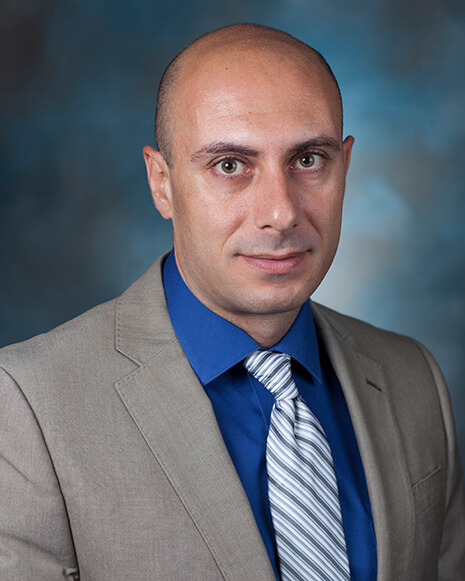
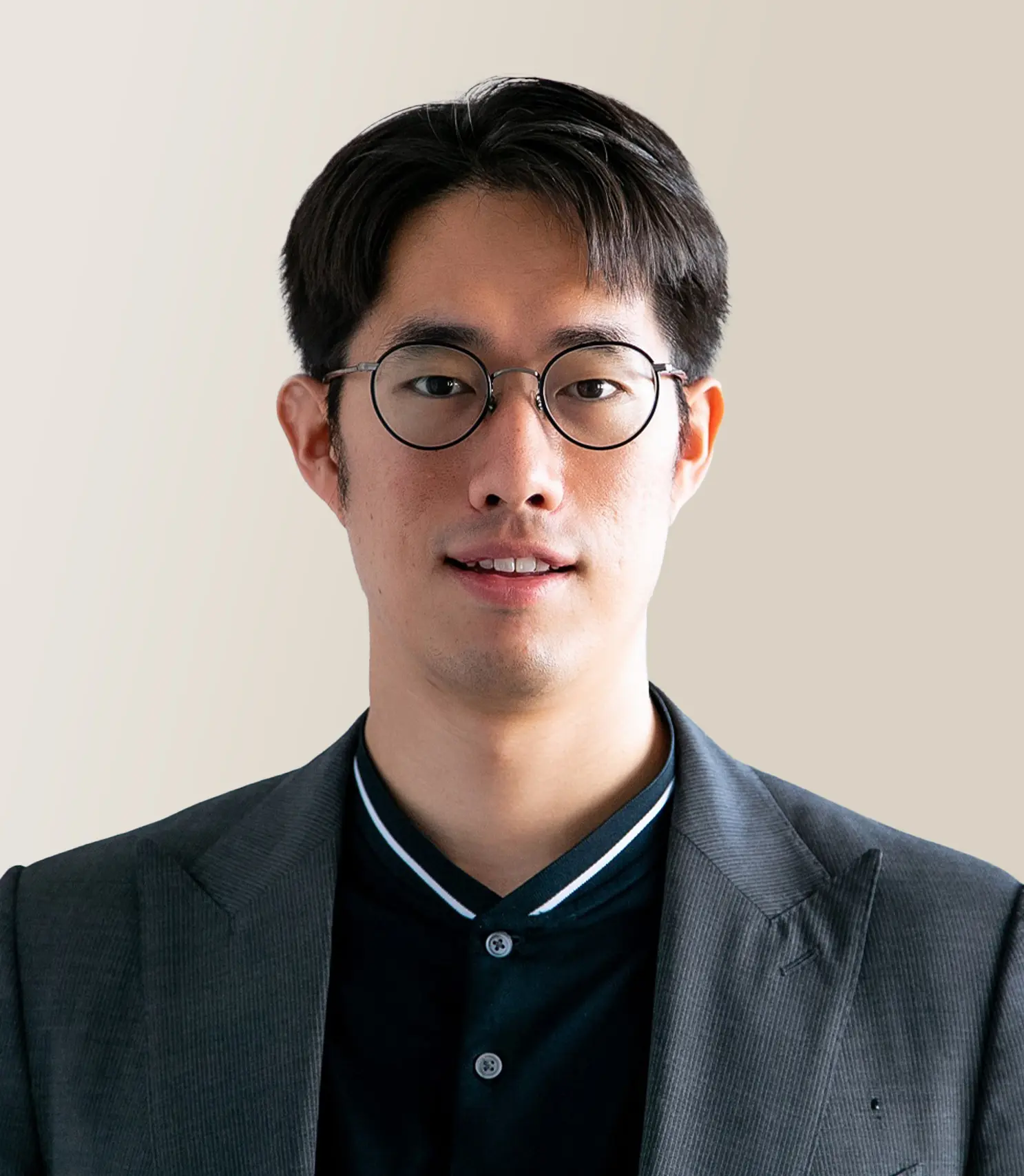
Priv. Doz. Dr. Kuangyu Shi is an Associate Professor and Senior Lecturer at the Chair for Computer-aided Medical Procedures, School of Computation, Information and Technology (CIT), Technical University of Munich (TUM). He also serves as Chief Medical Physicist and Head of the Lab for Artificial Intelligence & Translational Theranostics at the Department of Nuclear Medicine, Inselspital, University of Bern. His research focuses on translational molecular imaging computing, AI in nuclear medicine, digital twin technology, and computational biology for theranostics. Dr. Shi holds a Ph.D. from the Max-Planck Institute for Computer Science (2008) and an Habilitation from TU Munich (2018). He teaches courses including Introduction to Artificial Intelligence in Medical Imaging , Clinical Decision Support , and Advanced Medical Imaging . He is actively involved in professional organizations like the European Association of Nuclear Medicine (EANM) and the International Commission on Radiological Protection (ICRP), and serves on editorial boards for journals such as Eur J Nucl Med Mol Imaging . His research projects include the DHM (German Heart Center Munich) lab, NARVIS Lab, and computational surgineering. He supervises student projects in AI-driven treatment planning, low-dose imaging, and early diagnosis of neurodegenerative diseases. His work bridges clinical needs with advanced computational methods, emphasizing AI and medical imaging innovations.
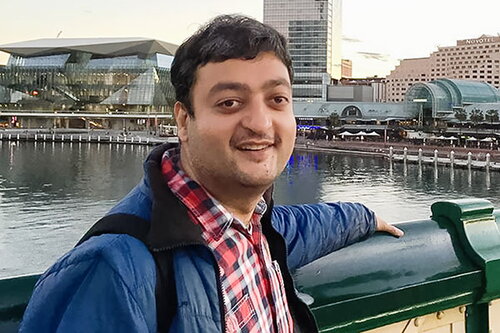
Harsh Taneja is an Associate Professor at the University of Illinois, holding dual appointments in the Charles H. Sandage Department of Advertising and the Institute of Communications Research , with an affiliate role at the Center for Social & Behavioral Science . His research focuses on digital media ecosystems, audience behavior, misinformation dynamics, and global communication patterns. He explores how technological infrastructures shape media consumption, the persistence of fake news, and the evolving role of platforms in audience engagement. His work bridges computational social science and media studies, analyzing topics such as algorithmic recommendations, cross-cultural media use, and the impact of platform monopolies. Notable recent projects include studies on K-pop visibility in global media landscapes, the role of distrust in journalism, and strategic approaches to combating misinformation. He has published widely in journals like Convergence and Media and Communication , with a focus on empirical and theoretical advancements in audience measurement and media fragmentation. Dr. Taneja contributes to interdisciplinary initiatives such as the South Asian Languages, Images, and Data Lab , advancing research on cultural digital practices in global contexts. His research has practical implications for media literacy education, advertising ethics, and policy frameworks governing digital platforms.
Dr. Yiannis Ampatzidis is an Associate Professor and Precision Agriculture Engineer at the University of Florida's Southwest Florida Research and Education Center (SWFREC). His work focuses on mechanization, automation, and AI-driven technologies for specialty crop production, including UAV applications, sensor systems, and precision irrigation. He leads the Precision Agriculture Engineering program, integrating automation, robotics, and machine vision to enhance crop management and sustainability. Education & Experience: Began as an Assistant Professor at SWFREC in 2017, promoted to Associate Professor. Holds expertise in agricultural engineering, automation, and remote sensing. Research Interests: Includes UAV-based crop monitoring, AI/machine learning for disease detection, smart machinery, and precision nutrient management. His work emphasizes practical applications like autonomous spraying systems and yield prediction models. Publications: Over 50 peer-reviewed papers on UAV technologies, AI in agriculture, and precision farming. Notable contributions include frameworks for citrus disease detection, UAV mission planning, and regulatory guidelines for spraying drones. Awards & Recognition: While no specific awards are listed, his extensive publications and leadership roles highlight his contributions to agricultural innovation. Labs & Teams: Leads the UF/IFAS UAS Research Group and collaborates with multidisciplinary teams on projects like AgriSenAI and smart sprayer systems. Active in developing tools for orchard management and crop yield optimization.
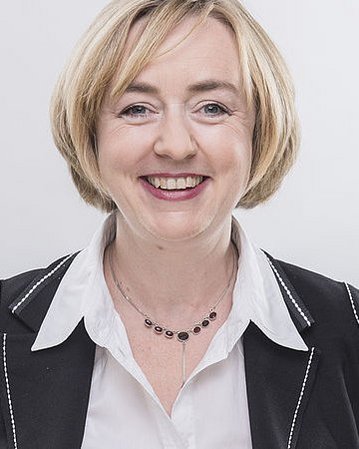
Prof. Gabriela Alves Werb, Ph.D. is a faculty member affiliated with the Bundesbank Research Data and Service Centre (RDSC) and holds her academic background from Johann Wolfgang Goethe University Frankfurt am Main. Her research spans interdisciplinary areas at the intersection of finance, machine learning, and digital economy, with a focus on non-financial risks and search engine analytics. Education: Doctoral Dissertation (2020), Goethe-Universität Frankfurt Research Interests include machine learning applications in financial risk assessment, user-generated content analysis, and digital marketplace dynamics. Her work bridges computational methods with economic policy challenges. Recent Publications highlight trends in climate-related financial data, predictive modeling in marketing, and the economic implications of search engine visibility. Key subfields span ESG investing, SEO vulnerability, and digital risk assessment.
Henry Kang is an Associate Professor in the Department of Computer Science at the University of Missouri–St. Louis, College of Arts and Sciences. His expertise spans computer graphics, data visualization, and computational art, with extensive experience in full-stack web development and programming frameworks. Education: Ph.D. in Computer Science, Korea Advanced Institute of Science and Technology (2002) Research Interests: Kang's work focuses on computer graphics, non-photorealistic rendering, and data visualization. Key projects include coherence-enhancing filtering, stereoscopic 3D line drawing, and emotion-driven image recoloring. He integrates machine learning and GPU computing for real-time scene navigation and artistic effects. Publication Trends: His research emphasizes texture filtering, computational art, and perceptual modeling. Recent work includes Gaussian image binarization (2021) and coherence-enhancing GPU filtering (2018), while earlier contributions explore stereoscopic depth perception (2013) and directional stippling (2011). Contact: Email: kangh@umsl.edu Phone: (314) 516-5841 Office: 318 ESH
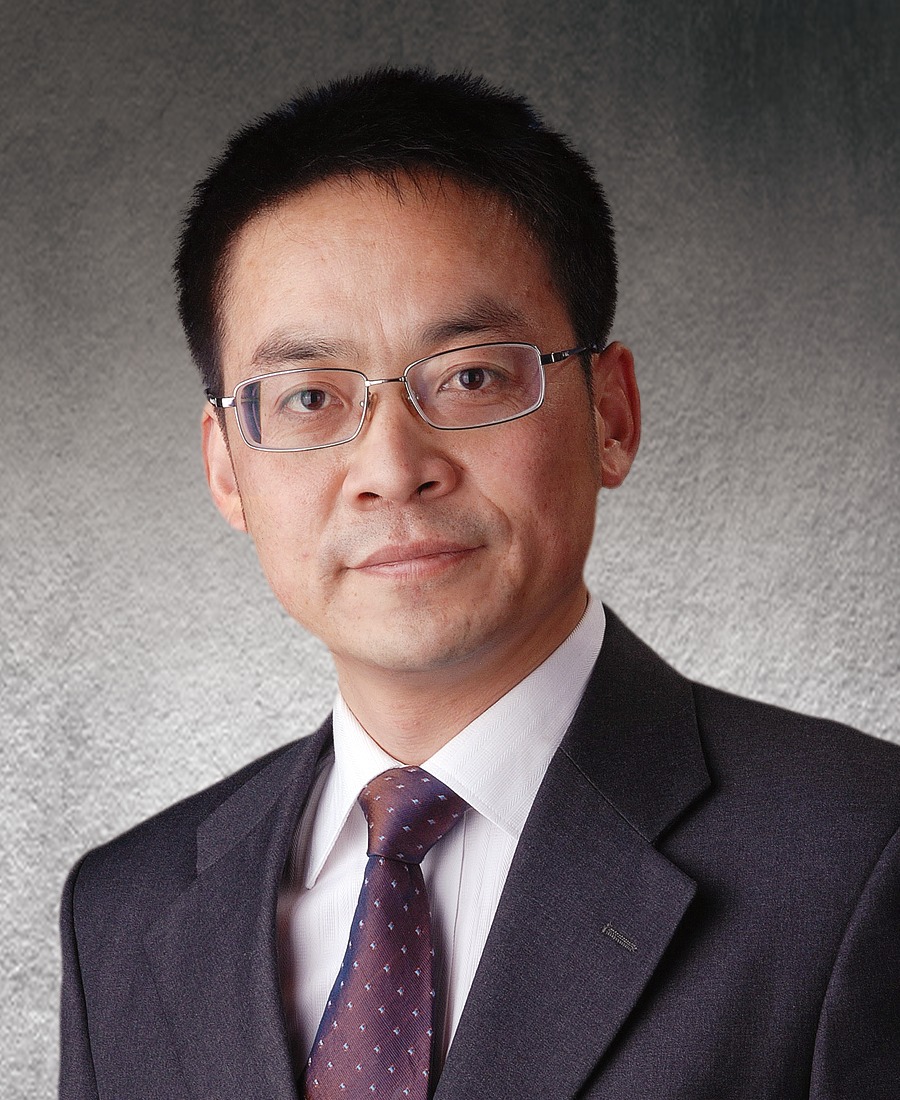
Prof. Zhishu Yang is a full-time faculty member at the School of Economics and Management, Tsinghua University, serving as Professor of Finance since 2009. He holds a Ph.D. in Economics from Tsinghua University (1997-2001) and a Bachelor of Engineering from Harbin Institute of Technology (1984-1988). Specializes in Financial Market Microstructure, Behavioral Finance, and Banks and Financial Institutions Has taught courses including Financial Market Microstructure, Securities Analysis, and Investment Maintains active collaborations with international institutions like MIT Sloan and HKUST His research explores Chinese financial markets, government regulation effects, investor behavior, and policy impacts. Publications include studies in Management Science , Journal of Finance , and Review of Financial Studies . Recent master's students have been admitted to top global PhD programs including Harvard, Stanford, and Yale. Contact: Room B312, Lihua Building | yangzhsh@sem.tsinghua.edu.cn
Dokyun Lee is a Kelli Questrom Chair Associate Professor of Information Systems and Computing & Data Science at Boston University , where he founded the Business Insights through Text (BIT) Lab and co-leads the BU Digital Business Institute Generative AI Lab . His research focuses on the responsible application, development, and impact of AI in business, particularly analyzing unstructured data (e.g., text, images) across digital consumer management, platform design, and human-AI collaboration. Education : PhD in Operations, Information & Decisions (Wharton School), MS in Statistics (Yale University), BA in Computer Science (Columbia University) His work addresses Generative AI (unintended consequences, human-integration frictions), Economics of Unstructured Data (content extraction, marketing), and AI Regulation in contexts like advertising, market competition, and creativity. Recent articles explore LLMs in corporate risk nowcasting, generative AI's effects on online communities, and interpretable deep learning for churn management. His research trends span NLP, computer vision, and causal inference, with applications in digital marketing, e-commerce, and innovation analytics. Scientific Awards : INFORMS ISS Gordon B David Young Scholar, INFORMS ISS Sandy Slaughter Early Career, CDO Magazine Leading Academic Data Leader, AMA Don Lehmann Award 2024, MSBA Teaching Award He has secured grants from Adobe, Google, Microsoft, MassMutual, and Prudential Foundation. His labs (BIT Lab, Generative AI Lab) mentor students and collaborate on AI-driven solutions for business challenges.
Prof. Dr. Claudia Bünte is a full-time Professor of Business Administration with a focus on Digital Marketing at the Berlin School of Management, SRH Berlin University of Applied Sciences. Since 2016, she has served as a Managing Partner at Kaiserscholle GmbH, Centre of Marketing Excellence. Her research prioritizes artificial intelligence applications in marketing, brand strategy, and ethical AI frameworks. Doctorate (Dr. phil.) in Marketing, University of Münster (2005) Diploma in Social and Business Communication, University of the Arts Berlin (2000) Her academic work investigates AI-driven marketing transformation, including predictive analytics, algorithmic bias mitigation, and digital brand management. Publications span AI ethics, B2B automation, and cross-industry technology adoption. She has delivered keynote speeches at institutions like the Art Directors Club Germany and AI for Business Zurich. Recent publications highlight trends in AI ecosystems, marketing automation, and ethical considerations across business sectors. Awards include being a publicly appointed marketing expert and Vice Marketing Head 2020 by One-to-One journal. Publicly appointed and sworn marketing expert (2020–present) Vice Marketing Head, One-to-One Trade Journal (2020) As a consultant and speaker, she bridges academic research and industry practice, contributing to German business publications like Horizont and FAZ Magazin. Her work emphasizes practical implementation of AI in marketing strategy and operations.
Zhuhao Wu serves as Assistant Professor of Neuroscience at the Brain and Mind Research Institute, Weill Cornell Medical College since 2022. His research integrates neurovascular biology, neural circuit mapping, and neurodegenerative mechanisms to understand brain organization and disease processes. Education: Ph.D. in Neuroscience, The Johns Hopkins University School of Medicine (2011) B.S. in Biological Sciences, Tsinghua University, China (2003) Research Focus: Dr. Wu pioneers multi-scale investigations of neurovascular coupling , brain-wide circuit organization , and neurodegenerative pathways . His lab employs whole-brain imaging , single-cell transcriptomics , and genetic engineering in murine models to dissect mechanisms of stroke recovery, tau pathology, and developmental disorders. Current work emphasizes regional blood-brain barrier heterogeneity and axon degeneration pathways with therapeutic implications. Publication Trends: Recent work (2023-2025) reveals three convergent themes: (1) neurovascular dynamics in health/disease, (2) high-resolution brain atlasing techniques, and (3) molecular mechanisms of neurodegeneration. Publications in Cell , Nature , and Neuron demonstrate methodological innovation in circuit mapping and translational relevance to stroke, Alzheimer's, and autism spectrum disorders. Grant Portfolio: Principal Investigator Subaward: NINDS R01 Investigating Neurobiology of Early Cognitive Impairment (2024-2029) Principal Investigator Subaward: NINDS R01 Mechanisms of anosmia in COVID-19 (2023-2028) Principal Investigator Subaward: NINDS BRAIN CONNECTS Center for Large-scale Imaging (2023-2028) Principal Investigator Subaward: NINDS Global mapping of DDX3X mutation circuits (2023-2028) Principal Investigator Subaward: NIAID single-cell encephalitis pathogenesis (2023-2026) Dr. Wu leads a multidisciplinary team within the Brain and Mind Research Institute focused on developing HOLiS (whole-brain staining/clearing pipeline) and TrailMap for neural circuit analysis. His lab collaborates extensively on NIH BRAIN Initiative projects advancing large-scale connectome mapping.
Paul J. Catalano is a Senior Lecturer in the Department of Biostatistics at the Harvard T.H. Chan School of Public Health. He is affiliated with the Dana-Farber Cancer Institute, where he serves as a statistician for clinical trials and collaborates on cancer research. His research focuses on biostatistical methods for analyzing multiple outcomes and repeated measures in environmental dose-response modeling, quantitative risk assessment, and neurotoxicity studies. He also develops software for implementing modeling algorithms and investigates experimental design in low-dose risk estimation. Recent publications highlight collaborations in immunotherapy for urothelial carcinoma radiation therapy for brain metastases pediatric neuroblastoma treatment AI-driven MRI segmentation . Dr. Catalano's work extends to clinical trials in colorectal, genito-urinary, and breast cancer, with emphasis on prognostic factor identification and translational research.
Dana Cobzas is an Associate Professor at the MacEwan University in the Department of Computer Science , with adjunct appointments at the University of Alberta. Her academic journey includes a PhD in Computer Science (University of Alberta, 2004) MSc in Mathematics (Babes-Bolyai University, 1998) BSc in Mathematics (Babes-Bolyai University, 1997) . Her research focuses on imaging and computer vision , particularly mathematical models for medical image processing . Key areas include Medical image segmentation and registration 3D modeling from uncalibrated images Sparse classification for population studies Dynamic vision (tracking and modeling) Medical applications in neuroimaging and oncology . She has developed advanced techniques like deep learning-integrated level set methods and FEM-based segmentation. Scientific recognition includes: NSERC Discovery Grant (2015, 2010) Best Vision Paper at IEEE ICRA 2005 Best Student Paper at Vision Interface 2003 . She is actively involved in teaching and mentoring , with experience supervising senior students’ independent studies and contributing to collaborative projects in robotics and biomedical engineering .
Dr. Kaiwen Chen serves as an Assistant Professor in the Department of Civil, Construction and Environmental Engineering at The University of Alabama's College of Engineering, where she is affiliated with the Center for Sustainable Infrastructure. Her research integrates drone robotics, sensor technologies, and Artificial Intelligence to revolutionize building diagnostics and performance simulation. Her academic credentials include: Ph.D. in Environmental Design and Planning from Virginia Polytechnic Institute and State University (2020) M.Sc. in Management in Science and Technology from Southeast University (2016) B.S. in Construction Project Management from Southeast University (2013) Dr. Chen's research program focuses on innovations in the AECO field, with core expertise in drone-based imaging systems, 2D/3D data processing, infrared thermography, high-performance computing, and building energy modeling. Her work bridges advanced computational techniques with practical infrastructure challenges, particularly in building envelope diagnostics and pavement inspection. Analysis of her 15 most recent publications (2024-2025) reveals dual research thrusts: primary focus on AI-driven construction applications (digital twins, thermal anomaly detection, UAV-based surveys) and significant contributions to wireless power transfer systems. This interdisciplinary scope demonstrates exceptional versatility in applying cutting-edge computational methods to both civil infrastructure and electrical engineering challenges. Her scientific recognition includes: Runner-Up for 5th Annual ASCE VIMS Datathon Competition (2024) Virginia Tech Outstanding Dissertation Award (2020) ASCE i3CE Best Paper Award (2019) Dr. Chen leads externally funded research initiatives including a US Department of Energy project on aerial intelligence for building envelope diagnostics and a Georgia Department of Transportation project on drone-assisted pavement inspection. These grants demonstrate her ability to secure competitive funding for high-impact infrastructure research. As an active contributor to the Center for Sustainable Infrastructure, she advances research in sustainable infrastructure systems through the integration of drone technologies, AI analytics, and digital twin methodologies for comprehensive infrastructure assessment and management.
Carlos Platero Dueñas is a Full Professor at the Department of Electrical, Electronic and Automatic Engineering and Applied Physics at the Universidad Politécnica de Madrid (UPM), where he has served for 31 years. He leads the research group Tecnologías para Ciencias de la Salud since 2015 and contributes to interdisciplinary research at the intersection of biomedical engineering, neuroscience, and artificial intelligence. Department: Electrical, Electronic and Automatic Engineering and Applied Physics Research Group: Tecnologías para Ciencias de la Salud (Health Science Technologies) Teaching: 34 years of academic experience, including 128 final projects supervised His research focuses on applying computational methods to neurodegenerative diseases , particularly Alzheimer's and Parkinson's, through neuroimaging analysis, predictive modeling, and hippocampal segmentation. Recent work includes AT(N) profiles for dementia prediction and machine learning techniques for clinical data modeling. The 15 most recent publications reveal a strong emphasis on Alzheimer's disease progression , hippocampal segmentation , and predictive analytics using neuroimaging and clinical markers. Key methodologies involve graph cuts algorithms, longitudinal modeling, and label fusion techniques applied to MRI and CT scans. Teaching contributions include: 128 final projects supervised (undergraduate and master's) 2 doctoral theses directed Active participation in university governance through the School Council and Researcher Staff Committee
Markus Henningsson serves as an Adjunct University Lecturer at Linköping University's Department of Health, Medicine and Care (HMV) and Department of Diagnostics and Specialist Medicine (DISP). His academic work centers on advanced medical imaging techniques with particular emphasis on cardiovascular applications. His research interests span Medical Imaging , Cardiovascular Imaging , and Artificial Intelligence in Medicine . Dr. Henningsson specializes in developing and applying novel MRI techniques for cardiac analysis, particularly focusing on left atrial structure, epicardial adipose tissue, and fibrosis segmentation. His work bridges engineering methodologies with clinical cardiology applications. Analysis of his recent publications reveals a strong trend toward integrating machine learning with medical imaging, particularly using deep learning architectures like geometric UNet for tissue segmentation. His research consistently addresses clinically relevant questions in atrial fibrillation and cardiovascular disease assessment through advanced imaging biomarkers. While no formal scientific awards are documented in the available information, his work appears in reputable journals including Scientific Reports , Physics in Medicine and Biology , and Magnetic Resonance in Medicine . His collaborative approach is evident through numerous co-authorships with researchers across cardiovascular sciences. Dr. Henningsson's work appears connected to Linköping University's Cardiovascular Sciences Unit, which conducts research in cardiovascular physiology, cardiology, and related surgical disciplines. His contributions support the department's focus on both basic and clinical cardiovascular research with direct patient care applications.
Thomas Scholten is Professor of Soil Science and Geomorphology at the Department of Geoscience, Faculty of Science, Eberhard Karls University Tübingen. He has been director of the Institute of Geography at Tübingen University since 2006 and has held various leadership roles including President of the German Soil Science Society (2012-2015) and council member of the European Society for Soil Conservation since 2004. In 2016, he was elected as a member of German National Academy of Science and Engineering (acatech). Since 2017, he has been co-speaker of the Collaborative Research Center (SFB 1070) 'ResourceCultures' and since 2019, he has been a principal investigator in the Cluster of Excellence 'Machine Learning - New Perspectives for Science' at Tübingen University. Chair of Soil Science and Geomorphology (full professor) at Eberhard Karls University Tübingen (2005-present) Director of the Institute of Geography at Tübingen University (2006-present) Co-speaker of the Collaborative Research Center (SFB 1070) 'ResourceCultures' (2017-present) Principal Investigator in the Cluster of Excellence 'Machine Learning' (2019-present) Professor Scholten's research focuses on soil science, environment, geomorphology, geoecology, soil erosion, and machine learning applications in soil science. His fieldwork spans Europe, Africa, and Asia with major projects in South Africa, Swaziland, Sudan, Israel, China, Nepal, Switzerland, and Germany. He has published extensively with 9 books, 228 refereed papers, and 378 conference papers to his name. His recent publications reveal a strong integration of traditional soil science with cutting-edge machine learning techniques, particularly in digital soil mapping, soil erosion prediction, and resource management. The research spans multiple continents and addresses critical environmental challenges through interdisciplinary approaches combining soil science, remote sensing, and computational methods. Member of German National Academy of Science and Engineering (acatech) (2016-present) President of the German Soil Science Society (DBG) (2012-2015) Council member of the European Society for Soil Conservation (ESSC) (since 2004) Editorial board member of Journal of Plant Nutrition and Soil Science, Pedosphere Professor Scholten has received research grants from over 15 institutions, primarily the European Union (EU), the German Research Foundation (DFG), and the German Federal Ministry of Education and Research (BMBF). He serves as a referee for numerous international journals and has advised on scientific policy through various advisory boards and committees. His work has significant implications for sustainable land management and climate change adaptation strategies globally. He leads the Soil Science and Geomorphology work group at the University of Tübingen, with research activities spanning field studies, laboratory analyses, and computational modeling. His team collaborates with researchers across disciplines including geography, ecology, computer science, and archaeology to address complex environmental challenges through the ResourceCultures Collaborative Research Center and other international projects.