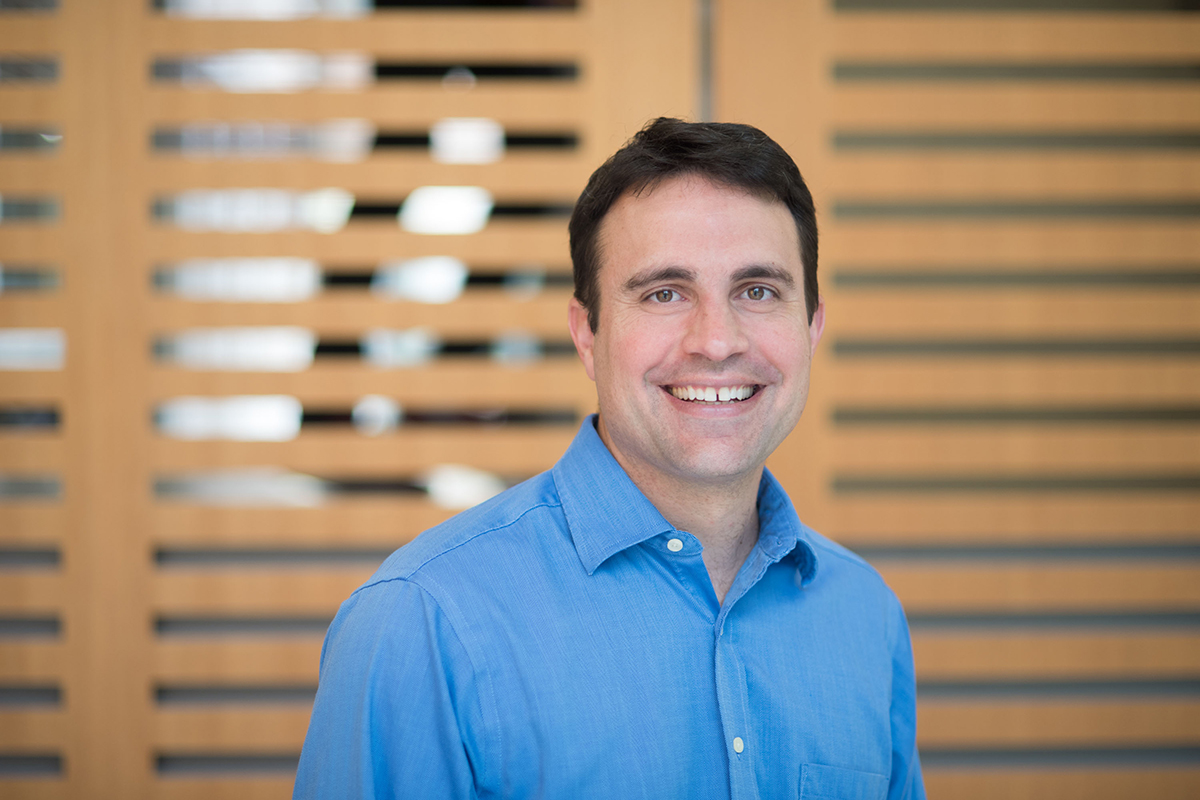
Julian Jara-Ettinger is an Associate Professor of Psychology and Computer Science at Yale University. He holds a Ph.D. from MIT (2016). His research focuses on understanding the cognitive and computational mechanisms underlying human social behavior, including fairness, linguistic communication, gesture, moral reasoning, and pedagogy. He employs interdisciplinary methods such as computational modeling, eye-tracking, cross-cultural studies, and developmental research to bridge psychology and artificial intelligence. Key research areas include the development of social cognition in children, the integration of theory of mind with communication, and the application of cognitive science principles to build socially intelligent machines. His work emphasizes how humans infer others' knowledge, intentions, and desires, with implications for AI safety and ethical systems design. Publications span topics like epistemic inference, moral judgments, and the computational foundations of social interaction. His lab's research often intersects with evolutionary simulations, neural modeling, and cultural psychology. No scientific awards are explicitly mentioned in the provided text. Collaborations involve cross-disciplinary teams addressing challenges in developmental science, AI ethics, and cognitive robotics. His work has practical applications in educational strategies, social policy, and human-AI collaboration frameworks.
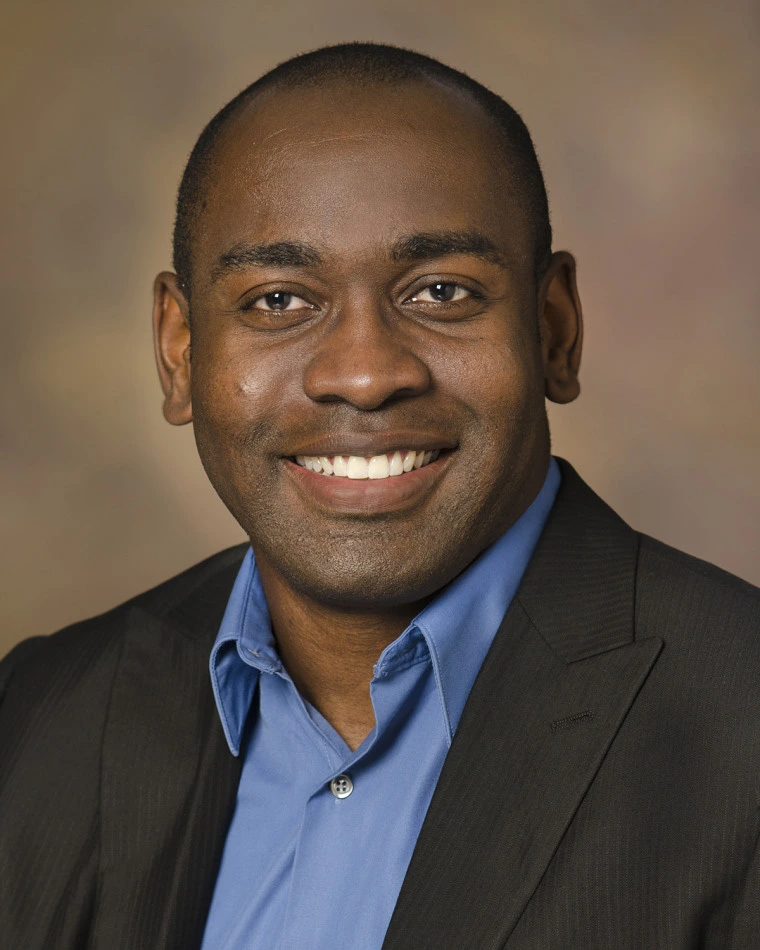
Tosiron Adegbija is an Associate Professor in the Department of Electrical and Computer Engineering at the University of Arizona, where he serves as Director of Graduate Studies and Thomas R. Brown Endowed Fellow. He is a member of the Graduate Faculty and actively contributes to research and teaching in computer architecture and embedded systems. Education: PhD in Electrical and Computer Engineering, University of Florida, 2015 MS in Electrical and Computer Engineering, University of Florida, 2011 BS in Electrical Engineering, University of Ilorin, Nigeria, 2005 His research centers on energy-efficient computing with a focus on bio-inspired computer architecture , including spiking neural network (SNN) accelerators and in-memory computing. He also explores domain-specific architectures , adaptable memory systems , and microprocessor optimizations for IoT . His work leverages novel memory technologies like STT-RAM to enhance performance and reduce energy consumption in embedded and resource-constrained systems. Recent publications highlight trends in hybrid SNN acceleration, domain-specific accelerator generation, and system-level design space exploration. His research is increasingly focused on neuromorphic computing, automated hardware design, and ultra-efficient architectures using emerging materials like antiferromagnetic tunnel junctions. Scientific Awards: National Science Foundation (NSF) CAREER Award (2019) Elected IEEE Senior Member (2020) Best Paper Award at IEEE ISVLSI (2014) Teaching Award, University of Arizona (2018) ACM GLSVLSI Travel Award (2015) He advises numerous graduate and undergraduate students, many of whom have pursued careers at institutions like Pacific Northwest National Labs, Micron Technology, and Amazon. He has secured significant funding, including a $1.9M NSF FuSE2 grant for energy-efficient computing. His lab collaborates with UA Physics, CMU, and UNL. He has also developed educational tools for Chipyard and RISC-V, supporting hands-on learning in computer architecture. Labs and Research Teams: Leads a research group focused on bio-inspired and domain-specific computing, fostering innovation in energy-efficient hardware. The lab emphasizes hardware/software co-design, neuromorphic engineering, and real-world deployment in IoT and biomedical applications.
Alexandros G. Dimakis is a Professor at the University of California, Berkeley's Department of Electrical Engineering and Computer Sciences (EECS), College of Engineering. He is also Co-Director of the National AI Institute for Foundations of Machine Learning and Co-Founder of BespokeLabs.ai. PhD (2008) and Diploma (2003) in Electrical Engineering His research focuses on Generative AI , Information Theory , and Machine Learning . Recent work includes advancements in diffusion models, compressed sensing, and causal inference. His publications (150+) emphasize inverse problems, neural network verification, and generative model optimization. Recent publications highlight trends in Diffusion Models for inverse problems, Language Model Scaling , and 3D-Aware Generative Systems . Collaborative projects span biomedical applications, large-scale dataset curation (Datacomp-LM), and parameter-efficient model fine-tuning. Scientific Awards : IEEE Fellow (2022) James Massey Award (2018) NSF CAREER Award (2011) Google Research Faculty Award Best Paper awards at UAI workshops Eli Jury Dissertation Award (UC Berkeley) He advises PhD students in generative modeling, compressed sensing, and information theory. His research group collaborates with institutions like MIT, NYU, and IBM Research. Former students hold positions at Google, Amazon, and academic institutions like Purdue University.
Brent Waters is a Professor at the Department of Computer Science, University of Texas at Austin , where he has been since 2008. He received his Ph.D. in Computer Science from Princeton University (2004) and held a postdoctoral position at Stanford University (2004-2005). His research focuses on cryptography and computer security, with groundbreaking work in Identity-Based Encryption, Functional Encryption, Attribute-Based Encryption, and code obfuscation. He is a founder of Functional Encryption and Attribute-Based Encryption. Education Ph.D., Computer Science, Princeton University (2004) Research Interests Cryptography, Security Protocols Functional Encryption, Attribute-Based Encryption Indistinguishability Obfuscation, LWE-Based Systems Zero-Knowledge Proofs, Key-Dependent Message Security Selected Publications Trends Recent work (2025) addresses adaptive security in broadcast encryption, SNARGs, and multi-authority ABE systems using LWE and bilinear maps. Key themes include collusion resistance, witness encryption, and optimizing cryptographic assumptions like CRS size reduction. Scientific Awards IEEE Fellow (2025), IACR Fellow (2024), ACM Fellow (2021) Simons Investigator (2019), Grace Murray Hopper Award (2015) Presidential Early Career Award (2011), Packard Fellowship (2011) Advising Current Ph.D. students: Shafik Nassar, George Lu Past Ph.D. students: Rachit Garg (2024), Satya Vusirikala (2021), Rishab Goyal (2019), Venkata Koppula (2018), Yannis Rouselakis (2013), Allison Bishop (2012) Contact Email: bwaters@cs.utexas.edu Phone: (512) 232-7464 | Office: GDC 6.810
Mirjana Stojilovic is a Researcher at École Polytechnique Fédérale de Lausanne (EPFL) in the School of Computer and Communication Sciences (IC), specifically within the Institute of Computer Engineering (IINFCOM) and the Parallel Systems Architecture Laboratory (PARSA). She also serves as a Lecturer in the SSC - Teaching department at EPFL. Her office is located at INJ 235, Station 14, 1015 Lausanne, Switzerland. Mirjana Stojilović received her Dipl. Ing. and Ph.D. degrees from the School of Electrical Engineering, University of Belgrade, in 2006 and 2013, respectively. Her academic journey includes collaborating with the Processor Architecture Laboratory at EPFL as a Guest Researcher from 2010 to 2013, working at the University of Applied Sciences Western Switzerland as a senior researcher from 2013 to 2016, and joining the Parallel Systems Architecture Lab at EPFL in October 2016. Dr. Stojilovic's research spans field-programmable technology, electronic design automation (EDA), and electrical-level attacks and countermeasures for reconfigurable hardware. Her work bridges the gap between hardware design and security, with a particular focus on vulnerability analysis and protection mechanisms for FPGA-based systems in cloud environments. She has made significant contributions to understanding side-channel attacks, fault injection techniques, and secure multi-tenancy solutions for shared hardware resources. Her extensive publication record reveals a clear research trajectory from traditional FPGA design and EDA topics toward increasingly security-focused investigations. Recent work demonstrates deep expertise in power analysis attacks, hardware trojans, and countermeasures for cloud-based FPGA systems, reflecting the growing importance of hardware security in distributed computing environments. Scientific Awards and Recognitions: Best Paper Award at 2016 International Symposium on Electromagnetic Compatibility (EMC Europe 2016) Young Scientist Award at 33rd International Conference on Lightning Protection (ICLP2016) Young Author Best Paper Award at the 20th Telecommunication Forum in Belgrade (TELFOR 2012) EPFL School of Computer and Communication Sciences (IC) Teaching Award (2015) Nominated for Best Paper Award at the International Conference on Field-Programmable Technology (FPT) (2020) Dr. Stojilovic has advised numerous PhD students including Coulon Louis, Pirayadi Rouzbeh, and Shrivastava Shashwat, along with past EPFL PhD students Glamocanin Ognjen and Mahmoud Dina. She has supervised dozens of semester and diploma projects focusing on hardware security, FPGAs, design automation, side-channel attacks, and cloud computing. Her service to the academic community includes serving on program committees for FPGA, FCCM, FPL, and DATE conferences, reviewing for multiple IEEE and ACM journals, and acting as associate editor for IEEE ESL and ACM TRETS. As a member of the Parallel Systems Architecture Laboratory at EPFL, Dr. Stojilovic leads research projects investigating security aspects of reconfigurable hardware systems. Her team works at the intersection of computer architecture, electronic design automation, and hardware security, with particular emphasis on vulnerabilities and protections for shared FPGA resources in cloud environments.
Associate Professor Jiwon Kim is a leading researcher in Transport Engineering at the University of Queensland's School of Civil Engineering. She serves as Director of Higher Degree by Research and was a DECRA Fellow from 2019-2022. Holding degrees from Korea University and Northwestern University, she specializes in AI/ML applications for transportation systems. PhD, Northwestern University BS & MS, Korea University Her research focuses on Artificial Intelligence and Machine Learning applications in transportation, including: Deep learning for traffic management Reinforcement learning in mixed traffic environments Multi-agent systems for urban mobility optimization Spatiotemporal trajectory analysis Recent publications demonstrate expertise in: Eco-driving strategies Traffic incident prediction Queue length estimation Crash risk modeling Scientific recognition includes: ARC DECRA Fellowship (2019-2022) She supervises doctoral students in: Transportation data analytics Autonomous vehicle systems Intelligent traffic management Current projects explore real-time traffic monitoring, synthetic mobility data generation, and connected vehicle technologies.
Mona Singh is a Professor of Computer Science at Princeton University, with affiliations to the Lewis-Sigler Institute for Integrative Genomics and the Department of Molecular Biology. She has been a faculty member since 1999. Ph.D., Massachusetts Institute of Technology, 1995 A.B. and S.M. degrees in Computer Science from Harvard University Her research focuses on computational molecular biology, integrating machine learning and algorithms to analyze biological networks, protein interactions, and mutational impacts. Key areas include DNA/RNA binding prediction, protein structure analysis, and network-based disease gene discovery. Her recent work highlights trends in protein language models, kinase-substrate prediction, and equitable MHC binding algorithms. These span sub-fields like structural bioinformatics, network biology, and functional genomics. Scientific Awards: Presidential Early Career Award for Scientists and Engineers (PECASE) Rheinstein Junior Faculty Award ACM Fellow (2019) ISCB Fellow (2018) She has taught an introductory computational biology course with Professor Coleen Murphy, covering sequence analysis, phylogenetics, and network reconstruction. Her group has developed tools like dPUC , nCOP , and DiffMut . Her lab collaborates with institutions including Carnegie Mellon, Duke University, and the Broad Institute, advancing applications in cancer genomics, metabolic disease, and precision medicine.
Dr. Ting-Feng Lin is an Assistant Professor at the Cell Biology, Neurobiology and Biophysics department within the Faculty of Science at Utrecht University, Netherlands. His research focuses on understanding the mechanisms of learning and memory formation in the cerebellum, particularly how synaptic and intrinsic plasticity mechanisms coordinate to regulate neuronal signaling and behavior. He employs advanced microscopy, optogenetic, and chemogenetic techniques in transparent zebrafish models to study these processes in vivo, with implications for neurodevelopmental disorders like autism spectrum disorder (ASD) and schizophrenia. 2025: Assistant Professor, Utrecht University 2019-2025: Postdoctoral Researcher, University of Chicago 2015-2019: PhD in Neuroscience, Neuroscience Center Zurich (ZNZ) 2010-2014: MS in Physiology, National Taiwan University 2006-2010: BS in Sports Medicine, China Medical University His work investigates how sensory experiences shape cerebellar processing during development, focusing on climbing fiber pathways and their role in sensory prediction errors. His group also studies the interaction between synaptic, intrinsic, and structural plasticity mechanisms in neural circuits, using zebrafish models with genetic modifications (e.g., Grid2 knockout) to model human neurological conditions. Dr. Lin has received scientific recognition including the SfN Trainee Professional Development Award for his work on Purkinje cell plasticity and the JNS Meeting Award for research on parallel fiber ramping activity and LTD. His publications span topics from cerebellar plasticity to voltage-gated K+ channel dynamics, reflecting his interdisciplinary approach to neurobiology.
Prof. Dr. Niels Pinkwart is a Professor of Computer Science at Humboldt University Berlin and Scientific Director of the Educational Technology Lab at the DFKI Berlin Project Office. His work focuses on AI-driven educational technologies, including roles as spokesperson for the interdisciplinary ProMINT program and leadership positions in the German Society for Informatics' Learning Analytics and Educational Technologies working groups. Education: Computer Science and Mathematics at University of Duisburg Doctorate: Collaborative learning technologies (2005) Postdoctoral: Carnegie Mellon University's Human-Computer Interaction Institute Research interests span educational technologies , human-AI collaboration , and digital learning systems , with applications in serious games for ASD , creativity assessment , and healthcare informatics . His publications (over 200) demonstrate expertise in scaling educational mentoring through AI. Current affiliations include the Einstein Center Digital Future and Weizenbaum Institute for the Networked Society. He has led projects like AZUKIT (AI tutors for performance assessment), tech4comp (scalable mentoring processes), and AI.EDU Lab (AI in higher education).
Pim de Vink is a doctoral researcher at Eindhoven University of Technology , affiliated with the Biomedical Engineering department and Chemical Biology group. Supervised by dr. L.-G. Milroy and prof. L. Brunsveld , his work bridges supramolecular chemistry and chemical biology , focusing on host/guest chemistry for protein complex modulation. Education: B.Sc. in Chemistry (2014) from University of Amsterdam M.Sc. in Biomedical Engineering (2016) from TU/e Internship at Max Planck Institute for Molecular Physiology (2016) on gold-catalyzed synthesis Research Themes: His research develops switchable cucurbituril-based systems for light-controlled enzyme activation and artificial signaling networks. Key areas include protein-protein interaction stabilization , thermodynamic modeling , and allosteric nuclear receptor modulation . Publication Trends: Across JACS , Chemical Science , and RSC Chemical Biology , his work from 2017–2023 emphasizes supramolecular tools for biochemical applications. Notable contributions include 100-fold affinity enhancement of 14-3-3 ligands and UV-responsive cucurbituril release mechanisms . Grants: Funded by Netherlands Organization for Scientific Research (NWO) through Gravity program 024.001.035 and VICI grant 016.150.366.
Tong Lam is an Associate Professor in the Department of Historical Studies and the Graduate Department of History at the University of Toronto, where he also directs the Dr. David Chu Program in Asia-Pacific Studies at the Asian Institute. His research sits at the intersection of media studies, environmental history, and science and technology studies (STS), focusing on the politics and aesthetics of mobilization in China’s special zones across socialist and postsocialist eras. Employing interdisciplinary methodologies, his work explores themes such as state-precipitated violence, industrial ruination, and the socio-political implications of technology. He is a visual artist whose lens-based projects interrogate military violence, surveillance, and postindustrial landscapes. His recent scholarship analyzes postsocialist urbanism, digital governance, and the temporalities of infrastructure. While the absence of explicit scientific awards or student advisement records in the provided text precludes their inclusion here, his publications and creative practice reflect a sustained engagement with critical historical inquiry and contemporary socio-technological challenges.
Prof. Dr. Aimee van Wynsberghe is the Alexander von Humboldt Professor for Applied Ethics of Artificial Intelligence at the University of Bonn. She serves as Director of the Institute for Science and Ethics (IWE) and founded the Bonn Sustainable AI Lab. Her affiliations include the German National Academy of Sciences Leopoldina, the European Commission's High-Level Expert Group on AI (2018-2020), and advisory roles at Deloitte, the World Economic Forum, and the Konrad Zuse Schools for AI Excellence. . Education PhD in Applied Ethics, University of Twente (2012) M.A. in Bioethics, Erasmus Mundus (2008) M.A. in Applied Ethics, Catholic University of Leuven (2007) B.Sc. in Honours Cell Biology, University of Western Ontario (2006) Research Interests focus on integrating ethical frameworks into AI and robotics design. Key areas include AI ethics, robotics ethics, digital ethics, care ethics, and value-sensitive design. She pioneered ethical guidelines for care robots and explores systemic risks in AI sustainability. Publication Trends show a shift toward sustainability challenges in AI, analyzing hidden environmental costs, post-colonial biases in AI standards, and structural ethical frameworks. Her work bridges philosophy, technology, and policy to address global AI impacts. Scientific Awards L'Oréal UNESCO For Women In Science Award (2018) Grants include a 3.8M EUR Mercator Foundation grant (2022), 3.5M EUR Humboldt Professorship (2021), NWO Gravitation Grant (2020), and others. She advises governments and institutions on AI ethics and co-founded the Foundation for Responsible Robotics. Labs & Teams : She leads the Bonn Sustainable AI Lab and has directed the Artificial Intelligence Lab at TU Delft. Her work involves interdisciplinary collaborations, including the interdisplinary task force at Aarhus University (2025).
Prof. Dr. Oliver Krüger is a behavioral ecologist and evolutionary biologist at Bielefeld University 's Faculty of Biology , where he leads the Department of Animal Behaviour since 2013. His research spans avian and marine mammal systems, focusing on life history strategies, parasite-host interactions, and environmental adaptation. Education: Biology studies at Bielefeld University (1994-1996) MSc in Oxford (1996-1997) PhD at Bielefeld University with Fritz Trillmich and Jan Lindström (1998-2000) Research Themes: Behavioral ecology, evolutionary biology, and population dynamics across tropical and temperate ecosystems. Key projects include NC³ (Niche Choice/Construction) and studies on Galápagos sea lions, common buzzards, and pinniped species. Scientific Leadership: Spokesperson, SFB TRR 212 "NC³" (2018-2025) Advisory Board member: German Ornithologists Union, IUCN SSC pinniped group, German Primate Centre Peer review roles: Humboldt Foundation, DFG, HFSP, NSF Awards: Leopoldina Prize (2001) Niko Tinbergen Award (2008) DFG Heisenberg Professorship (2010-2015)
Anil Madhavapeddy serves as Professor of Planetary Computing at the University of Cambridge's Department of Computer Science and Technology and directs the Cambridge Centre for Carbon Credits (4C). A Fellow of Pembroke College, he integrates systems research with environmental conservation through the Computer Laboratory's Environment and Energy Group. His career spans industry leadership (NetApp, Citrix, Intel), academic appointments (Cambridge, Imperial, UCLA), and entrepreneurial ventures (XenSource, Unikernel Systems, Docker). Madhavapeddy earned his PhD at Cambridge's Computer Laboratory in 2006. His research bridges computational systems and planetary-scale environmental challenges, with deep expertise in open-source development (OCaml, Xen, Docker, OpenBSD) and technology strategy advising for organizations including Zededa, Tezos Foundation, and Tarides. His work centers on environmental computing and climate informatics, leveraging distributed systems and functional programming to develop sensing infrastructure for conservation. Recent projects focus on carbon credit systems, AI-driven biodiversity monitoring, and sustainable computing architectures that minimize ecological footprints while maximizing analytical capability. Analysis of his 2025 publications reveals a concentrated effort on AI-integrated conservation tools, privacy-preserving carbon accounting, and energy-efficient computing. Key themes include spatial networking for ecological data, LLM-enhanced evidence retrieval in conservation science, and novel metrics for extinction risk assessment—demonstrating computational innovation applied to urgent planetary boundaries. No scientific awards were documented in the source material. Madhavapeddy advises multiple technology firms on strategic development while leading the Cambridge Centre for Carbon Credits, though specific grant funding details remain unreported. He actively contributes to the Environment and Energy Group at Cambridge's Computer Laboratory and directs the interdisciplinary Cambridge Centre for Carbon Credits (4C). His open-source leadership spans critical infrastructure projects including OCaml, Xen, and Docker, fostering collaborative development communities that underpin modern cloud and container technologies.
Univ.-Prof. Torsten Möller, PhD is a Professor at the University of Vienna and serves as Head of the Research Group Visualization and Data Analysis and Head of the Research Network Data Science. His work spans data visualization, visual analytics, and human-computer interaction, with a focus on biomedical, environmental, and societal data applications. Academic rank: Professor Research group: Visualization and Data Analysis Network: Data Science Email: torsten.moeller@univie.ac.at Research interests include: Visual data analysis for complex systems Interdisciplinary applications in climate science and medicine Human-computer interaction in data exploration Image processing and computer graphics Recent publication trends show expertise in: Visualizing climate change and pandemic data Multi-volumetric and network analysis Algorithmic transparency and user-centered design Interdisciplinary collaborations (e.g., astrophysics, medical imaging) Statistical and uncertainty visualization Design frameworks for visualization recommendation Teaching includes courses in: Computer graphics and visualization Image processing and analysis Human-computer interaction Data analysis projects Doctoral research seminars