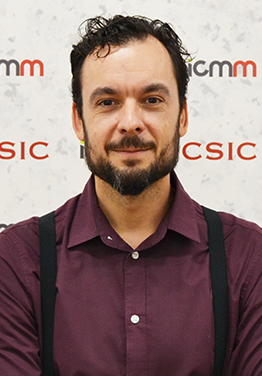
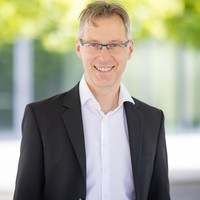
Prof. Dr. Thomas Goll is a Professor at the Faculty of Social Sciences , Technical University of Dortmund , Germany. His work focuses on political education , social sciences didactics , and early childhood political literacy . He leads the Initiativzentrum für politische Bildung (IZBD) at TU Dortmund and contributes to empirical educational research and media in political education . Education: Studied at Julius-Maximilians-University of Würzburg; PhD in Political Science (2000). Research: Leads projects like CIVIC (DFG-funded), PoJoMeC (bpb-funded), and DeFaKi, exploring political literacy in children and intergenerational political socialization. Collaborations: Partners with institutions like Konrad Adenauer Stiftung, OeAD, and universities in Austria and Turkey. Publications: Over 50 peer-reviewed works on political education, media analysis, and curriculum design. Teaching: Offers courses in integrative didactics and political education at TU Dortmund. Scientific Affiliations: Member of Deutsche Gesellschaft für Politikwissenschaft (DGfP), Gesellschaft für Politikdidaktik (GPJE), and chair of Gesellschaft für Didaktik des Sachunterrichts (GDSU) since 2021.
Nathalie Burlone is a Full Professor in the School of Political Studies at the University of Ottawa, specializing in the Public Administration program. Her office is located in FSS7006 with contact number 613-562-5800 extension 2242. She teaches core courses including PAP6511 (Public Policy Theory), PAP9711 (Public Policy), and doctoral seminars in policy analysis. Her educational credentials include: Ph.D. in Public Administration, École nationale d'administration publique (2001) M.A. in Public Policy Analysis, Université Laval (1991) B.A. in Psychology, Université McGill (1989) Professor Burlone's research centers on discourse analysis of policy construction in emotionally charged domains, particularly medical aid in dying, end-of-life care, family policy, and social policy. She examines how narratives frame value-laden decisions and policy evolution, employing qualitative and visual methodologies to dissect the interplay between morality, rationality, and governance structures in public issue formation. Her publication pattern (2007-2020) reveals consistent focus on policy framing mechanisms in contentious areas, especially Canada's medical assistance in dying legislation. She analyzes how competing narratives shape policy development through discourse analysis, bridging theoretical public policy concepts with practical governance applications. Her work increasingly connects community partnership models with policy implementation frameworks. Scientific Awards: No scientific awards documented in source materials She currently supervises six doctoral candidates including Sharma Aurelien (2026 completion), Sarah Borbolla Garcés (2025), and Véronique LeBlanc (2024), guiding research on policy framing in end-of-life and family policy contexts. Her academic leadership extends to co-directing Revue Gouvernance (2015-2025), where she shapes scholarly discourse on Canadian governance. As co-director of Revue Gouvernance since 2015, she leads Canada's premier French-language journal on public policy and governance, fostering academic exchange on policy framing and institutional analysis within Francophone scholarly networks.
Miguel Mahecha is Professor of Environmental Data Science and Remote Sensing at the University of Leipzig, where he serves as Institute Head of the Institute for Earth System Science and Remote Sensing. He is also affiliated with the Remote Sensing Centre for Earth System Research, a collaboration between Leipzig University and the Helmholtz Centre for Environmental Research (UFZ). Mahecha is a member of the German Centre for Integrative Biodiversity Research (iDiv) and serves as Principal Investigator in the Centre for Scalable Data Analytics and Artificial Intelligence. Additionally, he is a Fellow of the European Laboratory for Learning and Intelligent Systems and co-spokesperson for the National Research Data Infrastructure for Earth System Sciences (NFDI4Earth). Full Professor for Modelling Approaches in Remote Sensing, University of Leipzig (since 03/2020) Research Group Leader: Empirical Inference in the Earth System, Max Planck Institute for Biogeochemistry, Jena (12/2012 - 03/2020) PostDoc, Max Planck Institute for Biogeochemistry, Jena (10/2009 - 11/2012) PhD in Environmental Sciences, ETH Zürich (06/2006 - 09/2009) Diploma in Geoecology, Bayreuth University (10/2000 - 04/2006) Mahecha's research focuses on understanding ecosystem responses to climate extremes and human-environment relationships during these events. He investigates macro-ecological dynamics and ecosystem functioning using data-driven methods and high-dimensional Earth observations. A key contribution is his co-development of the Earth System Data Cube concept, which integrates empirical methods with theoretical understanding to analyze complex Earth system interactions. His work spans biogeography, ecosystem functioning, and advanced data science methodologies for environmental monitoring. His recent publications demonstrate a strong emphasis on analyzing compound climate extremes, particularly heatwaves and droughts, and their impacts on ecosystems. Mahecha has pioneered methods using Earth System Data Cubes to integrate diverse environmental datasets, enabling novel insights into biosphere-atmosphere interactions. His research increasingly incorporates artificial intelligence and machine learning approaches to understand spatiotemporal patterns in ecological systems, with applications in real-time forest monitoring and biodiversity assessment. Fellow of the European Laboratory for Learning and Intelligent Systems Co-spokesperson for NFDI4Earth (National Research Data Infrastructure for Earth System Sciences) Mahecha leads multiple significant research projects including Digital Forest (real-time forest monitoring), NFDI4BioDiversity, and XAIDA (extreme events: AI for Detection and Attribution). His work receives funding from diverse sources including EU, DFG, and Stiftungen Inland. He collaborates extensively with the German Centre for Integrative Biodiversity Research (iDiv) and the Centre for Scalable Data Analytics and Artificial Intelligence. His research group, Earth System Data Science (ESDS), focuses on developing methods to extract valuable information from long-term environmental observations to understand coupled Earth system dynamics. At the Remote Sensing Centre for Earth System Research, Mahecha's ESDS group investigates how ecosystem functions respond to climate extremes, societal vulnerability to environmental hazards, and nonlinear interactions in coupled Earth systems. The group leverages citizen science data, remote sensing observations, and advanced computational methods to address pressing environmental questions.
Dr. Hua Xu is the Robert T. McCluskey Professor of Biomedical Informatics and Data Science at Yale School of Medicine. He serves as Vice Chair for Research and Development in the Department of Biomedical Informatics and Data Science and as Assistant Dean for Biomedical Informatics at Yale School of Medicine. Dr. Xu leads the Clinical NLP Lab and is Chair of the NLP working group at the Observational Health Data Sciences and Informatics (OHDSI) program. Dr. Xu received his PhD in Biomedical Informatics from Columbia University, an MS in Computer Science from New Jersey Institute of Technology, and a BS in Biochemistry from Nanjing University. Dr. Xu is a renowned researcher in clinical natural language processing (NLP), having developed novel algorithms for important clinical NLP tasks such as entity recognition and relation extraction. His work has been top-ranked in over a dozen international biomedical NLP challenges. He has developed CLAMP, a comprehensive clinical NLP toolkit that has been successfully commercialized and adopted by hundreds of healthcare organizations worldwide. His research focuses on applying NLP technologies to diverse clinical and translational studies to accelerate clinical evidence generation using electronic health records data. Recently, he has been utilizing NLP to harmonize metadata of biomedical digital objects to promote FAIR principles in biomedicine, and his lab is actively working on developing large language models (LLMs) for diverse biomedical applications. Dr. Xu's recent publications demonstrate a clear trend toward leveraging large language models for biomedical applications. His work spans from benchmarking LLMs for clinical NLP tasks to developing specialized architectures like BiomedRAG (retrieval augmented LLMs for biomedicine). His research addresses critical healthcare challenges including adverse event extraction, oncology clinical trial analysis, and EHR-based association studies, showing how NLP can bridge the gap between unstructured clinical text and actionable medical insights. Dr. Xu's lab has achieved top rankings in numerous NLP challenges, including multiple #1 positions in i2b2 Temporal information extraction, SemEval Disease-modifier extraction, BioCREATIVE Chemical-induced disease extraction, and other prestigious competitions. His contributions to clinical NLP have significantly advanced the field's ability to extract meaningful information from complex medical texts. As the leader of the Clinical NLP Lab at Yale, Dr. Xu oversees research that forms a complete ecosystem: developing novel NLP methods, building robust software tools, and applying these technologies to clinical and translational research. His lab's work closes the loop between methodological innovation and practical healthcare applications, ensuring that advances in NLP directly benefit patient care and medical research.
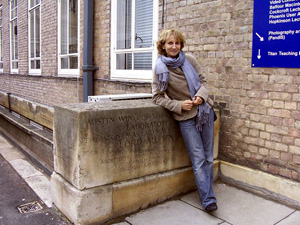
Soraya de Chadarevian serves as Professor in the Department of History and the Institute for Society and Genetics at the University of California, Los Angeles, where she bridges historical scholarship with contemporary bioscience through rigorous analysis of material practices and cultural contexts in the life sciences. Her academic trajectory spans over three decades with significant contributions to understanding molecular biology's development and human heredity's evolution from the nineteenth century to present. Her educational foundation includes a PhD in Philosophy from the University of Konstanz, Germany, and an Advanced degree (Diplom) in Biology from the University of Freiburg, Germany, providing unique interdisciplinary perspective. These qualifications enabled her dual expertise in scientific practice and philosophical inquiry that defines her scholarly approach. De Chadarevian's research centers on the intricate relationship between scientific practice and cultural context in the life sciences, with particular emphasis on visual and material dimensions of molecular biology and chromosome research. She examines how laboratory techniques, archival practices, and data systems shape biological knowledge, exploring themes like the microscope's role in heredity studies, genetic evidence in historical narratives, and pandemic responses. Her work reveals how scientific concepts like the double helix or human genome emerge through complex negotiations between technical possibilities, institutional frameworks, and societal concerns. Analysis of her recent publications shows a decisive shift toward contemporary scientific challenges including pandemic responses, data-intensive biology, and ethical dimensions of genetic research. While maintaining deep historical perspective, her scholarship increasingly engages with urgent present-day issues such as biobanking, forensic genetics, and the societal implications of genomic databases, demonstrating how historical understanding informs current scientific controversies. Her scientific recognition includes: National Science Foundation Scholar Award (2015-2021) Walther Rathenau Program Fellowship Max Planck Institute for History of Science Fellowship Fellowship at La Villette Fellowship at École des Hautes Études en Sciences Sociales Hamburg Institute for Social Research Fellowship Churchill College Cambridge Fellowship Institute for Advanced Studies in the Humanities Fellowship Research funding has been consistently secured through competitive grants, most notably the six-year NSF award supporting her chromosome history project. She actively mentors students through UCLA's graduate programs in History and the Institute for Society and Genetics, teaching specialized courses on genetics and society while supervising research on science-society intersections. Her collaborative approach extends to co-editing special journal issues and organizing international research networks. Through sustained engagement with institutions like the Max Planck Society and Cambridge University, de Chadarevian maintains active participation in global scholarly communities. Her current work involves interdisciplinary teams examining data practices in contemporary biology and historical dimensions of pandemic responses, positioning her at the forefront of science studies' engagement with pressing societal challenges.
Bian Qing serves as an Associate Professor and Master's Supervisor in the Department of Communication at Tongji University's School of Art and Media. His research centers on media sociology, media convergence, and news production dynamics, with affiliations including the Health Communication Professional Group of the Chinese Preventive Medicine Association. He has held visiting positions at City University of Hong Kong (2017) and the University of Cambridge (2019-2020). Education: PhD in Radio and Television, Fudan University School of Journalism (2009-2012) MA in Radio and Television Journalism, Communication University of China (2004-2007) BE in Recording Engineering, Beijing Broadcasting Institute (2000-2004) Research Focus: Professor Bian investigates algorithmic governance in social media , hate speech regulation , and newsroom transformations in digital ecosystems. His work critically examines emotional drivers of online collective action and the sociopolitical dimensions of Chinese media landscapes, bridging theoretical frameworks with empirical analysis of platform dynamics. Publication Trends: Recent works (2021-2022) analyze algorithmic bias and cyber hate in global social platforms, while earlier research (2012-2016) explores Chinese social media's role in public diplomacy and journalism evolution. His scholarship consistently addresses media's societal impacts through convergent journalism frameworks and digital discourse analysis. Awards: National and university research grants including National Social Science Fund Youth Project (150,000 yuan) Multiple Outstanding Advisor Awards for China Data Journalism Competition (2019, 2021, 2022) Tongji University Young Talent Program recognition (2011, 2013) Shanghai European Society Youth Paper Award (2014) Mentorship & Grants: He has secured significant funding from national and provincial sources for projects on online public discourse and media convergence. His student guidance has yielded award-winning data journalism projects, and he serves as an SSCI journal reviewer while teaching courses including 'Converged Media Reporting' and 'Frontiers of Global Journalism Practice'. Research Infrastructure: Affiliated with Tongji University's Media Experiment and Practice Teaching Center and Omnimedia Research Institute, his work integrates experimental media production with sociological analysis of digital communication systems.
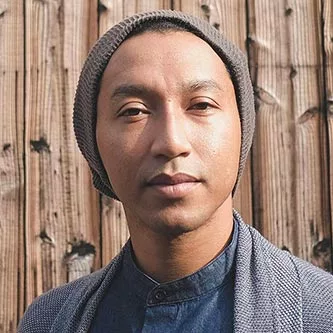
Ethan Caldwell serves as an Associate Professor and Academic Advisor in the Department of Ethnic Studies at the University of Hawaii at Manoa's College of Social Sciences, with office location in George Hall 304 and contact via (808) 956-5354 or ethanlc@hawaii.edu. Education: PhD in African American Studies, Northwestern University, 2017 As an interdisciplinary specialist with mixed-race heritage, Dr. Caldwell investigates how Black diaspora communities construct conceptions of Blackness, race, and empire across Pacific contexts—particularly Okinawa—through post-WWII intersections of Black-Asian relations, militarism, and visual culture. His current book project analyzes historical and visual formations of race/gender/empire dynamics between African American soldiers and Okinawan civilians, complemented by collaborative photography projects examining war memory and foodways. Awards: College of Social Sciences Award for Excellence in Teaching (2022) Dr. Caldwell actively mentors students as faculty advisor for the UH Mānoa Black Student Association and engages with the Our History - Our Way Center for Oral History, Island Connections, and Ethnic Studies Student Association, demonstrating commitment to community-based scholarship and student development.
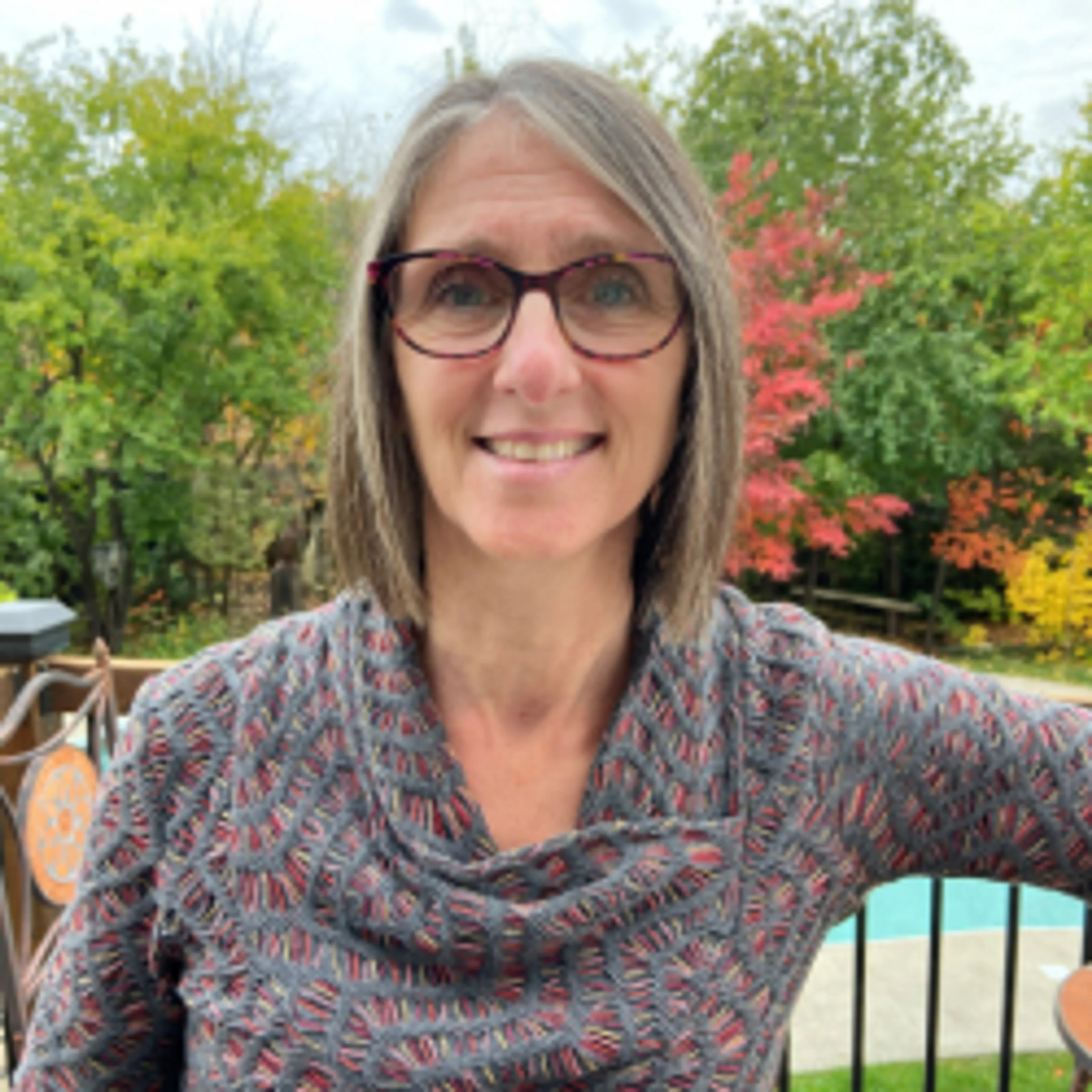
Tania Lombrozo serves as the Arthur W. Marks ’19 Professor at Princeton University, leading the Concepts and Cognition Lab where she investigates the psychological and philosophical dimensions of human reasoning. Her work uniquely integrates empirical methods from cognitive science with conceptual frameworks from analytic philosophy. Her academic background includes a Ph.D. from Harvard University, establishing her foundation in interdisciplinary research approaches. Lombrozo's research centers on the human drive to explain, examining why we seek explanations for certain phenomena but not others, how explanation-seeking affects learning, and whether explanatory processes serve epistemic goals or introduce reasoning errors. She explores connections between causal reasoning, moral responsibility, and intuitive theories of knowledge, drawing from cognitive, social, and developmental psychology alongside philosophy of science and moral philosophy. Her methodology emphasizes experimental rigor while addressing normative questions about ideal reasoning. Analysis of her 2024-2025 publications reveals dominant themes in explanation evaluation across scientific and moral contexts, with significant attention to jargon in science communication, simplicity principles (Ockham’s razor), and moral responsibility in collective action. Her work increasingly addresses AI-human interaction, particularly how explanations influence trust in large language models and the cognitive effects of chain-of-thought reasoning. Notable honors include: Arthur W. Marks ’19 Professorship Excellence in Mentoring Graduate Students Award Lombrozo actively mentors graduate students including Sarah Joo, Casey Lewry, and Sebastian Montesinos, with research supported by interdisciplinary grants spanning cognitive science, ethics education, and technology policy. Her Concepts and Cognition Lab functions as a collaborative hub where philosophical questions are tested through behavioral experiments, contributing to both theoretical advances and practical applications in science communication and AI design.
Lynn Helding serves as Professor of Practice in Voice and Vocal Pedagogy at the University of Southern California's Thornton School of Music, where she also coordinates the Vocology & Voice Pedagogy program. She is a distinguished author, most notably of The Musician's Mind: Teaching, Learning and Performance in the Age of Brain Science , and was appointed Editor-in-Chief of the Journal of Singing in 2023. With decades of experience as both a performer and pedagogue, Helding bridges the gap between voice science and artistic practice, advocating for cognitive science as the "Third Pillar of Voice Science" alongside physiology and acoustics. Helding's educational background includes: Master's Degree in Vocal Pedagogy with Distinction from Westminster Choir College of Rider University (2005) Artist Diploma from Indiana University (1988), where she was the first singer ever accepted into this prestigious program Completion of the Summer Vocology Institute at the National Center for Voice and Speech Helding's research focuses on the application of cognitive science to voice pedagogy, with particular emphasis on motor learning theory and expertise studies from social psychology. She pioneered the concept of cognitive science as the "Third Pillar of Voice Science," arguing that understanding the brain's role is essential for effective voice teaching. Her work challenges traditional approaches by emphasizing the "how" of teaching over the "what," advocating for science-informed (rather than science-based) pedagogy that respects both scientific findings and artistic tradition. Helding's research has significant implications for addressing performance anxiety, optimizing practice methods, and developing more effective teaching strategies that account for how musicians actually learn. Her scholarly contributions demonstrate a consistent focus on bridging cognitive science with practical voice teaching. Rather than treating voice science as purely technical knowledge, Helding examines how this information can be effectively communicated to students, recognizing that the delivery method is as important as the content itself. This approach has led to innovative frameworks for evidence-based voice pedagogy that consider both physiological realities and cognitive processing limitations. Helding's significant recognition includes: Lifetime Achievement Award from the Contemporary Commercial Music (CCM) Vocal Pedagogy Institute at Shenandoah University (2020) Van L. Lawrence Fellowship, jointly awarded by the Voice Foundation and the National Association of Teachers of Singing Foundation (2005) Induction into the prestigious American Academy of Teachers of Singing (2022) Recognition as a "legendary figure in the field of voice pedagogy" As an educator, Helding maintains a thriving studio with private clients including members of the Los Angeles Opera and Los Angeles Master Chorale. Her USC Thornton voice students have earned fellowships to prestigious programs including the Aspen and Tanglewood Music Festivals. She has presented masterclasses described as "life-altering" at major voice conferences throughout the United States, Europe, and Australia. Helding previously served twenty-two years as Associate Professor of Voice and Director of Performance Studies at Dickinson College, and four years as voice faculty at Vanderbilt University's Blair School of Music. Helding is actively involved with the USC Voice Center at Keck Medicine of USC as a team member, where she applies her vocology expertise to help singers with functional vocal issues and those recovering from voice surgery. She is a co-founder of the NATS Science-Informed Voice Pedagogy Institute and frequently collaborates with voice scientists and medical professionals to advance the field of vocology.
Katarina B. Putica is a Researcher at the Department of Chemistry Education, Faculty of Chemistry, University of Belgrade, employed through the Innovative Centre of the Faculty of Chemistry in Belgrade, Ltd. Her work centers on advancing chemistry education through research-driven pedagogical innovations and assessment methodologies. Her academic credentials include: BSc in Chemistry (2003-2007), University of Belgrade - Faculty of Chemistry MSc in Chemistry (2010-2011), University of Belgrade - Faculty of Chemistry PhD in Chemistry (2011-2017), University of Belgrade - Faculty of Chemistry Dr. Putica specializes in developing diagnostic instruments to assess conceptual understanding and detect misconceptions in chemistry education. Her research bridges theoretical frameworks with practical classroom applications, emphasizing scientific literacy development across primary and secondary education levels. She investigates how innovative teaching approaches—such as contextual learning, interdisciplinary methods, and multi-tiered assessment tools—enhance students' grasp of complex chemical concepts from alkanes to biochemical processes. Analysis of her 2016-2022 publications reveals consistent focus on granular assessment of conceptual development. Her work employs cross-age studies and multi-representational frameworks (macroscopic, submicroscopic, symbolic) to dissect learning challenges. Key themes include four-tier testing validation, contextualization of organic chemistry topics, and interdisciplinary digestion education, demonstrating methodological rigor in identifying and addressing persistent student misconceptions. Her scholarly recognition includes: Djordje Stefanovic Award for Biochemistry excellence (2008) She secured national research funding through Serbia's Ministry of Science (Project 179048, 2011) and actively contributes to the Serbian Chemical Society's Section for Chemical Education. Her grant work centers on fundamental research in educational diagnostics and literacy promotion. Dr. Putica operates within the Innovative Centre of the Faculty of Chemistry, leveraging this infrastructure for instrument development and educational experimentation while maintaining strong ties to the Faculty of Chemistry's academic ecosystem.
Ridhi Kashyap is a Professor of Demography and Computational Social Science at the University of Oxford, where she contributes significantly to demographic research through innovative computational approaches. She is affiliated with the Leverhulme Centre for Demographic Science, where she co-leads the Digital and Computational Science strand. Her work bridges traditional demographic methods with cutting-edge computational techniques to address pressing social issues related to population dynamics and inequalities. Dr. Kashyap's research spans multiple areas of demography, with particular focus on: Mortality and population health, including pandemic impacts on life expectancy Gender inequality, especially son preference and digital gender gaps Marriage and family dynamics in relation to educational expansion and gender norms Migration and ethnicity patterns using digital data sources Sustainable development goals related to digital access and gender equality Her methodological expertise lies at the intersection of demography and computational social science. She leverages agent-based models, microsimulation, and machine learning techniques applied to novel data streams such as digital trace data from social media platforms. A notable example of her work is the digitalgendergaps.org platform, which nowcasts global digital gender inequalities in internet and mobile access - a key sustainable development goal indicator where official data is lacking. Her research demonstrates how computational approaches can fill critical data gaps and provide timely insights for policy decision-making. Analysis of Dr. Kashyap's recent publications reveals a strong focus on digital demography and computational approaches to understanding population dynamics. Her work frequently examines gender inequalities through digital lenses, including analyses of LinkedIn data to understand professional gender gaps and social media data to track digital access disparities. She has made significant contributions to understanding pandemic mortality patterns, particularly in India and the US, and has pioneered methods for using social media data to nowcast demographic phenomena. Her research consistently bridges theoretical demographic concepts with practical computational methodologies. Dr. Kashyap has been actively involved in several significant research initiatives, including leading the development of the Digital Gender Gaps dashboard and contributing to the creation of the World Cybercrime Index. Her work with the Leverhulme Centre for Demographic Science has positioned her at the forefront of computational demographic research. Within her academic role, Dr. Kashyap supervises graduate students and collaborates with interdisciplinary teams across demography, computer science, and public health. She has secured funding for projects that leverage digital data to address demographic research questions, particularly those related to gender inequality and sustainable development goals. Her work with social media data platforms demonstrates innovative approaches to overcoming traditional data limitations in demographic research. Dr. Kashyap co-leads the Digital and Computational Science strand at the Leverhulme Centre for Demographic Science, where she oversees a team of researchers working at the intersection of demography and computational methods. Her team develops innovative approaches to using digital trace data for demographic research, with particular focus on gender inequality metrics and pandemic impact assessment. The Digital Gender Gaps project represents one of her team's flagship initiatives, providing near-real-time monitoring of a key sustainable development indicator.
Mara Yue Du is an Associate Professor of History at Cornell University, affiliated with both the Department of History and the Feminist, Gender and Sexuality Studies Program within the College of Arts and Sciences. She holds a Ph.D. in History from New York University, an M.A. in History from Peking University, and a B.A. in Sociology from Peking University. Dr. Du's research centers on the history of modern China (17th century–present), with particular expertise in law, state-building, and China's global connections. Her scholarship examines how Chinese political power has historically been structured around filial piety and family relations, exploring the transition from imperial to modern Chinese state formation. She investigates how concepts of nation, state, and family have evolved in Chinese history and how these concepts intersect with global developments. Her scholarly output demonstrates consistent engagement with major historical questions in Chinese studies, with publications spanning legal history, gender studies, diplomatic history, and political thought. Her work reveals patterns connecting historical Chinese concepts of statehood with contemporary political developments, particularly regarding the relationship between family structures and state power. 2022 International Society for Chinese Law and History Biennial Book Prize for State and Family in China: Filial Piety and Its Modern Reform Dr. Du advises graduate students in the History department and has been awarded research funding including the Twenty Affinito-Stewart research grants for the 2022-2023 academic year. She has also been in residence at the Institute for Advanced Study. Her scholarly influence extends through her participation in academic networks and collaborations with researchers across institutions globally.
Dr. Andrés Castellanos Gómez is a Research Professor at the Institute of Materials Science of Madrid (ICMM) , part of the Spanish National Research Council (CSIC) . He leads the 2D Foundry group, focusing on novel two-dimensional (2D) materials and their applications in nanomechanical and optoelectronic devices. His work spans materials like MoS₂, black phosphorus, TiS₂, and franckeite, with seminal contributions to strain engineering in 2D semiconductors and photodetector development. His research has resulted in over 150 peer-reviewed publications and six book chapters, with an h-index of 74 and 30,000+ citations . Current projects include ultra-flexible 2D-material-based electronics through an ERC Synergy Grant. Scientific awards include: ERC Starting Grant (2017) ERC Proof of Concept Grant (2024) ERC Synergy Grant (2024) Clarivate Highly Cited Researcher (2018-2024) National Prize for Young Researchers (2022) Miguel Catalán Prize (2022) Young Researcher Award (2016) Full Member of Spanish Young Academy (2023) He is based at the ICMM's 2D Foundry group, advancing cutting-edge research in quantum technologies and solid-state physics, with international collaborations and significant European Research Council funding.
Molly Brigid McGrath serves as Professor of Philosophy at Assumption University and Director of the Center for Teaching Excellence within the D’Amour College of Liberal Arts and Sciences. Her academic leadership extends across philosophy pedagogy and institutional faculty development initiatives. Her educational foundation includes: Ph.D. in Philosophy, The Catholic University of America (2007) M.A. in Philosophy, The Catholic University of America (2003) B.A. in Political Economy and Philosophy, Mount St. Mary’s College (1999) McGrath’s research centers on phenomenological investigations of personhood and culture through Husserl and Sokolowski, alongside critical analyses of political concepts in Aristotle and Montesquieu. Her work interrogates corruption in democratic systems, the philosophical underpinnings of liberal education, and ethical frameworks in film criticism. This dual focus manifests in rigorous scholarly publications and accessible public intellectual commentary. Analysis of her 14 peer-reviewed articles (2009-2017) reveals consistent engagement with continental philosophy’s application to socio-political structures. Key trajectories include phenomenological deconstructions of institutional reality, Aristotelian critiques of modern political economy, and Sokolowskian explorations of truth and personhood—all converging on questions of cultural integrity and moral responsibility. No formal scientific awards are documented in available records. As an educator, McGrath mentors students through diverse philosophy courses ranging from introductory ethics to advanced phenomenology seminars. Her directed studies program supports undergraduate research in 20th-century continental philosophy, liberal education theory, and Husserl’s Cartesian Meditations, reflecting her commitment to cultivating philosophical rigor in emerging scholars. Her directorship of the Center for Teaching Excellence represents a significant institutional contribution, where she advances pedagogical innovation across Assumption University’s academic divisions through faculty workshops and curriculum development initiatives.
Oliver Krüger is a Full Professor of Religious Studies in the Department of Social Sciences at the University of Fribourg, Switzerland. Appointed in 2007, he has served as president of the Swiss Association for the Study of Religion (2011-2014) and is a Fellow of the International Centre for Advanced Studies Morphomata at the University of Cologne. His academic journey spans from studying Sociology, Archaeology and Religious Studies in Bonn to research positions at Princeton University and Heidelberg University, establishing him as a leading scholar at the intersection of religion, media, and digital culture. Dr. Krüger studied Sociology, Archaeology and Religious Studies at the University of Bonn (1994-1999), working with scholars including Werner Gephart, Karl Hoheisel, and Wolfgang Gantke. He received his doctorate in 2003 from the University of Bonn with a dissertation on "Virtuality and Immortality: The Visions of Posthumanism," which was awarded by the German Association for the History of Religion. His academic development included research at Heidelberg University's Collaborative Research Center Ritual Dynamics (2002-2005) on Wicca movement communication online and at Princeton University's Center for the Study of Religion (2005-2007) exploring alternative funeral culture in the United States. Professor Krüger's research focuses on the intersection of religion, media, and digital culture, with particular emphasis on posthumanism and transhumanism. His work critically examines how religious concepts and practices transform in digital environments, analyzing phenomena like online rituals, virtual communities, and the religious dimensions of emerging technologies. He has developed significant theoretical frameworks for understanding "virtuality" as "the availability of the unavailability" and has consistently challenged normative preconceptions in the study of religion and media. His scholarship demonstrates how religious studies frameworks can illuminate technological discourses that often present themselves as purely secular. His publications reveal a consistent trajectory from early work on internet-based religious communities to current explorations of AI, posthumanism, and digital religion. Recent works increasingly analyze the relational aspects between secular and religious interpretations of technological progress, showing how posthumanist visions often replicate traditional religious patterns while claiming scientific objectivity. Krüger's approach emphasizes dynamic, relational perspectives over static definitions of religion, contributing significantly to paradigm shifts in the field. Professor Krüger has received notable recognition for his scholarly contributions, including: Dissertation Prize from the German Association for the History of Religions (2003/2004) Fellowship at the International Centre for Advanced Studies Morphomata, University of Cologne (2012/13) At the University of Fribourg, Krüger supervises graduate students researching digital religion, posthumanism, and media theory. He has edited several special journal issues that have shaped scholarly discourse, including "Theory and Methodology" (2005), "Religion and Ecology" (2022), and "The Dynamics of Religion, Media and Community" (2022). His habilitation thesis "Media-based religion. Problems and perspectives of media research in religious studies and the sociology of knowledge" (2012) comprehensively examines the history and research field of religion and media. Professor Krüger has been instrumental in developing academic networks around digital religion and posthumanism. He co-founded and edits the journal AЯGOS (Argonauts), which focuses on innovative approaches in religious studies. At Fribourg, he leads research initiatives examining the intersection of religion, media, and technology, fostering collaborations between scholars in religious studies, sociology, philosophy, and digital humanities. He has also worked extensively on the history of religious studies, particularly on Edmund Hardy (1852-1904), contributing to a more nuanced understanding of the discipline's development.