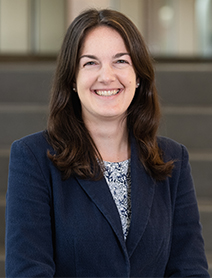
Gro RødneView profile
Associate Professor
- Architecture
- Art and Landscape Integration
- Problem-Based Learning (PBL) in Architecture Education
- +3 more
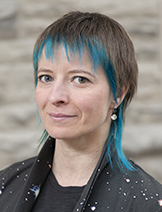
Gro Rødne is an Associate Professor at the Department of Architecture and Technology, Faculty of Architecture and Design, NTNU. She serves as the study program leader for the master's program in Architecture and Project Manager of the TRANSark initiative. She holds a degree in architecture from the Norwegian Technical University (NTH) and has extensive experience in both academic roles and architectural practice, including co-founding Agraff Architects (2001–2016). Her research focuses on the intersection of architecture, art, and landscape, emphasizing hands-on learning through the 'Making is Thinking' approach. Education: Graduated in Architecture from NTH (1993), with additional studies at the Academy of Fine Arts. Academic roles include course coordination for foundational and advanced architecture courses, emphasizing problem-based learning (PBL). Research Interests: Cross-disciplinary collaboration between architecture and creative fields, transformative learning through making, and experimental pedagogical frameworks. Recent projects include large-scale installations like Exploding windows (2024) and ULL INSTALLASJON (2021), blending art and architecture to explore public space engagement. Publications span architectural pedagogy, experimental installations, and collaborative design workshops. Her work often highlights interdisciplinary methods and community-driven projects. Notably, she contributed to TRANSark Publication - Book 0 (2014) and co-authored chapters in The Power of Experiment (2017). She has led workshops like re-ACT by Design (2018) and reMaking is reThinking (2017), fostering innovation in architectural education. Her research emphasizes trust, risk-taking, and creativity in learning environments. Labs/Teams: Active in TRANSark, a center for transformative architectural education at NTNU. Collaborations include partnerships with Circa Teater, KORO (art in public spaces), and international institutions like the University of Antwerp.