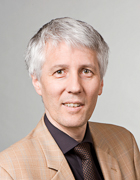
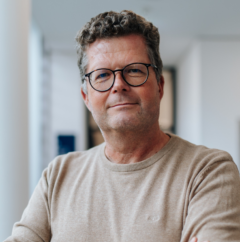
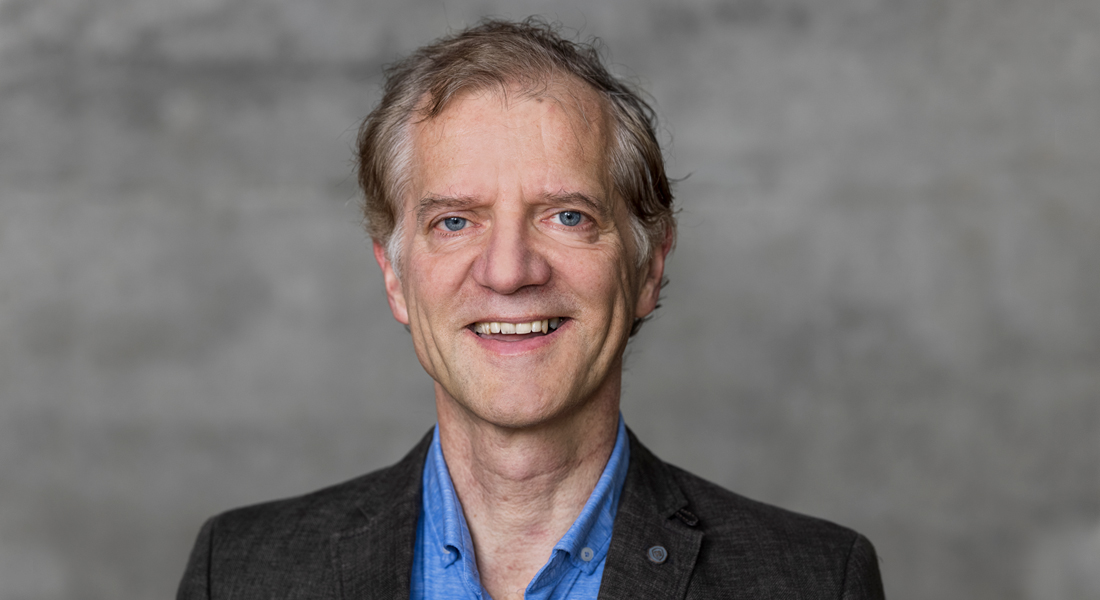
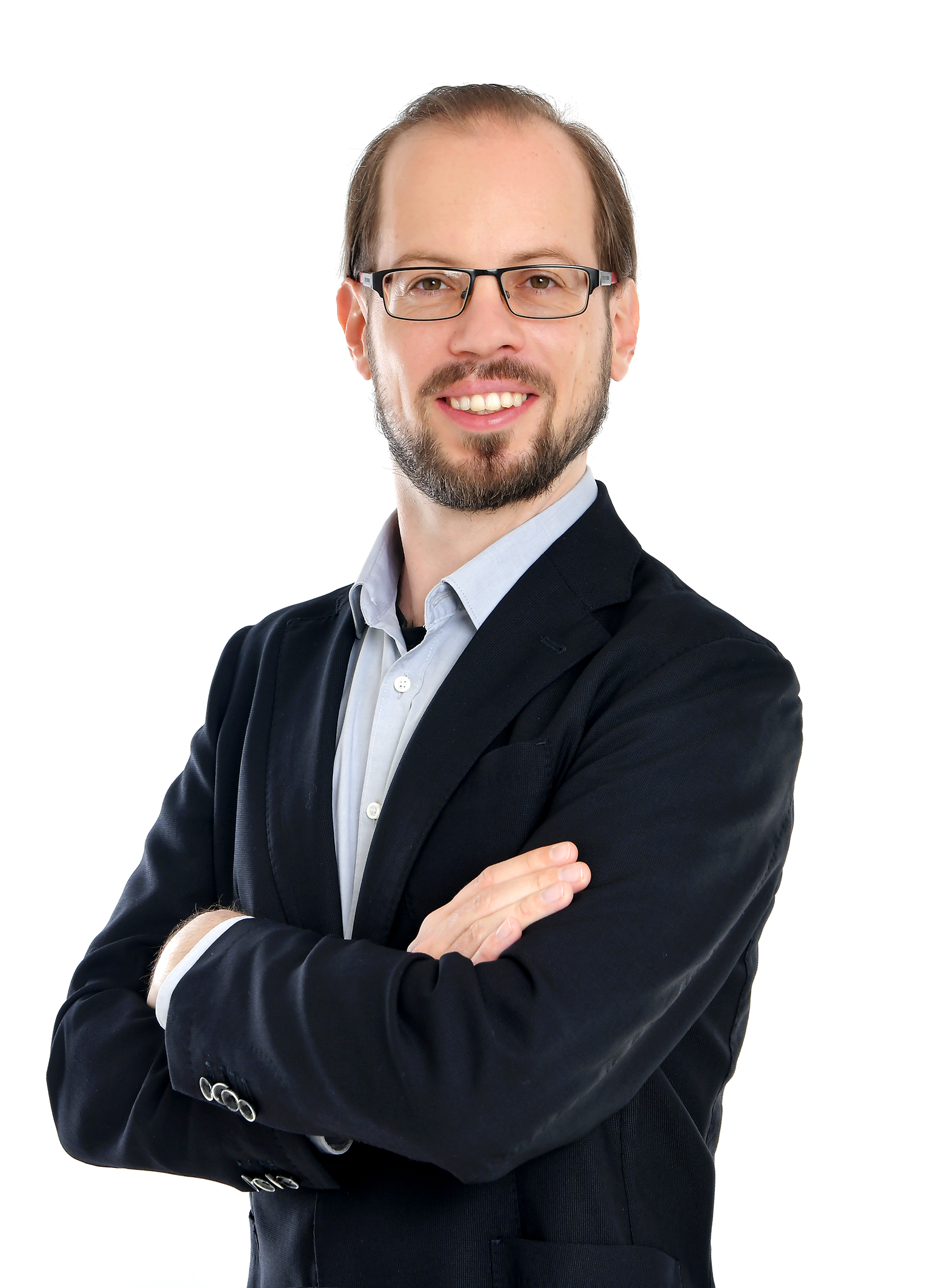
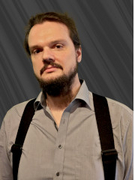
Jonas Fischer is the head of the Explainable Machine Learning group at the Max Planck Institute for Informatics, Department of Computer Vision and Machine Learning. His research focuses on interpreting complex machine learning models, particularly in genomics and healthcare, aiming to enhance robustness and alignment with human decision-making. Prior to his role at MPI, he was a postdoctoral fellow at Harvard University's Department of Biostatistics, where he worked on interpretable models for gene regulatory systems in cancer. Education: PhD in Computer Science from Saarland University (2022), with a thesis titled More than the sum of its parts , exploring the intersection of pattern mining and deep learning. He has contributed to advancing methods in neural network pruning, federated learning, and low-dimensional embeddings (e.g., dtSNE, Mercat). His work bridges computational biology, data mining, and machine learning, with applications in DNA methylation analysis, graph-based differential networks, and biomedical informatics. Key research areas include: (1) Explainable AI and neural network interpretability, (2) Biomedical applications of machine learning (e.g., gene regulatory networks, cancer genomics), (3) Low-dimensional embeddings and visualization techniques, (4) Federated learning for privacy-preserving collaborative models, and (5) Pattern mining for error analysis in NLP and classification tasks. Publications span top venues like NeurIPS, ICLR, Bioinformatics, and Genome Biology. His group develops tools such as BONOBO for omics data integration and node2vec2rank for scalable graph analysis. He actively collaborates with biomedical researchers to address challenges in data-driven healthcare and precision medicine.
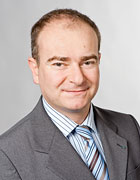
Prof. Alois Christian Knoll is a full professor at the Technical University of Munich (TUM) in the School of Computation, Information and Technology. His academic career includes roles at Bielefeld University and leadership in major EU initiatives like the Human Brain Project and ECHORD++. He specializes in robotics, AI, and autonomous systems, with a focus on medical robotics, sensor-based systems, and neuromorphic engineering. Knoll has supervised over 100 doctoral theses and authored/co-authored over 1,000 publications. Education: Diploma in Electrical Engineering (University of Stuttgart, 1985); PhD in Computer Science (Technical University of Berlin, 1988); Habilitation (TU Berlin, 1993). He has been at TUM since 2001, leading the Robotics, AI, and Real-Time Systems department. Research interests span autonomous systems, neuro-IT integration, and traffic simulation. Key projects include fortiss (Bavarian State Institute for Computer Science) and TUM-CREATE (Singapore collaboration). Awards include IEEE Fellow, University of Tokyo Fellow, and the Carl-Ramsauer-Prize (1990). Current roles include editorships in robotics journals, leadership in EU flagship projects, and teaching across multiple programs. His work bridges computer science, neuroscience, and engineering, with applications in healthcare, automotive systems, and urban mobility.
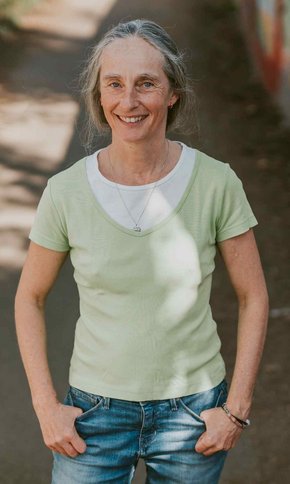
Angela Capel Cuevas is an Assistant Professor of Quantum Information Theory/Theoretical Quantum Computation at the University of Cambridge's Department of Applied Mathematics and Theoretical Physics (DAMTP). Previously, she held a Junior Professorship at Eberhard Karls Universität Tübingen (2021-2024) and was an MCQST Distinguished PostDoc at TU München (2020-2021). Her research focuses on the intersection of quantum information theory and quantum many-body systems, particularly studying thermalization dynamics via quantum functional inequalities. She is a recipient of the Simons Emmy Noether Fellowship and Forbes 30 Under 30 (Spain 2023). Education: PhD in Mathematics, Universidad Autónoma de Madrid/ICMAT (2015-2019) Master in Computational Engineering and Mathematics, URV/UOC (2016-2018) Bachelor in Mathematics, Universidad de Granada (2009-2014) Research: Angela's work applies analytic and geometric tools to quantum systems, emphasizing decay of correlations in Gibbs states and quantum dissipative evolutions. Key topics include entropy inequalities, modified logarithmic Sobolev inequalities, and thermalization rates in spin chains. Her recent work bridges quantum functional analysis with practical implications for quantum computing and thermalization phenomena. Grants & Roles: PI of CRC TRR 352 'Mathematics of Many-Body Quantum Systems' (7M€) Co-PI of QuantERA project TouQan (1.25M€) Organized workshops at BIRS and Tübingen (2023-2024) Awards: Simons Emmy Noether Fellowship (2023) Forbes 30 Under 30 (2023) Vicent Caselles RSME-FBBVA Award (2022) Labs/Teams: Leads a group studying quantum dissipative systems and thermalization at DAMTP. Collaborates with institutions globally on quantum functional inequalities and Gibbs state properties.
Professor Knut Reinert is a leading figure in algorithmic bioinformatics at the Free University of Berlin, where he holds a professorship in the Department of Mathematics and Computer Science. He also maintains a significant affiliation with the Max Planck Institute for Molecular Genetics in Berlin, where he leads the Efficient Algorithms for Omics Data group. His research spans both institutions through the Reinert Lab, which focuses on developing novel computational approaches for biological data analysis. Reinert's educational background includes a Diploma in Computer Science (1994) and a Doctorate (Dr. Ing./Ph.D., 1999, with honors) from the Max-Planck-Institut for Computer Science and Universität des Saarlandes in Saarbrücken. Prior to his professorship, he worked as a computer scientist under Prof. Gene Myers at Celera Genomics in Rockville, USA (1999-2002). His primary research interests center on algorithmic bioinformatics with specific focus on developing novel algorithms and data structures for biomedical mass data analysis. This includes creating mathematical models for genomic sequence analysis and algorithms for mass spectrometry data to detect differential protein expression between normal and diseased samples. His work bridges the gap between computational tool development and practical biological applications, with particular emphasis on NGS and proteomics data. The publications and projects led by Prof. Reinert demonstrate a consistent focus on advancing computational methods in bioinformatics. His research spans genomic sequence analysis, RNA research (particularly long non-coding RNAs), parallel computing applications, and GPU acceleration for biological data processing. The work shows increasing sophistication in handling large-scale biological datasets through innovative algorithmic approaches. Intel® Parallel Computing Center designation for his lab CUDA Research Center status DFG funding of 530 thousand Euros for RNA research de.NBI funding of 2 million Euros BMBF funded projects 'LIVE-DREAM' and 'EssBar' Prof. Reinert leads multiple significant research projects and has established strong collaborations with international partners including Texas A&M, Kings College London, Eberhardt-Karls Universität Tübingen, Robert-Koch-Institute, and various Turkish institutions. His lab receives funding from major organizations including DFG, BMBF, and Intel. The Reinert Lab maintains active teaching responsibilities at FU Berlin, offering courses at BSc, MSc, and PhD levels using both traditional and innovative learning concepts like e-learning and inverted classrooms. The Reinert Lab consists of two interconnected research groups that work closely with experimental biologists and medical researchers to develop practical computational solutions for real-world biological problems. The lab has established itself as a key player in the German and international bioinformatics community through its development of the widely-used SeqAn library and participation in national infrastructure initiatives.
Prof. Marc Stamminger is a Professor of Visual Computing at FAU since 2002, leading the Chair of Computer Science 9 (Computer Graphics). His work focuses on algorithms for synthesizing and analyzing images through 3D modeling, LiDAR/Radar capture, and light simulation. He co-leads FAU Solar, applying 3D modeling for environmental lighting analysis under varying conditions. Stamminger has published over 250 papers, winning prestigious awards like the Siggraph Test-of-Time Award. He holds executive roles in Eurographics and is Vice Dean of FAU's Technical Faculty. Research interests span neural rendering , 3D reconstruction , radar imaging , and medical visualization . Recent work emphasizes radiance field rendering (e.g., VR-Splatting, INPC) and radar-based human motion tracking. His lab's FAU Solar project integrates large-scale 3D models with environmental lighting simulations. Publications trends highlight neural rendering optimizations , radar-MIMO systems , and agricultural digital twins . Key collaborations involve medical imaging (e.g., vocal fold reconstruction) and autonomous driving data generation. Awards: Siggraph Test-of-Time (2023?), 2× Siggraph Best-Of-Show Grants/Teams: FAU Solar Lab, Eurographics leadership, FAU Vice Dean Labs: Chair of Computer Science 9, FAU Solar Initiative
Professor Matthias Mann is a world-leading scientist serving as Director of the Proteomics and Signal Transduction department at the Max Planck Institute of Biochemistry in Martinsried, Germany, and Director of the Proteomics department at the Novo Nordisk Foundation Center for Protein Research, Faculty of Health Sciences, University of Copenhagen, Denmark. With an h-index exceeding 277 and over 350,000 citations, he is recognized as the highest cited German researcher and one of the most influential scientists globally in proteomics. His educational background includes: Ph.D. in Chemical Engineering from Yale University (1988) Master's Degree in Physics from Georg August University Göttingen (1984) Bachelor's of Arts in Mathematics from Georg August University Göttingen (1982) Professor Mann's research focuses on advancing mass spectrometry-based proteomics to understand biological systems at the protein level. His work spans technological developments in mass spectrometry, bioinformatics and computational analysis, signal transduction and posttranslational modifications, and clinical proteomics applications for disease diagnosis and treatment. The Mann lab has pioneered groundbreaking methods like SILAC for quantitative proteomics and MaxQuant for proteome data analysis. Their vision is to translate proteomics knowledge into clinical practice for predictive, diagnostic, and preventive medicine, with recent work focusing on AI-guided platforms for analyzing proteomes from minimal tissue samples. Analysis of Professor Mann's recent publications reveals a strong trend toward clinical applications of proteomics, particularly in cancer research, metabolic diseases, and neurodegenerative disorders. His work increasingly integrates spatial proteomics, single-cell resolution techniques, and artificial intelligence approaches to uncover disease mechanisms and identify potential biomarkers, with a clear shift from basic technology development toward direct clinical applications and personalized medicine. Professor Mann has received numerous prestigious awards throughout his career: 2025: Elected member of the American National Academy of Sciences 2024: Dr. H.P. Heineken Award for Biochemistry and Biophysics 2023: Otto Warburg Medal 2019: Nominated member of the Bavarian Academy of Sciences 2013: Elected member of Leopoldina German National Academy of Sciences 2012: Körber European Science Award, Louis-Jeantet Foundation Prize for Medicine, Ernst Schering Prize, and Leibniz Prize Professor Mann leads a highly collaborative research team involved in multiple international networks including the Bill & Melinda Gates Foundation, Michael J. Fox Foundation for Parkinson's Research, CLINSPECT-M, and Munich Heart Alliance. His lab has mentored numerous successful researchers, with several former postdocs receiving prestigious ERC Starting Grants. The Mann group has developed innovative clinical proteomics pipelines for analyzing archived tissue specimens and body fluids, aiming to identify protein markers for early detection of diseases such as diabetes and cancer. The Mann lab operates across two major research centers with state-of-the-art mass spectrometry facilities. Their Clinical Knowledge Graph platform integrates multi-omics data with extensive metadata, creating an ecosystem for machine learning applications in proteomics. Current research focuses on developing highly sensitive methods that can profile thousands of proteins from minimal cell samples, enabling the identification of critical disease-related proteins and supporting the development of individualized therapies.
Matthias Feurer is a Thomas Bayes Fellow and interim professor at the Chair of Statistical Learning and Data Science, funded by the Munich Center for Machine Learning (MCML) at Ludwig Maximilian University of Munich. He is a member of the Department of Statistics at LMU Munich, working under Prof. Dr. Bernd Bischl. His academic background includes: PhD in Computer Science from Albert-Ludwigs-Universität Freiburg, supervised by Prof. Dr. Frank Hutter M.Sc. in Computer Science from the University of Freiburg B.Sc. in Computer Science and Media from the Media University Stuttgart Feurer's research focuses on simplifying machine learning usage through Automated Machine Learning (AutoML). His work encompasses hyperparameter optimization, meta-learning, and model selection, with increasing emphasis on multi-objective AutoML that considers factors beyond predictive performance such as interpretability, deployability, and fairness. He actively develops open-source tools to advance the field. His recent publications demonstrate a strong trajectory in practical AutoML systems, with growing attention to tabular machine learning, foundation models integration, and addressing real-world constraints in optimization. His work consistently bridges theoretical advances with practical implementations through several widely-used open-source projects. Notable achievements include: 1st place in the warmstarting-friendly leaderboard of the BBO NeurIPS challenge Winner of the 2nd AutoML challenge Winner of the kdnuggets blog contest on AutoML Feurer is actively mentoring and teaching, having advertised PhD positions focused on AutoML, optimization, and benchmarking. He co-founded the Open Machine Learning Foundation supporting OpenML.org. His upcoming move to TU Dortmund as an assistant professor in AutoML and Optimization signals continued growth in his academic career while maintaining his research focus on making machine learning more accessible and rigorous.
Michael Muehlebach leads the independent Learning and Dynamical Systems research group at the Max Planck Institute for Intelligent Systems in Tuebingen, Germany. His interdisciplinary work bridges machine learning, dynamical systems theory, and control engineering to develop algorithms for cyber-physical systems with theoretical guarantees and practical implementations. Dr. Muehlebach received his B.Sc. and M.Sc. in Mechanical Engineering from ETH Zurich in 2010 and 2013, specializing in robotics and control systems. He completed his Ph.D. at ETH's Institute for Dynamic Systems and Control under Prof. R. D'Andrea in 2018, followed by postdoctoral research with Prof. Michael I. Jordan at UC Berkeley. His research focuses on constrained optimization, reinforcement learning, and control theory with applications in robotics. He pioneered approaches that express constraints in terms of velocities rather than positions, enabling more efficient optimization algorithms. His work spans theoretical foundations to physical implementations, including the One-Wheel Cubli balancing robot and electromagnetic navigation systems. Recent publications reveal a strong trend toward physics-informed machine learning, particularly for robotics applications requiring real-time performance and safety guarantees. Dr. Muehlebach has received numerous prestigious awards: Outstanding D-MAVT Bachelor Award Willi-Studer prize for best Master's degree ETH Medal and HILTI prize for doctoral thesis Branco Weiss Fellowship (2018) Emmy Noether Fellowship (2020) Amazon Fellowship (2024) He actively mentors doctoral researchers including Hao Ma, Melis Ilayda Bal, and Onno Eberhard, with research supported by multiple grants. His group maintains strong collaborations with Bernhard Schölkopf's Empirical Inference group at the Max Planck Institute. The Learning and Dynamical Systems group develops innovative hardware and software platforms, including Floaty (a wind-harnessing flying robot), advanced electromagnetic navigation systems, and data-efficient learning methods for robotic table tennis. Their approach combines rigorous theoretical analysis with practical validation on physical systems, emphasizing the integration of known physical structure into machine learning algorithms to improve sample efficiency and ensure generalization.
Dr.-Ing. Tobias Fiebig is a Senior Researcher at the Max Planck Institute for Informatics (Internet Architecture department) since April 2022. He previously served as a permanent Assistant Professor at TU Delft's Faculty of Technology, Policy and Management from 2017-2022. His work combines network measurement with human factors to improve security practices, focusing on email protocols, DNS infrastructure, and academic cloud migration. PhD in Computer Science from TU Berlin (2017) MSc in System and Network Engineering from University of Amsterdam (2013) BSc in Cognitive Science from University of Osnabrück (2012) His research spans Internet security (DNS, IPv6, email), academic freedom in cloud contexts, and human-centered security challenges. Recent work analyzes MTA-STS deployment, DNS sampling biases, and university cloud migration privacy implications. He has presented at top conferences including USENIX Security , IEEE Symposium on Security and Privacy , and ACM CCS . Teaching roles include lecturing Data Networks (2023-24) and On the Practice of System and Network Engineering (2024), with prior module management in cyber security analytics and sustainable system operations.
Georg Martius is a Full Professor in the Department of Computer Science at the University of Tübingen's Faculty of Science and a Max Planck Research Group Leader at the MPI for Intelligent Systems. Since April 2023, he has been a core member of the DFG-funded Cluster of Excellence 'Machine Learning: New Perspectives for Science,' which received extended funding through 2032 for its mission to integrate machine learning into fundamental scientific discovery processes. His academic foundation includes a PhD from the University of Göttingen and Bernstein Center for Computational Neuroscience (2005), a Diploma in Computer Science from the University of Leipzig (2003), and a visiting research period at the University of Edinburgh's Division of Informatics. Postdoctoral positions followed at the Max Planck Institutes for Dynamics and Self-Organization (Göttingen, 2009), Mathematics in the Sciences (Leipzig, 2010), and IST Austria (2015). Professor Martius's research pioneers the intersection of reinforcement learning, robotics, and tactile sensing, with emphasis on developing autonomous systems capable of natural locomotion, dexterous manipulation, and physical-world understanding. His work bridges theoretical machine learning with practical hardware applications, particularly in creating differentiable simulators, superresolution tactile sensors, and biologically plausible learning frameworks for robotic control. Analysis of his 2024-2025 publications reveals dominant trends in offline reinforcement learning (especially goal-conditioned and diversity-maximization techniques), object-centric representation learning for video understanding, and tactile sensing innovations. A strong thread connects foundation models to world model construction, while his work on differentiable physics engines enables precise collision handling and contact dynamics for real-world robotic control. His leadership roles include directing the Distributed Intelligence research team at Tübingen and contributing to major collaborative initiatives like the Real Robot Challenge and Myochallenge 2022. The Cluster of Excellence appointment represents recognition of his contributions to transforming scientific methodology through machine learning, particularly in automating hypothesis generation and experimental design. Current projects focus on integrating large-scale machine learning with embodied intelligence, advancing tactile perception systems like the Minsight vision-based sensor, and developing neuroplasticity-inspired approaches for robust out-of-distribution detection. His work directly impacts fields requiring physical interaction intelligence, from autonomous navigation to medical robotics, with emphasis on sample-efficient learning from limited real-world data.
Michael Mühlebach is a Research Group Leader at the Max Planck Institute for Intelligent Systems in Tübingen, Germany, leading the independent Learning and Dynamical Systems group. His academic journey began at ETH Zurich where he earned his B.Sc. (2010) and M.Sc. (2013) in mechanical engineering, specializing in robotics, systems, and control. He completed his Ph.D. at ETH Zurich in 2018 under Prof. R. D'Andrea, followed by postdoctoral research at UC Berkeley with Prof. Michael I. Jordan. Dr. Mühlebach's research spans machine learning, dynamical systems, control theory, and optimization . His work bridges theoretical foundations with practical applications in robotics, developing methods that incorporate physical constraints and system dynamics into learning frameworks. His group focuses on online learning, physics-informed machine learning, and large-scale optimization for cyber-physical systems, with applications in electromagnetic navigation, robotic table tennis, and energy-efficient flight systems like the shape-changing robot Floaty . His publication record shows a strong focus on constrained optimization, with recent work exploring decision-dependent stochastic optimization, nonlinear feedback, and the theoretical foundations of reinforcement learning. His research integrates perspectives from control theory, dynamical systems, and optimization to develop algorithms with strong theoretical guarantees and practical performance. Outstanding D-MAVT Bachelor Award Willi-Studer prize for best Master's degree ETH Medal and HILTI prize for doctoral thesis Branco Weiss Fellow (2018) Emmy Noether Fellowship (2020) Amazon Fellowship (2024) Dr. Mühlebach actively mentors doctoral researchers and is seeking talented students for PhD and Master's projects. His research group has received funding from multiple prestigious fellowships and maintains collaborations across institutions including ETH Zurich, UC Berkeley, and various Max Planck research units. The group's work spans theoretical developments to practical implementations on robotic systems, demonstrating strong connections between mathematical theory and physical realization.
Anastasia Ailamaki is a Professor at the Swiss Federal Institute of Technology in Lausanne (EPFL), renowned for her work in database systems and data management . Her research focuses on optimizing query processing for modern hardware, particularly GPUs and heterogeneous systems, and advancing cloud data analytics with serverless architectures like PixelDB . She has co-authored influential frameworks for adaptive query optimization , hardware-conscious database engines , and model-relational data management . Key research areas: GPU acceleration , HTAP , query approximation , spatial data processing , and cloud-native databases . Recent work emphasizes cross-task optimizations in distributed environments, efficient sampling , and context-aware joins integrating vector embeddings. In 2023, she contributed to adaptive recursive query optimization and speculative K-means clustering, while 2024 publications addressed proportional caching (HPCache) and model-relational systems . Her collaborations span institutions such as MIT, Microsoft, and ETH Zurich, with publications in top venues like SIGMOD , VLDB , and ICDE .
Anna Levina is an Assistant Professor for Computational Neuroscience at the University of Tübingen , affiliated with the Department of Computer Science under the Faculty of Science. Her research focuses on the self-organization of neuronal activity, critical dynamics in neural networks, and the excitation/inhibition balance in cortical circuits. Current positions: Assistant Professor (since 2018), Group Leader (2017-2018), Equality Officer (Computer Science) Previous roles: IST Fellow (2015-2017), Associated Researcher (2011-2015), Postdoc/PI (2011-2015), Postdoc (2008-2011) Her research integrates mathematical modeling , statistical physics , and computational neuroscience to study criticality phenomena, neural avalanches, and adaptive network dynamics. Key interests include: Self-organized criticality in neural systems Excitation/Inhibition balance mechanisms Network topology and dynamics Timescale analysis in neural processing Stochastic modeling of neural activity Recent publications reveal trends in understanding critical dynamics across biological and artificial networks, with applications to memory systems, sensorimotor integration, and disease modeling. She has received recognition as an IST Fellow .
Prof. Massimo Fornasier holds the Chair of Applied Numerical Analysis at the Technical University of Munich (TUM), within the School of Computation, Information and Technology and the Department of Mathematics. His research focuses on mathematical modeling, numerical analysis, and data-driven methods, particularly in areas like compression, sparse recovery, and optimization. He has made significant contributions to consensus-based optimization, control of multiagent systems, and applications in image/signal processing. Education: PhD in Computational Mathematics, University of Padua (2003) Postdoctoral fellowships at University of Vienna, Sapienza University of Rome, and Princeton University Awards: ERC Starting Grant (2012) START Prize (2011) Prix de Boelpaepe (2009) His work bridges theoretical analysis and computational methods, with applications ranging from compressive sensing to machine learning. Recent research emphasizes consensus-based optimization frameworks and their global convergence properties. Editorial roles include journals like Networks and Heterogeneous Media and Calcolo . He leads research groups in areas such as Data Science and Numerical Analysis at TUM.
Dr. Heike Wex is a prominent atmospheric scientist at the Leibniz Institute for Tropospheric Research in Leipzig, Germany, where she serves as a Researcher in the Atmospheric Microphysics department. With over two decades of continuous research since completing her PhD in 2002, she has established herself as a leading expert in aerosol-cloud interactions and ice nucleation processes. Her work spans multiple international collaborations and major research initiatives including (AC)³, PICNIC, MarParCloud, and PI-ICE projects. Her research focuses on experimental investigations and theoretical descriptions of aerosol-cloud interactions, with specific expertise in hygroscopic growth at high relative humidities (>99% RH), particle activation to cloud droplets, heterogeneous ice nucleation processes, and the role of atmospheric aerosol particles as nuclei for cloud droplets and ice formation. Her work bridges atmospheric physics, climate science, and environmental chemistry, with significant contributions to understanding how microscopic processes affect cloud formation and climate. Analysis of her recent publications reveals a strong focus on polar and marine environments, with particular attention to biological contributions to ice nucleation, seasonal variations in Arctic aerosols, and the development of advanced measurement techniques. Her work consistently addresses fundamental questions about how aerosols influence cloud properties and climate systems, with increasing emphasis on climate-relevant processes in polar regions. Dr. Wex has held significant leadership positions, including serving as Vice President of the International Commission on Clouds and Precipitation (ICCP) from 2021-2024. She is also actively engaged with Scientists for Future in Leipzig, demonstrating her commitment to addressing climate change through scientific expertise and public engagement. Beyond her research, she has organized numerous scientific workshops and field campaigns, including leadership roles in the LExNo experiment, FROST projects, and the 16th International Conference on Clouds and Precipitation. Her work has established important methodological approaches for studying ice nucleation and has contributed significantly to our understanding of aerosol impacts on cloud formation across diverse environments from the Arctic to the tropics.