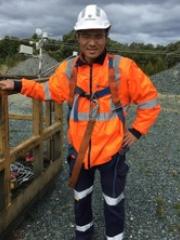
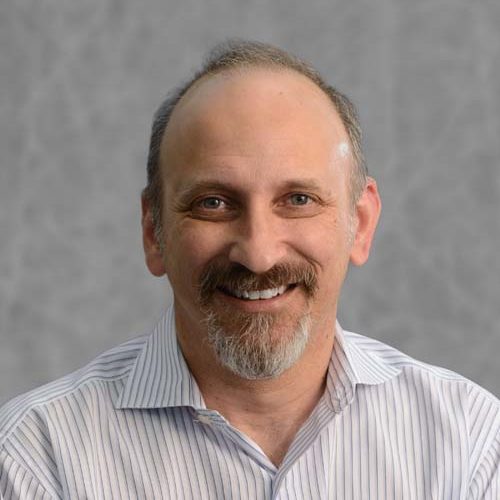
Dr. Chenming Zhang is an Advanced Queensland Industry Research Fellow at the School of Civil Engineering, The University of Queensland. His research focuses on hydrological processes in coastal and terrestrial groundwater systems, with particular emphasis on evaporation-driven mass and heat transport in soils and tailings, and hydrogeochemical dynamics in aquifers and mine waste systems. Specializes in IoT-based environmental monitoring Develops numerical models for coastal aquifer dynamics Conducts field and laboratory experiments on tailings behavior Research interests span coastal hydrology, groundwater modeling, mine waste management, and environmental monitoring. He works on contamination transport, aquifer protection, and climate impacts on water systems. Recent publications analyze: Iron curtain formation in subterranean estuaries Sea water intrusion mechanisms Salinity dynamics in tidal wetlands Smart sewer monitoring systems Scientific awards include the prestigious Advanced Queensland Industry Research Fellowship. He supervises multiple PhD projects on mine waste hydrology and coastal aquifer management, with notable collaboration on: Evolution Mining's gold tailings projects ARC Discovery Projects on coastal processes Grange Resources' PAF cell instrumentation His work combines field measurements, laboratory testing, and computational modeling to address critical environmental challenges in mining and coastal zones.
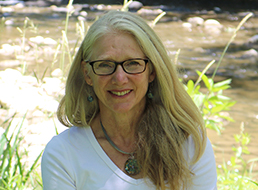
Jenny Kao-Kniffin is a Professor in the Horticulture Section of the School of Integrative Plant Science at Cornell University. Her research focuses on the belowground ecology of horticultural landscapes, particularly the ecology and management of invasive plants and weeds in horticultural landscapes, wetlands, and urban ecosystems. She applies concepts from microbial ecology to understand how soil microorganisms impact plant populations both beneficially (aiding in plant growth and fitness) and negatively (keeping populations in check). Dr. Kao-Kniffin's research interests include: Weed science and ecological management of weeds Urban ecology and urban agriculture Rhizosphere biology and plant-microbe interactions Soil microbiome selection and manipulation Ecological approaches to sustainable agriculture Her work centers on three main research areas: selection of rhizosphere microbiomes that modulate plant traits, identifying functional roles of microbiomes that mediate plant growth, and assembly of plant-microbial communities that enhance ecosystem services. She has demonstrated that microbiomes can be manipulated to alter flowering time in plants and has developed ecological approaches for weed management through soil carbon amendments. Her recent publications reveal a strong focus on urban soil microbiomes, nitrogen cycling in agroecosystems, and the application of microbial ecology to sustainable agriculture. The research spans from fundamental plant-microbe interaction studies to practical applications in urban agriculture and weed management, with particular emphasis on how soil amendments and microbial communities can be leveraged for ecological management of plant systems. Notable scientific achievements include: The White House Presidential Early Career Award for Scientists and Engineers (PECASE), 2019 Weihenstephan Science Award, International Collaboration for Early Career Scientists 2017 Cornell University CALS Award for Excellence in Mentoring Undergraduate Students in Independent Research 2013 Dr. Kao-Kniffin actively mentors graduate students and has developed extension programs focused on assisting public and private audiences with methods to manage weedy and invasive plants in horticultural landscapes. Her lab has developed a web-based software program that allows users to select weed management methods based on conventional or organic preferences. She teaches PLSCI 4900: Reflection on Plant Sciences Experiential Learning and maintains an active research program with several ongoing projects in urban agriculture, particularly working with New York City farmers to construct clean soil from local materials.
Luca Sebastiani is a Full Professor in Horticultural Sciences (AGR/03) at Scuola Superiore Sant'Anna in Pisa, Italy, since 2014. He currently coordinates the PhD Course in AgroBioSciences and has previously served as Director of the Institute of Life Sciences (2016-2021). His academic career includes roles as Associate Professor (2002-2014) and Assistant Professor (1998-2002) at the same institution. PhD in Plant Biology from Scuola Superiore Sant'Anna (1996) MSc in Agricultural Sciences from University of Pisa (cum laude, 1991) Postdoctoral research in agricultural biotechnology (1996-1998) Research Interests: Focus on plant-environment interactions, particularly abiotic and biotic stress responses in crops. Key areas include: Physiological and molecular responses to climate change stressors Nutraceutical enhancement of food crops Plant germplasm conservation using molecular markers Agriculture 4.0 integrating AI, IoT, and robotics Phytoremediation using poplar and Brassica species Scientific Contributions: His work bridges molecular mechanisms (aquaporin function, heavy metal transport) with ecosystem-level applications (precision irrigation, contaminant phytoremediation). Recent publications emphasize genome sequencing, stress tolerance modeling, and nutraceutical food development. ISHS Medal for SapFlow Workshop organization (2011) Giovanni Spitali Foundation Award for PhD dissertation (1998) Collaborations: Extensive international collaborations with institutions like Beijing Forestry University, Comenius University, and Purdue University. Currently supervises projects in plant phenotyping, omics technologies, and sustainable crop management.
Dr. Erica Garcia is a Senior Lecturer in Environmental Science at Charles Darwin University’s Faculty of Science and Technology, specializing in aquatic ecology. She leads research on river, wetland, and groundwater ecosystems, focusing on food web dynamics and biodiversity in changing environments. Her current projects include citizen science initiatives for groundwater security and wetland condition assessments. Dr. Garcia holds a PhD from Michigan State University (2006) and a B.A. from the University of California, Berkeley (1999). She teaches courses in ecology and resource management and collaborates on interdisciplinary projects addressing water sustainability in Northern Australia. Her research spans observational, experimental, and molecular methods to understand ecosystem processes. Education: PhD in Zoology/Ecology, Evolutionary Biology and Behavior, Michigan State University (2000–2006) Bachelor of Science in Integrative Biology, University of California, Berkeley (1995–1999) Research Interests: Dr. Garcia’s work emphasizes freshwater ecosystems, including food web interactions, groundwater ecology, and the impacts of human activities on riverine systems. She employs eDNA, isotopic analysis, and remote sensing to assess ecosystem health and biodiversity. Current projects investigate groundwater resources and citizen science approaches to environmental monitoring. Grants & Projects: Co-lead on the Northern Australian Community Groundwater Security Project (citizen science) Principal Investigator for the Adelaide River Aquatic Ecosystem Mapping project (2023–2024) Collaborator on the Water Security for Northern Australia Program (2023–2026) Labs/Teams: She is affiliated with the Research Institute for the Environment and Livelihoods at CDU and collaborates with international networks on global river ecology and climate change impacts.
Professor Sabine Dittmann is a leading expert in coastal ecosystem ecology and marine sciences at Flinders University, Australia. As a Professor of Marine Biology in the College of Science and Engineering, her work bridges research and environmental management, focusing on hypersaline estuaries, blue carbon restoration, and invasive species control. She holds a Habilitation in Ecology from the University of Bremen (2001), PhD from the University of Göttingen (1987), and MSc from the same institution (1984). Her research interests include coastal ecosystem health, mangrove and saltmarsh restoration, and decision support frameworks for marine conservation. She has advised government agencies on marine parks, Commonwealth Marine Reserves, and the Coorong ecosystem. Key roles include national president of the Australian Marine Sciences Association (2012–2014), current president of the Royal Society of South Australia, and member of the Australian Antarctic Science Council since 2019. Her recent work emphasizes the global challenges of hypersaline wetland restoration, invasive species impact, and blue carbon methodologies. Over 112 publications span estuarine dynamics, benthic macrofauna, and policy-relevant ecosystem assessments. Projects like the Coorong benthic surveys highlight her commitment to translating science into conservation action.
Wiebe M. de Vos is a Full Professor at the MESA+ Institute, University of Twente, where he leads research in advanced membrane technologies. His work bridges fundamental polymer chemistry and practical applications in water treatment and sustainability. Full Professor, MESA+ Institute, University of Twente His research focuses on membrane science, particularly polyelectrolyte multilayer systems, nanofiltration, and sustainable material design. He investigates how surface chemistry, phase separation, and polymer interactions influence membrane performance in complex aqueous environments. His work addresses critical challenges such as nanoplastics removal, salinity management, and micropollutant degradation. The recent publications highlight a strong trend in developing next-generation membranes with enhanced stability, selectivity, and environmental compatibility. His team explores pH-responsive systems, biocatalytic membranes, and scalable fabrication methods, contributing significantly to both academic knowledge and industrial applications in water purification. No scientific awards were mentioned in the provided text. Dr. de Vos has supervised 22 academic works, indicating active mentorship of Master’s and PhD students. While specific grants are not detailed, his extensive research output and dataset publications suggest sustained funding and collaborative projects. His research integrates experimental design, material characterization, and process engineering. His work is conducted within the MESA+ Institute, a leading nanotechnology research center, fostering interdisciplinary collaboration in materials science and engineering.
Dr. Athanasios Toumpis is a Senior Lecturer in Mechanical and Aerospace Engineering at the University of Strathclyde, UK. He holds a Master of Science from the University of Glasgow (2012) and a Master of Engineering from the National Technical University of Athens (2003). His research focuses on friction stir welding (FSW), steel metallurgy, and fatigue analysis of structural materials. Key areas include defect analysis in FSW joints, thermal-mechanical behavior of materials, and gigacycle fatigue testing of welded steels. He has led multiple research projects funded by organizations like the Royal Society and Weir Group, including the development of novel FSW technologies for nuclear applications and investigations into steel joint performance under extreme conditions. Dr. Toumpis has authored over 50 publications, with recent work emphasizing very high-cycle fatigue behavior and additive manufacturing processes. He actively participates in international conferences and serves as a principal investigator on various collaborative projects. His teaching includes courses on applied metallurgy, biomaterials, and materials selection. Research Interests: Friction stir welding of low-alloy and stainless steels Fatigue analysis of welded joints, including gigacycle testing Thermal-mechanical analysis of additive manufactured materials Metallurgical characterization of dissimilar material joints Environmental impact assessment of manufacturing processes Professional Activities & Awards: Recipient of the Global Engagement Fund (2024) Organized the First Joint International Conference on Advances in Mechanical and Aerospace Engineering (2023) Participant in the International Institute of Welding Assembly (2024) and Very High Cycle Fatigue Conference (2024) Hosted visiting researchers and collaborated with institutions like Graz University of Technology Grants & Projects (Recent): Development of a novel friction stir additive manufacturing technology (Royal Society, 2025–2026) Investigation of friction stir welded steel joints for giga-cycle applications (Weir Group, 2025–2027) ESCO buckets weld performance investigation (University of Strathclyde, 2024–2027)
Katrina Eyvindson is an Associate Professor and Department Chair in the Department of Geography and Environment at Western University. Her research focuses on paleolimnology, climate change, and water resource dynamics, with fieldwork in alpine, Arctic, and mountain lake systems. She uses lake sediment records to study long-term environmental changes and human impacts on water quality and quantity. Her research interests include determining historical drought patterns in the western U.S., Arctic environmental change over the Holocene, and water quality dynamics in the Canadian Rockies and Ontario. She teaches courses on paleolimnology and research design. Dr. Eyvindson has supervised numerous graduate students in topics like algal production in mountain lakes, diatom ecology, and fire frequency in the Uinta Mountains. Her publications address climate reconstruction, industrial pollution impacts, and environmental responses to human activity.
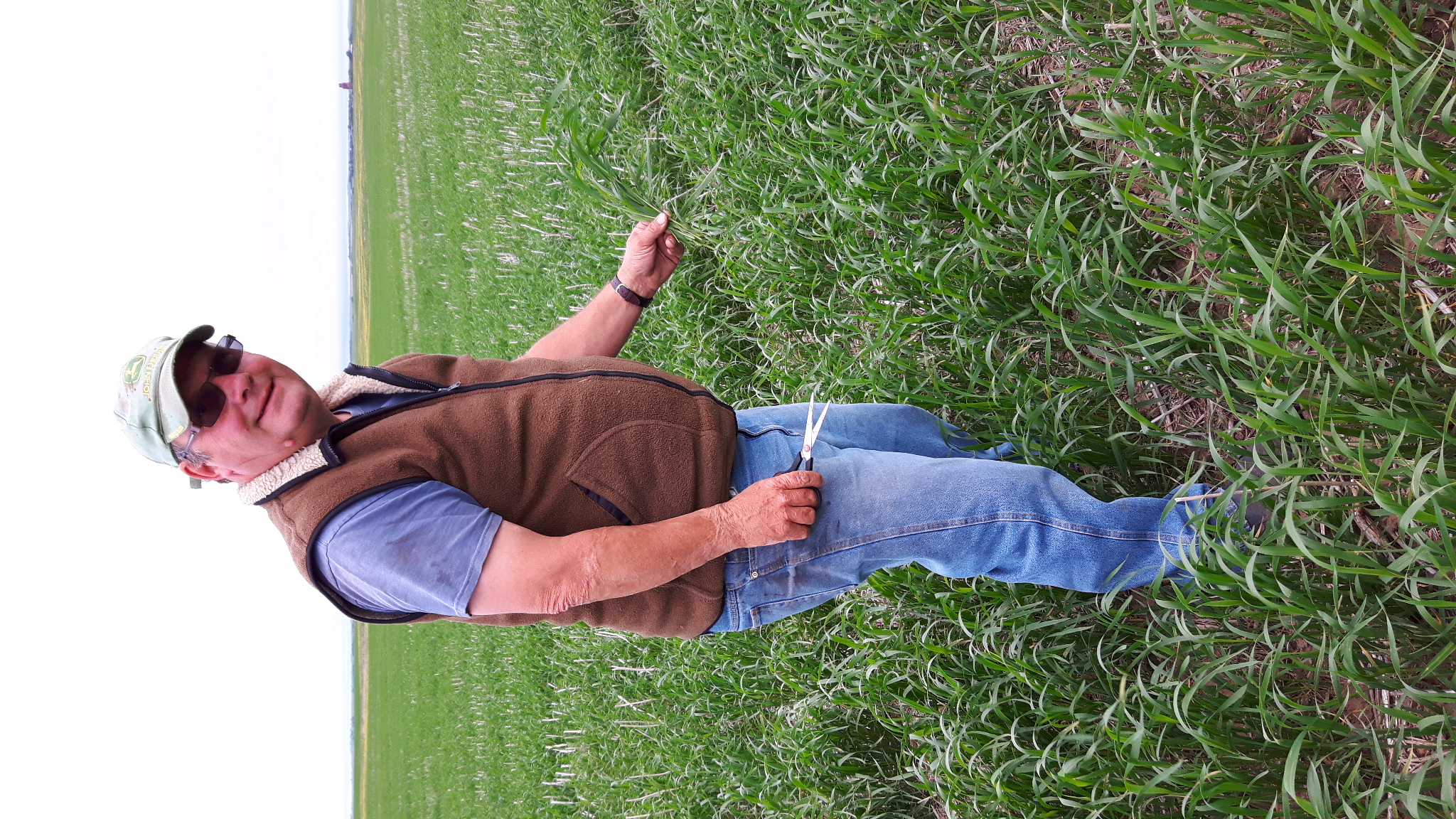
Dr. Jeff Schoenau is a Professor of Soil Fertility and Saskatchewan Ministry of Agriculture Strategic Research Chair in Soil Nutrient Management at the University of Saskatchewan's Department of Soil Science within the College of Agriculture and Bioresources. His research focuses on soil management strategies to enhance fertility, productivity, and health in prairie agricultural soils, including nutrient cycling, organic amendments, and salinity management. Education: Ph.D. (Soil Science, 1988) and B.S.A. (Agronomy, 1984) from the University of Saskatchewan. Affiliations: Fellow of the Agricultural Institute of Canada, member of the Saskatchewan Agriculture Hall of Fame (2022). Research Interests His work emphasizes 4R fertilization practices, cropping systems for soil organic matter improvement, novel nutrient/water management strategies, problem soils (e.g., saline/sodic lands), and greenhouse gas emissions mitigation. Awards Recipient of multiple accolades, including the 2024 Teaching Excellence Award, 2023 Professor of the Year, and the 2004 NSERC Synergy Award for innovation in plant root simulator technology. Teaching & Outreach Teaches courses on soil fertility, field studies, and soil characterization. Actively involved in farming with his wife, balancing academic and agricultural pursuits.
Elena Turco is an Associate Professor in the Department of Chemical, Life and Environmental Sustainability Sciences at the University of Parma, Italy, holding this position since 2015 after serving as a University researcher from 2000 to 2015. Her academic foundation includes a post-doctoral fellowship at Utrecht University and doctoral training through a consortium of Italian universities. Education: PhD in Earth Sciences (1995), consortium of Universities of Ferrara, Florence, Parma and Pavia Degree in Geological Sciences (1991), University of Parma Her research centers on high-resolution biostratigraphy and biochronology of planktonic foraminiferal assemblages across the Oligo-Miocene boundary, utilizing astronomical and magnetostratigraphic calibration. She investigates paleoceanographic and paleoclimatic dynamics of Miocene Mediterranean and oceanic environments, with emphasis on sedimentary cyclicity and foraminiferal-sediment facies relationships. Her work integrates micropaleontology with geochemical proxies to reconstruct paleoenvironmental shifts. Recent publications (2019-2024) demonstrate consistent focus on Neogene stratigraphic refinement, particularly GSSP definitions for Miocene stages and Mediterranean paleoenvironmental evolution. These studies employ integrated methodologies including bio-magnetostratigraphy, stable isotope analysis, and rock magnetism to establish chronostratigraphic frameworks and climate models. Turco actively participates in national research projects (Prin 2006, Cofin series) and international collaborations (NWO, ESF, EU), including industry partnerships with Petrobras and British Gas. Her leadership roles include Vice-Chair of the Subcommission on Neogene Stratigraphy (ICS/IUGS) since 2020 and prior service as Secretary (2004-2020), directing global efforts to standardize Miocene chronostratigraphy through GSSP working groups.
M.T.O. (Chiel) Jonker is an Assistant Professor at the Faculty of Veterinary Medicine , Utrecht University , affiliated with the Institute for Risk Assessment Sciences (IRAS) and its Toxicology division . He specializes in exposure assessment of hydrophobic organic chemicals (e.g., PFAS , PAHs , PCBs ), focusing on sorption processes , bioaccumulation dynamics , and passive sampling techniques in both in vivo and in vitro settings. His research emphasizes methodological innovation for high-quality chemical analysis (GC-MS, LC-MS) and environmental risk assessment . Recent work includes PFAS degradation , sediment toxicity testing , and temperature/salinity effects on contaminant partitioning. His 2018-2024 publications highlight passive sampling calibration , mechanistic toxicity models , and bioavailability prediction using polyoxymethylene and silicone rubber samplers .
Professor Ingrid Undeland leads the Marine research group at the Division of Food and Nutrition Science, Department of Life Sciences at Chalmers University of Technology. She is a distinguished researcher with expertise spanning marine food science, lipid chemistry, and blue biorefining, having established herself as a leading figure in sustainable seafood research and marine biotechnology. Her educational background includes food science studies from Linnaeus University and a PhD in bioscience from Chalmers University of Technology and SIK (now RISE). Between 1999-2002, she was a post-doctoral fellow at University of Massachusetts Marine Station, which significantly shaped her research trajectory in marine food science. Professor Undeland's research focuses on pioneering next-generation seafood through innovative value chains from seaweed, small pelagic fish, fish side streams, mussels, and microalgae. Her specialized expertise lies in marine lipids and proteins, particularly their stabilization, isolation from complex sources, and nutritional properties including digestibility. She has extensive experience with antioxidant strategies using plant-derived side streams or extracts and fundamental studies of fish hemoglobins as pro-oxidants. Her work also encompasses innovative technologies for biomass fractionation and nutrient recycling to build blue biorefineries, along with in vitro digestion models and general seafood analytics. Beyond marine research, she explores filamentous fungi as sustainable alternative food protein sources. The trends in her recent publications reveal a strong emphasis on valorizing marine resources through advanced processing techniques. Her work increasingly focuses on sustainable extraction methods for seaweed proteins, particularly Ulva fenestrata, and developing antioxidant strategies using berry side streams to stabilize fish proteins. There's a growing interest in understanding the nutritional properties and digestibility of alternative marine proteins, along with environmental assessments of processing technologies. Her research consistently bridges fundamental science with practical applications for creating sustainable seafood value chains. Swedish representative in Nordic Lipidforum, WEFTA, and EuCheMS Editorial board member of Journal of the Aquatic Food Product Technology Member of the National Committee for Nutrition and Food Science at the Royal Swedish Academy of Sciences Co-founder of the startup company AquaFood H-index of 47 according to Google Scholar Professor Undeland has an extensive record of academic mentorship, having supervised or currently supervising 23 PhD students, 14 postdoctoral researchers, and examining over 25 MSc students. Her research is supported by numerous grants, including the WaSeaBi Project which focuses on valorizing seafood side-streams through holistic value chain design. She collaborates with various industry partners and academic institutions across Europe. Her laboratory includes technicians Dr. Karin Larsson and Dr. Rikard Fristedt, and she leads a dynamic research team working on multiple projects related to marine biorefining and sustainable seafood development. Her research group operates within well-equipped facilities at Chalmers University, with specialized laboratories for marine food analysis, protein extraction, lipid oxidation studies, and in vitro digestion modeling. The team also maintains cultivation systems for seaweed and filamentous fungi, enabling integrated research from raw material production to final product development.
Jonathan B. Martin is a Professor at the University of Florida's College of Liberal Arts and Sciences. His research focuses on hydrogeochemical processes in diverse environments including carbonate karst aquifers, coastal systems affected by sea-level change, and deglaciated watersheds in Greenland. He leads the Research Coordination Network on Carbonate Critical Zones and holds an NSF grant for Greenland watershed studies. Education: BA in Environmental Science, Wesleyan University (1980) MS in Geology, Duke University (1987) PhD in Earth Sciences, University of California, San Diego (Scripps Institution of Oceanography) (1993) Research Interests: Martin's work examines geochemical fluxes driven by biogeochemical reactions coupled with hydrological flow. This includes: (1) Water-solute-isotope dynamics in carbonate karst aquifers like Florida's Floridan Aquifer and Bahamian/Yucatan systems; (2) Coastal aquifer-estuary exchanges impacting metal mobilization and greenhouse gas fluxes; and (3) Weathering processes in deglaciated landscapes affecting global carbon cycles. His lab develops field methods to quantify submarine groundwater discharge and contaminant transport. Publications: Recent articles demonstrate strong emphasis on climate-aquifer interactions, with recurring themes including Greenland glacial meltwater biogeochemistry, coastal karst aquifer responses to sea-level rise, and carbonate mineral reactions in global carbon cycling. Work frequently integrates field measurements with geochemical modeling. Laboratory: Directs the Hydrogeochemistry Laboratory with capabilities including ion chromatography, cavity ring-down spectroscopy, nutrient autoanalysis, and fluorescence spectrometry for studies of water-rock interactions.
Olli Varis is an Aalto Distinguished Professor at Aalto University's Department of Built Environment, specializing in Water and Environmental Engineering. He holds adjunct professorships at Asian Institute of Technology (Thailand) and has served as Vice Dean for Research & Innovation at Aalto School of Engineering (2013–2018). His expertise spans water resources management in developing economies, climate change impacts, and transboundary water governance. Education: Doctoral degree in Engineering (Helsinki University of Technology, 1991), Licentiate (1988), and dual Master's degrees in Agriculture (University of Helsinki, 1986) and Engineering (Helsinki University of Technology, 1984). Research focuses on sustainable development goals (SDGs), particularly water-energy-food nexus dynamics, urbanization impacts, and global river basin vulnerabilities. Key interests include flood early warning systems, migration-environment linkages, and Asian transboundary water challenges. Notable awards include Aalto Excellence Awards (2018, 2021), Best Research Paper 2023, and Environmental Research Letters' Best Paper 2010. Over 350 publications include works on China's water risks, Nepal's flood resilience, and global migration drivers. Active in UNESCO, WMO, and UNU/WIDER. Recent projects address urbanization's environmental pressures, interdisciplinary education challenges, and东南亚数字经济的崛起与挑战 (Vietnam's digital economy challenges). Leads the Water and Environmental Engineering research group, supervising 12 theses. Involved in public outreach,如芬兰赫尔辛基大学的媒体参与案例.
David Buchwalter is a Professor in the Department of Biological Sciences at North Carolina State University (NCSU). His research focuses on contaminants and abiotic stressors in freshwater environments, with particular emphasis on aquatic insects' physiological responses. He leads the Buchwalter Lab, studying ecological physiology and toxicology in aquatic invertebrates, linking biological organization levels to understand human impacts on aquatic life. Research interests include trace metal bioaccumulation, thermal stress, osmoregulation, and PFAS effects. His work integrates comparative physiology, ecotoxicology, and environmental monitoring. Key projects involve the NCSU Center for Environmental and Health Effects of PFAS and Center for Human Health and the Environment (CHHE). Awards: 2015 Fulbright Senior Scholar (University of Otago, New Zealand). Advising includes students like Dr. Jamie Cochran and Dr. Sara Orr. Collaborative grants include NSF-funded studies on thermal physiology and ion transport in freshwater ecosystems. The lab emphasizes experimental approaches to understand stressor impacts across physiological and ecological scales. Lab affiliations: Biological Sciences; Affiliated with Toxicology & Environmental Health Sciences, Ecology, Evolution and Conservation Biology, and Integrative Physiology and Neurobiology programs.