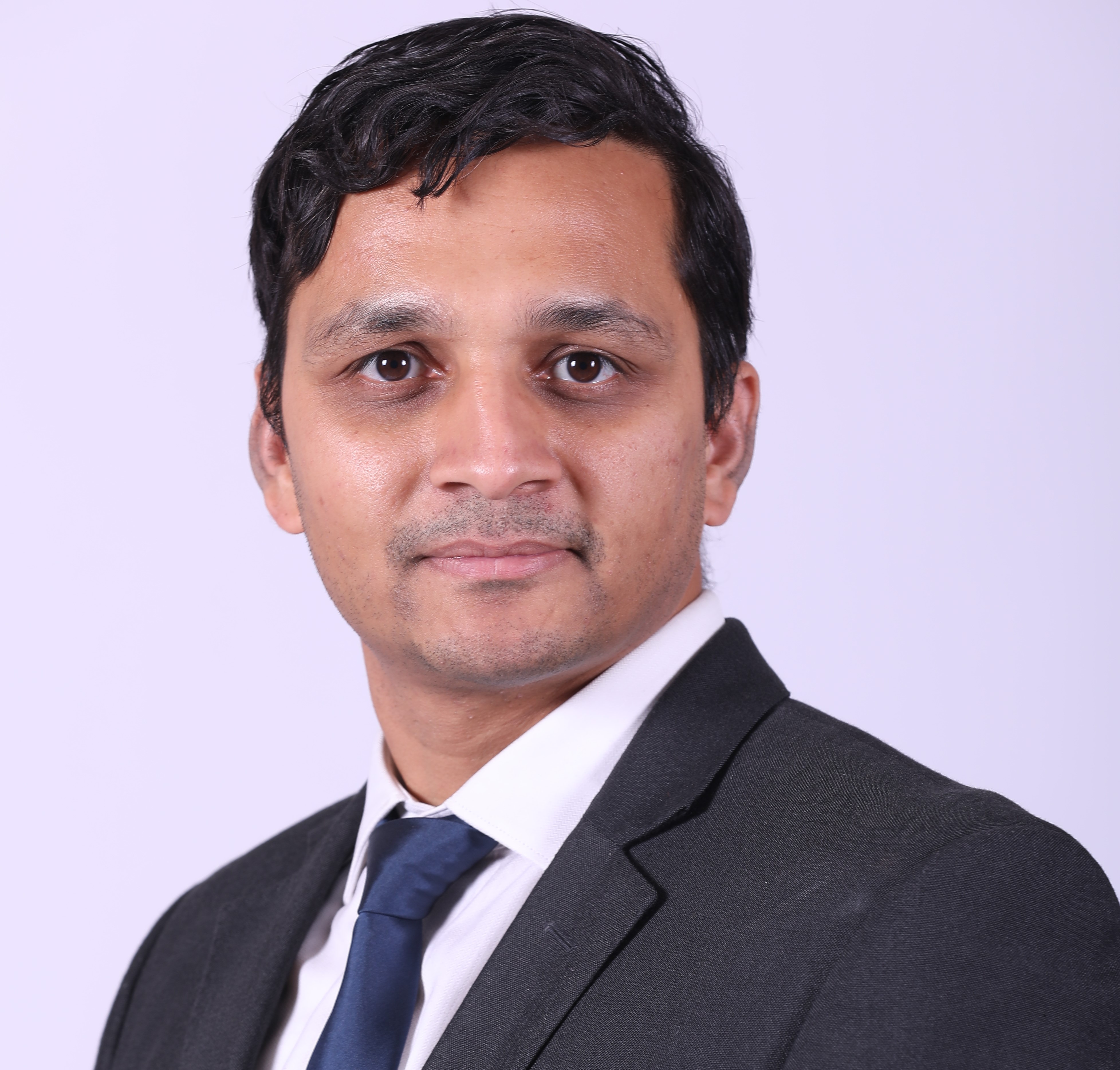
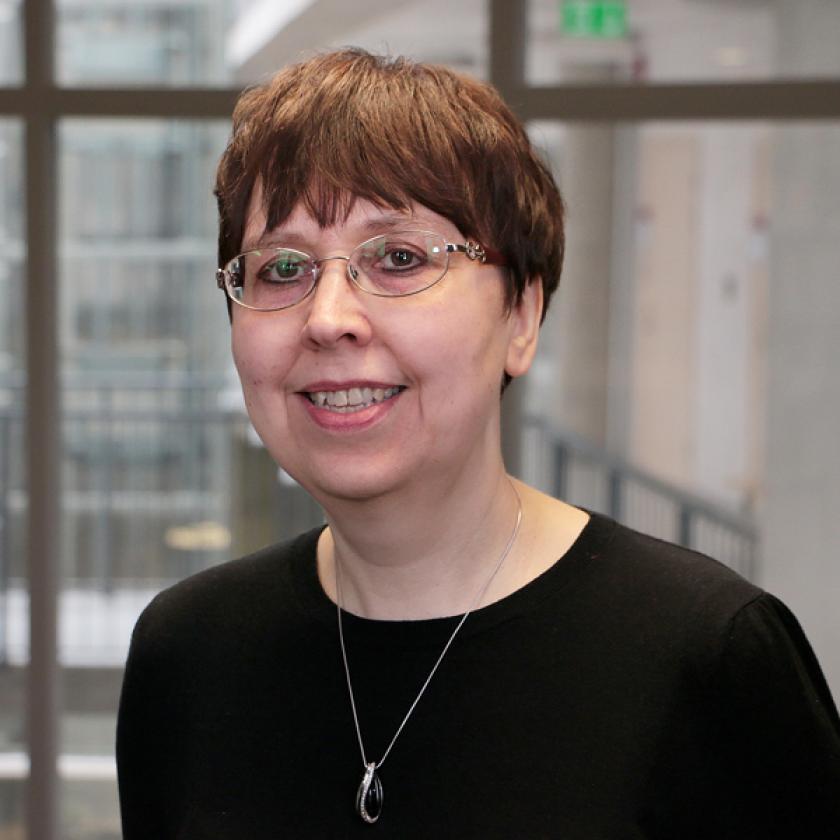
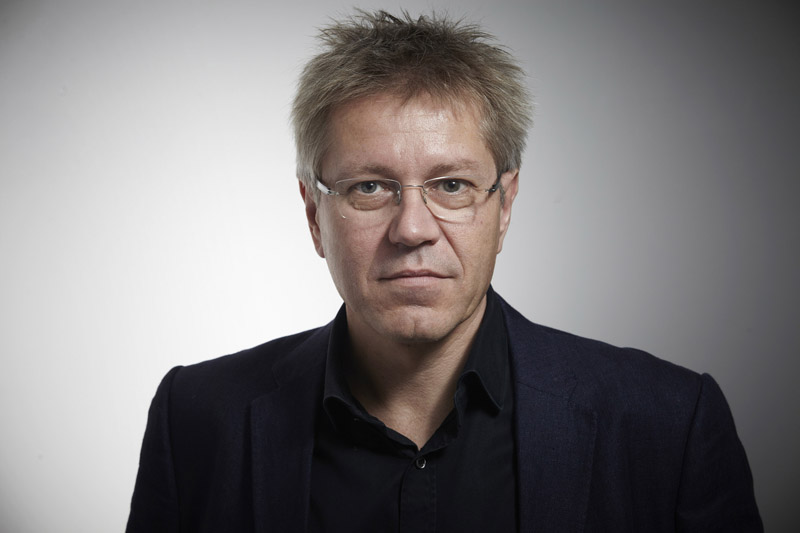
Krzysztof Komendarek-Tymendorf is an Associate Professor of Viola and Chamber Music at the Stanisław Moniuszko Academy of Music in Gdańsk and the Feliks Nowowiejski Academy of Music in Bydgoszcz. He holds a PhD and habilitation, specializing in viola performance and contemporary music interpretation. His academic career began at age 24 after winning assistant professor competitions. He has performed globally with major orchestras like the National Philharmonic, Gdańsk Baltic Opera, and international festivals including Berliner Philharmonie and Vienna Konzerthaus. He completed postgraduate studies in Culture Management and MBA at Adam Mickiewicz University. Notable awards include the Bronze Medal for Merit to Culture (Gloria Artis), Opus Klassik nomination, and Fryderyk Award recognition. His discography includes acclaimed albums like ReVIOLAtion (NAXOS) and Quantum of Silence (ODRADEK). As an educator, he teaches at three institutions and mentors over 40 students, many of whom hold positions in leading orchestras and music schools. He actively engages in masterclasses across Europe and North America, and leads initiatives like the EURO Chamber Music Festival. His research focuses on Baroque to contemporary viola repertoire, with publications in the Journal of the American Viola Society.
Jakob Dahlbacka is a University Lecturer in Theology and Study of Religions at the Faculty of Arts, Psychology and Theology, Åbo Akademi University. His academic work centers on religious history, revivalist movements, and the material dimensions of faith, particularly within the Protestant tradition in Finland. Institution: Åbo Akademi University School: Faculty of Arts, Psychology and Theology Department: Theology and Study of Religions Role: University Lecturer His research explores the intersections of religion, culture, and society, with a focus on 19th-century revivalism, priesthood, and religious materiality. He investigates how religious ideas and practices engage with broader societal transformations, especially in Nordic contexts. The recent publications and conference activities indicate a sustained focus on revivalist movements, religious heritage, and memory. His work often bridges historical analysis with contemporary theological reflection, contributing to both academic and public discourse. Scientific awards and honors have not been mentioned in the provided materials. Jakob Dahlbacka is actively involved in academic supervision, mentoring postgraduate students such as Ulrika Lagerlöf Nilsson and Niklas Antonsson. He participates in organizing and presenting at key conferences in theology and religious studies, demonstrating strong engagement with the scholarly community. While specific grant funding is not detailed, his consistent publication output and event participation suggest active research support. He is involved in collaborative research networks focusing on religious heritage, change in Northern religious contexts, and revivalist movements, often engaging with both historical and contemporary dimensions of faith practices.
Dr. Uphar Chamoli is a biomechanist affiliated with the University of New South Wales and the Spine Labs at St. George Hospital (Kogarah). His research focuses on musculoskeletal biomechanics, particularly spinal pathologies and orthopaedic implants, bridging academia and industry for clinical translation. Education: BTech in Mechanical Engineering (2008), Indian Institute of Technology, Dhanbad MPhil in Biological Sciences (2012), UNSW Sydney PhD in Spine Biomechanics (2016), UNSW Sydney Research Interests center on orthopaedic biomechanics, finite element modeling, in vitro biomechanical testing, diagnostic imaging (CT, MR, Ultrasound, X-ray), and clinical study design. His work examines lumbar disc herniation, segmental stiffness loss, and recurrent herniation factors, developing novel imaging and computational techniques for patient-specific models. Scientific Awards include the Best Abstract & Presentation (2017, Asia-Pacific Society of Lateral Access Surgery), Young Investigator Award (2014, St. George & Sutherland Medical Research Symposium), and multiple scholarships from UNSW and international institutions. Supervision spans orthopaedic biomechanics, finite element modeling, and clinical outcomes analysis. Current PhD candidates include Vivek Ramakrishna (smart spinal implants), Xiaolong Chen (microdiscectomy studies), Kyle Sheldrick (MRI post-processing algorithms), and Geoff Smith (critical shoulder angle research).
Prof. Vladimir Dimitrov Avramov is a distinguished Professor at the Faculty of Fine Arts, University of Veliko Tarnovo. With decades of experience in visual arts, he has established himself as a prominent figure in Bulgarian contemporary art, particularly known for his expertise in mural painting and iconography. His academic career is complemented by an active artistic practice that spans several decades. Prof. Avramov's research interests focus on: Mural painting techniques and methodology Sacral art and Orthodox church decoration Contemporary interpretations of traditional iconography Artistic expression in large-scale spatial compositions Preservation and adaptation of historical artistic techniques Contemporary Bulgarian art development His scholarly work demonstrates a consistent focus on the integration of traditional mural painting techniques within contemporary contexts, particularly in sacred spaces. Prof. Avramov has pioneered approaches that bridge historical artistic traditions with modern artistic expression, creating a distinctive voice in Bulgarian contemporary art. Among his notable contributions are: Development of the "easel approach" for implementing mural painting programs in large-scale sacred spaces Research on the adaptation of new mural schemes to existing historical contexts Studies on emotional expression in contemporary art Prof. Avramov is currently leading the "FIИ at 50" project, celebrating the 50th anniversary of the Faculty of Fine Arts at the University of Veliko Tarnovo. This comprehensive initiative showcases the artistic potential of the faculty through exhibitions highlighting diverse student specialties including Painting, Sculpture, Graphics, and Mural Painting. As an accomplished artist, Prof. Avramov has created numerous murals in churches across Bulgaria, Greece, and Russia. His artistic works, including paintings like "Bremin Musicians" and "Marilyn," reflect both traditional techniques and contemporary interpretations.
Dipl.-Ing. Klaus Mechelke has served as a scientific staff member at the Geodetic Laboratory of HafenCity University Hamburg since March 16, 1992. Previously affiliated with the Hamburg University of Applied Sciences (Department of Geomatics/Surveying), his career spans development work in Ethiopia (1987-1991) and industry experience as a surveying technician in Germany (1981-1983). Education: Surveying (Dipl.-Ing.), Hamburg University of Applied Sciences (1983-1987) Current Role: Lecturer and researcher at HafenCity University Hamburg Research Focus: Specializing in terrestrial laser scanning (TLS) and photogrammetry , Mechelke contributes to archaeological documentation, structural monitoring, and 3D modeling of heritage sites. His work includes: Monitoring ancient temples in Ethiopia (Yeha) Documenting Moai statues on Easter Island Coastal cliff analysis with UAS photogrammetry Accuracy investigations of TLS systems 3D reconstruction of historical mining sites Collaborations: Partnerships with the German Archaeological Institute , TU Braunschweig , and KAAK Bonn support his international projects in Yemen, Ethiopia, and Easter Island. His publications since 2004 focus on TLS accuracy, sensor comparison, and cultural heritage preservation.
Søren Bruno Elmgreen is a Clinical Associate Professor at Aalborg University Hospital, affiliated with the Faculty of Medicine and the Department of Neurology at Aalborg University. His clinical and academic work focuses on neurology, neurorehabilitation, and neuroprosthetics, particularly in patients with spinal cord injuries, stroke, and nerve compression syndromes. His research interests span neuroprosthetics , spinal cord injury recovery , nerve entrapment , paraplegia , and chemical warfare agent toxicology . He has contributed significantly to understanding functional restoration via neuromodulation and surgical interventions such as the Possover LION procedure. His work bridges clinical neurology with rehabilitation engineering. The recent publications highlight a strong trend in neuroprosthetic applications for restoring bladder, bowel, and locomotor functions in paraplegic patients, alongside investigations into stroke-related reading disorders and nerve compression in athletes. His interdisciplinary approach integrates neurology, surgery, and biomedical innovation. Scientific contributions and media engagement: Active publication record from 2014–2024 in journals like Spinal Cord , Military Medicine , and Ugeskrift for Læger Media contribution on stroke prevention titled Mindre blodpropper i hjernen (2024) ORCID profile active: 0000-0001-7640-0295 Dr. Elmgreen collaborates with multidisciplinary teams including neurosurgeons, physiatrists, and biomedical engineers. While no formal advising or grant information is listed, his role in clinical trials and peer-reviewed research suggests active supervision and research leadership. His work continues to advance functional recovery in neurological disabilities.
Dr. Grzegorz Gil serves as an Assistant Professor at the Department of International Relations within the Faculty of Political Science and Journalism at Maria Curie-Skłodowska University (UMCS) in Lublin, Poland. His academic profile is complemented by expert roles with Team Europe Direct (2023–present) and Team Europe (2017–present), where he provides insights on international affairs. PhD in Political Science (2010) - Dissertation: "State Failure in Post-Cold War International Environment" MA in International Relations (2005) - Thesis: "Failing States in Africa" Dr. Gil specializes in state failure and post-conflict reconstruction , with fieldwork focused on Somalia. His research spans political stability , asymmetric threats , and security regimes . Publications reveal consistent engagement with statebuilding challenges in Libya, Afghanistan, and the Asia-Pacific region. Recent article trends show increasing focus on regional integration (ASEAN-EU relations), Eastern European subversion (Russia-Ukraine dynamics), and political sanctity as a conceptual framework. His 2024 works examine statehood recognition , sports diplomacy , and legal foundations of international security . Dr. Gil teaches courses on international security systems , failed states , humanitarian operations , and Australia's foreign policy . He mentors the Oxford-Style Debating Circle at UMCS and serves as juror in national academic debate championships.
Kersti Markus is a Professor of Art History and senior research fellow in Medieval Studies at the School of Humanities, leading the History study area. Her expertise spans the intersection of visual culture, political history, and medieval art in Scandinavia and the Baltic Sea region. She holds a PhD from the University of Stockholm, with postgraduate research as a Humboldt fellow in Germany. Her work focuses on interpreting visual sources to reconstruct medieval power dynamics, religious expansion, and cultural identity in regions like Estonia and Gotland. Education includes studies at Tartu University, Vienna University, and the Swedish Institute in Rome. Her research bridges methodological innovation in art history with interdisciplinary approaches, emphasizing the role of landscape, architecture, and art in political narratives. Notable themes include the impact of crusading on Baltic architecture, the symbolism of medieval churches, and the historical memory embedded in visual artifacts. Publications since 2013 highlight her exploration of Danish crusader propaganda, Cistercian monasticism, and the interplay between trade networks and religious architecture. She has pioneered studies on the Pirita Convent’s role as a Birgittine symbol and re-evaluated traditional interpretations of medieval Estonian churches through visual evidence. Her work underscores the transformative potential of visual culture in understanding medieval socio-political structures, particularly in contested border regions. She continues to explore methodological frameworks for interpreting medieval art in post-Soviet academic contexts, as seen in her critique of Estonian SSR-era research practices.
Intigam Mamedov is a Researcher at Northumbria University focusing on political communication and conflict narratives. His work examines Russian media representation of the Ukraine war, with recent publications analyzing narrative consistency and sacralization processes in state narratives. Research interests include international relations, media analysis, and geopolitical discourse construction. Publications emphasize critical examination of state narratives in conflict zones, particularly exploring how political dogmas are institutionalized through media. No awards, grants, or formal students listed in available records.
Ole Kiehn is a distinguished Professor in Integrative Neuroscience at the Department of Neuroscience, University of Copenhagen, and Professor in Neuroscience at Karolinska Institutet, Sweden. His career spans over three decades with significant contributions to understanding the neural basis of movement. He leads the Kiehn Lab which focuses on the molecular, cellular, and network organization of locomotor circuits in mammals. Education: 2002: Docent, Karolinska Institutet, Sweden 1990: Doctor of Science from University of Copenhagen, Denmark 1985: M.D. from University of Copenhagen, Denmark Kiehn's research centers on cellular and systems neurophysiology applied to the motor system, with particular focus on elucidating the networks underlying locomotion in rodents. His work bridges the gap between neuronal circuit organization and behavior, investigating how spinal locomotor circuits are activated and controlled by descending command signals. Recent work has focused on the functional organization of key neuronal elements for limbed locomotion in mammals: rhythm generation, coordination of flexors and extensors, and left/right coordination. His research has strong translational potential for developing therapies for movement disorders caused by trauma or disease. Analysis of Kiehn's recent publications reveals consistent focus on the neural circuitry controlling locomotion. His work spans multiple levels of analysis from molecular and cellular mechanisms to systems-level organization of motor circuits. A significant theme is the modular organization of locomotor networks, with studies examining specific neuronal populations that control different aspects of movement. His research increasingly integrates advanced techniques like optogenetics, chemogenetics, and transcriptomics to dissect the complex neural circuits underlying movement. Scientific Awards: 2024: Novo Nordic Foundation's Laureate program award 2022: The Brain Prize 2021: Kirsten and Freddy Johansen's preclinical prize 2019: Lundbeck Foundation's Professorship award 2017: Novo Nordic Foundation's Laureate program award 2015: European Research Council Advanced Grant 2014: Member of the European Molecular Biology Organization (EMBO) 2012: Member of The Royal Swedish Academy of Sciences Kiehn has supervised over 10 PhD students and more than 25 postdocs throughout his career. His research has been supported by numerous prestigious grants including multiple European Research Council Advanced Grants, Novo Nordisk Foundation Laureate grants, and Lundbeck Foundation Professorship grants. He has served in leadership roles including as Vice Chair of Research at the Department of Neuroscience, UCPH, and as President Elect for the Federation of European Neuroscience Societies (FENS). The Kiehn Lab, located at the University of Copenhagen, is a leading center for research on locomotor circuitry. The lab employs a broad experimental repertoire including production of transgenic mouse lines, genetically driven tracing, mRNA sequencing, in vitro and in vivo electrophysiology, optogenetics, and advanced behavioral analyses. Current research focuses on understanding the molecular, cellular, and network diversification of locomotor circuitries in mammals, with applications to movement disorders and spinal cord injury.
Craig A. Mealman is an Assistant Professor in the School of Social and Behavioral Sciences within the College of Professional Studies and Advancement at National Louis University. With a 37-year tenure at the institution, he has held roles in the Applied Behavioral Science, Adult and Continuing Education, and Leadership in Higher Education departments. His teaching spans undergraduate and graduate programs, including courses on adult development, leadership, and mindfulness. Education: B.A., Psychology, Sociology, Adult Education, Human Services – Governor’s State University (1980) M.A., Interpersonal Communication: Therapeutic Communication, Transpersonal Psychology – Governor’s State University (1981) Ed.D., Leadership Studies in Adult and Continuing Education – Northern Illinois University (1991) Diploma in Therapeutic Massage and Bodywork – Northern Prairie School (1999) Research Focus: Dr. Mealman’s expertise centers on adult learning , transformational learning , and cohort-based education . He explores the intersection of spiritual growth, mindfulness, and eco-spirituality with formal and informal learning processes. His work also addresses healing post-traumatic stress through cranial-sacral therapy and integrates contemplative practices like yoga and meditative walking into pedagogy. Awards and Grants: None explicitly mentioned in the provided text. Advising and Leadership: Serves as a thesis/dissertation advisor and committee member in adult education programs. Advocates for holistic learning environments that integrate intellectual, emotional, and spiritual dimensions. Labs/Teams: No specific research labs or teams mentioned, but collaborates with nature-based educational initiatives such as Tom Brown’s Tracking School and the Teaching Drum Outdoor School.
Thomas A. DuBois is the Halls-Bascom Professor of Scandinavian Studies, Folklore, and Religious Studies in the Department of German, Nordic and Slavic at the University of Wisconsin-Madison. His academic work bridges multiple disciplines including Nordic studies, folklore studies, and religious studies, with a particular focus on Indigenous and traditional knowledge systems. He is deeply engaged in the Wisconsin Idea, connecting academic scholarship with public engagement and community collaboration. Professor DuBois's research focuses on the ways people think about and use tradition in their lives, with particular attention to Finnish, Sámi, and medieval Nordic cultures, as well as Indigenous Wisconsin communities and descendants of Nordic settlers in North America and the British Isles. His work spans diverse topics including the Finnish national epic Kalevala, Viking Age religion, medieval Scandinavian saints' lives, Icelandic sagas, lyric and narrative song, shamanism, literature, wood carving, Indigenous cultures, sacral landscapes, and Sámi media. He approaches folklore not as static heritage but as a dynamic process of meaning-making that connects people to their cultural pasts while shaping their contemporary identities. His recent publications reveal a growing interest in collaborative methodologies, Indigenous knowledge systems, and the intersection of traditional knowledge with contemporary educational practices. DuBois has increasingly focused on projects that bridge academic research with community engagement, particularly through digital tools like Siftr that facilitate participatory folklore collection. His work on Sámi snow terminology demonstrates how traditional ecological knowledge can transform contemporary understandings of environmental phenomena. Chancellor's Distinguished Teaching Award (2017) Professor DuBois emphasizes a "learning with" rather than "learning from" approach to teaching, particularly with graduate students and advanced undergraduates. He frequently collaborates with students on research projects that result in shared publications and presentations. His work with the Bradley Learning Community brings academic scholarship into residential living communities for first-year students. DuBois has secured numerous grants supporting his collaborative research projects, particularly those involving Indigenous communities and digital humanities applications in folklore studies. His research projects include the Wiigwaasi-Jiimaan Birchbark Canoe project, the Snow Challenge exploring Sámi snow terminology, The 4 Ps project on Finnish American cooking traditions, and the development of Siftr as a tool for the folklore classroom. These projects often involve collaborations with community members, students, and other scholars, reflecting his commitment to engaged scholarship that serves both academic and public audiences.
Dr. Steven J Baccei is a Professor in the Department of Radiology at UMass Chan Medical School, where he serves as Division Chief of Musculoskeletal Imaging and Vice-Chair of Radiology Quality, Patient Safety, and Process Improvement. He joined the institution in 2010 as an assistant professor specializing in musculoskeletal imaging and intervention, and has held several leadership positions since. Dr. Baccei's educational background includes: BS in Biology from Boston College, Chestnut Hill, MA MD from New York Medical College, Valhalla, NY Residency in Diagnostic Radiology at Tufts Medical Center, Boston, MA Fellowship in Musculoskeletal Imaging and Intervention at Brigham and Women's Hospital, Boston, MA His primary research focuses on systems based practice, quality improvement work, and musculoskeletal imaging optimization . Dr. Baccei's publications demonstrate consistent expertise in radiology quality assurance, process improvement, and development of imaging protocols. His work spans from optimizing communication systems for actionable findings to implementing AI-based quality assurance workflows. Dr. Baccei has served in significant leadership roles, including being elected to a 4-year term as President (-elect) of the UMass Memorial Medical Staff in 2015. He co-chairs the Group Practice Quality Committee and has contributed extensively to the American College of Radiology Appropriateness Criteria across multiple musculoskeletal conditions. As an educator, Dr. Baccei mentors medical students, radiology residents, and fellows, with particular emphasis on quality improvement methodologies and musculoskeletal imaging interpretation.
Shani Ross is an Associate Professor and Associate Chair for Undergraduate Programs in the Department of Bioengineering at George Mason University. She focuses on bladder neurophysiology and closed-loop neuroprosthetics. BSc Electrical Engineering, Howard University (2004) MS & PhD in Biomedical Engineering with bioelectrical concentration, University of Michigan (2006, 2013) Her research spans neural engineering, neuromodulation, and biomedical device development. Key areas include peripheral nerve stimulation, deep brain stimulation, and neuroprosthetics for restoring physiological function. Recent publications highlight work on graphene-based neural electrodes, decoding algorithms for bladder pressure estimation, pudendal neuromodulation effects on blood flow, and trigeminal nerve stimulation in equine models. Her work integrates computational methods with biomedical applications.
Prof. Dr. Wiebke Windorf is Chair of Modern Art History at the Institute of Art History, Archaeology and Classical Studies at Martin Luther University Halle-Wittenberg since October 2022. She specializes in socio-cultural transformation processes in art, focusing on discursivity in European history painting and sepulchral culture from the 17th to 20th centuries. Academic Education: Magisterstudium and Doctorate in Art History, Modern History, and Philosophy (1994–2004), Heinrich Heine University Düsseldorf; Habilitation (2017), Düsseldorf. Her research spans European visual arts from 1400 to the 19th century , factuality versus fictionality in Roman Seicento painting , sculpture's potency and vulnerability , and transformation of religious German sculpture around 1800 . Current projects include a DFG-funded study on 'Sculpture and Sacrality in Paris at the Transition to Modernity (1700–1850)'. Her articles analyze visual narratives in Enlightenment-era funerary monuments, Gothic architectural revival, and classical theories in 17th-century Italian art. Scientific awards include the Drupa Prize for Best Promotion (2005), DFG Research Training Group Fellowship (2004–2005), and short-term fellowships at the German Forum for Art History Paris (2015). She supervises PhD projects on topics like Giacomo Serpotta's stucco sculpture, interwar German sculpture, and ecological visualizations in natural history illustrations. As a member of the Interdisciplinary Center for the Study of the European Enlightenment (IZEA) and the Interdisciplinary Center for Pietism Research (IZP), she contributes to cross-disciplinary discussions on religion, knowledge, and cultural pluralism. She also serves as Excursion Coordinator for the Faculty of Philosophy I at MLU Halle-Wittenberg.