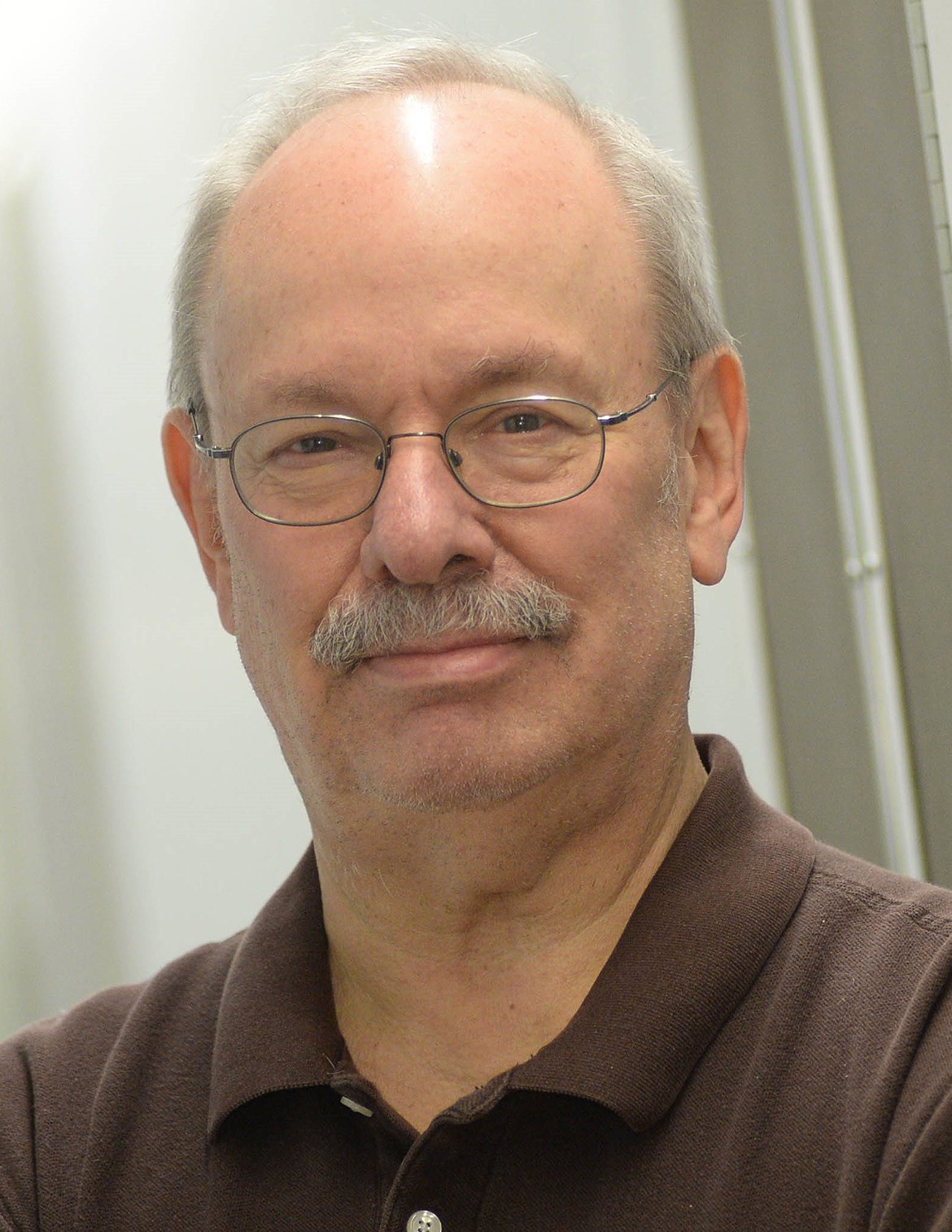
Prof. Paul Stupple is a Professor of Medicinal Chemistry at Monash University, Australia, with over 20 years' experience in pharmaceutical industry and academia. He holds leadership roles at Canthera Discovery and manages the Australian Translational Medicinal Chemistry Facility. His expertise lies in small molecule drug discovery, particularly targeting cancer therapies and epigenetic regulators. Affiliations: Monash University, Faculty of Pharmacy and Pharmaceutical Sciences Canthera Discovery (Director, Medicinal Chemistry) Education: BA and DPhil in Chemistry from the University of Oxford (1992–1999). Early career at Pfizer as a medicinal chemistry leader, delivering 6 clinical candidates. Key contributions include: Licensing deals with Merck (2016) and Pfizer (2018) for preclinical projects Leading the Cancer Therapeutics CRC's medicinal chemistry program Research Interests: Small molecule drug discovery focused on histone acetyltransferase inhibitors, cancer therapeutics, and epigenetic modulation. Notable projects include development of KAT6A/B inhibitors for ER+ breast cancer and STING agonists for immunotherapy. Grants/Projects: Principal Investigator for major initiatives like MedChem Australia (2023–2028) and drug target identification platforms. Collaborates widely with institutions like WEHI and University of Sydney. Over 28 peer-reviewed publications spanning 1997–2025. Labs/Teams: Oversees the Australian Translational Medicinal Chemistry Facility, a key resource for drug discovery in Australia.
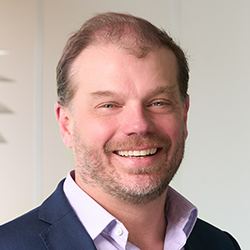
Herman Sintim is the Grace-Rupley Professor of Chemical Biology in the Department of Chemistry and Biochemistry at the University of Notre Dame, where he also serves as the Associate Director of the Harper Cancer Research Institute. He has previously held faculty positions at Purdue University and the University of Maryland at College Park, progressing from Assistant to Full Professor. His research is highly interdisciplinary, bridging organic chemistry, chemical biology, and drug discovery. Research Interests: Dr. Sintim's research focuses on understanding and modulating cyclic dinucleotide signaling pathways in both bacteria and mammalian immune systems. His lab explores the roles of molecules like c-di-GMP, c-di-AMP, and cGAMP in biofilm formation, virulence, and immune activation, particularly via the STING pathway. A major thrust is the development of small molecule probes and therapeutics targeting these pathways for use in cancer immunotherapy and as novel antibiotics. Additionally, his group pioneers the synthesis of new kinase inhibitors using multi-component reactions to combat drug resistance in cancer, targeting kinases such as FLT3, CDKs, and RET. The recent publications of the Sintim group reflect a strong trend in designing novel chemotypes for both STING modulation (agonists and antagonists) and kinase inhibition, with an emphasis on oral bioavailability and efficacy in animal models. These works span chemical synthesis, biochemical evaluation, and translational applications in oncology and immunology. Scientific Awards: Lafayette Lions Club Cancer Research Award (2022) Sigma Xi Distinguished Lecturer (2015) Camille Dreyfus Teacher-Scholar Award (2011) Allen Angerio Award for Excellence in Faculty Mentorship (2010) Kavli Fellow (2009) NSF CAREER Award (2008) Roche First Prize, Switzerland (2002) First Innocentive Awardee (2001) Pfizer UK PhD Prize (2001) ORS Fellowship, University of Oxford (2000) Pathfinder Scholarship, University College London (1996) Advising and Grants: While specific students are not listed, Dr. Sintim has a well-established record of mentoring, recognized by awards such as the Allen Angerio Award. He has secured major funding through grants like the NSF CAREER Award and has advanced drug discovery projects to the level of co-founding KinaRx LLC, indicating strong translational grant and entrepreneurial success. His leadership as Associate Director of a major cancer research institute further underscores his role in guiding research teams and collaborative science. Labs and Teams: The Sintim Research Group at Notre Dame operates at the intersection of synthetic organic chemistry and biological signaling, with active projects in cancer, inflammation, and antibiotic discovery. The lab employs integrated computational and experimental workflows and collaborates widely, as seen in multi-institutional publications involving researchers in pharmacology, oncology, and immunology.
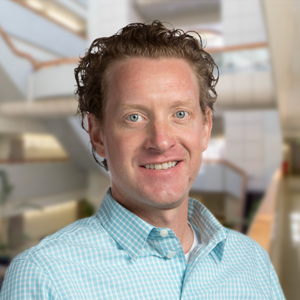
Kurt Schalper, MD, PhD is an Associate Professor of Pathology at Yale School of Medicine and Director of the Translational Immuno-Oncology Laboratory (T.I.L.) at Yale Cancer Center. His primary appointment is in the Department of Pathology with secondary appointments in Medical Oncology and Hematology. Dr. Schalper maintains affiliations with multiple cancer research entities including the Cancer Immunology Program, Yale Center for Immuno-Oncology, and the Yale Combined Program in the Biological and Biomedical Sciences (BBS). Dr. Schalper trained as a cell biologist and surgical pathologist, completing his MD at San Sebastian University (2003) and PhD at Universidad Catolica de Chile (2008). His postdoctoral work at Yale focused on developing quantitative strategies to measure immunotherapy-related biomarkers in immune cells and cancer tissues. His research centers on understanding the immunobiology of human solid tumors, particularly lung cancer, with emphasis on immune evasion mechanisms, tumor microenvironment dynamics, and biomarker development for immunotherapy response prediction. Current scientific interests include tumor immune heterogeneity, editing, and the role of specific tumor antigens and immune evasion pathways in lung malignancies. Analysis of Dr. Schalper's recent publications reveals a strong focus on immuno-oncology, particularly in lung cancer. His work spans biomarker development, mechanisms of immunotherapy resistance, tumor microenvironment characterization, and clinical translation of immunotherapeutic approaches. Notable themes include the investigation of KEAP1/STK11-related resistance, IL-4 mediated immune evasion, and strategies to overcome immunotherapy resistance through combination approaches. Dr. Schalper collaborates extensively with Yale researchers, particularly with Dr. David Rimm (57 common publications), Dr. Roy S. Herbst (35 common publications), Dr. Scott Gettinger (14 common publications), and Dr. Sarah Goldberg (12 common publications). His work appears in high-impact journals including Nature, Journal of Clinical Investigation, and Nature Reviews Clinical Oncology. As Director of the Translational Immuno-Oncology Laboratory, Dr. Schalper leads efforts to produce and support high-quality translational research in immuno-oncology through standardized biomarker analyses and integration with Yale resources. His laboratory focuses on developing quantitative methods for immunotherapy biomarker assessment and understanding mechanisms of response and resistance to cancer immunotherapies.
Feyruz V. Rassool is a Professor at the University of Maryland School of Medicine, with primary appointment in Radiation Oncology. She serves as Co-director of the Experimental Therapeutics Program at the University of Maryland Greenebaum Comprehensive Cancer Center (UMGCCC) and holds an adjunct Associate Professor position at VARI’s Center for Epigenetics. Her research focuses on DNA damage/repair pathways in cancer, particularly their therapeutic exploitation through PARP and DNMT inhibitors. Education: B.Sc. in Human Genetics (1983, University College London), Ph.D. in Biological Sciences (1990, Royal Postgraduate Medical School) Postdoctoral Training: University of Chicago (1990-1994) Her work explores the intersection of DNA repair , epigenetics , and mitochondrial dysfunction to develop novel therapies for breast, ovarian, lung, and leukemias. Key projects include STING-dependent interferon signaling , pathogen mimicry in cancer cells, and metastasis suppression through PARPi/epigenetic combinations. Dr. Rassool is part of the SU2C Epigenetics Dream Team and has secured multiple grants from NCI, NIH, and the Adelson Medical Research Foundation. Her recent preclinical studies with PARP/DNMT inhibitors are being translated into Phase I/II trials for AML and TNBC. Scientific Awards Ziskin Award (2012) NCI-SPORE Grant Co-Leader NIH/NCI P30 CA134274 Support Grant She has mentored 13 PhD/postgraduate researchers and collaborates on clinical trials with Pfizer, VARI-SU2C, and ASTRO. Her lab employs techniques like DNA repair assays , RNAseq , and mouse xenograft models to investigate mechanisms of action for epigenetic drugs.
James Manley is the Julian Clarence Levi Professor of the Life Sciences at Columbia University, with extensive research in gene expression regulation. His work spans transcription, RNA splicing, and polyadenylation mechanisms in human cells, connecting these processes to neurodegenerative diseases (ALS/FTD) and cancers. Affiliation: Columbia University, Department of Biological Sciences Contact: jlm2@columbia.edu Research Interests: Dr. Manley's laboratory investigates nuclear processes including: Transcriptional control via RNA polymerase II CTD modifications Alternative splicing regulation by hnRNP and SR proteins Polyadenylation dynamics in cell cycle and differentiation Disease mechanisms in spliceosome mutations (SF3B1, SRSF2) RNA-protein interactions in stress responses Publication Trends: Recent work focuses on disease-associated mutations affecting RNA processing, non-canonical RNA functions, and immune regulation via polyadenylation. Articles span molecular oncology, neurodegeneration, and RNA surveillance mechanisms. Scientific Recognition: Member, American Academy of Arts & Sciences Member, National Academy of Sciences Key Collaborations: Studies involve interdisciplinary work with neurology, cancer biology, and immunology teams. His lab employs biochemical assays, structural analysis, and genetic models to dissect RNA processing pathways.
Nathan Gianneschi is the Jacob & Rosaline Cohn Professor of Chemistry, Materials Science & Engineering, and Biomedical Engineering at Northwestern University’s McCormick School of Engineering. His research focuses on biomaterials, polymers, and nanomaterials, integrating chemical biology and biomimicry to develop therapeutics, diagnostics, and functional materials. His interdisciplinary group uses advanced techniques like liquid-cell TEM to study material dynamics. Education: PhD (Northwestern University), Postdoc (Scripps Research Institute). Research interests include synthetic melanin for tissue repair, proteomimetic polymers for targeted therapy, and nanomaterial characterization. Notable achievements include pioneering enzyme-responsive nanoparticles and biomimetic materials. Key awards: 2017 Blavatnik Young Scientist finalist, 2016 Royal Society of Chemistry Fellow, and multiple NIH awards. His work bridges chemistry, engineering, and medicine, with applications in cancer therapy, regenerative medicine, and drug delivery.
Wei Deng is an Associate Professor and Deputy Head of School (Research) in the School of Biomedical Engineering at the University of Technology Sydney (UTS). Her research focuses on cancer nanotechnology, nanobiotechnology, and gene engineering, with significant contributions to radiation-activated chemotherapy (RAC) via liposomes and CRISPR-based therapies. She has pioneered treatments for rectal and breast cancers, including the development of patented RAC systems that reduce chemotherapy toxicity. Her work has led to the founding of biotech startup EosGene Pty Ltd for diabetic retinopathy therapies. Deng holds a PhD from Macquarie University and has attracted over $3.7M in grants from ARC, NHMRC, and Cancer Institute NSW. She leads interdisciplinary teams and contributes to global collaborations, including partnerships with UNSW and HK Winhealth Pharma Group. Her research spans drug/gene delivery systems, CRISPR biosensors, and nanoparticle engineering, emphasizing translational medicine and industrial challenges. Education: PhD in Biomedical Engineering, Macquarie University (Sydney) Leadership Roles: Deputy Head of School, Research; Co-founder of EosGene Pty Ltd Awards: DECRA Fellowship (ARC), Cancer Institute NSW Career Development Fellowship Key Projects: RAC liposomes (Patents US 12036282, Europe 3720422), CRISPR-based pathogen sensors, X-ray triggered PDT platforms Her research bridges nanotechnology and clinical applications, with 62 refereed publications (h-index 26) and 87% in top-tier journals. She actively supervises postgraduate research in CRISPR therapies, CAR T cell engineering, and targeted drug delivery.
Professor Luke Lairson leads the Lairson Laboratory at The Scripps Research Institute (TSRI), focusing on chemical biology to study cell fate mechanisms in disease. His work spans small molecule discovery targeting cancer stem cells, tumor microenvironment modulation, and myelination enhancement using primary human and rodent cell models. Education: PhD in Chemistry (2007, University of British Columbia), BS in Biochemistry (2002, University of Guelph). Professional roles include Assistant Professor at TSRI (2010–present), Principal Investigator at the Genomics Institute of the Novartis Research Foundation (2010–2011), and Director of High Throughput Discovery at California Institute for Biomedical Research (2016–2017). Research Interests: Chemical approaches to cancer immunotherapy, drug discovery for neurodegenerative diseases, and modulation of immune checkpoint proteins. Key projects include STING agonist development, HSP90 inhibitors, and metabolite-driven oligodendrocyte maturation. Publications: Over 50 peer-reviewed articles, including high-impact work in PNAS , Nature Chemical Biology , and Cancer Research . Recent focus areas include microbiota-derived STING activators and JAK-inhibitor immunotherapy combinations. Awards: Canadian Society for Chemistry Boehringer Ingelheim Thesis Award (2010), Royal Society Short Visit Award (2007), and multiple scholarships for organic chemistry innovation. Lab Activities: Integrates high-content screening, medicinal chemistry, and proteomics to identify mechanism-based therapies. Current initiatives include repurposing drugs for remyelination and developing non-nucleotide STING agonists for systemic cancer immunotherapy.
Lauren Baker Banks is a Clinical Assistant Professor in the Department of Medicine at Memorial Sloan Kettering Cancer Center (MSK). She is affiliated with the Hematology-Oncology Fellows and Graduate Medical Education (GME) programs, and her research focuses on sarcoma biology and immune checkpoint blockade (ICB) therapies. Affiliations: Hematology-Oncology Fellows, Graduate Medical Education (GME), Department of Medicine, Solid Tumor Oncology Division, Division of Hematologic Malignancies Co-authors: Sandra D'Angelo, Ciara Kelly, Evan Rosenbaum, Jason Chan, Mark Dickson, Mary Keohan Her work spans clinical trials in leiomyosarcoma, dedifferentiated liposarcoma, and other sarcomas, with a focus on combination therapies involving PARP inhibitors, PD-1 inhibitors, and STING agonists. Recent studies analyze biomarkers like T cell phenotype and tumor microenvironment subtypes to predict ICB outcomes. Lauren's publications include contributions to Journal for ImmunoTherapy of Cancer , Annals of Oncology , and Journal of Clinical Oncology , with a strong emphasis on translational research linking immunology to sarcoma treatment. She has collaborated with key researchers in oncology and immunotherapy, including Evan Rosenbaum and Ciara Kelly. Her research activities align with histology-specific clinical trials and multidisciplinary approaches for extremity soft tissue sarcomas, highlighting the integration of targeted therapy, immunotherapy, and genomic profiling in advancing sarcoma care.
Christine Mona is an Adjunct Assistant Professor in the Department of Molecular and Medical Pharmacology at the University of California, Los Angeles (UCLA). Her research focuses on experimental and translational oncology, particularly the role of Fibroblast Activation Protein (FAP) and Prostate-Specific Membrane Antigen (PSMA) in tumor biology and radioligand therapy for prostate, sarcoma, and pancreatic cancers. PhD in Pharmacology , Université de Sherbrooke (2016) MOOC in Project Management, École Centrale de Lille (2015) MSc in Biomolecular Chemistry , Université de Montpellier (2010) BSc in Biomolecular Chemistry , Université de Montpellier (2008) Christine's research explores FAP-positive cells in cancer tumorigenesis and therapeutic resistance. She evaluates FAP-targeted Radioligand Therapy (RNT) as a novel approach, using animal models to investigate resistance mechanisms and design combination therapies for clinical translation in nuclear medicine. Her recent publications (2023–2025) demonstrate a focus on targeted alpha therapy , radioligand toxicity profiles , and combination treatments for prostate cancer, sarcoma, and glioblastoma. Key methodologies include PET imaging , immunohistochemistry , and in vivo models to validate therapeutic strategies.
Angelo Porciuncula is an Associate Research Scientist in the Department of Pathology at Yale School of Medicine, affiliated with the Schalper Lab. He holds a PhD from the University of Navarra. His research focuses on immunology, cancer therapy, and stem cell biology, with a particular emphasis on immune microenvironment modulation in oncology and translational drug development. Key projects include studying STING pathway activation via antibody-drug conjugates (e.g., TAK-500) targeting CCR2-expressing myeloid cells, as well as investigating immunotherapeutic biomarkers in lung cancer and glioblastoma. His work spans clinical-stage drug evaluation, tumor immunology, and epigenetic reprogramming of stem cells. Publications highlight contributions to understanding senescence mechanisms in cancer, pancreatic differentiation of iPSCs, and the role of OX40/OX40L pathways in tumor immunity. Porciuncula collaborates widely, including with Kurt Schalper and teams at Takeda Pharmaceuticals. His research bridges basic science and clinical applications, aiming to advance targeted therapies and regenerative medicine strategies.
Raul A. Urrutia, MD is a Professor in the Department of Surgery & Biochemistry and the Director of the Linda T. and John A. Mellowes Center for Genomic Sciences and Precision Medicine at the Medical College of Wisconsin. He holds the Warren P. Knowles Endowed Chair of Genomics and Precision Medicine and directs the Pancreas Cancer Program. His research focuses on genomics, epigenomics, and precision medicine, particularly in pancreatic diseases such as cancer and diabetes. He has discovered key tumor suppressor genes and epigenetic pathways operational in pancreatic cancer and other diseases. His lab employs a multidisciplinary team of biochemists, geneticists, and bioinformaticians to advance precision medicine. Education: MD, University of Cordoba Postdoctoral Fellowship, National Institute on Deafness and Other Communication Disorders, NIH Research Interests: Dr. Urrutia’s work integrates genomic and epigenomic approaches to uncover mechanisms underlying pancreatic cancer, diabetes, and other diseases. His lab has made seminal contributions to understanding KLF proteins, histone-modifying enzymes (HDACs, HATs, HMTs), and histone-protein subcodes. Recent studies focus on epigenetic regulators in cancer progression and therapy resistance, mitochondrial genomic variants in transplantation outcomes, and precision medicine simulation models. Publications Trends: Recent articles emphasize targeting epigenetic regulators (e.g., CBX5, EZH2), mitochondrial genomics in hematopoietic transplantation, and systems biology approaches combining germline/somatic mutations for tumor analysis. The work spans disciplines from molecular biology to clinical translation. Awards: Warren P. Knowles Endowed Chair Member, American Society of Clinical Investigation Advising & Grants: Dr. Urrutia has mentored over 50 investigators. His lab is funded by NCI grants, the CIBMTR Data Resource (U24), and philanthropic support like the Theodore W. Batterman Family Foundation. Research units include the Precision Medicine Simulation Unit and collaborations with global institutions. Labs & Teams: Leads the Urrutia Research Laboratory and the Mellowes Center, collaborating with experts in epigenetics, computational biology, and clinical genomics. Key lab members include Angela J. Mathison, PhD (Technology Director) and Gareth Pollin, PhD (Bioinformatics).
Dr. Wei Li is an Associate Professor of Urban Planning at Texas A&M University and founder of the ENDEAVR Institute, a 501c3 nonprofit focused on smart-city technologies for underserved communities. His research focuses on small-town mobility solutions using autonomous vehicles, sustainable transportation, and environmental economics. He holds 40+ peer-reviewed articles and $3.9M in grants from NSF, NIH, Google, and the U.S. Department of Transportation. Education: PhD in Planning, Policy & Design (University of California, Irvine) MA in Planning (University of Waterloo) BA in Business Administration (Renmin University of China) Research Interests: Smart and connected communities Autonomous vehicles for social equity Sustainable transportation systems Environmental economic policies His work bridges academic rigor with practical solutions, emphasizing community engagement and equity in urban planning. Awards: 2021 W.K. Kellogg Award for Community Engagement 2021 Smart 50 International Award 2019 Texas A&M Distinguished Achievement Award Teaching & Mentorship: Developed 3 smart-cities courses using ENDEAVR pedagogy Mentored 44 committees (7 PhD, 37 MS) and 66 additional students Trained 300+ students across 10+ majors in service-learning projects ENDEAVR Institute: A nonprofit advancing smart-city technologies for small towns and marginalized populations through partnerships with communities, governments, and private sectors.
Julie K. Schwarz, MD, PhD, FASTRO is a tenured Professor of Radiation Oncology at Washington University School of Medicine, where she serves as Vice-Chair of Research and Director of the Cancer Biology Division. She also holds appointments as Professor of Cell Biology and Physiology and is affiliated with the Roy and Diana Vagelos Division of Biology & Biomedical Sciences, specifically within the Cancer Biology and Molecular Cell Biology programs. Dr. Schwarz is a key member of the Siteman Cancer Center and co-leads one of only five centers comprising the NIH's Radiation Oncology-Biology Integration Network (ROBIN). Dr. Schwarz completed her BS in Biology at Duke University (1995) followed by an MD/PhD in Cell and Molecular Biology at Washington University School of Medicine (2004) through the Medical Scientist Training Program. She completed her Internal Medicine internship (2005) and Radiation Oncology residency (2009) at Barnes-Jewish Hospital, becoming board-certified by the American Board of Radiology in Radiation Oncology (2010). Her research program focuses on translational studies of gynecologic cancers, particularly cervical cancer, with emphasis on tumor metabolism, biomarker discovery, and treatment resistance mechanisms. Dr. Schwarz's laboratory maintains one of the largest tumor repositories for cervical cancer, which includes specimens collected before and during chemoradiation treatment. Her work has demonstrated the critical role of pretreatment and post-treatment FDG-PET scanning for cervical cancer patients and has identified alterations in PI3K/Akt pathway genes associated with treatment response. Recent research directions include studying obesity's paradoxical favorable impact on cervical cancer outcomes, glucose and glutamine metabolism as targets for cancer therapy, and the role of tumor immunology in therapy resistance. Analysis of Dr. Schwarz's most recent publications reveals a strong focus on cervical cancer biology, tumor metabolism, and novel therapeutic approaches. Her work integrates clinical data with laboratory research to identify biomarkers and develop improved treatment strategies. Current research emphasizes the interface between tumor metabolism, the microenvironment, and response to therapy, with particular attention to HPV-related cancers, tumor imaging, and metabolic targets for radiosensitization. Fellow of American Society for Radiation Oncology (ASTRO) (2024) Danforth WashU Physician-Scientist Scholar Award (2024) Elected into American Society for Clinical Investigation (2022) Michael Fry Research Award for Outstanding Junior Investigator: Radiation Research Society (2012) Fellow: National Cancer Care Network (2008) RSNA Roentgen Resident/Fellow Research Award (2008) As a dedicated mentor, Dr. Schwarz has guided numerous trainees across all levels including undergraduates, graduate students, medical students, residents, fellows, and postdoctoral researchers. Her Schwarz Lab is highly collaborative and actively recruits students and researchers, with recent successes including Leahan Castillo receiving an Honorable Mention at AACR and Brett Tortelli developing significant research on the vaginal microbiome's relationship to cervical cancer treatment response. Dr. Schwarz is R01-funded and leads multiple research projects, including work on the TARGET Center which focuses on understanding the biologic effects of radiation therapy in cancer treatment. She actively participates in national organizations including the ASTRO/NCI Radiobiology Consensus Workshop, AACR Radiation Oncology Think Tank, and the ASTRO Community of Radiation Oncology Physician Scientists. Dr. Schwarz directs the Schwarz Lab, which is growing and actively recruiting postdocs, staff scientists, and graduate students. The lab employs a multidisciplinary approach combining well-annotated clinical databases, prospectively collected patient tumor banks, and state-of-the-art sequencing technologies. Current research directions include single-cell sequencing approaches to study treatment effects on tumor cells and immune cells within the tumor microenvironment, glucose and glutamine metabolism as targets for cancer therapy, and targeting myeloid-derived cells to improve anti-tumor immunity. The lab is highly collaborative and studies multiple tumor types including cervical, pancreatic, and ovarian cancers.
Wenjie Luo is a researcher at the Brain and Mind Research Institute, Weill Cornell Medical College, focusing on neurodegenerative diseases and neuroimmunology. His role involves investigating molecular pathways linking tauopathy, microglial function, and genetic risk factors for Alzheimer's disease. Education: B.S. and M.S. from Peking University (China), Ph.D. from Albert Einstein College of Medicine (2001) His research explores the interplay between neuroinflammatory mechanisms, tau pathology, and genetic variants in Alzheimer's disease progression. Key areas include the cGAS-STING pathway, TREM2 agonism, and microglial interactions with oligodendrocytes. Recent publications highlight his work on tau propagation models, microglial signaling pathways (NF-κB, AKT), and sex-based differences in neurodegeneration. He collaborates on grants from the National Institute on Aging and BrightFocus Foundation, focusing on tau metabolism, TREM2 ligands, and APOE mutations in neurodegenerative diseases.