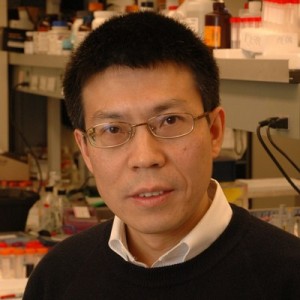
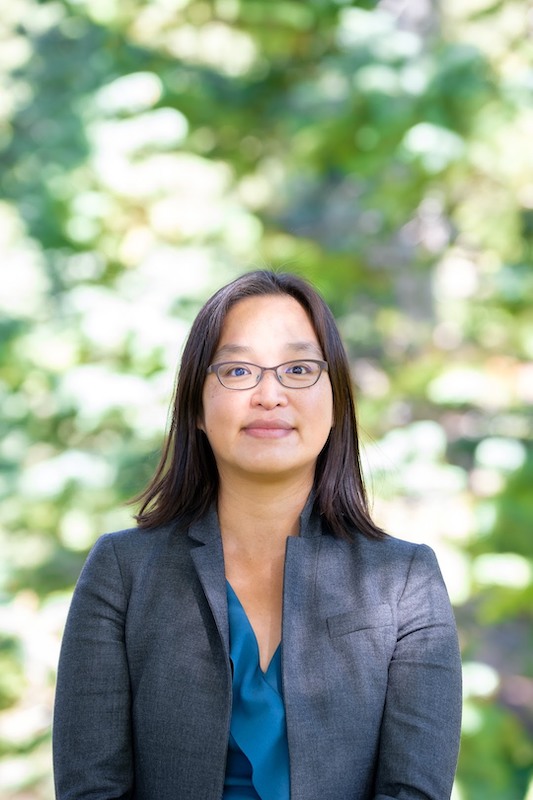
Rihe H. Liu, PhD, is a Professor in the Division of Chemical Biology and Medicinal Chemistry at the UNC Eshelman School of Pharmacy , University of North Carolina at Chapel Hill. He is a member of the UNC Lineberger Comprehensive Cancer Center , focusing on developing novel drug target-binding affinity molecules. Research Interests: Directed molecular selection and evolution (mRNA display, phage display, SELEX) Ligand design and engineering for therapeutic applications In vitro cellular and signaling characterization In vivo therapeutic efficacy studies in tumor mouse models Targeted delivery strategies for biologics Exploration of CAR-T and ligand-drug conjugates Publication Trends: Liu's recent work emphasizes immunotherapy (e.g., STING mimics, CAR-T), nanotechnology for drug delivery (e.g., nano-PD-L1 traps, CXCL13 nanotraps), and molecular engineering of biologics. His studies span oncology, molecular biology, and nanomedicine, with applications in hepatocellular carcinoma and ovarian cancer. Labs and Teams: Liu leads the Liu Laboratory at UNC, which integrates display technologies and translational research to advance biologics for cancer therapy and targeted delivery.
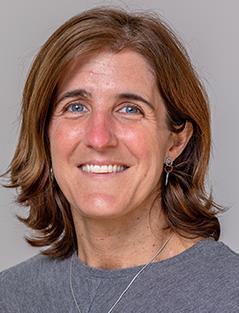
Pilar Alcaide is a Professor of Immunology at Tufts University School of Medicine. Her research focuses on understanding molecular mechanisms of T lymphocyte trafficking in inflammatory heart diseases, particularly heart failure. She combines immunology, vascular biology, and cardiac physiology to investigate immune-cardiac interactions using mouse models and advanced microscopy techniques. Education: Ph.D. and M.S. in Immunology from Universidad Autónoma de Madrid (Spain) Dr. Alcaide's lab explores how T cell-endothelial interactions contribute to cardiac pathophysiology, with translational goals toward developing immune-based therapeutics. Key areas include: STING signaling in microglial-neuronal interactions Myeloid fatty acid metabolism in HFpEF CXCR3 blockade for immunotherapy myocarditis Her work has been funded by NIH grants (e.g., mechanisms of T cell activation in cardiac fibrosis). Notable awards include the ASIP Cotran Early Career Investigator Award.
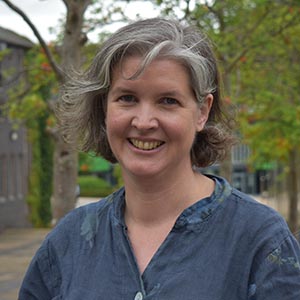
Professor Pip Beard is Head of the School of Life Sciences and Professor of Viral Pathology at Keele University. Her research focuses on poxviruses affecting livestock, including lumpy skin disease virus, sheeppox, and goatpox virus. With a veterinary background from the University of Sydney and PhD from the University of Edinburgh, she investigates viral pathogenesis and transmission dynamics. Her research program examines molecular virus-host interactions, insect-borne transmission, and pathological responses to poxvirus infections. Beard has developed improved disease management strategies including resistant crop varieties and pheromone-based monitoring systems. Publications demonstrate consistent focus on viral pathogenesis, disease control strategies, and host immune responses to poxvirus infections. Recent articles emphasize disease surveillance, transmission risks, and therapeutic interventions. Recognition includes Wellcome Trust Fellowship (2004), Speciality Research Medal (2014), and Journal of Comparative Pathology Medal (2018). She leads the DEFEND research consortium and mentors veterinary students through summer research programs.
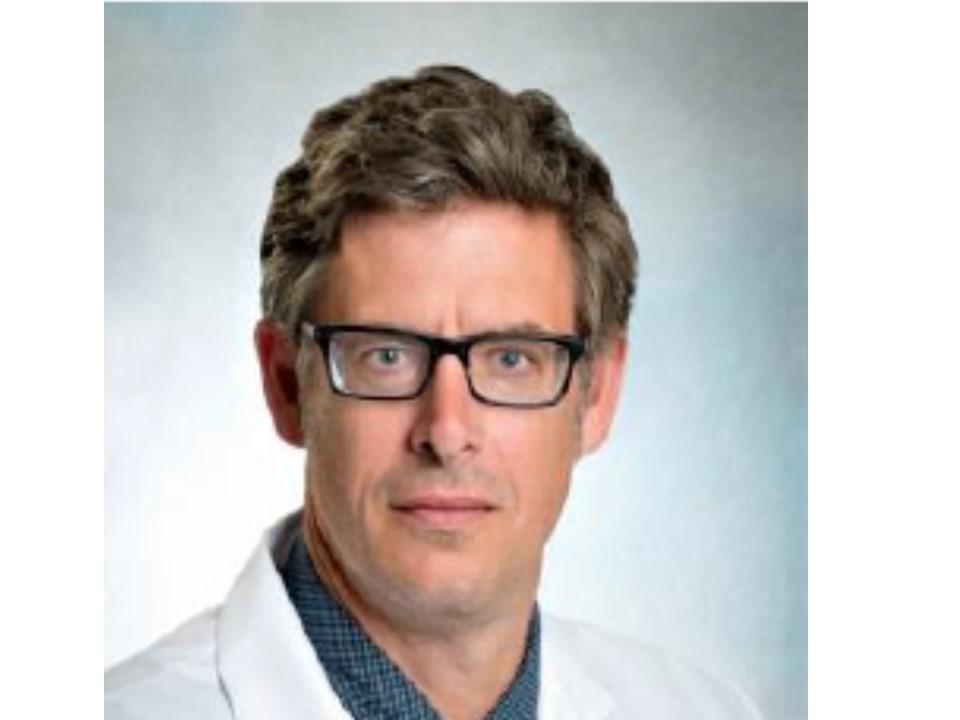
Sean Lawler, Ph.D. is an Associate Professor of Pathology and Laboratory Medicine at Brown University, leading the Brain Cancer Therapy Lab. He is affiliated with the Brown Cancer Center as co-leader of the CNS Cancer Translational Disease Research Group. Specializes in translational approaches for brain tumor therapy Previous faculty appointments at Harvard, Ohio State, and University of Leeds Focus on glioblastoma and pediatric high-grade glioma Research interests include: Drug delivery across the blood-brain barrier Immunotherapy development for brain cancers Role of cytomegalovirus in glioblastoma progression His lab explores three main areas: blood-brain barrier modulation, immune system activation against brain tumors, and CMV-induced cancer growth mechanisms. Recent publications emphasize glioblastoma immunology, drug delivery innovations, and tumor microenvironment dynamics, particularly through STING activation and peptide-drug conjugates. Dr. Lawler teaches BIOL 1295 - Fundamentals of Cancer Immunotherapy at Brown University.
Baran D. Sumer, M.D., is a Professor and Chief of the Division of Head and Neck Oncology in the Department of Otolaryngology – Head and Neck Surgery at UT Southwestern Medical Center, where he has served since 2007. He is also Director of the Head and Neck Oncology Disease Oriented Team at the Simmons Comprehensive Cancer Center and holds the T.C. Lupton Family Professorship in Patient Care. His clinical work spans UT Southwestern Medical Center, Parkland Health & Hospital System, Children’s Medical Center of Dallas, and the North Texas VA Medical Center. Dr. Sumer earned his medical degree from Case Western Reserve University and completed an internship in general surgery, residency in otolaryngology, and fellowship in head and neck oncologic surgery at Washington University in St. Louis School of Medicine, with a focus on transoral laser surgery and microvascular reconstruction. His research focuses on advancing diagnostic and therapeutic technologies for head and neck cancer, including fluorescent imaging, biosensing, photodynamic therapy, and nano-immune-engineering. He is particularly known for developing pH-sensitive nanoparticles for tumor imaging and immunotherapy. His recent publications reveal a strong trend in immunotherapy, tumor microenvironment modulation, fluorescence-guided surgery, and nanoparticle-based drug delivery, often in collaboration with Dr. Jinming Gao. Among his recognitions are being named a top otolaryngologist by D Magazine and receiving the Texas Instruments Corporate Award for Research, the Triological Society Francis Lederer Award, the FUSION Grant for Nanotechnology Research, and the SEBM Best Paper Award. Dr. Sumer is principal investigator on multiple NIH R01 and CPRIT-funded research projects and co-PI on the UT Southwestern Immuno-Oncology Translational Network (IOTN) i3 Center under the Cancer Moonshot. He co-founded OncoNano Medicine Inc. and leads a lab focused on nano-immune-engineering for cancer immunotherapy. He serves as an editor for Annals of Surgical Oncology and reviewer for journals including Nature Biomedical Engineering and Laryngoscope . His lab, located at https://www.utsouthwestern.edu/labs/sumer/ , drives translational research from bench to bedside, with technologies like pegsitacianine in Phase 2 clinical trials and PC7A nanovaccines advancing toward human studies.
Dr. Heather L. Wilson is a Senior Lecturer in Immunity & Cardiovascular Disease at the School of Medicine and Population Health, University of Sheffield. With a DPhil in Pharmacology from Oxford and postdoctoral experience in immune cell biology, she specializes in macrophage dysfunction in aging and inflammatory diseases. Research: her work explores how macrophage function declines with age, exacerbates atherosclerosis, and drives autoimmune responses in diseases like lupus. She investigates human primary blood cells and uses zebrafish models to study IL-1β mechanisms. Teaching: she leads the MBChB Phase 3a Student Selected Component, co-deploys the MSc Reproductive Medicine Social Aspects module, and trains PhD/MSc students in cardiovascular cell biology. Grants: BBSRC, MRC, British Heart Foundation, Horizon 2020 Marie Curie ITN, Vivensa Foundation Awards: RCUK Fellowship (2005-2010), Fellow of the Higher Education Academy
Ming Hammond serves as Professor of Chemistry in the Department of Biological Chemistry at the University of Utah School of Medicine, where she leads innovative research in RNA-based molecular imaging and cyclic dinucleotide signaling pathways. Her work bridges chemical biology and microbiology to develop programmable biosensors and decode bacterial immune communication mechanisms. Education: B.S. from California Institute of Technology Ph.D. from University of California, Berkeley Dr. Hammond's research centers on engineering nucleic acids as tools for live-cell imaging and gene control , with dual emphases on (1) RNA-fluorophore biosensors for visualizing enzyme activity in bacteria under diverse conditions, and (2) cyclic dinucleotide signaling in bacterial/mammalian systems. Her lab pioneered riboswitch-based biosensors with sub-nanomolar sensitivity and demonstrated zinc-mediated regulation of biofilm formation in E. coli . Recent work explores bacterial cGAMP signaling via Hypr GGDEF enzymes and mammalian immune responses involving cGAS-cGAMP-STING pathways. Analysis of her 15 most recent publications reveals a decisive shift toward advanced biosensor engineering (bioluminescent, ratiometric) and mechanistic dissection of cyclic dinucleotide networks across bacterial species. Key trends include expanding applications to spaceflight environments, atomic-level tuning of immune responses, and cross-species comparisons of second-messenger systems. Awards: Signaling Breakthrough of the Year (Science Signaling, 2015) Dr. Hammond mentors graduate students in the Biological Chemistry PhD program and directs an active research laboratory. Her work is supported by NIH and NSF grants focused on nucleic acid engineering and host-pathogen signaling, though specific awards are not detailed in the source text. Collaborative projects include structural studies with UC Berkeley's Russell Vance on cGAMP immune signaling. The Hammond Lab operates at the chemistry-biology interface, utilizing fluorescence microscopy, flow cytometry, and synthetic biology to investigate signaling dynamics in single cells. Current efforts emphasize translating biosensor technologies to study bacterial communication in complex environments and immune evasion mechanisms.
Gang Zheng is a Research Fellow at Monash Biomedical Imaging, Monash University. He holds a PhD in Biomedical Engineering (2007) from Nanjing University of Aeronautics and Astronautics and a bachelor's in Science (2002). Previously, he served as an associate professor (2014) and lecturer (2008) at his alma mater, conducting clinical radiology research at Jinling Hospital. His current research focuses on developing noninvasive fMRI techniques for metabolic brain diseases like hepatic encephalopathy and Alzheimer’s risk detection, with expertise in arterial spin labeling MRI and brain connectome analysis. Education: PhD in Biomedical Engineering, Nanjing University of Aeronautics and Astronautics (2007) Bachelor of Science, Nanjing University of Aeronautics and Astronautics (2002) Research Highlights: Advances in fMRI techniques for metabolic disorders Cardiac fibrosis imaging in preclinical models Neuroinflammation modulation post-TBI STING pathway inhibition therapies Awards & Recognition: None explicitly listed Collaborations: University of Pennsylvania (functional neuroimaging), Cancers research networks
Patricia Boya is a Full Professor in the Department of Medicine at the University of Fribourg, within the Faculty of Mathematics, Natural Sciences and Medicine. She is a leading researcher in autophagy, mitophagy, and lysosomal biology, with a focus on retinal and neurodegenerative diseases. Her research interests center on the molecular mechanisms of autophagy and mitophagy, particularly their roles in retinal health, aging, neurodegeneration, and cell death. She investigates how mitochondrial dynamics, lysosomal function, and autophagic flux contribute to diseases such as retinitis pigmentosa, glaucoma, ALS, and Parkinson’s. Her work combines molecular biology, cell imaging, and preclinical models to uncover therapeutic targets. The analysis of her recent publications reveals a strong focus on mitophagy regulation, neuroinflammation (especially via the cGAS/STING pathway), and the development of neuroprotective compounds. She has contributed to high-impact reviews and guidelines in autophagy research, and her work spans fundamental mechanisms to translational applications. She is actively involved in scientific leadership, including the "Women in Autophagy" initiative to promote gender equity in science and the "DRIVE" international PhD training program in autophagy. Dr. Boya has published over 150 articles in top journals including Nature , Nature Communications , Autophagy , and Cell Death & Disease . Her work is highly collaborative, involving interdisciplinary teams across Europe. She leads a research group focused on cellular recycling mechanisms and their implications for vision and aging, contributing significantly to the understanding of autophagy in health and disease.
Luis A. Martinez, PhD, serves as Associate Professor in the Department of Pathology at Stony Brook University's Renaissance School of Medicine. His laboratory investigates how mutant p53 proteins drive cancer progression through gain-of-function mechanisms, with particular focus on transcriptional regulation and immune modulation pathways. Education: University of Texas at Austin: B.A. in Biological Sciences (1994) University of Texas at Austin: Ph.D. in Biology (1998) Dr. Martinez's research has established that mutant p53 forms oncogenic complexes with ETS2 transcription factor, stabilizing ETS2 by disrupting ubiquitin-mediated degradation to amplify gene regulation. His recent work reveals mutant p53's role in suppressing innate immune signaling and engaging the cGAS/STING pathway for tumor suppression, demonstrating an evolution from transcriptional mechanisms toward immune-cancer interactions. Publication trends show increasing focus on immune-oncology interfaces since 2021, building upon earlier foundational work in transcriptional regulation (2012-2015). This progression highlights expanding research scope into therapeutic resistance mechanisms and tumor microenvironment interactions. No scientific awards were documented in the source material. Dr. Martinez mentors graduate students through Stony Brook's Basic Sciences Graduate Programs, with research conducted in his laboratory located in the Basic Science Tower (Level 9, Room 103). While specific grant details weren't provided, his work spans molecular mechanisms of p53 mutations, chemoresistance, and immune evasion pathways. His laboratory maintains active research into mutant p53/ETS2 complex dynamics and therapeutic targeting opportunities, with future work focused on dissecting transcriptional regulation mechanisms and protein interactions in tumor progression.
Caius Radu, M.D., is a full Professor in the Departments of Molecular and Medical Pharmacology and Surgery at the University of California, Los Angeles (UCLA). He also serves as Vice-Chairman of the Department of Molecular and Medical Pharmacology and as Co-Director of the Cancer Molecular Imaging, Nanotechnology, and Theranostics Research Program (CMINT) within the Jonsson Comprehensive Cancer Center. Education: M.D., University of Medicine, Craiova, Romania Postdoctoral training in immunology and cancer biology, University of Texas Southwestern Medical Center (Dallas) Postdoctoral training at UCLA under the mentorship of Dr. Owen Witte Research Interests: Dr. Radu's laboratory investigates the intersection of metabolic signaling , nucleotide metabolism , and immune networks in cancer, with a translational focus on molecular imaging and theranostic applications. Key efforts include elucidating novel mechanisms regulating nucleotide metabolism in pancreatic and prostate cancers, identifying actionable co-dependencies, and developing non-invasive imaging probes that predict therapeutic response. The group integrates rigorous pre-clinical mouse models with cutting-edge PET imaging to accelerate bench-to-bedside translation. Current projects revolve around STING pathway activation , PSMA-targeted radioligand therapy , CD73 adenosine blockade , mutant KRAS inhibition , and mRNA cancer vaccines . These multi-pronged strategies aim to overcome tumor immune evasion, enhance cytotoxic therapies, and personalize treatment selection. Recent Publication Trends: From 2020-2025, the Radu group has published extensively on synergistic combination therapies that pair immune checkpoint modulation with targeted metabolic inhibition. A dominant theme is leveraging nucleoside analog PET tracers (e.g., 18F-FAC, 18F-CFA) to visualize immune activation and metabolic stress in real time. Parallel studies dissect resistance mechanisms to PSMA-targeted alpha therapy and explore STING agonism as a strategy to sensitize otherwise refractory pancreatic and prostate tumors. Scientific Awards & Honors: While the provided text does not enumerate specific awards, Dr. Radu’s leadership roles at UCLA and the Jonsson Comprehensive Cancer Center, along with continuous high-impact publications, attest to sustained recognition in cancer research. Advising & Team: Dr. Radu mentors an active bench-to-bedside team comprising: Graduate Students: Amanda Creech, Hailey Lee Postdoctoral Scholar: Khalid Rashid Staff Research Associate: Weihang Zhao Lab Manager: Nanping Wu Laboratory & Core Affiliations: The Radu laboratory operates within the CMINT program at the Jonsson Comprehensive Cancer Center, with ready access to UCLA’s preclinical imaging cores, flow cytometry facilities, and translational pathology resources. Collaborative ties span the departments of Molecular and Medical Pharmacology, Surgery, Radiological Sciences, and the Institute for Molecular Medicine.
Wonnie Ryu, MD, is an Assistant Professor of Medicine in the Section of Pulmonary, Critical Care, and Sleep Medicine at Yale School of Medicine. He specializes in diagnosing and treating interstitial lung diseases like idiopathic pulmonary fibrosis (IPF) and sarcoidosis. His research focuses on mitochondrial DNA as a biomarker and pathogenic mediator in lung fibrosis, with translational studies on innate immunity and fibrotic mechanisms. Education: BS: Emory University (2003) MPH: Dartmouth College (2004) MD: New York Medical College (2008) Research Interests: Dr. Ryu investigates the role of extracellular mitochondrial DNA in disease progression, particularly in IPF and sarcoidosis. His work explores innate immune pathways (e.g., TLR9, CGAS-STING), fibroproliferative mechanisms, and potential therapeutic targets like α1-adrenergic receptor antagonism. He employs single-cell profiling and translational animal models to bridge basic science and clinical applications. Awards & Grants: NIH/NHLBI K08 Award (2020) Parker B. Francis Foundation Award (2018) Boehringer Ingelheim IPF/ILD Discovery Award (2019) ATS Recognition of Early Academic Achievement (2018) Lab Collaborations: Works closely with Erica Herzog, MD, PhD (Mentor), Naftali Kaminski, MD , and others in the Interstitial Lung Disease Program and Winchester Center for Lung Disease.
Lingyin Li is a Professor in the Department of Biochemistry at Stanford University School of Medicine and a core investigator at the Arc Institute. Her research focuses on the biochemical mechanisms of immunotransmitter cGAMP, with applications in cancer and autoimmunity. She holds affiliations with Stanford's Bio-X Institute, Sarafan ChEM-H Institute, and Stanford Cancer Institute. B.Sc. in Chemistry, University of Science and Technology of China (2003) Ph.D. in Chemistry, University of Wisconsin-Madison (2010) Postdoctoral training in Chemical Immunology, Harvard Medical School (2015) Dr. Li's work deciphers extracellular cGAMP biology, targeting ENPP1/ENPP3 hydrolases to enhance STING-mediated anti-cancer immunity. Her lab explores Galectin-1's role in metastasis, PELI2's regulation of interferon production, and taurine metabolism's impact on obesity. She has pioneered methods to engineer VH domains for ENPP1 inhibition and characterized phage anti-CBASS proteins. Recent research trends include: Therapeutic modulation of cyclic nucleotide signaling Extracellular immunotransmitter dynamics Immune checkpoint enzyme targeting STING pathway activation specificity Tumor-immune microenvironment interactions Scientific awards include: NIH Pathway to Independence Award (2015-2018) Baxter Foundation Faculty Scholar (2017-2018) NIH New Innovator Award (2017-2022) Ono Pharma Breakthrough Science Initiative (2017-2010) DOD Breast Cancer Breakthrough Level II (2018-2021) C&En News Talented 12 (2020) Eli Lilly Award in Biological Chemistry (2022) Dr. Li advises doctoral candidates and teaches graduate-level courses including Directed Reading in Biochemistry (BIOC 299), Graduate Research (BIOPHYS 300), and The Teaching of Biochemistry (BIOC 221). Her lab collaborates with immunology and cancer research teams across Stanford and the Arc Institute.
Aline C Oliveira is an Assistant Professor in the Department of MD-PHARMACOLOGY / THERAPEUTICS at the University of Florida. Her research focuses on the brain’s role in cardiopulmonary diseases, particularly pulmonary hypertension (PH), aiming to identify novel therapeutic targets. She leads the Oliveira Lab, which uses cutting-edge neuroscience techniques alongside pulmonary hemodynamic analyses to investigate neuroinflammation and microglial contributions to PH. Education: PhD in Physiology (2016) from Federal University of Minas Gerais, MSc in Physiology (2012) from Federal University of Minas Gerais, and a Bachelor’s in Physiotherapy (2010) from Pontifical Catholic University of Minas Gerais. Research Interests: Neuroinflammation, microglial activation, gut-lung-brain axis interactions, pulmonary vascular remodeling, and translational therapies for PH. Her work highlights the critical role of activated microglia in autonomic nervous system dysfunction, linking brain pathology to systemic cardiovascular diseases. Key Grants: Principal Investigator: Neuroimmune axis contribution to pulmonary hypertension (NHLBI, 2024–present) Principal Investigator: Neuroimmune axis studies (NHLBI, 2023–2024) Principal Investigator: Neuroinflammation in PH (American Heart Association, 2020–2021) Scientific Awards: Multiple recognitions including 2nd Place in Early Career Showcase (2023, 2019), American Heart Association Postdoctoral Fellowship, and Best Poster Awards. Labs/Teams: Leads the Oliveira Lab, collaborating with interdisciplinary teams to explore brain-gut-lung interactions and microglial biology. Current projects include STING signaling in PH, ACE2 overexpression therapies, and microbiota modulation strategies.
Caius Gabriel Radu is a Professor in the Department of Molecular and Medical Pharmacology and the Department of Surgery at the University of California Los Angeles (UCLA) School of Medicine. His research program focuses on understanding fundamental biological processes at the interface between metabolic and signal transduction networks in cancer, immune cells, and stromal cells, with the goal of developing new diagnostic and therapeutic approaches. Dr. Radu's research expertise spans cancer immunobiology, immunotherapy, nucleotide metabolism, and molecular imaging. His laboratory has established a highly integrated research program that includes state-of-the-art instrumentation for Positron Emission Tomography (PET) and Mass Spectrometry platforms for metabolomics, proteomics, and phosphoproteomics. His interdisciplinary team collaborates with experts across UCLA and other institutions in molecular imaging, cancer metabolism, immunobiology, signal transduction, structural biology, radiochemistry, medicinal chemistry, and virology. Dr. Radu's research has led to significant discoveries, including uncovering a new role for the nucleoside salvage pathway in hematopoiesis, developing new PET probes for nucleotide metabolism (some of which have been translated to clinical use), and discovering novel small molecule inhibitors of metabolic kinases. One of these inhibitors has entered Phase I clinical trials (NCT05055609) for selected solid tumors and autoimmune disorders. His work also focuses on the immunobiology of pancreatic and prostate cancers, seeking to identify novel immunometabolic checkpoints that could be pharmacologically modulated alone or in combination with other therapies. Challenge Award, Prostate Cancer Foundation, 2017-2019 Challenge Award, Prostate Cancer Foundation, 2019-2021 Dr. Radu is currently Principal Investigator or Multiple Principal Investigator on multiple NIH-funded research projects, including studies on innovative mRNA vaccines for solid tumors, adenosine signaling in pancreatic cancer, PSMA-targeted radiopharmaceutical therapy, and targeting KRAS and adenosine-mediated immunosuppression. In collaboration with Dr. Norbert Pardi at UPenn, he has established a platform for evaluating mRNA lipid nanoparticle platforms for cancer immunotherapy.