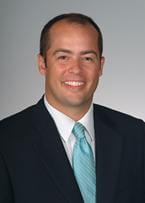
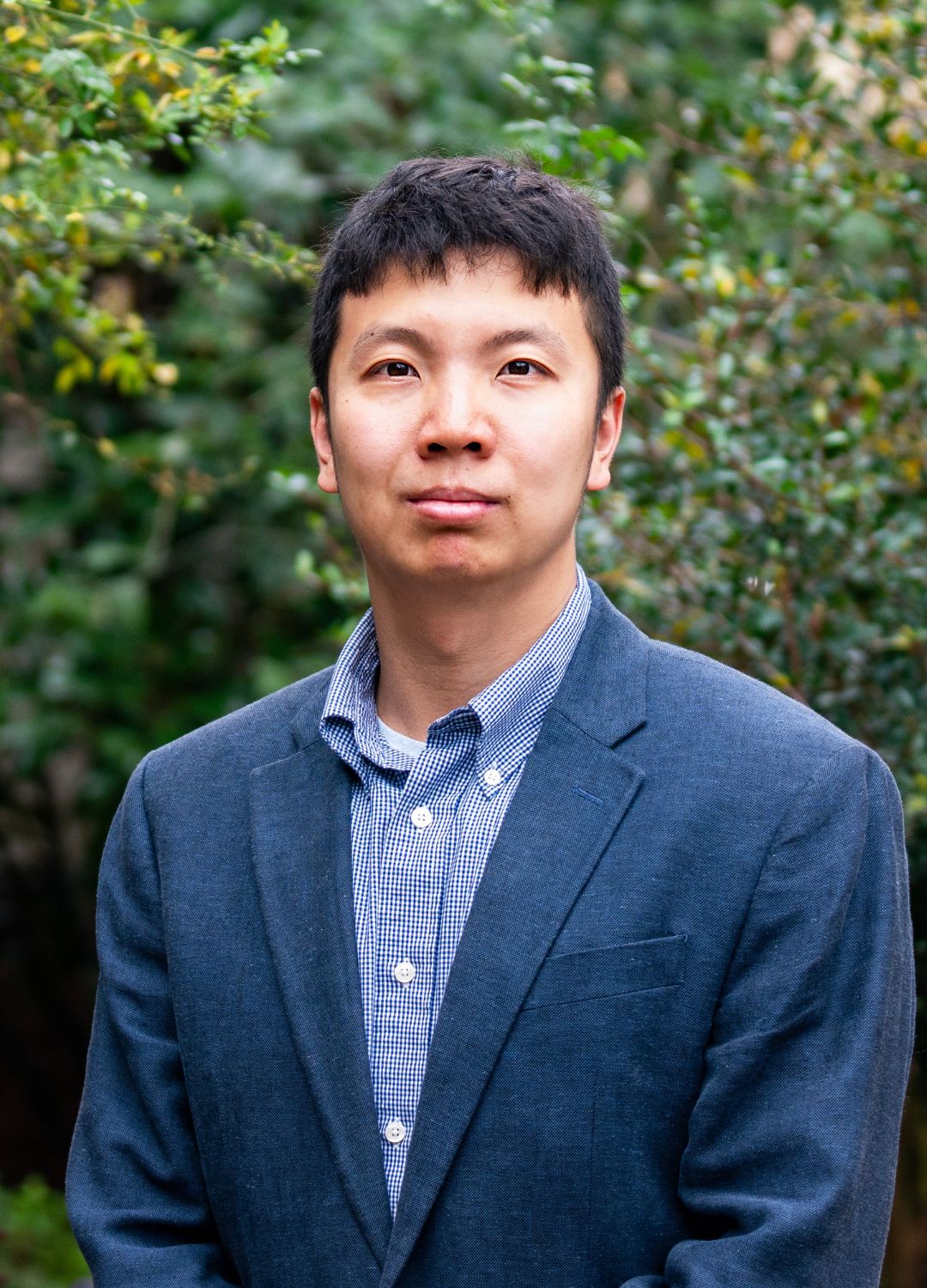
Andrew Goodwin, M.D., MSCR, is a Professor of Medicine and Section Chief of Critical Care at the Medical University of South Carolina (MUSC). His research focuses on clinical and translational studies to improve critical illness outcomes through electronic health record (EHR) innovations, clinical decision support systems (CDSS), and multicenter clinical trials. He leads MUSC’s ICU clinical trials program, collaborating with networks like PETAL, ACTIV, and STRIVE, and investigates EHR-driven adherence to ICU best practices and machine learning applications in clinical trials. Dr. Goodwin received his B.S. in Bioengineering from Syracuse University, M.D. from SUNY Stony Brook, and completed residency at Massachusetts General Hospital and fellowship in Harvard’s Combined Program. He joined MUSC faculty in 2011, where he directs research infrastructure through the CTSA program and trains early-career clinical trialists. Critical Care Clinical and Translational Research EHR-enabled Investigation Clinical Decision Support Systems Sepsis Respiratory Failure His recent publications span 2014–2024, addressing topics like EHR harmonization, CDSS for fluid prescribing, driving pressure in ARDS, and microRNA in sepsis. Awards include the Department of Medicine’s Research Faculty Mentor of the Year.
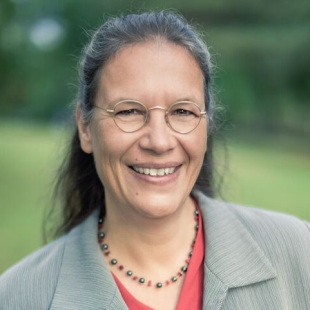
Christine von Renesse is a Professor in the Department of Mathematics at Westfield State University. She specializes in inquiry-based learning and integrates interdisciplinary connections (e.g., games, music, dance, arts) into her teaching, particularly in Mathematics for Liberal Arts courses. As a passionate advocate for STEM education reform, she co-leads the NE-COMMIT initiative and facilitates professional development workshops for K-12 and higher education faculty. Her work extends to graduate program coordination and institutional committees like Writing Across the Curriculum (WAC). Education: PhD in Mathematics (2007), University of Massachusetts Amherst M.Ed in Mathematics (2002), Technical University, Berlin Diplom in Mathematics (2001), Technical University, Berlin Her research focuses on enhancing mathematical understanding through open inquiry, with a strong emphasis on curiosity-driven pedagogy and accessibility. She has authored numerous publications on inquiry-based teaching, including collaborations on the COMMIT Network and the Discovering the Art of Mathematics project. Her NSF-funded work bridges faculty collaboration and STEM education transformation, supported by her leadership roles in initiatives like STEM-ACT. Prof. von Renesse actively contributes to academic service as a PRIMUS board member, graduate advisor, and coordinator of mathematics education programs. Her interdisciplinary approach spans from salsa dancing to proof-writing, aiming to make mathematics engaging and relevant across diverse fields.
Gaurav Nanda serves as an Assistant Professor in the School of Engineering Technology at Purdue University, where he leads research at the intersection of artificial intelligence and human-centered systems. His work develops intelligent decision support frameworks applicable across critical domains including occupational safety, smart manufacturing infrastructure, healthcare analytics, and educational technology. Education Background Ph.D. in Industrial Engineering, Purdue University Dual Degree: B.Tech. and M.Tech. in Agricultural and Food Engineering (Major) with Electrical Engineering Minor, Indian Institute of Technology Kharagpur His research program integrates applied machine learning and natural language processing to solve complex problems in safety analytics (injury surveillance systems), Industry 4.0 (IoT-enabled manufacturing), healthcare (breast cancer prediction models), and STEM education (MOOC feedback analysis). Current projects emphasize human-AI collaboration, with growing focus on ethical AI implementation and social justice integration in engineering contexts. The INDESS Research Group he directs develops systems that balance algorithmic precision with human factors considerations. Recent publications (2023-2025) demonstrate accelerating adoption of large language models and vision-language systems across application domains, particularly in safety analytics and educational technology. Key trends include human-in-the-loop validation frameworks, explainable AI interfaces, and multimodal data integration (eye-tracking, text, sensor data). His work increasingly addresses fairness considerations in AI deployment, especially regarding diversity in engineering education and workplace safety systems. Dr. Nanda actively mentors the next generation of engineers through the INDESS Research Group , advising Ph.D. candidates Madhumathi Ponnusamy and Shuning Yin, while previously supervising Master's graduates including Srushti Vichare and Meet Suthar. His research receives support through Purdue-affiliated institutes including ICON (Control/Optimization Networks), RDE (Digital Enterprise), and FWL (Future Work/Learning). He maintains active service roles as Editorial Board Member for the International Journal of Industrial Ergonomics and as reviewer for leading publications including IEEE Transactions on Learning Technologies and Safety Science. The research group maintains strong industry connections through the Purdue School of Engineering Technology, with projects spanning manufacturing automation, healthcare informatics, and educational technology platforms. Current initiatives focus on real-time anomaly detection systems, ethical AI frameworks for safety-critical applications, and inclusive curriculum development for engineering education.
Rupert Wimmer is a Professor at the Institute of Wood Technology and Renewable Resources of the University of Natural Resources and Life Sciences, Vienna. He serves as an Editorial Board Member for journals like Frontiers in Chemistry and Wood and Fiber Science , and has been a Review Editor for ISRN Forestry (2009–2018). His work bridges wood science , renewable materials , and dendrochronology , with a focus on 3D-printed bio-composites , triboelectric wood processing , and climate reconstruction . His research spans Biocomposites: Innovations in lignin-based materials , wood-plastic composites , and fully recyclable wall systems . Wood Technology: Studies on surface activation , mechanical properties , and dust reduction during machining. Dendrochronology: Climate history analysis via tree rings and wood chemistry . The most recent articles explore circular economy in construction, electrostatic wood treatment , and drought proxies , reflecting his interdisciplinary approach. Awards include Rudolf Sallinger S&B Innovation Award nominations (2018, 2019) German Study Prize for Wood Materials Research (2010) Fellow of the International Academy of Wood Science (2005) He has supervised over 74 theses, including Roman Myna (2025) on innovative dust reduction and Raphaela Hellmayr (2024) on wood-based circular bioeconomy . Grants from EU , FFG , and Fonds zur Förderung der wissenschaftlichen Forschung fund his work. Collaborations span institutions in Australia, Germany, and the Czech Republic.
Daniel Dörler is a Senior Scientist at the Institute of Zoology, University of Natural Resources and Life Sciences, Vienna (BOKU), where he has been employed since 2019. His academic background includes a doctorate in Natural Resources and Life Sciences from BOKU and studies in Biology/Zoology from the University of Vienna. He is a leading figure in the Austrian and European citizen science movement, with a focus on biodiversity, road ecology, and public engagement in science. Institution: University of Natural Resources and Life Sciences, Vienna (BOKU) Department: Institute of Zoology Position: Senior Scientist (wissenschaftlicher Mitarbeiter) Email: daniel.doerler@boku.ac.at ORCID: 0000-0003-2056-4084 Daniel Dörler’s research interests center on citizen science, biodiversity monitoring, and ecological research, particularly in urban and road environments. He investigates the role of public participation in data collection for scientific research and conservation, with a focus on roadkill and amphibian populations. His work bridges ecology, social science, and science communication, emphasizing the transformative potential of citizen science for both science and society. He is deeply involved in methodological development, quality criteria, and the scalability of citizen science projects. His recent publications demonstrate a strong trend towards the integration of technology, policy, and community engagement in citizen science. Works such as automated species detection for anurans, roadkill hotspot analysis, and the development of scalability toolkits highlight a move towards data-driven, policy-relevant, and ethically sound citizen science. The articles consistently focus on practical applications, project design, and the societal impact of participatory research, spanning sub-fields like conservation biology, bioacoustics, and science policy. Daniel Dörler has received numerous scientific awards, reflecting his excellence in research, teaching, and public outreach: 2023: Ars Docendi Award for excellent teaching, Honorary Mention for the Roadkill project (EU Citizen Science Prize), and multiple awards for co-supervised Master’s theses. 2022: Sustainability Award from Austrian Federal Ministries. 2017: BOKU Sustainability Prize and recognition as a Pioneer of Open Innovation in Science. 2018: Nomination for the National Animal Welfare Prize. Dörler is a principal investigator and project leader on numerous research grants from the European Commission, Austrian Science Fund (FWF), and national agencies. He is a key figure in the Citizen Science Network Austria and the platform "Österreich forscht." He frequently presents at international conferences, contributes to policy discussions, and mentors students. His collaborative work with Florian Heigl and others has established a robust network for citizen science in Austria and beyond. Daniel Dörler is a core member of the Citizen Science Network Austria and leads multiple projects such as "Leading Lights," "STEM education," and "Explore Research from East to West in Austria." He is also deeply involved in the "Roadkill" project and the "AmphiBiom" initiative for amphibian conservation. His work fosters a collaborative environment that brings together researchers, citizens, and policymakers to address pressing environmental challenges.
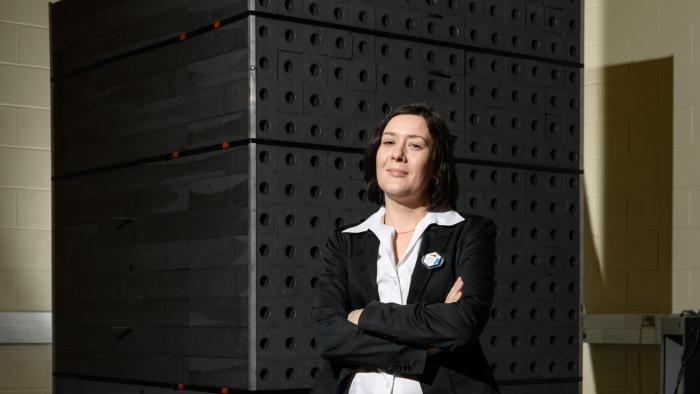
Anna Erickson serves as Woodruff Professor and Associate Chair for Research at Georgia Institute of Technology's George W. Woodruff School of Mechanical Engineering, where she bridges reactor engineering and nuclear nonproliferation through integrated theoretical and experimental approaches. Director of the $25M DOE NNSA-funded Consortium for Enabling Technologies and Innovation (12 universities, 12 national labs), she has authored over 100 publications including the seminal text Active Interrogation in Nuclear Security (Springer, 2018) and advises federal agencies on nuclear security policy. Education: Ph.D. in Nuclear Science and Engineering, Massachusetts Institute of Technology (2011) M.S. in Nuclear Science and Engineering, Massachusetts Institute of Technology (2008) B.S., Oregon State University (2006) Research Focus: Dr. Erickson pioneers nonproliferation-by-design methodologies through two integrated thrusts: advanced reactor analysis for proliferation-resistant nuclear energy systems and radiation detection for border security applications. Her work uniquely combines machine learning with nuclear engineering to develop safeguards for next-generation reactors, with significant contributions to antineutrino detection systems and medical physics applications like proton radiography. Current projects emphasize small modular reactor safety and spectral imaging techniques. Publication Trends: Analysis of her 15 most recent publications (2018-2020) reveals dominant themes in antineutrino-based reactor monitoring (60% of works), advanced radiation detection systems (30%), and small modular reactor design (10%). Key innovations include lithium-loaded scintillators for neutron detection, spectral X-ray correction algorithms, and high-temperature reactor concepts with inherent proliferation resistance, demonstrating consistent DOE funding focus on nuclear security infrastructure. Awards: Woodruff Professorship (2019) Lockheed Dean's Excellence in Teaching Award (2016) US Frontiers of Engineering Symposium (National Academy of Engineering, 2015) American Nuclear Society Graduate Scholarships (2006, 2009) Stewardship Science Graduate Fellowship (DOE, 2008-2011) Leadership & Funding: As director of the $25M Consortium for Enabling Technologies and Innovation, she manages cross-institutional R&D in machine learning, advanced manufacturing, and nuclear detection. Her Laboratory for Advanced Nuclear Nonproliferation and Safety (LANNS) coordinates with Aerospace Engineering, Chemistry, and International Affairs departments on nonproliferation projects, while her ELATES leadership program participation (2022) enhances STEM management capabilities. Recent media engagements with CBS News (nuclear fusion breakthrough) and CNN (radiation safety) demonstrate policy impact. Research Infrastructure: The multidisciplinary LANNS lab develops experimental detection systems alongside reactor modeling tools, supporting the Consortium's mission to create deployable nuclear security technologies. Collaborations with 12 national laboratories enable access to unique facilities for radiation source characterization and reactor simulation, with current efforts focused on AI-enhanced safeguards for commercial reactor fleets.
Dr. Maja Krzic is a Professor at the Department of Forest and Conservation Sciences within UBC's Faculty of Land and Food Systems. Her research bridges soil science with sustainability education through community engagement and digital innovation, focusing on human impacts on soil properties across agricultural, grassland, and forest ecosystems. She develops cutting-edge teaching tools like the Digging into Canadian Soils open textbook and SOILx interactive platform. PhD (University of British Columbia, 1997) MSc (University of Belgrade, 1990) BSc (University of Belgrade, 1986) Her publications (2010-2025) explore greenhouse gas dynamics in agricultural systems, soil carbon sequestration in elevation gradients, and innovative educational approaches including problem-based learning and augmented reality. Recent work addresses climate-resilient soil management in coastal British Columbia and gender parity in soil science academia. Major awards include: 3M National Teaching Fellow (2016) UBC Killam Teaching Prize (2006) Fellow, Soil Science Society of America (2023) Platinum AVA Digital Award for SOILx (2015) She has mentored 28 graduate students and postdocs, including Amy Wells (2024), Clara Roa-Garcia (PhD, 2018), and Preston Cumming (Postdoc, 2015). Current projects focus on climate change adaptation in Delta farmland and regenerative agricultural practices.
Brent Lagesse is an Associate Professor at the University of Washington - Bothell , affiliated with the Division of Computing & Software Systems under the School of Science, Technology, Engineering & Mathematics . His research focuses on security in emerging environments , particularly secure machine learning and privacy in sensor-rich systems . Ph.D. in Computer Science from the University of Texas at Arlington (2009) Research Interests include: Detecting and locating hidden webcams Scalable AI/ML defense mechanisms Privacy-preserving video sharing AI systems for air quality prediction Automated yeast cell analysis CRISPR/CAS9 guide-donor libraries Article Trends : Recent publications emphasize secure machine learning for smart city applications, privacy-preserving technologies , and resource-constrained security in crowdsensing environments . Collaborative work spans cybersecurity education , environmental monitoring , and context-aware systems . Scientific Awards : Cybersecurity Fulbright Scholar (University of Cambridge, 2018) Johann-von-Spix International Guest Professorship (University of Bamberg, 2019-20) Advising & Grants : Advises current research students Neil Prakasam and Nicholas Handaja NSA grant ($96k) for GenCyber curriculum development (2022) NSF grant ($300k) for AI-enhanced cybersecurity workforce studies (2021) T-Mobile grants for ML security metrics and dataset anonymization (2020-2022) Laboratory : Leads the Security of Emerging Environments (SEE) Lab , developing practical and theoretical frameworks for smart city security and privacy-preserving technologies .
Dr. Mingfeng Wang is a Senior Lecturer in Robotics and Autonomous Systems at Brunel University London, affiliated with the Department of Mechanical and Aerospace Engineering within the College of Engineering, Design and Physical Sciences. His research focuses on specialized robotic systems including continuum, legged, soft, precision farming, and miniaturized robots. Chartered Engineer (CEng) with Engineering Council UK Fellow of the Higher Education Academy (FHEA) Member of IEEE, IEEE-RAS, IMechE, and IFToMM Editorial roles: Associate Editor of International Journal of Advanced Robotic Systems (JCR-Q3); Associate Editor of Frontiers in Robotics and AI (JCR-Q2); Editor of Information Processing in Agriculture (JCR-Q1), Biomimetic Intelligence and Robotics (JCR-Q1), and STEM Education Research expertise includes: Continuum Robotics : Design of extra-slender continuum robots (diameter-to-length ratio Legged Robotics : Parallel mechanism-based biped and hexapod robots for extreme environments Miniaturized Robotics : Active locomotion and drug delivery in capsule endoscopes Soft Robotics : Compliant end-effectors and bio-inspired designs Precision Farming : Laser weeding systems and agricultural automation Key scientific awards: BRIEF award (2022) TAROS Best Paper Post Nomination (2022) IFToMM Asian-MMS Best Paper Award (2014) Recent publications focus on: Cochlear implant surgery robotics Passive compliance in train fluid servicing Snake-biomimetic sealing surfaces Parallel kinematic manipulators Capsule endoscope image enhancement Professional services include conference organization (TAROS 2023/2024 Steering Committee; TAROS 2024 Programme Chair) and journal refereeing for IEEE-ASME Transactions on Mechatronics and Scientific Reports.
Prof. Dr.-Ing. Katrin Temmen is a full Professor at Paderborn University where she serves as Section Owner of Teaching Technology in the Department of Electrical Engineering and Information Technology within the Faculty of Computer Science, Electrical Engineering and Mathematics . She also holds the position of Dean of Students for the same faculty, underscoring her pivotal role in shaping engineering education and student affairs. Her research is anchored in two key areas: Transformation and Education and Sustainable Materials, Processes and Products . These themes converge in her work on digital teaching technologies, augmented reality for learning, open educational resources (OER), and sustainable vocational training concepts. She explores how emerging technologies—especially 5G and mixed-reality environments—can transform engineering curricula and teacher professional development. Across her recent publications (2024–2025), Prof. Temmen investigates: systematic development of multimedia OER for electrical engineering, meta-analyses of augmented reality in education, design of digital student laboratories for teacher training, and comparative studies on self-efficacy among future technical teachers. These works collectively highlight a trajectory toward immersive, sustainable, and scalable educational innovations. Teaching portfolio: She teaches over twenty courses spanning technical writing, mechatronics and manufacturing labs, didactic project seminars, philosophy & ethics of technology, and vocational teacher preparation programs . Her courses emphasize reflective practice, project-based learning, and the integration of digital tools in engineering pedagogy. Contact information: Email: katrin.temmen@uni-paderborn.de Phone: +49 5251 60-3004 Office: Pohlweg 47-49, Room P1.6.09.2, 33098 Paderborn, Germany Office hours: by appointment
Kaiming Bi, Ph.D., is an Assistant Professor in the Department of Management, Policy & Community Health at the University of Texas Health Science Center at Houston (UTHealth Houston) School of Public Health . As an affiliated member of the Center for Health Care Data , his research bridges quantitative methods and public health, focusing on infectious disease modeling , epidemic forecasting , and data-driven health policy . B.S. in Mathematics from Northeastern University (2015) Ph.D. in Industrial Engineering from Kansas State University (2020) Postdoctoral training at University of California San Diego School of Medicine (2020-2021) and University of Texas at Austin (2021-2024) His methodological expertise spans mathematical modeling , machine learning , and optimization , applied to diverse public health challenges including respiratory infections , vector-borne diseases , STIs , and the opioid epidemic . Recent work includes modeling SARS-CoV-2 Omicron subvariants , population immunity dynamics , and multi-pathogen burden projections for the 2023-2024 US winter season. Dr. Bi has received prestigious accolades such as the Pencis Best Researcher Award (2021) and IISE Best Paper (2018). He previously taught graduate courses in Integer Programming , Information Systems , and Industrial Simulation at Kansas State University. Currently leading the Big-data and Infectious Disease Modeling Lab (BI Lab) , he seeks STEM-motivated PhD students to develop computational solutions for epidemic control.
Tania Sengupta is an Associate Professor of Architectural History and Theory at The Bartlett School of Architecture, University College London, where she also serves as Co-Director of the Architectural and Urban History and Theory (AUHT) PhD programme. Previously, she served as Director of Architectural History and Theory at the Bartlett for nearly five years (from early 2019 to July 2023), one of the school's core streams of teaching and learning. Her academic journey includes teaching positions at TVB School of Habitat Studies in New Delhi and the University of Westminster before joining UCL in 2011. Trained as an architect, urban designer, and architectural historian, Dr. Sengupta brings a multidisciplinary approach to her scholarship that combines archival research with fieldwork and oral history. Her research focuses on the architecture, urbanism, and continuing legacies of colonialism and imperialism in South Asia and global postcolonial contexts such as Britain, with particular interest in questions of (in)equity stemming from colonial inheritances and alternative epistemologies. Her scholarly output reveals consistent thematic focus on colonial spatial cultures, particularly in Bengal and eastern India, with recent works exploring ephemeral architecture (like Kolkata's Durga Puja festival), gendered spaces, and the relationship between bureaucracy and built environments. Her publications span architectural history, postcolonial studies, and critical race theory, emphasizing non-Western perspectives and decolonial approaches through monographs, journal articles, and edited volumes. Her major awards include: RIBA President's Award for Architectural History & Theory 2019 RIBA President's Medal for Research 2019 Shortlisted for Society of Architectural Historians (SAH) GB Colvin Prize 2020 Paul Mellon Centre Mid-career Fellowship 2022 Melbourne University's Macgeorge Fellowship 2024 As an educator, Dr. Sengupta has supervised approximately 50 postgraduate dissertations to completion, with several winning awards including the RIBA Research Awards and MAD Travel Fellowship. Her PhD students have explored diverse topics across global contexts including spaces of Somali migrants in Cape Town, architectural pedagogy in China, and early twentieth century architectural modernity in India. She is actively engaged in decolonizing architectural education through initiatives like the 'Race' and Space curriculum. Dr. Sengupta serves as Co-Chief Editor of Architecture Beyond Europe (ABE), a journal focused on global architectural histories, and as Associate Editor of South Asian Studies. She represents the Bartlett at the Architectural Humanities Research Association and has held visiting research fellowships at institutions including Heidelberg University and Leibniz-Zentrum Moderner Orient.
David Pomeroy is a Senior Lecturer in the School of Social and Cultural Studies within the Faculty of Education at the University of Canterbury (Te Whare Wānanga o Waitaha) in Christchurch, New Zealand. Formerly a secondary mathematics teacher, he has been at the University of Canterbury since 2018 after previously teaching at Victoria University of Wellington from 2016-2017. His academic work bridges educational research, sociology, and mathematics pedagogy with a strong focus on equity issues. Education: PhD in Education, University of Cambridge (2016) MPhil in Educational Research (Distinction), University of Cambridge (2012) MEd (Distinction), Victoria University of Wellington (2011) Graduate Diploma of Teaching (Secondary), Dunedin College of Education (2005) BA/BSc in Mathematics/Chemistry, University of Otago (2004) Dr. Pomeroy's research centers on socio-economic, ethnic and gender inequalities in mathematics learning, with particular emphasis on how streaming or 'ability' grouping affects educational equity. He employs approaches from sociology and gender studies to examine the relationship between identity factors (social class, ethnicity, gender) and subject engagement. His work explores how school assessments create intended and unintended consequences for students, especially those from marginalized backgrounds. He is actively involved in two major research streams: collaborating with secondary mathematics departments transitioning to mixed 'ability' classes, and working with Maths Craft NZ to investigate craft-based mathematics learning as an accessibility tool. Analysis of Dr. Pomeroy's recent publications reveals a consistent focus on educational equity in mathematics through multiple lenses. His work examines how streaming reinforces racialized social class inequalities, explores teachers' adaptations to de-streamed classrooms, and investigates the emotional consequences of ability grouping (including 'shame'). His research spans multiple contexts (Aotearoa New Zealand, Finland, Australia) with particular attention to gendered experiences in mathematics education. The publications demonstrate an interdisciplinary approach combining sociology of education, critical race theory, and mathematics pedagogy to challenge traditional assumptions about ability and achievement. Dr. Pomeroy is registered to supervise Master's and Doctoral students, with current supervisees researching topics including migrant students' success in science, gender perceptions in Chinese education, women teacher leaders in mathematics and science, and Māori and Pasifika girls' experiences in STEM education. He leads the NZCER-funded research project 'Pāngarau Unleashed: a Multiple Case Study of De-streaming Secondary Mathematics' (2022-2024). His professional activities include regular media commentary on education policy, peer reviewing for major education journals, and active membership in the Sociological Association of Aotearoa New Zealand and NZARE. Through his 'Maths Craft' initiative, Dr. Pomeroy has developed innovative approaches to mathematics education that use tactile, craft-based learning to make mathematical concepts more accessible. This work has particular relevance in post-pandemic educational contexts and represents a creative response to longstanding challenges in mathematics engagement. His teaching focuses on literacy and mathematics for primary school teaching, where he trains future educators in inclusive pedagogical approaches.
Dr. Mirko Nitschke is a senior researcher at the Leibniz Institute of Polymer Research Dresden (IPF), affiliated with the Max Bergmann Center of Biomaterials Dresden. He has been instrumental in advancing polymer biomaterials science since joining the institute in 1996, focusing on plasma-based surface engineering and biocompatible material development for medical applications. His academic foundation includes: Graduate studies (1992-1996) at Chemnitz University of Technology, where he investigated FTIR Spectroscopic Investigation of Plasma Modified Polymer Surfaces Physics undergraduate degree (1987-1992) from Friedrich-Schiller-University Jena with thesis on Computer Simulation of Ion Trajectories in Solids Nitschke's research centers on plasma surface functionalization and polymer diagnostics to engineer biocompatible materials. His work bridges fundamental surface science with clinical applications, particularly in vascular stents, nerve regeneration, and corneal tissue engineering. Key innovations include thermo-responsive cell carriers and bioactive hydrogel coatings that respond to physiological cues. Analysis of his 15 most recent publications reveals a strong trajectory in advanced biomaterials characterization using ToF-SIMS and plasma techniques. His work increasingly integrates machine learning for spectral analysis while maintaining focus on medical device applications—particularly in cardiovascular and ophthalmic implants where surface-biology interactions dictate clinical success. As a core member of the Polymer Biomaterials Science Division, Nitschke collaborates extensively with clinical partners through the Max Bergmann Center's university-linked infrastructure. His laboratory specializes in plasma modification systems and surface analytics for next-generation biomaterials development.
Ariel Chan is an Associate Professor in the Department of Chemical Engineering and Applied Chemistry at the University of Toronto, Faculty of Applied Science and Engineering. She is cross-appointed to the Institute for Studies in Transdisciplinary Engineering Education & Practice (ISTEP) and serves as the Principle Investigator of the Re-Engineering Education (Re3) Research group. Ph.D. in Chemical Engineering from Queen’s University Postdoctoral Fellowship at Agriculture Canada Registered Professional Engineer (P.Eng.) in Ontario Her research focuses on three domains: Assisted-Learning Technology (VR/AR and virtual labs), Data Analytics for Student Success (machine learning and language complexity analysis), and Sustainable Laboratory Practices (Life Cycle Analysis in biodiesel production and nutritional initiatives). She has developed over 40 inquiry-based lab projects and a virtual lab tour with immersive safety training. Recent trends in her publications include integrating VR/AR for remote experimentation , data science for equity in education , and sustainable chemical processes . Her work often combines chemical engineering principles with pedagogical innovation. Scientific Awards Northrop Frye Award (2023) Bill Burgess Teacher of the Year Award (2023) Wighton Fellowship (2022) Diran Basmadjian Teacher of the Year Award (2019) Dean’s Emerging Innovation in Teaching Professorship (2018-2021) Technology Enhanced Active Learning (TEAL) Fellowship (2018-2021) NSERC Postdoctoral Fellowship (2009-2011) Chan accepts graduate students and leads the Unit Operations Laboratory modernization project, emphasizing accessible, inclusive, and sustainable education through immersive technology and data-driven curriculum design.