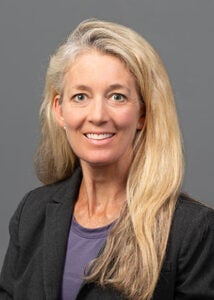
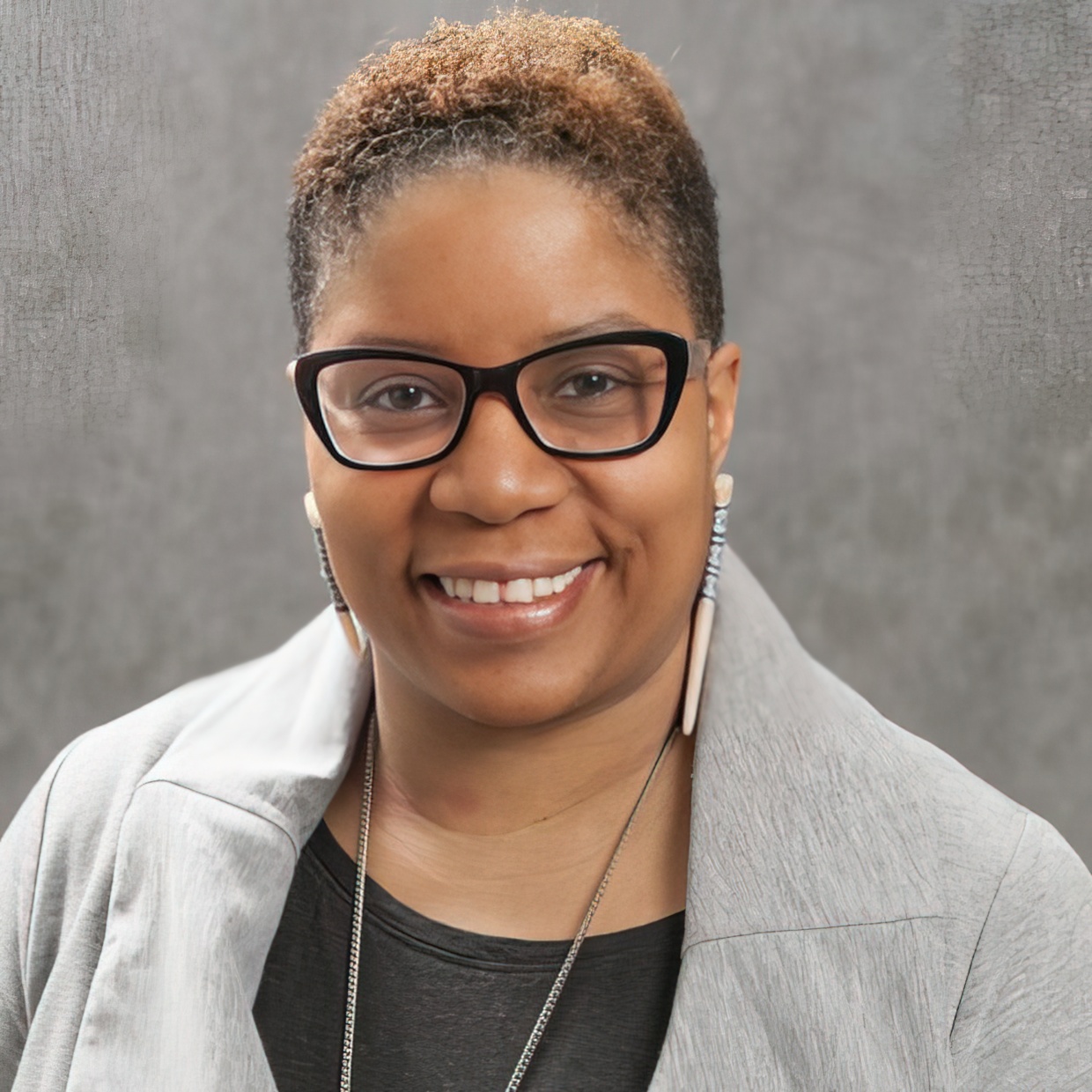
Stephanie Jilcott Pitts is a Professor in the Department of Public Health at East Carolina University. She earned her BS in Biology and PhD in Nutrition (with a minor in Epidemiology) from the University of North Carolina at Chapel Hill. After working in Uganda with World Harvest Mission to address child malnutrition, she joined ECU in 2008. Her research focuses on policy and environmental interventions to improve diet and physical activity, particularly in underserved populations. BS, Biology – University of North Carolina at Chapel Hill PhD, Nutrition (Epidemiology minor) – University of North Carolina at Chapel Hill Her work includes validation of the Veggie Meter® for assessing fruit and vegetable intake, rural food access studies, and evaluations of nutrition programs like SNAP-Ed and WIC. She teaches courses in mixed methods research, public health project management, and applied practicum experiences. Recent publications explore skin carotenoids as biomarkers, small retailer nutrition interventions, and food insecurity mitigation strategies. Key research trends include: development of non-invasive dietary assessment tools, rural health disparity interventions, and mixed-methods analysis of food systems. Though no specific scientific awards are documented in the provided text, her extensive publication record demonstrates significant contributions to public health nutrition and community-based research.
Diane W. Bales is a Professor in the College of Family and Consumer Sciences at the University of Georgia, serving as an Extension Human Development Specialist and Child Life Program Director. Her work spans teaching, community outreach, and applied research focused on child development, mental health, and health promotion. Ph.D. in Child Psychology, University of Minnesota (1998) M.A. in Child Psychology, University of Minnesota (1995) B.A. in Psychology, Carleton College (1990) Dr. Bales specializes in early brain development, stress management, and obesity prevention in early childhood. Her initiatives include the Better Brains for Babies campaign and the Eat Healthy, Be Active program, which combine research with practical applications for educators and families. Her peer-reviewed publications and outreach materials demonstrate a commitment to integrating technology into early childhood education, with projects like the Building Baby's Brain training curriculum and online professional development courses. Awards include the 2020 Georgia Association of Extension 4-H Agents Outstanding Support and the 2016 Georgia Association of Teachers of Family and Consumer Sciences Post-Secondary Teacher of the Year. USDA Rural Health and Safety grant for opioid misuse prevention USDA NIFA funding for Farm and Farm Family Stress support UGA SNAP-Ed funding for Healthy Child Care Georgia
Deborah H John is a Professor and Extension Specialist at Oregon State University (OSU) in the School of Exercise, Sport, and Health Sciences within the College of Public Health and Human Sciences. Her primary role includes leading the Extension Family and Community Health (FCH) program as the state specialist for Health Equity and Place. She holds a PhD in Exercise Science/Psychology from OSU and an MS in Exercise Science from the University of West Florida. Her research integrates psychosocial and behavioral kinesiology with environmental public health, focusing on health equity, physical activity disparities, and place-based contexts affecting populations such as older adults, rural residents, and Indigenous communities. She employs community-engaged participatory research (PR) approaches to examine how individual and environmental factors influence health behaviors and outcomes. Key projects include the USDA-funded GROW Healthy Kids & Communities initiative, which addresses rural childhood obesity through environmental and policy interventions, and the engAGE in Community project exploring age-friendly environments. Dr. John has collaborated extensively with organizations like the NSF-funded Oregon State ADVANCE program to advance equity in STEM workplaces. Her work emphasizes mixed-methods designs, policy evaluation, and tool development for environmental assessments (e.g., SPAN-ET, HEAL MAPPS). She has published over 50 peer-reviewed articles and serves on advisory boards such as the U.S. President’s Council on Sports, Fitness & Nutrition Science Board. Education: PhD, Exercise Science/Psychology, Oregon State University (2004); MS, Exercise Science, University of West Florida (1998) Affiliations: OSU Extension Service, Kinesiology Program, Hallie E. Ford Center for Healthy Children & Families, Center for Healthy Aging Research Grants: Led a $4.8M USDA NIFA grant (2011–2017) and contributed to NSF ADVANCE equity initiatives Her research priorities include advancing behavioral equity in aging populations, addressing rural health disparities, and developing scalable interventions through Extension networks. She advocates for Health in All Policies approaches to integrate health considerations into cross-sector decision-making.
Dr. Cheryl Eschbach is the Director of Michigan State University Extension's Health & Nutrition Institute and an Assistant Professor in the Department of Food Science and Human Nutrition at Michigan State University. She has held leadership roles since 2018, overseeing community-based health programs, budgets, and partnerships. Her academic career began at MSU Extension in 2008 as an Educator and Specialist. Education: Ph.D. in Human Development and Family Sciences (Oregon State University), M.S. in Family Sciences and Gerontology (Oregon State University), B.A. in Psychology and Sociology/Anthropology (Oakland University). Research focuses on Health Extension, aging, participatory research, and integrating primary care with community programs. She has authored/co-authored over a dozen peer-reviewed articles and a 2024 book exploring future directions in Cooperative Extension health programs. Grants/Leadership: Principal Investigator on a $600K ACL grant (2023–2027) for chronic disease management, a USDA NIFA grant (2024–2027) on sleep and chronic pain, and oversees MSU Extension’s farm stress outreach (Michigan AgrAbility) and SNAP-Ed grants. She also co-leads the Michigan Substance Use, Prevention, Education, and Recovery (MiSUPER) initiative. Labs/Teams: Directs the Health & Nutrition Institute, collaborates with academic health centers, and leads community engagement projects addressing rural health challenges.
Dr. Lucine Francis serves as an Assistant Professor at the Johns Hopkins School of Nursing and holds core faculty positions with the Johns Hopkins Center for School Health, Center for Equity in Child and Youth Health and Wellbeing, and Center for Cardiovascular & Chronic Care. Her research pioneers health promotion and equity-focused innovations in child-serving organizations through policy, systems, and environmental change initiatives. Her academic credentials include: AB from Smith College BS from Johns Hopkins University PhD from Johns Hopkins University MPH in Food, Nutrition, and Health from Johns Hopkins Bloomberg School of Public Health Dr. Francis's research centers on school health equity and child nutrition security , with emphasis on policy development , obesity prevention , and social determinants of health . She investigates how nursing-led interventions can transform educational settings into hubs for whole-child wellness, particularly through her SPiCE CoLab which strengthens nutrition policies in schools. Her work bridges community organizations, governmental agencies, and global partners to address health disparities. Analysis of her 2021-2025 publications reveals consistent focus on school-based food security interventions, digital health tools for early childhood, and cross-national policy comparisons. Over 60% of her recent work employs systematic review methodologies examining nurse-led programs, while Brazilian collaborations highlight her global health perspective. Nutrition-focused mobile applications and pandemic-adapted SNAP-Ed implementations represent emerging innovation threads. Her scientific recognition includes: 2025 Isabel Hampton Robb Faculty Fellowship Award 2024 Journal of School Nursing Scholarly Writing Award 2023 International Visiting Research Scholar (Brazil) 2023 Outstanding Faculty Research Paper Award 2022 Healthy Eating Research Early Stage Investigator invitation Multiple teaching/service fellowships from Johns Hopkins and national organizations As a Certified Nurse Educator, Dr. Francis mentors pre-licensure and graduate nursing students while securing major grants from NIH, CDC, and Robert Wood Johnson Foundation. Her SPiCE CoLab directs policy innovation for child health in educational settings, and she serves as Associate Editor for CDC's Preventing Chronic Disease . Community engagement includes co-leading Baltimore's Joshua Project ministry focused on youth wellness. Dr. Francis directs the SPiCE (Strengthening Policies for Child Health in Education Settings) CoLab, applying nursing expertise to transform school nutrition policies. Her work integrates with three Johns Hopkins centers focusing on cardiovascular care, child health equity, and school health systems to create cross-disciplinary impact on child wellbeing.
Mindi B. Levin is an Associate Practice Professor in the Department of Health, Behavior and Society at the Johns Hopkins Bloomberg School of Public Health. She is also jointly affiliated with Health Policy and Management and serves as the founder and director of SOURCE, the university's center for community engagement and service-learning, supporting the Schools of Public Health, Nursing, and Medicine. Her work is deeply rooted in Baltimore, where she fosters academic-community partnerships to advance public health practice and social justice. Department: Health, Behavior and Society School: Bloomberg School of Public Health University: Johns Hopkins University Center Leadership: SOURCE (Community Engagement and Service-Learning Center) Joint Affiliations: Urban Health Institute (UHI), Health Policy and Management Levin holds a Master of Science from Towson University (2003) and a Bachelor of Science from the University of Maryland at College Park (1998). She is a Certified Health Education Specialist (CHES), reflecting her commitment to public health education and practice. Her research and teaching focus on critical service-learning, community engagement, civic professionalism, and health equity. She develops and teaches courses such as the Baltimore Community Practicum and Topics in Interdisciplinary Medicine, and co-created the Community-Based Public Health certificate program. Her work emphasizes experiential learning, ethical decision-making, and activism in public health education. Her recent publications reflect a strong trend in service-learning pedagogy, faculty development in community engagement, and public health responses to crises like the COVID-19 pandemic. Articles explore topics such as the HEAT Corps, community partner experiences in service-learning, and the role of critical pedagogy in training health professionals to address social injustices. These works span disciplines including public health, education, and social justice, with subfields ranging from health equity and community collaboration to faculty development and curriculum innovation. Levin has received numerous honors for her teaching and leadership, including the 2024 Ernest Lyman Stebbins Medal, the highest educational honor at the Bloomberg School, and multiple Excellence in Teaching awards. She has also been recognized for her humanitarian work, institutional leadership, and program innovation. 2024 Ernest Lyman Stebbins Medal Multiple Excellence in Teaching Awards (2013–2024) 2023 Educational Program Award, Johns Hopkins Medicine 2021 Paper of the Year, Pedagogy in Health Promotion 2019 Community Hero Award, JHU Alumni Association 2015 Michael A. Jenkins Humanitarian Award 2014 Daily Record VIP List Multiple awards from ACPA and Maryland-DC Campus Compact She advises and supports student programs such as SOURCE Service Scholars and Baltimore Action Projects, and has secured funding for initiatives like the HEAT Corps and HIV Counseling and Testing Program. She serves on key university committees including the Diversity Leadership Council and the Urban Health Institute’s Community-University Collaborating Committee, demonstrating her leadership in institutional equity and community partnerships. Levin leads several major initiatives through SOURCE, including the Service-Learning Academy, Connection Community Consultants, and the JH Health Education and Training (HEAT) Corps. These programs engage students, faculty, and over 100 Baltimore community organizations in collaborative public health efforts, emphasizing reciprocity, diversity, and civic professionalism.
Angela Odoms-Young, PhD, is the Nancy Schlegel Meinig Associate Professor of Maternal and Child Nutrition at Cornell University's College of Human Ecology. She directs the Food and Nutrition Education in Communities Program (FNEC) and the New York State Expanded Food and Nutrition Education Program (EFNEP), focusing on social and structural determinants of dietary behaviors in low-income and BIPOC populations. Her research emphasizes culturally responsive programs to promote health equity, food justice, and community resilience. She has contributed to national nutrition policy development through advisory roles on the National Academies of Sciences, Engineering, and Medicine (NASEM) Food and Nutrition Board, and committees for the National School Lunch Program and WIC food packages. Recent publications analyze racism in food systems, impact of 'Food Is Medicine' interventions, and structural factors affecting dietary outcomes. She has received awards including the Mary C. Egan Excellence in Dietary Guidance Award and the Excalibur Award for Teaching Excellence. Scientific Awards: Mary C. Egan Excellence in Dietary Guidance Award Excalibur Award for Teaching Excellence
Veronica J. Oates is a Professor in the Department of Human Sciences within the College of Agriculture at Tennessee State University, specializing in community-based health interventions targeting African American populations through nutrition science and behavioral research. Education: Ph.D. in Nutrition, University of North Carolina at Chapel Hill B.S. in Human Sciences, North Carolina Central University M.S. in Biology, North Carolina Central University B.S. in Chemistry, North Carolina Central University B.S. in Biology, North Carolina Central University Research Focus: Dr. Oates pioneers research in childhood obesity prevention and cultural/media influences on dietary behaviors , with groundbreaking work on the YAMS (Youth Active and Media Savvy) framework. Her methodology integrates critical media literacy with nutrition education to combat health disparities, emphasizing community empowerment through church-based and youth-focused interventions. Publication Trends: Her scholarly output reveals consistent focus on African American health equity, evolving from cancer prevention studies (2004-2005) toward cardiometabolic disease interventions (2014-2017). Recent work demonstrates technological innovation in nutrient management systems while maintaining core emphasis on culturally tailored, church- and school-based behavioral modification programs. Awards: New Connections 3rd Annual Symposium Travel Award, Robert Wood Johnson Foundation (2009) Pink Zone Professor Award, Tennessee State University Athletics Department (2009) Research Leadership: As Principal Investigator for major federal grants including NSF HBCU-UP, USDA AFRI, and American Heart Association initiatives, Dr. Oates directs the YAMS program targeting childhood obesity through media literacy. Her $1.2M+ funded projects establish technology-enabled nutrient supply chains for microgreens and develop lay health advisor models for community nutrition. Program Direction: She leads the YAMS summer camp program serving 8-13 year-old African American youth through daily nutrition education, 60+ minutes of physical activity, cooking instruction, and media production training. The program partners with TSU SNAP-Ed to deliver meatless, whole-grain focused meals while teaching grocery store navigation and critical analysis of food advertising through field trips to broadcast studios and challenge courses.
Dr. Punam Ohri-Vachaspati is a Professor at Arizona State University's College of Health Solutions, where she directs the ASU Food Policy and Environment Research Group. She is also a Senior Global Futures Scientist at ASU's Global Futures Laboratory. As a registered dietitian with a PhD in Applied Nutrition and Food Policy from Tufts University, she specializes in public health nutrition and social determinants of health, particularly in underserved communities. Education: PhD: Tufts University (Applied Nutrition and Food Policy) MS: Tufts University (Applied Nutrition and Food Policy) MS: University of Delhi (Food and Nutrition) RD: Case Western Reserve University Her research focuses on: Public health nutrition Social-ecological determinants of obesity Food policy analysis Health equity in nutrition access Community food environment assessment Nutrition intervention evaluation Recent publications examine universal school meals, neighborhood food environments, SNAP program dynamics, and pandemic-era food assistance. Her work spans interdisciplinary collaborations with institutions like the Robert Wood Johnson Foundation, USDA, and the World Health Organization. Current Grants: $5M AHRQ grant as co-PI for safety net health research $3.85M NIH grant as PI for pandemic school closure impacts USDA-funded WIC outreach initiatives Arizona Food Bank Network projects She leads the ASU Food Policy and Environment Research Group and has previously served as a fellow at the World Health Organization and a Health Policy Fellow in the U.S. Senate.
Victoria Hunter Gibney serves as a doctoral candidate and adjunct instructor within the Department of Public Administration and Policy at American University, bridging public health expertise with policy analysis for social safety net programs. Her academic foundation includes: Master of Public Health (MPH) in Social and Behavioral Sciences from the University of Florida Bachelor of Arts (BA) in Political Science from the University of Florida Bachelor of Science (BS) in Family, Youth & Community Sciences from the University of Florida Research critically examines material hardship through lenses of antipoverty policies (Child Tax Credit, Earned Income Tax Credit, TANF, SNAP, WIC) and their impacts on vulnerable families, while innovatively applying Geographic Information Systems (GIS) to map spatial disparities in neighborhood poverty and urban-rural service accessibility. Prior to AU, she executed seven years of fieldwork at the University of Florida managing SNAP-Ed implementation via UF/IFAS Extension, cultivating expertise in program monitoring, health policy advocacy, and organizational leadership. She maintains Certified in Public Health (CPH) credentials validating her professional specialization.
Dr. Irene Yen is a Professor of Public Health at the University of California, Merced within the School of Social Sciences, Humanities and Arts . As Principal Investigator of the Housing, Opportunity, and Place (HOPe) Lab , she specializes in social epidemiology, examining how neighborhood environments, structural racism, and lifecourse educational trajectories influence health disparities. Her work bridges quantitative and qualitative methods, with a focus on marginalized populations including low-income communities, South Asian individuals, and people experiencing housing instability. Education: PhD in Public Health, MPH Dr. Yen’s research emphasizes: Social Determinants of Health: Neighborhood cohesion, housing conditions, and urban planning. Health Equity: Addressing disparities through community-led solutions and anti-racist praxis. Lifecourse Epidemiology: Investigating how early-life adversity and educational disruptions affect long-term health. Her recent publications analyze: Alzheimer’s disease risk in South Asian communities linked to neighborhood social cohesion. Community responses to pandemic policies and misinformation dynamics. Collaborative housing equity initiatives in California’s Central Valley. Mental health impacts of nontraditional educational pathways. Scientific accolades include: Robert Wood Johnson Foundation Interdisciplinary Research Leadership Fellowship NIH R01 grant for educational trajectory research Dr. Yen leads mixed-methods studies on social support networks, safety-net hospital interventions, and structural poverty management. Her lab collaborates with organizations like Faith in the Valley and Cultiva Central Valley to implement community-organizing committees for policy change.
Heidi LeBlanc serves as an Extension Professor in the Nutrition, Dietetics and Food Sciences Department at Utah State University, concurrently holding directorship roles for the USU Hunger Solutions Institute and Create Better Health (SNAP-Ed) program under Extension Programs, while also leading as Executive Director of Extension Home & Community. Her professional focus centers on community-based nutrition security initiatives, with primary research interests spanning food assistance program implementation, hunger alleviation strategies, and public health nutrition education for vulnerable populations. The Hunger Solutions Institute develops statewide interventions for food insecurity, while Create Better Health delivers federally funded SNAP-Ed curriculum to low-income Utahns. LeBlanc's operational scope integrates academic research with extension outreach, emphasizing evidence-based program design for nutrition education and resource management. Her leadership bridges departmental research objectives with community implementation through Utah State University's land-grant mission infrastructure.
Chase S. Eck is an Investigator at the Center for Innovations in Quality, Effectiveness and Safety (IQuESt) under the U.S. Department of Veterans Affairs and an Instructor in the Department of Medicine at Baylor College of Medicine. His research focuses on healthcare access, labor economics, and public policy, particularly in veteran populations and nursing workforce dynamics. Education PhD in Economics (2021), The University of Arizona MA in Economics (2017), The University of Arizona BA in Mathematical Methods in the Social Sciences, Economics, and Mathematics (2014), Northwestern University Research Interests span healthcare supply impacts, informal care systems, and causal inference methods. Recent projects analyze VA Community Care programs (MISSION/PACT Acts), Medicaid expansion effects on dual enrollment, and the non-linear relationship between nurse staffing and workload metrics. Publication Trends emphasize healthcare economics, policy evaluation, and labor market dynamics, with a focus on veterans' health systems, nursing workforce challenges, and public policy interventions. Scientific Awards & Grants VA Seed Award (2022) NSF Dissertation Improvement Grant (2020) Eller CMIH Research Grant (2020) GPSC REAP Grant (2019) Ed Zajac and Steve Manos Prizes (2018, 2019) Highest Order of Excellence, Northwestern University (2014) Advising & Grants include mentoring doctoral candidate Luke Dogtoral Candidate on interdisciplinary research at the intersection of healthcare and animal behavior. His funded projects analyze healthcare resource allocation and policy impacts on vulnerable populations. Labs & Teams are affiliated with IQuESt at the Michael E. DeBakey VA Medical Center, collaborating with institutions like Northwestern University and Sara at Dog Tired San Diego rescue organization.
Dr. Gary Varrella serves as the Spokane County Extension Director and Associate Professor in the 4-H Youth & Families Program Unit at Washington State University (WSU). He leads youth development programs for ages 5-19, including 4-H initiatives, STEAM education, military family support, and volunteer training for over 300 4-H volunteers. PhD in Science Education, University of Iowa (1997) M.Ed. in Curriculum and Organizational Development, UC Davis (1987) B.S. in Animal Science, UC Davis (1976) His research focuses on youth leadership, non-formal education settings, curriculum design, and international development in post-Soviet countries. He is a co-author of 2016 book on integrated curricular models and has led evaluations of 4-H professional training programs. Recent publications emphasize nutrition education through youth-led initiatives, media literacy approaches, and volunteer development strategies. These works span public health, educational pedagogy, and community-based program design. National Association of Geoscience Teachers Exemplary Teaching Unit (2018) Western Region Communicator Award (2015) National 4-H Agents Distinguished Service Award (2014) Dr. Varrella currently serves as CoPI on four externally funded nutrition/healthy living projects and PI for a military youth development initiative. His work bridges academic research with practical implementation across urban-rural interfaces.
Lamis Jomaa is an Assistant Professor in the Department of Nutrition at the University of North Carolina’s Gillings School of Global Public Health. She holds an adjunct associate professor role at the American University of Beirut (AUB). Her work focuses on food and nutrition security, refugee health, and reducing health disparities through evidence-based interventions. She employs mixed-methods research to evaluate the burden and determinants of food insecurity in vulnerable populations globally. Dr. Jomaa holds a PhD and MSc in Nutrition Sciences from Pennsylvania State University (2010 and 2008) and a BSc in Nutrition and Food Sciences from the American University of Beirut (2004). Her research explores the intersection of conflict, displacement, and nutrition, particularly in the Middle East and North Africa (MENA) region. She has contributed to designing interdisciplinary graduate programs and teaching courses on public health nutrition, food security, and research methods. Her recent work examines the role of campus food pantries in addressing food insecurity among youth and evaluates sustainable dietary practices. She has collaborated with international agencies and NGOs on refugee health initiatives, including the Refugee Health Program at AUB’s Global Health Institute. Dr. Jomaa’s service activities include roles as a member of the American Society of Nutrition’s Nutrition Education and Behavioral Sciences Research Interest Group, serving on awards committees, and chairing oral presentations. She has been an invited speaker at over 40 conferences, including keynotes at the Swedish University of Agricultural Sciences and the Food and Agriculture Organization in Rome. Her research has been funded by intramural and extramural grants, and she collaborates with multidisciplinary teams across academia and humanitarian sectors. She is a research fellow at UNC’s Center for Health Promotion and Disease Prevention, emphasizing translational research to address global health challenges.