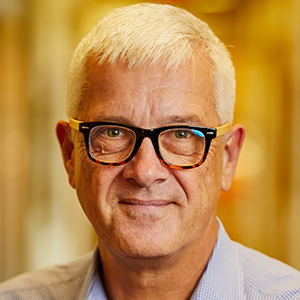
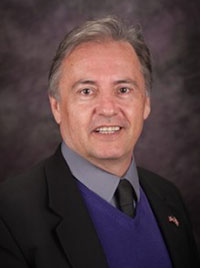
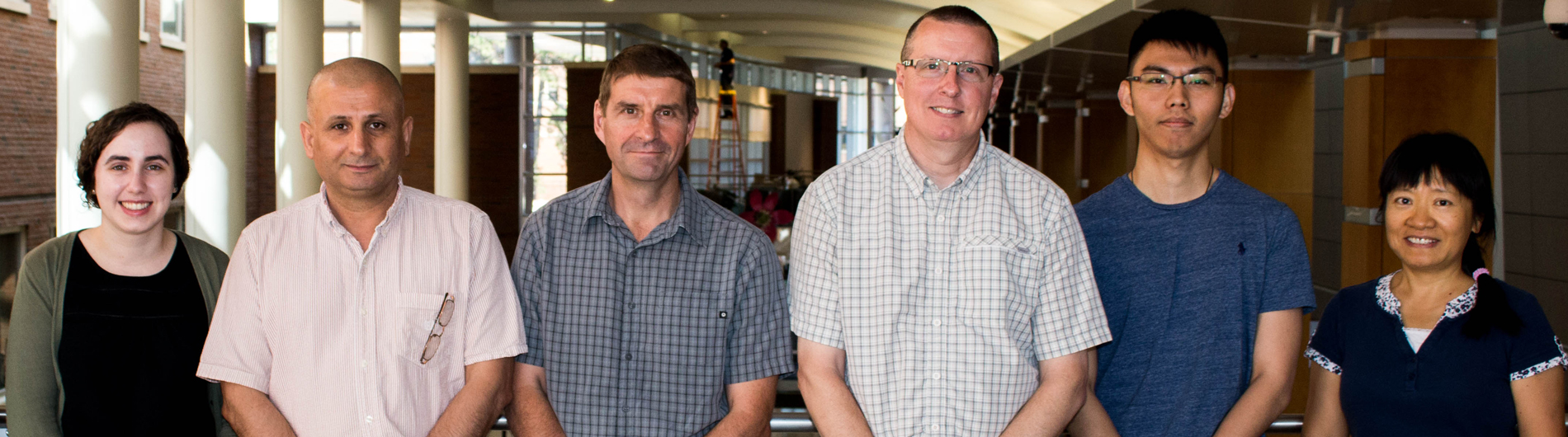
Vignesh Ram Somnath is a Professor in the Biosciences of Sports at the University of Hildesheim since 2018. Previously, he served as an Acting Professor (2016-2018) and Research Associate (2010-2016) at the Institute of Sports Science, German Sports School Cologne. His work bridges molecular biology with sports science, focusing on skeletal muscle adaptation. Current: University Professor W2, University of Hildesheim 2016-2018: Acting Professor, University of Hildesheim 2010-2016: Research Associate, German Sports School Cologne 2005-2007: Research Assistant, German Sports School Cologne Research Interests: Regulation of molecular signaling pathways in skeletal muscle Mechanoprotective mechanisms during exercise Protein degradation dynamics Optimization of training and nutrition in competitive sports Integration of molecular biology with traditional sports science Key Publications (2020-2017) demonstrate expertise in: Metabolomics of muscle hypertrophy AMPK signaling in training Mitochondrial adaptations Extracellular vesicle analysis Calcium signaling pathways
Pia Vogel is a Professor in the Department of Biological Sciences at Southern Methodist University (SMU), where she leads research on nucleotide-binding proteins using Electron Spin Resonance spectroscopy and molecular modeling. Her work focuses on elucidating structural mechanisms in ATP synthase, multidrug resistance transporters, and calcium channels with biomedical applications in cancer therapy and neurodegenerative diseases. Education: Ph.D., University of Kaiserlautern Dr. Vogel's research program investigates three interconnected domains: the rotary mechanics of FoF1-ATP synthase (particularly the external stalk subunit b-dimer), the structural basis of multidrug resistance in P-glycoprotein and MRPs, and ATP-regulated calcium release via ryanodine receptors. Her laboratory employs site-specific spin labeling, ESR spectroscopy, and computational modeling to resolve protein dynamics and interactions at molecular resolution, contributing to understanding energy transduction in ATP synthase and mechanisms of drug resistance. Analysis of her 15 most recent publications (2020-2025) reveals a dominant focus on developing and characterizing P-glycoprotein and BCRP inhibitors to overcome chemotherapy resistance in cancer. These studies integrate computational screening, ATPase assays, and cell-based models to evaluate inhibitor efficacy, with emerging applications in Alzheimer's research through amyloid-β transport studies. The work demonstrates consistent methodological synergy between biophysical characterization and therapeutic development. Dr. Vogel maintains an active research group supported by sustained funding, evidenced by continuous publication output and laboratory infrastructure. Her team employs multidisciplinary approaches spanning biophysics, biochemistry, and computational biology to address fundamental questions in membrane protein function. Her laboratory facilities in DLSB 221 include specialized Electron Spin Resonance instrumentation and dual Linux computing clusters for molecular dynamics simulations. The research environment supports collaborative projects extending her work into cancer therapeutics and neurodegenerative disease mechanisms through partnerships with clinical and computational researchers.
Dr. Leslie G. Biesecker serves as Director & NIH Distinguished Investigator leading the Center for Precision Health Research at the National Human Genome Research Institute (NHGRI), part of the National Institutes of Health. His work bridges clinical practice and genomic research with focus on elucidating genetic mechanisms of rare developmental disorders. Educational background includes: B.S. from University of California, Riverside M.D. from University of Illinois College of Medicine Pediatrics training at University of Wisconsin Clinical and molecular genetics training at University of Michigan His research program centers on precision genomics with dual foci: (1) rare disorders of development and overgrowth including Proteus syndrome, PIK3CA-related overgrowth, and Pallister-Hall syndrome; and (2) hypothesis-generating clinical genomics through the ClinSeq ® program. The laboratory employs integrated clinical-molecular approaches, massively parallel sequencing, and animal models to investigate genotype-phenotype correlations while developing therapeutic strategies targeting the AKT/PIK3CA pathway. Recent work expands into pharmacogenetics and cancer susceptibility gene evaluation. Key publication trends reveal consistent leadership in rare disease gene discovery (2000-2012), methodological innovation in genomic analysis (2009-2013), and translational implementation of genomic medicine (2013-2016). Research spans molecular genetics, clinical diagnostics, and therapeutic development with strong emphasis on somatic mosaicism and pathway-targeted treatments. Major recognitions include: Election to National Academy of Medicine Presidency of American Society of Human Genetics (2019) NIH Distinguished Investigator appointment Dr. Biesecker co-directs a CLIA-certified molecular diagnostic laboratory and serves on editorial boards for four biomedical journals. His advisory roles include Illumina Corporation consultation and World Trade Center victim identification efforts. The Precision Genomics Section maintains active recruitment for clinical protocols studying rare disorders through the NIH Clinical Center, with recent expansion into therapeutic interventions for overgrowth disorders. Current lab structure includes staff scientists (Jennifer Johnston), genetic counselors (Julie Sapp), research scientists (Marjorie Lindhurst), and postdoctoral fellows working on genomic analysis and clinical protocols.
Edward Balog serves as an Associate Professor in the School of Biological Sciences within the College of Sciences at Georgia Institute of Technology. His research focuses on ryanodine receptors (RyRs), the largest known intracellular ion channels critical for calcium release in skeletal and cardiac muscle. His primary research areas include: Regulation of RyR channels by endogenous effectors (ions, metabolites, proteins) Mechanisms linking RyR dysfunction to diseases like malignant hyperthermia and ventricular tachycardia Age-related alterations in RyR function Structural determinants of calmodulin-RyR interactions Dr. Balog employs multi-level experimental approaches: Sarcoplasmic reticulum vesicle [ 3 H]ryanodine binding for population channel analysis Artificial lipid bilayer recordings for single-channel kinetics Calcium release assays in permeabilized muscle fibers His laboratory maintains active research projects on: Molecular features for ligand action via RyR adenine nucleotide binding sites RyR function in aging skeletal muscle Structural requirements for calmodulin regulation of RyRs Educational background: Ph.D. in Physiology from Marquette University (1988) M.S. in Exercise Physiology from University of South Carolina (1988) B.A. in Exercise Science from Furman University (1983) The Ryanodine Receptor Laboratory operates under Dr. Balog's direction, with research goals centered on understanding intracellular calcium regulation and identifying pharmacological targets for calcium-related disorders.
Omid Haji-Ghassemi is an Assistant Professor in Biological Sciences at the University of Calgary and Principal Investigator of the Haji-Ghassemi Lab. Affiliated with the Libin Cardiovascular Institute and Arnie Charbonneau Cancer Institute, his research combines structural biology techniques to investigate protein kinase regulation of ion channels and neuromuscular proteins. His work has significant implications for understanding cancer mechanisms and cardiovascular diseases. Education: PhD Biochemistry, University of Victoria (2015) BSc (Honours) Microbiology, University of Victoria (2009) Research focuses on calcium signaling pathways and structural determination of disease-related proteins using cryo-EM and crystallography. Recent publications demonstrate consistent investigation into ryanodine receptor modulation and kinase interactions.
Dr. David C. Poole is a University Distinguished Professor of Kinesiology and Physiology at Kansas State University, holding the Elizabeth Chapin Burke Chair in Health and Human Sciences and the Coffman Chair for University Distinguished Teaching Scholars. He serves as Director of the Clarenburg Cardiorespiratory Lab within the College of Veterinary Medicine. His work bridges the fields of kinesiology, physiology, and veterinary medicine, focusing on understanding the fundamental mechanisms of oxygen transport and utilization in health and disease. Dr. Poole earned his B.Sc. from Liverpool Polytechnic and his Ph.D. from UCLA in 1986, followed by a Scientiae Doctor from Liverpool John Moores University in 2000. His academic journey has established him as an internationally recognized researcher in exercise and respiratory physiology. Dr. Poole's research focuses on the critical relationship between oxygen transport and metabolic demands in tissues, particularly during exercise. His laboratory investigates how skeletal muscles can require up to 100-fold more oxygen during exercise compared to rest, and how conditions like heart failure, diabetes, and cancer impair this vital process. Using innovative approaches such as nitrate supplementation and dietary interventions, his work aims to enhance therapeutic strategies for improving exercise tolerance and quality of life in patients with chronic conditions. His research has significantly advanced understanding of capillary function, oxygen uptake kinetics, and Critical Power in exercise physiology. Dr. Poole's extensive publication record includes over 350 peer-reviewed papers in leading journals such as Circulation Research , Journal of Clinical Investigation , and Journal of Applied Physiology . His recent work (2023-2025) demonstrates continued leadership in understanding oxygen transport mechanisms across multiple physiological systems, with particular emphasis on skeletal muscle microcirculation, respiratory muscle function, and the impact of aging and disease on exercise capacity. His research spans fundamental physiological mechanisms to translational applications in clinical settings. Scientiae Doctor from Liverpool John Moores University (2000) Adolph Distinguished Lecturer from the American Physiological Society (2018) Joseph B. Wolffe Memorial Lecture from the American College of Sports Medicine (2021) Higuchi-Dolph Simons Statewide Award for Biomedical Research Excellence (2024) ACSM Citation Award (2019) Fellow of the American College of Sports Medicine Fellow of the American Physiological Society As Principal Investigator, Dr. Poole has secured over $6 million in research funding, with an additional $31 million as Co-Investigator, primarily from the National Institutes of Health and the K-State Johnson Cancer Research Center. His laboratory maintains a vibrant scientific atmosphere with productive collaborations among faculty and students. Key collaborators include Dr. Thomas J. Barstow, Dr. Timothy I. Musch, Dr. Howard H. Erickson, Dr. M. Roger Fedde, Dr. Casey A. Kindig, and Dr. Brad J. Behnke. Dr. Poole's work has achieved an impressive h-index of 84 with over 26,000 citations, reflecting his significant impact on the field. Dr. Poole directs the Clarenburg Cardiorespiratory Lab at Kansas State University, which provides a dynamic research environment focused on understanding oxygen transport limitations from lungs to mitochondria. The lab employs a range of novel and established strategies to investigate tissue oxygenation and metabolic control, with applications to both healthy function and disease states including emphysema, diabetes, chronic heart failure, and cancer.
LLewelyn Roderick is a full professor at the Department of Cardiovascular Sciences , Faculty of Medicine, KU Leuven. He leads the Experimental Cardiology unit and contributes to doctoral committees and faculty governance. Research focuses on calcium signaling microdomains, epigenetic regulation of cardiac growth, and arrhythmogenesis mechanisms. Projects include studies on obesity-induced cardiomyocyte dysfunction, hypoxia sensitivity in cardiac cells, and DNA methylation in aging hearts. Current initiatives investigate connexin-43 hemichannels, neutrophil extracellular traps, and 3D cardiac models for drug discovery. His work spans fundamental cardiovascular biology and translational approaches, including collaborations on immune-monitoring technologies and cardiac progenitor cell metabolism. Teaching contributions include advanced courses on epigenetics and cardiovascular biology.
Rhenish Friedrich Wilhelm University of BonnGermany
Prof. Dr. Philipp Sasse is a Professor at the Institute of Physiology I at the University of Bonn. His research focuses on understanding the mechanisms of cardiac arrhythmias and developing optogenetic tools for their study and treatment. The Sasse group pioneered optogenetic control of heart muscle in vivo and has contributed key advancements in cardiac optogenetics, including manipulating signaling cascades, fibroblast-cardiomyocyte coupling, and optogenetic defibrillation. Research interests include: Cardiac arrhythmia mechanisms and termination strategies Optogenetic tool development for in vivo applications Drug screening for pro/anti-arrhythmic effects Light-cell interactions in cardiac tissue Key achievements include demonstrating optogenetic pacing in mouse hearts (2015), optogenetic defibrillation (2016), and foundational work on Gs-signaling manipulation (2019). The lab's work bridges molecular mechanisms with translational therapeutic concepts. Collaborations include computational modeling (e.g., with Trayanova NA) and interdisciplinary approaches combining genetics, optics, and electrophysiology. Current efforts focus on red-shifted optogenetic systems and novel therapies for arrhythmia termination.
Associate Professor Rebecca Burton is a cardiac electrophysiologist in the Department of Pharmacology at the University of Oxford's Medical Sciences Division. Since completing her DPhil in 2006, she has led research on cardiac arrhythmias with focus on lysosomal calcium signaling and hydroxychloroquine's effects on heart rhythm. Her group of approximately 10 researchers employs novel imaging methods and traditional pharmacology techniques to study cardiac function. Her research interests center on cardiac arrhythmia mechanisms, particularly the role of lysosomal calcium stores in atrial fibrillation. She investigates cAMP-Ca 2+ cross talk in atrial nanodomains, IP3 receptor signaling , and acidic organelle function in cardiomyocytes. Her work bridges basic science with translational applications through collaborations with clinicians across disciplines. Her 15 most recent publications (2022-2025) demonstrate consistent focus on lysosomal calcium signaling in cardiac rhythm regulation, with particular emphasis on atrial-specific mechanisms. Key themes include compartmentalized cAMP signaling, NAADP-mediated calcium release, and the role of endolysosomal networks in atrial fibrillation pathophysiology. Scientific recognition includes: Winston Churchill Medal for contributions to Science and Technology (2015-2016) Sir Henry Dale Fellowship supporting her ambitious interdisciplinary research Beyond research, Burton serves in teaching roles including examination setting and marking, provides pastoral care at her college, and actively engages in public outreach through events like the Science Museum Lates. She has advocated for improved career pathways for early-career researchers and greater equality of opportunity in academia. Her laboratory specializes in advanced cardiac optical mapping, lysosomal calcium imaging, and multi-disciplinary approaches to studying the neuro-cardiac axis, with particular focus on how sympathetic neuronal activity affects cardiac conduction and arrhythmia susceptibility.
Mateus Guerra, PhD, is a Senior Staff Scientist at the Yale School of Medicine, Department of Medicine (Digestive Diseases). He holds appointments in Digestive Diseases and is affiliated with the Center for Cellular and Molecular Imaging (CCMI). His research focuses on calcium signaling pathways in liver pathophysiology, metabolic dysfunction-associated steatohepatitis (NASH), and mitochondrial biology. Guerra earned his PhD in Pharmacology from the Federal University of Minas Gerais (2010), with a visiting research stint at Università di Roma La Sapienza (2008), and earlier degrees including an MSc in Biochemical Pharmacology (2004) and BS in Pharmacy (2000). Key research interests include the role of cytosolic calcium in hepatic metabolism, neutrophil-mediated liver injury in alcoholic hepatitis, and lipid droplet cholesterol regulation in NASH. His work integrates molecular biology, cell signaling, and advanced imaging techniques to study liver diseases. Collaborations with prominent researchers like Michael H. Nathanson and Gerald I. Shulman highlight his contributions to translational hepatology. Guerra's lab at the CCMI explores cellular mechanisms linking metabolic stress and liver injury, with recent studies published in Proceedings of the National Academy of Sciences , Cell Metabolism , and Journal of Clinical Investigation . His research has identified novel therapeutic targets for NASH and alcohol-related liver diseases through insights into mitochondrial calcium dynamics and lipid droplet biology. No scientific awards are explicitly listed, but his extensive publication record underscores peer recognition. He advises a collaborative network of researchers but no named students are documented here. Funding sources and grants are not specified in the provided text.
Kjetil Wessel Andressen is an Associate Professor in the Department of Pharmacology at the Faculty of Medicine, University of Oslo. He is actively involved in research on heart failure, cellular signal transduction, and the development of new pharmacological targets for HFrEF and HFpEF. His work integrates molecular pharmacology, biosensor technology, and cardiac physiology. Andressen holds a Cand. Pharm. (2002) and a PhD (2008), both from the University of Oslo. His research focuses on GPCR signaling, cAMP and cGMP dynamics, and compartmentalized signaling in cardiomyocytes, with an emphasis on natriuretic peptides and phosphodiesterase regulation. He has developed and applied FRET-based biosensors to visualize real-time signaling events. His recent publications reveal a strong trend in understanding spatial organization of cyclic nucleotide signaling in cardiac cells, particularly in disease states. His work bridges molecular mechanisms with therapeutic implications in heart failure and receptor pharmacology. Member, Norwegian Society for Pharmacology and Toxicology Leader of Section of Pharmacology (2012–2016) Scientific Awards: No specific awards mentioned in the provided text. He advises no listed students but collaborates extensively with national and international researchers, including those from Oxford, Hamburg, Baylor College of Medicine, and Karolinska Institutet. He is involved in the Center for Heart Failure Research at Oslo University Hospital (OUS) and leads research groups on compartmentation of cardiac signaling and receptor pharmacology.
David I. Yule, Ph.D., is a Professor at the University of Rochester School of Medicine and Dentistry , holding dual appointments in the Department of Pharmacology and Physiology and the Department of Medicine, Gastroenterology/Hepatology . His research focuses on intracellular calcium signaling in exocrine cells , particularly pancreatic acinar cells and salivary gland cells , investigating how IP3 receptors and ryanodine receptors regulate fluid secretion , enzyme release , and pathophysiological responses in diseases like acute pancreatitis and Sjögren's Syndrome . Ph.D., University of Liverpool (1989) B.S., Portsmouth Polytechnic (1985) Postdoctoral work: MRC Secretory Control Group, University of Liverpool and University of Michigan Yule's lab employs high-speed confocal microscopy , antisense technology , and fluorescence imaging to dissect agonist-specific signaling pathways and calcium release site organization . Current projects include studying IP3 receptor phosphorylation , genetic defects in calcium signaling linked to dry mouth diseases, and mitochondrial interactions in calcium dynamics. His recent 15 most influential publications span topics from IP3R isoform regulation in gluconeogenesis to calcium oscillation modeling and Bcl-2 family modulation of apoptotic signaling . Collaborative work with institutions like Stanford and KU Leuven has produced key insights into organellar calcium channels . Recipient of the Louis C. Lasagna Professorship in Experimental Therapeutics (2016) Awarded with the 2016 Convocation Award at University of Rochester As mentor, Yule supervises graduate students in multidisciplinary research, including projects on radiation-induced salivary dysfunction (Amanda Wahl, NIH F31 awardee) and mitochondrial Ca²⁺ handling . His lab maintains a 3D computational modeling partnership with J. Sneyd to integrate experimental data with theoretical frameworks.
David C. Sheridan is an accomplished Associate Professor and Department Chair within the Department of Biology & Earth Science at Otterbein University. With a strong academic foundation in physiology and psychology, he teaches a range of courses in human and animal anatomy & physiology. His professional profile reflects a deep commitment to both education and research in the physiological sciences. Dr. Sheridan's educational journey is marked by advanced degrees from prestigious institutions. He earned his Ph.D. and M.S. in Physiology from The University of Wisconsin, complemented by dual Bachelor of Arts degrees in Psychology and History from The University of Minnesota. This diverse academic background informs his interdisciplinary approach to physiology. His research program is centered on integrative physiology, with two primary thrusts: investigating reaction times across sensory modalities and examining physiological adaptations during exercise. These interests are deeply rooted in neuroscience, particularly sensory systems, and extend to molecular mechanisms of muscle function as evidenced by his publication record. Dr. Sheridan employs a variety of experimental techniques to unravel complex physiological processes. A review of his scholarly output indicates a sustained focus on the molecular underpinnings of excitation-contraction coupling in skeletal muscle. His work frequently appears in high-impact journals such as Biophysical Journal and Proceedings of the National Academy of Sciences, demonstrating expertise in calcium channel function, protein topology, and neural circuit dynamics. The interdisciplinary nature of his research bridges biophysics, neuroscience, and exercise physiology. In his role as an educator and department chair, Dr. Sheridan mentors undergraduate students in research projects, fostering the next generation of scientists. While specific grant details are not publicly enumerated, his publication history suggests successful research funding. His leadership extends to shaping the academic direction of the Biology & Earth Science department at Otterbein University.
Robert T. Dirksen is a Professor in the Department of Pharmacology and Physiology at the University of Rochester School of Medicine and Dentistry. His research program bridges muscular dystrophies , cardiac disease , and calcium signaling pathophysiology , with specific focus on RYR1-related disorders , mitochondrial dysfunction , and store-operated calcium entry . He leads a multi-disciplinary lab using Dirksen Lab to investigate disease mechanisms and develop novel therapies. Education: Ph.D. in Pharmacology (University of Rochester, 1991) M.S. in Pharmacology (University of Rochester, 1988) B.S. in Biology (University of Notre Dame, 1985) Dr. Dirksen's work reveals how calcium dysregulation drives muscle degeneration through four major themes: excitation-contraction coupling , mitochondrial calcium uptake , store-operated entry systems , and molecular mechanisms of myotonic dystrophy . His 2025 Nature Aging study demonstrated inflammation-induced epigenetic erosion in aged stem cells, while 2024 EMBO Journal work developed ORAI1-based therapeutic models for tubular aggregate myopathy. Scientific Recognition: 2015: Department Chair 2012: Department Vice-Chair 2002: Graduate Student Society Faculty Mentoring Award His lab website highlights collaborations with C. Thornton (myotonic dystrophy), JP Jin (calcium channel regulation), and JJ Dowling (zebrafish models). Current projects include RYR1 disease modeling , SOCE mechanisms , and mitochondrial calcium dynamics in striated muscle.
Eduardo Rios is a Professor in the Department of Physiology & Biophysics at Rush Medical College, Rush University. He serves as Director of the Section of Cellular Signaling within the department and has maintained an active research program focused on muscle physiology for several decades. His research primarily investigates calcium signaling in skeletal and cardiac muscle , with particular emphasis on excitation-contraction coupling mechanisms. Dr. Rios has pioneered work on calcium sparks, the fundamental units of calcium release in muscle cells, and has made significant contributions to understanding how calcium release is controlled in both normal and pathological conditions. Analysis of his recent publications reveals a strong focus on calcium dynamics in muscle diseases, particularly malignant hyperthermia, and the connection between calcium signaling and metabolic disorders like diabetes. His work spans from fundamental biophysical mechanisms to clinical applications, demonstrating a translational approach to muscle physiology research. M.E.R.I.T., NIAMS/Nat'l Institutes of Health USA (1996-2006) Mentor of the year, Rush University (2013) Dr. Rios has maintained a productive laboratory investigating the molecular mechanisms of calcium release in muscle, with his work cited extensively across muscle physiology, cardiology, and related fields. His research has implications for understanding both normal muscle function and various muscle pathologies.