Jochen HellbeckView profile
Professor
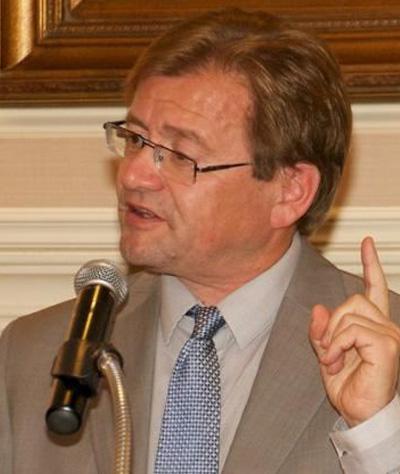
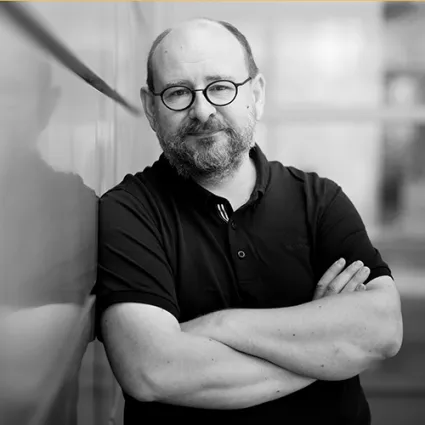
Jochen Hellbeck is a Distinguished Professor of History and Vice Chair for Graduate Education in the Department of History at Rutgers University's School of Arts and Sciences, where he has been teaching since 2003. He holds a Ph.D. from Columbia University and specializes in the history of the Soviet Union, with particular focus on individual life stories and the shaping of the self in modern Europe. Professor Hellbeck's research centers on the place and self-understandings of individuals during cataclysmic 20th century events, including the Russian Revolution, Stalin's terror regime, and World War II. His work examines how narratives of redemptive violence and transformation attached themselves to individuals on the ground, revealing how authors of diaries and personal texts became co-authors of the revolutionary script. More recently, he has explored comparative and transnational aspects of how Soviet, German, and British states mobilized citizens during World War II, highlighting the centrality of the Soviet war effort to the broader history of the conflict. His acclaimed book Stalingrad: The City that Defeated the Third Reich (2015) was the first Western study to probe the meaning of the Battle of Stalingrad for Soviet soldiers and civilians. The book draws on dozens of oral histories recorded by Moscow historians during and after the battle. Hellbeck's research consistently focuses on personal narratives and eyewitness accounts to provide grounded perspectives on major historical events. Morphomata Fellowship, Cologne (2019) Guggenheim Fellowship (2017) Short list, non-fiction prize of the Moscow Book Fair (2017) Davis Center Fellowship, Princeton (2016) Damals prize for best historical monograph (2013) American Academy in Berlin Fellowship (2009) Rutgers Board of Trustees Fellowship for Scholarly Excellence (2007) Michigan Society of Fellows (1997-1999) As a member of the Rutgers graduate faculty, Professor Hellbeck works with students interested in modern Russia and the Soviet Union, and in transnational explorations of Communism, World War II, and the Cold War. He encourages prospective graduate students to contact him before application deadlines. His website, Facing Stalingrad , features portraits and voices of veterans he interviewed during his research.