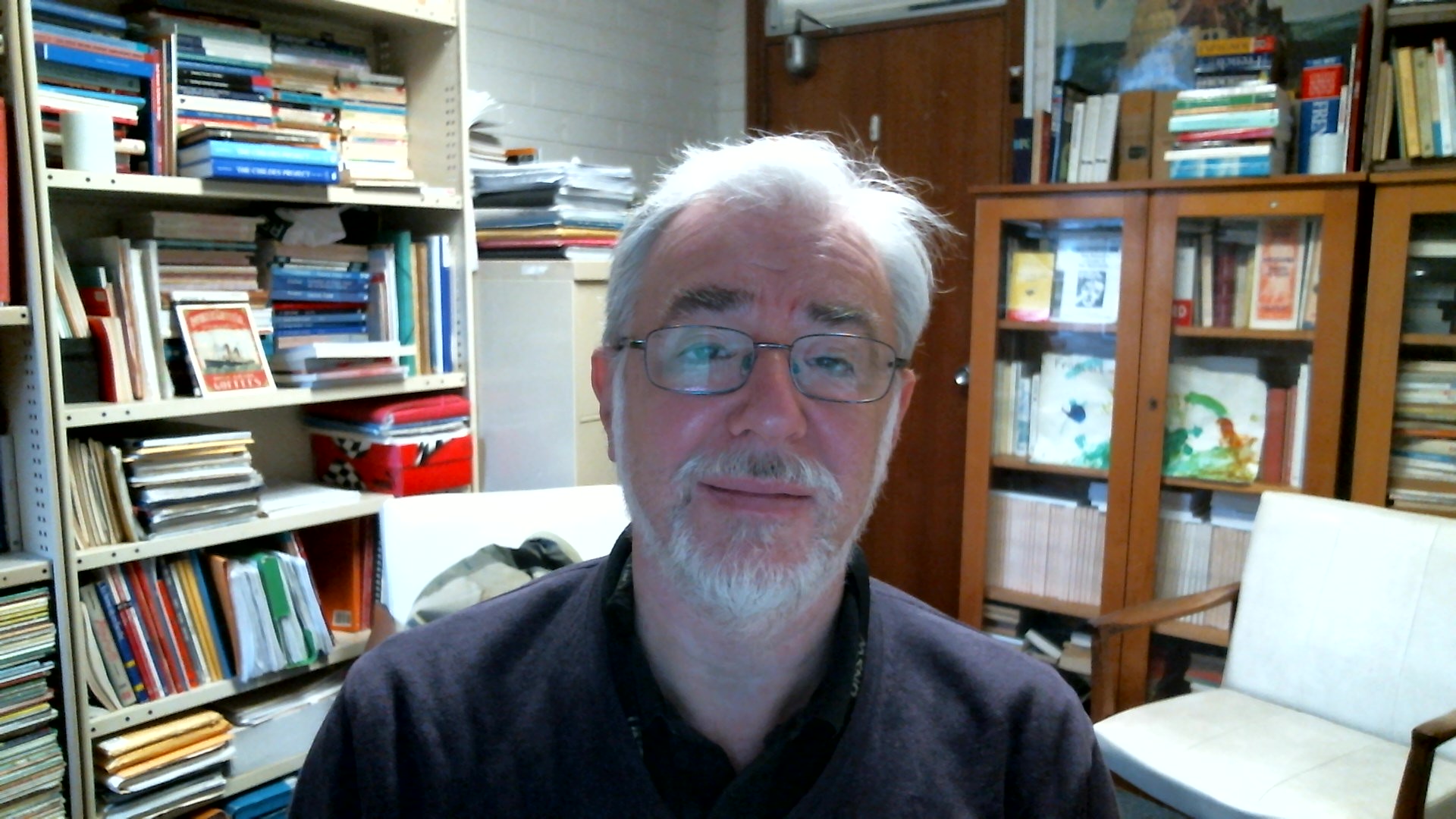
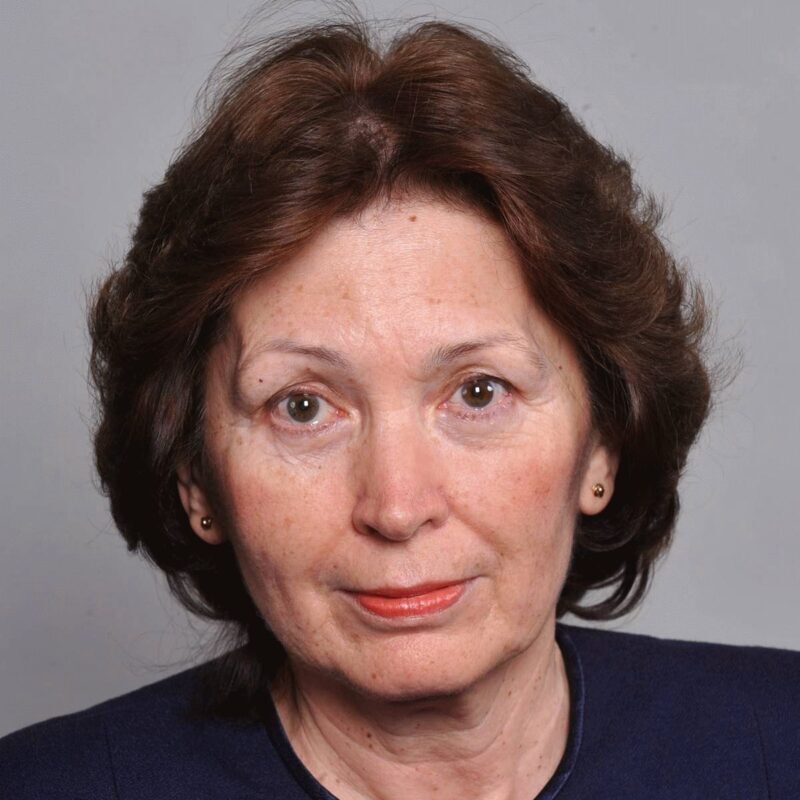
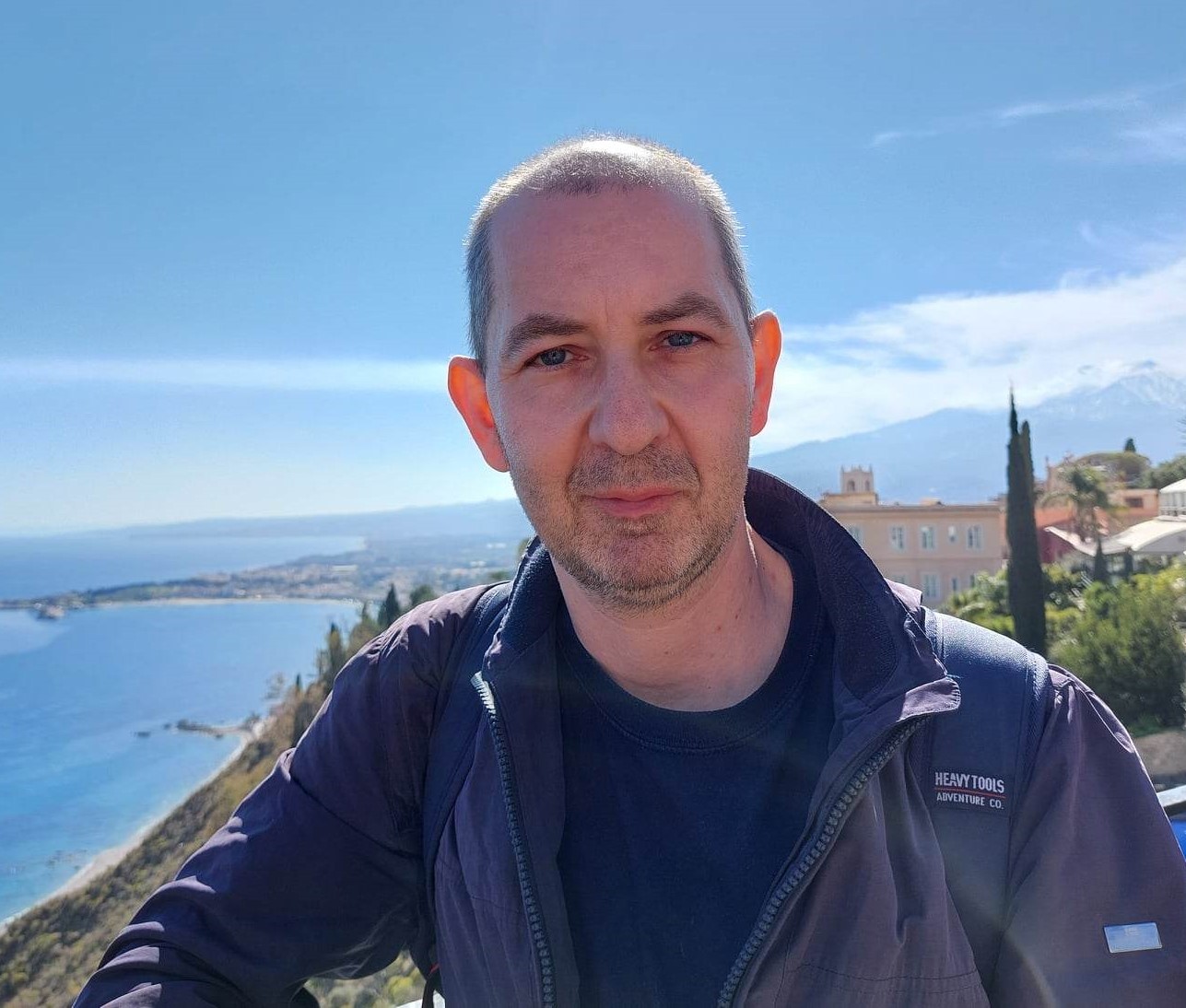
Nadav Asraf is a Lecturer in Classics at Harvard University, holding office hours Wednesday and Friday 10:30–11:45 a.m. in Boylston 206. His primary affiliation is with the Department of Classics within the Faculty of Arts and Sciences. He holds a BA in Classics from the Hebrew University (2012) and a PhD in Classical Philology from Harvard University (2023). His doctoral dissertation focused on The Middle Category in the Aorist Tense in the Homeric Epics—A Study of Form vs. Function . Research interests span structural and functional linguistics of Ancient Greek and Latin, Indo-European linguistics, textual transmission studies, post-classical Greek language evolution, late Latin and Romance language emergence, metrics/prosody, classical reception by Hebrew speakers, language pedagogy, and the history of classical education. His work emphasizes syntactic-morphology interfaces and diachronic linguistic analysis. Recent publications (2021–2023) focus on syntactic-morphology interactions in Ancient Greek, including aorist tense analysis, noun incorporation mechanisms, and morpheme syntactic properties. These contributions advance understanding of Ancient Greek linguistic structures and their theoretical implications. No academic awards or grants are explicitly listed in the provided materials. His professional activities include teaching and research supervision in classical philology and historical linguistics.
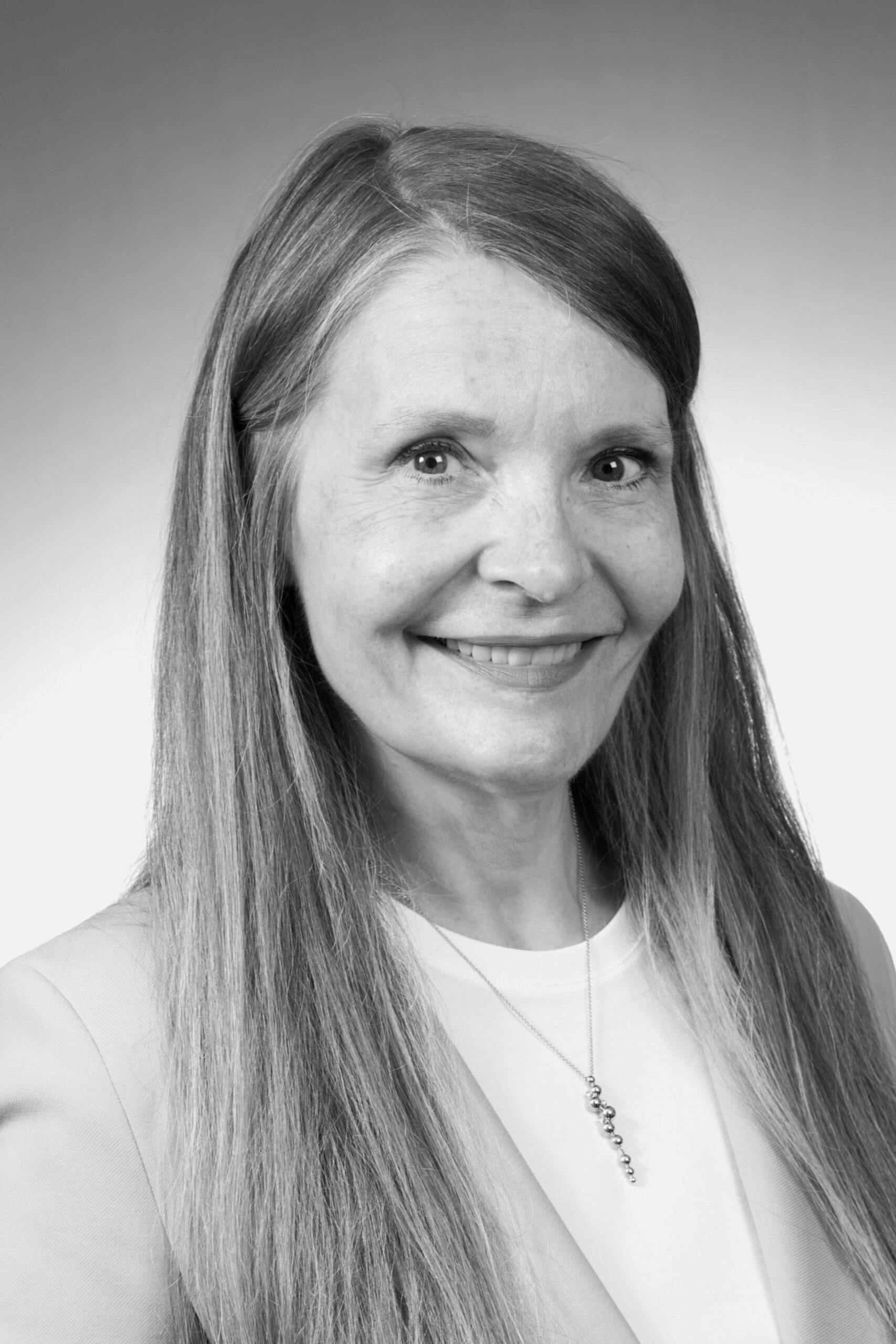
Sílvia Perpiñán is a Professor of Language Acquisition and Bilingualism at the Department of Translation and Language Sciences, Pompeu Fabra University (UPF), where she teaches courses on Linguistics, Research Methods, and Language Acquisition. Previously, she served as an Associate Professor at the University of Western Ontario, Canada. She holds a Ph.D. and M.A. in Romance Linguistics and SLA from the University of Illinois, Urbana-Champaign. Her research focuses on bilingualism and second language acquisition from a formal linguistics perspective, with emphasis on syntactic structures, crosslinguistic influence, and language contact phenomena. Key areas include copular clauses, filler-gap dependencies, and the acquisition of Spanish by non-native speakers. Her work often explores sociolinguistic dimensions like regional variety effects and minority language bilingualism. Perpiñán's publications analyze structural patterns in multilingual grammars, such as relative clauses, existential constructions, and aspectual systems, with a focus on Catalan-Spanish and Italian-Spanish bilingualism. Methodologically, her studies address variability in L2 data and task effects in grammatical knowledge assessment. She is part of the ALLENCAM Research Group and maintains a Google Scholar profile with extensive writings on linguistic typology, syntax-semantics interfaces, and interlanguage phenomena. Her research consistently challenges assumptions about 'idealized' bilingual speakers and emphasizes nuanced analysis of natural language variation.
Henrik Høeg Müller is an Associate Professor and Head of Department in Spanish Business Communication at the School of Communication and Culture, Aarhus University, Denmark. He is actively engaged in linguistic research focusing on typological differences between Danish and Spanish, particularly in syntax, morphology, and lexical-schematic distinctions. Institution: Aarhus University School: School of Communication and Culture Department: Spanish Business Communication Position: Associate Professor, Head of Department Email: henhm@cc.au.dk His research centers on the structural and typological contrasts between Danish and Spanish, especially in nominal expressions, predicate formation, and lexical vs. syntactic encoding. Key interests include bare nouns, count/mass distinctions, telicity, motion verbs, and schematicity. His work often employs comparative and cognitive linguistic frameworks. The most recent publications reveal a strong trend in analyzing how lexical and syntactic strategies diverge across languages, especially in expressing similarity, kind, and event structure. Topics such as the Danish 'slags', complex predicates, and ambiguous nominal structures highlight his focus on fine-grained syntactic and semantic analysis. These works contribute to broader discussions in typology and cognitive linguistics. Henrik Høeg Müller has served as an editor for Ny Forskning i Grammatik and frequently presents at academic events, including workshops and conferences. He has no listed scientific awards in the provided text. Editorial Role: Editor, Ny Forskning i Grammatik Presentations: Regular lecturer at seminars and conferences on Danish and Spanish linguistics He is involved in academic networks related to Scandinavian and Romance linguistics, contributing to collaborative research and scholarly discourse. No labs or formal research teams are explicitly mentioned.
Pascal Mark Gygax is a faculty member at the University of Fribourg , specifically within the Faculty of Philosophy under the Department of Psychology . His academic career spans psycholinguistics, cognitive psychology, and gender studies, focusing extensively on how language structures influence gender perceptions and cognitive biases. With a research profile marked by experimental methodologies, Gygax has published 64 works, including a 2021 book Does the Brain Think Masculine? that critically examines the psycholinguistic impacts of gender-fair language reforms. Role: Researcher at Department of Psychology, University of Fribourg Key Collaborations: Sandrine Zufferey, Ute Gabriel, Anton Öttl Research Focus: Gygax investigates the cognitive mechanisms behind gender representation in language, particularly how grammatical gender systems (e.g., French, German) perpetuate male-dominated mental models. His work explores: Experimental validation of gender-neutral pronouns Discourse connective processing across age groups Impact of language reform on occupational stereotypes Cross-linguistic comparisons of gender perception Implicit bias in performance evaluation (e.g., magic tricks) Recent Publications (2023-2025) demonstrate methodological rigor in studying: Neological intuition in Romance languages Temporal focus and spatial cognition Connective mastery in L2 contexts Participant variability in experimental linguistics Gender ratio norms across global languages Pragmatic constraints on causal connectives Scientific Contributions: While no explicit awards are listed, Gygax's work has significantly advanced: Development of experimental paradigms for gender perception studies Creation of multilingual datasets on role noun norms Validation of facial feedback mechanisms through collaborative research Understanding of discourse coherence in educational contexts Advising & Collaborations: Though specific students aren't named, Gygax collaborates with: Development of the Routledge Handbook of Experimental Linguistics Leadership in SNSF-funded projects Contributions to debates on inclusive language policies
Cristina Guardiano is a Full Professor at the University of Modena and Reggio Emilia, Department of Communication and Economics. Her research focuses on syntax, historical linguistics, and the Parametric Comparison Method (PCM), exploring syntactic variation across languages to reconstruct linguistic phylogenies. She specializes in formal syntax, differential object marking, and the intersection of syntax with computational and genetic data analysis. Key Affiliations: Dipartimento di Comunicazione ed Economia, University of Modena and Reggio Emilia Research Themes: Syntactic parameters, language evolution, Romance dialectology, genetic-linguistic correlations Guardiano's work integrates theoretical linguistics with interdisciplinary approaches, including collaborations with geneticists and computational linguists. Notable contributions include studies on the syntax of Italiot Greek, Sicilian dialects, and the application of parametric syntax to historical language classification. She leads initiatives like the TerraLing database to systematize cross-linguistic syntactic data. Her teaching includes advanced courses on linguistics, parametric syntax, and the analysis of language evolution. She emphasizes critical evaluation of Large Language Models (LLMs) and their implications for linguistic theory.
Dr. Hugues Peters is a Senior Lecturer in French Studies within the School of Humanities and Languages at the University of New South Wales (UNSW Sydney). With international teaching experience across multiple institutions, he specializes in French linguistics and second language acquisition. His academic journey includes positions at the University of the West Indies, Mona, and research roles at the University of Brussels Phonetic Institute and the University of Geneva Department of Linguistics. Dr. Peters earned his Master in Romance Philology from Université Libre de Bruxelles and his PhD in French Linguistics from Pennsylvania State University. His educational background is complemented by a Teaching Certificate from Université Libre de Bruxelles/UNSW Sydney, establishing a strong foundation for his expertise in language pedagogy. His research focuses on the intersection of French grammar, second language acquisition, and gender inclusivity in language. Dr. Peters has made significant contributions to understanding morphosyntactic aspects of French, particularly regarding gender marking and inclusive language practices. His work bridges theoretical linguistics with practical applications in language teaching, emphasizing how linguistic insights can inform pedagogical approaches. He has developed innovative resources like the UWI French L2 Corpus to support research in second language acquisition. Dr. Peters' publication record demonstrates a clear trajectory toward examining gender inclusivity and neutrality in language teaching, with increasing emphasis on practical applications in foreign language classrooms. His work spans theoretical linguistics, applied language studies, and practical pedagogy, showing how linguistic research directly informs teaching practices. Recent publications particularly highlight the evolving landscape of gender-inclusive language in French education. 2024 Award for excellence in educational mentorship, Faculty of Arts, Design and Architecture, UNSW Sydney Distinguished Researcher award, Mona Campus, Office of the Principal, in recognition of outstanding research in the Faculty of Arts and Education, UWI, Mona (Oct. 11, 2001) Dr. Peters has supervised numerous graduate students across multiple institutions, demonstrating his commitment to academic mentorship. His supervision portfolio includes PhD candidates working on diverse topics from Arabic morphology to English collocations and French language acquisition. He has also guided numerous MA and BA Honors theses on French linguistics, language teaching methodologies, and cultural aspects of language. His collaborative supervision approach, often partnering with colleagues from related disciplines, reflects the interdisciplinary nature of modern language studies. Dr. Peters actively applies his research findings directly to his teaching practice at UNSW, particularly in developing inclusive language approaches for French instruction.
Maj-Britt Mosegaard Hansen is a Professor of Linguistics and Pragmatics at the University of Manchester since 2007. She holds a dr.phil. (higher doctorate) from the University of Copenhagen (2008) and has held leadership roles including Associate Dean for Research (2018–21) and Head of Linguistics and English Language (2014–17). A Fellow of the Royal Danish Academy (2013) and member of Academia Europaea (2020), her research focuses on pragmatics, semantics, and historical linguistics with specialization in Romance languages. She supervises PhD students across multiple institutions and serves on editorial boards for Journal of Pragmatics and Studies in Pragmatics series. Research Interests: Pragmatics and semantics, grammaticalization, verbal interaction, functional/cognitive linguistics, diachronic construction grammar, and the evolution of pragmatic markers. Current projects explore cyclicity in semantic/pragmatic change and discourse markers in Romance languages. Awards: Member of Academia Europaea (2020), Fellow of the Royal Danish Academy (2013). Teaching: Convenes Pragmatics: Meaning, Context, and Interaction (2024–25). Office hours: Mon 11am–12pm & Thu 12–1pm. Supervision: Leads supervision on topics within pragmatics, semantics, and historical linguistics, with current advisees in institutional interaction, L2 motivation, and Tibetan motion events. Past students include experts in Italo-Romance negation, French epistemic expressions, and online language communities.
Richard S. Kayne is a Silver Professor and Professor of Linguistics at New York University's Department of Linguistics, part of the College of Arts & Science. His research focuses on theoretical syntax, comparative syntax, and Romance languages (French/Italian). He has held editorial roles for Oxford Studies in Comparative Syntax since 1989 and chaired the AAAS Linguistics Section (1994–1995). He has been honored with three honorary doctorates from Leiden (1995), Bucharest (2011), and Venice (2015). His work examines syntactic structures through micro-comparative approaches, exploring phenomena like expletive constructions, clitic doubling, and suppletion patterns. Notable contributions include the Antisymmetry of Syntax theory and analyses of hyper-complex inversion in French. Recent publications (2020–2024) address silent elements in syntax, polarity items, and morphological-phonological interfaces. His research integrates formal syntax with empirical data from Romance languages, emphasizing parameter theory and cross-linguistic generalizations. Grants and advising roles are not explicitly detailed in the provided materials, though his extensive publications suggest impactful mentorship in syntax. He is affiliated with NYU's Linguistics Department and contributes to the broader linguistic community through editorial work and international collaborations.
Laura Nadal Sanchis is an Associate Professor at the Department of Comparative Linguistic and Cultural Studies , Ca' Foscari University of Venice . She specializes in Spanish discourse markers , experimental linguistics , and inclusive language studies through cognitive and pragmatic approaches. Linguistics Translation Studies Cognitive Science Language Education Her research focuses on cognitive processing of linguistic elements in Spanish, including anaphoric encapsulation , discourse coherence , and gender-inclusive language effects . She employs experimental methods and eye-tracking technology to analyze these phenomena in L1 and L2 speakers. Current publications highlight her work on discourse markers in Romance languages , cross-linguistic analysis , and educational applications through CLIL methodology and translator training . While specific awards aren't listed, her extensive publication record demonstrates significant contributions to experimental linguistics and discourse analysis .
Dr. Bridget Drinka is a Professor in the Department of English at the University of Texas at San Antonio's College of Liberal and Fine Arts (COLFA), where she has served since 1991. She holds a Ph.D. in Indo-European and historical linguistics from the University of Texas at Austin, an M.S. from Georgetown University, and a B.A. from the University of Illinois at Urbana-Champaign. Her research focuses on sociolinguistic motivations for language change , contact-driven linguistic innovation , and geographical diffusion of grammatical features across Indo-European languages. She is internationally recognized for her work on the periphrastic perfect and language contact phenomena, with interdisciplinary connections to digital humanities. Analysis of her publications reveals dominant themes in language contact mechanics , Indo-European syntax evolution , and areal linguistics , particularly examining tense systems in Dutch, Spanish, Greek, and Slavic languages. Her work frequently employs corpus-based methods and historical stratification frameworks. Awards and Honors: Leonard Bloomfield Book Award (2019) for Language Contact in Europe Chancellor’s Council Outstanding Teaching Award (1999) Richard S. Howe Outstanding Undergraduate Teaching Award (2016) Fulbright Senior Lectureship at Moscow State University (1998) She has held significant leadership roles including President of the International Society for Historical Linguistics (2015-2017), organizer of the International Conference on Historical Linguistics (2017), and current service on editorial boards for Edinburgh Studies in Historical Linguistics and Studi e Saggi Linguistici . As Co-Director of COLFA Semester in Urbino, she oversees international academic programs in Italy.
Katalin É. KISS is a Research Professor at the Institute for Historical and Uralic Linguistics at Eötvös Loránd University and a distinguished member of the Hungarian Academy of Sciences. Her academic career spans over five decades with extensive contributions to the field of linguistics, particularly in syntactic theory, diachronic syntax, and Uralic languages research. She maintains an active research profile with numerous publications appearing through 2025. Professor KISS's research interests encompass syntactic theory, diachronic syntax, the syntax of Hungarian and Uralic languages, the evolution of finite subordination in Uralic, information structure, and the emergence of structural focus positions in Old Hungarian. Her work bridges theoretical linguistics with historical language change, demonstrating how grammatical structures evolve across centuries. She has made significant contributions to understanding the relationship between word order, information structure, and grammaticalization processes in Hungarian and related languages. Her recent publications reveal a consistent focus on diachronic syntactic change, particularly examining Hungarian dialects (especially Moldavian Hungarian), Uralic language comparison, and grammaticalization phenomena. The pattern across her work shows a sophisticated integration of theoretical syntax with historical linguistics, often drawing connections between seemingly disparate phenomena in language change. Her research frequently addresses how language contact influences grammatical development, with particular attention to Balkan linguistic influences on Hungarian varieties. Member of the Hungarian Academy of Sciences Professor KISS has been instrumental in establishing the Diachronic and Comparative Syntax Research Group at the Institute for Historical and Uralic Linguistics. Her work has significantly shaped Hungarian linguistic scholarship, including co-authoring the influential New Hungarian Grammar with Ferenc Kiefer and Péter Siptár. She has supervised numerous academic projects focused on documenting endangered Uralic languages and analyzing historical Hungarian texts. Her research continues to explore the intricate relationships between syntax, information structure, and historical change across language families. Professor KISS maintains strong connections with international linguistic communities through the Uralic Information Centre and has extensive collaborations with scholars across Europe. Her laboratory work focuses on comparative syntactic analysis of Uralic languages, with particular emphasis on documenting grammatical structures in endangered varieties. Current projects include the Hanti database (KhDB) and continued investigation into the evolution of focus and topic marking in Hungarian historical stages.
Imre Szilágyi is an Associate Professor at the Institute of Romance Studies within Eötvös Loránd University (Budapest, Hungary). He serves as a lecturer in the Department of Italian Language and Literature , focusing on advanced linguistic analysis. Primary Affiliation: Institute of Romance Studies, Eötvös Loránd University Department: Department of Italian Language and Literature Email: szilagyi.imre@btk.elte.hu Research Focus Szilágyi's work centers on Italian syntax , with particular attention to: Infinitive constructions in Italian and Latin Historical linguistics of medieval and late-medieval Italian dialects Contrastive analysis of linguistic structures across languages Textual criticism of classical manuscripts like the Meditationes vitae Christi Publications Trends His research spans over two decades, covering: Evolution of accusative with infinitive constructions Analysis of causative and perception verbs in Italian literature Comparative studies of Italian-Spanish syntax Historical syntax patterns in Alberto Moravia's prose Contact Information Email: szilagyi.imre@btk.elte.hu Address: 1088 Budapest, Múzeum körút 4/C Office: II. floor 218
Ana Teresa Pérez-Leroux is a Professor of Spanish and Linguistics and Chair of the Department of Spanish and Portuguese at the University of Toronto . She also serves as Director of the Cognitive Science Program. Her research focuses on child language acquisition, bilingualism, and Spanish syntax, with an emphasis on understanding how children learn complex grammatical structures. She holds a PhD in Hispanic Linguistics from the University of Massachusetts Amherst. Key affiliations include the Faculty of Arts and Science , where she has been a professor since 2009, and leadership roles such as Chair of Spanish and Portuguese (2019–present) and Director of Cognitive Science (2014–2019). Earlier roles include Visiting Professorships at the Federal University of Rio de Janeiro and Michigan State University. Research Interests : Her work investigates syntactic and semantic development in monolingual and bilingual children, particularly recursion in noun phrases, clitic usage, and tense/mood systems. Recent projects include SSHRC-funded studies on noun phrase complexity ($158,848, 2014–2018), revealing insights into recursive structures across languages like Japanese, German, French, Spanish, and English. Grants and Collaborations : Co-PI on SSHRC Insight Grant exploring recursive embedding in children. Collaborators include Susana Bejar, Diane Massam, and Yves Roberge. Supervises over 20 graduate students and has published extensively in Bilingualism: Language and Cognition , Linguistics , and Language . Education : PhD in Hispanic Linguistics (1993), MA in Spanish & Linguistics (1992), both from UMass Amherst. BA in Modern Languages (1983) from Universidad Autónoma de Santo Domingo.
Dr. Luke Adamson is a tenure-track Researcher in Research Area 3 'Syntax and Lexicon' at the Leibniz-Zentrum Allgemeine Sprachwissenschaft (ZAS), Berlin. Previously, he held a Postdoctoral Fellowship at Harvard University (2020–2022) and served as Lecturer at Rutgers University (2022–2023). He earned his PhD in Linguistics from the University of Pennsylvania (2019) and holds dual degrees from Oberlin College: a Bachelor of Arts in Psychology and a Bachelor of Music in Cello Performance (2010–2014). His research focuses on nominal features, grammatical gender, and syntactic modularity, with notable projects exploring gender locality hypotheses, coordination resolution in three-gendered languages, and suppletion phenomena. Collaborators include prominent linguists such as Elena Anagnostopoulou (University of Crete), Ruth Kramer (Georgetown University), and Stanislao Zompì (Universität Potsdam). Key contributions include work on gender assignment constraints in languages like Greek, Swedish, and Lithuanian, as well as syntactic interfaces in Jarawara and Italian. Recent presentations include invited talks at the University of Geneva (June 2025), Yale University (October 2024), and the Brussels Conference on Generative Linguistics (December 2024). He co-edits Linguistic Inquiry Squibs & Discussion and organizes the ZAS Brown Bag Lunches. His work has been supported by grants from the National Science Foundation and the European Research Council. Adamson’s academic networks span formal linguistics and typological studies, with ongoing projects addressing politeness pronouns in Romance languages, emotive predicates in clausal complements, and allosemy in Greek gender systems.
Roberta D'Alessandro is a Professor of Linguistics/Syntax and Language Variation at Utrecht University's Department of Languages, Literature and Communication, and Head of the Linguistics section. She leads the research group 'Language Structure: Variation and Change' within the Institute for Language Sciences (ILS). Her work focuses on syntactic variation, heritage language syntax, and microvariation in Italo-Romance and Indo-Aryan dialects. She is editor-in-chief of Isogloss and Grammars and Sketches of the World's Languages/Romance , and president of Going Romance . Her research explores syntactic theory through heritage language data, language contact in migration contexts, and the syntax-phonology interface. Awards include the Knight of the Italian Republic (2014) and membership in the Global Young Academy (2014–2019). She coordinates EU policy initiatives and advises on ethical research practices. Education: Ph.D. in Linguistics (not explicitly stated, inferred from career) Grants: ERC Consolidator Grant (Microcontact Project), NWO VIDI (2010–2015), Marie Curie Fellowship (2005–2007) Recent work emphasizes ethical considerations in theoretical linguistics and the integration of fieldwork with formal syntactic analysis. She collaborates internationally, leading projects on endangered languages and linguistic microvariation.