
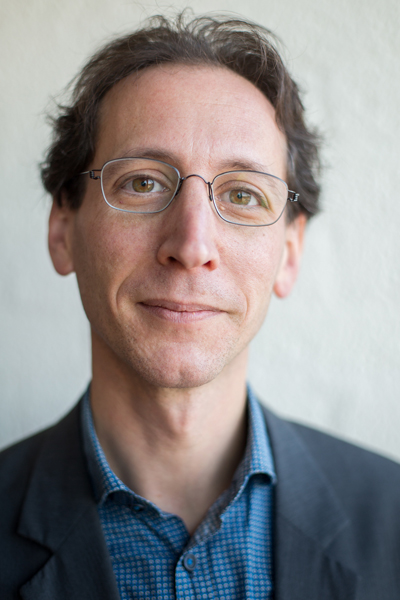
Olivier HeksterView profile
Professor
Olivier Hekster is a Professor in Ancient History at Radboud University Nijmegen, where he has been a faculty member since 2004. He serves as Chair of Ancient and Medieval History and is affiliated with the Radboud Institute for Culture and History. Hekster is an elected member of the Royal Netherlands Academy of Arts and Sciences (KNAW) since 2020 and has held prestigious fellowships including the Humboldt Fellowship (2012-2013) and WWU Fellowship at Münster (2020-2021). He previously served as Director of the Institute for Historical, Cultural and Literary Studies (2015-2019) and Head of the History Department (2010-2012). Hekster's educational background includes: PhD in Roman History (cum laude), Radboud University Nijmegen, 2002 MA in Roman History (with distinction), University of Nottingham, 1998 MA in Ancient History (cum laude), Radboud University Nijmegen, 1997 Erasmus student at Terza Università di Roma, 1995 Hekster's research focuses on Roman history, particularly the impact of the Roman empire in its wider world. His primary interests include the power and imagery of Roman emperors, dynastic power and self-representation, Roman emperorship, Late Antiquity, the city of Rome, Roman numismatics, and theater and gladiatorial games in antiquity. He approaches these topics through interdisciplinary methods, examining how traditions influence new systems of rule and how power is communicated, contested, and accepted in changing societies. His work bridges historical analysis with contemporary questions about leadership, tradition versus innovation, and ancient globalization. Analysis of Hekster's publications reveals a consistent focus on Roman imperial power structures, with particular attention to how emperors established legitimacy through tradition while navigating political change. His work spans from early imperial periods through Late Antiquity, with increasing attention to methodological questions about historical contingency and scale. The interdisciplinary nature of his research is evident in collaborations with computer scientists on facial recognition of emperors and with numismatists on coinage analysis. His scholarship demonstrates a progression from specific case studies of individual emperors toward broader theoretical frameworks for understanding imperial transformation. Hekster has received numerous prestigious awards and grants: 2017 Ammodo KNAW Award for Humanities 2016-2021 NWO VICI grant: 'Constraints and Tradition. Roman power in changing societies (50 BC – AD 565)' 2017 GRAVITATION grant for the program Anchoring Innovation 2012-2013 Alexander von Humboldt Fellowship 2009-2014 NWO Open competition Humanities grant 2003 Keetje Hodshon Prize for best historical dissertation Hekster has led significant research initiatives including the GRAVITATION program 'Anchoring Innovation' and the NWO VICI project 'Constraints and Tradition.' As chair of the international Impact of Empire network since 2006, he has fostered collaborative research across institutions. His grant success demonstrates the high regard for his methodological innovations in connecting ancient history with contemporary theoretical questions. While specific student advisees aren't listed in the provided materials, his leadership roles suggest extensive mentorship of junior scholars through the Impact of Empire network and departmental responsibilities. Hekster chairs the international Impact of Empire network, which connects scholars studying the Roman Empire's influence. He has also been instrumental in establishing interdisciplinary research frameworks through the 'Anchoring Innovation' program, which examines how societies integrate novelty while maintaining tradition. His work bridges traditional historical scholarship with digital humanities approaches, as evidenced by his collaboration on facial recognition methodologies for identifying Roman emperors.