Elio Lo CascioView profile
Professor
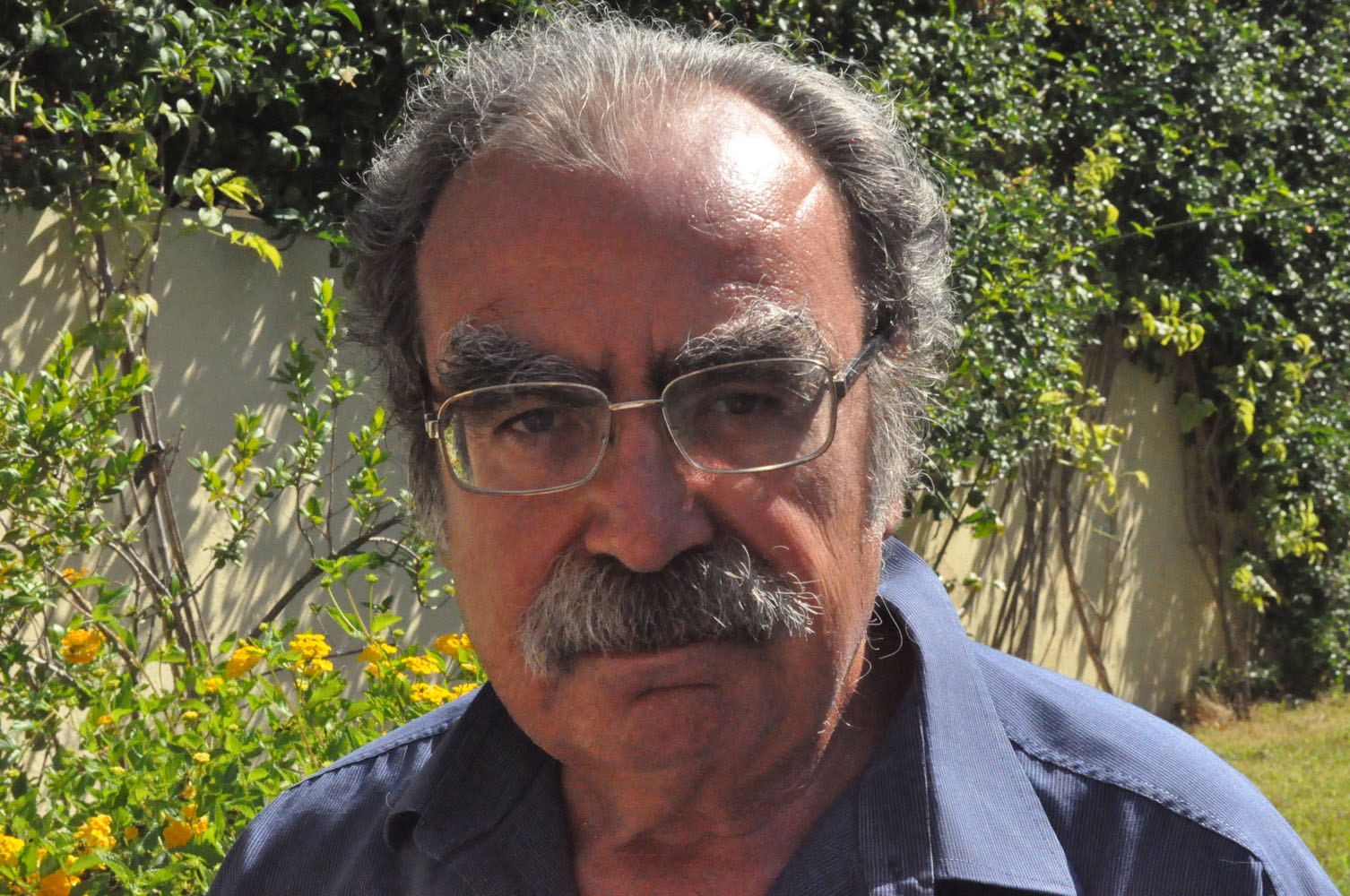
Elio Lo Cascio is a Professor of Roman History at Sapienza Università di Roma, with a distinguished career spanning multiple universities including Università 'Federico II' di Napoli (1990-2006), Università dell'Aquila (1986-1990), and Università di Lecce (1976-1986). He has served as Dean of the Faculty of Letters at L'Aquila and held visiting positions at the Institute for Advanced Study (Princeton, 1993, 2001), École des Hautes Études en Sciences Sociales (Paris, 2009), and the University of British Columbia (2012). Editor of the series Pragmateiai (Edipuglia) Current roles: Corresponding Fellow of the Pontificia Accademia Romana di Archeologia, member of the Consiglio Direttivo of the Istituto Italiano per la Storia Antica Active in international academic panels, including ERC Advanced Grants (2012) His research focuses on the administrative, economic, and demographic history of Rome from the Republic to Late Empire. Key themes include Romanization, urban elites (especially Pompeii), and historiography of ancient history. His publications analyze census procedures, monetary policies, and population dynamics under the Roman Empire. The articles listed reflect his expertise in Roman economic systems, administrative reforms, and demographic studies. Themes span from Servian reforms to late antique coinage, with methodologies combining textual analysis and quantitative approaches. Notable trends include interdisciplinary applications of economic theory to ancient societies and the impact of population shifts on imperial stability. Scientific Awards & Honors : Mercator Fellow (Gast Professor) at DFG-Graduierten Kolleg (2014) Socio corrispondente della Pontificia Accademia Romana di Archeologia (2009) Member, School of Historical Studies, Institute for Advanced Study (1993, 2001) Directeur d'études invité at EHESS, Paris (2009) Lo Cascio has advised numerous PhD students and participated in over 50 international conferences across Europe, North America, and Iran. He has held editorial and scientific board roles for multiple academic series and journals.