Caitie Barrett is a Professor in the Department of Classics at Cornell University. She co-directs the Casa della Regina Carolina archaeological project at Pompeii, a joint initiative between Cornell University and the University of Bologna. Education: Ph.D. in Anthropology (Archaeology), Yale University B.A. in Anthropology (Archaeology), Harvard University Her research investigates everyday life, religious experience, and cross-cultural interactions in the ancient Mediterranean. She specializes in Egyptian and Greco-Roman archaeology, particularly household religion and material culture. Her work examines how objects and images created meaning in domestic contexts. She has received funding from numerous organizations including the National Endowment for the Humanities, National Geographic Society, and the Fulbright Foundation. At Cornell, she received teaching and advising awards including the Robert A. and Donna B. Paul Award for Excellence in Advising. Her publications include 'Domesticating Empire: Egyptian Landscapes in Pompeian Gardens' and 'Egyptianizing Figurines from Delos: A Study in Hellenistic Religion'. She also co-edited 'Households in Context: Dwelling in Ptolemaic and Roman Egypt'.
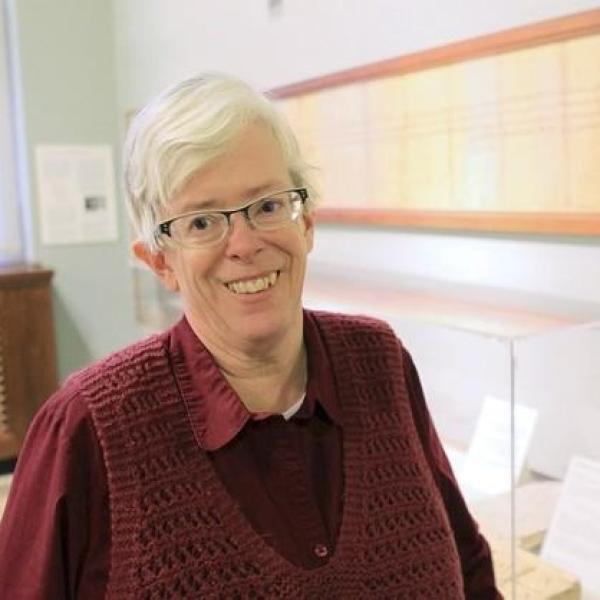
Janet H. Johnson is the Morton D. Hull Distinguished Service Professor of Egyptology at the University of Chicago, affiliated with the Oriental Institute. She has been teaching and researching at UChicago since 1971. Her expertise spans Egyptian language, particularly Demotic, and the history of Egypt's Late Period (1st millennium B.C.). Education: Ph.D. in Egyptology, University of Chicago, 1972 Research Interests: Johnson focuses on Demotic grammar, legal texts, gender studies in ancient Egyptian society, and economic practices. She directs the Chicago Demotic Dictionary Project , a foundational resource for studying this ancient language. Her work bridges linguistic analysis with social history, particularly examining women’s roles, property rights, and legal frameworks in Late Period Egypt. Teaching & Contributions: She teaches courses on Middle Egyptian hieroglyphs, ancient Near Eastern history, and gender in Egyptology. Her publications include Thus Wrote 'Onchsheshonqy (a Demotic grammar) and analyses of Demotic verbal systems. She frequently collaborates on projects involving Demotic papyri and museum artifacts. Labs/Teams: Lead director of the Chicago Demotic Dictionary Project , an interdisciplinary effort to document and analyze Demotic language materials.
Anna L. Boozer is a Professor in the History Department at Baruch College's Weissman School of Arts and Sciences, City University of New York. Her research focuses on households, connectivity, and empires in Roman Egypt and Meroitic Sudan, with extensive fieldwork at Amheida (Dakhleh Oasis) and Meroe. She directs the CUNY excavations at Amheida and the Meroe Archival Project. Boozer earned her Ph.D., M.Phil, and M.A. in Archaeology/Anthropology from Columbia University and a B.A. in Philosophy and History of Math/Science from St. John's College. Her scholarly contributions span household archaeology, imperial borderlands, and material culture studies, examining how domestic spaces reflect broader social and political dynamics in antiquity. Her research interests center on social archaeology of Roman Egypt and Meroitic Sudan, with particular focus on household organization, material culture, and imperial connectivity. She examines how domestic spaces serve as sites of cultural negotiation, exploring themes of identity formation, social memory, and daily life practices at imperial frontiers. Her work challenges traditional Romanization narratives by highlighting local agency and cultural hybridity. Boozer's publications reveal consistent engagement with household archaeology, material culture analysis, and imperial borderlands studies. Her work demonstrates how domestic contexts provide critical insights into larger imperial processes, with recurring themes of connectivity, cultural negotiation, and the social significance of material remains. She frequently employs interdisciplinary approaches bridging archaeology, anthropology, and history. Teaching and Learning Award (University of Reading, 2013) Lump Sum Award (University of Reading, 2012) Boozer actively supervises doctoral dissertations and has secured multiple research grants including PSC-CUNY awards totaling over $20,000 for projects on Roman Egypt and Meroitic Sudan. She serves as Area Editor for the Encyclopedia of Ancient History and sits on editorial boards for Dotawo: A Journal of Nubian Studies and Brepols' Borders, Boundaries, and Landscapes series. She directs two major research initiatives: the CUNY excavations at Amheida (ancient Trimithis), a Romano-Egyptian city in the Dakhleh Oasis, and the Meroe Archival Project which analyzes legacy data from Sudan's ancient Meroitic capital. These projects involve international collaborations with institutions in Egypt, Sudan, and Europe, focusing on household archaeology and imperial connectivity.
Roger Bagnall is an Honorary Professor of Classics at Washington University and Emeritus Professor of Ancient History at New York University (NYU), where he served as Leon Levy Director Emeritus at the Institute for the Study of the Ancient World (ISAW). He also holds Emeritus titles at Columbia University, including Jay Professor of Greek and Latin and Professor of History. Educated at Yale University (PhD) and the University of Toronto (BA/MA), his expertise spans the social and economic history of Hellenistic, Roman, and Late Antique Egypt, with a focus on papyrology and archaeological fieldwork. His research leadership includes co-founding the Advanced Papyrological Information System (APIS) and directing NYU/Columbia’s excavations at Amheida, Egypt. Notable works include Egypt in Late Antiquity , Early Christian Books in Egypt , and the Amheida excavation series An Oasis City . Bagnall’s contributions have earned him prestigious fellowships, including membership in the American Philosophical Society and the British Academy, alongside an honorary doctorate from Paris-Sorbonne (2016). His publications analyze papyrological evidence, urban history, and religious practices in antiquity. Recent projects focus on Graeco-Roman epigraphy and the archaeology of Egyptian settlements. Bagnall remains active in mentoring students and advancing interdisciplinary approaches to ancient studies.
University of California, Los AngelesUnited States
Ioanna Kakoulli is a Professor in the Department of Materials Science and Engineering at the University of California, Los Angeles (UCLA), affiliated with the Henry Samueli School of Engineering and Applied Science. She leads the Molecular & Nano Archaeology Lab, focusing on interdisciplinary research at the intersection of materials science and cultural heritage preservation. Her work spans archaeological materials characterization, forensic imaging techniques, and conservation science. Education: D.Phil. (PhD) in Archaeological Science from the University of Oxford (1999). Key research interests include ancient pigment technologies, materials diagenesis, and the analysis of Hellenistic/Roman painting. She pioneered studies on Egyptian blue pigments and cross-cultural material exchanges via trade routes like the Silk Road. Awards include membership on the CAARI Board of Trustees, Visiting Fellowship at ICCROM, and multiple research awards from the A.G. Leventis Foundation and Overseas Research Scheme. Her lab collaborates with international institutions (e.g., Homeland Security Investigations) on looted antiquities and integrates cutting-edge imaging technologies (multispectral/hyperspectral) for non-destructive analysis. Guides students like Xuanyi Wu (SCSMM award winner), Aileen Shin, Lindsey Perry, and others in the Archaeomaterials Group. Research highlights include revealing asbestos use in Byzantine murals and identifying arsenic exposure in pre-Columbian Chilean mummies. Active in developing sustainable preservation strategies for rock-cut tombs and globigerina limestone monuments.
AnneMarie Luijendijk is the William H. Danforth Professor of Religion at Princeton University and Head of New College West , one of Princeton’s residential colleges, where she has served on the faculty since 2006. A leading papyrologist and historian of early Christianity, she specializes in the social history of Christianity in late-antique Egypt using both literary and documentary papyri. Education Ph.D., Harvard Divinity School, 2005 (New Testament and Early Christianity) Specialization in New Testament Studies, Vrije Universiteit Amsterdam (prior to Harvard) Research Interests Luijendijk’s scholarship bridges papyrology, early Christian studies, and social history. She investigates the everyday lives of early Christians through the papyrus letters and documents that survive from Roman and late-antique Egypt. Her current projects include: From Gospels to Garbage – a forthcoming monograph on the readers, owners, and eventual discard of the earliest Christian manuscripts; Papyrus acquisitions in the 1920s; Fashion, Footwear, and Faith in Late Antiquity – an exploration of dress, status, and religious identity. Her earlier work has illuminated Christian lot divination, the Gospel traditions in Oxyrhynchus, and the role of women and clergy in Egyptian communities. Selected Publications & Editorial Projects Greetings in the Lord: Early Christians and the Oxyrhynchus Papyri (Harvard University Press, 2008) Forbidden Oracles? The Gospel of the Lots of Mary (Mohr Siebeck, 2014) My Lots Are in Thy Hands: Sortilege and its Practitioners in Late Antiquity (co-edited with William E. Klingshirn, Brill, 2018) Re-Making the World: Christianity and Categories (co-edited, Mohr Siebeck, 2019) From Roman to Early Christian Cyprus: Studies in Religion and Archaeology (co-edited, Mohr Siebeck, 2020) Leadership & Service From 2013 to 2020 she chaired Princeton’s Committee for the Study of Late Antiquity , fostering interdisciplinary research across the humanities. She regularly organizes and participates in international workshops, including Princeton–Humboldt Strategic Partnership events, and has secured collaborative grants to advance papyrological research. No individual Ph.D. or master’s advisees are explicitly listed in the provided sources. Laboratories & Collaborations While no dedicated laboratory is mentioned, Luijendijk works closely with the Institute for the Study of the Ancient World (ISAW) at NYU, the Princeton Humanities Council , and international papyrology networks. Her research benefits from digital humanities resources such as the Papyrological Navigator and her Academia.edu profile, which has over 27,000 public views and ranks her among the top 2 % most followed scholars on the platform.
Grant Parker is an Associate Professor at Stanford University , with appointments in the Department of Classics and African and African American Studies . He also holds a courtesy appointment in Comparative Literature . Since joining Stanford in 2006, he has led projects like Aftermaths of Enslavement: Curating Legacies , Egypt in South Africa , and Voortrekker Monumentality , focusing on colonial ideologies and legacies of enslavement through digital databases. Education : B.A. in English and Latin, University of Cape Town (1987) B.A. (Honours) in Latin, University of Cape Town (1988) M.A. in Latin, University of Cape Town (1991) Ph.D. in Classical Philology, Princeton University (1999) His research integrates Roman imperial culture with postcolonial and comparative frameworks, examining memorialization , public history , and historical cartography . He works across the ancient Mediterranean and South Africa, comparing imperial legacies. Recent publications analyze monumentality (e.g., obelisks), myth in late antiquity , and subaltern voices in Latin . His edited volume South Africa, Greece, Rome: Classical Confrontations (2016/7) bridges classical and African studies. Honors : Nominated as 'Standout Scholar' under forty, Black Issues in Higher Education (2003) He advises doctoral candidates and leads CESTA projects on South African museums and historical memory. Current teaching includes courses on empire-building , slavery narratives , and classical California .
Andrew T. Wilburn is a Professor of Classics and Archaeological Studies at Oberlin College, affiliated with the College of Arts & Sciences. He has been teaching there since 2005 and specializes in the archaeology of ancient magic, Graeco-Roman Egypt, and Mediterranean material culture. His research emphasizes the intersection of magic with daily life, architecture, and domestic practices. Education: BS from Randolph-Macon College (1996), MB from University of Maryland (1998), MA/PhD from University of Michigan Ann Arbor (2004/2005). He has excavated at sites like the Athenian Agora, Corinth, and Karanis in Egypt, and was a Fulbright Fellow in Cyprus. Research Interests: Wilburn explores magic in objects of daily life, ritual practices in domestic and public spaces, and the material culture of Graeco-Roman Egypt. His work bridges archaeology with textual analysis, focusing on how individuals engaged with magic during crises. Recent projects include the Karanis Housing Project (GIS mapping of the site) and collaborative studies on magical artifacts in Cyprus, Spain, and Egypt. His publications and articles highlight themes like curse tablets, ritual agency in architecture, and materiality in magical practices. He actively involves students in research, mentoring undergraduates on projects such as the Karanis GIS initiative and papyrological studies. Awards: Recipient of the Fulbright Fellowship to Cyprus during his doctoral studies. Collaborator on the Books of Karanis Project, funded by Canada’s Social Sciences and Humanities Research Council. Teaching & Community: Teaches courses on ancient history, Greek/Latin languages, and magic in the ancient world. Engages with local schools, e.g., collaborating with Oberlin Elementary School’s archaeology curriculum. Advises students on senior projects and interdisciplinary studies. Labs/Teams: Leads the Karanis Housing Project, a digital archaeology initiative mapping the ancient site’s structures and artifacts, involving current students and alumni in collaborative research.
Chris Eckerman is a Professor of Classics and Director of Graduate Studies in the Department of Classics at the University of Oregon, College of Arts and Sciences. He specializes in ancient Greek and Latin literature, with a focus on epinician poetry and Epicurean thought. Education: PhD and MA in Classical Philology, UCLA BA in Classics and Economics, UC Davis Research Interests: Professor Eckerman is a leading scholar in the works of Pindar, Bacchylides, and Lucretius. His research integrates theoretical approaches such as cultural geography and conceptual metaphor theory to explore how space, identity, and philosophical ideas are constructed in ancient poetry. He has published widely on Greek lyric, epic, and philosophical poetry, as well as on Greek epigraphy and papyrology. Recent Research Trends: His most recent publications focus on Lucretius’ engagement with Epicurean philosophy, particularly the concepts of ataraxia and the critique of rival theories like Empedocles' four-root model. He also explores spatial dynamics in Pindar’s odes, examining how mythical geography reflects real-world patronage and ideology. His work often bridges literary analysis with philosophical and cultural theory. Scientific Awards: No specific awards are mentioned in the provided texts. Advising and Grants: As Director of Graduate Studies, he actively advises MA and PhD theses, particularly on Pindar and Lucretius. He mentors students in classical philology and encourages interdisciplinary approaches. There is no mention of specific grants, but his ongoing research and publication record suggest active scholarly engagement. Labs and Teams: He participates in SAIL Camp, an outreach initiative for ancient languages, and engages with local schools to promote classical studies. While no formal lab is mentioned, he is part of a vibrant Classics department contributing to interdisciplinary research in the humanities.
Peter van Minnen is a Professor of Classics at the University of Cincinnati, specializing in ancient history, Greco-Roman Egypt, and papyrology. He holds a PhD from the University of Leuven (1997) and has held fellowships at institutions including Dumbarton Oaks and the Loeb Classical Library Foundation. His research focuses on Roman economic history, papyri analysis, and urban development in antiquity, particularly in Egypt. He has directed projects such as the edition of a family archive from Hermopolis and studies of documents from ancient Alexandria. His Ph.D. from Leuven (Ancient History) and MA from Leiden (Classics) laid the groundwork for his career. He has taught globally, including in Divinity and Law schools, and edited the Bulletin of the American Society of Papyrologists since 2006. His work bridges archaeology, literature, and documents, emphasizing interdisciplinary approaches. Research interests include Roman social and economic structures, legal systems, and the transition from Republic to Empire. His publications exceed 200 works, covering papyri studies, urban history, and women in Greco-Roman Egypt. He has advised numerous PhD students who now hold academic positions worldwide. Key awards include fellowships from the Royal Netherlands Academy (1998–2001) and the Loeb Foundation (2015–2016). His work on the Cleopatra papyrus (2000–2001) gained international attention. He maintains a website translating Alexandrian documents from Augustan-era papyri, fostering accessibility in papyrological research.
University of California, Los AngelesUnited States
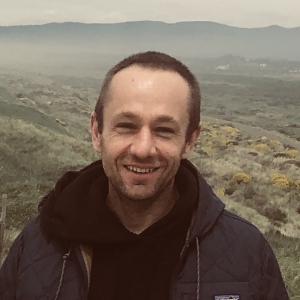
Lorenzo Castellano is a Postdoctoral Scholar at UCLA's Cotsen Institute of Archaeology specializing in environmental archaeology and paleoethnobotany. He coordinates activities at the Ancient Agriculture and Paleoethnobotany Laboratory (AAPL) and directs excavations at Niğde-Kınık Höyük in Turkey. Previously, he served as a Postdoctoral Lecturer in Archaeology at NYU's Department of Anthropology and the Institute for the Study of the Ancient World. 2022 PhD – Ancient Studies, New York University, Institute for the Study of the Ancient World 2017 MPhil – Ancient Studies, New York University 2012 MA – Archaeology (summa cum laude), University of Milan 2008 BA – Cultural Heritage Studies (summa cum laude), University of Milan Castellano's research focuses on ancient agricultural systems in Western Asia, particularly examining the relationship between agricultural strategies and political complexity, the impact of climatic and environmental change on farming practices, and long-term patterns of landscape transformation. His work is strongly interdisciplinary, drawing on Archaeological Methods and Theory, Archaeobotany, Paleoenvironmental Research, and Western Asia Archaeology and History. His publications reveal a strong focus on Anatolian archaeology across multiple time periods, with particular attention to Bronze and Iron Age agricultural systems. He has made significant contributions to understanding ancient viticulture in pre-Roman Anatolia, the emergence and collapse of Late Bronze Age agricultural landscapes, and long-term environmental changes in Cappadocia. His research spans multiple geographical regions including Turkey, Italy, and China, demonstrating methodological versatility across different archaeological contexts. Castellano has participated in archaeological fieldwork across diverse chronological and cultural contexts in Italy, Egypt, Iraq, Turkey, Turkmenistan, and Uzbekistan. Since 2015, he has directed excavations at Niğde-Kınık Höyük in Turkey. His laboratory work at the Ancient Agriculture and Paleoethnobotany Laboratory (AAPL) focuses on investigating past agricultural systems and studying archaeological plant remains, providing resources for researchers interested in plants and people in ancient contexts.
University of North Carolina at Chapel HillUnited States
Zlatko Plese is a Professor of Ancient Mediterranean religions (focusing on the Greco-Roman world, early Christianity, and late antiquity) at the University of North Carolina at Chapel Hill. He also held an appointment as Adjunct Professor at the University of Bern's Institute of New Testament Studies from 2018-2021. His academic career spans institutions in both Croatia and the United States, including Yale University and Wesleyan University. His educational background includes: Ph.D. in Classics, Yale University, 1996 Ph.D. in Philology, Philosophy, and Theology, University of Zagreb, 1996 M.Phil. in Classics, Yale University, 1990 M.A. in Classics, University of Zagreb, 1989 B.A. in Classics, University of Zagreb, 1985 Zlatko Plese specializes in the intersection of ancient religious traditions, with particular focus on Early Christianity and Classical Culture , Gnosticism and Hermetism , Ancient Rhetoric and Hermeneutics , Plutarch and Middle Platonism , and Coptic Language and Literature . His research examines how ancient religious and philosophical traditions interacted, transformed, and influenced one another across cultural boundaries. He has made significant contributions to understanding the narrative structures of Gnostic literature, particularly through his work on the Apocryphon of John, and has explored the connections between ancient philosophy and religious thought in the Greco-Roman world. His scholarly output reveals consistent engagement with the intellectual history of late antiquity, particularly examining how Gnostic and Hermetic traditions engaged with Platonic philosophy. A significant portion of his work focuses on the Nag Hammadi library texts and their interpretation, with special attention to narrative structure and cosmological concepts. His research demonstrates how ancient religious thinkers creatively adapted and transformed philosophical concepts from Greek tradition within new religious frameworks. Dr. Plese has served on numerous thesis and dissertation committees across multiple disciplines including Religious Studies, Classics, and German Language and Literature at both UNC and Duke University. His teaching portfolio at UNC includes courses on Coptic language and literature, history of early Christianity, Gnosticism, ancient conceptions of death and afterlife, Hellenistic rhetoric and philosophy in early Christianity, and myth, science, and philosophy in the ancient world. He is also one of the editors of the Discourses of Apa Shenoute, an important Coptic writer who provides valuable insights into fourth/fifth century Egyptian monasticism.
Ian Moyer is an Associate Professor of History at the University of Michigan, affiliated with the Center for Middle Eastern and North African Studies (CMENAS) and multiple interdepartmental programs, including Greek and Roman History, Anthropology and History, and Classical Art and Archaeology. His research focuses on cross-cultural interactions between ancient Greeks and Egyptians, with a particular emphasis on Ptolemaic Egypt and the historiography of cultural encounters. Moyer holds a Ph.D. from the University of Chicago and has held teaching positions at Pomona College and membership at the Institute for Advanced Study in Princeton. His work explores themes such as ethnicity, religion, and agency in ancient Mediterranean contexts, drawing on methodologies from historical anthropology and cultural studies. Notable publications include *Egypt and the Limits of Hellenism* (Cambridge University Press, 2011), which challenges colonial narratives of cultural interaction. Current research examines transcultural political practices in Ptolemaic Egypt and the agency of indigenous elites. Moyer’s interdisciplinary approach bridges history, classics, and Egyptology, with recent projects addressing Greco-Egyptian religious syncretism, magical practices, and the materiality of cultural exchange. He has collaborated on edited volumes such as *Cultures of Resistance in the Hellenistic East* and *Classicisms in the Black Atlantic*, expanding discussions on resistance and classical reception in global contexts. His affiliations include the Interdepartmental Program in Ancient History and the Doctoral Program in Anthropology and History at the University of Michigan, reflecting his commitment to collaborative, cross-disciplinary scholarship.
Robert Kugler is the Paul S. Wright Professor of Christian Studies at Lewis & Clark College’s Department of Religious Studies, housed in the College of Arts & Humanities. He specializes in Jewish and Christian origins, Dead Sea Scrolls, and papyrology, with a focus on sociohistorical contexts and textual interpretation in Greco-Roman Egypt. His research bridges ancient religious traditions and legal practices, leveraging documentary evidence like the Herakleopolis papyri. Educational Background: PhD in Religious Studies, University of Notre Dame (1994) M.Div. with Honors, Pacific Lutheran Theological Seminary (1984) BA with Honors in Religious Studies, Lewis & Clark College (1979) Research Interests: Kugler’s work explores the intersection of sociohistorical settings and religious interpretation, particularly in early Judaism and Christianity. He examines Judean legal reasoning in Hellenistic Egypt, Dead Sea Scroll texts, and early Jewish literature. His scholarship emphasizes documentary papyri as keys to understanding Jewish identity and legal practices in antiquity. Publications & Grants: He authored/co-edited eight books and over 40 articles, focusing on Dead Sea Scrolls, Testament literature, and papyrology. Notable grants include an ACLS Fellowship (2016) and Mellon Summer Research Grants. His recent work includes analyzing legal principles in the Herakleopolis archive and reinterpreting the Testament of Job. Awards & Service: Recognized as Teacher of the Year (2007), ACLS Fellow (2016), and contributor to academic leadership roles like editor of the Catholic Biblical Quarterly Monograph Series. His service includes department chairships and board roles in biblical studies organizations.
William A. Johnson is a Professor of Classical Studies at Duke University's Trinity College of Arts & Sciences since 2010. His research focuses on ancient books, readership, and cultural history of Greece/Rome, particularly exploring intersections between literary practices and societal contexts. He holds a Ph.D. from Yale University (1992) and has authored/co-authored over 40 publications, including monographs like Readers and Reading Culture in the High Roman Empire and edited volumes such as Ancient Literacies . His work spans papyrology, ancient literacy, and music, with notable contributions like the editio princeps of two Greek musical papyri. Johnson has received prestigious awards including the Charles A. Ryskamp Fellowship and multiple teaching commendations. He serves on editorial boards for journals like Journal of Open Archaeology Data and has held leadership roles at institutions such as Duke Kunshan University. His grants include funding from the Mary Duke Biddle Foundation for arts initiatives. Professional activities include over 50 invited lectures globally on topics like ancient publishing, reading communities, and Greek music. Johnson’s advising and mentoring are reflected in his committee roles (e.g., Director of Graduate Studies in Classical Studies). His research labs involve collaborative projects on material culture and digital humanities. He maintains an active presence in professional societies including the American Philological Association and American Society of Papyrologists.