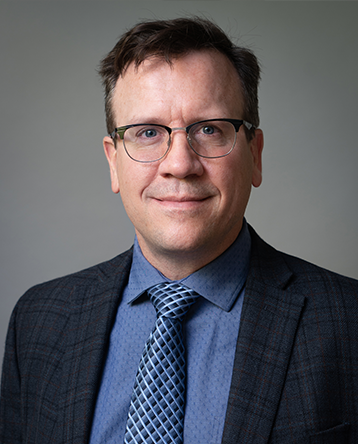
Alfonso Amador Valverde Navarro is a Professor at the University of Valencia's Department of Anatomy and Human Embryology. His research focuses on human anatomy, embryology, and neuroendocrinology, with notable contributions to cardiovascular research and sports medicine. He has directed 15 doctoral theses, addressing topics like surgical anatomy, pain modulation, and cadaveric teaching methodologies. His work includes studies on pineal gland physiology, experimental scoliosis, and echographic anatomical techniques. Collaborations span cardiology, traumatology, and medical education, emphasizing interdisciplinary approaches. Education: Ph.D. in Anatomy from University of Valencia (1998). Research Interests: Craniofacial morphometry, vascular anatomy, circadian rhythms in pineal function, and medical education innovation. Key contributions include developing cadaver-based airway management models and integrating ultrasound into anatomy curricula. His recent studies address cardiac rehabilitation post-ACS and novel atherogenic indices. Active in academic governance, he maintains affiliations with the University of Valencia's research portal.
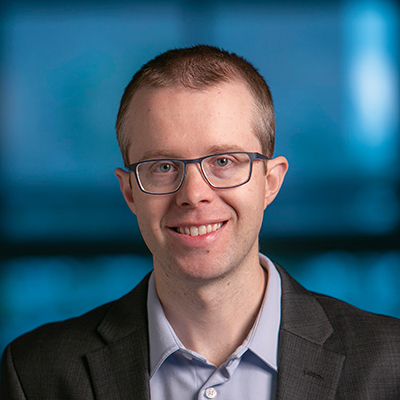
Associate Professor Sebastian Furness is an academic at the University of Queensland's School of Biomedical Sciences, specializing in molecular pharmacology of G protein-coupled receptors (GPCRs) and the gut-brain axis. He holds an ARC Future Fellowship and leads a laboratory investigating receptor-transducer coupling mechanisms. Education: BSc(Hons) and PhD from University of Adelaide, postdoctoral research at University of British Columbia and Monash University. Research Interests: Focuses on GPCR signaling in metabolic disorders, appetite regulation (ghrelin, melanocortin receptors), and drug development. Key projects include: cholesterol-dependent modulation of CCK1R, dopamine/ghrelin receptor interactions, and structural biology of GPCRs. Publications: Over 60 peer-reviewed articles (2011-2025), including high-impact studies on GPCR dynamics, receptor heteromerization, and pharmacological modulation. Recent work explores G protein selectivity and gut-brain axis signaling. Awards: ARC Future Fellowship (2019-2022), NHMRC grants, and collaborations with institutions like Mayo Clinic and Florey Institute. Grants & Funding: Current projects include NHMRC grants on receptor dynamics and NIH-funded studies on Parkinson's disease constipation. Seed grants for fluorophore development and GPCR structural studies. Advising: Supervising 4 PhD students (e.g., Noah Piper, Jingjing Xing) and mentoring alumni (e.g., Dr. Emma Dal Maso). Offers Honours/PhD positions in receptor signaling and biophysical methods. Lab Collaborations: Partners with Monash Institute of Pharmaceutical Sciences (structural studies), Florey Institute (defecation control), and Austin Health (calcitonin receptor in glioblastoma).
Douglas Weber is a Professor in the Department of Mechanical Engineering at Carnegie Mellon University (CMU), where he leads research at the intersection of neuroscience and engineering. He is a founding member of DARPA’s Biological Technologies Office and has led major neurotechnology programs, including HAPTIX, ElectRx, and TNT. His research is centered at the NeuroMechatronics Lab, with collaborations at the University of Pittsburgh and industry partners like Meta. He is actively engaged in developing neuroprosthetics, spinal cord stimulation, and wearable devices for sensory and motor restoration. Ph.D., Bioengineering, Arizona State University (2001) MS, Bioengineering, Arizona State University (2000) BS, Biomedical Engineering, Milwaukee School of Engineering (1994) Post-doctoral training, Centre for Neuroscience, University of Alberta Douglas Weber's research focuses on understanding sensory feedback in motor control, neuroplasticity, and the development of neurotechnologies for individuals with stroke, spinal cord injury, or limb loss. His work spans neural engineering , biomechanics , neuromodulation , and bioelectronic medicine . He aims to translate academic research into real-world applications, such as brain-computer interfaces and sensory-restoring prosthetics. His lab explores high-density electromyography (HD-sEMG), spinal cord stimulation, and closed-loop systems to enhance human-machine interaction. The recent articles reflect a strong emphasis on spinal cord and peripheral nerve stimulation , brain-computer interfaces , and sensory feedback restoration . Many studies investigate neuromodulation for motor recovery , endovascular BCIs , and non-invasive stimulation techniques . There is a recurring theme of clinical translation , with multiple early feasibility trials and human studies. The work integrates electrophysiology , signal processing , and rehabilitation engineering to improve outcomes for patients with neurological impairments. Douglas Weber has mentored over 100 undergraduate, graduate, and medical students, as well as several postdoctoral fellows. He holds eight issued U.S. patents and has secured significant research funding, including awards from ARPA-H and collaborations with the Pitt CTSI. His work has led to practical technologies aimed at improving independence for individuals with paralysis or limb loss. He is actively involved in several research teams and labs, most notably the NeuroMechatronics Lab at CMU. His team collaborates with institutions like the University of Pittsburgh and industry partners such as Meta to develop wearable interfaces and implantable devices. Projects include wristband-based sEMG control systems, spinal cord stimulation for stroke recovery, and bioelectronic implants for chronic disease management.
Dr. Pan Zhang is a Researcher at the Department of Mechanical Engineering, Imperial College London, specializing in materials modeling and micro-mechanics. His work focuses on crystal plasticity modeling, particularly the generation of microstructures for polycrystalline materials to support finite element analysis. He holds a BSc and MSc in Control Engineering and a PhD in Mechanical Engineering. Research interests include Voronoi tessellation applications, optimization using evolutionary algorithms, and material behavior under extreme conditions. His contributions span computational geometry, composite materials, and supply chain environmental impact analysis. Publications highlight advancements in grain structure simulation, cryptographic integration in embedded systems, and cloud-based privacy-preserving techniques. Collaborations include projects with Professors Liliang Wang and Daniel Balint, though he is not directly listed as a supervisor for the mentioned PhD studentships. No scientific awards are explicitly stated, but his work demonstrates expertise in interdisciplinary engineering and computational methods.
Raimon Sunyer Borrell is a Researcher at the Institute for Bioengineering of Catalonia (IBEC), where he leads investigations within the Integrative Cell and Tissue Dynamics group. His work bridges biophysics, bioengineering, and cell biology to decipher how mechanical forces govern cellular and tissue behavior in physiological and pathological contexts. His primary research focuses on mechanobiology, particularly collective cell migration, durotaxis (stiffness-guided migration), and tissue dynamics. He investigates how cells sense mechanical cues through adhesion complexes like E-cadherin, with applications in understanding developmental processes, sleep apnea pathophysiology, and circadian rhythm disruptions. His interdisciplinary approach combines advanced experimental techniques—including atomic force microscopy, microfluidic platforms, and 3D tissue models—with computational modeling to quantify force transmission and tissue remodeling. Analysis of his 15 most recent publications reveals consistent innovation in developing physiomimetic models for disease study (e.g., intermittent hypoxia systems for sleep apnea) and fundamental discoveries about collective cell behaviors. His work demonstrates how mechanical coordination across cell clusters enables optimal migration through complex environments, with implications for regenerative medicine and tissue engineering. Dr. Sunyer actively contributes to IBEC's collaborative ecosystem, working within the Integrative Cell and Tissue Dynamics group that develops cutting-edge tools for probing cellular mechanics. His research directly supports IBEC's mission to translate fundamental discoveries into biomedical applications through interdisciplinary collaboration.
Brian J. Prendergast is a Professor in the Department of Psychology within the Division of Biological Sciences at the University of Chicago. His research focuses on the intersection of neuroscience, immunology, and endocrinology, particularly in the context of biological rhythms and their modulation by physiological states. Research Interests: His primary research areas include psychoneuroimmunology, behavioral neuroendocrinology, and the neural mechanisms underlying sickness behavior, depression, and circadian/ultradian rhythms. He investigates how immune challenges affect brain function and behavior, with a focus on neuroinflammatory processes and HPA axis regulation. His work often uses rodent models, particularly hamsters, to explore the bidirectional interactions between biological clocks and the immune system. Publication Trends: His recent publications (2009–2012) reveal a strong focus on how physiological states such as tumor presence, reproductive cycles, and energy availability modulate circadian and ultradian rhythms, neuroimmune responses, and behavioral outcomes. The research spans molecular, systems, and behavioral levels, often integrating endocrine, immune, and neural data. Scientific Awards: No specific awards mentioned in the text. Advising and Grants: While no specific students or grants are listed, his role as a professor with an active laboratory (BPSB 301-303) and multiple publications suggests involvement in mentoring graduate students and securing research funding. His collaborative work with researchers like I. Zucker, M.K. McClintock, and A.K. Beery indicates participation in interdisciplinary and team-based science. Labs and Teams: He maintains a research laboratory in the BPSB building at the University of Chicago, where he conducts studies on circadian rhythms, neuroimmunology, and behavioral neuroendocrinology using animal models.
Jarek Bryk is a Teaching Professor at the Department of Physical and Life Sciences, School of Applied Sciences , University of Huddersfield . He is a member of the Evolutionary Genomics Research Centre and associate member of the Cellular and Molecular Models of Disease Centre . His career spans evolutionary genetics, synthetic biology, and science education. Education: MSc in Molecular Biology, University of Warsaw PhD in Evolutionary Genetics, Max Planck Institute for Evolutionary Anthropology Research interests focus on evolutionary genetics , mechanistic basis of adaptive change , and synthetic biology education . He investigates genetic mechanisms of environmental adaptation and develops teaching tools for molecular biology. Article trends show expertise in ancient DNA , genomic variants , and synthetic biology , with applications in education , oncology , and population genomics . Scientific awards : Bronze Medal, International Genetically Engineered Machines competition Advising includes mentoring undergraduate teams in synthetic biology. He has worked on EU-funded and Wellcome Trust projects, emphasizing practical education and student-driven research .
Arlin Blood is an Associate Professor at the School of Medicine, Loma Linda University, with cross-appointments in the Pharmacology Division, Pediatric Neonatology Division, and Gynecology and Obstetrics. He holds a PhD from Loma Linda University (2003) and a BS (1995), with research centered on perinatal cardiovascular physiology. PhD, Loma Linda University, 2003 BS, 1995 His research focuses on the physiological responses to hypoxia in fetal and newborn models, particularly investigating pulmonary hypertension, cerebral blood flow regulation, and the roles of gasotransmitters such as nitric oxide and hydrogen sulfide. Using lamb and rodent models, his work bridges molecular mechanisms with systemic cardiovascular outcomes. Recent publications (2024–2025) highlight sustained research activity in hypoxia-induced vascular dysfunction, microRNA regulation, and novel signaling pathways involving L-type calcium channels and nitrite metabolism. His work frequently appears in high-impact physiology and medical journals, indicating strong translational relevance. No scientific awards explicitly mentioned Dr. Blood has co-authored over 128 research outputs, including articles and reviews, primarily in collaboration with researchers at the Center for Perinatal Biology. While specific grant funding is not detailed, his consistent publication record suggests active research support. He advises or mentors students indirectly through collaborative research, though no formal advisees are listed. His work is strongly associated with the Center for Perinatal Biology at Loma Linda University, a leading institution in fetal and neonatal physiology research, where he contributes to multidisciplinary teams studying developmental cardiovascular adaptation.
Dr. Michael Ross is a Clinical Professor in the Department of Surgery at Charles R. Drew University of Medicine and Science . His career spans over 35 years of continuous NIH-funded research focused on perinatal physiology and developmental programming of disease. Research interests include: Maternal obesity and fetal programming of metabolic syndrome Amniotic fluid homeostasis mechanisms Hypothalamic neurogenesis and appetite regulation Epigenetic modifications in intrauterine growth restriction Fetal response to maternal nutrient restriction His publication record shows consistent contributions to understanding how prenatal conditions affect lifelong health, particularly in neuroendocrinology , obstetric complications , and nutritional programming of obesity. Articles demonstrate methodological expertise in both human clinical studies and animal models (ovine and rodent systems). As Co-Principal Investigator for multiple NIH grants, he has collaborated with Dr. Mina Desai on studies examining maternal-offspring metabolic transmission , neonatal resuscitation , and placental adaptations . His work has significant implications for obstetric practice and prevention of childhood obesity .
Kyle Holmberg Vining is an Assistant Professor at the University of Pennsylvania, jointly appointed in the School of Dental Medicine (Department of Preventive and Restorative Sciences) and the School of Engineering & Applied Sciences (Department of Materials Science and Engineering). He holds a Ph.D. in Bioengineering from Harvard University (2014-2020), a D.D.S. from the University of Minnesota School of Dentistry (2009-2014), and a B.S. in Biomedical Engineering from Northwestern University (2005-2009). As a postdoctoral scientist at Dana-Farber Cancer Institute (2021-2022), he focused on mechanical regulation of myeloid cell fate. Ph.D. in Engineering Sciences (Bioengineering), Harvard University (2014-2020) D.D.S., University of Minnesota School of Dentistry (2009-2014) B.S. in Biomedical Engineering, Northwestern University (2005-2009) Dr. Vining’s research investigates how mechanical properties of extracellular matrix regulate inflammation in fibrosis, cancer (particularly head and neck squamous cell carcinoma), and dental tissue repair. His lab develops bioengineered materials that modulate immune responses, including a fibrotic extracellular matrix hydrogel, antimicrobial titanium coatings for dental implants, and polymeric materials for dental pulp stem cell regeneration. His work bridges materials science, immunology, and dental medicine to create next-generation clinical innovations . The Vining Lab’s recent publications demonstrate expertise in ECM viscoelasticity studies , immunomodulatory biomaterials , and dental tissue engineering . Key trends include mechanical regulation of monocyte differentiation , MSC licensing , and T-cell polarization through matrix cues. His team also explores lipid nanoparticles for mRNA delivery to bone environments and mechanical properties of dental resins . Scientific Awards include multiple NIH grants (K99/R00, K08), patents (US11224679), and competitive recognitions like the AADOCR Hatton Competition Senior Category First Place (2021) and Royal Society of Chemistry Emerging Technologies Competition Second Place (2016). He received the NSF GRFP as a mentor and holds significant fellowships from ADEA and the Wrigley Institute. As a clinician-scientist , Dr. Vining maintains an active practice in restorative and cosmetic dentistry at Penn Dental Family Practice. His lab at Penn Dental Medicine and Penn Engineering includes postdoctoral fellows, Ph.D. students, and master’s students from diverse backgrounds in materials science , bioengineering , and dental medicine , working on projects ranging from collagen self-assembly to neurodegenerative phenotype prediction using enamel composition analysis.
Suzanne H. Mitchell is a tenured Professor at Oregon Health & Science University (OHSU) in the Department of Behavioral Neuroscience, with secondary appointments in Psychiatry and the Oregon Institute for Occupational Health Sciences. She holds a B.Sc. and M.Sc. from the University of Hull, England, and a Ph.D. from SUNY-Stony Brook, USA, where her dissertation examined behavioral economics in rodent foraging decisions. Education: B.Sc./M.Sc. (Hull), Ph.D. (SUNY-Stony Brook) Secondary Appointments: Psychiatry, Oregon Institute for Occupational Health Sciences Her research spans behavioral economics, impulsivity neuroscience, and addiction models , focusing on: Decision-making in substance users Delay discounting mechanisms Energetic cost-benefit analysis Translational rodent-human studies Behavioral genetics of impulsivity Recent publications show expertise in fMRI, behavioral paradigms (e.g., patch depletion tasks) , and genetic models applied to: Alcohol use disorder neurobiology Chronic pain decision-making Neuroplasticity in enriched environments STEM education behavioral influences Scientific contributions include: NIH-funded grants (NHLBI, NIAAA, NIDA, NIMH) Awards for education and mentoring Leadership in behavioral economics societies She collaborates with researchers like Abraham A. Palmer and Jerry B. Richards, applying human/animal models to clinical populations while maintaining active NIH study section participation.
Jose Miñarro Lopez is a Professor in the Department of Psychobiology at the Faculty of Psychology and Speech Therapy, Universitat de València. He is a leading member of the INVESDROGA research group, focused on the psychobiology of drug dependence. His research interests lie at the intersection of neuroscience and behavior, particularly in understanding the biological underpinnings of addiction and the impact of stress and pharmacological agents on behavioral outcomes. His work is grounded in experimental models, especially rodent behavioral paradigms. He completed his doctoral studies at the Universitat de València in 1987 with a thesis titled Influencia del estrés y el haloperidol sobre la conducta agonística en ratones macho , which explored the effects of stress and haloperidol on aggressive behavior in male mice. While no recent publications are listed in the provided text, his long-standing affiliation with psychobiology and drug dependence research suggests a sustained contribution to behavioral neuroscience and addiction science. He advises students and researchers within the INVESDROGA group, contributing to training the next generation of psychobiologists, though specific advisees are not named in the current data. The INVESDROGA research group serves as the primary hub for his scientific activities, focusing on the neurobiological mechanisms of substance use disorders.
Noemi San Miguel Segura is an Assistant Professor in the Department of Psychobiology at the Faculty of Psychology and Speech Therapy, Universitat de València. Her research is conducted within the LabNSC (Laboratory of Social Cognitive Neuroscience), where she investigates the neurobiological underpinnings of reward and consumption behaviors. Research Interests: Her work focuses on the psychobiological mechanisms regulating substance and natural reward intake, particularly through the lens of adenosinergic and dopaminergic neurotransmission. Using rodent models of self-administration, she explores how these systems modulate behaviors related to alcohol and sucrose consumption, contributing to broader understanding of addiction and eating disorders. Publication Trends: Her primary scholarly contribution centers on neuropharmacological regulation of reward-driven behavior, reflecting a strong emphasis on experimental psychobiology and behavioral neuroscience. The research integrates molecular, pharmacological, and behavioral methodologies to dissect neural circuits involved in motivated behavior. Scientific Awards: No awards are mentioned in the provided text. Advising and Grants: There is no information available regarding students supervised or research grants obtained. However, her doctoral supervision by Dr. Mercé Correa at Universitat Jaume I suggests prior mentorship experience and collaborative research training. Labs and Teams: She is an active member of the LabNSC – Laboratory of Social Cognitive Neuroscience, indicating engagement in collaborative, interdisciplinary research on cognitive and affective neuroscience with a social and biological perspective.
Wei-Jung A. Chen is a Professor and Associate Dean for Faculty Affairs and Curriculum Management at Texas A&M University's School of Medicine, Department of Neuroscience & Experimental Therapeutics. He also serves as Assistant Dean for Student Affairs and is involved in graduate training through the Interdisciplinary Program in Neuroscience. Education: PhD from State University of New York (1992), postdoctoral training at the University of Iowa, and prior role as Research Scientist at Texas A&M. Research focuses on substance abuse effects on the developing brain, polydrug interactions, fetal alcohol syndrome, and employs techniques like 3D stereology, immunohistochemistry, and behavioral assessments in rodent, ovine, and zebrafish models. Recipient of prestigious awards including the Presidential Professor for Teaching Excellence Award and University-Level Distinguished Achievement Award.
Emma Perez is a Research Fellow and Postdoctoral Research Associate in the Department of Educational Administration and Human Resource Development at Texas A&M University. She also serves as Associate Program Director of Outreach & Research at the Office of Strategic Educational Partnerships, focusing on Broadening Participation in STEM initiatives. Her work emphasizes resilience strategies among Latina STEM students at Hispanic Serving Institutions (HSIs). Education: Ph.D. in Developmental, Cognitive, & Behavioral Neuroscience (University of Houston, 2020); dual B.S. in Biology and Psychology (University of Houston, 2014); M.A. in Psychology/DCBN (University of Houston, 2016). Research interests span educational equity, resilience in marginalized STEM populations, and neuroscientific studies of developmental exercise and radiation effects. Her work bridges neuroscience and education to address systemic barriers in STEM fields. Publications reflect interdisciplinary work in education sciences, medical resilience, and developmental psychobiology. She has collaborated with student researchers, notably co-authoring work on Latina STEM resilience. No scientific awards explicitly listed, but her contributions to marginalized student success and neurobiological research highlight impactful work. She teaches undergraduate courses in physiological psychology and manages projects promoting inclusive STEM education.