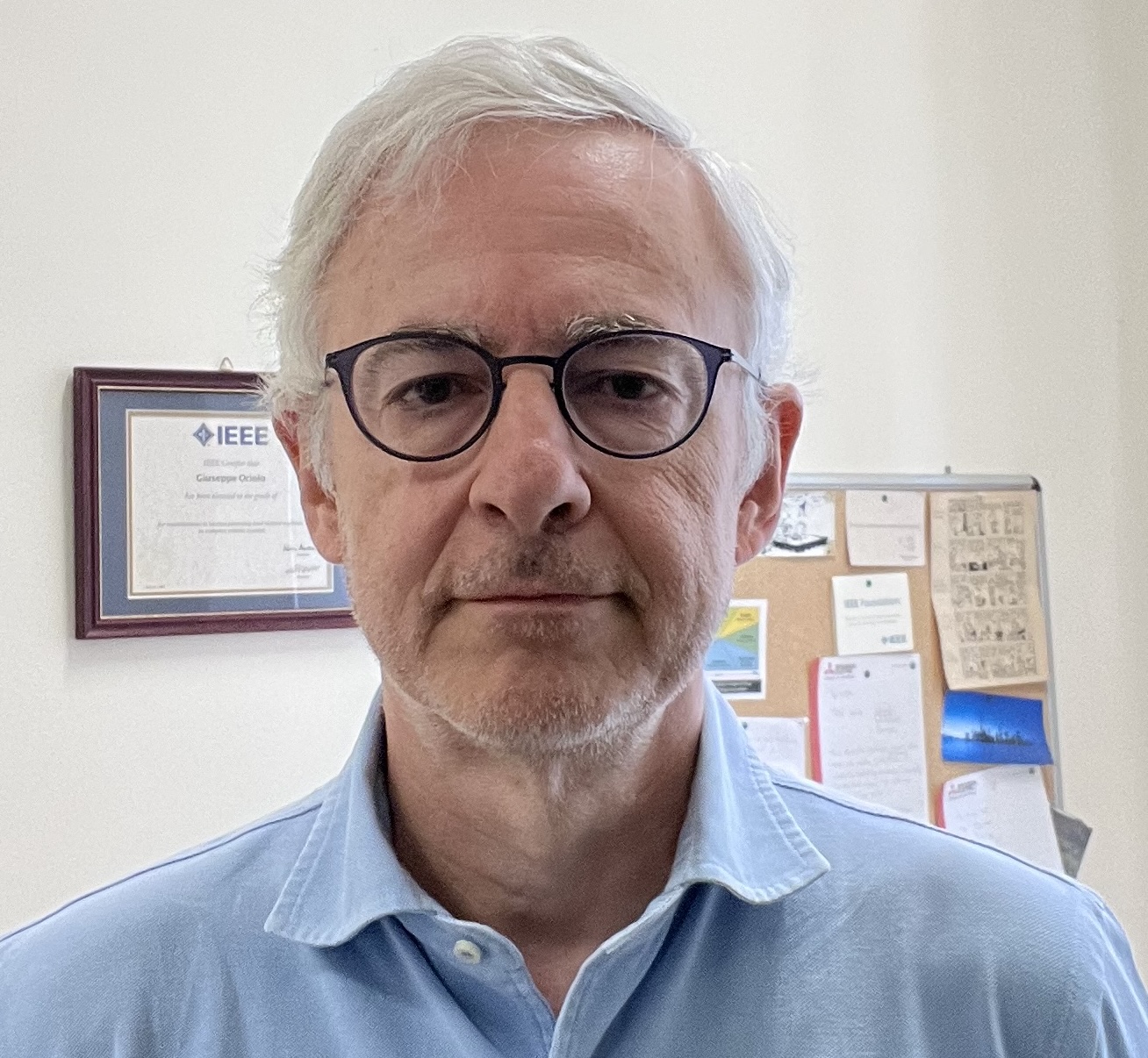
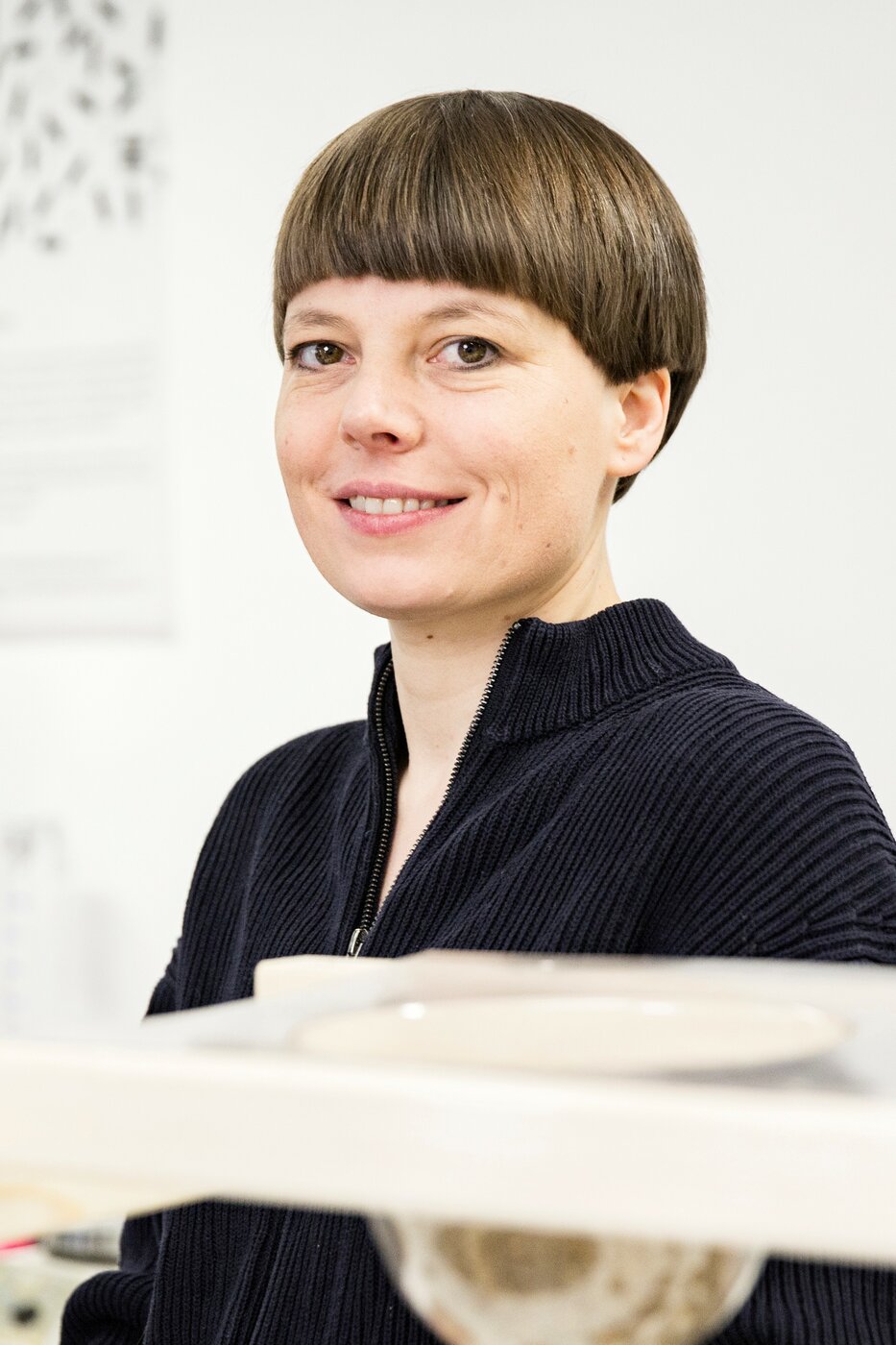
Martin MillerView profile
Assistant Professor
Martin Miller is an Assistant Professor of the Practice in the Department of Architecture at Cornell University's College of Architecture, Art, and Planning (AAP). He is also the co-founder of AntiStatics Architecture, a design practice based in Beijing and New York City, where he explores the intersection of digital technologies, architecture, and social impact. His teaching focuses on computational design, artificial intelligence, simulation, and robotic fabrication in graduate studios. Miller holds a Master of Architecture from the University of Pennsylvania and a B.F.A. in Sculpture with a minor in Mathematics. His educational background deeply informs his interdisciplinary approach to design and technology. His research and design practice center on the manipulation of complexity across spatial, structural, social, and cultural dimensions. He employs digital and computational tools to manage design intricacies and develop innovative fabrication methods. Key interests include AI in architecture, big data urban analysis, responsive installations, and the development of new design languages through collaboration. His work often bridges academic research and real-world application, particularly in urban contexts facing systemic disparities. The recent design projects and studio work reflect a strong trend toward socially engaged architecture, data-driven urbanism, and experimental fabrication techniques. Themes of adaptability, responsiveness, and systemic thinking recur across his built works and pedagogical projects, from the Pussy Hut to the Ou-River Crystal Box Restaurant and the Defunding the Police studio initiative. Martin Miller has not been publicly recognized with formal scientific awards, but his work has been exhibited and discussed in major design forums, including Beijing Design Week and the Winter Stations competition. He actively mentors students through studio teaching at Cornell AAP, emphasizing adaptability, originality, and engagement with emerging technologies. His practice operates as a collaborative lab, integrating academic inquiry with fast-paced design development, particularly in China’s dynamic construction environment. AntiStatics Architecture functions as both a design office and a research platform, exploring the future of architectural practice in a digitally saturated world. Miller leads AntiStatics Architecture as a transnational collaborative studio, maintaining offices in Beijing and Ithaca. The team uses digital tools to sustain a 24-hour workflow across time zones, enabling rapid project development and innovation. The practice emphasizes experimental methods, material research, and social responsiveness, functioning as a living laboratory for architectural ideas.