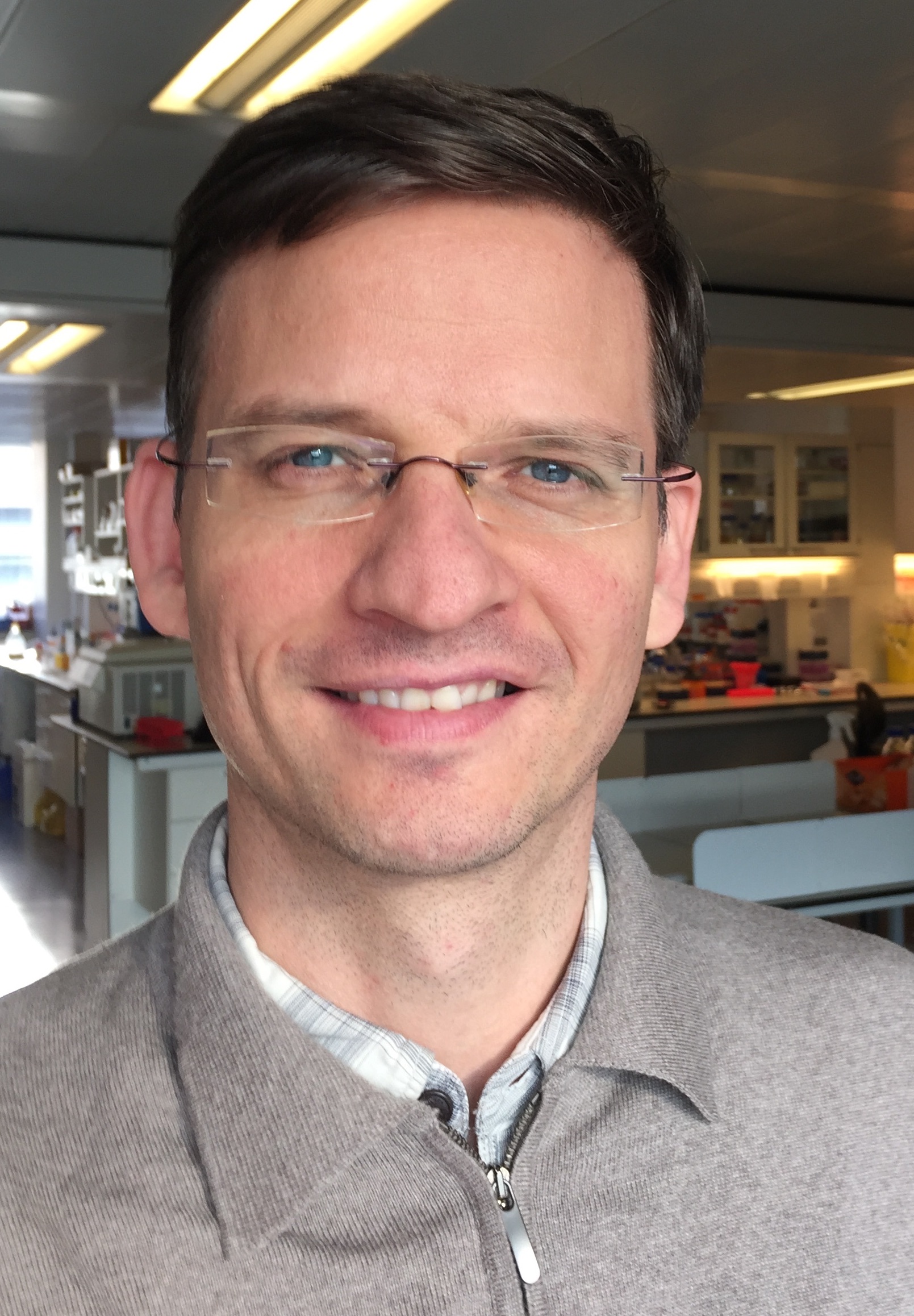
Professor Kim De Keersmaecker is a leading cancer researcher at KU Leuven's Faculty of Medicine, where she serves as head of the Laboratory for Disease Mechanisms in Cancer within the Department of Oncology. She is also an active member of both the KU Leuven Institute for Single Cell Omics (LISCO) and the KU Leuven Cancer Institute (LKI), contributing significantly to cancer research infrastructure at the university. Her research focuses on fundamental mechanisms of cancer development, particularly investigating ribosomal protein mutations, serine/glycine metabolism in cancer cells, and non-coding mutations that drive oncogenesis. De Keersmaecker's lab pioneered the discovery of somatic ribosomal protein mutations in cancer, demonstrating how these create 'onco-ribosomes' that promote cancer through altered protein translation and metabolic reprogramming. Her work has revealed that certain mutations previously considered synonymous are actually functional non-coding mutations affecting critical cancer genes. Analysis of her recent publications shows a consistent research trajectory centered on cancer metabolism, particularly serine/glycine synthesis pathways, and ribosomal dysfunction in malignancies. Her lab has made groundbreaking discoveries regarding how ribosomal mutations like RPL10 R98S create therapeutic vulnerabilities that can be targeted with repurposed drugs like sertraline, an antidepressant that inhibits serine/glycine synthesis. ERC Starting Grant (2014) ERC Consolidator Grant (2019) Professor De Keersmaecker currently supervises multiple PhD students and postdoctoral researchers, fostering the next generation of cancer researchers. She leads several major research projects including 'Innovative research on disease mechanisms in cancer' (2025-2028), 'Role of EZH2 in serine/glycine synthesis dysregulation in T-cell malignancies' (2025-2029), and 'Sertraline combination therapy for T-cell malignancies' (2025-2028). Her laboratory maintains extensive collaborations with other leading cancer research groups across Belgium and internationally, particularly focusing on blood cancers and translational cancer research. The Laboratory for Disease Mechanisms in Cancer operates as a multidisciplinary research unit investigating fundamental cancer processes including energy metabolism in cancer cells, protein production dysregulation, and cancer-immune system interactions. The lab has developed innovative approaches to target cancer-specific metabolic vulnerabilities, with several discoveries having direct translational potential for cancer therapy.