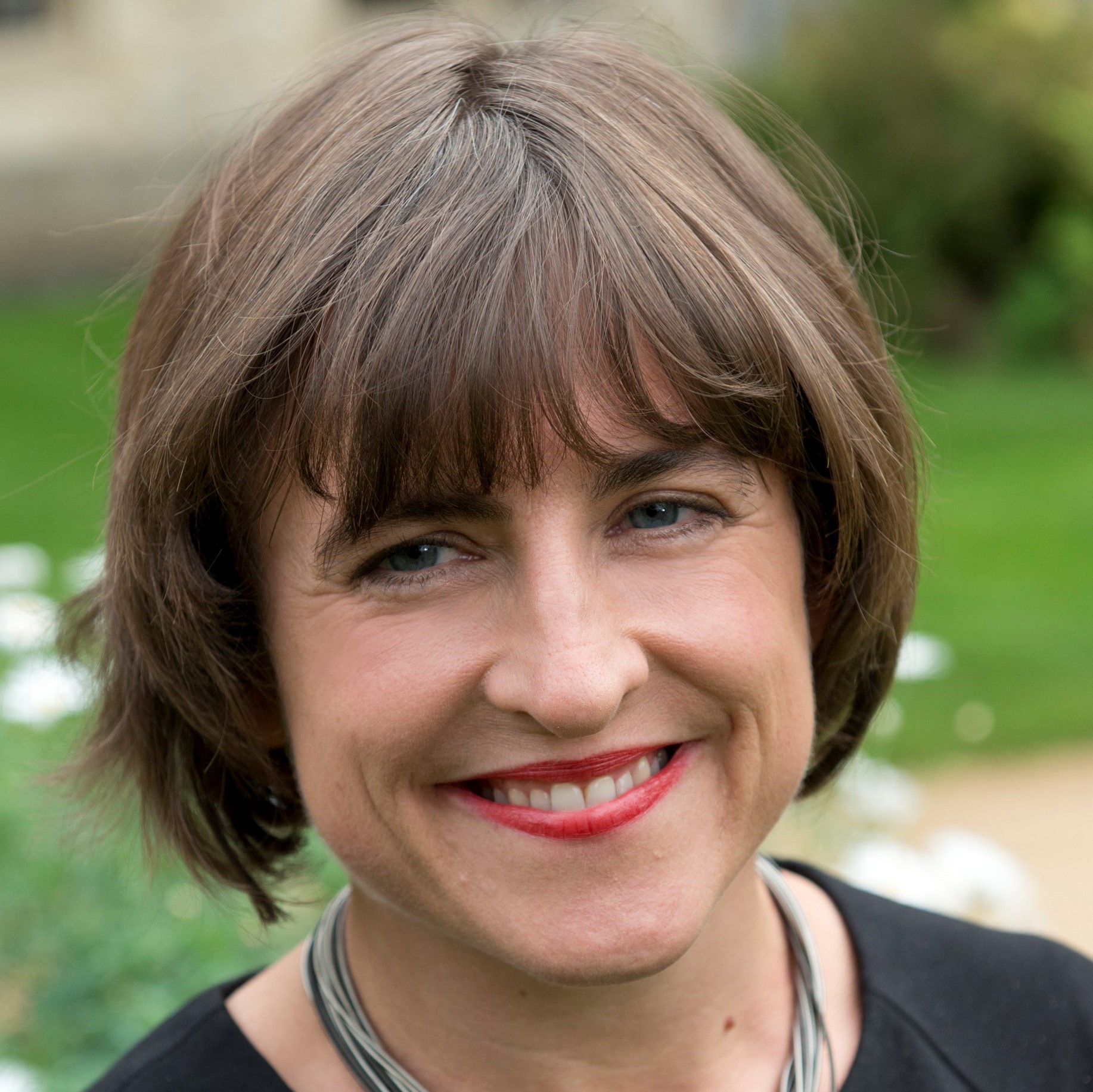
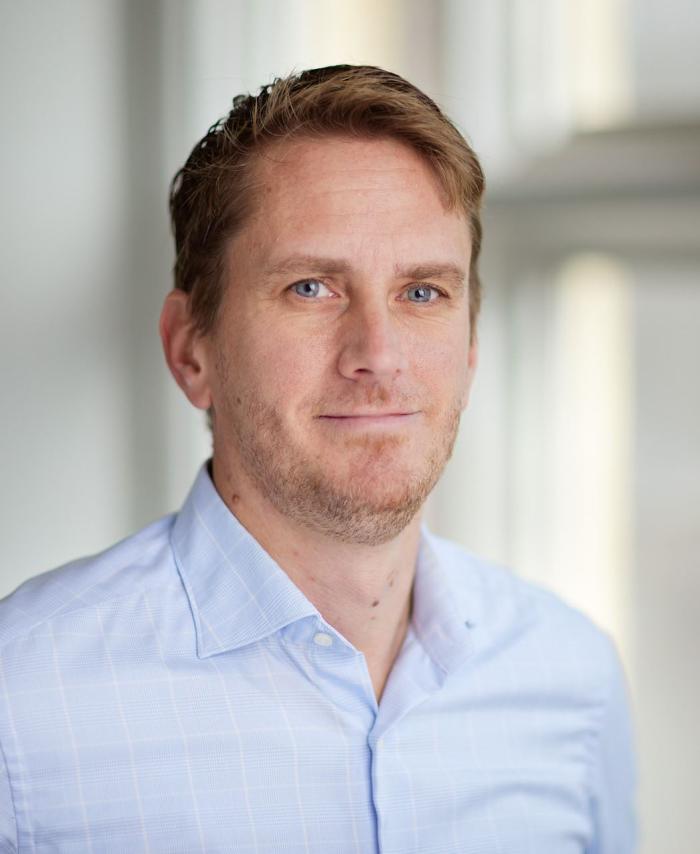
Rebecca Herissone is Professor of Musicology at the University of Manchester and a leading scholar in early modern English music. She co-edits the peer-reviewed journal Music & Letters and serves on editorial boards for the Purcell Society, Musica Britannica, and the Complete Works of John Eccles. Her research focuses on seventeenth-century creativity, material culture, and the ontological dimensions of music notation. Key research areas: Early Modern Music, Creativity, Source Study, Notation, Reception Major awards: Diana McVeagh Prize (2015), Westrup Prize (2007) Her recent work includes digital humanities projects on music preservation and critical editions of Purcell's operas. She has pioneered interdisciplinary approaches connecting musicology with drama, art, and literature, and currently leads research on Purcell's posthumous reception in the eighteenth and nineteenth centuries. Her teaching spans music historiography, performance practices, and advanced source analysis.
Leigh Oakes is Professor of French and Linguistics in the Department of Modern Languages and Cultures within the School of Languages, Linguistics and Film at Queen Mary University of London. He has held progressive academic positions at the institution since 2000, advancing from Lecturer to his current professorship. His international academic background includes a PhD from the University of Melbourne and research at Stockholm University's Centre for Research on Bilingualism. His educational qualifications include a PhD (2001) and BA (Hons) (1996), both from the University of Melbourne. Oakes specializes in language policy and planning, with particular focus on language and national identity in France, Quebec, and Sweden. His research has expanded into linguistic justice debates in political theory, advocating for normative and interdisciplinary approaches to language policy. Oakes' publication trends reveal a consistent focus on ethical dimensions of language policy, with increasing emphasis on pluricentric justice and linguistic integration since 2016. His work bridges sociolinguistics and political philosophy, demonstrating strong interdisciplinary connections between language attitudes, national identity construction, and policy implementation across Francophone contexts. The 2018 co-authored monograph 'Normative Language Policy' represents a significant theoretical contribution to the field. 2008 Pierre Savard Prize for 'Language, Citizenship and Identity in Quebec' Leverhulme Trust Research Project Grant for 'The Ethics of Linguistic Integration' project Co-editor-in-chief of Sociolinguistica: European Journal of Sociolinguistics Co-editor of Multilingual Matters book series Member of editorial boards for Language Policy and Modern Languages Open Oakes actively supervises PhD candidates in sociolinguistic topics, with current research focusing on linguistic integration in Quebec and adaptation among mobile French speakers. His major Leverhulme-funded project 'The Ethics of Linguistic Integration' examines moral implications of language requirements for immigrants across England, Quebec, and Wales. He serves on several international academic committees including the Association internationale des études québécoises and the British Association of Canadian Studies. He leads the interdisciplinary 'Ethics of Linguistic Integration' research team, which combines expertise from applied linguistics, sociolinguistics, and political theory to investigate language integration policies. His work connects with broader university initiatives through Queen Mary's research highways in social justice and global challenges.
Anna Lukina is a Research Fellow in Law at the London School of Economics and Political Science and a PhD candidate at the University of Cambridge's Faculty of Law. Her research focuses on jurisprudence, legal history, and public law, with a specialization in Soviet legal systems, Nazi legal frameworks, and the philosophical underpinnings of 'evil law.' She holds a B.A. (Jurisprudence) and B.C.L. from the University of Oxford, and an LL.M. from Harvard Law School. Her doctoral work, Towards a Jurisprudence of Evil Law , examines the relationship between law and immorality in authoritarian regimes, funded by the Institute for Humane Studies, Modern Law Review, and Cambridge Law Journal. Key research areas include: Legal justifications for totalitarian regimes Resistance to morally corrupt legal systems Historical analysis of Soviet, Nazi, and antebellum U.S. legal structures Publications span legal-historical analyses of Soviet legal education, Schmittian dictatorship theory, and Kelsen's critiques of communist jurisprudence. She actively engages with legal theory through blogs like Legal Form and academic networks such as the Cambridge Legal Theory Discussion Group. Her work bridges theoretical jurisprudence and historical case studies, offering critical perspectives on law's role in enabling or resisting evil. Grants and fellowships support her exploration of legal systems' moral boundaries and their societal impacts.
Dr Helen Gittos is a Senior Lecturer and Fellow in Medieval History at Balliol College and Brasenose College, University of Oxford. She holds a PhD in early medieval history from Oxford, following an undergraduate degree in English Literature at Newcastle University. Her research focuses on medieval church history, liturgy, and the role of language in religious practices, with expertise in archaeological evidence and textual analysis. She teaches British and European medieval history at both undergraduate and graduate levels, including the MSt and MPhil programs in Medieval History. Her major publications include Liturgy, Architecture and Sacred Places in Anglo-Saxon England (2013) and co-edited volumes on medieval liturgy. Current projects explore the use of English in medieval liturgy and collaborative research on Cerne Abbas’s early medieval history with archaeologists. She leads the Oxford Centre for Early Medieval Britain and Ireland and participates in interdisciplinary initiatives like the Worked in Stone project. Dr Gittos actively supervises DPhil students in areas related to her research, with recent advisees focusing on topics like shrines, liturgical charms, and Anglo-Saxon burial practices. She is also a media commentator, appearing in BBC News and podcasts discussing Anglo-Saxon history and archaeological discoveries.
Professor Kevern Verney serves as Associate Dean (Research) in the Arts & Sciences Faculty Office. His expertise lies in American political history, focusing on topics such as the African American Freedom Struggle, race and immigration, and U.S. presidential dynamics. He supervises PhD projects on the Trump and Obama administrations and has contributed to UN Sustainable Development Goals related to equality and justice. Academic Rank: Professor Primary Affiliation: Arts & Sciences Faculty Office Research interests include Barack Obama's presidency , Trump administration policies , historiography of civil rights , and border politics . His work intersects with global perspectives on U.S. political developments. Major publications analyze the Alt-Right movement, UK responses to Trump’s presidency, and the historiography of Black civil rights. Articles frequently explore themes of immigration, political rhetoric, and transnational political reactions. Grants/Advising: Actively supervising PhD candidates and contributing to research grants on U.S. political history.
Dr Ann Lewis is Senior Lecturer in French Studies at Birkbeck, University of London, within the School of Creative Arts, Culture and Communication . Since her appointment in 2008 she has held numerous leadership roles, including Subject Lead for Languages and Linguistics and programme director for several BA and MA programmes. Education: BA Joint Honours in History and French, New College, University of Oxford M.St. in European Literature, University of Oxford PhD in French Literature, Queen Mary, University of London PGC-HE (with distinction), Fellow of the Higher Education Academy Research Interests: Dr Lewis’s scholarship is situated at the intersection of eighteenth-century French literature and visual culture. Her work pursues two complementary strands: the first investigates text–image relations , exploring how eighteenth-century French novels were illustrated, re-imagined and circulated beyond the book through almanacs, extra-illustrated editions and domestic display. The second strand interrogates the representation of prostitution in eighteenth-century France, combining literary analysis with cultural history to illuminate questions of gender, commerce and morality. Both research lines deploy interdisciplinary methodologies that draw on illustration studies, adaptation theory and material bibliography. Publications profile: Across more than two decades, Dr Lewis has produced a monograph, three major edited collections and a series of peer-reviewed articles and book chapters (2004-2021). Her output charts an evolving focus from close readings of illustrated novels toward broader questions of intermediality, adaptation and the social lives of images, culminating in recent work on Rousseau’s Julie as material artefact. Honours & Awards: Leverhulme Early Career Fellowship, Leverhulme Trust (2009) Ronald Tress Prize, Birkbeck, University of London (2012) Haydn Mason Lecture, British Society for Eighteenth-Century Studies (2012) Nominated for Aurora Women into Leadership programme, Advance HE (2016) Doctoral supervision & grants: Dr Lewis welcomes proposals in eighteenth-century French literature and culture. She currently co-supervises two doctoral researchers: Miki Jablkowska – “The Reception and Cultural Adaptation of Voltaire in Eighteenth-Century Poland” Kirsten Tambling – “Watteau and Hogarth: Seduction, Space and Time” (awarded 2019) Laboratories, networks & teams: She is Co-founder and Co-convenor of the Birkbeck Eighteenth-Century Research Group , an interdisciplinary forum spanning French, English, History of Art and Comparative Literature. She additionally serves on the steering group of the Illustr4tio international research network devoted to illustration studies and is a member of the executive committee of AUPHF+ (Association of University Professors and Heads of French +).
Ruben Andersson is Professor of Social Anthropology at the University of Oxford’s Department of International Development, where he researches migration, borders, security, and conflict. His work spans the West African Sahel, southern Europe, and global security dynamics. Current Leverhulme Major Research Fellow (2023-26) for 'Apocalypse soon: Security, subversion and the struggle for a human future' Author of three major monographs: Wreckonomics (2023), No Go World (2019), and Illegality, Inc. (2014) Co-edits special issues on remoteness and risk in global governance His research focuses on the unintended consequences of security interventions, including: How fear maps global danger zones Counterproductive border control industries Postcolonial risk economies in Mali and Afghanistan Security-fueled displacement cycles Profits from migration control systems Anthropology of the bioeconomy Recent publications (2016-2024) analyze: Security as subversion Border wall paradoxes Bioeconomic border technologies Digital danger mapping Interventionist 'bunker politics' Time as a control mechanism Scientific recognition: Leverhulme Major Research Fellowship (2023) Co-published in The Cambridge Journal of Anthropology , Political Geography , and Security Dialogue Doctoral supervision includes: Chloe Marshall-Denton Maggie Neil His fieldwork in Mali, Senegal, and the Mediterranean has produced critical insights about: Security industry feedback loops Risk aversion in academic/interventionist practices Colonial cartographic legacies in modern geopolitics Profit motives behind 'failed' interventions
Professor Helen Kennedy is a leading scholar in digital society at the School of Sociological Studies, Politics and International Relations , University of Sheffield . She holds the title of Professor of Digital Society and is Director of the £4 million ESRC Digital Good Network. A Fellow of the British Academy (FBA) and the Academy of Social Sciences (FacSS), her work bridges academia and public policy through collaborations with the BBC, DWP, and international media organizations. Her educational background includes a BA in English and American Studies from the University of Birmingham, an MA in Cultural Studies from the Birmingham Centre for Contemporary Cultural Studies (CCCS), and a PhD from the University of East London (2002) on digital identity and multimedia. Helen's research centers on digital inequality, datafication, algorithmic culture, data ethics, and public engagement with data . She investigates how non-expert publics experience and interpret data, visualizations, and AI, with a focus on fairness, transparency, and resistance. Her work also examines data visualization in society , particularly in news media, and the emotional and cultural dimensions of data engagement. Her recent publications reveal a consistent trend in exploring public perceptions of data practices , the politics of data visualization , and ethical dimensions of data use across journalism, public services, and digital platforms. Themes include trust, fairness, emotion, and the socio-political shaping of data systems. Fellow of the British Academy (FBA) Fellow of the Academy of Social Sciences (FacSS) Helen has led numerous major grants from the ESRC, AHRC, Nuffield Foundation, and EPSRC , including projects like Living With Data , Generic Visuals in the News , and Seeing Data . She supervises PhD students on topics ranging from algorithmic bias to digital self-tracking and has completed 13 PhD supervisions. She actively collaborates with policy makers (DWP, BBC, DCMS) , media organizations (Financial Times, Reach PLC) , and NGOs to translate research into impact, particularly in web accessibility and data governance. She leads the Living With Data research programme and is involved in the Everyday Life and Critical Diversities and Science, Technology and Medicine in Society research groups. Her work with the ESRC Digital Good Network brings together academics, practitioners, and civil society to envision equitable digital futures.
Professor Andrew Chadwick is a leading scholar in political communication and digital media studies at Loughborough University, where he directs the Online Civic Culture Centre (O3C). He holds a BSocSc from Birmingham, MSc and PhD from the London School of Economics. His research focuses on hybrid media systems, disinformation dynamics, and digital politics. Key contributions include conceptualizing hybrid media events and analyzing misinformation in personal messaging platforms. His work has been recognized with prestigious awards, including the APSA Best Book Award. He supervises numerous PhD students exploring topics like social media influence, public opinion, and digital disinformation. Current projects include the Leverhulme-funded Everyday Misinformation Project examining numerical disinformation on messaging apps. His media engagements span BBC Radio 4 to The Washington Post. Research highlights include studies on misinformation warnings' ineffectiveness, vaccine hesitancy, and the role of celebrities in political representation. O3C serves as a hub for interdisciplinary research on digital civic culture. Chadwick’s academic leadership includes roles in editorial boards for top journals and international conference keynotes.
Professor Arlene Holmes-Henderson is a Professor of Classics Education and Public Policy at Durham University, holding a British Academy Innovation Fellowship (2022-2024). She teaches on the Latin with Classics PGCE course in the School of Education and leads interdisciplinary research projects on oracy, Classics education, and policy engagement. Education: Studied Classics at Oxford, Harvard, and Cambridge. Qualified as a schoolteacher and taught for over a decade before returning to academia. Affiliations: Visiting Research Fellow at the Institute of Classical Studies (School of Advanced Study) and Affiliated Researcher at the Bennett Institute for Public Policy, University of Cambridge. Research Interests: Focuses on Classics education, oracy development, and the intersection of policy and the humanities. Key projects include Shy Bairns Get Nowt (oracy and employability) and Aristotle Beyond the Academy (reception of rhetoric in non-academic contexts). Co-directs the Advocating Classics Education project and chairs the Classics Development Group. Publications: Over 80 articles and books, including Expanding Classics (Routledge, 2023) and Forward with Classics (Bloomsbury, 2018). Recent work emphasizes policy engagement and levelling-up through oracy education. Awards: MBE (2023) for services to education Elected Member of Academia Europaea (2024) Grants and Roles: Chair of the Latin Expert Panel at the UK Department for Education Advisor to All-Party Parliamentary Groups on Classics, Oracy, and Political Literacy Member of the Universities Policy Engagement Network (Vice Chair) Labs and Collaborations: Directs Durham’s Centre for Classics Education Research and EngagementS (CERES). Collaborates with institutions like the AHRC, Leverhulme Trust, and Novus Education to bridge academia and policy.
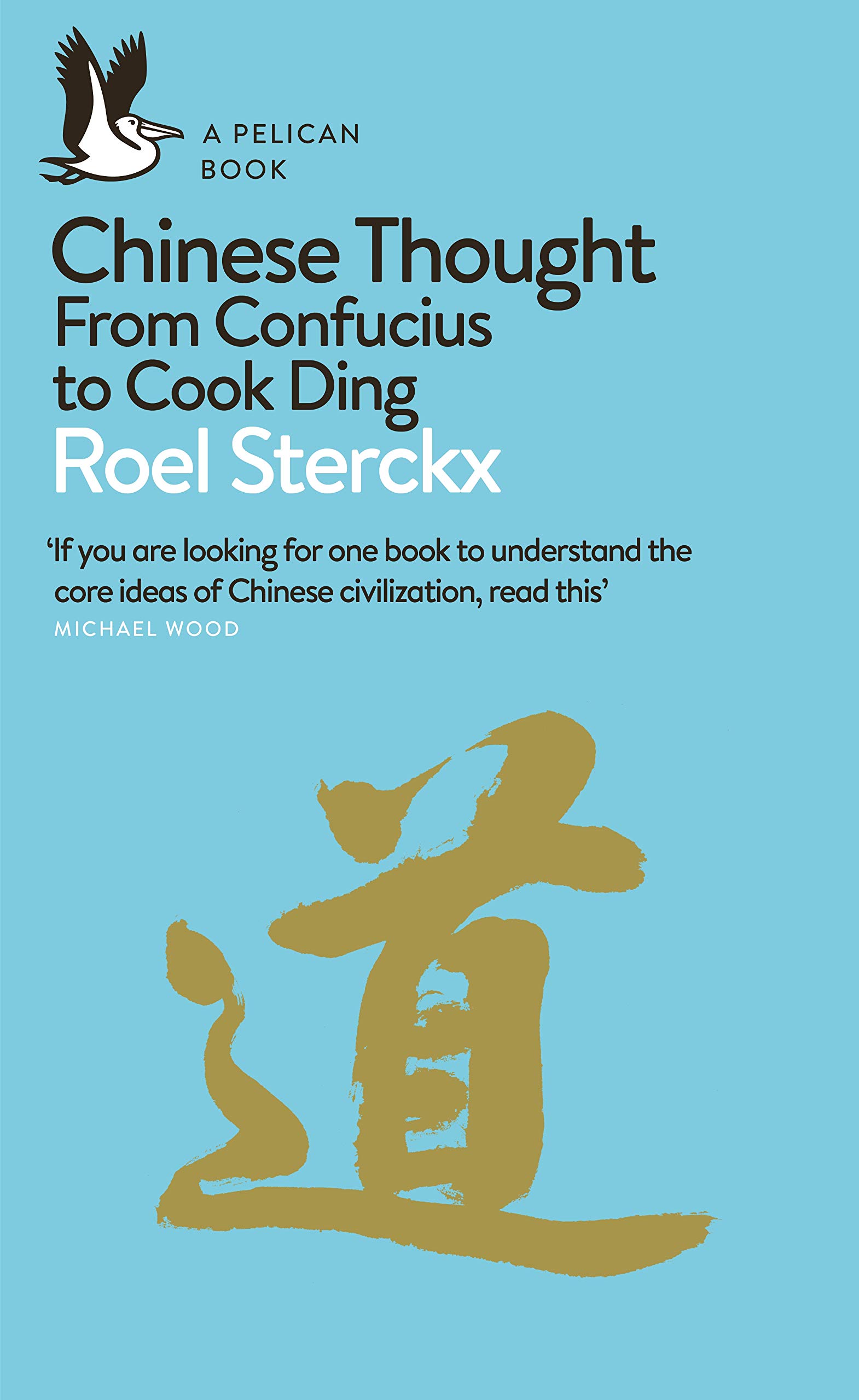
Professor Roel Sterckx is the Joseph Needham Professor of Chinese History, Science, and Civilization at the University of Cambridge, affiliated with Clare College. He specializes in pre-imperial and early imperial Chinese thought, classical Chinese language, and natural history. His research bridges anthropology and the history of science, focusing on topics like ritual, economic thought, and animal studies. He has authored influential books including Food, Sacrifice, and Sagehood in Early China and Animals through Chinese History . Sterckx is a Fellow of the British Academy (since 2013) and holds leadership roles at the Needham Research Institute. He supervises PhD students on subjects ranging from Warring States rhetoric to Han Dynasty apocrypha. Education: BA/PGCE in Sinology and History, Katholieke Universiteit Leuven Masters in Classical Chinese and Philosophy, National Taiwan University PhD in Chinese History, University of Cambridge Research Interests: Early Chinese cultural ecology, ritual economy, and the interplay of moral and material values. His work analyzes texts like the Rites of Zhou , Mozi , and Huainanzi , emphasizing agricultural thought and animal symbolism. Awards: British Academy Fellowship (2013) Grants and Labs: Directs the Cambridge-based Needham Research Institute, focusing on East Asian science and technology history. Current projects include studies on Han perceptions of southern regions and the economics of ritual in early China.
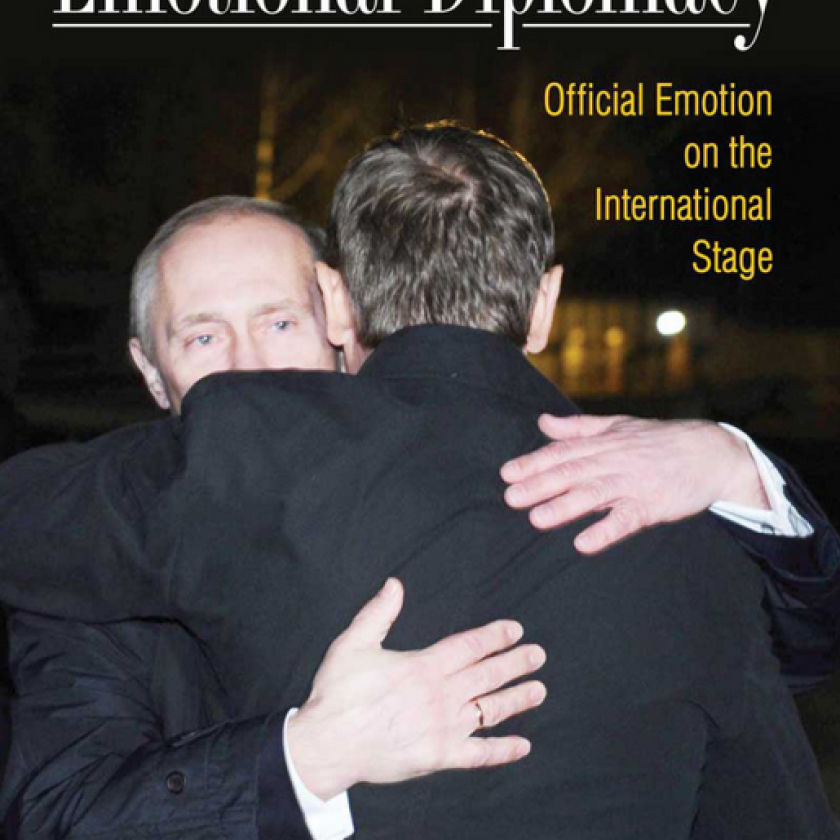
Todd H. Hall is a Professor of International Relations at the University of Oxford's Department of Politics and International Relations (DPIR) and a Tutorial Fellow in Politics at St Anne's College. He directs the University of Oxford China Centre and holds affiliations with the International Relations Network and the Centre for International Studies (CIS). His research focuses on international relations theory, emotional dimensions of diplomacy, and Chinese foreign policy, with particular emphasis on Sino-Japanese relations and East Asian security dynamics. Education: PhD in Political Science from the University of Chicago (2008). Postdoctoral fellowships at Princeton and Harvard Universities, and visiting scholar appointments at Free University of Berlin, Tsinghua University, and University of Tokyo. Research interests include the role of emotions in international politics, China's foreign policy, and the historical parallels between early 20th-century European tensions and contemporary East Asian geopolitics. His award-winning book *Emotional Diplomacy* (2015) explores how states strategically deploy emotion in international relations. Recent publications analyze Huawei's 5G policy dilemmas, China's Belt and Road Initiative, and dispute escalation mechanisms. He advises on East Asian security, including repeated tensions in the South China Sea and Sino-Japanese territorial disputes. Awards include the ISSA 2016 Diplomatic Studies Book Award. Active in policy commentary, his op-eds address Taiwan Strait tensions, China's diplomatic rhetoric, and historical memory conflicts. Labs/Teams: Leads the Oxford China Centre's research initiatives on modern Chinese diplomacy and emotional geopolitics. Collaborates with institutions like the National University of Singapore and Missouri S&T on East Asian security studies.
Mauro Barelli is Professor of International Law at The City Law School, City, University of London. He holds a PhD from Cardiff University and an LLM from the University of Bristol, and has been a faculty member at City since 2009, progressing from Lecturer to Professor in 2024. He teaches Advanced Issues of International Law, International Human Rights Law, and a course on Minority and Indigenous Peoples' Rights. He has held visiting positions at the University of Cambridge (Lauterpacht Centre), Nanjing University, the University of Iceland, and the University of Trento. His research focuses on: Rights of ethno-cultural and indigenous peoples Law on the use of force Chinese perspectives on international law Soft law and normative development Minority rights and litigation His publications include four books and numerous articles in leading journals such as Journal of Conflict and Security Law , Human Rights Quarterly , and Asian Journal of International Law . His recent work analyzes China’s engagement with international law, the UK’s relationship with the ICJ, and the synchronization of biodiversity protection with indigenous rights. Key scientific recognitions include: Higher Education Academy Fellow (since 2012) He is an experienced PhD supervisor, having chaired and served on numerous doctoral committees, including as PhD Programme Director. His advisee Engin Firat is currently a research student at City. He has also served in administrative roles such as Assistant Dean (Research). His expertise has been sought by national governments, parliaments, and international NGOs. He is an active participant in international academic events, particularly through the European China Law Studies Association.
David Friedman is a Researcher affiliated with the Faculty of Classics at the University of Cambridge and serves as Director of Studies in Classics at St Edmund's College. His research focuses on Judaism in the Greco-Roman world, particularly through the lens of ancient historians like Josephus. Fields of Interest: Judaism in the Greco-Roman world, Ancient History, Josephus Studies, Roman Imperialism, Religious Studies, Historiography, Classical Literature, and Cultural Exchange. Email: daf39@cam.ac.uk His recent work includes the 2024 edited volume Looking in, looking out: Jews and non-Jews in mutual contemplation , studies on Dionysius of Halicarnassus and Augustan Rome (2020), and analyses of Josephus's accounts of Jewish origins in Egypt (2017, 2014). No scientific awards or students are mentioned in the provided texts.
Professor Stephen Chan is a faculty member at SOAS University of London in the Department of Politics and International Studies (POL) . With a focus on African political thought and international relations, his work critically examines postcolonialism, decoloniality, and global governance. Key research themes include: Decolonizing international relations theory Sino-African political dynamics Election observation and democratic processes Non-Western cosmopolitanism Comparative diplomatic practices His recent publications analyze the ideological ambiguity of decoloniality (2023), pluralist visions for global security (2017), and the legacy of African liberation movements (2021). He has advised multiple theses on topics ranging from parliamentary governance in Kenya/Zimbabwe to China-Africa media interactions. Notably: Critiqued the misuse of 'decoloniality' as ideological rhetoric (2023) Authored a poetic autobiography of political engagement (2022) Traced Africa's intellectual history of freedom (2021) Examined Zimbabwean elections (2017) Explored non-Western modernity (2018)