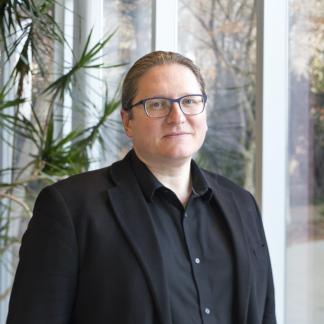
Joseph Kable is the Jean-Marie Kneeley President's Distinguished Professor of Psychology at the University of Pennsylvania's Department of Psychology within the School of Arts and Sciences. His research integrates experimental economics, cognitive neuroscience, and personality psychology to investigate the neural and psychological mechanisms underlying decision-making. He explores how subjective value is represented in the brain, deviations from rational choice theory, and individual differences in decision processes. His lab employs fMRI and interdisciplinary methods to study topics like risk tolerance, impulsivity, and neural plasticity. Education: BS in Chemistry from Emory University (undergraduate), PhD in Neuroscience from the University of Pennsylvania (doctoral). Research focuses on behavioral and cognitive neuroscience mechanisms of choice, including studies on temporal predictions, value signals, and brain structure-function relationships. His recent work examines how neural markers correlate with decision-making variability across individuals. He currently advises graduate students in Psychology and has post-doctoral researchers in his lab. Associated with MindCORE, Penn's hub for integrative mind research. Lab activities include undergraduate research programs and active studies exploring decision neuroscience and neuroeconomics.
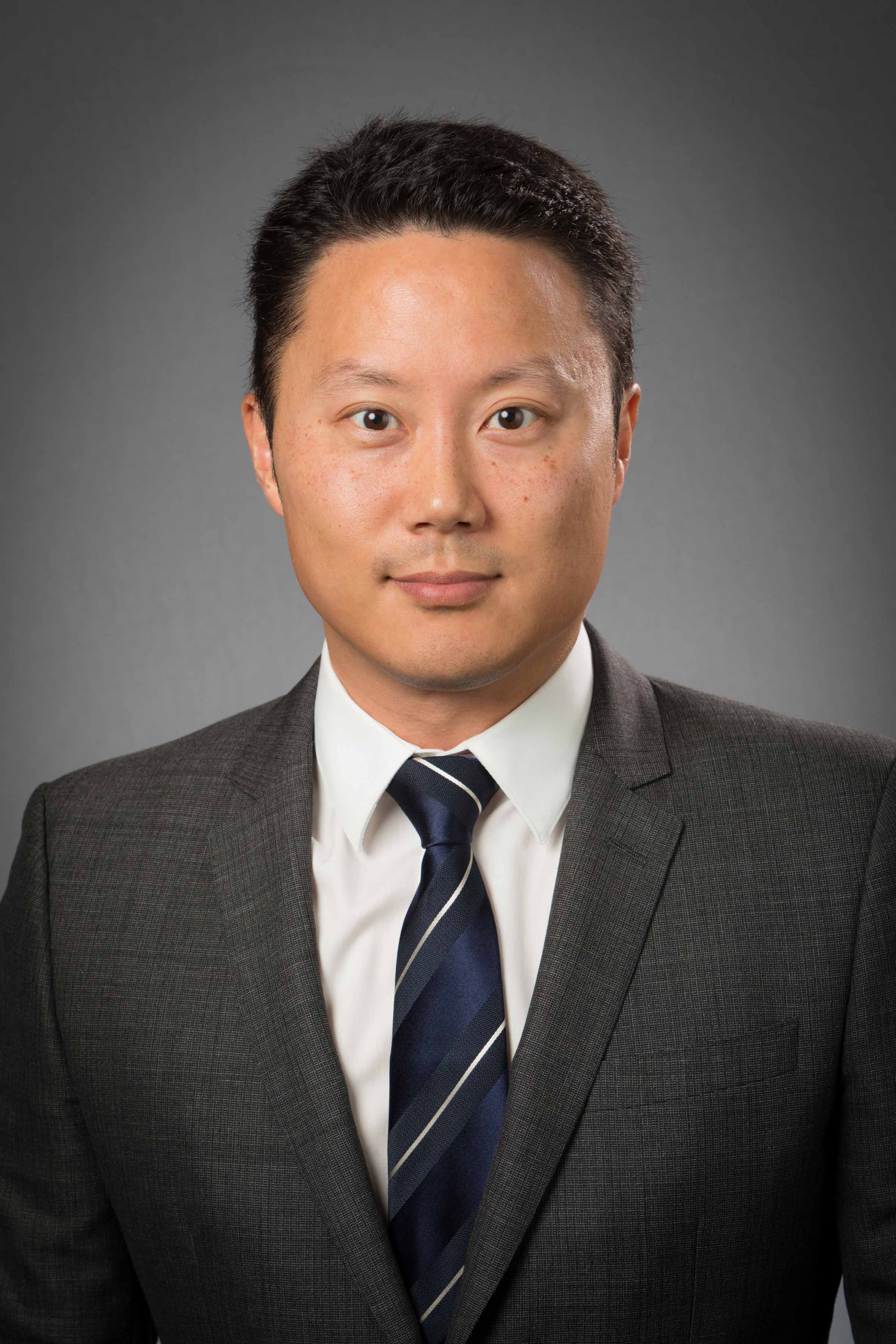
John P. O'Doherty serves as the Fletcher Jones Professor of Decision Neuroscience within Caltech's Division of Humanities and Social Sciences, holding continuous faculty appointments since 2004 (Assistant Professor 2004-07, Associate Professor 2007-09, Professor 2009-present, Fletcher Jones Professor 2021-present). He previously directed the Caltech Brain Imaging Center (2013-17) and maintains affiliations with the T&C Chen Center for Social and Decision Neuroscience. His educational background includes a B.A. from University of Dublin, Trinity College (1996) and D.Phil. from University of Oxford (2000). His research focuses on computational and neural mechanisms of reward-based learning and decision-making , employing fMRI, intracranial recordings, and mathematical modeling to investigate how the brain solves complex decision problems through evolutionarily conserved algorithms. Key areas include Reinforcement learning systems (model-based/model-free arbitration) Observational and social learning mechanisms Neural representation of value, risk, and uncertainty Computational phenotyping of mental disorders Temporal dynamics of goal persistence Analysis of his 2023-2025 publications reveals dominant trends in computational psychiatry (problem gambling, autism traits), hierarchical decision-making, and neuroeconomic modeling of social behavior. His work consistently integrates cross-species computational frameworks with human neuroimaging to identify transdiagnostic mechanisms. While specific awards beyond his endowed professorship aren't detailed, his leadership as Brain Imaging Center Director and prolific high-impact publications demonstrate significant recognition. Current advising includes graduate researcher Sneha Aenugu on goal-persistence projects, with administrative support from Mary A. Martin (mmartin@caltech.edu). His active research program continues to pioneer computational approaches to understanding decision pathologies.
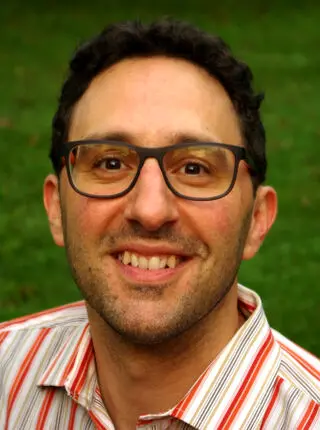
Marc V Fuccillo is an Associate Professor of Neuroscience at the Perelman School of Medicine, University of Pennsylvania, where he leads a research laboratory focused on understanding the neural circuit mechanisms underlying behavioral control. His work bridges molecular, synaptic, and behavioral approaches to investigate how striatal circuits regulate mouse behavior from simple motor patterns to complex goal-directed actions. Fuccillo holds dual appointments in the Neuroscience and Cell and Molecular Biology Graduate Groups at Penn and maintains an active laboratory investigating the synaptic and circuit basis of neuropsychiatric disorders. Education: B.A. in Molecular and Cellular Biology and Music Performance (Violin) from Brown University (1998) Ph.D. in Developmental Genetics from New York University School of Medicine (2007) M.D. from New York University School of Medicine (2008) Fuccillo's research centers on the synaptic and circuit mechanisms of behavioral control, with particular emphasis on striatal circuits. His laboratory employs a range of technologies including mouse genetics, in vitro electrophysiology, in vivo imaging, and quantitative behavioral analysis to explore how neural circuits of the striatum regulate behavior and how disruptions in these circuits contribute to neuropsychiatric disorders. His work has particularly focused on autism-associated abnormalities in behavioral control, examining how synaptic adhesion molecules like neuroligins and neurexins shape circuit function and behavior, with significant findings regarding D1 dopamine receptor positive medium spiny neurons in the nucleus accumbens. Analysis of Fuccillo's recent publications reveals a strong focus on striatal circuit function across multiple dimensions. His work spans molecular neuroscience (examining synaptic adhesion molecules), cellular physiology (studying specific neuron types in striatal circuits), systems neuroscience (mapping circuit connectivity), and behavioral neuroscience (quantifying motor learning and decision-making). A unifying theme is how disruptions in specific molecular pathways lead to circuit-level abnormalities that manifest as behavioral phenotypes relevant to neuropsychiatric disorders, with particular attention to autism, OCD, and schizophrenia models. Scientific Recognition: Publications in high-impact journals including Nature Neuroscience, Current Biology, Cell Reports, and Neuron Research supported by multiple NIH grants including NIMH F32, NIMH K01, and HHMI Gilliam Fellowship awards for lab members Fuccillo actively mentors a diverse group of trainees including postdoctoral fellows, graduate students, and undergraduates. His laboratory has produced numerous successful alumni who have gone on to faculty positions, medical residencies, and graduate programs at prestigious institutions. His mentoring approach emphasizes technical skill development across multiple neuroscience disciplines while fostering independent scientific thinking. Current research in his lab is supported by NIH funding focused on understanding the molecular architecture of striatal circuits and their role in behavioral control, with three major research directions exploring molecular logic of striatal circuits, circuit mechanisms of behavioral control, and striatal dysfunction in neuropsychiatric disease models. The Fuccillo Laboratory operates within the Department of Neuroscience at the University of Pennsylvania, with access to state-of-the-art facilities for molecular, electrophysiological, imaging, and behavioral neuroscience research. The lab maintains active collaborations with other neuroscience research groups at Penn and beyond, creating a rich intellectual environment for studying the neural basis of behavior. Current research directions include investigating whether there is a molecular logic to striatal circuit composition, how striatal circuits shape behavioral control, and what mouse models of autism, schizophrenia, and OCD can reveal about striatal circuit dysfunction in disease pathophysiology.
John D. Murray is the Gregg L. Engles Associate Professor of Psychological and Brain Sciences at Dartmouth College and an Adjunct Associate Professor of Psychiatry at Yale School of Medicine. He holds a PhD in Physics from Yale University (2013) and a BS in Physics and Mathematics from Yale (2006). His research focuses on computational neuroscience and computational psychiatry, with secondary appointments in Physics and Neuroscience at Yale until 2023. His work integrates computational modeling, neuroimaging, and systems neuroscience to study decision-making processes, cortical organization, and psychiatric disorders. Collaborators include prominent researchers like Dr. John Krystal and Dr. Anticevic. Research interests include hierarchical brain organization, neuroimaging analysis techniques, and pharmacological effects on neural circuits. His lab (Murray Lab) develops computational tools like PsychRNN for cognitive task modeling. Notable contributions include linking transcriptomic data to neuroimaging patterns and modeling LSD’s effects on brain topography. He has been featured in YaleNews and Nature Communications for innovations in mapping mental illness variability and neural circuit dynamics. Grants and collaborations span translational neuroscience, addiction, and PTSD research through partnerships with Yale’s Center for Biomedical Data Science and VA National Center for PTSD. His interdisciplinary approach bridges physics, computer science, and clinical psychiatry to advance understanding of brain function and dysfunction.
Dr. Sabine Krabbe is a Group Leader at the German Center for Neurodegenerative Diseases (DZNE) in Bonn, Germany, where she leads research on neural circuit mechanisms underlying adaptive learning and state-dependent decision-making. Her work integrates neuroscience, molecular biology, and behavioral approaches to understand how internal states influence behavior and how these processes are disrupted in neurological disorders. Dr. Krabbe's research focuses on the interactions between midbrain circuits of the substantia nigra and ventral tegmental area with their output structures such as the striatum and amygdala. She investigates how these networks integrate internal states with environmental cues to produce appropriate behavioral responses. Her laboratory employs state-of-the-art techniques including deep-brain calcium imaging at single-cell resolution in mice, opto- and pharmacogenetic manipulations, anatomical tracings, and molecular approaches to characterize neural circuit elements in detail. Her recent publications reveal significant insights into amygdala interneuron plasticity during fear learning, brain-wide representational drift in memory consolidation, and the molecular mechanisms underlying Parkinson's disease progression. Her work demonstrates how activity patterns within specific neural circuits change in early stages of neurodegenerative diseases and how this dysfunction contributes to cognitive deficits and emotional disturbances. Dr. Krabbe is actively involved in the neuroscience community, organizing the BonnBrain Conference 2026 and sharing research through social media platforms. She has established herself as an emerging leader in the field of systems neuroscience with a particular focus on the neural basis of emotional states and decision-making processes.
Michael J. Frank is the Edgar L. Marston Professor of Psychology and Professor of Brain Science at Brown University's School of Cognitive, Linguistic, and Psychological Sciences. He holds academic affiliations with the Carney Institute for Brain Science and specializes in cognitive neuroscience, computational neuroscience, and decision-making processes. Frank earned his Ph.D. in Neuroscience & Psychology from the University of Colorado at Boulder in 2004, and joined Brown University in 2011 after serving as a Professor at the University of Arizona. His research integrates computational modeling and experimental methods to explore neural mechanisms underlying reinforcement learning, decision-making, and cognitive control, with a focus on prefrontal cortex-basal ganglia interactions and dopamine modulation. Frank's honors include the Troland Research Award (2021), Kavli Fellowship (2016), and the Cognitive Neuroscience Society Young Investigator Award (2011). He is an editor for eLife, Behavioral Neuroscience, and the Journal of Neuroscience. His lab, based at http://ski.clps.brown.edu, investigates topics such as neural circuit models of cognitive control, neuropsychological testing, and translational applications of computational models in psychiatry. Frank's research emphasizes interdisciplinary approaches, combining behavioral experiments, neuroimaging (fMRI, EEG), and pharmacological studies to dissect brain-behavior relationships. Key findings include insights into dopamine's role in motivation, decision-making deficits in schizophrenia, and computational phenotyping of mental disorders. His work bridges basic science and clinical applications, aiming to inform therapeutic strategies for neurological and psychiatric conditions.
Chandan J Vaidya is a Professor in the Department of Psychology at Georgetown University, directing the Developmental Cognitive Neuroscience Laboratory (DCNL). His research focuses on cognitive neuroscience mechanisms underlying adaptive behaviors, particularly implicit learning, executive control, and their dysfunction in ADHD, ASD, and other developmental disorders. Using multidisciplinary methods including fMRI, behavioral testing, and genetic analysis, he investigates how dopamine systems, brain connectivity, and environmental factors influence cognitive processes. Primary appointment: Professor, College of Arts and Sciences - Department of Psychology Education: Ph.D. from Syracuse University Research interests include neurodevelopmental disorders, neuroimaging of cognitive control, and translational neuroscience. Recent work examines striatal connectivity changes in ADHD due to stimulant use, executive dysfunction subtypes in autism, and brain correlates of reward processing in obesity. Key findings highlight hyperconnectivity in ASD, dopamine genotype influences on executive function, and age-related changes in default mode networks. Ongoing studies explore transdiagnostic models of psychopathology and precision medicine approaches in neurodevelopmental disorders. Lab activities focus on translational research bridging basic neuroscience with clinical applications. Collaborations involve pediatric neurology, psychiatry, and computational modeling.
Professor Rosalyn Moran is a Professor of Computational Neuroscience and Deputy Director of King's Institute for Artificial Intelligence at King's College London. She holds roles in the Department of Neuroimaging and School of Neuroscience within the Institute of Psychiatry, Psychology & Neuroscience. Her research focuses on computational neuroscience, computational psychiatry, and neurology, particularly integrating brain connectivity with algorithmic principles like the free energy principle. She explores neurotransmitter roles in decision-making and disease modeling, with applications in artificial intelligence and neurodegenerative disorders. Moran serves as an editor for Neuroimage and collaborates with leading institutions. Key projects include global neuroimaging initiatives (UNITY) and low-field MRI advancements in low-resource settings. Her work bridges Bayesian inference, AI, and neurobiology, with recent emphasis on pediatric neuroimaging and treatment-resistant psychosis. Education & Research Interests Rosalyn Moran's research spans computational psychiatry, neuroimaging techniques, and AI applications in healthcare. Her lab investigates serotonin and dopamine signaling, brain connectivity patterns, and predictive coding frameworks. Notable contributions include modeling NMDA receptor dysfunction in encephalitis and developing super-resolution MRI methods for global health contexts. Grants & Collaborations Funded projects include MRC Human Functional Genomics (2024-2028), NIHR Maudsley BRC (2022-2027), and Gates Foundation initiatives for low-field MRI enhancement. Collaborators include Karl Friston (UCL), Read Montague (Virginia Tech), and Klaas Enno Stephan (University of Zurich). Recent events include presenting the Free Energy Principle's role in generative AI (May 2023). Labs & Teams Her lab focuses on computational psychiatry and AI-driven neuroimaging solutions, collaborating with the King’s Global Health Institute to advance medical imaging accessibility in low-income regions.
Sophie Caron is an Associate Professor in the Department of Biological Sciences at the University of Utah, where she leads a research laboratory investigating fundamental mechanisms of brain function using Drosophila melanogaster as a model system. Her work focuses on how the brain generates internal representations of the external world, stores memories, and translates these into behavior through multisensory integration. Education: B.S. from Université de Montréal Ph.D. from New York University Dr. Caron's research centers on the Drosophila mushroom body—a critical brain center for learning and memory—with emphasis on multisensory integration mechanisms. Her lab investigates how the brain combines information from multiple sensory modalities (olfaction, vision, etc.) to form unified percepts, challenging traditional views of sensory processing. Key discoveries include the demonstration that mushroom body connectivity follows near-random patterns that maximize memory capacity, and the identification of cross-modal sensory pathways beyond olfaction. Current work explores evolutionary adaptations in neural circuits across Drosophila species and developmental mechanisms establishing sensory wiring. Analysis of her 15 most recent publications (2019-2024) reveals three dominant research trajectories: (1) high-resolution mapping of Kenyon cell inputs using advanced techniques like dye electroporation, (2) computational modeling of how connectivity patterns shape sensory representation and learning, and (3) evolutionary studies of circuit architecture across Drosophila species. Her work consistently bridges experimental neuroanatomy with theoretical frameworks, emphasizing the interplay between random and structured wiring principles in neural circuit design. Scientific Awards: NSF CAREER Award (2021) for research on brain size evolution and neuronal circuit adaptation Dr. Caron mentors graduate students in the University of Utah's Molecular Biology Program and directs an active laboratory utilizing genetic, imaging, and behavioral approaches. Her research program is supported by competitive grants including the NSF CAREER award, with collaborations spanning neuroscience and evolutionary biology. Current projects investigate multisensory integration mechanisms, evolutionary drivers of neural circuit specialization, and developmental basis of sensory wiring. The Caron Lab maintains specialized facilities for Drosophila neurogenetics, advanced microscopy, and behavioral analysis. Her team collaborates with the University of Utah's Brain Institute and Center for Cell and Genome Science, contributing to interdisciplinary initiatives in neural circuit mapping and evolutionary neuroscience. Ongoing work explores how sensory representations evolve in response to ecological pressures and how circuit architecture enables flexible behavior in complex environments.
Andrew C. Shin is an Assistant Professor at Texas Tech University within the Department of Nutritional Sciences . His work bridges metabolic health , neuroendocrinology , and neurodegenerative diseases , with a focus on how the brain regulates glucose homeostasis , BCAA metabolism , and bariatric surgery mechanisms . Ph.D. in Neuroscience, Michigan State University (2008) Postdoctoral Fellow, Pennington Biomedical Research Center and Icahn School of Medicine at Mount Sinai Dr. Shin’s research explores the neural pathways involved in appetite regulation , nutrient partitioning , and metabolic resistance . His NIH-funded projects investigate insulin signaling in POMC neurons , BCAA dynamics , and nicotine’s metabolic effects . Recent work highlights the role of the autonomic nervous system in BCAA regulation and its implications for obesity and diabetes . His 15 most recent publications reflect a focus on AI applications in nutrition , BCAA-related pathologies , Alzheimer’s disease , and metabolic surgery outcomes . Key themes include neuroendocrine control , nutritional interventions , and environmental impacts on metabolism . Scientific Awards NIH K01 Award Dr. Shin directs the Mouse Metabolic Phenotyping Facility and collaborates on synbiotic trials for cognitive aging . His work spans basic science and translational research , addressing metabolic disorders and their neurological consequences .
Jessica A. Mong, PhD , is a Professor in the Department of Pharmacology & Physiology at the University of Maryland School of Medicine , where she also serves as Assistant Dean for Graduate & Post-Doctoral Studies and Director of Graduate Education for the Program in Neuroscience. Her research focuses on the neuroendocrine mechanisms underlying sex differences in sleep circuitry and the estrogenic modulation of sleep-wake cycles. Primary Appointment: Pharmacology & Physiology Administrative Title: Assistant Dean for Graduate & Post-Doctoral Studies Laboratory Director: Program in Neuroscience Research Interests: Dr. Mong's work investigates how ovarian steroids influence sleep-wake behavior through sexually differentiated neuroanatomical substrates. Key areas include: Mechanisms of estrogenic modulation in the median preoptic nucleus (MnPN) Developmental programming of sex differences in sleep sensitivity Translational studies using rodent and nonhuman primate models of menopause Functional significance of hormonal influences on sleep quality and recovery Scientific Trends: Her recent publications (2023-2025) emphasize: Role of KCNMA1 channelopathy in sleep regulation Adenosinergic signaling in MnPN Translational menopause models Estrogen's protective effects against noise-induced hearing loss Sex-dependent responses to kynurenine pathway challenges Awards & Appointments: NIH BIRCWH Scholar (Building Interdisciplinary Research Careers in Women's Health) Co-Chair, Society for Women’s Health Research Interdisciplinary Research Network on Sex-Differences in Sleep Health NIH/NHLBI R01 HL129138 grant recipient Education & Training: B.S., Biology, Gettysburg College (1987-1991) Ph.D., Neuropharmacology, University of Maryland Baltimore (1994-2000) NIH Postdoctoral Fellowship in Endocrinology, Rockefeller University (2000-2003)
Katrina Choe serves as Assistant Professor in the Department of Psychology, Neuroscience & Behaviour at McMaster University and holds a Tier 2 Canada Research Chair in Neurobiology of Social Behaviour. Her research program investigates the multi-level neurobiological mechanisms underlying psychiatric disorders, with primary focus on autism spectrum disorders (ASD) and oxytocin signaling pathways. Her academic training includes: PhD in Neuroscience from McGill University (2013) Honours BSc in Zoology from University of Toronto (2002-2006) Postdoctoral Fellowship at UCLA (2013-2020) Dr. Choe's research employs an integrative approach spanning molecular, cellular, circuit, and network levels to examine how ASD-associated gene mutations disrupt social behavior. Current work centers on oxytocin signaling mechanisms in ASD, convergent neurobiological pathways across psychiatric disorders, and the role of glial cells in neural circuit function. Her lab utilizes advanced techniques including optogenetic fMRI, single-cell RNA sequencing, and multi-level behavioral assays in genetic mouse models. Analysis of her 15 most recent publications reveals a clear research trajectory: early work (2015-2020) established foundational knowledge in vasopressin neuron regulation and salt homeostasis, while recent publications (2022-2025) demonstrate a focused shift toward ASD mechanisms, oxytocin signaling, and social circuit dysfunction using the Cntnap2 knockout model. This evolution reflects her transition from postdoctoral training to independent research leadership. Her scientific recognition includes: Tier 2 Canada Research Chair in Neurobiology of Social Behaviour (2022) NIMH K99/R00 Award CIHR Postdoctoral Fellowship Dr. Choe actively mentors six graduate students across PhD and MSc programs while leading a dynamic research team comprising postdoctoral fellows, laboratory technicians, and undergraduate researchers. Her program receives substantial support from major grants including a 5-year CIHR Project Grant and NSERC Discovery Grant focused on 'The role of CASPR2 in central oxytocin system development.' The Choe Lab maintains active collaborations with leading neuroscience groups including the Bourque, Prager-Khoutorsky, and Cunningham labs, as evidenced by participation in the 4th 1000 Islands/Gananoque Meeting on Hypothalamic Mechanisms. Her laboratory, established in 2020, operates as a multidisciplinary hub utilizing molecular biology (qPCR, RNA-seq), advanced imaging (lightsheet, confocal), electrophysiology (in vitro and in vivo), and behavioral neuroscience approaches to investigate social behavior mechanisms. Current projects examine microglia-astrocyte-neuron interactions in social circuit function and the therapeutic potential of oxytocin for ASD-related social deficits.
Antonio Verdejo-Garcia is a Professor (Research) in the School of Psychological Sciences and the Turner Institute for Brain and Mental Health at Monash University. He holds an NHMRC Leadership Fellowship and serves as Co-Chair of the Neuroscience Interest Group at the International Society of Addiction Medicine. He has an Adjunct Honorary Appointment at Turning Point (Eastern Health). His academic journey includes a PhD from the University of Granada (2006) and postdoctoral training at Johns Hopkins University, University of Cambridge, and Institut Hospital del Mar d'Investigacions Mediques. Before joining Monash in 2012, he held roles as Lecturer, Senior Lecturer, and Associate Professor at the University of Granada. Research interests center on cognitive and neural mechanisms of executive control, decision-making, and their implications for addiction, compulsive eating, and obesity. He has authored over 290 peer-reviewed articles, edited a book on Cognition & Addiction, and secured continuous national/international research funding. His work has garnered over 17,000 citations. He serves on editorial boards for journals like Addiction , PLoS One , and Current Addiction Reports . Key projects include the AAT-APP Trial for alcohol use disorder, decoding drivers of food choices for obesity management, and neurocircuitry studies in addiction. Recent articles (2023–2025) focus on impulsivity, telehealth interventions for eating disorders, and neuropharmacological comparisons between MDMA and methamphetamine users. Scientific achievements include NHMRC Leadership Fellowship and contributions to clinical translation of cognitive rehabilitation. He advises on grants and mentors students in addiction neuroscience. Current projects involve psilocybin treatment for anorexia nervosa and cortical control of feeding circuits.
Manoj Upadhya is a Postdoctoral Research Associate at the Aston School of Life and Health Sciences, Aston University (UK). His research focuses on epilepsy, neuropharmacology, and neurodegenerative diseases, with expertise in rodent models, electrophysiology, and molecular biology. He holds a PhD from RTM Nagpur University (India) and has held roles including Assistant Professor in Pharmacology and Research positions at IISER Pune and Sun Pharma. Education : PhD (Role of CART peptide in Neurodegeneration), RTM Nagpur University, 2009–2013 Research Interests : Translational epilepsy research, autoimmune encephalitis, pain mechanisms, and neurodegenerative diseases using rodent models. Techniques include behavioral paradigms, electrophysiology, and confocal imaging. Key contributions include identifying therapeutic targets for Parkinson's, Alzheimer's, and Huntington's diseases. Articles Trends : Recent work emphasizes autoimmune epilepsy mechanisms, neuroprotective therapies (e.g., AP39), and pain modulation via TRP channels. Studies utilize rodent models, monoclonal antibodies, and neurosteroid interventions. Awards : Best Publication in Peer-Reviewed Journal Category (2016) Executive Master of Business Administration (EMBA) (2015) Best Poster Award (2013) Grants & Advising : Accepting PhD students for projects like 'Brain on fire – investigating microglia in epilepsy.' Active in drug discovery collaborations, including patents for Parkinson's therapies. Labs/Teams : Maintains research collaborations with institutions like IISER Pune and the Encephalitis Society (UK). Active in professional bodies such as the Society for Neuroscience.
Steven Laviolette is a Professor in the Department of Anatomy and Cell Biology at the Schulich School of Medicine and Dentistry, University of Western Ontario. He holds a Ph.D. and B.Sc. from the University of Toronto. His laboratory investigates neuropsychiatric disorders (addiction, depression, schizophrenia, PTSD, anxiety) through neuropharmacology and neurodevelopment, focusing on cannabinoids, opioids, and nicotine. Key research areas include molecular signaling in prefrontal cortex-amygdala-hippocampus circuits, neurodevelopmental impacts of adolescent drug exposure, and therapeutic applications of phytocannabinoids like CBD. Research explores how THC and CBD modulate emotional processing, opioid/nicotine addiction mechanisms, and long-term neuroadaptations from developmental drug exposure. Articles reveal consistent themes: cannabinoid interactions with dopaminergic/serotonergic systems, fear/aversion memory pathways, and prefrontal cortical dysfunction in psychiatric disorders. Neurodevelopmental studies highlight persistent anxiety/depression phenotypes from adolescent nicotine or THC exposure. C.I.H.R. New Investigator Fellowship Early Researcher Award (Ontario) Young Investigator Award (N.A.R.S.A.D) New Investigator Award (Canadian Psychiatric Research Foundation) Leader’s Opportunity Fund (Canada Foundation for Innovation) Faculty Scholar's Award (Western Ontario) Laviolette mentors 25+ graduate students and 17 postdoctoral researchers, directing a lab with collaborations across Western Ontario departments (Psychiatry, Physiology, Chemistry). He serves on CIHR review panels and the Canadian Institute for Military/Veteran’s Health Research, previously chairing the Ontario Mental Health Foundation review committee.