Andreas KarwathView profile
Associate Professor
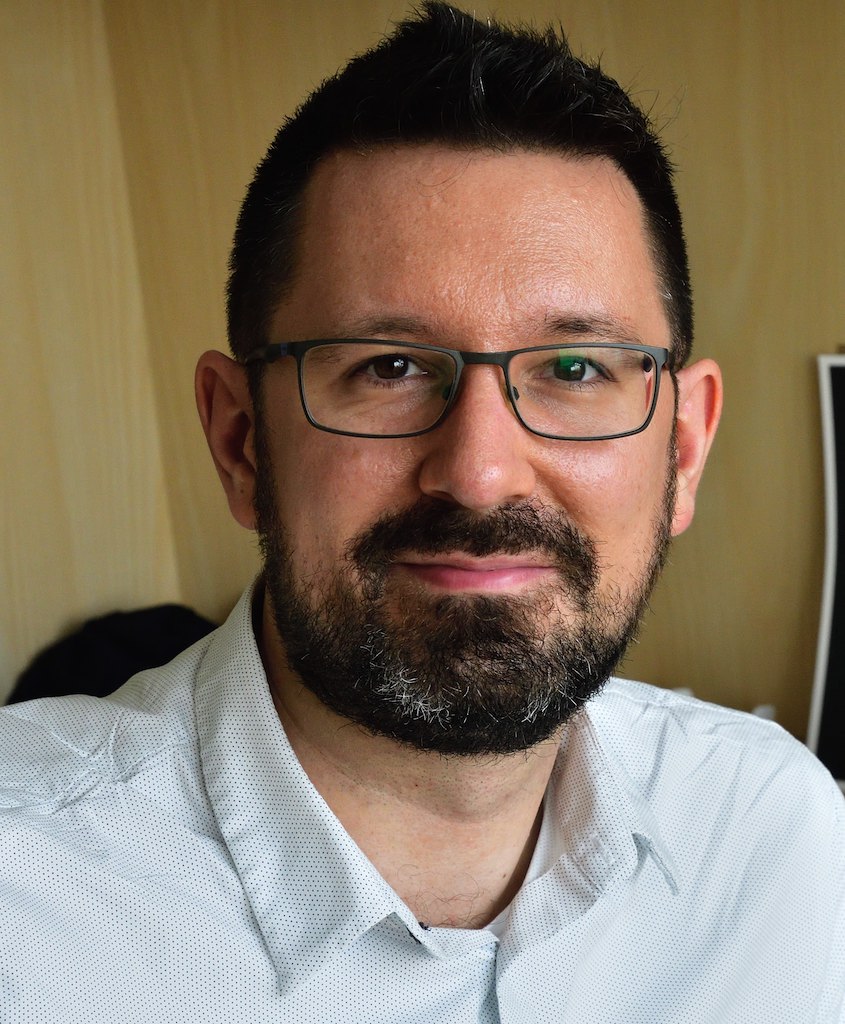
Andreas Karwath is an Associate Professor at the University of Birmingham, affiliated with the Cancer and Genomic Sciences Institute, Institute for Interdisciplinary Data Science and AI, and The Centre for Computational Biology. His research spans computational biology, artificial intelligence, and data science applications in healthcare and cancer genomics. His research interests include: Machine Learning and Artificial Intelligence Computational Biology and Bioinformatics Phenotype Analysis and Ontology Cancer Genomics and Radiomics Differential Diagnosis Systems Dr. Karwath's research fingerprint reveals significant contributions to Inductive Logic Programming (100%), Semantic Similarity (89%), Phenotype Profiles (80%), Machine Learning (74%), Learning Systems (74%), Ontology (71%), Differential Diagnosis (66%), and Neural Networks (63%). His work consistently applies computational approaches to biomedical challenges, with recent focus on cancer outcomes prediction, cardiovascular monitoring through wearables, and phenotype library development for health data research. His scientific contributions include 73 research outputs spanning two decades, with notable recent publications in high-impact journals including Nature Medicine, Machine Learning, and Frontiers in Oncology. His work has been cited across multiple platforms with significant attention from news outlets and academic readers. Dr. Karwath serves as Co-Investigator on several major research projects: PETNECK2 - Radiomics in Outcome Predictive Models for Head and Neck Cancer (2025-2027, NIHR) ACORN: Assessment of Chronic Opioid Risk using Neurobiology (2024-2027, Wellcome Leap Inc.) PINK - Provision of Integrated Computational Approaches for Safe-and-Sustainable-by-Design Chemicals and Materials (2024-2027, UKRI) NIHR BRC Theme - Data, Diagnostics & Decision Tools (2022-2027, NIHR) His collaborative network spans multiple UK institutions and international partners, with frequent collaboration with Gkoutos, G.V. across multiple projects. His research has practical clinical applications, particularly in cancer treatment outcomes prediction and digital health monitoring systems.