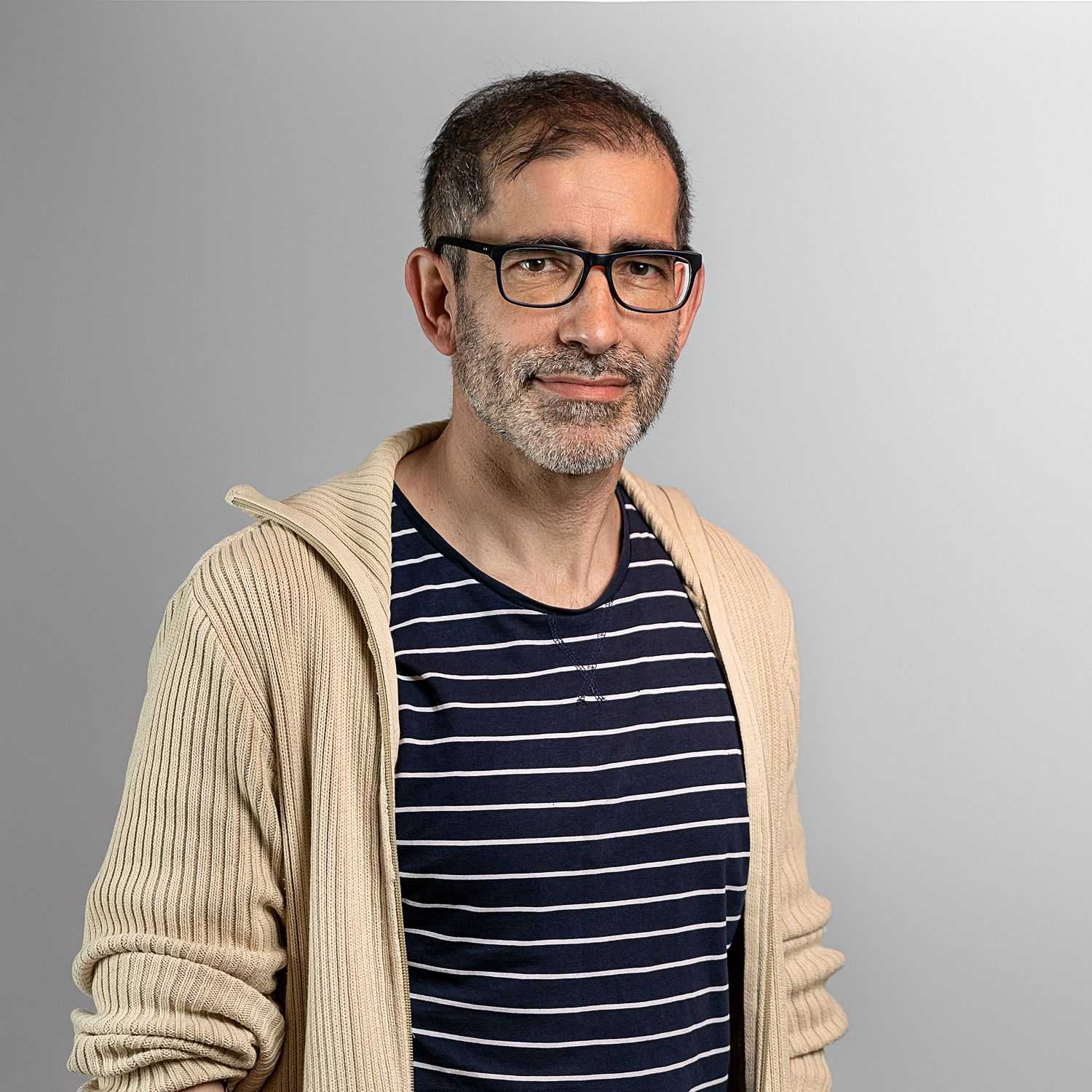
Giovanni TrappoliniView profile
Assistant Professor
Giovanni Trappolini serves as Assistant Professor at Sapienza University of Rome within the Department of Computer, Control, and Management Engineering, conducting research at the RSTLess Lab under Prof. Fabrizio Silvestri. Previously, he completed his Ph.D. in Machine Learning at Sapienza under Prof. Emanuele Rodolà, following an MSc in Data Science where he graduated cum laude as a Sapienza honor graduate. His educational background includes: MSc in Data Science, Sapienza University of Rome (cum laude, Sapienza honor graduate) Ph.D. in Machine Learning, Sapienza University of Rome (2022) BSc from Luiss Guido Carli Trappolini's research bridges Machine Learning and Deep Learning with emphases on multimodal systems and information retrieval . He pioneers applications in Graph Neural Networks security, Federated Learning architectures, and Italian-language Large Language Models —notably creating Fauno , Italy's leading LLM. His work extends to operating system innovation through generative AI, 3D shape analysis using transformers, and creative applications like AI-driven music generation. Analysis of his 2023 publications reveals dominant trends toward integrating retrieval systems with generative models (RAG), developing robust neural databases, and enhancing cross-modal understanding. Key themes include adversarial defense for graph networks, privacy-preserving federated retrieval, and transformer-based geometric learning—demonstrating consistent focus on foundational AI infrastructure. Scientific recognition includes: Sapienza honor graduate Cum laude graduate distinction Trappolini actively contributes to academic instruction through courses including Advanced Data Mining and Language Technologies (Sapienza, 2023) and multiple iterations of Python Programming for Data Science (2019-2023). He maintains significant research collaborations with Stanford, Technion, Meta, Amazon, TII, and UniPi while preparing new PhD-level coursework in Geometric Deep Learning for 2024. His research operates within the RSTLess Lab ecosystem, focusing on scalable AI systems and multimodal integration.